
Punching Machine vs Drilling Machine: Best Solution for Hole Making in Metal Processing


Introduction to Hole Making in Metal Fabrication
In the world of metal fabrication, creating precise holes is a fundamental requirement for assembly, ventilation, and aesthetic design. Whether you are manufacturing automotive components, structural steel beams, or intricate electronic enclosures, the method you choose for hole making significantly impacts your production efficiency, part quality, and overall bottom line. Two of the most prominent technologies used in the industry today are punching and drilling. Choosing between a Punching Machine Vs Drilling Machine: Best Solution Hole Making In Metal Processing depends on a variety of factors including material thickness, production volume, and required tolerances.
HARSLE, a leader in metal processing machinery, understands that manufacturers face a constant challenge: how to balance speed with precision. While both punching and drilling achieve the same end goal—a hole in a piece of metal—the physical processes they employ are vastly different. Punching uses sheer force to displace material, while drilling uses rotary cutting to remove material in the form of chips. This fundamental difference dictates which machine is better suited for specific industrial applications.
In this comprehensive guide, we will dive deep into the mechanics, advantages, and limitations of both punching and drilling machines. By the end of this article, you will have a clear understanding of which technology serves as the best solution for your specific metal processing needs, ensuring that your investment in HARSLE machinery yields the highest possible return.
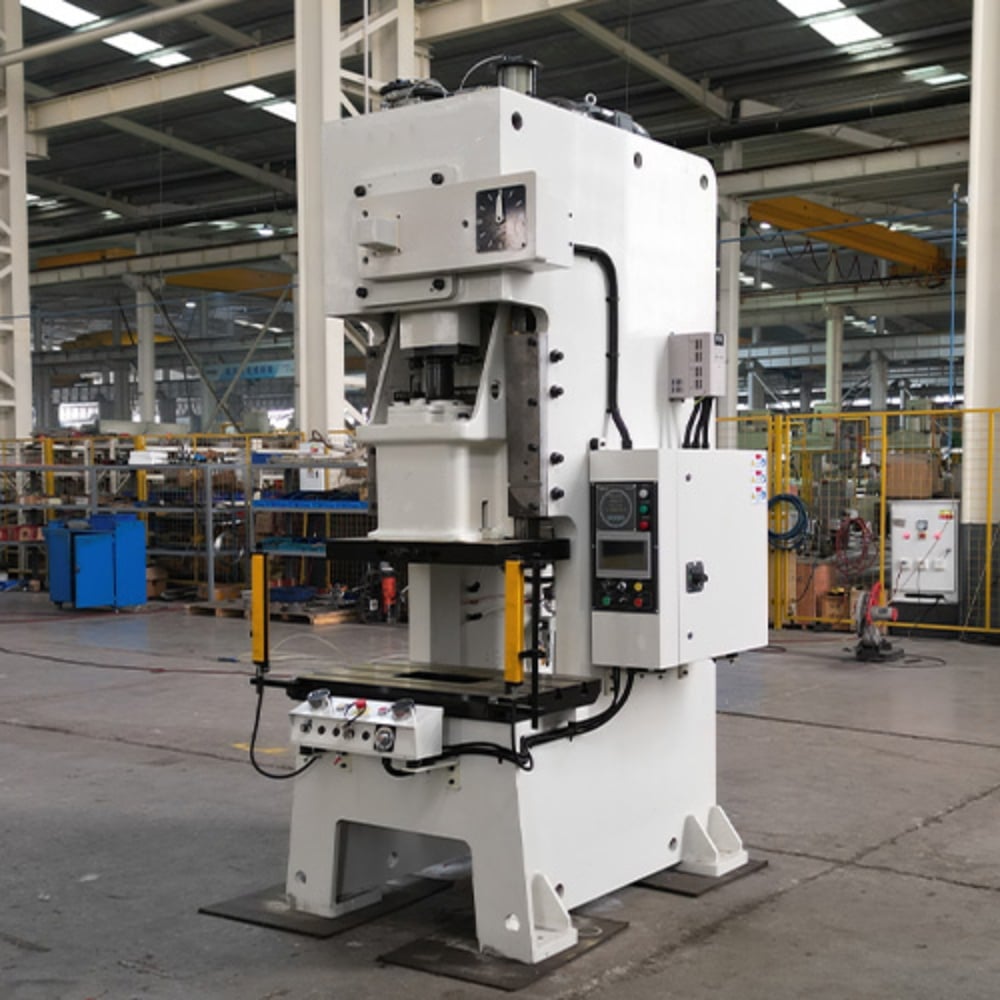
Comparison Summary: Punching vs. Drilling
Before exploring the technical specifics, it is helpful to look at a high-level comparison. Punching is generally characterized by its incredible speed and efficiency, especially when dealing with thin to medium-gauge sheet metal. It is a “cold” process that involves a punch and a die. On the other hand, drilling is a versatile, high-precision method that excels in thick materials and applications where edge quality and hole diameter consistency are paramount. Drilling is often preferred when the material is too hard or too thick for a standard punch to penetrate without damaging the tool or the workpiece.
The decision-making process usually revolves around the “Three Ts”: Thickness, Tolerance, and Throughput. If you are working with sheet metal under 6mm and need thousands of holes per hour, punching is almost always the winner. However, if you are working with 25mm steel plates for bridge construction, a drilling machine or a CNC machining center becomes the necessary tool. Understanding these boundaries is the first step in optimizing your workshop’s workflow.
Punching Machine Overview
The Mechanics of Punching
A punching machine, such as a HARSLE hydraulic punch press or a CNC turret punch, operates on the principle of shearing. The process involves a hardened steel punch being forced through the workpiece into a matching die. The clearance between the punch and the die is critical; it determines the quality of the hole and the amount of burr produced. As the punch descends, it first compresses the metal, then shears it, and finally breaks the remaining material, pushing a “slug” out through the bottom of the die.
Modern CNC punching machines are incredibly sophisticated. They feature turrets that hold dozens of different tools, allowing the machine to switch between various hole sizes and shapes (round, square, oblong, or custom) in a matter of milliseconds. This versatility makes punching the go-to solution for complex sheet metal parts that require multiple apertures and forming operations like louvers or ribs.
Advantages of Punching
The primary advantage of punching is speed. A CNC turret punch can perform hundreds of hits per minute, making it exponentially faster than drilling for high-volume production. Additionally, punching is a multi-functional process. Beyond simple holes, a punching machine can perform nibbling (creating large or irregular shapes by overlapping small punches), embossing, and even small-scale bending. This reduces the need for secondary operations, streamlining the manufacturing cycle.
From a cost-per-hole perspective, punching is highly economical for large batches. Once the tooling is set up, the operational cost is relatively low. Furthermore, punching does not require the use of coolants in the same way drilling does, leading to a cleaner workspace and less environmental impact regarding fluid disposal.
Limitations of Punching
Despite its speed, punching has limitations. The most significant is material thickness. As the thickness of the metal increases, the force required to punch a hole grows exponentially. Punching very thick plates can lead to rapid tool wear or even catastrophic failure of the punch. Furthermore, punching creates a “heat-affected zone” or localized deformation around the hole due to the high shear forces. This can result in a slight taper in the hole and a burr on the exit side, which may require deburring if a perfectly smooth finish is required.
Drilling Machine Overview
The Mechanics of Drilling
Drilling is a subtractive manufacturing process that uses a rotating cutting tool, known as a drill bit, to remove material. Unlike punching, which displaces material all at once, drilling removes material incrementally in the form of small chips or spirals. This process is typically performed on a drill press, a radial drilling machine, or a CNC milling center. The tool moves axially into the workpiece while rotating at high speeds, guided by the machine’s spindle.
Because drilling is a cutting process, it generates significant heat due to friction. To manage this, coolants or lubricants are almost always used to protect the drill bit and ensure a smooth surface finish. The precision of drilling is generally higher than punching, as the tool is guided more rigidly and the process does not involve the violent shearing forces associated with a punch press.
Advantages of Drilling
Drilling shines in applications involving thick materials and high-strength alloys. There is virtually no upper limit to the thickness of the material that can be drilled, provided the machine has enough torque and the drill bit is long enough. Drilling also produces holes with excellent dimensional accuracy and verticality. The walls of a drilled hole are typically smoother than those of a punched hole, and there is no “breakout” or taper, which is essential for tapped holes (threading) or high-tolerance bolt fits.
Another advantage is the lack of material deformation. Because the force is applied rotationally and incrementally, the surrounding material remains flat and unstressed. This is crucial for structural components where the integrity of the metal around the hole is vital for load-bearing capacity. Drilling is also the only viable option for very small, deep holes where a punch would simply buckle under the pressure.
Limitations of Drilling
The main drawback of drilling is the time it takes. Even with high-speed CNC spindles, drilling a single hole takes significantly longer than punching one. This makes it less suitable for high-volume sheet metal work. Additionally, drilling produces a large amount of metal chips (swarf), which must be managed and recycled. The cost of consumable drill bits can also add up, especially when working with hard materials like stainless steel or titanium, which dull bits quickly.
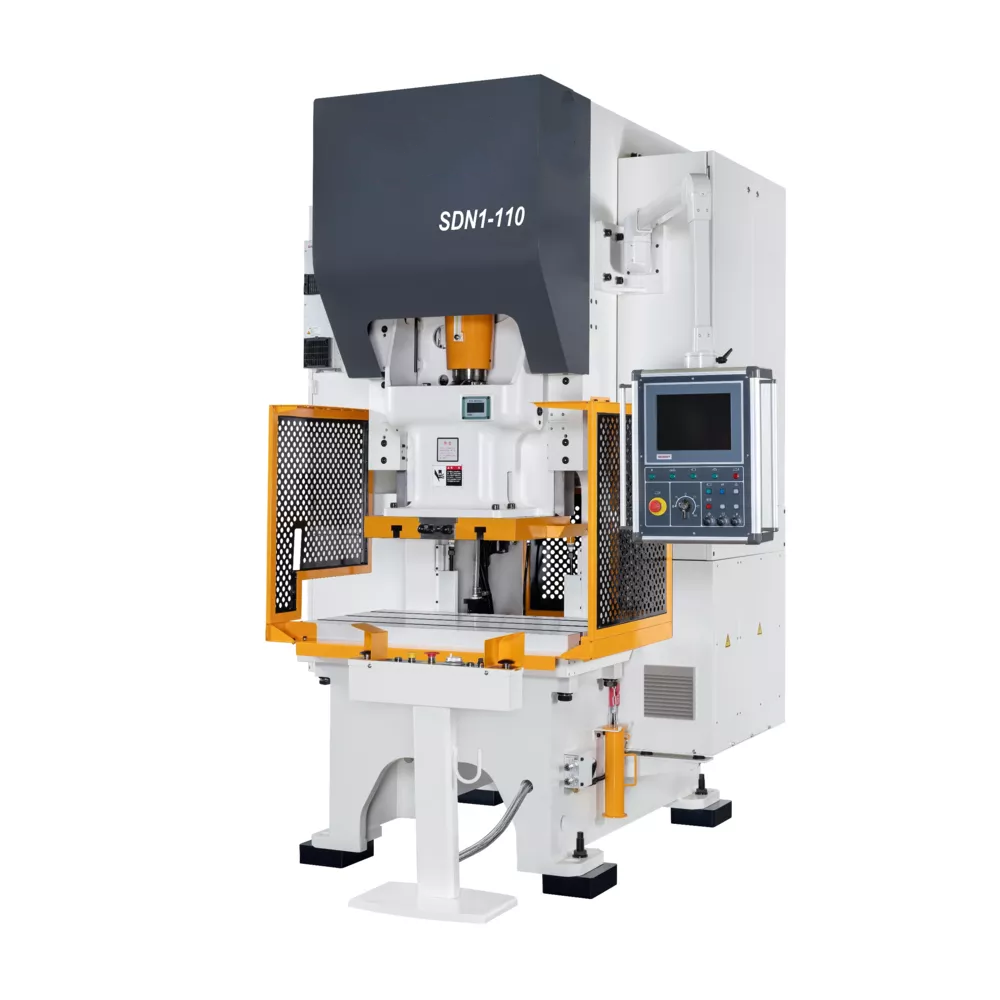
Specification Comparison Table
To help visualize the differences, the following table compares the key technical specifications of Punching Machine Vs Drilling Machine: Best Solution Hole Making In Metal Processing.
| Feature | Punching Machine | Drilling Machine |
|---|---|---|
| Primary Mechanism | Shearing / Displacement | Rotary Cutting / Material Removal |
| Processing Speed | Very High (Hundreds of holes/min) | Low to Moderate |
| Material Thickness | Best for < 6mm (Max ~12mm) | Unlimited (Limited by machine capacity) |
| Hole Quality | Tapered with burrs | High precision, smooth walls |
| Tooling Cost | High initial (Punch & Die sets) | Low to Moderate (Drill bits) |
| Setup Time | Moderate (Turret setup) | Low (Single bit change) |
| Material Deformation | Possible around hole edges | Minimal to None |
| Versatility | Can emboss, form, and nibble | Limited to holes and countersinks |
Best-fit Applications
When to Choose a Punching Machine
Punching machines are the workhorses of the sheet metal industry. If your production line involves the following, a HARSLE punching machine is likely your best bet:
- High-Volume Production: When you need to produce thousands of identical parts with multiple holes.
- Thin Materials: Processing aluminum, mild steel, or stainless steel sheets under 4mm.
- Complex Geometries: Parts that require not just holes, but also slots, notches, and formed features like louvers.
- Cost Sensitivity: When the goal is to minimize the cost per part in a mass-production environment.
When to Choose a Drilling Machine
Drilling machines are indispensable in heavy industry and precision engineering. Consider drilling if your project involves:
- Thick Plates: Structural steel, heavy machinery frames, and plates over 12mm thick.
- High Precision: Applications requiring tight tolerances for aerospace or medical components.
- Hard Materials: When working with hardened steels or exotic alloys that would break a punch.
- Secondary Operations: When the hole needs to be tapped (threaded) or reamed for a precision pin fit.
Cost and Maintenance Comparison
Investment and Operational Costs
The initial investment for a high-quality CNC punching machine is generally higher than that of a standard drilling machine. However, the productivity gains often justify the cost in a commercial setting. Punching tools (punches and dies) are expensive but can be sharpened many times before replacement. In contrast, drilling machines have a lower entry price, but the ongoing cost of drill bits and coolant can be significant over time.
Maintenance Requirements
Maintenance for punching machines focuses on the hydraulic system and the alignment of the turret. Ensuring that the punch and die remain perfectly centered is critical to prevent tool breakage. Lubrication of the moving parts and monitoring the hydraulic oil quality are routine tasks for HARSLE machine owners.
Drilling machine maintenance is centered on the spindle and the cooling system. The spindle bearings must be kept in top condition to prevent runout (wobble), which ruins hole accuracy. Additionally, the coolant system must be cleaned regularly to prevent bacterial growth and ensure efficient heat dissipation. Both machines require a disciplined maintenance schedule to ensure longevity and consistent performance.
Recommendation: Which One Should You Buy?
Choosing the Punching Machine Vs Drilling Machine: Best Solution Hole Making In Metal Processing ultimately comes down to your specific production profile. If you are a job shop handling a wide variety of thin sheet metal projects, a HARSLE CNC Turret Punch will provide the speed and versatility you need to stay competitive. It allows you to move from design to finished part rapidly.
However, if your work involves heavy structural fabrication, mold making, or high-precision engineering where material thickness exceeds 10-12mm, a robust drilling machine or a CNC machining center is the correct choice. For many large-scale manufacturers, the ideal solution is actually a combination of both. Using a punching machine for the bulk of the sheet metal work and a drilling station for thick plates and precision finishing ensures that the facility can handle any challenge that comes its way.
At HARSLE, we recommend evaluating your most common material types and production volumes over the last 12 months. This data will clearly point you toward the machine that will offer the fastest return on investment.
Frequently Asked Questions (FAQ)
1. Can a punching machine handle stainless steel?
Yes, but it requires specialized tooling and a machine with sufficient tonnage. Stainless steel work-hardens quickly, so the punch must be sharp and the clearance between the punch and die must be precisely set to avoid excessive tool wear.
2. Is drilling more accurate than punching?
Generally, yes. Drilling provides better hole cylindricity and a smoother surface finish. Punching always results in a slight taper (the “breakout”) in the bottom half of the hole, which may not be acceptable for high-precision mechanical assemblies.
3. What is the maximum thickness a HARSLE punch can handle?
While it depends on the specific model and material type, most industrial hydraulic punches are rated for up to 6mm or 10mm in mild steel. For anything thicker, drilling or laser/plasma cutting is usually recommended to preserve tool life.
4. Does punching affect the structural integrity of the metal?
Punching introduces localized stress and a small heat-affected zone due to the friction of the shear. In most commercial applications, this is negligible. However, for critical structural components subjected to high fatigue, drilling is often preferred as it is a gentler process.
5. How often should I sharpen my punching tools?
Tool sharpening frequency depends on the material being punched. A good rule of thumb is to inspect tools every 10,000 to 50,000 hits. Dull tools increase the required punching force and result in larger burrs on the workpiece.
6. Can I use a drilling machine for square holes?
Standard drilling machines can only create round holes. To create a square hole with a drill, you would need to drill a pilot hole and then use a secondary process like broaching or milling. A punching machine, however, can create square holes in a single hit using a square punch and die.

