Sheet Metal Punching Machine vs CNC Turret Punch Press: Which Offers Better Flexibility?

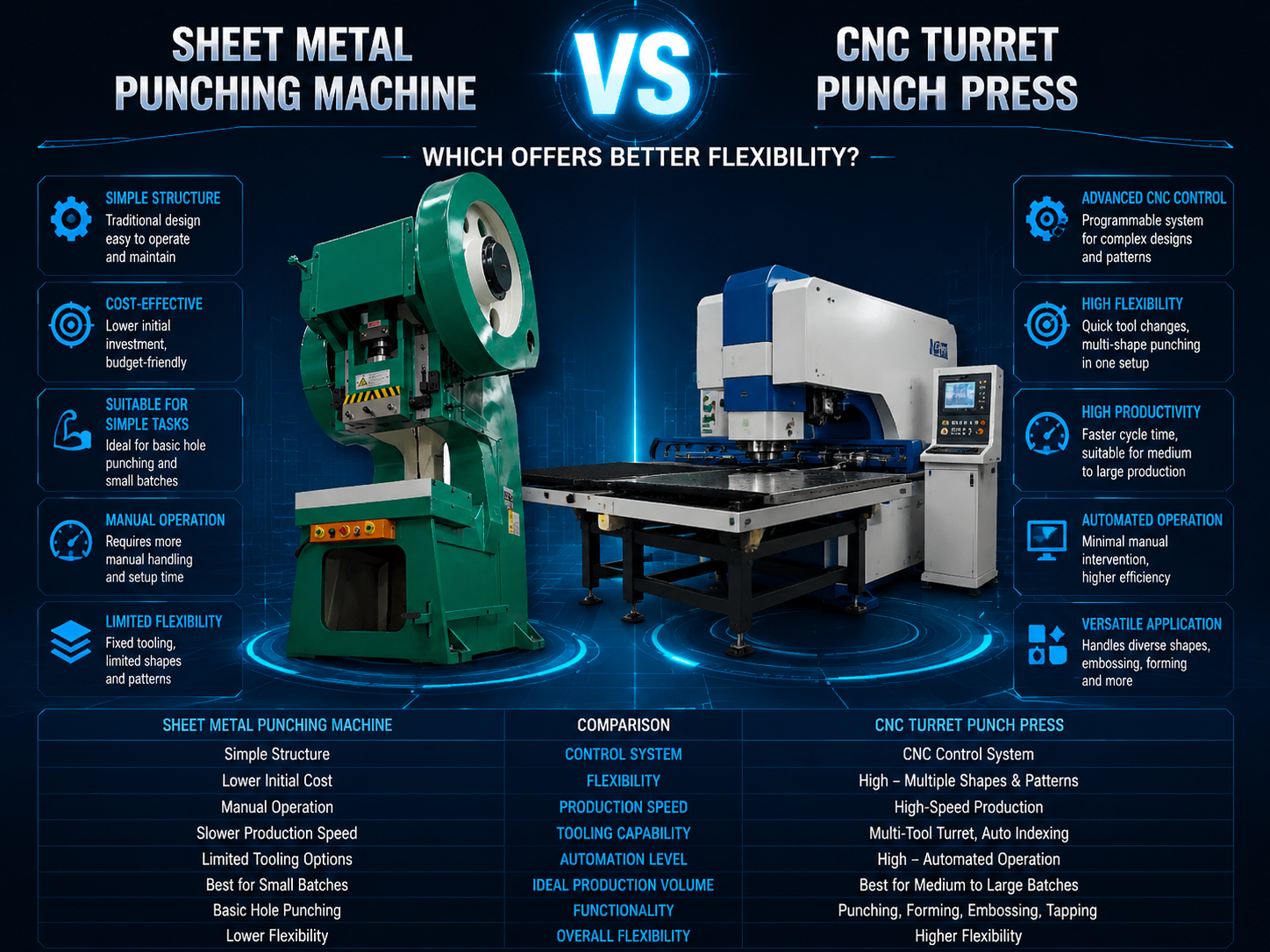
Comparison Summary: Understanding the Punching Landscape
In the world of metal fabrication, the choice between a standard sheet metal punching machine and a CNC turret punch press often dictates the efficiency, versatility, and profitability of a workshop. While both machines are designed to create holes, notches, and forms in sheet metal, they operate on fundamentally different philosophies of production. The ‘flexibility’ of a machine is a multifaceted concept: it can refer to the ease of switching between different jobs, the ability to handle complex geometries, or the capacity to scale production from a single prototype to thousands of units.
A standard sheet metal punching machine, often a single-station hydraulic or mechanical unit, is the workhorse of small-scale shops and heavy-duty plate processing. Its flexibility lies in its simplicity and the ability to handle thicker materials with high tonnage. Conversely, the CNC turret punch press represents the pinnacle of automated punching technology. By housing dozens of tools in a rotating turret and utilizing computer numerical control (CNC) to position the workpiece, it offers a different kind of flexibility—the ability to perform complex, multi-tool operations without manual intervention.
For manufacturers like HARSLE, providing the right equipment means understanding that ‘better flexibility’ depends entirely on the user’s specific workflow. A job shop handling bespoke architectural metalwork has different flexibility requirements than an OEM producing electrical enclosures. This article provides an in-depth analysis of both technologies to help you determine which machine offers the flexibility your business needs to stay competitive in the modern industrial landscape.
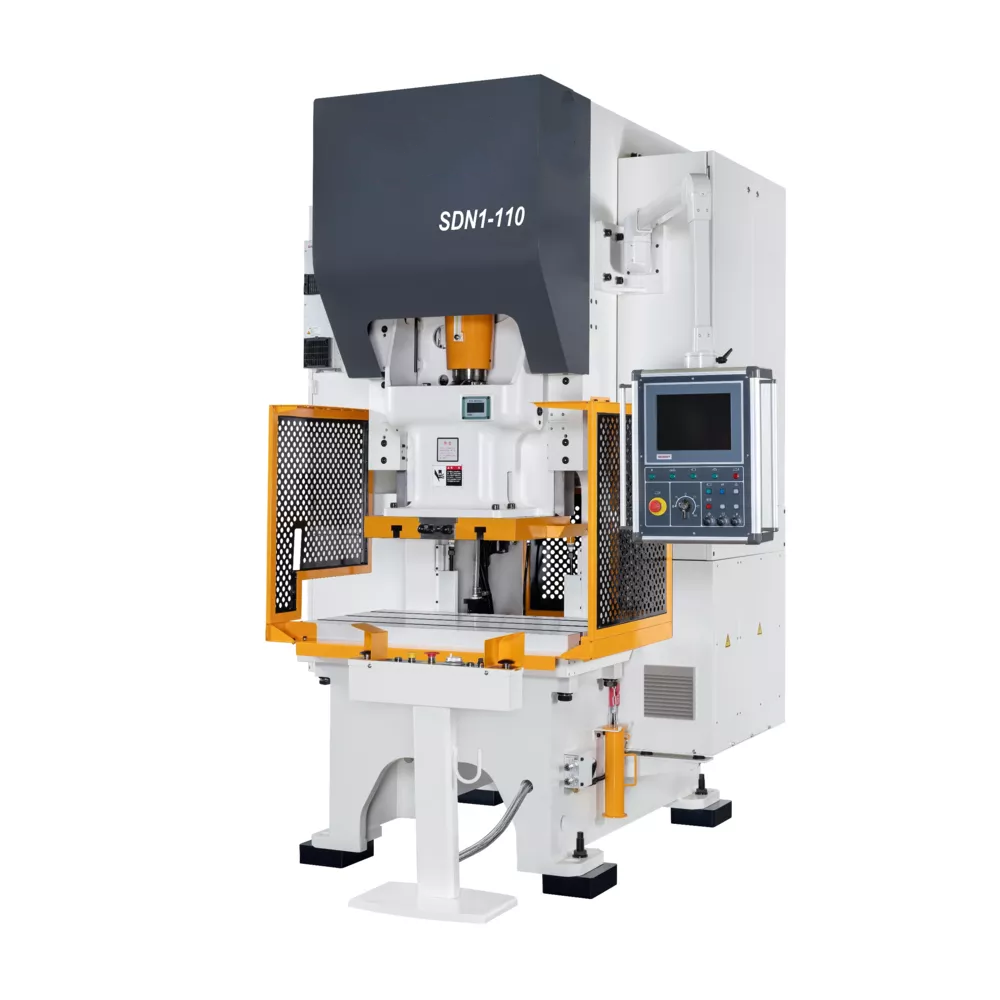
Sheet Metal Punching Machine Overview: The Single-Station Powerhouse
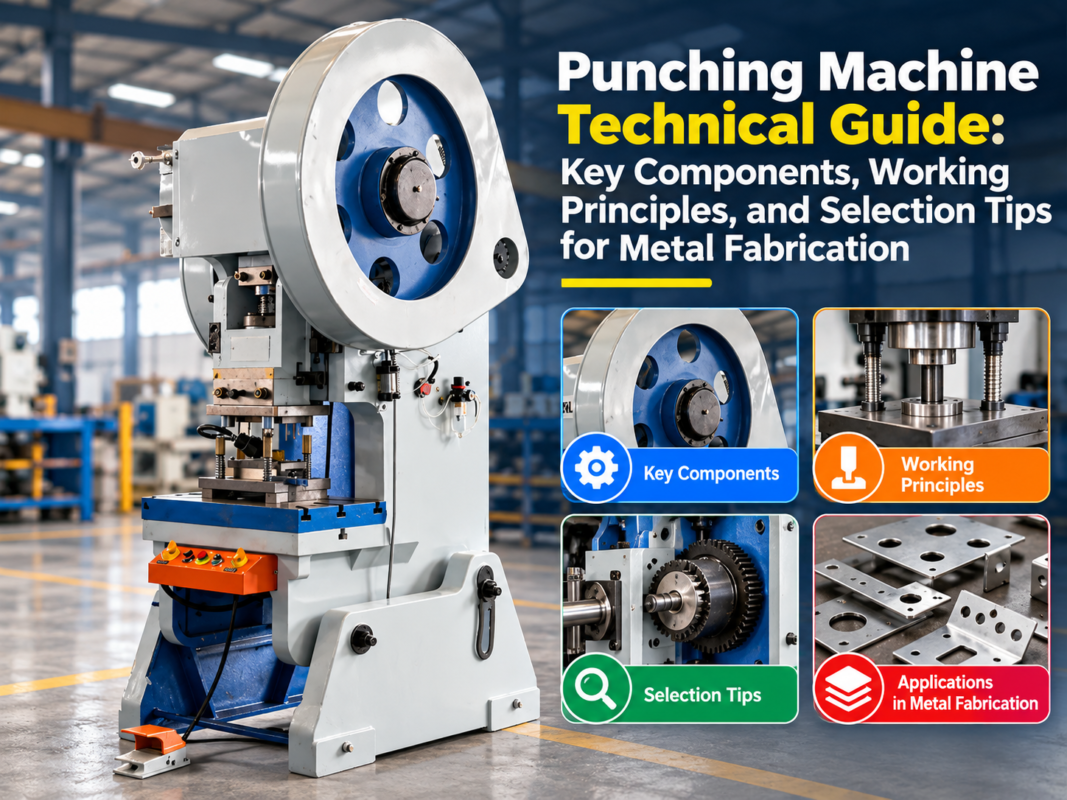
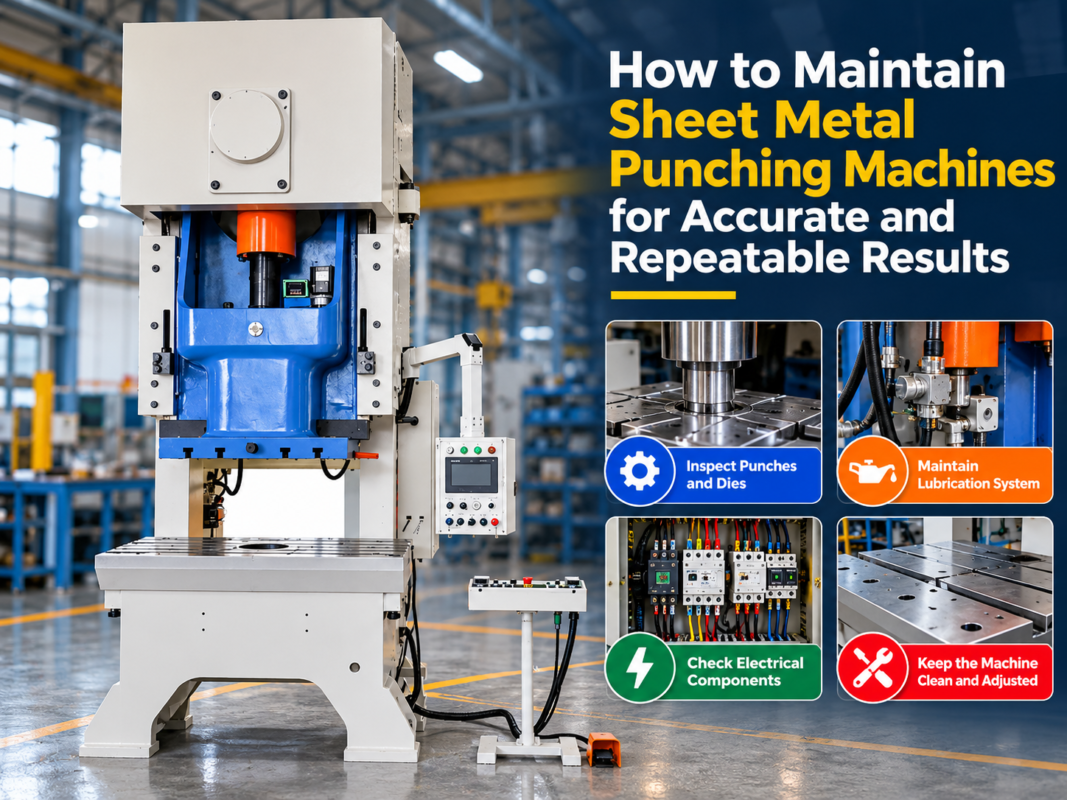
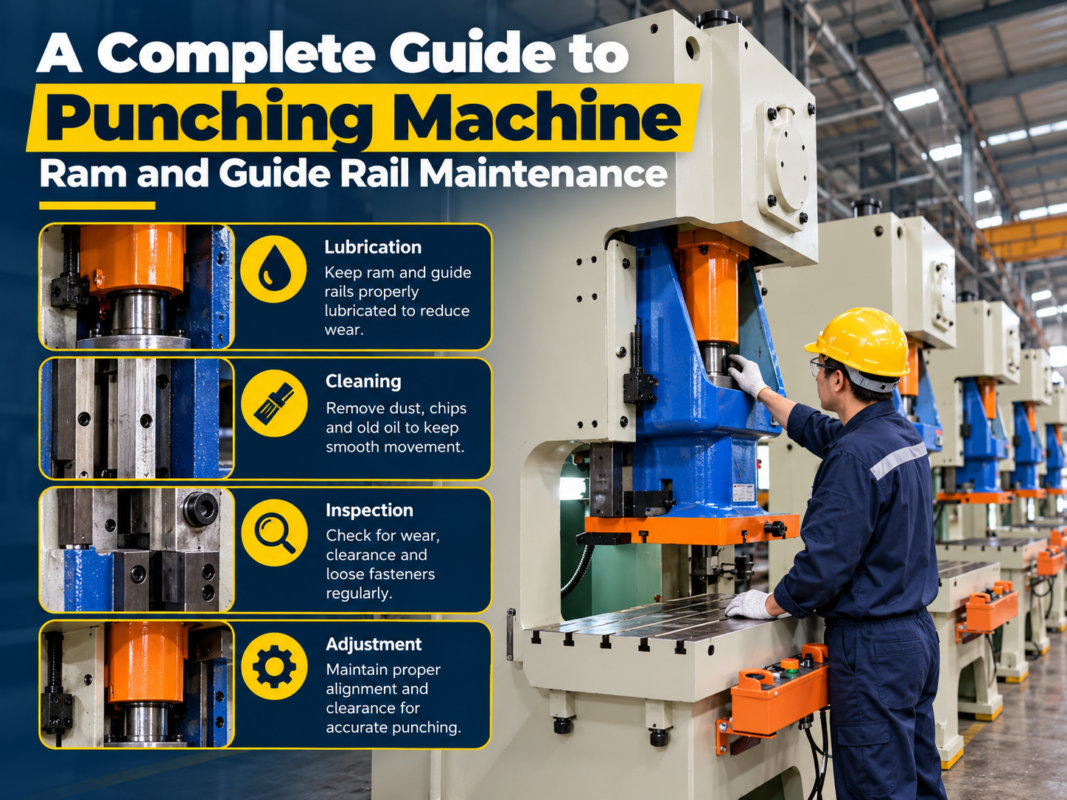
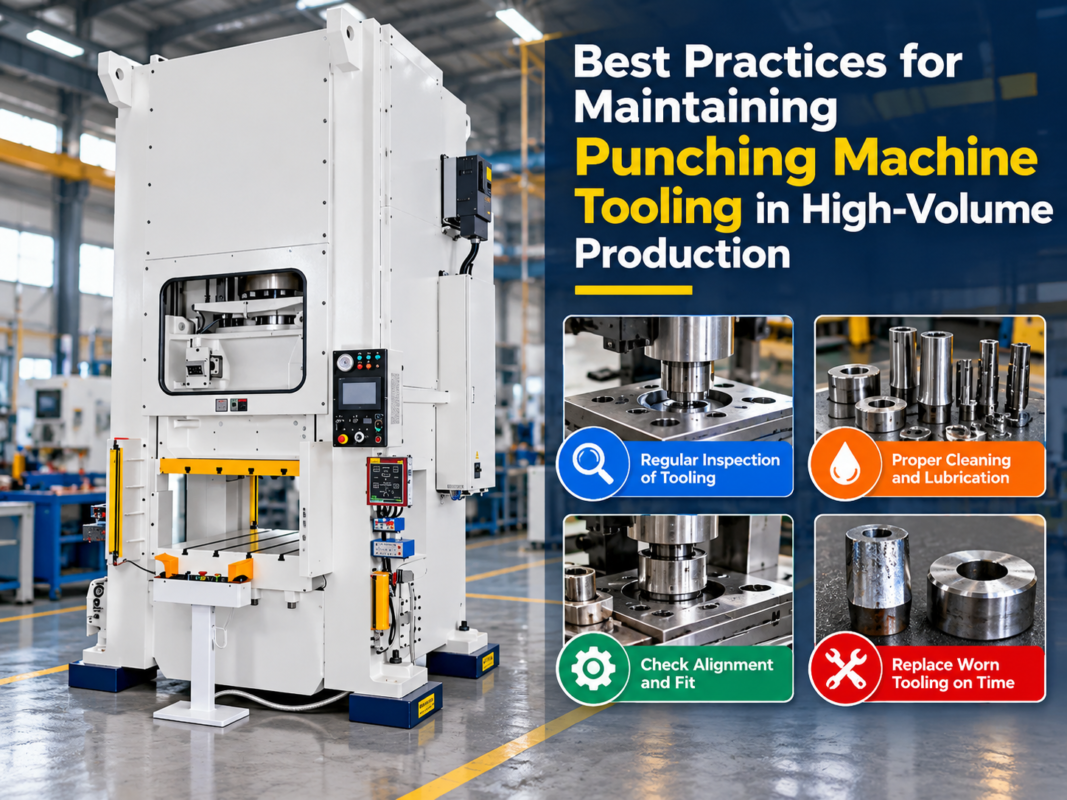
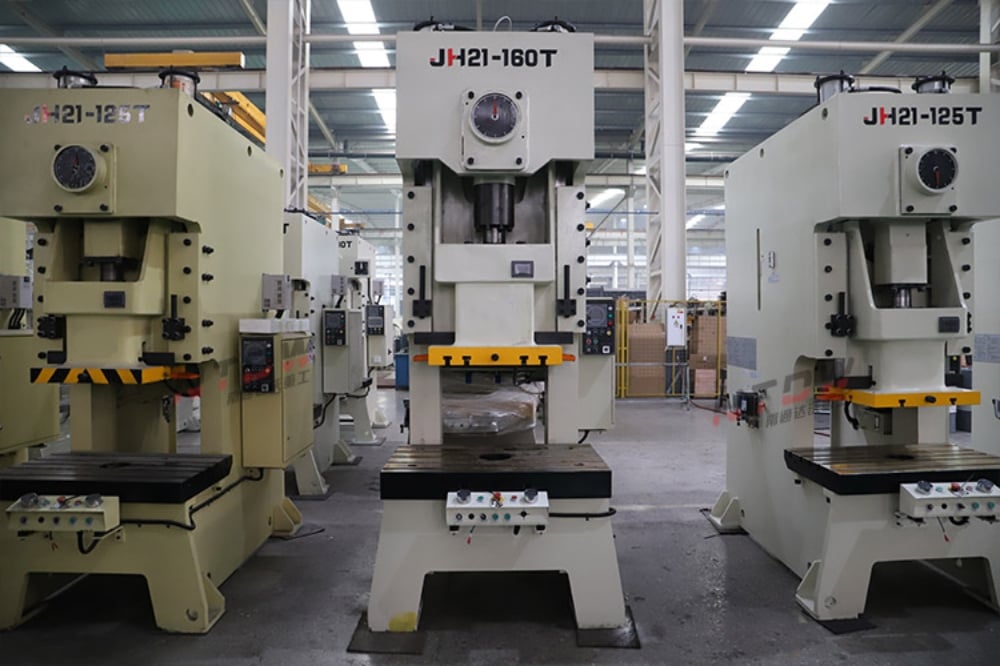
The traditional sheet metal punching machine, typically a single-station unit, is characterized by its robust frame and high-pressure hydraulic system. Unlike its turret-based counterpart, this machine holds one tool at a time. To change the hole size or shape, the operator must manually swap the punch and die set. While this might seem like a limitation in a high-speed environment, it offers a unique form of ‘setup flexibility’ for specific applications.
One of the primary advantages of the single-station punching machine is its structural integrity. Because the machine is built around a single, centralized ram, it can often exert significantly higher tonnage than a turret press of similar size. This makes it the preferred choice for punching thick plates, heavy-duty brackets, and structural steel components where a turret press might struggle with frame deflection or tool wear. For a fabricator working with 6mm to 12mm steel, the single-station machine provides the flexibility to handle heavy materials that are outside the scope of most turret presses.
Furthermore, the simplicity of the single-station machine translates to lower maintenance and a shorter learning curve. There are no complex turret alignment procedures or intricate software configurations to manage. For small batches or one-off custom parts, the time taken to set up a single tool is often negligible compared to the programming time required for a CNC system. This ‘operational flexibility’ allows small shops to respond quickly to simple requests without the overhead of a high-tech production line.
However, the limitations are clear when it comes to geometric complexity. If a part requires five different hole sizes, the operator must stop the machine four times to change tools. This manual process introduces the risk of human error and significantly increases the cycle time per part. In the context of modern manufacturing, where ‘flexibility’ often implies the ability to handle complex designs rapidly, the single-station machine is best viewed as a specialized tool rather than a general-purpose production hub.
CNC Turret Punch Press Overview: Automation and Multi-Tool Versatility
The CNC turret punch press is a marvel of engineering designed to maximize throughput and minimize manual labor. The defining feature is the turret—a large, rotating disk that holds a variety of punch and die sets (ranging from 12 to over 50 stations). When a part program is executed, the CNC system moves the sheet metal along the X and Y axes while simultaneously rotating the turret to the required tool station. This happens at incredible speeds, with modern machines capable of hundreds of hits per minute.
The flexibility of a CNC turret punch press is found in its ‘process versatility.’ Because the machine has access to a wide array of tools at any given moment, it can create complex patterns, louvers, ribs, and even threads (using tapping tools) in a single setup. The inclusion of ‘Auto-Index’ stations further enhances this flexibility; these stations can rotate the tool to any angle, allowing a single rectangular punch to create notches at various orientations, which drastically reduces the total number of tools required in the turret.
From a production standpoint, the CNC turret punch press offers ‘scaling flexibility.’ Once a program is written and the turret is loaded, the machine can produce one part or one thousand parts with identical precision. This makes it ideal for ‘Just-In-Time’ (JIT) manufacturing environments where production schedules change daily. The ability to nest multiple different parts on a single large sheet of metal further optimizes material usage and reduces waste, a level of efficiency that is nearly impossible to achieve with manual punching machines.
Despite these advantages, the CNC turret punch press requires a higher level of technical expertise. Operators must be proficient in CAD/CAM software, and the maintenance team must understand the intricacies of hydraulic servo systems and turret alignment. Additionally, while the turret offers many tools, it is generally limited to thinner gauges of metal (typically up to 3.2mm or 6mm depending on the model) to protect the turret mechanism from excessive shock and wear. For high-volume, complex sheet metal work, however, the turret press is the undisputed leader in flexibility.
Specification Comparison Table
| Feature | Sheet Metal Punching Machine (Single Station) | CNC Turret Punch Press |
|---|---|---|
| Tool Capacity | 1 Tool at a time (Manual Change) | 12 to 50+ Tools (Automatic Selection) |
| Operation Mode | Manual or Semi-Automatic | Fully Automated CNC |
| Max Material Thickness | High (up to 12mm or more) | Medium (typically up to 6mm) |
| Hit Rate (Strokes/Min) | Low (20-60 SPM) | Very High (300-1000+ SPM) |
| Precision | Dependent on Operator/Jigs | High (±0.1mm or better) |
| Setup Time | Fast for simple jobs, slow for complex | Slow initial setup, zero changeover during run |
| Geometric Complexity | Limited to simple shapes | High (Louvers, forming, complex patterns) |
| Initial Investment | Lower | Higher |
Best-fit Applications: Choosing Based on Your Output
When to Choose a Sheet Metal Punching Machine
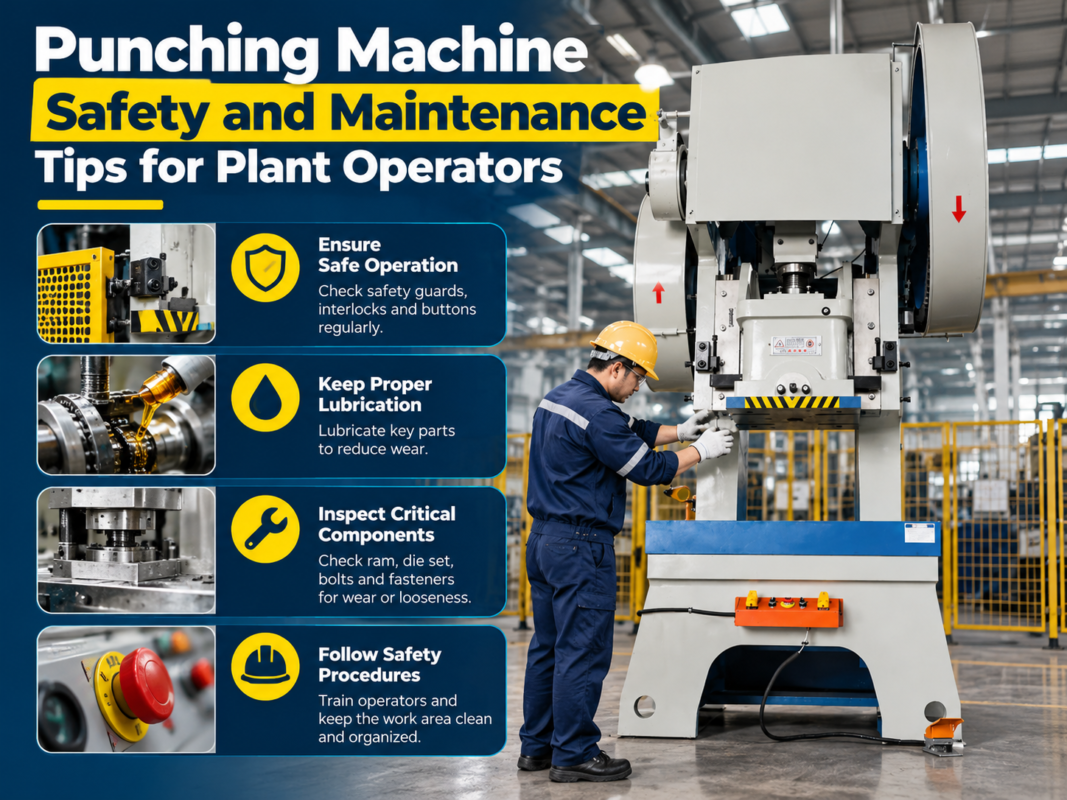
The single-station punching machine is the ideal choice for businesses that focus on heavy-duty fabrication or low-volume, high-variety work. If your daily operations involve punching holes in thick base plates for construction, creating simple brackets for heavy machinery, or performing secondary operations on pre-cut parts, the simplicity and power of a manual or semi-automatic punching machine are unbeatable. It is also a vital tool for maintenance departments and prototype shops where the cost of a CNC system cannot be justified by the production volume.
When to Choose a CNC Turret Punch Press
If your product line involves electrical cabinets, server racks, lighting fixtures, or any component with numerous holes and formed features, the CNC turret punch press is essential. Its ability to handle complex nesting and perform multiple operations (punching, forming, marking) in one cycle makes it the backbone of modern sheet metal shops. It is particularly effective for manufacturers who need to produce medium to high volumes of parts with high repeatability and minimal labor costs. The flexibility to switch between different part designs by simply loading a new program is a massive competitive advantage in a fast-paced market.
Cost and Maintenance Comparison
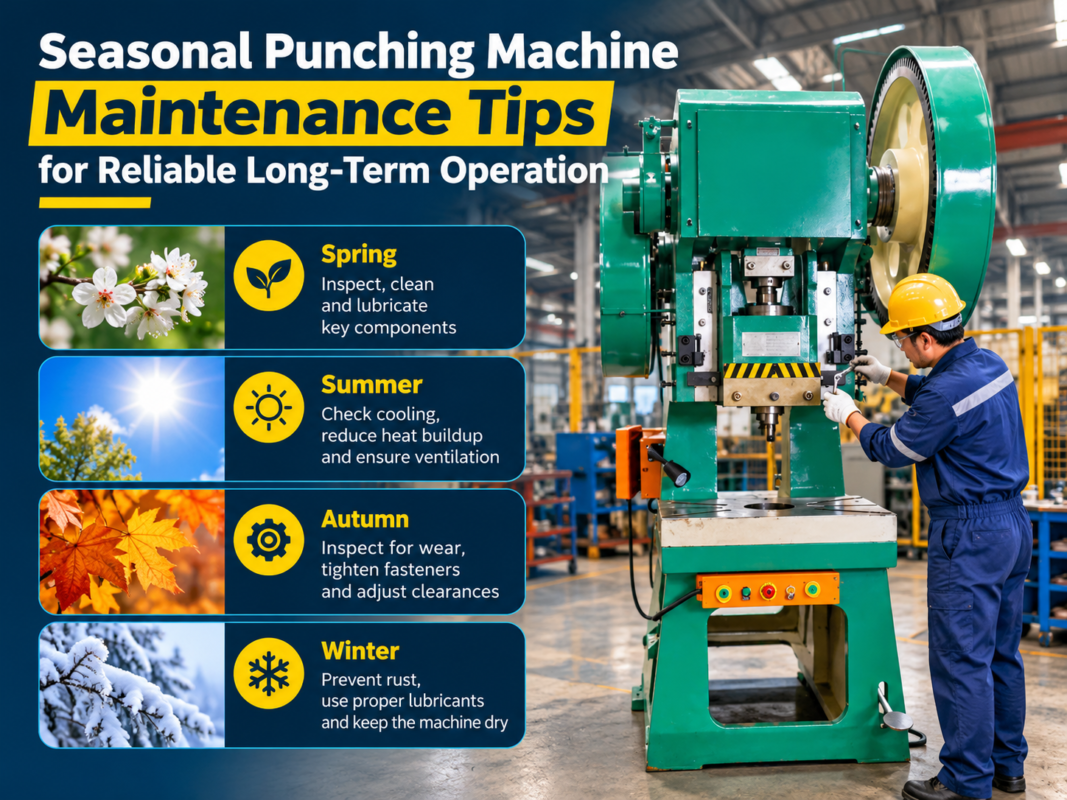
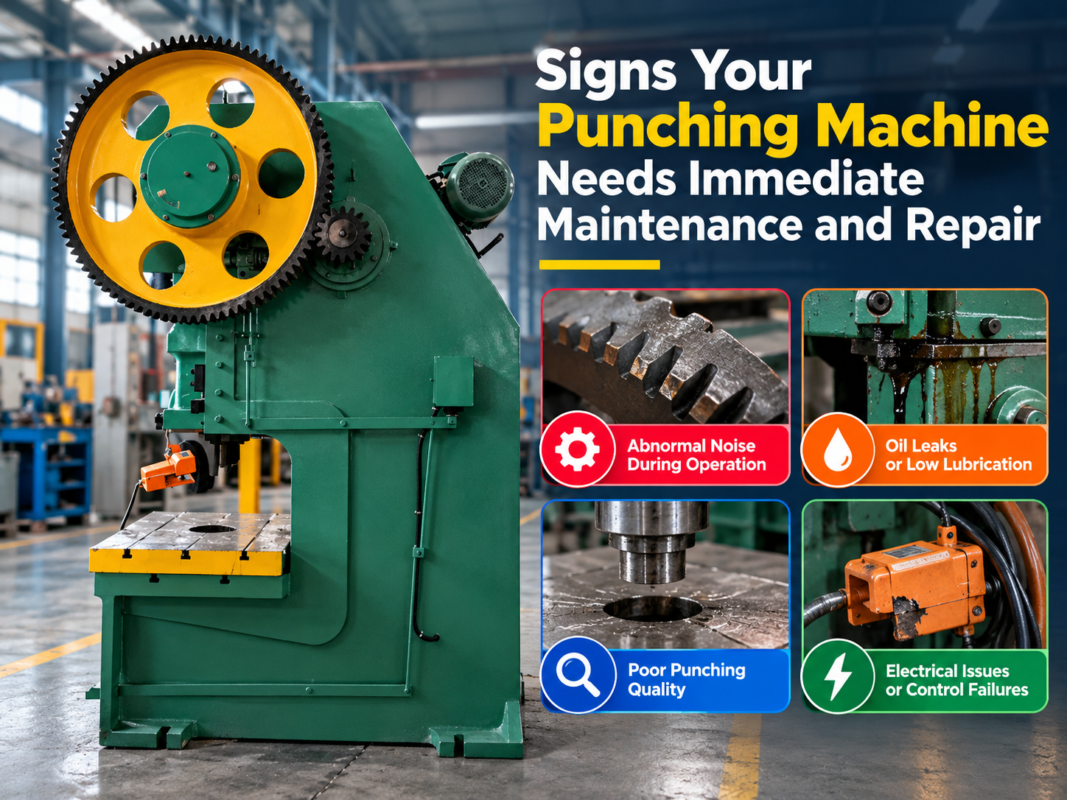
The financial implications of choosing one machine over the other extend far beyond the initial purchase price. A standard sheet metal punching machine has a lower entry cost and uses simpler, often cheaper, tooling. Maintenance is straightforward, focusing on hydraulic seals, oil changes, and tool sharpening. This makes it a low-risk investment for startups or small workshops with limited technical support.
In contrast, a CNC turret punch press is a significant capital investment. Beyond the machine itself, you must account for the cost of a full library of turret tooling, CAD/CAM software licenses, and specialized operator training. However, the ‘cost per part’ on a turret press is significantly lower in high-volume scenarios due to the reduction in labor and the speed of production. Maintenance is more intensive, requiring regular calibration of the turret, inspection of the auto-index drive systems, and software updates. A breakdown on a CNC machine can also be more costly in terms of both repair parts and lost production time, necessitating a proactive preventative maintenance schedule.
Recommendation: Which Offers Better Flexibility?
The answer to “which offers better flexibility” depends on how you define the term. If flexibility means the **ability to handle a wide range of material thicknesses and perform quick, simple tasks with zero programming**, then the **Sheet Metal Punching Machine** is the winner. It is the ultimate ‘utility’ tool that can handle the heavy lifting that more delicate CNC machines cannot.
If flexibility means the **ability to produce complex, high-precision parts with multiple features in a single, automated setup**, then the **CNC Turret Punch Press** is the clear victor. For the modern fabricator looking to scale their business and take on diverse contracts involving intricate sheet metal designs, the turret press provides the technological flexibility required to meet customer demands for speed and quality.
At HARSLE, we recommend evaluating your current and future project mix. If you are moving toward thinner materials and higher complexity, the investment in CNC technology will pay for itself through increased capacity. If you remain focused on structural, heavy-gauge work, a high-tonnage single-station machine will remain your most flexible asset.
Frequently Asked Questions (FAQ)
1. Can a CNC turret punch press replace a laser cutting machine?
While there is overlap, they serve different purposes. A turret punch is faster for creating many holes and can perform forming operations (like louvers) which a laser cannot. However, a laser is better for extremely complex outer contours and thicker materials where a punch might cause distortion.
2. How long does it take to learn to operate a CNC turret punch press?
Basic operation can be learned in a few days, but becoming proficient in CAD/CAM programming and optimizing tool layouts in the turret usually takes several weeks to months of hands-on experience.
3. Is tooling interchangeable between the two machines?
Generally, no. Single-station machines often use standard industrial punches (like ironworker tooling), while CNC turret presses use specialized tooling systems (like Thick Turret or Thin Turret styles) designed for high-speed indexing and automatic lubrication.
4. What is the typical lifespan of these machines?
With proper maintenance, both types of machines can last 15-20 years or more. CNC machines may require electronic or controller upgrades during their lifespan to remain compatible with modern software.
5. Can I punch stainless steel on both machines?
Yes, but stainless steel is much harder than mild steel. You must ensure the machine has sufficient tonnage and that you are using high-quality, coated tooling specifically designed for stainless steel to prevent premature wear.