How to Troubleshoot Laser Cutting Machine Nozzle Issues for Better Accuracy


Introduction to Laser Cutting Nozzle Precision
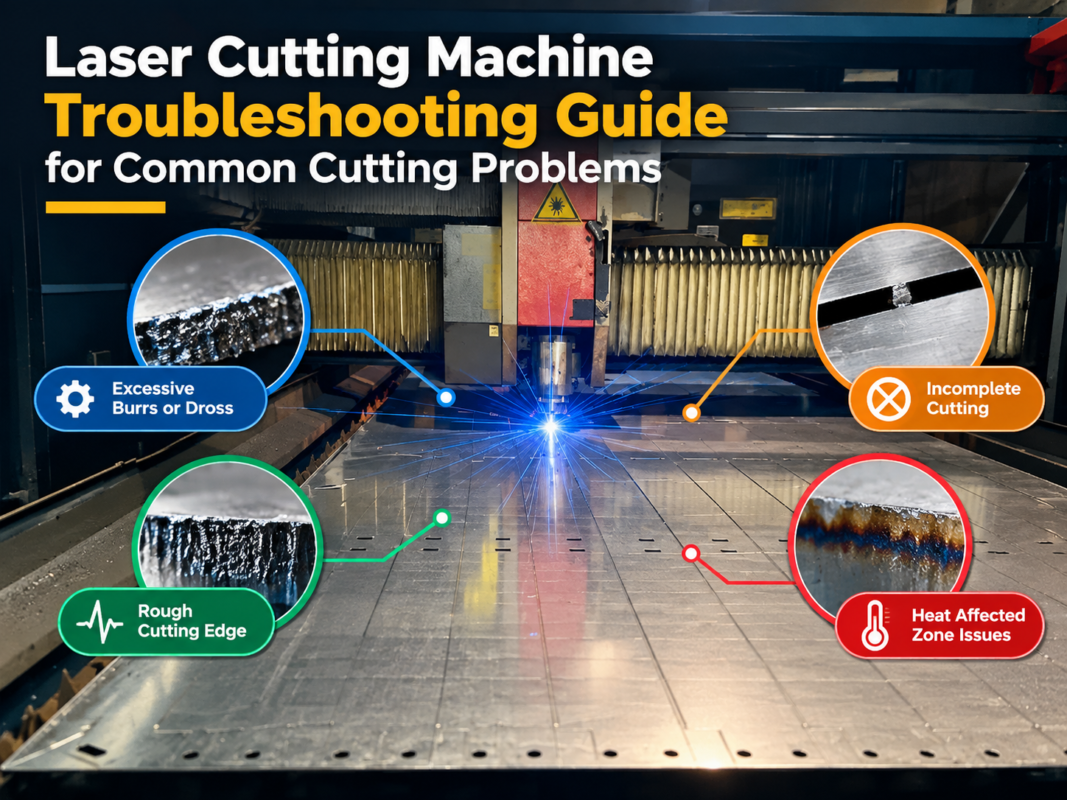
In the world of high-precision metal fabrication, the fiber laser cutting machine stands as a pinnacle of efficiency and accuracy. However, even the most advanced HARSLE laser systems rely on a small but critical component: the nozzle. The nozzle is the final interface between the machine and the workpiece, responsible for directing both the high-energy laser beam and the auxiliary cutting gas. When issues arise with this component, the quality of the cut deteriorates rapidly, leading to dross, rough edges, and dimensional inaccuracies.
To Troubleshoot Laser Cutting Machine Nozzle Issues Better Accuracy, one must understand that the nozzle does more than just hold a hole. It stabilizes the gas pressure, protects the internal optics from back-splatter, and ensures the laser beam is perfectly centered. A slight deviation in the nozzle’s condition can lead to a significant waste of material and machine downtime. This guide is designed to provide operators and maintenance managers with a deep technical understanding of how to identify, diagnose, and resolve nozzle-related problems to maintain peak performance.
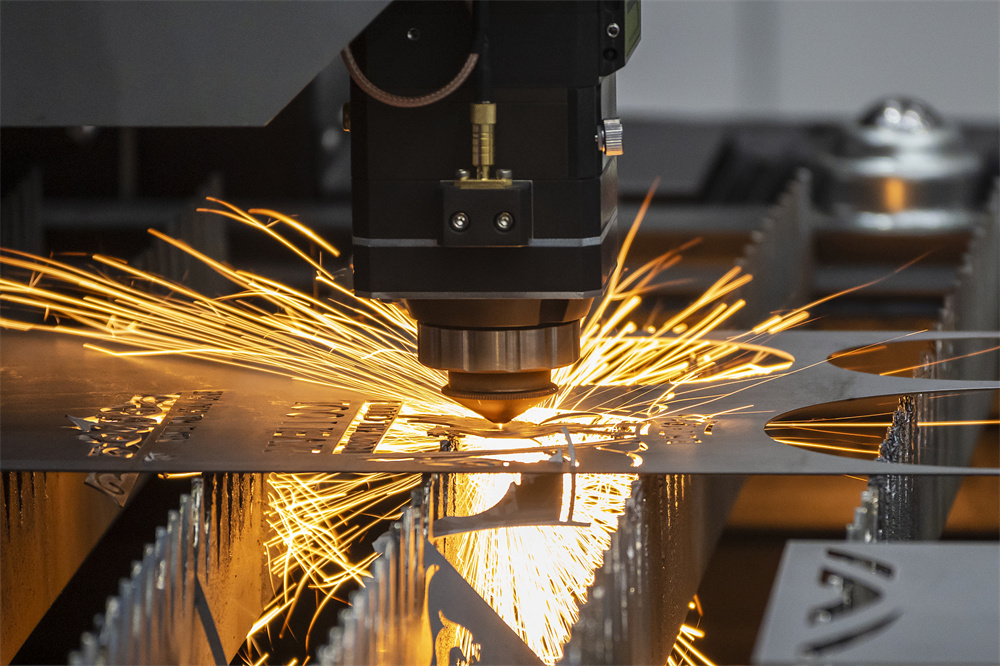
Accuracy in laser cutting is not just about the motor’s resolution or the laser source’s power; it is about the synergy of the entire cutting head assembly. The nozzle acts as the conductor of this synergy. If the nozzle is clogged, deformed, or improperly selected, the auxiliary gas (whether Oxygen, Nitrogen, or Air) will not flow laminarly. This turbulence causes the molten metal to be ejected unevenly, resulting in the dreaded “burr” or “slag” on the underside of the part. By mastering the troubleshooting techniques outlined here, you can ensure your HARSLE equipment delivers the world-class precision it was built for.
Key Considerations for Nozzle Performance
Before diving into troubleshooting, it is essential to understand the factors that influence how a nozzle performs. The first consideration is the material of the nozzle itself. Most high-quality nozzles are made from T2 grade copper, known for its excellent electrical and thermal conductivity. This allows the nozzle to dissipate the intense heat generated during the cutting process and ensures the capacitive height sensing system functions correctly. If a nozzle is made from inferior alloys, it may overheat, leading to deformation and loss of accuracy.
Another key consideration is the internal geometry of the nozzle. The inner bore must be perfectly smooth and concentric. Any microscopic burrs or irregularities inside the nozzle can cause gas turbulence. When gas flow becomes turbulent, it loses its ability to cleanly blow away the molten material from the kerf. This is why high-end nozzles often undergo specialized polishing processes. When you Troubleshoot Laser Cutting Machine Nozzle Issues Better Accuracy, you must inspect the nozzle not just for external damage, but for internal consistency.
The relationship between the nozzle and the ceramic ring is also vital. The ceramic ring acts as an insulator and a mounting point for the nozzle, facilitating the capacitance signal that controls the cutting head’s height. If the connection between the nozzle and the ceramic ring is loose or contaminated with carbon deposits, the machine may experience “head-crashing” or inconsistent cutting heights. Regular inspection of this interface is a fundamental part of industrial machinery maintenance.
Technical Details: Troubleshooting Common Nozzle Issues
1. Centering the Laser Beam
The most common cause of poor cutting accuracy is a beam that is not centered within the nozzle orifice. If the beam is closer to one side of the nozzle than the other, the gas flow will be asymmetrical. This results in a cut that looks clean on one side but has heavy dross on the opposite side. To troubleshoot this, operators use the “tape test.” By placing a piece of transparent adhesive tape over the nozzle opening and firing a short laser pulse at low power, you can see the beam’s footprint. If the hole in the tape is not perfectly centered in the nozzle’s circular shadow, adjustment is required via the X and Y centering screws on the cutting head.
2. Nozzle Deformation and Heat Damage
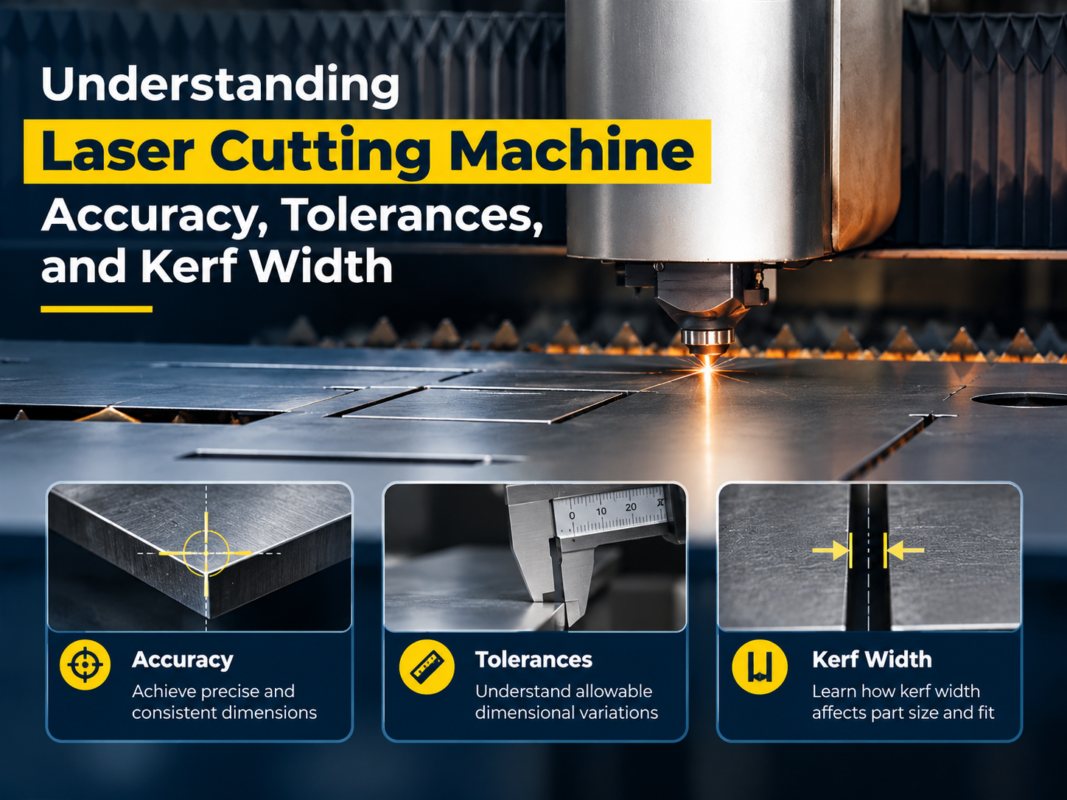
During high-power cutting, especially when processing thick carbon steel with oxygen, the nozzle is subjected to extreme heat. If the cutting parameters are incorrect or the nozzle is too close to the workpiece, the tip can melt or become “out of round.” A nozzle that is no longer perfectly circular will produce an inconsistent kerf width. When you Troubleshoot Laser Cutting Machine Nozzle Issues Better Accuracy, use a magnifying glass to inspect the orifice. If you see any signs of melting, pitting, or ovality, the nozzle must be replaced immediately. Even a 0.1mm deviation can ruin a high-precision part.
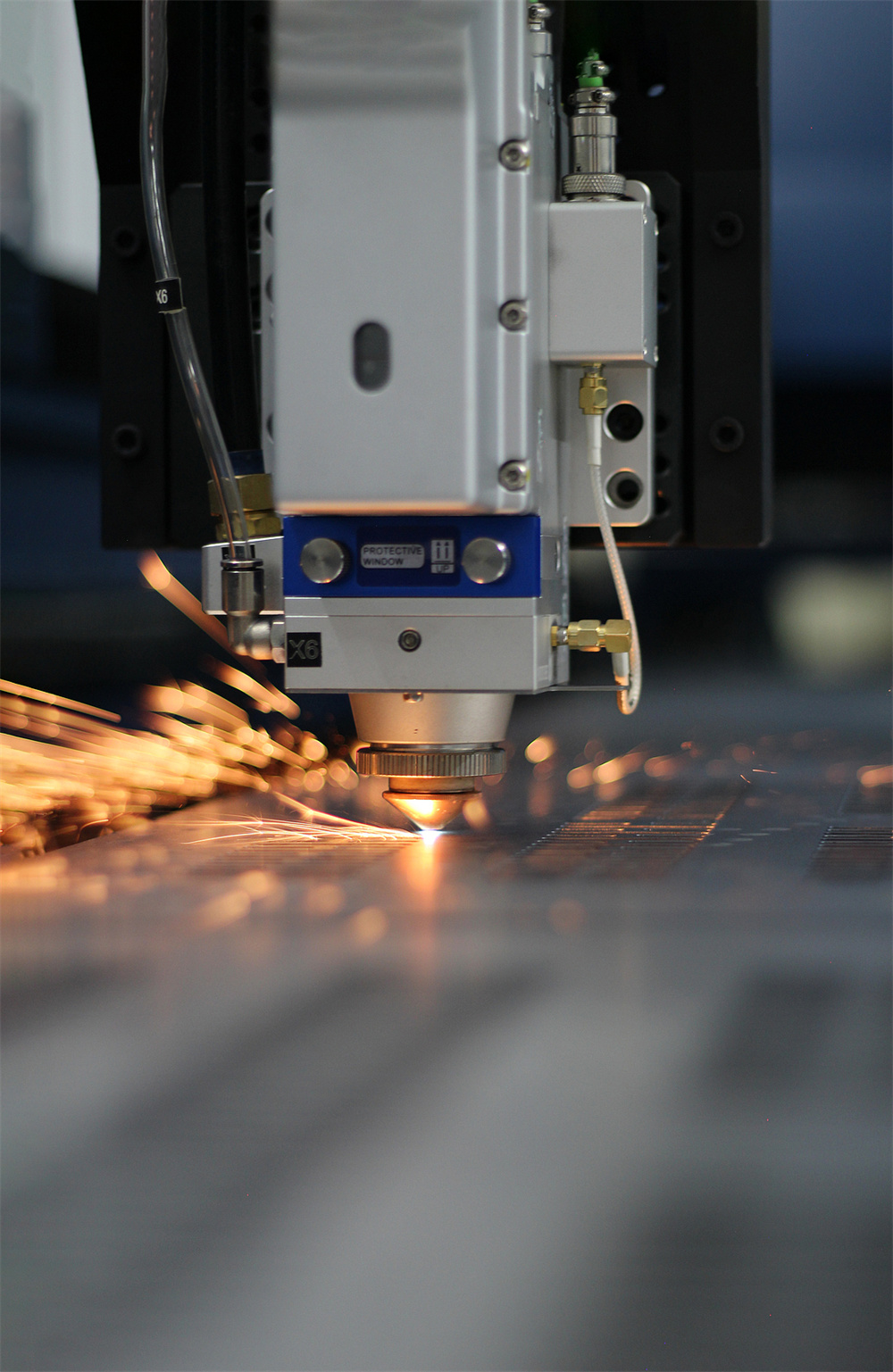
3. Managing Gas Flow and Turbulence
Gas pressure plays a dual role: it assists in the melting/burning process and mechanically removes the melt. If the nozzle is partially clogged by metal spatter, the gas flow will be restricted. This is particularly common during the piercing stage, where molten metal can fly upward. Troubleshooting involves checking the nozzle after every few pierces if you notice a drop in cut quality. Using anti-spatter paste or spray on the nozzle can significantly reduce the frequency of this issue. Furthermore, ensure that the gas supply lines are clean; internal debris from the gas tanks can also lodge in the nozzle.
4. Height Sensing and Calibration
The accuracy of the laser cut is heavily dependent on maintaining a constant distance between the nozzle and the plate (stand-off distance). If the nozzle is dirty or the ceramic ring is cracked, the capacitance signal becomes noisy. This causes the cutting head to jitter or “dive” into the material. Troubleshooting this involves cleaning the nozzle with alcohol and performing a “Follower Calibration” or “BCS100 Calibration” in the machine’s control system. This ensures the machine knows exactly where the nozzle tip is in relation to the metal surface.
Selection Advice for Optimal Cutting Results
Choosing the right nozzle is just as important as troubleshooting it. Nozzles generally come in two types: single-layer and double-layer. Single-layer nozzles are typically used for nitrogen or air cutting of stainless steel, aluminum, and brass. They provide a high-velocity gas stream that is essential for “cold” cutting. Double-layer nozzles, which feature an internal sleeve to stabilize oxygen flow, are used for carbon steel. Using the wrong type will lead to immediate accuracy and quality issues.
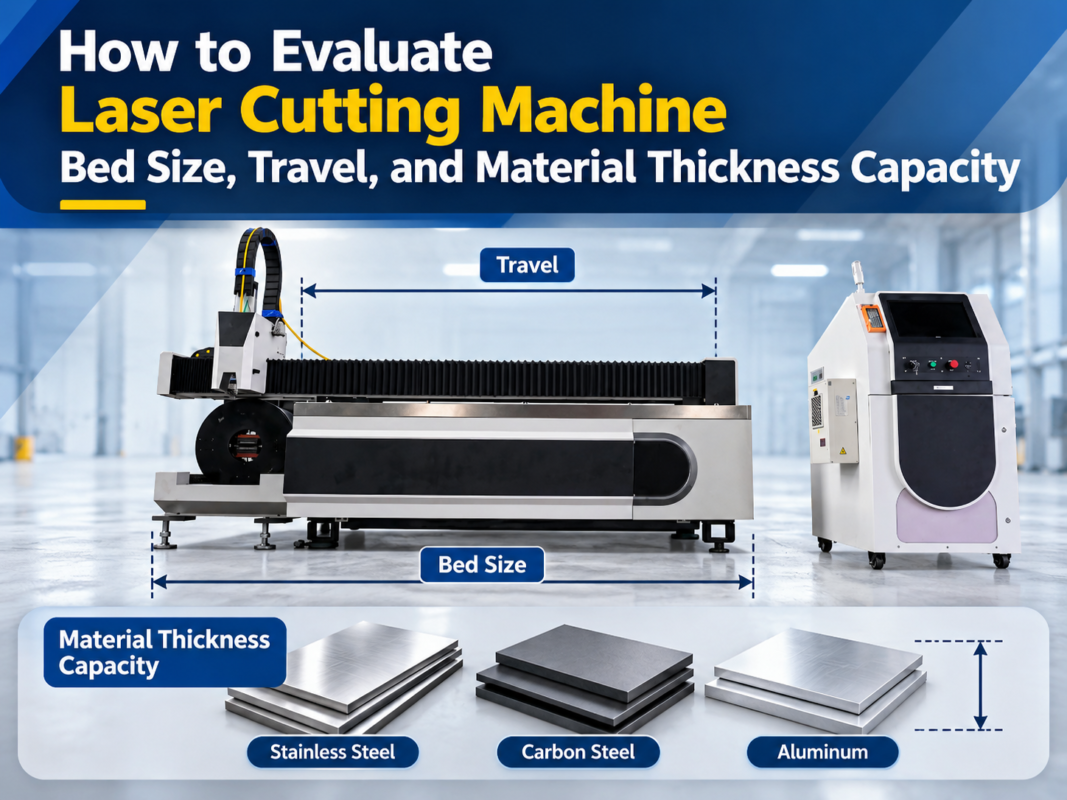
The aperture size (diameter) of the nozzle is another critical factor. A smaller aperture (e.g., 1.0mm to 1.5mm) provides a more concentrated gas stream, which is ideal for thin materials and fine details. However, for thicker plates, a larger aperture (e.g., 2.0mm to 5.0mm) is required to provide enough gas volume to clear the wider kerf. A common mistake is using a small nozzle for thick plate cutting to save gas; this often results in the gas failing to reach the bottom of the cut, causing a failed separation of the part.
| Material Type | Thickness | Nozzle Type | Recommended Diameter |
|---|---|---|---|
| Stainless Steel | 1-4mm | Single Layer | 1.2mm – 1.5mm |
| Carbon Steel (O2) | 6-12mm | Double Layer | 2.0mm – 2.5mm |
| Aluminum | 2-5mm | Single Layer | 1.5mm – 2.0mm |
| Thick Carbon Steel | 20mm+ | Double Layer | 3.0mm – 5.0mm |
When selecting nozzles for your HARSLE machine, always prioritize genuine or high-quality aftermarket parts. Cheap nozzles often have inconsistent wall thicknesses, which leads to uneven heating and premature failure. Furthermore, the chrome plating on some nozzles is not just for aesthetics; it helps reflect radiant heat and prevents slag from sticking to the surface. Investing in premium nozzles is a cost-effective way to Troubleshoot Laser Cutting Machine Nozzle Issues Better Accuracy before they even start.
Maintenance Protocols for Longevity
To minimize the need for troubleshooting, a proactive maintenance schedule is essential. At the start of every shift, the operator should perform a visual inspection of the nozzle. This includes checking for any physical damage and ensuring the nozzle is tightened securely. A loose nozzle can vibrate during cutting, which introduces micro-oscillations in the laser beam path, ruining the edge finish.
Cleaning should be done using specialized tools. Avoid using harsh abrasives that can scratch the copper surface. Instead, use a soft cloth and a dedicated nozzle cleaning needle for the orifice. For stubborn deposits, an ultrasonic cleaner can be used to restore the nozzle to a like-new condition without damaging its geometry. Additionally, the protective window (cover glass) located just above the nozzle should be checked simultaneously. If the protective window is dirty, it can cause the beam to scatter, which may be mistaken for a nozzle issue.
Finally, keep a log of nozzle life. In high-production environments, nozzles are considered consumables. Depending on the material and gas used, a nozzle may last anywhere from 8 to 40 hours of active cutting time. By tracking when a nozzle starts to lose its accuracy, you can establish a replacement interval that prevents part defects. This systematic approach is the hallmark of professional metal fabrication shops using HARSLE machinery.
FAQ
How often should I center my laser nozzle?
You should check the centering of your nozzle at the start of every work shift, whenever you replace the nozzle, or if you notice the cut quality is inconsistent in different directions (e.g., clean horizontal cuts but rough vertical cuts).
Why does my nozzle keep hitting the metal plate?
This is usually caused by a failure in the capacitive height sensing system. Check if the nozzle is clean, if the ceramic ring is intact, and if the calibration (Follower Calibration) has been performed correctly. Also, ensure the plate is properly grounded.
Can I use a single-layer nozzle for oxygen cutting?
While it is physically possible, it is not recommended for thick carbon steel. Double-layer nozzles are specifically designed to stabilize the oxygen flow, which is critical for the exothermic reaction required to cut carbon steel cleanly.
What is the “tape test” exactly?
The tape test involves sticking a piece of tape over the nozzle, firing a low-power laser pulse to burn a small hole, and then checking if that hole is perfectly in the center of the nozzle’s circular opening. It is the most effective way to Troubleshoot Laser Cutting Machine Nozzle Issues Better Accuracy.
Does the nozzle temperature affect cutting accuracy?
Yes. If a nozzle becomes too hot, it can expand or slightly deform, changing the gas flow dynamics. Excessive heat is often a sign of a misaligned beam hitting the side of the nozzle or a lack of proper cooling gas flow.
Conclusion
Maintaining a laser cutting machine’s accuracy is a continuous process that centers on the health of the nozzle. By understanding the technical nuances of centering, gas flow, and material selection, operators can significantly reduce waste and improve the quality of their output. Whether you are cutting thin decorative sheets or thick structural plates, the ability to Troubleshoot Laser Cutting Machine Nozzle Issues Better Accuracy is a vital skill in the modern fabrication industry.
HARSLE remains committed to providing not only the highest quality industrial machinery but also the knowledge required to operate it at peak efficiency. By following the maintenance and troubleshooting protocols outlined in this guide, you ensure that your fiber laser cutting machine remains a reliable asset for years to come. Remember, in the world of lasers, the smallest details—like the condition of a copper nozzle—make the biggest difference in the final product.