Comprehensive Guide to Troubleshooting Press Brake Hydraulic Oil Leaks and Pressure Loss


Introduction to Hydraulic Integrity in Press Brakes
In the world of metal fabrication, the press brake stands as a cornerstone of production. Its ability to bend sheet metal with precision relies almost entirely on the integrity of its hydraulic system. However, even the most robust machines, including those from industry leaders like HARSLE, can encounter operational hurdles. Among the most common and disruptive issues are hydraulic oil leaks and sudden or gradual pressure loss. These problems do not merely represent a mess on the shop floor; they signify a loss of efficiency, potential safety hazards, and the risk of catastrophic component failure.
Troubleshooting Press Brake Hydraulic Oil Leaks Pressure Loss requires a systematic approach that combines mechanical intuition with technical knowledge. A hydraulic system is a closed loop where energy is transferred through fluid. When that fluid escapes or the pressure drops, the machine’s ability to exert force is compromised, leading to inaccurate bends, slow cycle times, or a complete halt in production. Understanding the root causes—ranging from worn seals to pump cavitation—is essential for any maintenance team aiming to maximize machine uptime.
This comprehensive guide is designed to walk operators and maintenance professionals through the complexities of hydraulic systems. We will explore the common failure points, the physics behind pressure loss, and the practical steps needed to restore your press brake to peak performance. By the end of this article, you will have a deeper understanding of how to diagnose, repair, and prevent these critical issues, ensuring your HARSLE machinery continues to deliver the precision your projects demand.
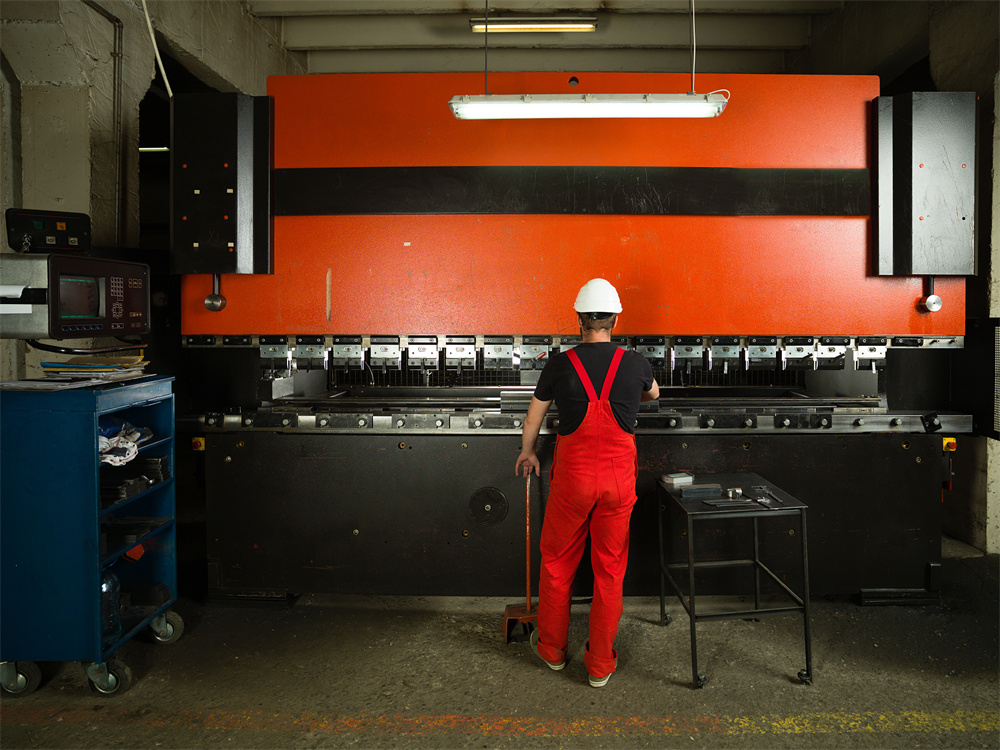
Key Considerations for Hydraulic Maintenance
Safety First: The Golden Rule of Hydraulics
Before attempting any Troubleshooting Press Brake Hydraulic Oil Leaks Pressure Loss, safety must be the absolute priority. Hydraulic systems operate under immense pressure, often exceeding 3,000 PSI. A pinhole leak can release a stream of oil with enough force to penetrate human skin, causing severe internal injuries known as fluid injection. Always depressurize the system completely before loosening any fittings or opening valves. Utilize Lockout-Tagout (LOTO) procedures to ensure the machine cannot be accidentally cycled during inspection.
Environmental and Economic Impact
Hydraulic leaks are more than just a maintenance nuisance; they are an environmental liability and a financial drain. A leak of just one drop per second can result in the loss of over 400 gallons of oil per year. This not only increases the cost of consumables but also necessitates expensive hazardous waste disposal for cleaned-up spills. Furthermore, oil on the floor creates slip-and-fall hazards, potentially leading to workplace injuries and increased insurance premiums. Addressing leaks promptly is a matter of both fiscal responsibility and workplace safety.
The Role of Fluid Cleanliness
Contamination is the silent killer of hydraulic systems. It is estimated that up to 80% of hydraulic failures are related to fluid contamination. Microscopic particles of metal, dust, or moisture can act as abrasives, wearing down seals and scoring cylinder walls. When troubleshooting pressure loss, one must always consider the state of the hydraulic oil. If the oil is dark, smells burnt, or appears milky, it has likely lost its lubricating properties and is contributing to internal component wear. Regular oil analysis is a key consideration for long-term machine health.
Technical Details: Identifying the Root Causes
Common Sources of External Oil Leaks
External leaks are usually the easiest to identify but can be the most frustrating to fix if the source is hidden. The most frequent culprits include:
- Worn Cylinder Seals: The piston rod seals are constantly subjected to friction and pressure. Over time, they harden or tear, allowing oil to weep down the rod.
- Loose or Damaged Fittings: Vibration is a constant in metal fabrication. Over thousands of cycles, hydraulic fittings can vibrate loose. Additionally, over-tightening can crack the flare or damage the O-ring within the fitting.
- Hose Degradation: Hydraulic hoses have a finite lifespan. Exposure to heat, UV light, and constant flexing causes the rubber to crack. A hose that feels brittle or shows visible reinforcement wire is a ticking time bomb.
- Valve Manifold Leaks: The manifold houses numerous solenoid valves and relief valves. Leaks here often occur at the interface between the valve body and the manifold block, usually due to a failed O-ring.
Mechanisms of Pressure Loss
Pressure loss is often more complex than a simple leak because it can be internal. When a press brake fails to reach its programmed tonnage, the following technical failures are often at play:
| Component | Failure Mode | Symptom |
|---|---|---|
| Hydraulic Pump | Internal Wear / Cavitation | Whining noise, slow ram movement, inability to reach max PSI. |
| Relief Valve | Stuck Open or Weak Spring | Pressure bypasses back to the tank; machine won’t build tonnage. |
| Directional Valve | Internal Spool Leakage | Ram drifts downward when stopped; inconsistent bending speeds. |
| Cylinder Piston Seal | Bypass Leakage | Oil leaks from the high-pressure side to the low-pressure side internally. |
The Impact of Temperature on Pressure
Hydraulic systems generate heat as a byproduct of energy conversion. However, excessive heat (above 140°F or 60°C) causes the hydraulic oil’s viscosity to drop. Thin oil flows more easily through internal clearances, leading to increased internal leakage and a corresponding drop in pressure. If your press brake performs well in the morning but loses power in the afternoon, an inefficient cooling system or a worn pump generating excessive heat is likely the cause.
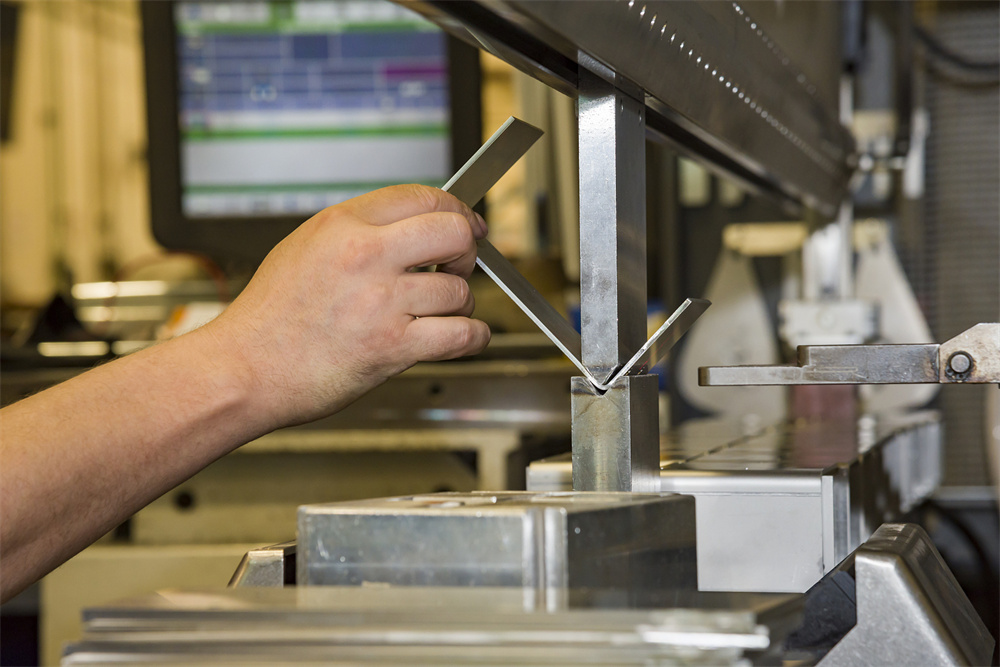
Step-by-Step Troubleshooting Guide
Step 1: Visual and Auditory Inspection
Start by cleaning the machine thoroughly. It is impossible to find a leak on a machine covered in old oil and dust. Once clean, cycle the machine and look for fresh oil. Listen for unusual sounds. A high-pitched squeal often indicates oil passing through a restricted orifice (like a partially blocked valve), while a growling or rattling sound from the pump suggests cavitation—where air bubbles collapse violently within the pump.
Step 2: Checking the Pump and Motor
Verify that the motor is spinning in the correct direction and at the rated RPM. If the pump is noisy, check the suction line for air leaks or a clogged suction strainer. If the pump is drawing air, it cannot compress the fluid effectively, leading to erratic pressure. Use a flow meter if available to check the pump’s output against its factory specifications.
Step 3: Testing the Relief Valve
The relief valve is the system’s safety gate. If it is set too low or if the internal spring has failed, it will dump pressure back to the reservoir prematurely. Carefully adjust the relief valve while watching the pressure gauge. If the pressure does not increase despite adjustment, the valve may be contaminated with debris, holding it slightly open.
Step 4: Isolating the Cylinders
To determine if a cylinder is leaking internally, extend the ram and lock it in place (using mechanical supports). Disconnect the return line from the cylinder. If oil continues to flow out of the return port while the pressure is applied to the top, the internal piston seals are bypassed and must be replaced. This is a common cause of “ram drift.”
Selection Advice: Choosing Components and Fluids
Selecting the Right Hydraulic Oil
Not all hydraulic oils are created equal. For HARSLE press brakes, it is crucial to use oil with the correct ISO Viscosity Grade (usually ISO 46 or 68, depending on the ambient temperature). Look for oils with high anti-wear (AW) additives and good thermal stability. Using a cheap, generic oil can lead to premature seal hardening and accelerated pump wear, ultimately costing more in repairs than the savings on the oil itself.
Seal Material Matters
When replacing seals during Troubleshooting Press Brake Hydraulic Oil Leaks Pressure Loss, consider the environment. Standard Nitrile (Buna-N) seals are excellent for general use, but if your machine operates in high-heat conditions, Viton (FKM) seals offer superior resistance to thermal degradation. Always ensure that replacement seals are OEM-spec to guarantee proper fit and pressure rating.
Investing in Filtration
If your press brake does not already have a high-efficiency return-line filter, consider upgrading. A 10-micron filter can significantly extend the life of sensitive proportional valves and pumps. Additionally, consider using a “kidney loop” filtration system for older machines to continuously clean the oil even when the machine is not in active use.
Choosing a Reliable Manufacturer
When purchasing new equipment, the design of the hydraulic system is paramount. HARSLE machines are engineered with integrated hydraulic blocks that minimize the number of external pipes and fittings, inherently reducing the number of potential leak points. Selecting a manufacturer that prioritizes high-quality components (such as Rexroth or Hoerbiger valves) ensures that troubleshooting will be a rare necessity rather than a daily routine.
Frequently Asked Questions (FAQ)
Why does my press brake lose pressure only after running for two hours?
This is typically related to oil temperature. As the oil heats up, its viscosity decreases. If your pump or valves are slightly worn, the thinner oil leaks past internal clearances more easily, resulting in a pressure drop. Check your cooling system and ensure the oil is not exceeding 60°C.
Can I use Teflon tape on hydraulic fittings?
It is generally discouraged to use Teflon tape on hydraulic fittings. Shreds of tape can break off and enter the hydraulic stream, easily clogging the small orifices in solenoid valves or scoring pump components. Use a liquid thread sealant specifically designed for hydraulics, or rely on the O-ring/flare design of the fitting itself.
How often should I change the hydraulic oil?
For most industrial press brakes, oil should be changed every 2,000 to 4,000 operating hours, or at least once a year. However, this should be guided by oil analysis. If the oil remains clean and the additive package is intact, you may extend the interval; if it shows signs of oxidation or water contamination, change it immediately.
What causes the ram to descend unevenly?
Uneven descent is often caused by air trapped in one of the cylinders or a malfunction in the synchronization valves (in NC machines) or the proportional valve system (in CNC machines). Bleeding the air from the system is the first step in troubleshooting this issue.
Is a small leak around the piston rod acceptable?
While a very slight “film” of oil on the rod is normal for lubrication, any visible dripping or pooling is a sign of seal failure. A leaking seal will only get worse and can eventually allow contaminants to be sucked into the cylinder on the return stroke.
What is cavitation and how do I fix it?
Cavitation occurs when the pump cannot get enough oil, creating a vacuum that forms vapor bubbles. When these bubbles reach the high-pressure side of the pump, they implode. This is usually caused by a clogged suction filter, a kinked intake hose, or oil that is too thick for the cold start-up conditions. Clean the filters and check the intake line for obstructions.
Conclusion: Maintaining Peak Performance
Troubleshooting Press Brake Hydraulic Oil Leaks Pressure Loss is an essential skill for maintaining the longevity and precision of your metal fabrication equipment. By understanding the technical nuances of how oil moves and how pressure is maintained, you can transform from a reactive repairer to a proactive maintenance specialist. Regular inspections, attention to fluid cleanliness, and the use of high-quality components are the best defenses against the downtime caused by hydraulic failures.
At HARSLE, we understand that your machine’s performance is the heartbeat of your business. Our press brakes are designed with high-performance hydraulic systems that prioritize reliability and ease of maintenance. However, no machine is immune to the laws of physics and the wear of time. By following the guidelines laid out in this article—prioritizing safety, diagnosing root causes systematically, and choosing the right replacement parts—you ensure that your HARSLE press brake remains a productive asset for decades to come. Keep your oil clean, your fittings tight, and your pressure steady, and your fabrication shop will continue to operate at the cutting edge of efficiency.