How to Use a Shearing Machine for Fast and Accurate Plate Cutting


Introduction to Industrial Shearing Excellence
In the world of metal fabrication, the ability to produce clean, precise, and rapid cuts is the foundation of a successful production line. Whether you are manufacturing automotive components, HVAC ducting, or heavy industrial structures, the shearing machine remains an indispensable tool. To use a shearing machine for fast and accurate plate cutting, one must understand not just the mechanics of the machine, but also the physics of the material being processed. HARSLE, a leader in metalworking machinery, provides advanced hydraulic shearing solutions designed to maximize throughput while maintaining tight tolerances.
Shearing is a process that involves cutting sheet metal or plates by applying a high-pressure force through a moving blade against a fixed blade. While the concept sounds simple, achieving high-speed accuracy requires a deep dive into machine calibration, material handling, and operator expertise. This guide will walk you through the essential steps to optimize your shearing operations, ensuring that every cut meets the highest industrial standards. By mastering these techniques, fabricators can significantly reduce waste, lower operational costs, and improve the overall quality of their finished products.
Modern shearing machines, particularly those from HARSLE’s QC11K and QC12K series, integrate sophisticated CNC controls and hydraulic systems that take much of the guesswork out of the equation. However, the human element remains vital. Understanding how to set the rake angle, adjust blade clearance, and utilize the back gauge effectively is what separates a standard workshop from a high-precision fabrication facility. Let’s explore the critical factors that contribute to fast and accurate plate cutting.
Key Considerations Before Operating a Shearing Machine
Before you even power on the machine, several preliminary factors must be addressed to ensure both safety and precision. The first and most critical consideration is material compatibility. Not all metals react the same way to shearing forces. For instance, stainless steel requires significantly more pressure and sharper blades than mild steel or aluminum. When you use a shearing machine for fast and accurate plate cutting, you must verify that the machine’s rated capacity matches the thickness and tensile strength of your workpiece. Overloading a machine not only leads to poor cut quality but can also cause catastrophic hydraulic or structural failure.
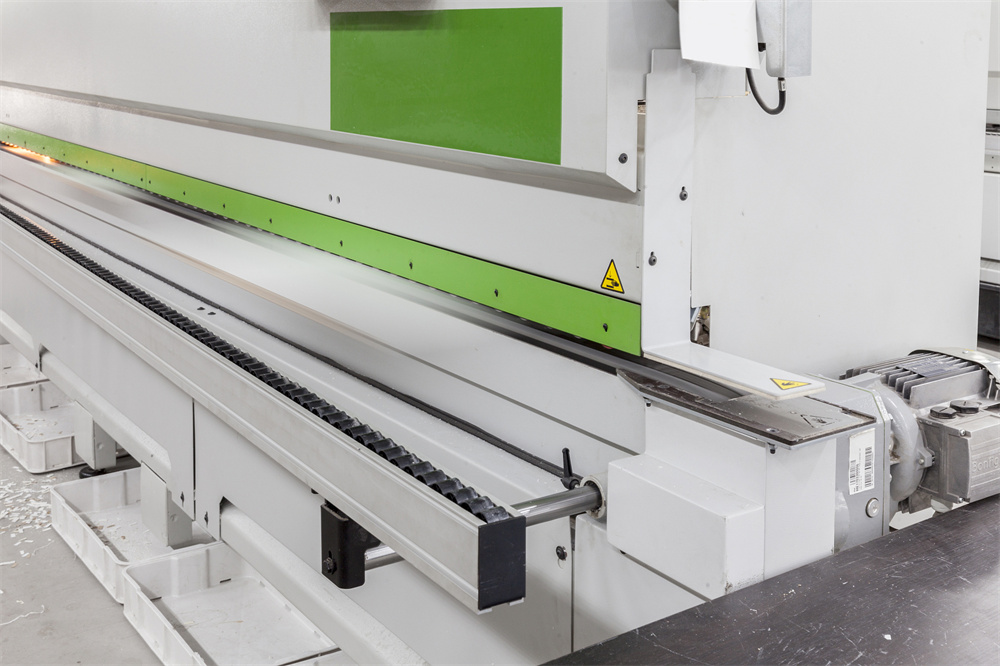
Safety is the next pillar of successful operation. Industrial shears are powerful machines capable of exerting hundreds of tons of force. Operators must be equipped with appropriate Personal Protective Equipment (PPE), including safety glasses, heavy-duty gloves, and steel-toed boots. Furthermore, the machine’s safety features, such as emergency stop buttons, light curtains, and finger guards, must be inspected daily. A safe environment is a productive environment; accidents lead to downtime and can compromise the integrity of the entire workshop.
Another key consideration is the environment in which the machine operates. Temperature fluctuations can affect the viscosity of hydraulic oil, which in turn impacts the speed and consistency of the shearing stroke. Ensuring that the machine is placed on a level, reinforced concrete floor is also essential to prevent vibrations that could lead to inaccuracies over long production runs. Finally, the condition of the blades themselves cannot be overlooked. Dull or chipped blades will increase the required cutting force and produce burrs, necessitating secondary finishing processes that slow down production.
Technical Details: Setting Up for Precision
1. Blade Gap Adjustment (Clearance)
The blade gap, or clearance, is the distance between the upper and lower blades as they pass each other. This is perhaps the most critical setting for accuracy. If the gap is too wide, the metal will bend between the blades, resulting in a heavy burr and a deformed edge. If the gap is too tight, the blades may rub against each other, causing premature wear or even breakage. To use a shearing machine for fast and accurate plate cutting, the clearance should typically be set to 5-10% of the material thickness, depending on the material type. HARSLE machines often feature motorized or manual quick-adjust mechanisms that allow operators to dial in the perfect clearance in seconds.
2. Rake Angle Optimization
The rake angle is the angle of the upper blade relative to the lower blade. A higher rake angle reduces the amount of force required to cut the plate because it cuts the material gradually across its width, much like a pair of scissors. However, a high rake angle can cause the cut strip to twist, bow, or camber. For thin materials, a lower rake angle is preferred to maintain flatness. For thick plates, a higher angle is necessary to protect the machine’s hydraulic system. Modern CNC shears allow for automatic rake angle adjustment, which is a game-changer for shops that switch between different material thicknesses frequently.
3. Back Gauge Calibration and Positioning
The back gauge is the component that determines the length of the cut piece. For high-speed production, a motorized CNC back gauge is essential. It allows the operator to program multiple cut lengths into a sequence, reducing the time spent on manual measurements. Accuracy depends on the back gauge being perfectly parallel to the cutting edge. Regular calibration checks are necessary to ensure that the digital readout on the controller matches the actual physical distance. Using the “swing-away” feature on many HARSLE back gauges also allows for cutting plates that are longer than the gauge’s maximum reach, providing extra versatility.
4. The Physics of the Cut: Fracture vs. Plastic Deformation
Understanding what happens during the cut can help operators troubleshoot issues. The shearing process consists of three stages: plastic deformation (the blade pushes into the metal), penetration (the blade cuts into the metal), and fracture (the remaining metal snaps apart). A perfect cut will show a small shiny area (the burnished zone) and a larger dull area (the fracture zone). If the fracture zone is uneven, it usually indicates incorrect blade clearance or a dull blade. By monitoring the edge quality, operators can make real-time adjustments to maintain speed and accuracy.
Selection Advice: Choosing the Right Shearing Machine
Selecting the right equipment is just as important as knowing how to use it. When looking to use a shearing machine for fast and accurate plate cutting, you generally have two main types to choose from: the Hydraulic Swing Beam Shear and the Hydraulic Guillotine Shear. Each has its strengths depending on your specific application requirements.
Hydraulic Swing Beam Shears (QC12Y/K Series): These machines use a circular arc movement for the upper blade. They are generally more affordable and easier to maintain. They are excellent for general-purpose shearing where the material thickness doesn’t vary wildly. However, because the blade moves in an arc, the rake angle is fixed, which can limit the machine’s ability to cut very thick plates without some distortion.
Hydraulic Guillotine Shears (QC11Y/K Series): In a guillotine shear, the upper blade moves in a straight vertical line. This design allows for adjustable rake angles and much higher precision, especially on thicker materials. If your goal is the highest possible accuracy with minimal plate distortion, a guillotine shear is the superior choice. HARSLE’s guillotine models often come with advanced CNC controllers like the DELEM DAC-360, which automates the blade gap, rake angle, and stroke length for maximum efficiency.

When selecting a machine, consider the “80/20 rule.” Choose a machine that handles 80% of your daily work comfortably without running at its maximum capacity. If you frequently cut 10mm plate, buying a machine rated for 12mm or 16mm will ensure a longer lifespan and better cut quality. Additionally, look for features like shadow line lighting, which projects a line on the workpiece for manual alignment, and pneumatic rear support systems for thin sheets to prevent them from sagging before the cut.
Step-by-Step Guide to Fast and Accurate Shearing
- Pre-Operational Check: Inspect the blades for nicks, check hydraulic oil levels, and ensure the work area is clear of debris.
- Input Parameters: Enter the material type, thickness, and desired length into the CNC controller. The system will often suggest the optimal blade gap and rake angle.
- Adjust the Machine: If using a manual machine, set the blade clearance using the feeler gauges or the adjustment handle. Set the back gauge to the required dimension.
- Position the Plate: Slide the plate against the back gauge. Use the squaring arm on the side of the machine to ensure the plate is perfectly 90 degrees to the blade.
- Engage Hold-downs: As you initiate the cut, the hydraulic hold-downs will descend first. Ensure they have a firm grip on the material to prevent it from shifting during the shear.
- Execute the Cut: Press the foot pedal to complete the stroke. For fast production, use the “stroke limit” feature to prevent the blade from returning to the very top if you are cutting narrow strips.
- Verify Accuracy: Measure the first piece. If it meets tolerances, proceed with the batch. If not, re-calibrate the back gauge or adjust the clearance.
Maintenance for Long-Term Accuracy
To consistently use a shearing machine for fast and accurate plate cutting, a rigorous maintenance schedule is mandatory. Accuracy degrades over time if the machine is neglected. The most important maintenance task is lubrication. The guideways and pivot points must be greased daily to ensure smooth movement and prevent wear that could lead to blade misalignment.
Hydraulic system health is also paramount. The oil should be changed according to the manufacturer’s recommendations, and filters must be kept clean. Contaminated oil can cause the valves to stick, leading to inconsistent cutting pressure. Furthermore, the blades should be rotated or sharpened regularly. Most HARSLE shearing blades have four cutting edges; once one edge is dull, the blade can be flipped to a fresh edge, significantly extending its service life before a full regrind is needed.
| Maintenance Task | Frequency | Impact on Accuracy |
|---|---|---|
| Lubricate Guideways | Daily | High – Prevents blade deviation |
| Check Blade Sharpness | Weekly | High – Reduces burrs and force |
| Back Gauge Calibration | Monthly | Critical – Ensures dimensional precision |
| Hydraulic Oil Filter Change | Every 6 Months | Medium – Maintains consistent cycle speed |
Frequently Asked Questions (FAQ)
How do I prevent ‘bowing’ when cutting thin strips?
Bowing occurs when the cut strip curls into an arch shape. This is usually caused by a rake angle that is too high. To fix this, reduce the rake angle to the lowest possible setting that still allows the machine to cut the material. Using a rear support system can also help keep the material flat during the process.
Why is my shearing machine leaving a large burr on the edge?
A large burr is almost always a sign of excessive blade clearance. If the gap between the blades is too large, the metal is torn rather than cut. Check your material thickness and adjust the blade gap to the recommended 5-10%. If the gap is correct, your blades may be dull and need sharpening or rotating.
Can I cut stainless steel on a machine rated for mild steel?
Yes, but you must downrate the capacity. Stainless steel is much harder and has a higher tensile strength than mild steel. Generally, a machine can only cut stainless steel that is about 50-60% of its rated mild steel thickness. For example, a 10mm mild steel shear should only be used for up to 5mm or 6mm stainless steel.
What is the benefit of a CNC controller on a shearing machine?
A CNC controller, like the E21S or DAC-360, automates the positioning of the back gauge and often the blade gap and rake angle. This significantly increases speed by reducing setup time and eliminates human error in manual measurements, leading to much higher repeatability and accuracy.
Conclusion: Achieving Peak Productivity with HARSLE
Learning how to use a shearing machine for fast and accurate plate cutting is a journey of continuous improvement. By focusing on the technical nuances of blade clearance, rake angles, and proper material handling, fabricators can unlock the full potential of their machinery. HARSLE’s commitment to engineering excellence ensures that our shearing machines provide the stability and technological edge needed to thrive in today’s competitive industrial landscape.
Remember that speed should never come at the expense of safety or precision. A well-maintained machine, operated by a knowledgeable technician, will always outperform a poorly managed high-speed setup. Whether you are upgrading your current workshop or starting a new fabrication project, choosing the right HARSLE shearing machine and following the best practices outlined in this guide will set you on the path to superior production quality. Invest in the right tools, master the settings, and watch your efficiency soar.