Comprehensive Guide to Shearing Machine Applications in Construction Metal Processing


Introduction to Shearing Machine Applications in Construction Metal Processing
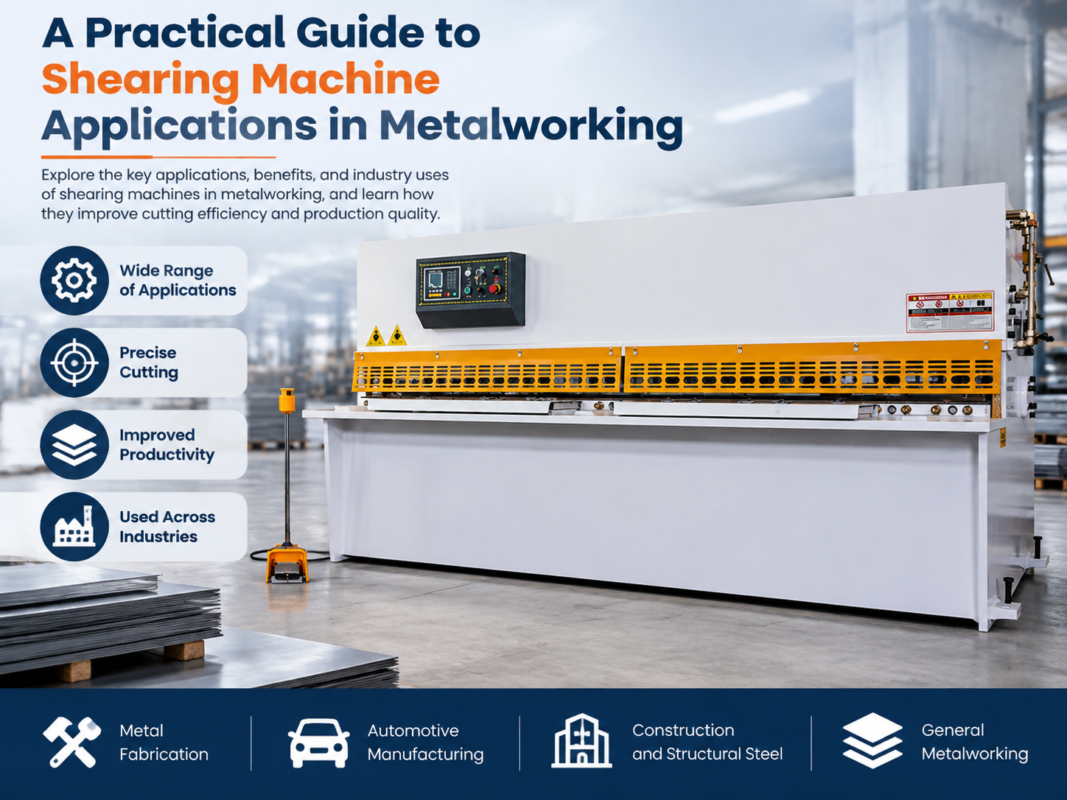
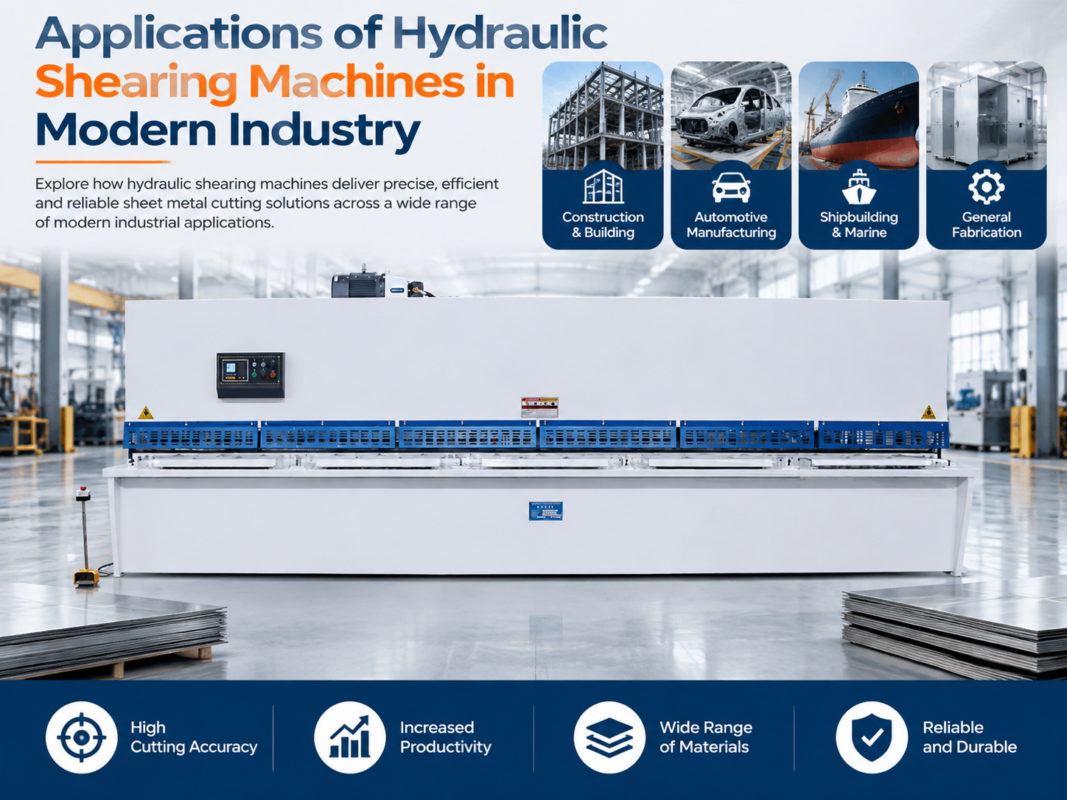
In the modern landscape of infrastructure development, the efficiency and precision of metal fabrication have become the backbone of the construction industry. Among the various tools utilized in this sector, the shearing machine stands out as a fundamental piece of equipment. Shearing Machine Applications In Construction Metal Processing encompass a wide range of tasks, from the creation of structural components to the intricate detailing of architectural facades. As construction projects grow in complexity and scale, the demand for high-quality, straight-line cutting of metal sheets has never been higher. HARSLE, a leader in metal fabrication machinery, provides advanced shearing solutions that cater specifically to these rigorous industrial demands.
The process of shearing involves the use of two blades—a fixed lower blade and a moving upper blade—to apply a shearing force to a metal plate, causing it to fracture and separate along a straight line. In the context of construction, this is the primary method for preparing raw metal stock for further processing, such as bending, welding, or assembly. Whether it is high-strength carbon steel for skyscraper skeletons or lightweight aluminum for modern roofing, the shearing machine ensures that every piece is cut to exact specifications, minimizing waste and maximizing structural integrity.

Understanding the nuances of Shearing Machine Applications In Construction Metal Processing requires a deep dive into how these machines interact with different materials and the specific requirements of the building site. Unlike general manufacturing, construction metal processing often involves large-format sheets and heavy-duty gauges that require immense force and stability. The evolution of hydraulic and CNC-controlled shearing machines has allowed contractors and fabricators to achieve tolerances that were previously impossible, leading to safer and more aesthetically pleasing structures.
Key Considerations for Construction Metal Shearing
When integrating shearing machines into a construction workflow, several critical factors must be considered to ensure optimal performance. The first is material compatibility. Construction projects utilize a diverse array of metals, including galvanized steel, stainless steel, and various aluminum alloys. Each material has a different tensile strength and thickness, which dictates the type of shearing machine required. For instance, shearing thick structural plates requires a machine with high tonnage and a robust frame to prevent deflection during the cutting process.
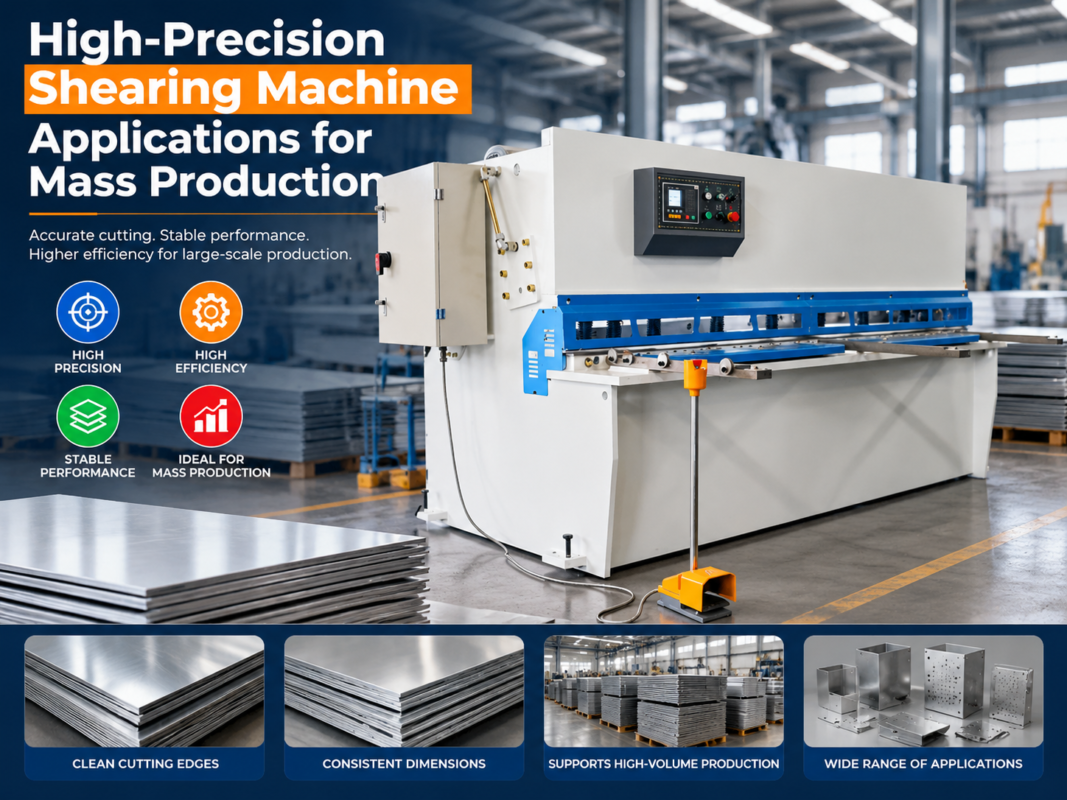
Precision and edge quality are equally important. In construction, even a minor deviation in a cut can lead to significant alignment issues during the assembly of large-scale components like HVAC ducts or bridge girders. A high-quality shearing machine must provide a clean, burr-free edge to ensure that subsequent welding or joining processes are seamless. This is particularly vital for exposed architectural elements where the visual quality of the metal edge is a design requirement. HARSLE machines are engineered to maintain this precision over thousands of cycles, ensuring consistency across the entire project lifecycle.
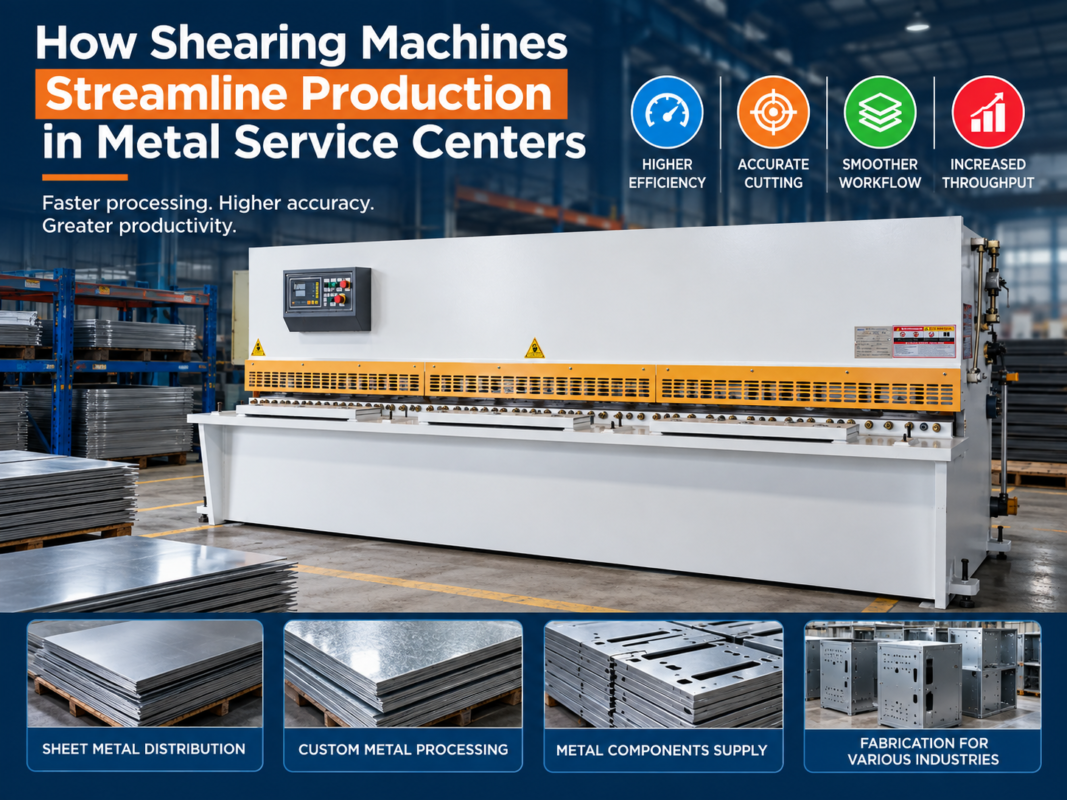
Volume and speed are the third major consideration. Construction timelines are often tight, and delays in the fabrication shop can ripple through the entire project schedule. Modern shearing machines equipped with automated backgauges and rapid-cycle hydraulics allow for high-throughput processing. By reducing the time spent on manual measurements and adjustments, fabricators can significantly increase their daily output. Furthermore, the integration of safety features such as light curtains and emergency stop mechanisms is non-negotiable in a high-volume construction environment, protecting operators while maintaining productivity.
Finally, the environmental conditions of the processing facility must be accounted for. Construction metal processing often takes place in environments that may be dusty or subject to temperature fluctuations. Shearing machines used in this sector must be built with durable components, such as hardened blades and high-grade hydraulic seals, to withstand these conditions without frequent breakdowns. Reliability is the cornerstone of any successful construction equipment investment, and choosing a machine that can handle the rigors of the job site or the fabrication shop is essential.
Technical Details of Modern Shearing Machinery
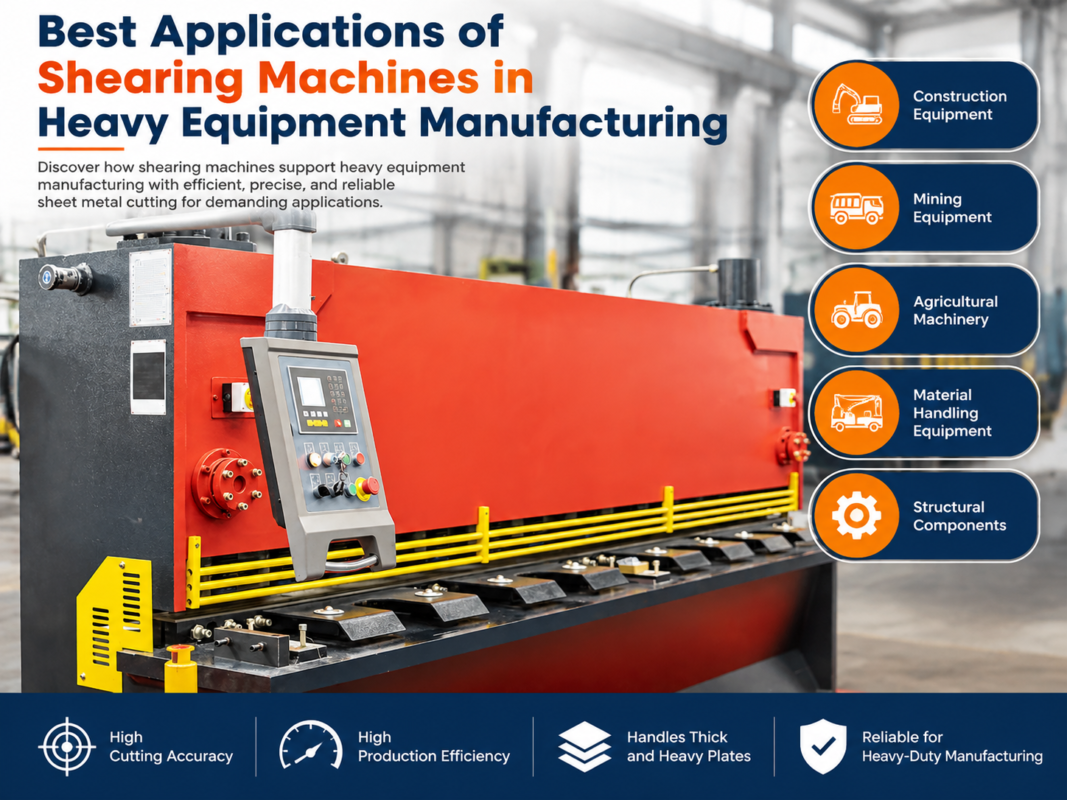
To appreciate the scope of Shearing Machine Applications In Construction Metal Processing, one must understand the technical mechanisms that drive these machines. There are two primary types of shearing machines used in the industry: the hydraulic swing beam shear and the hydraulic guillotine shear. The swing beam shear utilizes a pivoting upper blade that moves in an arc, which is ideal for thinner materials and offers high speed. In contrast, the guillotine shear features an upper blade that moves vertically, allowing for greater force and the ability to adjust the rake angle, which is crucial for cutting thicker plates without distortion.
The Importance of Rake Angle and Blade Gap
The rake angle is the angle of the upper blade relative to the lower blade. In construction metal processing, adjusting the rake angle is vital when switching between different material thicknesses. A higher rake angle reduces the force required to cut thick plates but can increase the twist in the cut piece. Conversely, a lower rake angle is better for thin sheets to prevent bowing. HARSLE’s advanced guillotine shears allow for CNC-controlled rake angle adjustments, ensuring the perfect balance between force and flat-cut quality.
Blade gap adjustment is another technical necessity. The distance between the upper and lower blades must be precisely set based on the material’s thickness and type. If the gap is too wide, the metal will bend rather than shear, resulting in a heavy burr. If it is too tight, it can damage the blades and the machine. Modern shearing machines often feature motorized or automatic blade gap adjustment systems that calibrate the machine in seconds, a feature that is indispensable when processing varied orders for a construction project.
CNC Integration and Automation
The transition from manual to CNC (Computer Numerical Control) shearing has revolutionized construction metal processing. CNC systems control the backgauge position, rake angle, blade gap, and stroke length. This level of automation allows for the storage of complex cutting programs, meaning an operator can switch from cutting 2mm aluminum flashing to 10mm steel base plates with the touch of a button. This reduces human error and ensures that every piece of metal processed for a building meets the exact engineering requirements.
| Feature | Swing Beam Shear | Guillotine Shear |
|---|---|---|
| Cutting Motion | Circular Arc | Vertical Linear |
| Rake Angle | Fixed (usually) | Adjustable |
| Material Thickness | Light to Medium | Medium to Heavy Duty |
| Cut Quality | Good for thin sheets | Superior for thick plates |
| Maintenance | Simpler mechanism | Requires precise guides |
Specific Applications in the Construction Industry
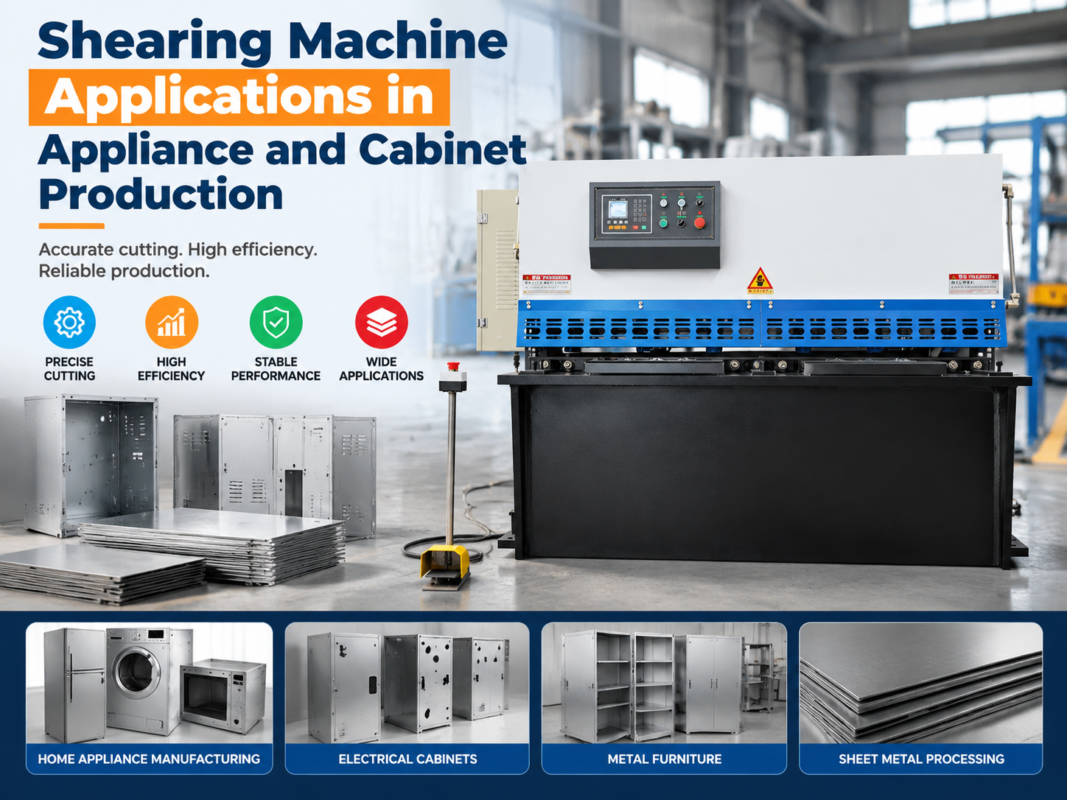
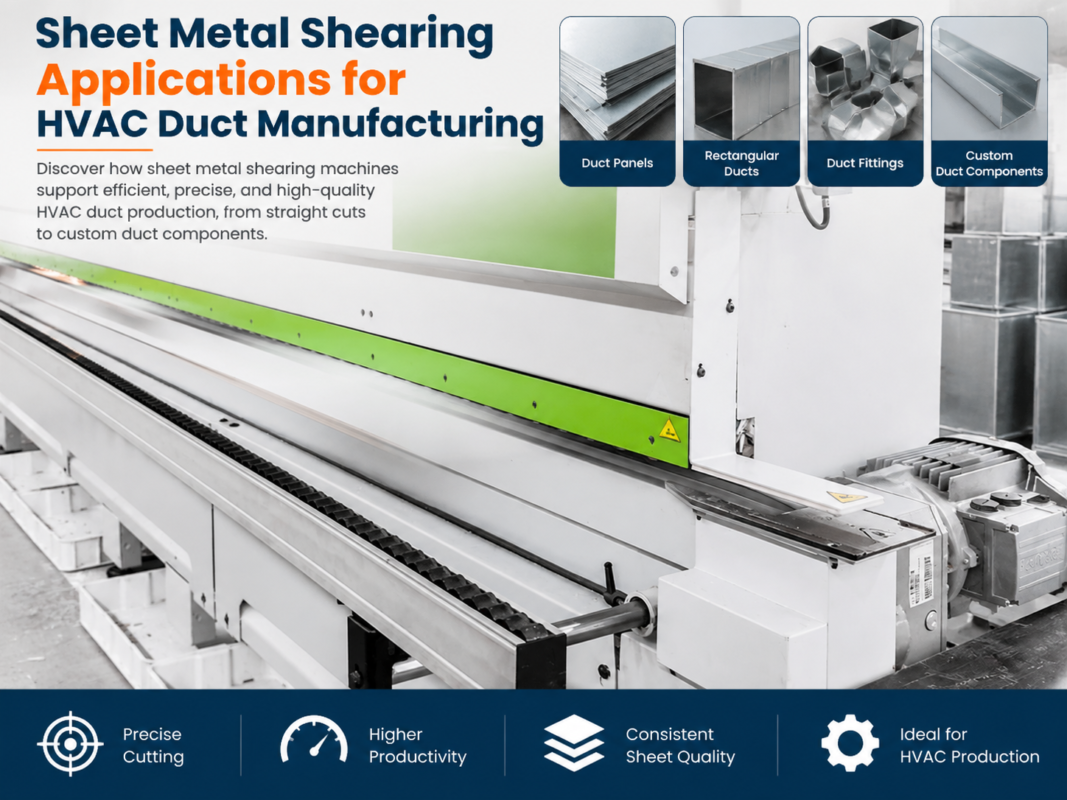
Shearing Machine Applications In Construction Metal Processing are diverse and touch almost every aspect of a building’s structure. One of the most common applications is in the production of HVAC (Heating, Ventilation, and Air Conditioning) systems. Large sheets of galvanized steel are sheared into specific dimensions before being folded into rectangular ducts. The precision of the shear ensures that the duct segments fit together tightly, which is essential for maintaining air pressure and energy efficiency within the building.
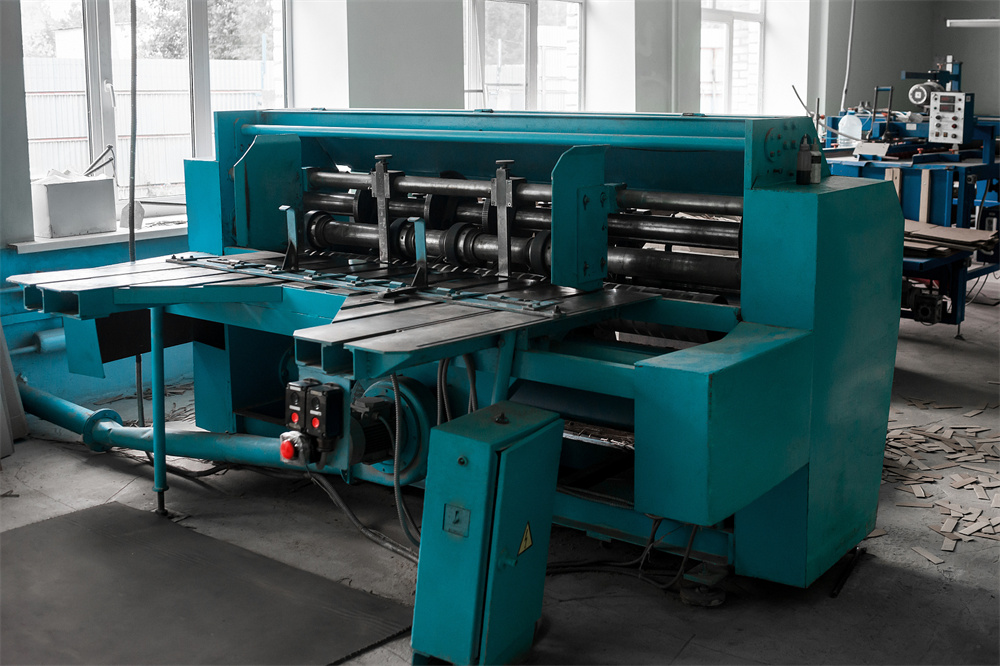
In the realm of structural steel, shearing machines are used to create gusset plates, base plates, and connection brackets. These components are the joints that hold a building together. Because they bear significant loads, the edges must be clean and the dimensions exact to ensure proper load distribution and weld penetration. A shearing machine provides a much faster and more cost-effective solution for these flat components compared to laser or plasma cutting, especially for high-volume production.
Roofing and cladding also rely heavily on shearing technology. Modern architectural designs often feature large-scale metal panels made from zinc, copper, or coated steel. These panels must be cut to specific lengths to fit the building’s exterior envelope. Shearing machines allow for the rapid processing of these long panels while maintaining a perfectly straight edge, which is critical for the weatherproofing and aesthetic alignment of the facade. Additionally, the ability to shear perforated metals or expanded metal sheets is often required for decorative screens and safety walkways.
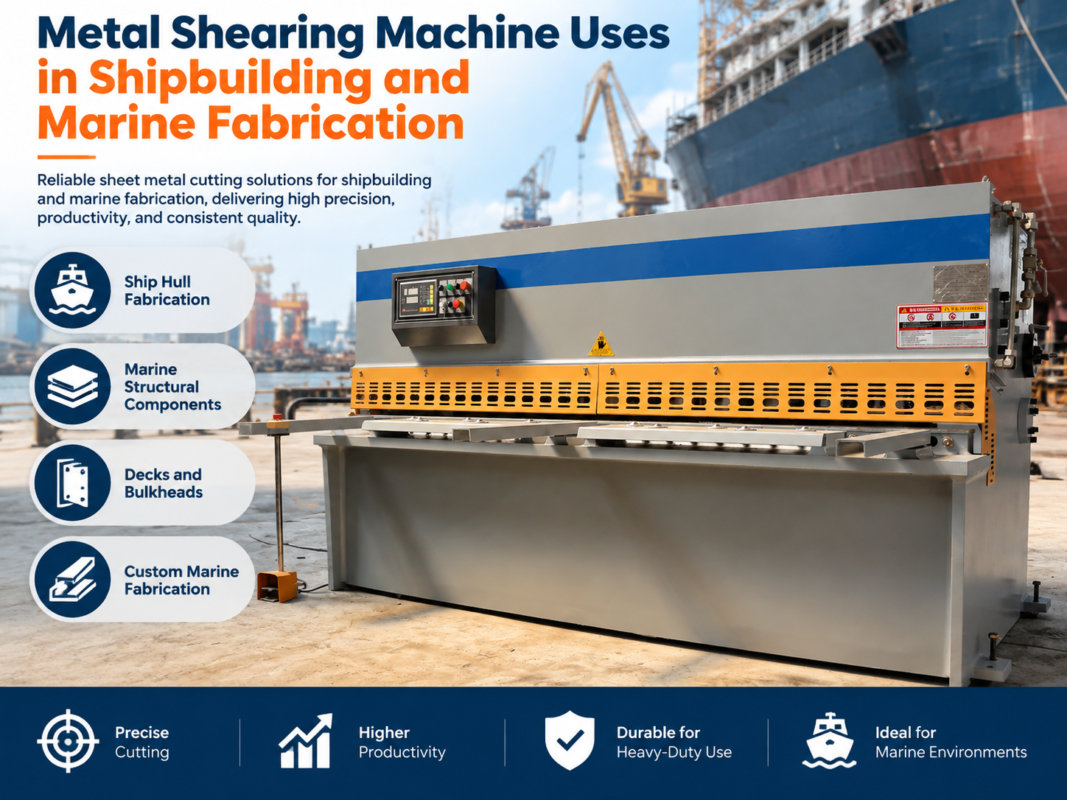
Furthermore, the scaffolding and formwork industry utilizes shearing machines to produce the various steel components required for temporary construction supports. From the plates used in adjustable jacks to the steel planks used for walkways, shearing provides the durability and speed needed to keep up with the fast-paced demands of construction sites. The versatility of the shearing machine makes it an all-purpose workhorse in any facility dedicated to construction metal processing.
Selection Advice: Choosing the Right Shearing Machine
Selecting the appropriate shearing machine for construction metal processing is a strategic decision that impacts long-term profitability. The first step is to define the maximum capacity required. Fabricators should look at the thickest and widest material they expect to process and then choose a machine that exceeds those requirements by at least 20%. This “buffer” ensures that the machine is not constantly running at its absolute limit, which extends the lifespan of the hydraulic system and the blades.
Consider the level of automation needed. For a shop that produces a high volume of standardized parts, a basic NC (Numerical Control) backgauge might suffice. However, for custom construction projects where dimensions change frequently, a full CNC system is a better investment. CNC systems can store hundreds of programs and even suggest the best cutting sequence to minimize material waste. HARSLE offers a range of controllers, from simple digital readouts to sophisticated touch-screen interfaces, allowing buyers to match the technology to their operator’s skill level and project needs.
Another vital factor is the blade material. For construction applications involving high-tensile steel or stainless steel, standard blades may wear down quickly. Investing in high-carbon, high-chrome blades (such as D2 or Cr12MoV) is essential for maintaining cut quality and reducing the frequency of blade regrinding. Additionally, check for features like “shadow line lighting,” which projects a line onto the workpiece to show exactly where the cut will occur, and “ball transfers” on the worktable, which make it easier for operators to move heavy plates into position.
Finally, evaluate the manufacturer’s support and service network. A shearing machine is a significant investment, and downtime in the construction industry is incredibly costly. Choosing a reputable brand like HARSLE ensures access to spare parts, technical documentation, and expert advice. Before purchasing, ask about the warranty terms and the availability of local or remote technical support to ensure your production line stays operational.
Maintenance and Safety in Shearing Operations
To ensure the longevity of Shearing Machine Applications In Construction Metal Processing, a rigorous maintenance schedule is mandatory. The most critical aspect is blade maintenance. Over time, the sharp edges of the blades will dull, leading to increased cutting force and poor edge quality. Regularly flipping the blades (most shearing blades have four cutting edges) and eventually regrinding them is necessary to keep the machine performing at its peak. Operators should also check the blade gap daily to ensure it hasn’t shifted due to vibration.
Hydraulic system health is another priority. The oil should be checked for contaminants and changed according to the manufacturer’s recommendations. Leaks in hydraulic hoses or cylinders not only reduce the machine’s power but also pose a significant safety risk in a workshop. Lubrication of the moving parts, such as the backgauge lead screws and the ram guides, should be performed weekly to prevent premature wear and ensure smooth operation.
Safety is paramount when operating heavy machinery. Modern shearing machines are equipped with various safety devices, including front finger guards, rear light curtains, and emergency stop buttons. It is essential that these systems are never bypassed. Operators should be thoroughly trained on the machine’s specific functions and the potential hazards of handling large metal sheets. Proper PPE (Personal Protective Equipment), including cut-resistant gloves and eye protection, should be mandatory for everyone working near the shearing station.
Frequently Asked Questions (FAQ)
What is the difference between a swing beam and a guillotine shear?
A swing beam shear has an upper blade that moves in an arc, which is generally faster and simpler for thinner materials. A guillotine shear moves the blade vertically, allowing for adjustable rake angles and better performance on thicker, heavier plates typically found in structural construction.
Can a shearing machine cut stainless steel for construction?
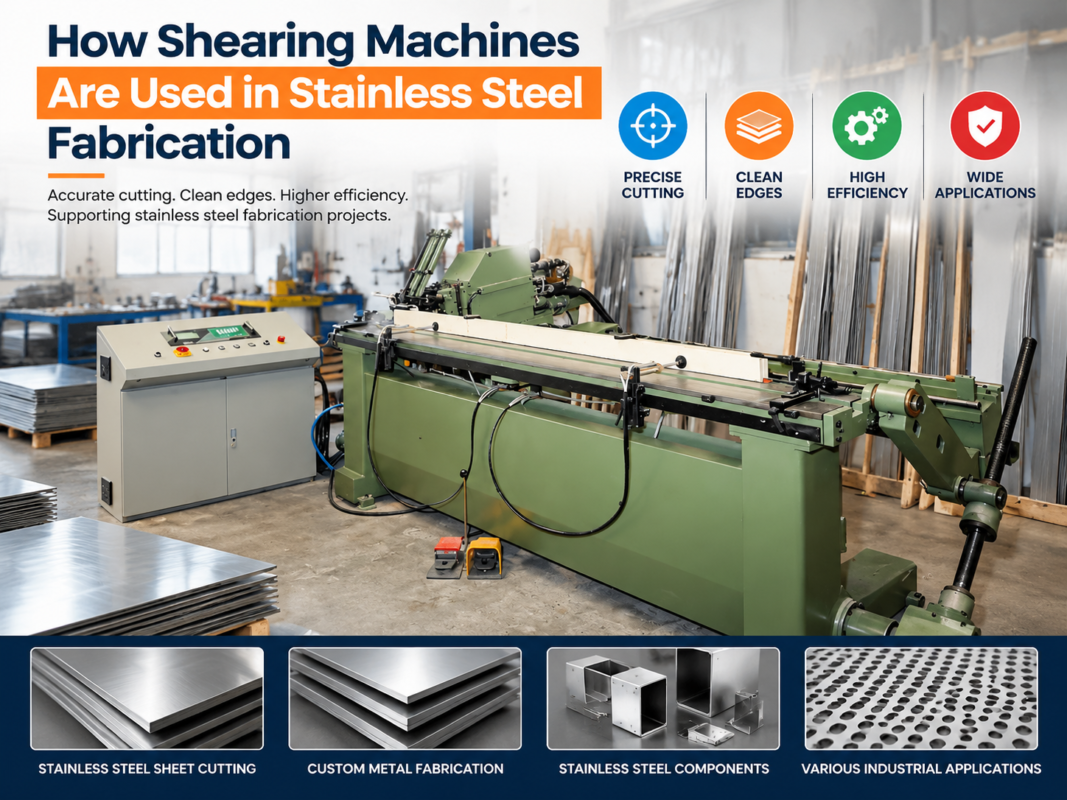
Yes, but it requires specific considerations. Stainless steel is much harder than mild steel, so the machine must be rated for the appropriate thickness of stainless. Additionally, high-quality blades with high chromium content are recommended to prevent rapid dulling.
How often should shearing blades be sharpened?
The frequency depends on the material type and volume of work. Generally, blades should be checked every few months. If you notice increased burrs on the edges or the machine sounds like it is struggling, it is time to flip or regrind the blades. Most HARSLE blades have four usable edges, providing a long service life before regrinding is needed.
What is the role of the backgauge in construction shearing?
The backgauge is a motorized stop that determines the length of the piece being cut. In construction, where repeatability is key for components like roofing panels or ductwork, a precise CNC backgauge ensures that every piece is identical, which is crucial for assembly on-site.
Is hydraulic shearing better than mechanical shearing?
For most modern construction applications, hydraulic shearing is preferred. It offers better control over the cutting stroke, overload protection, and the ability to adjust the pressure and speed. Mechanical shears are faster for very thin materials but lack the versatility and power required for heavy-duty construction metal processing.
Conclusion
Shearing Machine Applications In Construction Metal Processing are integral to the efficiency, safety, and quality of modern building projects. From the initial preparation of structural plates to the final trimming of architectural details, the shearing machine provides the precision and power necessary to transform raw metal into the building blocks of our world. By understanding the technical requirements, selecting the right equipment, and maintaining a focus on safety and maintenance, fabricators can ensure their operations remain competitive and productive.
HARSLE continues to innovate in this field, offering shearing machines that combine robust mechanical engineering with advanced CNC technology. As the construction industry evolves toward more complex designs and sustainable practices, having a reliable shearing partner is more important than ever. Whether you are a small fabrication shop or a large-scale industrial contractor, investing in high-quality shearing technology is a step toward building a stronger, more precise future.