Why Shearing Machines Are Essential for Metal Sheet Production: A Comprehensive Guide


Introduction: The Backbone of Modern Fabrication
In the fast-paced world of industrial manufacturing, the ability to process raw metal sheets into precise, usable components is the foundation of success. Among the various tools available to fabricators, the shearing machine stands out as a fundamental asset. When we ask why shearing machines are essential for metal sheet production, the answer lies in their unparalleled ability to deliver clean, straight, and rapid cuts that set the stage for all subsequent manufacturing processes.
HARSLE has long recognized that the quality of a finished product is only as good as the accuracy of its initial cut. Whether you are working with stainless steel, aluminum, or carbon steel, the shearing process serves as the primary step in transforming large coils or sheets into manageable blanks. Without a high-performance shearing machine, the downstream processes—such as bending, welding, and assembly—would suffer from dimensional inaccuracies and increased waste.
This guide explores the critical role these machines play in modern workshops. From high-speed hydraulic systems to precision-engineered blades, we will examine how shearing technology drives efficiency, reduces material costs, and ensures the structural integrity of metal components. By understanding the technical nuances and operational benefits, fabricators can better leverage their equipment to achieve superior production outcomes.
Key Considerations for Metal Sheet Production
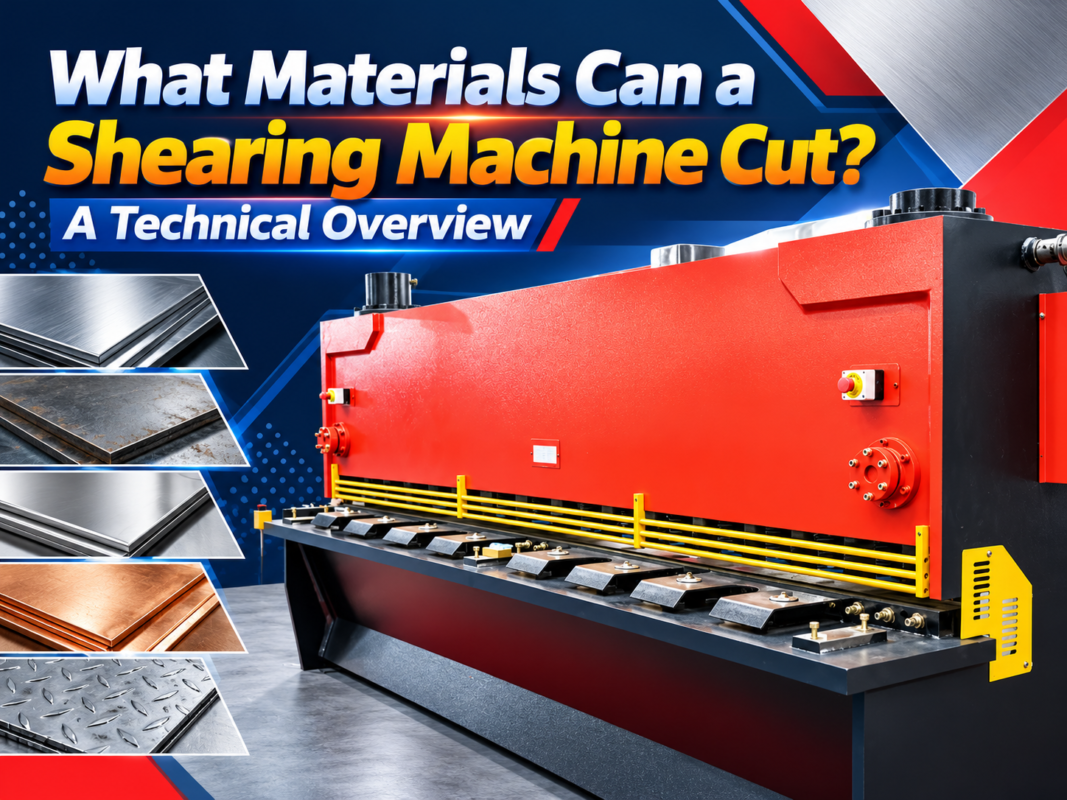
When integrating shearing technology into a production line, fabricators must consider several operational factors that influence output quality. The primary consideration is material thickness and type. Different metals possess varying tensile strengths and hardness levels, which directly impact the clearance settings and blade force required for a clean shear. A machine that is not properly calibrated for the specific material will result in burrs, deformation, or excessive blade wear.
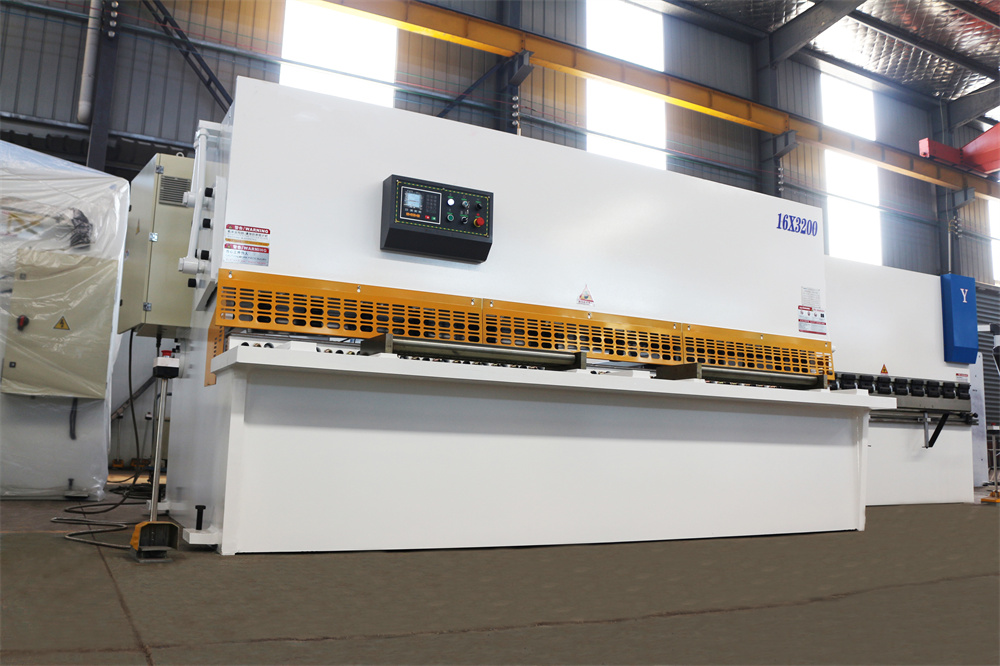
Another critical factor is the production volume and automation level. In high-throughput environments, manual shearing is rarely sufficient. Modern shearing machines are essential for metal sheet production because they can be integrated into automated lines, utilizing CNC backgauges and automatic sheet supports to minimize human error and maximize throughput. By reducing the time spent on manual measurements and positioning, shops can significantly increase their daily output.
Precision and repeatability are non-negotiable in modern fabrication. As design tolerances become tighter, the ability of a shearing machine to maintain consistent dimensions across hundreds of pieces is vital. This is where advanced backgauge systems and rigid machine frames come into play. A stable, vibration-free frame ensures that the blade gap remains constant throughout the entire cutting cycle, preventing the “bowing” or “twisting” of the metal sheet that often plagues inferior equipment.
Finally, safety and ergonomics must be prioritized. Shearing machines are powerful industrial tools that require robust safety features, such as light curtains, finger guards, and emergency stop systems. Investing in equipment that prioritizes operator safety not only protects your workforce but also ensures compliance with international industrial standards, reducing the risk of costly downtime due to accidents or regulatory non-compliance.
Technical Details: How Shearing Machines Work
At its core, a shearing machine operates on the principle of a scissor-like action, where an upper blade descends onto a fixed lower blade to sever the metal. The technical sophistication of this process is what makes shearing machines essential for metal sheet production. The clearance between the upper and lower blades is the most critical technical parameter; it must be adjusted based on the thickness of the material to ensure a clean fracture without excessive force or edge deformation.
Hydraulic shearing machines, which are the industry standard, utilize hydraulic cylinders to drive the upper blade beam. This design offers several advantages, including consistent cutting force throughout the stroke and the ability to adjust the rake angle. The rake angle—the angle at which the upper blade meets the material—is crucial for minimizing distortion, especially when cutting long, thin strips. By adjusting this angle, operators can achieve a flatter cut with less energy consumption.
The backgauge system is the “brain” of the shearing machine. Modern CNC-controlled backgauges allow operators to program precise cutting dimensions, which the machine then executes with high repeatability. These systems often feature motorized movement and ball screw drives, ensuring that the backgauge position is accurate to within fractions of a millimeter. This level of automation is what separates high-end industrial equipment from entry-level machinery.
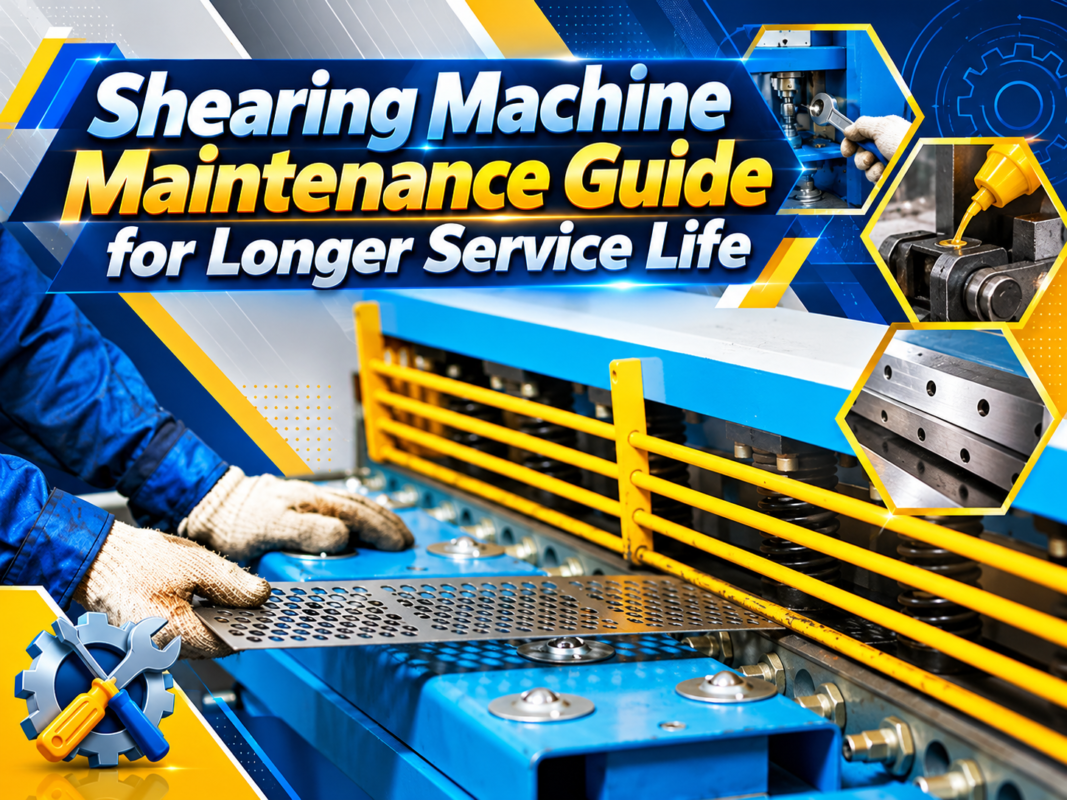
Blade material and maintenance are also technical pillars of shearing performance. High-carbon, high-chrome tool steel blades are typically used to ensure longevity and resistance to wear. However, even the best blades require periodic sharpening and proper gap adjustment. Understanding the metallurgy of the blades and the mechanical limits of the machine allows fabricators to extend the lifespan of their equipment and maintain consistent cut quality over years of operation.

Selection Advice: Choosing the Right Equipment
Selecting the right shearing machine is a strategic decision that impacts your shop’s profitability for years. The first step is to define your maximum capacity requirements. While it might be tempting to purchase a machine that barely meets your current needs, it is often wiser to invest in a machine with a slightly higher capacity to accommodate future growth or thicker material requirements. Always consider the maximum shear length and the maximum thickness of the material you intend to process regularly.
Consider the type of control system that best fits your workflow. For shops that handle high-mix, low-volume production, a user-friendly CNC controller with a large memory for job storage is invaluable. It allows for quick changeovers between different material types and dimensions. Conversely, for high-volume, repetitive production, a machine with advanced automation features, such as automatic sheet support and scrap separation, will provide a better return on investment by reducing labor costs.
Evaluate the build quality and the manufacturer’s support network. A shearing machine is a heavy-duty asset; look for a rigid, stress-relieved steel frame that can withstand the forces of continuous operation. Furthermore, ensure that the manufacturer provides comprehensive technical support, spare parts availability, and training. HARSLE prides itself on offering not just machinery, but a partnership that includes installation support and ongoing maintenance guidance.
Finally, look at the energy efficiency and maintenance requirements. Modern hydraulic systems are designed to be energy-efficient, consuming power only during the cutting stroke. Additionally, features like centralized lubrication systems can significantly reduce the time spent on daily maintenance, allowing your team to focus on production rather than machine upkeep. A well-maintained machine is a productive machine, and choosing equipment that simplifies maintenance is a key factor in long-term success.
FAQ: Common Questions About Shearing Machines
- Why are shearing machines essential for metal sheet production compared to laser cutting? While laser cutting offers high versatility for complex shapes, shearing machines are significantly faster and more cost-effective for straight-line cuts. They produce no heat-affected zones and require less energy, making them the superior choice for high-volume blanking.
- How often should I sharpen the blades on my shearing machine? The frequency of sharpening depends on the material type, thickness, and daily usage. Generally, if you notice burrs on the bottom edge of the cut or if the machine requires more force than usual, it is time to inspect and sharpen the blades.
- What is the importance of the rake angle? The rake angle reduces the cutting force required by distributing the load over the length of the cut. A lower rake angle is better for thin materials to prevent twisting, while a higher angle is useful for thicker materials.
- Can a shearing machine cut non-metallic materials? Most industrial shearing machines are designed specifically for metal. Cutting non-metallic materials can damage the blades or the machine’s structural integrity. Always consult the manufacturer’s specifications.
- How do I ensure the accuracy of my cuts? Regular calibration of the backgauge and ensuring the blade gap is set correctly for the material thickness are the two most important factors in maintaining cutting accuracy.
Conclusion: Investing in Quality Fabrication
In summary, the question of why shearing machines are essential for metal sheet production is answered by the fundamental need for speed, precision, and efficiency in the fabrication industry. As the first step in the manufacturing chain, the shearing process dictates the quality of every subsequent operation. By choosing high-quality, reliable equipment from a trusted manufacturer like HARSLE, fabricators can ensure that their production lines remain competitive and profitable.
From understanding the mechanical advantages of hydraulic systems to selecting the right CNC controls for your specific needs, the journey to optimized production is paved with informed decisions. A shearing machine is more than just a tool; it is a long-term investment in your shop’s capability. By prioritizing maintenance, operator training, and the right technical specifications, you can transform your metal sheet production into a streamlined, high-output operation that meets the demands of today’s market.
As technology continues to evolve, HARSLE remains committed to providing the industry with the most advanced shearing solutions. Whether you are a small job shop or a large-scale manufacturer, the right shearing machine will serve as the backbone of your success, delivering the precision and reliability that your customers expect. Embrace the power of professional-grade shearing and elevate your fabrication standards to new heights.