What Size Press Brake Do You Need? A Practical Buying Guide


Introduction to Selecting the Right Press Brake
Choosing the correct size press brake is one of the most critical decisions a metal fabrication shop owner or manager will make. The right machine can streamline production, improve accuracy, and provide a significant return on investment. Conversely, an undersized machine will limit your capabilities and potentially lead to mechanical failure, while an oversized machine represents wasted capital and excessive floor space usage. In this comprehensive guide, we will explore the nuances of determining the exact size press brake you need, focusing on tonnage, length, and technical configurations.
The phrase “Size Press Brake Do You Need? A Practical Buying” encompasses more than just physical dimensions. It involves understanding the physics of metal bending, the specific requirements of your current projects, and your projected growth over the next five to ten years. At HARSLE, we emphasize that the ‘size’ of a press brake is defined primarily by its bending force (tonnage) and its working length. This guide will break down these factors into actionable insights to help you navigate the complex market of metal fabrication machinery.
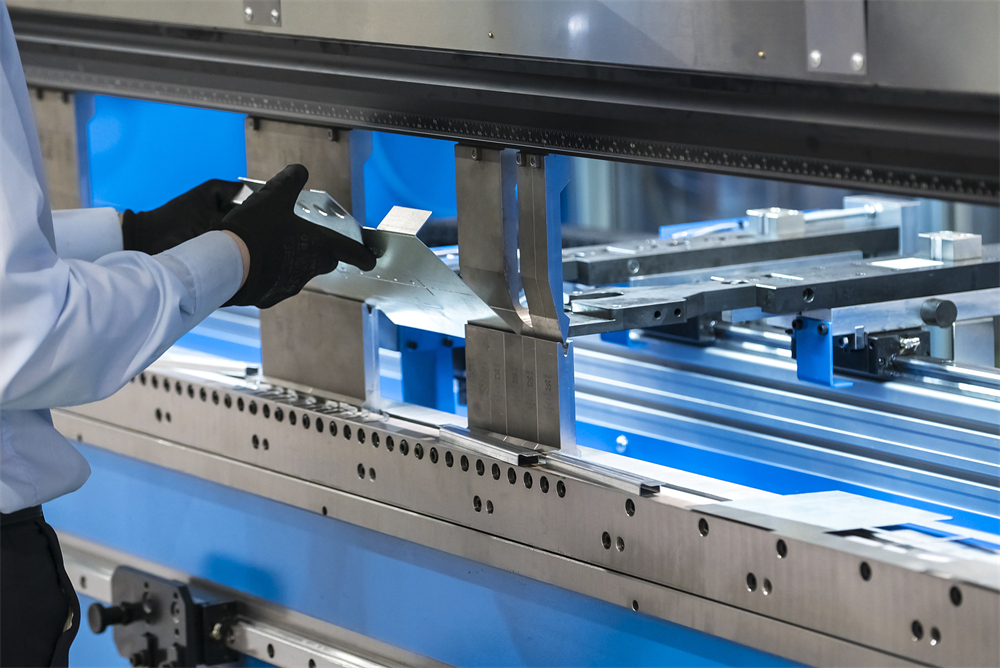
Price Range Overview: What to Expect
The cost of a press brake varies wildly based on its size, technology, and origin. Understanding the price landscape is the first step in budgeting for your new acquisition. Generally, press brakes are categorized into three main tiers: entry-level, mid-range, and high-end/specialized machines.
Entry-level machines, often featuring NC (Numerical Control) systems and basic hydraulic setups, typically range from $15,000 to $35,000. These are usually smaller machines, such as 40-ton to 80-ton models with a 2-meter bed. They are ideal for small workshops or dedicated tasks that don’t require frequent setup changes. However, they lack the sophisticated automation found in higher-end models.
Mid-range press brakes, which are the workhorses of the industry, usually fall between $40,000 and $90,000. These machines are typically CNC-controlled (Computer Numerical Control), offering 3 to 5 axes of movement. They provide better accuracy, faster setup times, and higher tonnage (100 to 200 tons). This is the category where most growing fabrication shops find their ideal balance between cost and performance.
High-end and specialized machines can exceed $150,000 and go well into the $500,000 range for heavy-duty applications. These include large-format machines (400+ tons), tandem press brakes for extremely long parts, and high-speed servo-electric models. These machines often feature advanced 3D graphical interfaces, robotic integration, and automatic tool changers. When considering the “Size Press Brake Do You Need? A Practical Buying” journey, aligning your budget with these tiers is essential.
Main Cost Drivers in Press Brake Selection
Several factors influence the final price tag of a press brake. Understanding these drivers allows you to prioritize features that add value to your specific operation while avoiding unnecessary expenses.
Tonnage: The Force Factor
Tonnage is the most significant cost driver. It refers to the maximum pressure the machine can exert. The more tonnage you need, the more robust the frame, cylinders, and hydraulic system must be. To calculate the tonnage required, you must consider the material type (stainless steel requires more force than aluminum), the material thickness, and the V-opening of the die. A common mistake is buying a machine that operates at its maximum capacity 100% of the time, which leads to premature wear. It is generally recommended to buy a machine with 20% more tonnage than your heaviest expected job.
Bending Length and Distance Between Housings
The overall bed length determines the longest piece of metal you can bend. However, the distance between the side housings (the uprights of the machine frame) is equally important. If you are bending a long part that needs to pass through the machine, the distance between housings must be greater than the part length. Increasing the length of a machine requires a more rigid bed and ram to prevent deflection, which significantly adds to the manufacturing cost.
Backgauge Complexity
The backgauge is the positioning system that ensures the bend is made at the correct location. A simple 1-axis backgauge (X-axis) moves in and out. A 6-axis backgauge (X1, X2, R1, R2, Z1, Z2) allows for complex, asymmetrical bends and significantly reduces setup time for intricate parts. Each additional axis adds several thousand dollars to the machine’s price but can pay for itself through increased productivity.
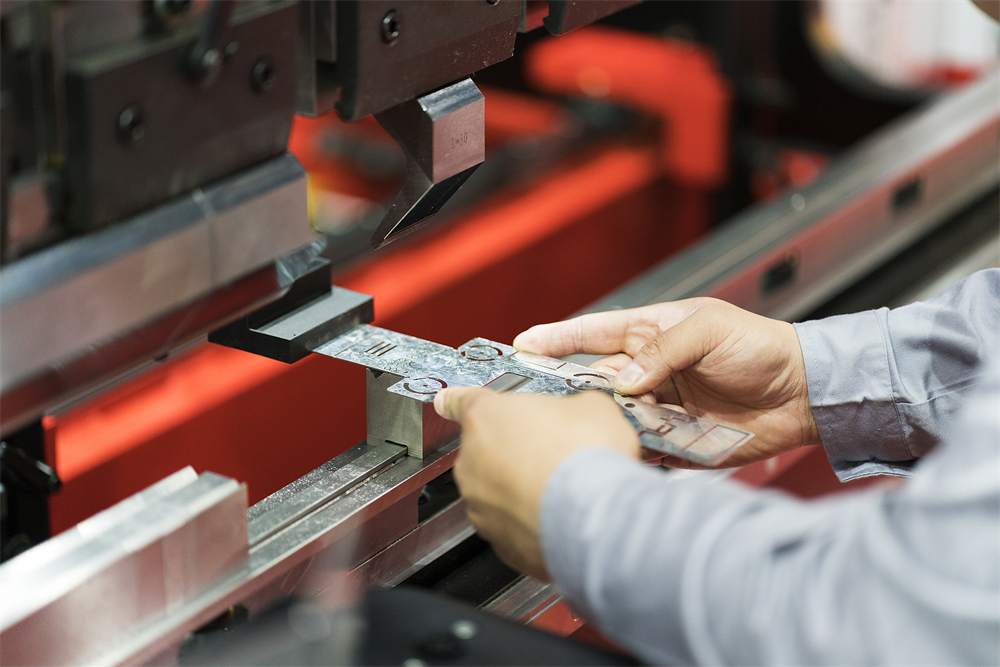
Configuration Impact: Hydraulic vs. Electric and Crowning
The internal configuration of the press brake affects not only the price but also the long-term operational costs and the quality of the finished parts.
Hydraulic vs. Servo-Electric Systems
Traditional hydraulic press brakes are the industry standard due to their power and reliability. However, servo-electric press brakes are gaining popularity. Electric machines are faster, more energy-efficient, and require less maintenance (no oil changes or leaks). While the initial investment for an electric press brake is higher, the lower operating costs and higher precision often justify the price for shops focusing on thin-gauge, high-accuracy parts.
Crowning Systems: Ensuring Straight Bends
When a press brake applies pressure, the bed and ram naturally deflect or “bow” in the center. This results in a “canoe effect” where the bend angle in the middle of the part is different from the ends. A crowning system compensates for this deflection. Manual crowning requires the operator to adjust wedges, while CNC-controlled hydraulic or motorized crowning adjusts automatically based on the tonnage and material. For any machine over 2.5 meters in length, a CNC crowning system is almost mandatory for maintaining quality.
Control Systems (CNC)
The “brain” of the machine is the CNC controller. Brands like Delem, Cybelec, and ESA offer various levels of sophistication. A high-end controller with 3D visualization allows operators to simulate the bending sequence before actually touching the metal, reducing scrap and preventing tool collisions. The choice of controller is a major part of the “Size Press Brake Do You Need? A Practical Buying” decision process, as it dictates the ease of use and the skill level required for the operator.
Hidden Costs of Owning a Press Brake
The purchase price is just the beginning. To truly understand the financial impact, you must account for several hidden costs that often catch buyers off guard.
- Tooling: A press brake is useless without high-quality punches and dies. A comprehensive set of tooling can cost anywhere from $5,000 to $20,000. Precision-ground, hardened tooling is more expensive but lasts longer and provides better accuracy.
- Installation and Rigging: Press brakes are heavy. Moving a 10-ton machine into your facility requires specialized rigging equipment and professional installers. Additionally, large machines may require a reinforced concrete foundation to prevent the floor from cracking or the machine from shifting out of level.
- Training: Modern CNC press brakes are complex. Investing in professional training for your operators ensures they can use the machine safely and efficiently. This reduces the learning curve and prevents costly mistakes during the first few months of operation.
- Maintenance and Consumables: Hydraulic oil, filters, and seal kits are ongoing expenses. Furthermore, regular calibration is necessary to maintain precision. Ignoring maintenance can lead to expensive repairs and unplanned downtime.
ROI Calculation: Justifying the Investment
When asking “What Size Press Brake Do You Need?”, you must also ask “How will this machine pay for itself?” A Return on Investment (ROI) calculation helps determine the viability of the purchase.
To calculate ROI, consider the following factors: 1) Labor Savings: A faster machine with a sophisticated CNC and backgauge can reduce setup times by 50% or more. 2) Scrap Reduction: Improved accuracy means fewer wasted parts. 3) Increased Capability: A larger or more powerful machine allows you to take on jobs you previously had to outsource. 4) Energy Efficiency: If opting for a servo-hybrid or electric model, calculate the monthly savings on your electricity bill.
For example, if a new $60,000 press brake saves 10 hours of labor per week at a rate of $50/hour, that’s $26,000 in annual savings. Combined with a 5% reduction in material scrap and the ability to bring $15,000 worth of outsourced work in-house, the machine could pay for itself in less than 18 months. This analytical approach is vital for any practical buying guide.
Buying Advice: A Step-by-Step Selection Process
To ensure you select the right size press brake, follow this structured approach:
- Analyze Your Parts: Look at your current and future production. What is the maximum thickness and length? What is the most common material? Use a tonnage chart to find your maximum required force.
- Determine the Throat Depth: If you are bending deep boxes or parts with large flanges, you need a machine with a deep “throat” (the gap in the side frames) to accommodate the material.
- Evaluate Your Operators: If your staff is highly skilled, a simpler NC machine might suffice. If you struggle to find experienced operators, a high-end CNC with graphical support will make it easier for less-experienced workers to produce quality parts.
- Check the After-Sales Support: A machine is only as good as the support behind it. Ensure the manufacturer or distributor offers local service, spare parts availability, and technical support. HARSLE, for instance, provides extensive documentation and remote support to ensure minimal downtime.
- Future-Proofing: Don’t just buy for today. If you currently bend 3mm steel but see a trend toward 6mm, invest in the higher tonnage now. It is much cheaper to buy more capacity today than to replace the machine in two years.
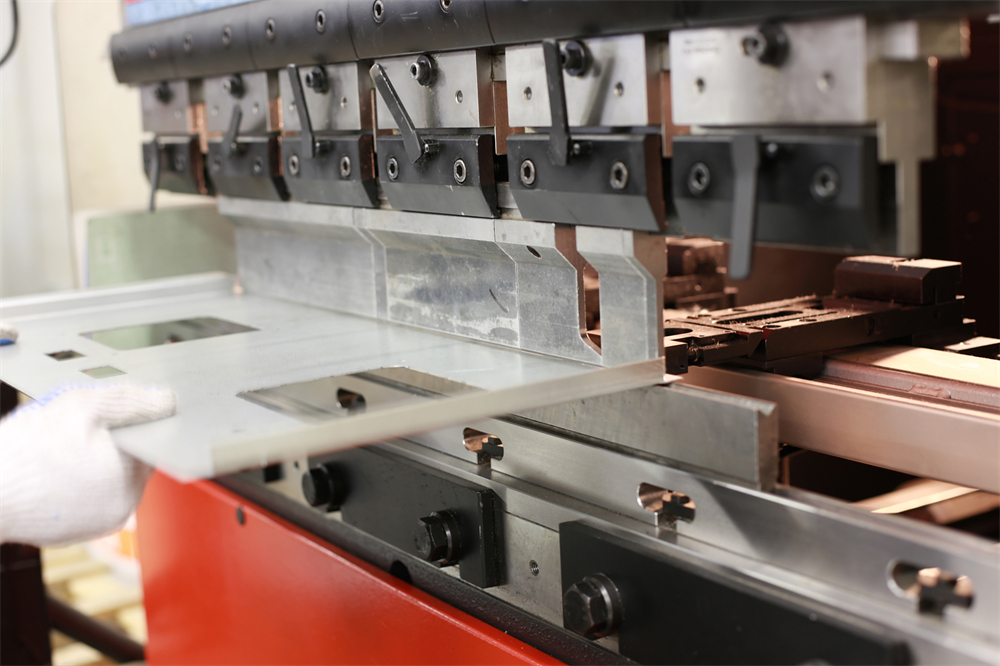
Technical Specifications Table
Below is a general reference table for tonnage requirements when bending mild steel (approx. 450 MPa tensile strength) with a standard V-opening (8 times the material thickness).
| Material Thickness (mm) | V-Opening (mm) | Tons Per Meter (Approx.) | Min. Flange Length (mm) |
|---|---|---|---|
| 1.0 | 8 | 8 | 5.5 |
| 1.5 | 12 | 11 | 8.5 |
| 2.0 | 16 | 14 | 11.5 |
| 3.0 | 24 | 22 | 17.0 |
| 4.0 | 32 | 30 | 23.0 |
| 6.0 | 50 | 45 | 35.0 |
| 8.0 | 63 | 75 | 45.0 |
| 10.0 | 80 | 95 | 55.0 |
Frequently Asked Questions (FAQ)
1. Can I bend stainless steel on a machine rated for mild steel?
Yes, but you must account for the higher tensile strength. Stainless steel generally requires about 50% more tonnage than mild steel of the same thickness. Always check your machine’s tonnage limits before attempting to bend harder materials.
2. What is the difference between an NC and a CNC press brake?
An NC (Numerical Control) press brake is more manual; the operator usually sets the depth of the ram and the position of the backgauge via a simple digital readout. A CNC (Computer Numerical Control) press brake is fully automated, calculating the bend sequence, tonnage, and crowning automatically based on the part program.
3. How often should I change the hydraulic oil?
For most hydraulic press brakes, the oil should be changed every 2,000 to 4,000 hours of operation, or at least once every two years. Regular oil analysis can help determine the exact timing, but keeping the oil clean is the best way to protect the valves and cylinders.
4. Is a laser safety system necessary?
While not strictly required for the machine to function, laser safety systems (like DSP or LazerSafe) are highly recommended. They protect the operator’s hands by stopping the ram instantly if an obstruction is detected, and they are often required by local safety regulations (OSHA/CE).
5. Why does my bend angle vary across the length of the part?
This is usually due to machine deflection. If your machine does not have a crowning system, or if the crowning system is not adjusted correctly, the center of the bend will be wider than the ends. Check your crowning settings and ensure your tooling is not worn out.
Conclusion
Determining “What Size Press Brake Do You Need?” is a multifaceted process that requires a deep dive into your production goals, material requirements, and budget. By focusing on the practical buying aspects—tonnage, length, and configuration—you can select a machine that not only meets your current needs but also empowers your business to grow. Remember that the cheapest machine is rarely the most cost-effective in the long run. Investing in quality, precision, and the right technical features will ensure your fabrication shop remains competitive in an ever-evolving industry. At HARSLE, we are committed to helping you find the perfect fit for your metalworking challenges, providing the expertise and machinery needed to turn your vision into reality.