Hydraulic Press Pump Maintenance Tips for Reliable System Pressure: The Ultimate Industrial Guide


Introduction to Hydraulic Press Pump Maintenance
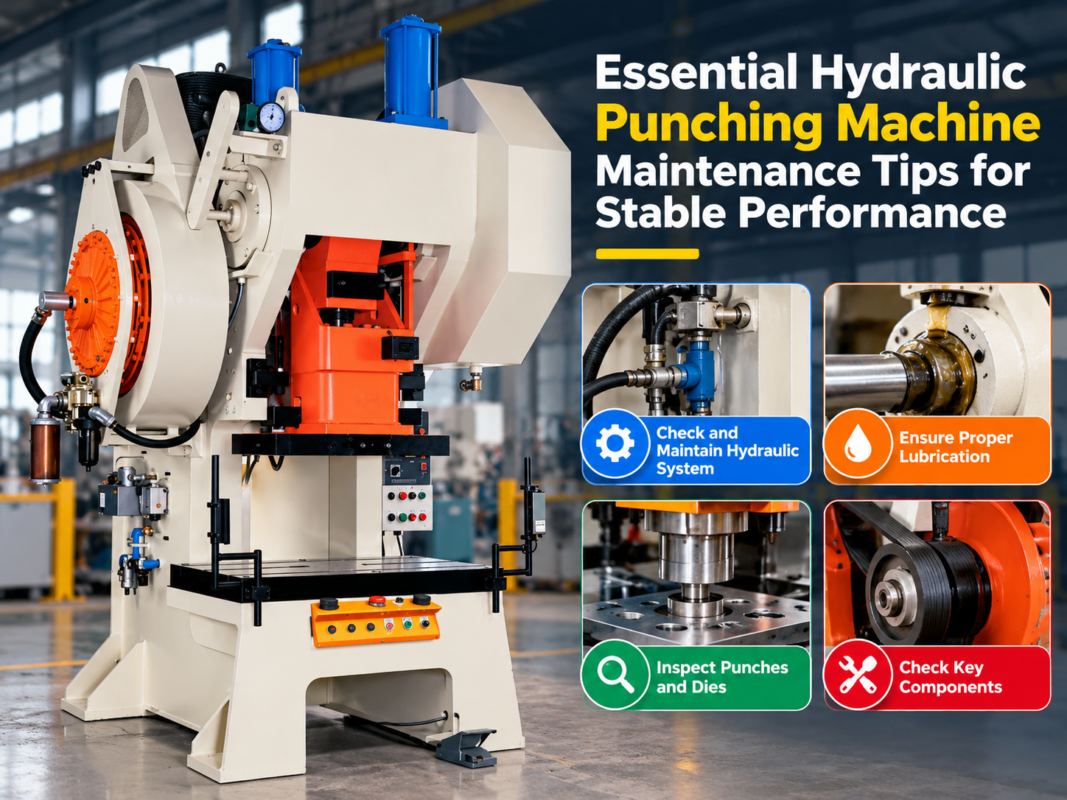
In the world of metal fabrication, the hydraulic press stands as a cornerstone of production. Whether it is deep drawing, punching, or forming, the efficiency of these operations depends entirely on the health of the hydraulic pump. Often referred to as the ‘heart’ of the machine, the pump is responsible for converting mechanical energy into hydraulic energy, providing the force necessary to manipulate heavy metal sheets. However, even the most robust HARSLE hydraulic presses require a rigorous upkeep routine to ensure longevity. This guide provides comprehensive Hydraulic Press Pump Maintenance Tips for Reliable System Pressure, ensuring your workshop remains productive and safe.
Maintaining reliable system pressure is not merely about preventing a total machine breakdown; it is about consistency. Inconsistent pressure leads to defective parts, increased scrap rates, and unnecessary wear on the press’s structural components. By implementing a proactive maintenance strategy, operators can identify minor issues before they escalate into catastrophic failures. This article delves deep into the technical nuances of pump care, offering actionable insights for maintenance managers and machine operators alike.
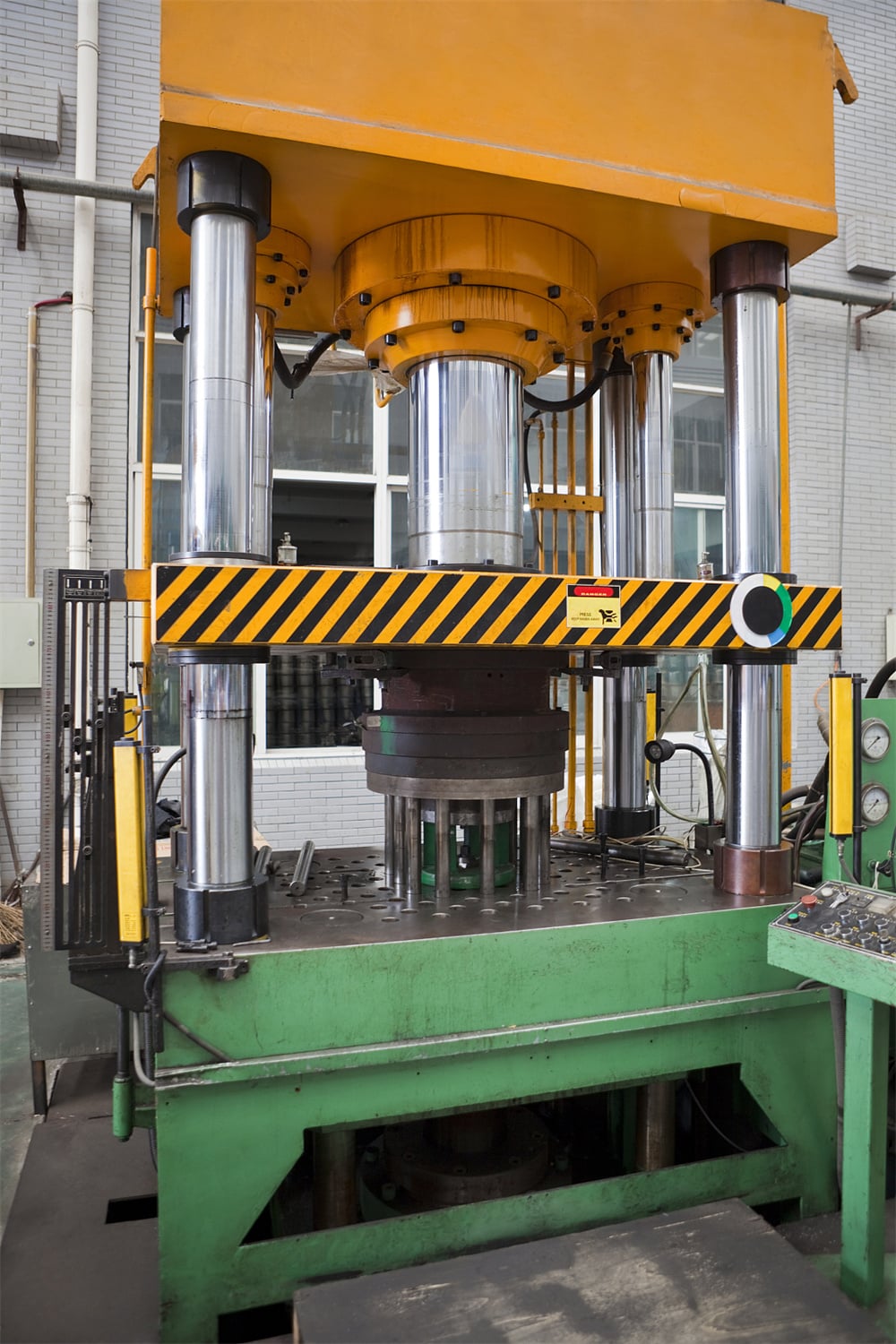
The Critical Importance of Pump Maintenance
The hydraulic pump operates under extreme conditions, often handling pressures exceeding 3,000 PSI. Over time, the internal components—such as pistons, vanes, or gears—experience friction and thermal stress. Without proper maintenance, the efficiency of the pump declines, leading to slower cycle times and increased energy consumption. Understanding the importance of maintenance is the first step toward achieving Reliable System Pressure.
One of the primary reasons for pump failure is fluid contamination. Small particles of metal, dust, or moisture can act as abrasives, scouring the precision-machined surfaces inside the pump. This leads to internal leakage, where high-pressure fluid bypasses the pumping mechanism and returns to the reservoir. The result is a noticeable drop in system pressure and an increase in operating temperature. Regular maintenance ensures that filtration systems are functioning and that the fluid remains within its specified cleanliness levels.
Furthermore, a well-maintained pump contributes to a safer working environment. Hydraulic systems store immense amounts of energy. A sudden failure of a pump housing or a high-pressure line due to neglected maintenance can result in serious injury. By following these Hydraulic Press Pump Maintenance Tips for Reliable System Pressure, companies protect their most valuable assets: their employees and their machinery.
Finally, the economic argument for maintenance is undeniable. The cost of a replacement pump for a large-scale hydraulic press can be staggering, not to mention the lost revenue during downtime. A structured maintenance plan extends the mean time between failures (MTBF) and ensures that the machine provides a high return on investment throughout its lifecycle.
Daily Inspection Routines for Maximum Reliability
Daily inspections are the frontline defense against machine failure. These checks should be performed at the start of every shift and do not require specialized tools—only a keen eye and ear. The goal is to establish a baseline for ‘normal’ operation so that deviations can be spotted immediately.
Visual Checks and Leak Detection
Operators should begin by inspecting the area around the pump and the hydraulic reservoir for signs of fluid. Even a small puddle can indicate a failing seal or a loose fitting. External leaks are not just messy; they are an entry point for contaminants and a sign that the system is losing the pressure required for precision work. Pay close attention to the pump shaft seal, as this is a common point of wear.
Monitoring Oil Levels and Quality
Check the oil level through the sight glass on the reservoir. The oil should be at the recommended level and appear clear. If the oil looks milky, it indicates water contamination. If it looks dark or smells burnt, it has likely undergone thermal degradation. Maintaining the correct oil level is crucial because the fluid also acts as a coolant; low levels lead to rapid overheating, which can damage the pump’s internal components within minutes.
Noise and Vibration Analysis
A healthy hydraulic pump produces a consistent, rhythmic hum. Unusual noises, such as grinding, whining, or ‘marbles in a can’ sounds, are red flags. Whining often indicates aeration (air entering the system), while a loud metallic banging usually points to cavitation. Both conditions are destructive and must be addressed immediately to maintain Reliable System Pressure. Vibration should also be monitored; excessive shaking can loosen mounting bolts and lead to misalignment between the motor and the pump.
Temperature Monitoring
Most modern HARSLE presses are equipped with temperature gauges. The ideal operating temperature for hydraulic fluid is typically between 100°F and 130°F (38°C to 54°C). If the temperature exceeds 150°F, the oil’s viscosity drops, reducing its lubricating properties and leading to increased wear. Daily checks of the heat exchanger or cooling fan operation are essential to prevent these thermal spikes.
Hydraulic System Checks: Beyond the Surface
While daily inspections catch obvious problems, a deeper dive into the hydraulic circuit is necessary for long-term reliability. This involves checking the components that directly interact with the pump to ensure the entire system is balanced.
Filtration and Fluid Cleanliness
The filter is the pump’s best friend. Most hydraulic systems utilize a combination of suction strainers, pressure-line filters, and return-line filters. These must be checked and replaced according to the manufacturer’s schedule or when the ‘clogged filter’ indicator activates. Never bypass a filter; doing so allows contaminants to circulate directly through the pump, causing irreversible damage to the precision-fit parts.
Pressure Relief Valve Calibration
The pressure relief valve is a safety device that protects the pump from over-pressurization. Over time, the spring inside the valve can fatigue, or the seat can become worn, causing the valve to ‘drift’ from its setting. Periodically verifying the relief valve setting ensures that the pump is not working harder than necessary and that the system remains within safe operating limits. This is a core component of Hydraulic Press Pump Maintenance Tips for Reliable System Pressure.
Accumulator Pre-charge Verification
Many hydraulic presses use accumulators to store energy and dampen pressure spikes. If the nitrogen pre-charge in the accumulator is too low, the pump will have to cycle more frequently to maintain pressure, leading to premature wear. Checking the pre-charge pressure ensures the pump operates in its most efficient range, reducing the load on the motor and internal valves.
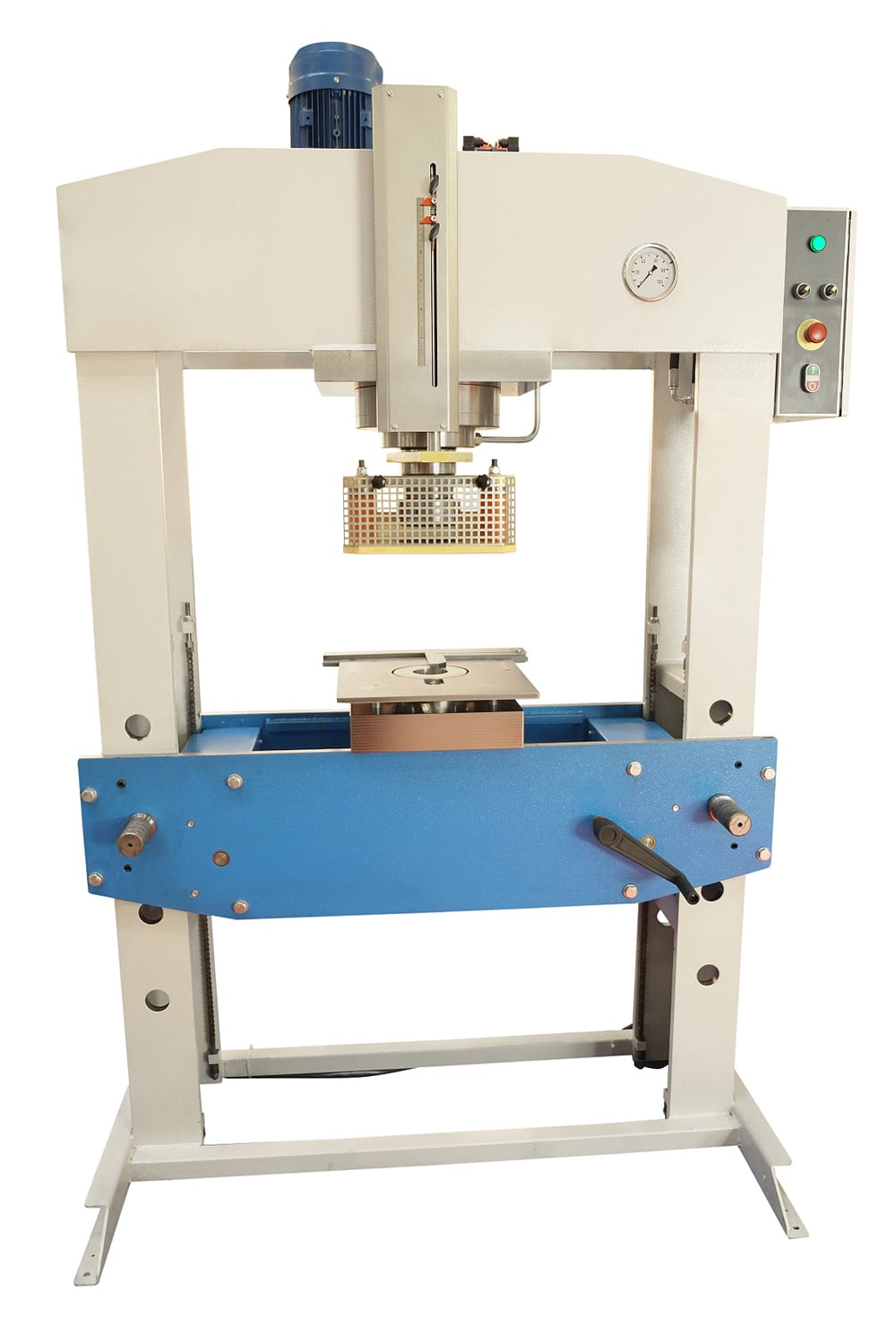
Electrical and Mechanical Integration
The hydraulic pump does not operate in isolation; it is driven by an electric motor and supported by a mechanical frame. Neglecting these interfaces can lead to pump failure just as easily as a hydraulic leak.
Motor and Coupling Alignment
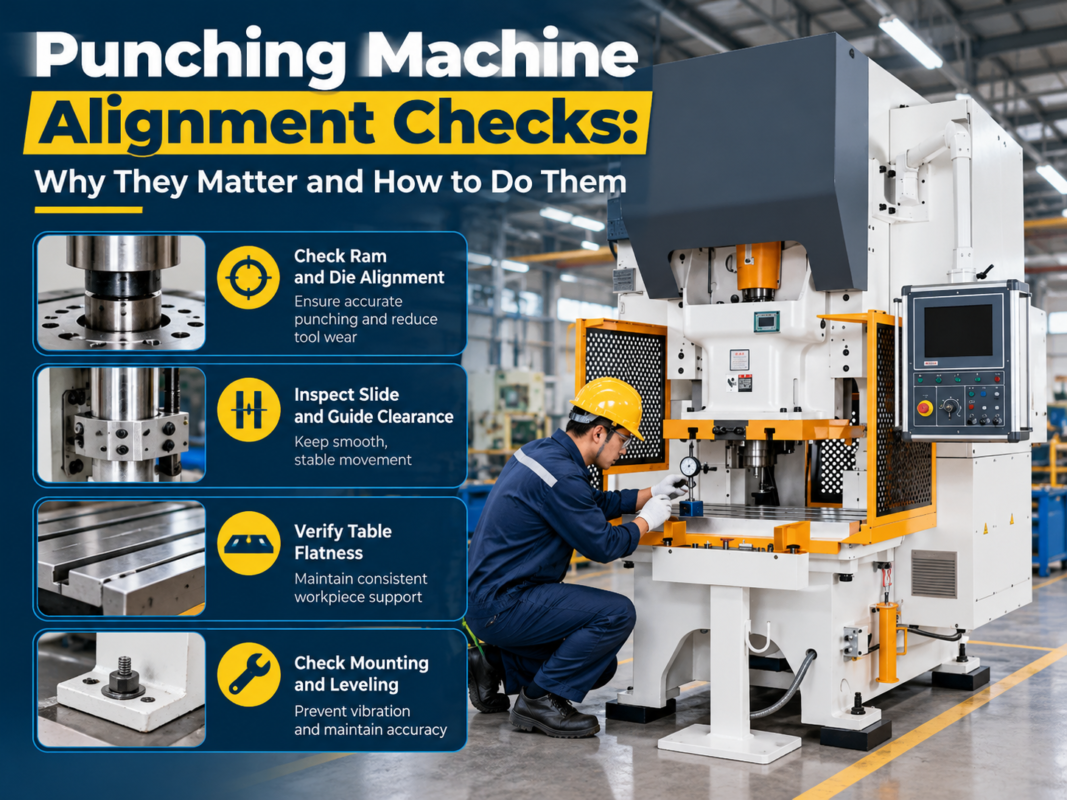
The connection between the electric motor and the hydraulic pump is critical. If the shafts are misaligned, it creates radial and axial loads that the pump bearings were not designed to handle. This leads to bearing failure, seal leaks, and eventually, a seized pump. Using laser alignment tools during scheduled maintenance can prevent these issues and ensure smooth power transmission.
Electrical Control Systems
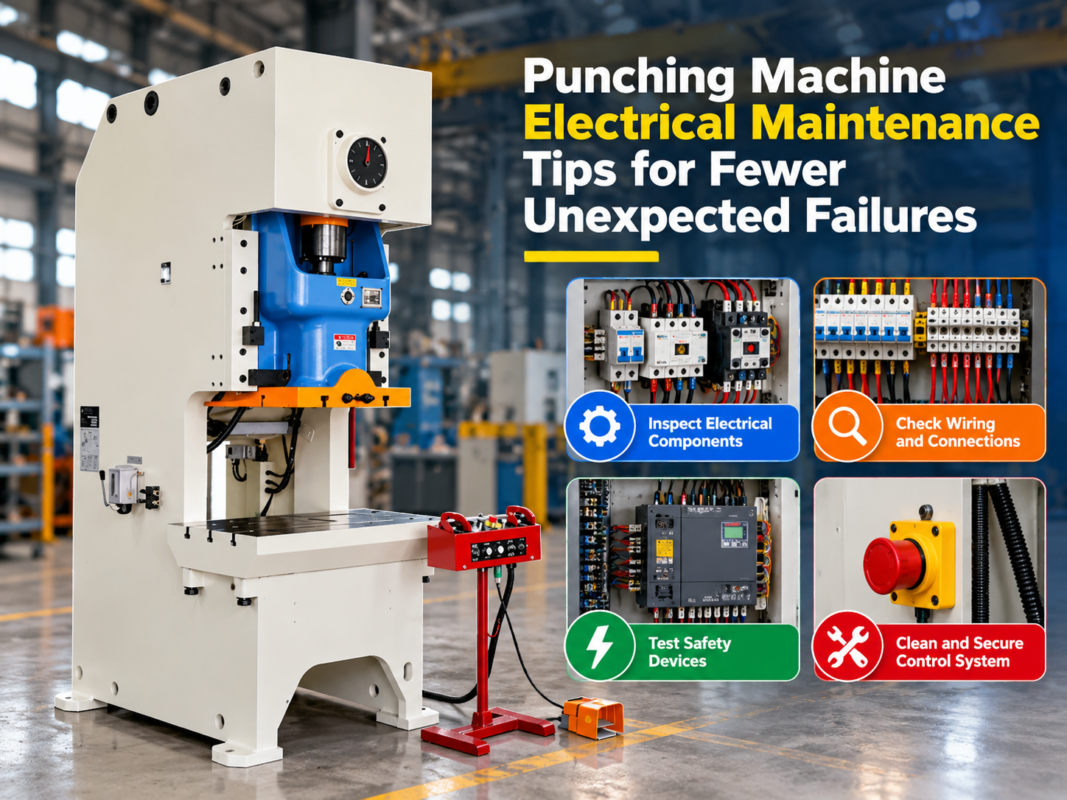
Modern presses rely on Solenoids and PLCs to control the pump’s output. Ensure that all electrical connections are tight and free of corrosion. Voltage fluctuations can cause the motor to run hot or stall, which in turn affects the pump’s ability to maintain Reliable System Pressure. Regularly inspect the control cabinet for dust buildup, which can cause overheating of sensitive electronic components.
Mechanical Fasteners and Damping
The constant cycling of a hydraulic press creates significant vibration. Periodically torque all mounting bolts for the pump and motor. Additionally, inspect the rubber vibration dampeners or ‘feet’ that the pump assembly sits on. If these are cracked or compressed, the vibration will be transferred to the hydraulic lines, potentially causing fatigue cracks and leaks in the piping.
Comprehensive Lubrication Plan
While the hydraulic fluid itself provides lubrication for the pump’s internal parts, other mechanical components of the press require specific greasing and oiling. A robust lubrication plan is essential for the overall health of the machine.
Choosing the Right Hydraulic Fluid
Not all hydraulic oils are created equal. It is imperative to use the fluid recommended by HARSLE, typically an anti-wear (AW) hydraulic oil with the correct ISO viscosity grade (e.g., ISO 46 or 68). The wrong viscosity can lead to poor lubrication at high temperatures or excessive drag at startup, both of which stress the pump. Always consult the machine manual before topping off or changing the fluid.
Greasing Pivot Points and Guides
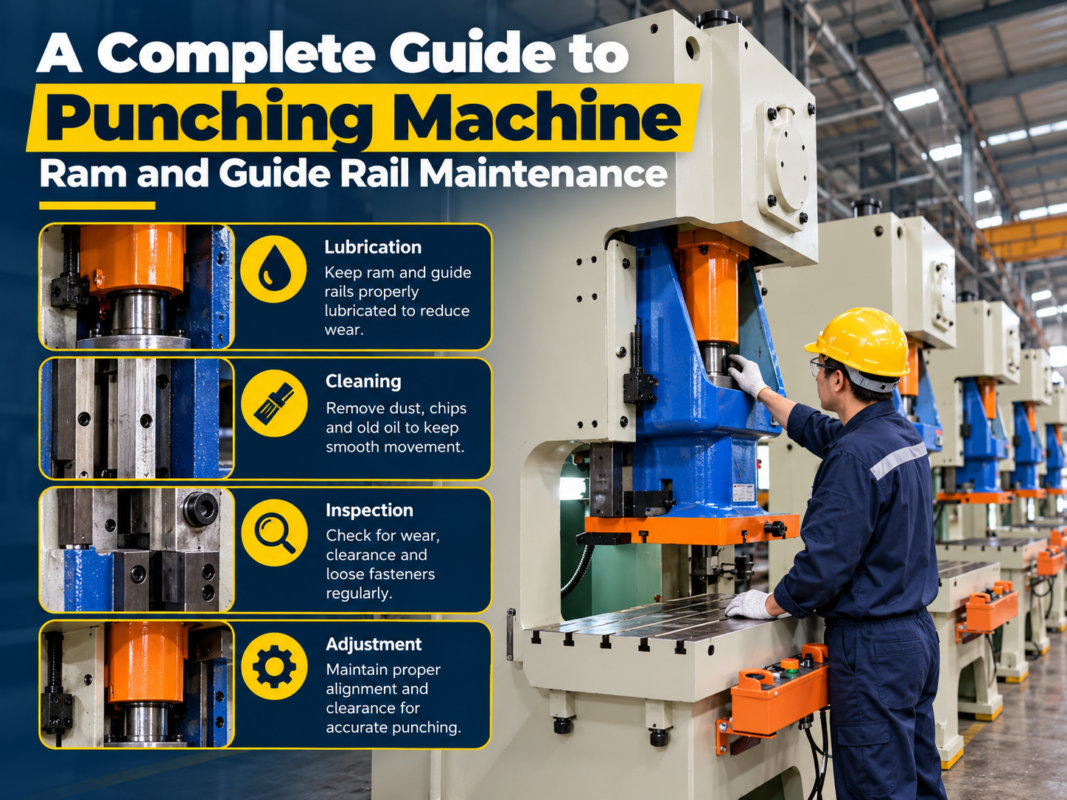
The ram and the guide rails of the press require regular greasing to reduce friction. If these components are not properly lubricated, the pump must work harder to overcome the mechanical resistance, which can lead to pressure fluctuations. Use a high-quality lithium-based grease and ensure that the automatic lubrication system (if equipped) is delivering the correct volume to each point.
Contamination Control During Refilling
Surprisingly, new oil is often not clean enough for high-pressure hydraulic systems. When adding oil to the reservoir, always use a filter cart to pump the oil in, rather than pouring it directly from a drum. This ensures that any contaminants present in the new oil are removed before they reach the pump. This simple step is one of the most effective Hydraulic Press Pump Maintenance Tips for Reliable System Pressure.
Troubleshooting Signals: Identifying Problems Early
Even with the best maintenance, components will eventually wear out. The key is to recognize the symptoms of failure early enough to perform a controlled shutdown rather than an emergency repair.
Understanding Cavitation
Cavitation occurs when the pump cannot get enough fluid, causing vacuum bubbles to form and then collapse violently against the internal surfaces. This sounds like gravel passing through the pump. It is usually caused by a clogged suction strainer, a restricted intake line, or oil that is too thick for the ambient temperature. If left unaddressed, cavitation will destroy a pump in a matter of hours.
Aeration and Spongy Operation
Aeration is the presence of air in the hydraulic fluid. It makes the machine’s movements feel ‘spongy’ or erratic and causes the pump to emit a high-pitched whine. Air usually enters through a leak in the suction line or a low oil level that allows a vortex to form in the reservoir. Aeration leads to oxidation of the oil and poor pressure control.
Overheating and Loss of Speed
If the press is moving slower than usual, it is often a sign of internal pump wear. As the clearances between moving parts increase, more fluid leaks internally, generating heat and reducing the flow rate. If you notice the system temperature rising without an increase in ambient temperature or workload, the pump is likely nearing the end of its service life.
Maintenance Schedule Table
To ensure Reliable System Pressure, follow this structured maintenance schedule. Adjust the frequency based on your specific shift patterns and environmental conditions.
| Frequency | Task Description | Objective |
|---|---|---|
| Daily | Check oil level and color | Ensure adequate lubrication and cooling |
| Daily | Listen for unusual noise (Cavitation/Aeration) | Early detection of pump distress |
| Daily | Inspect for external leaks | Prevent fluid loss and contamination |
| Weekly | Check oil temperature during operation | Prevent thermal degradation of fluid |
| Weekly | Inspect air breathers on reservoir | Ensure clean air enters the tank |
| Monthly | Analyze oil for contamination (ISO 4406) | Verify fluid cleanliness levels |
| Monthly | Check and tighten all hydraulic fittings | Prevent leaks caused by vibration |
| Quarterly | Replace hydraulic filters | Maintain system cleanliness |
| Quarterly | Check pump/motor alignment | Prevent bearing and seal failure |
| Yearly | Drain and clean hydraulic reservoir | Remove accumulated sludge and debris |
| Yearly | Calibrate pressure gauges and relief valves | Ensure accurate system monitoring |
Frequently Asked Questions (FAQ)
1. How often should I change the hydraulic oil in my press?
Typically, hydraulic oil should be changed every 2,000 to 4,000 hours of operation. However, this can vary based on the environment. It is best to perform annual oil analysis to determine if the oil’s additive package is still effective or if contamination levels are too high.
2. Why is my hydraulic press losing pressure during the stroke?
Loss of pressure can be caused by several factors: a worn pump, a leaking cylinder seal, or a malfunctioning pressure relief valve. Start by checking the relief valve and then inspect the pump for internal leakage or cavitation symptoms.
3. Can I mix different brands of hydraulic oil?
It is not recommended to mix different brands or types of oil, as the additive packages may react negatively, leading to foaming or sludge formation. If you must switch brands, perform a complete system flush first.
4. What is the most common cause of hydraulic pump failure?
Contamination is responsible for nearly 80% of hydraulic system failures. Whether it is particulate matter, water, or air, keeping the fluid clean is the single most important factor in pump longevity.
5. How do I know if my pump is cavitating?
Cavitation produces a very distinct, loud metallic noise, often described as ‘marbles’ or ‘rocks’ rattling inside the pump. You may also notice erratic pressure readings and increased vibration.
Conclusion: Partnering with HARSLE for Success
Maintaining a hydraulic press is a continuous commitment to excellence. By following these Hydraulic Press Pump Maintenance Tips for Reliable System Pressure, you ensure that your HARSLE machinery operates at peak performance for years to come. A proactive approach reduces costs, improves part quality, and keeps your production line moving smoothly.
At HARSLE, we are dedicated to providing not only world-class metal fabrication equipment but also the knowledge and support our customers need to succeed. Our machines are engineered for durability, but the human element of maintenance is what truly unlocks their potential. Invest time in your maintenance routine today, and your hydraulic press will reward you with reliable, high-pressure performance for a lifetime of service.