How to Keep Hydraulic Press Guideways Clean and Accurate: A Comprehensive Maintenance Guide


The Critical Role of Guideways in Hydraulic Press Performance
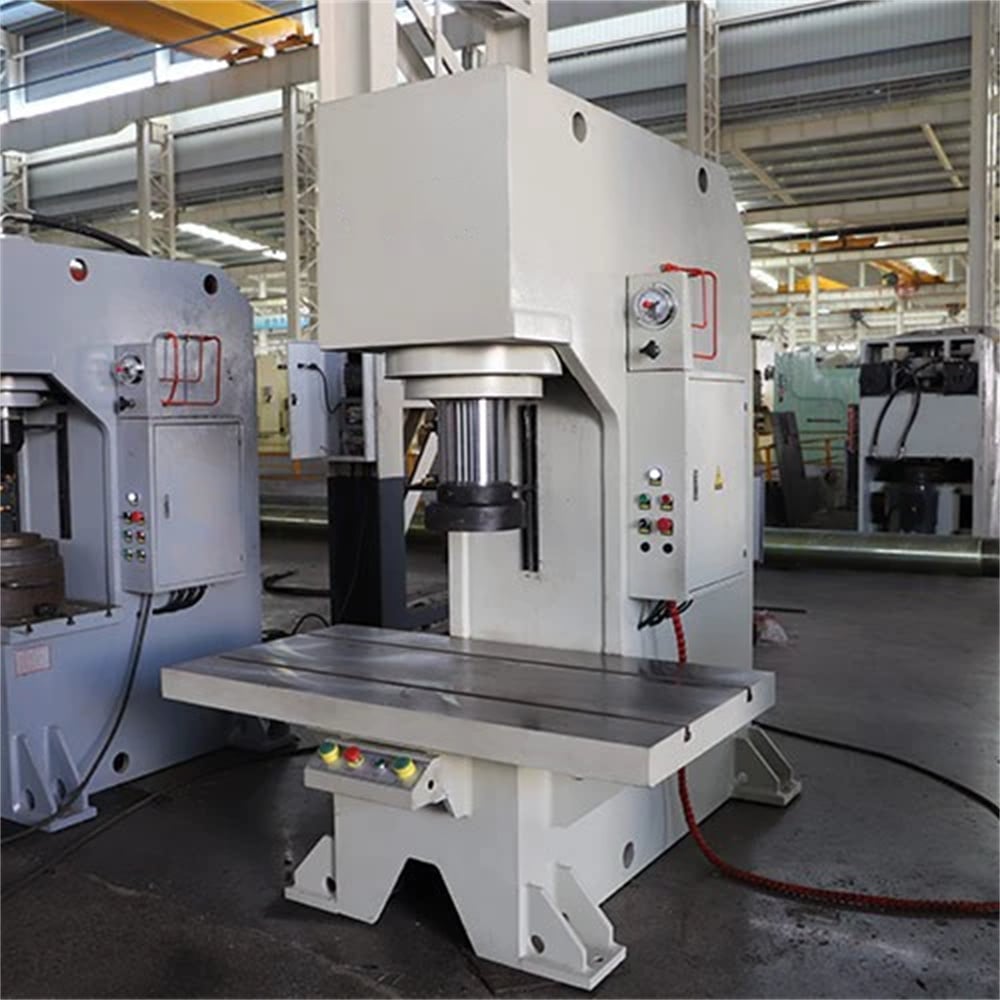
In the world of metal fabrication, the precision of a hydraulic press is largely determined by the condition of its guideways. These components, often referred to as ways or slides, are the tracks upon which the ram moves vertically or horizontally. To keep hydraulic press guideways clean and accurate is not merely a matter of aesthetics; it is a fundamental requirement for ensuring the longevity of the machine, the quality of the finished parts, and the safety of the operator. When guideways are neglected, friction increases, leading to heat buildup, uneven wear, and eventually, a loss of parallelism that can ruin expensive dies and workpieces.
Guideways serve as the structural foundation for the ram’s movement, absorbing the lateral forces generated during the pressing cycle. Whether your HARSLE machine utilizes box ways, linear guides, or cylindrical guides, the principle remains the same: smooth, unobstructed movement is essential. Contaminants such as metal shavings, scale, dust, and old, thickened lubricant act as abrasives. Over time, these particles can score the surface of the guideways, creating ‘high spots’ and ‘low spots’ that prevent the ram from traveling in a perfectly straight line. This deviation, even if measured in microns, can result in rejected parts and increased scrap rates.
Furthermore, the financial implications of poor guideway maintenance are significant. A hydraulic press with damaged guideways requires more energy to operate due to increased friction. It also places additional stress on the hydraulic cylinders and the pump system, leading to premature component failure. By implementing a rigorous cleaning and maintenance routine, manufacturers can extend the service life of their equipment by decades. This guide provides a deep dive into the technical and practical steps necessary to maintain peak performance in your metal fabrication facility.
Why Maintenance Importance Cannot Be Overstated
The importance of maintaining guideways stems from the physics of metal forming. During a high-tonnage stroke, the ram must maintain perfect alignment with the lower bolster. If the guideways are dirty or poorly lubricated, the ram may ‘cock’ or tilt slightly. This misalignment causes uneven pressure distribution across the die surface. In applications like deep drawing or precision stamping, this leads to wall thickness variations, wrinkling, or even catastrophic die breakage. To keep hydraulic press guideways clean and accurate is to protect your tooling investment.
Another factor is the thermal stability of the machine. Friction generates heat. If the guideways are contaminated, the friction coefficient increases dramatically. This localized heat can cause the metal of the guideways and the ram to expand at different rates. In extreme cases, this can lead to ‘galling’ or seizing, where the two metal surfaces effectively weld themselves together under pressure. Once galling occurs, the repair process is incredibly costly, often requiring the guideways to be re-ground or replaced entirely, resulting in weeks of downtime.
From a safety perspective, clean guideways ensure predictable machine behavior. A ram that ‘sticks’ and then suddenly ‘slips’ (a phenomenon known as stick-slip) can create dangerous vibrations and unpredictable movements. This can trigger emergency stop sensors or, worse, cause mechanical failure during a cycle. Consistent maintenance ensures that the machine responds accurately to the control system’s commands, providing a safe environment for operators and maintenance personnel alike.
Daily Inspection: The First Line of Defense
To effectively keep hydraulic press guideways clean and accurate, a daily inspection routine is mandatory. This should be the first task performed by the operator at the start of every shift. The goal is to identify potential issues before they escalate into major repairs. Start by visually inspecting the entire length of the guideways. Look for signs of ‘scoring’—longitudinal scratches that indicate debris is trapped between the sliding surfaces. If scoring is detected, the machine should be stopped immediately to identify the source of the contamination.
Cleaning should be performed using lint-free cloths and approved cleaning agents. Avoid using compressed air to blow off guideways, as this can force small metal particles and dust into the seals or between the sliding surfaces, causing more harm than good. Instead, wipe the surfaces down to remove old grease and accumulated shop dust. Pay close attention to the ‘wipers’—the flexible components at the ends of the ram slides designed to push debris away. If these wipers are cracked, worn, or saturated with grit, they must be replaced immediately to prevent contaminants from reaching the precision surfaces.
During the daily check, also observe the lubrication film. A healthy guideway should have a thin, consistent layer of oil or grease. If you see ‘dry’ patches, it indicates a failure in the lubrication system or a blockage in the oil lines. Conversely, excessive dripping may indicate a leak or an over-active automatic lubrication system, which can lead to oil contamination of the work area and the hydraulic fluid itself. Documenting these daily findings in a logbook helps track the machine’s health over time and identifies patterns that might suggest a larger mechanical issue.
Comprehensive Hydraulic, Electrical, and Mechanical Checks
Hydraulic System Integration
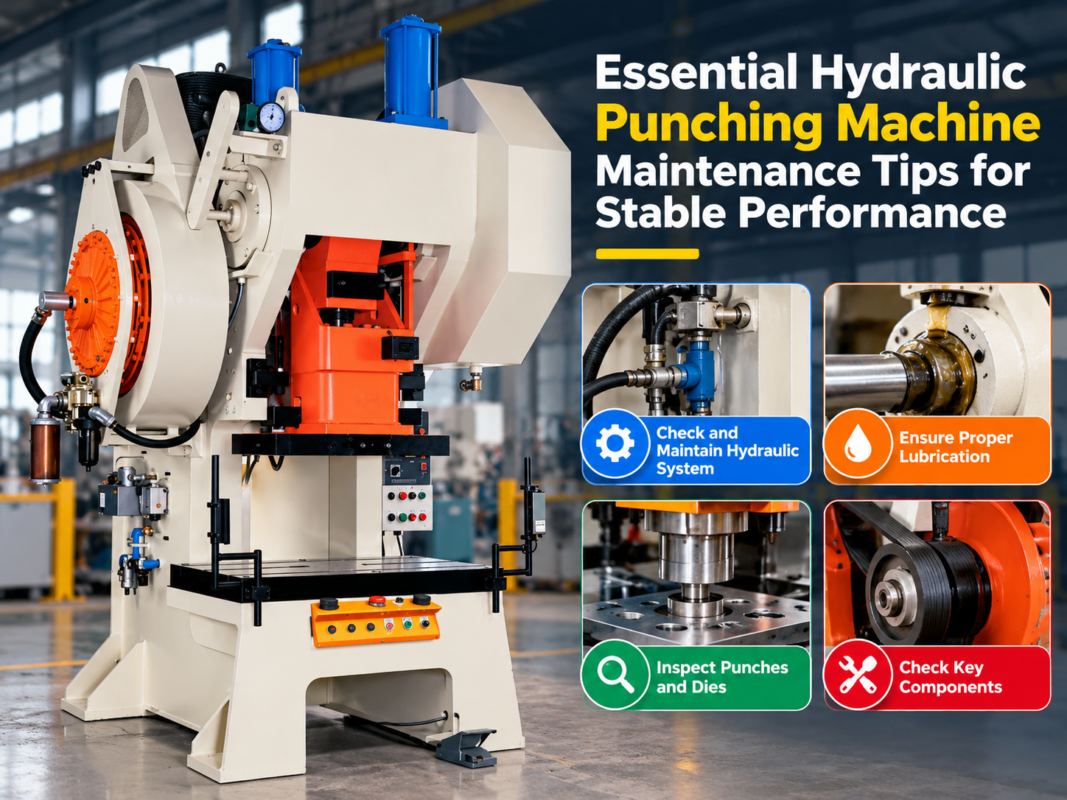
The hydraulic system and the guideways are intrinsically linked. Leaking hydraulic seals on the main cylinders can drip fluid onto the guideways. While hydraulic oil is a lubricant, it is not designed for guideway use and can wash away the specialized guideway grease, leading to accelerated wear. Furthermore, if the hydraulic pressure is inconsistent, the ram may not move smoothly along the guides. Ensure that the hydraulic fluid is filtered and that the cooling system is functioning correctly to maintain the oil’s viscosity, which indirectly affects the smoothness of the ram’s travel.
Electrical and Control Systems
Modern HARSLE presses utilize sophisticated electrical sensors to monitor ram position and parallelism. Proximity switches and linear encoders must be kept clean and securely mounted. If dust accumulates on an optical encoder, the control system may receive inaccurate data regarding the ram’s position, leading to ‘over-travel’ or misalignment. Regularly check the wiring for the automatic lubrication system to ensure that the pump is receiving the signal to cycle. An electrical failure in the lubrication timer is a common cause of guideway damage that often goes unnoticed until it is too late.
Mechanical Alignment and Gib Adjustment
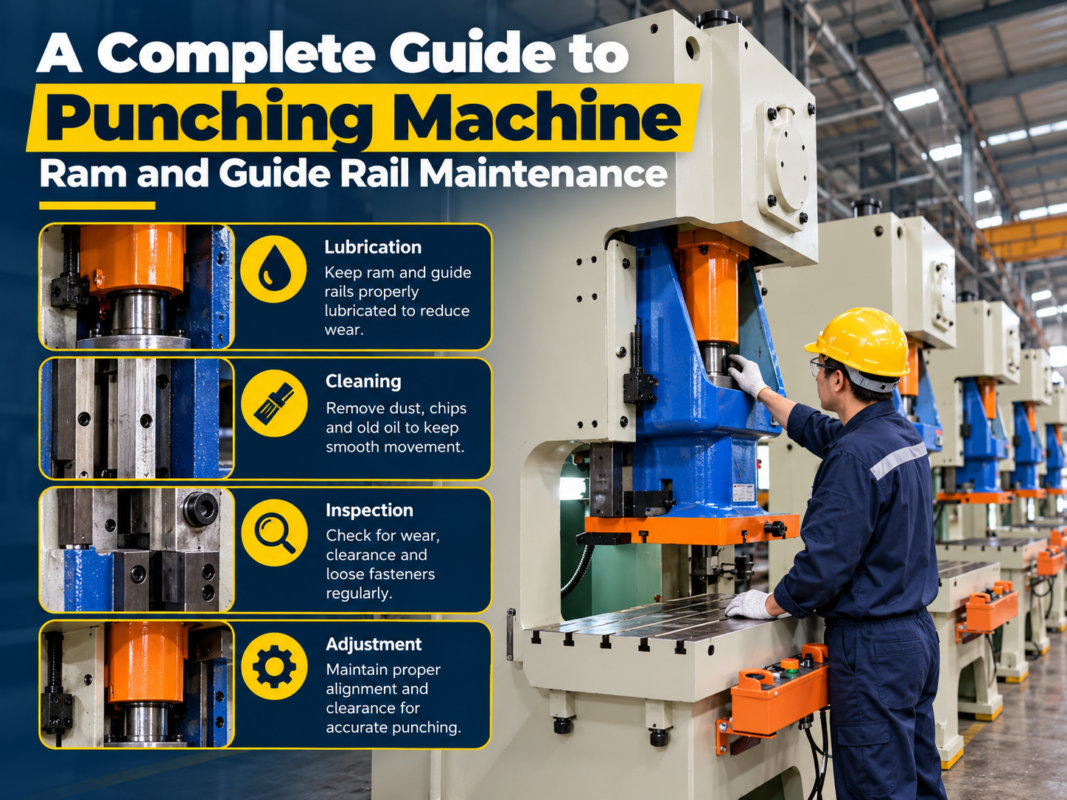
The mechanical ‘gibs’ are adjustable plates used to set the clearance between the ram and the guideways. Over time, as the machine settles and the surfaces wear slightly, these gibs may need adjustment to keep hydraulic press guideways clean and accurate. If the gibs are too loose, the ram will wobble; if they are too tight, they will cause excessive friction and heat. Using a feeler gauge, maintenance technicians should check the clearances against the manufacturer’s specifications (typically ranging from 0.02mm to 0.10mm depending on the press size). Tighten or loosen the adjustment bolts in small increments, ensuring that the ram remains perfectly parallel to the bolster throughout its entire stroke.
The Ultimate Lubrication Plan
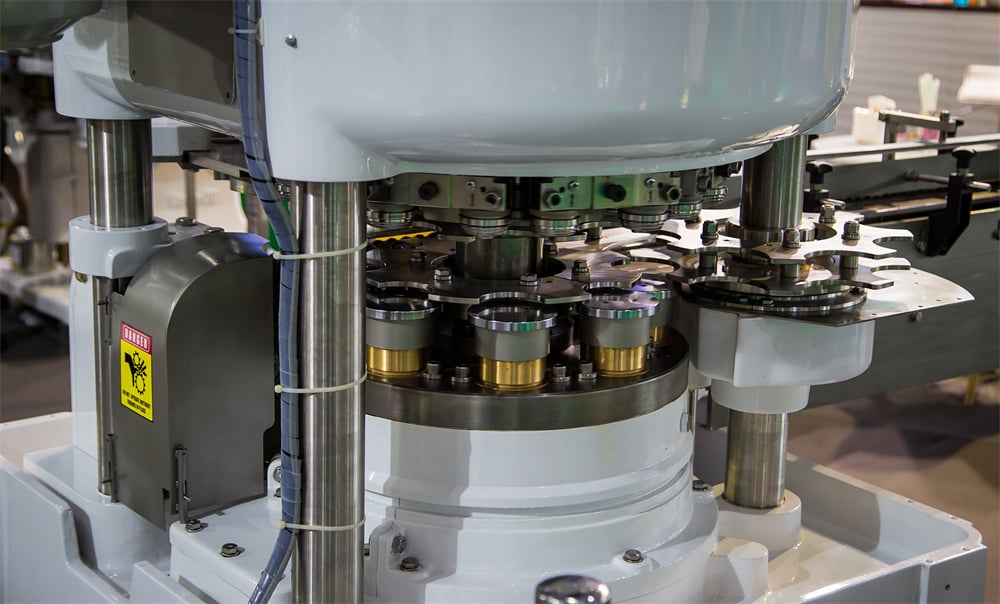
Lubrication is the lifeblood of guideway accuracy. Without a proper lubrication plan, even the cleanest guideways will fail. The choice of lubricant is critical. Guideway oils (often labeled as ‘Way Oil’) contain ‘tackifiers’—additives that help the oil stick to vertical surfaces and prevent it from being squeezed out under high pressure. For heavy-duty HARSLE presses, a high-viscosity grease may be preferred for its ability to stay in place and provide a cushion against shock loads. Always refer to the machine manual for the specific ISO grade required.
Automatic lubrication systems are standard on most industrial presses, but they are not ‘set and forget’ systems. These systems work by delivering a metered amount of lubricant at specific intervals. Technicians must regularly check the reservoir levels and ensure the filters are clean. A common failure point is the ‘metering valves’ or ‘distributor blocks’ that divide the lubricant among the various guide points. If one valve becomes clogged, that specific section of the guideway will run dry while the rest of the machine appears fine. Periodically disconnect the lines at the guideway entry point to verify that lubricant is actually reaching its destination.
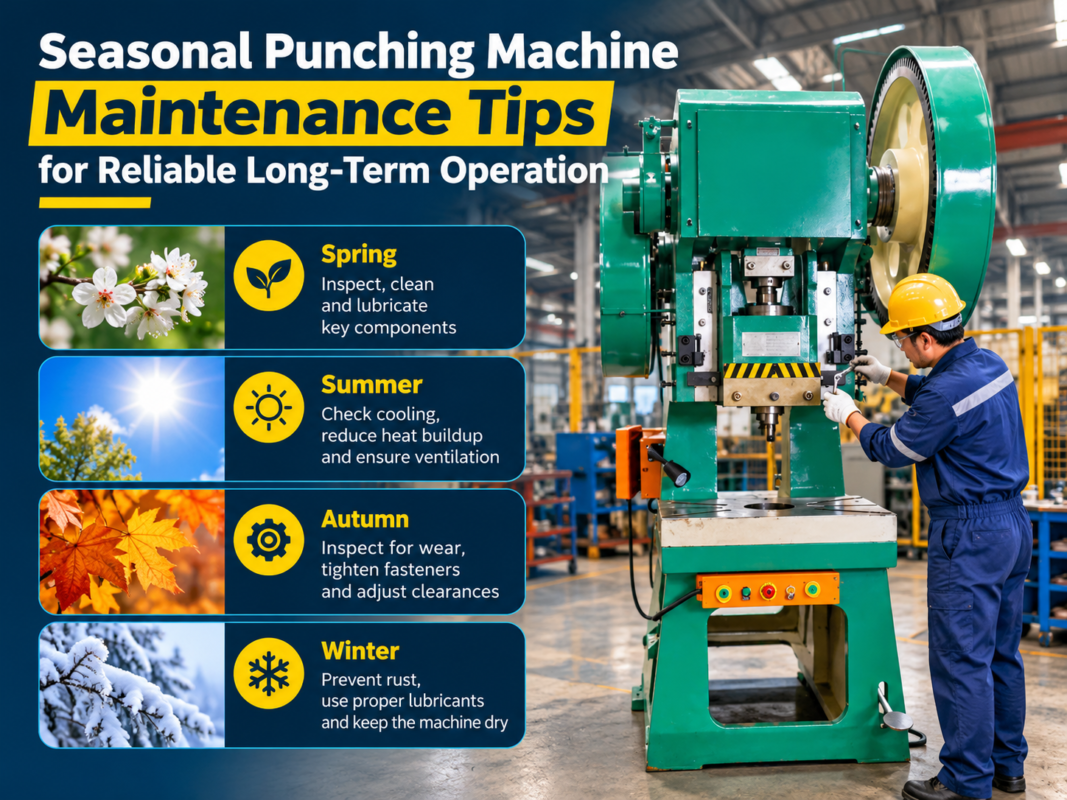
Environmental factors also play a role in your lubrication strategy. In cold environments, grease can thicken, making it difficult for the pump to distribute. In hot foundries, oil may thin out and run off the guides too quickly. Adjust the lubrication frequency and type based on the seasonal temperature shifts in your facility. Additionally, if the press is used for materials that produce a lot of fine dust (like ceramics or certain composites), more frequent lubrication cycles may be necessary to ‘flush’ out the contaminants from the sliding surfaces.
Troubleshooting Signals: What Your Press is Telling You
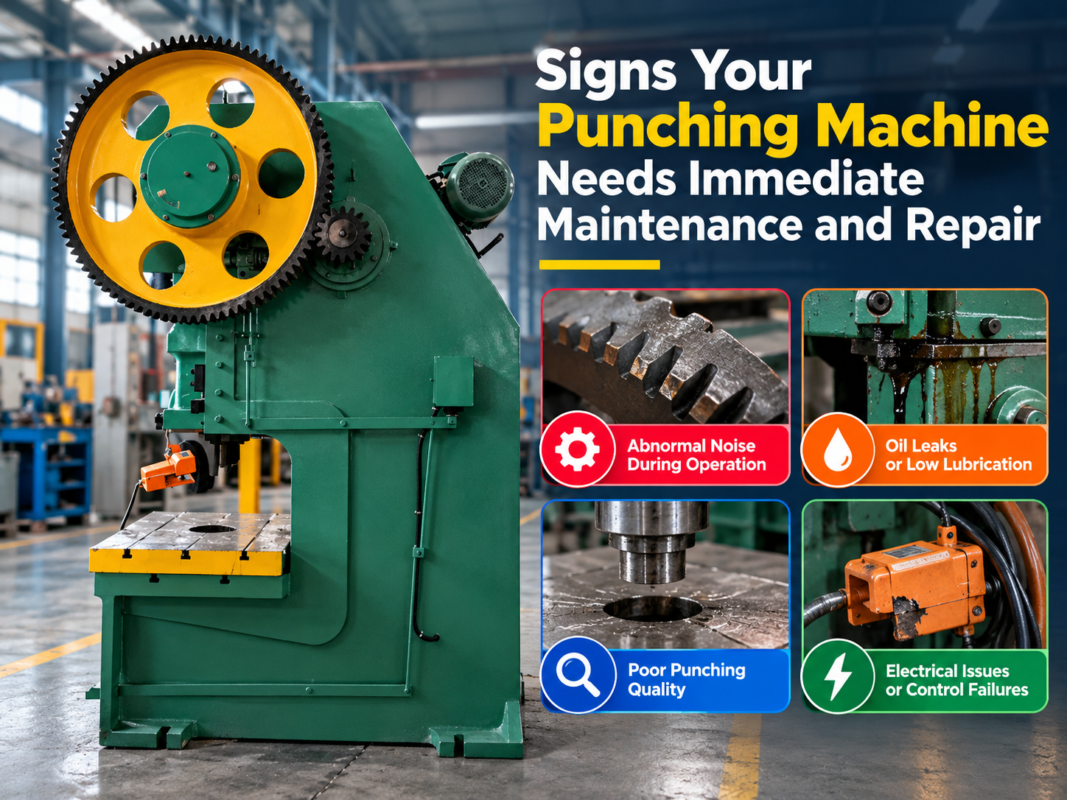
A well-maintained hydraulic press should operate with a consistent, rhythmic sound. Any deviation from this is a signal that something is wrong with the guideways. One of the most common signs of trouble is ‘chatter’—vibrations that leave visible marks on the surface of the workpiece. This usually indicates that the guideways are dry or that the gibs have become loose, allowing the ram to vibrate during the pressing stroke. If you see ‘tiger stripes’ or uneven finishes on your parts, stop the machine and inspect the guides immediately.
Audible signals are equally important. Squealing or grinding noises are clear indicators of metal-on-metal contact. This often happens when the lubrication film has broken down or when a foreign object has become lodged in the guide assembly. Another subtle signal is an increase in the motor’s amperage draw. If the control system shows that the motor is working harder than usual to achieve the same tonnage, it is likely fighting against excessive friction in the guideways. Monitoring these electrical signatures can provide an early warning of mechanical degradation.
Thermal imaging is a modern troubleshooting technique that can be highly effective. By using an infrared camera, technicians can scan the guideways during operation. ‘Hot spots’ indicate areas of high friction. If one side of the ram is significantly hotter than the other, it suggests a misalignment or a lubrication failure on that specific side. Addressing these issues early prevents the permanent deformation of the guide surfaces and ensures you keep hydraulic press guideways clean and accurate for the long haul.
Comprehensive Maintenance Schedule Table
To maintain a high-performance HARSLE hydraulic press, follow this structured maintenance schedule. Consistency is the key to preventing unplanned downtime and ensuring part quality.
| Frequency | Task Description | Target Component | Objective |
|---|---|---|---|
| Daily | Visual inspection for scoring and debris | Guideway Surfaces | Identify early wear or contamination |
| Daily | Wipe down surfaces with lint-free cloth | Ram and Guides | Remove shop dust and old grease |
| Daily | Check lubrication reservoir levels | Auto-Lube System | Ensure continuous lubricant supply |
| Weekly | Inspect and clean guideway wipers | Wiper Seals | Prevent debris from entering the slides |
| Weekly | Check for hydraulic leaks near guides | Cylinder Seals/Hoses | Prevent oil contamination of guideways |
| Monthly | Verify gib clearances with feeler gauges | Mechanical Gibs | Maintain ram parallelism and stability |
| Monthly | Test automatic lubrication cycle | Pump and Metering Valves | Ensure all points receive lubricant |
| Quarterly | Deep clean and re-grease entire system | Full Guide Assembly | Remove oxidized lubricant and buildup |
| Annually | Professional alignment and leveling check | Machine Foundation/Ram | Correct long-term structural settling |
| Annually | Replace all wipers and seals | Guide Protection | Maintain integrity of the cleaning system |
Frequently Asked Questions (FAQ)
1. How often should I adjust the gibs on my hydraulic press?
Gib adjustment frequency depends on the machine’s usage and the intensity of the work. For a press running three shifts a day, a monthly check is recommended. For lighter use, a quarterly check is sufficient. However, if you notice any loss of part accuracy or unusual vibration, the gibs should be the first thing you inspect, regardless of the schedule.
2. Can I use standard automotive grease for my guideways?
No. Automotive grease is designed for high-speed bearings and may not have the ‘tackiness’ required for vertical guideways. You should always use a specialized ‘Way Oil’ or a high-pressure (EP) grease recommended by HARSLE. These lubricants are formulated to resist being squeezed out under the extreme tonnages of a hydraulic press.
3. What is the best way to clean guideways without damaging them?
The best method is to use a clean, lint-free cloth dampened with a mild degreaser or a small amount of the machine’s own lubricating oil. Avoid using scrapers or abrasive pads, as these can create micro-scratches that trap dirt. Never use compressed air near the guide openings, as it drives contaminants deeper into the mechanism.
4. Why is my ram moving unevenly even though the guides look clean?
Uneven movement, or ‘jerking,’ is often caused by the ‘stick-slip’ phenomenon. This happens when the lubricant film is too thin or the wrong type of oil is being used. It can also be caused by air trapped in the hydraulic cylinders or gibs that are adjusted too tightly. Check your lubrication type and gib clearances first.
5. How do I know if my guideways need to be re-ground?
If you see deep scoring that can be felt with a fingernail, or if you can no longer achieve parallelism even after adjusting the gibs, the guideways may need professional re-grinding. This is a precision process that restores the flat, smooth surface required for accurate operation. Regular maintenance is designed specifically to avoid this expensive procedure.
Conclusion: The Path to Long-Term Precision
To keep hydraulic press guideways clean and accurate is a commitment to excellence in manufacturing. It requires a combination of daily discipline, technical knowledge, and the right tools. By understanding the relationship between lubrication, mechanical adjustment, and cleanliness, you can ensure that your HARSLE hydraulic press remains a reliable asset in your production line for years to come. Remember that the cost of a few minutes of cleaning and a few liters of high-quality oil is negligible compared to the cost of a major overhaul or a week of lost production.
In the competitive landscape of metal fabrication, the difference between a profitable shop and one that struggles often comes down to machine uptime and part quality. Both of these factors are directly influenced by the condition of your guideways. Treat your machine with the respect its precision engineering deserves, and it will reward you with consistent, high-quality output. Whether you are stamping automotive components or forming heavy industrial plates, the principles of guideway maintenance remain your best defense against the ravages of wear and tear.