
Essential Hydraulic Press Inspection Points for Safe Production: A Comprehensive Guide


Introduction: The Critical Role of Maintenance in Hydraulic Press Operations
In the high-stakes world of metal fabrication, the hydraulic press stands as a cornerstone of productivity. Whether it is used for deep drawing, punching, stamping, or forging, the sheer force exerted by these machines is immense. However, with great power comes the absolute necessity for rigorous safety and maintenance protocols. Understanding the Essential Hydraulic Press Inspection Points for Safe Production is not merely a recommendation; it is a fundamental requirement for any facility aiming to protect its workforce, maximize machine longevity, and ensure consistent product quality.
HARSLE, a leader in the manufacturing of high-quality metal fabrication machinery, recognizes that a well-maintained machine is a profitable machine. Neglecting routine inspections can lead to catastrophic failures, resulting in expensive downtime, ruined workpieces, and, most importantly, severe workplace injuries. This comprehensive guide is designed to provide operators, maintenance technicians, and factory managers with a deep dive into the technical aspects of hydraulic press upkeep.
The philosophy of “Safe Production” hinges on the transition from reactive maintenance to proactive prevention. By identifying wear and tear before it manifests as a breakdown, companies can schedule repairs during planned outages, thereby maintaining a steady flow of production. Throughout this article, we will explore the multifaceted layers of inspection—from daily visual checks to complex hydraulic and electrical diagnostics—ensuring your HARSLE equipment operates at peak performance for decades.
Furthermore, the evolution of Industry 4.0 has introduced smarter monitoring systems, but the human element of physical inspection remains irreplaceable. A technician’s ability to spot a hairline crack, hear an unusual pump whine, or smell overheating electrical components is the first line of defense. This guide serves as the ultimate roadmap for mastering those essential inspection points.
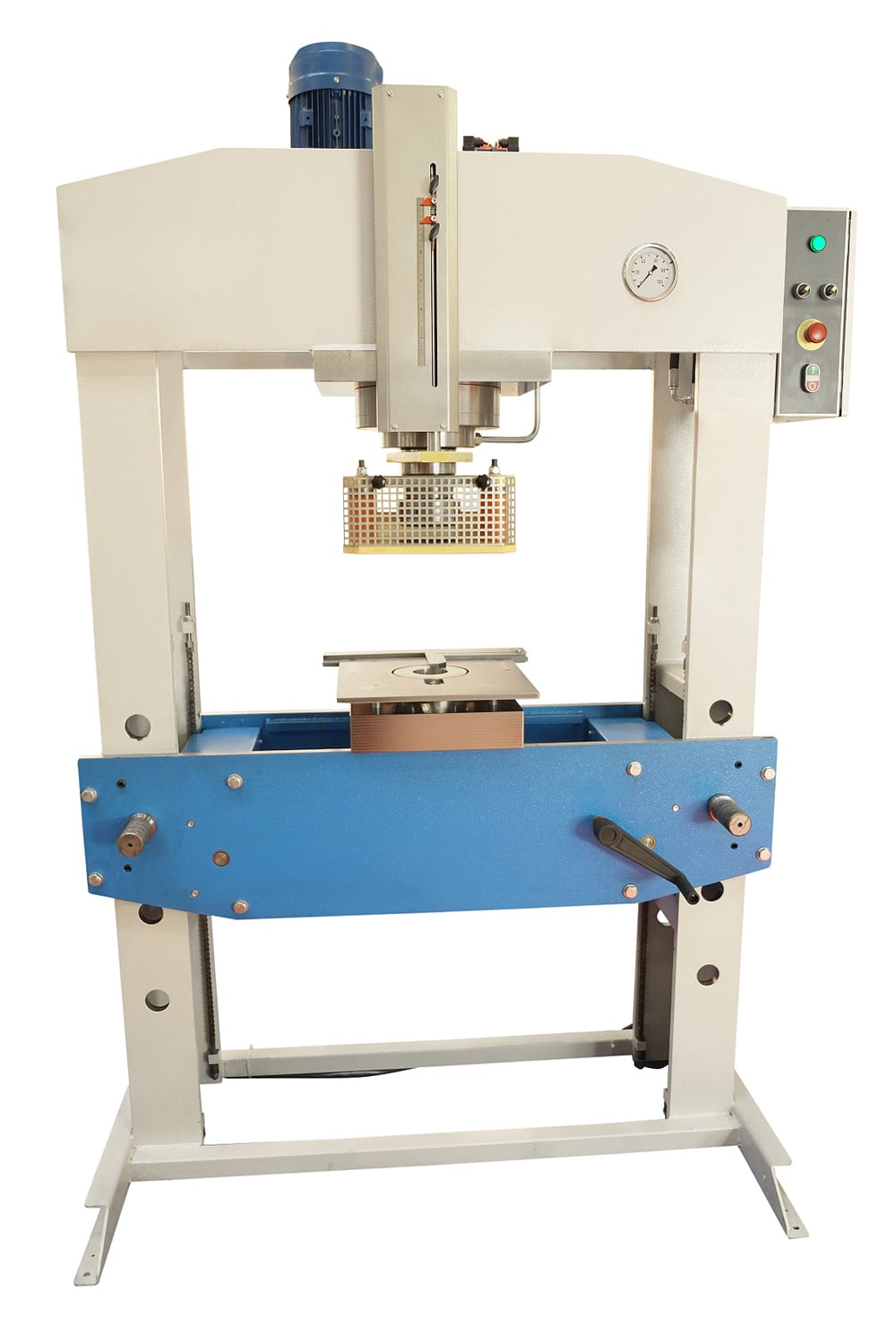
The Importance of Preventative Maintenance for Safe Production
Preventative maintenance is the systematic inspection and servicing of equipment to prevent failure. For hydraulic presses, this involves a structured approach to monitoring the health of the hydraulic fluid, the integrity of the frame, and the responsiveness of the control systems. The primary goal of focusing on Essential Hydraulic Press Inspection Points for Safe Production is to mitigate risk. High-pressure systems carry inherent dangers, such as fluid injection injuries or mechanical crushing hazards, which can only be managed through strict adherence to maintenance schedules.
From an economic perspective, the ROI of a robust maintenance plan is undeniable. Consider the cost of a major hydraulic pump failure: not only is the replacement part expensive, but the loss of production hours can cost a company thousands of dollars per day. By contrast, the cost of regular oil filtration and seal inspections is negligible. Moreover, a well-maintained press operates more efficiently, consuming less energy and producing fewer scrap parts due to better precision and repeatability.
Safety standards, such as those set by OSHA in the United States or CE directives in Europe, mandate that machinery be kept in safe working order. Failure to document regular inspections can lead to heavy fines and legal liabilities in the event of an accident. Therefore, maintaining a detailed logbook of all inspection points is a critical administrative task that supports the physical maintenance work. It provides a historical record that can help identify recurring issues and inform future purchasing decisions.
Finally, the psychological impact on the workforce cannot be overlooked. Operators who work on clean, well-maintained machinery are generally more productive and take more pride in their work. When a company invests in the safety and reliability of its equipment, it sends a clear message to its employees that their well-being is a top priority. This culture of safety is the bedrock of any successful industrial operation.
Daily Inspection: The Operator’s First Line of Defense
The daily inspection is perhaps the most critical phase of the maintenance cycle. It is performed by the operator at the start of every shift and focuses on identifying obvious signs of trouble. The first step is a visual “walk-around.” The operator should look for any signs of hydraulic fluid leaks on the floor or around the cylinder. Even a small drip can indicate a failing seal or a loose fitting that could lead to a sudden loss of pressure or a fire hazard.
Next, the operator must check the oil level and temperature. Most HARSLE hydraulic presses are equipped with sight glasses and temperature gauges. The oil should be at the correct level and appear clear; cloudy or milky oil suggests water contamination, while dark, burnt-smelling oil indicates thermal degradation. Operating a press with contaminated or insufficient oil will rapidly destroy the pump and valves. The temperature should ideally stay within the range of 100°F to 120°F (38°C to 49°C) for optimal viscosity and component life.
Safety devices must be tested daily without exception. This includes the emergency stop buttons, light curtains, and dual-hand control buttons. The operator should trigger the light curtain during a non-critical part of the cycle to ensure the ram stops immediately. If any safety device fails to function perfectly, the machine must be locked out and tagged out until repairs are made. There is zero tolerance for bypassed or malfunctioning safety equipment in a safe production environment.
Lastly, the operator should listen for unusual noises during the initial warm-up cycles. Excessive vibration, banging, or high-pitched squealing from the pump (often indicating cavitation) are red flags. Checking the tightness of the die mounting bolts is also a daily necessity, as the vibration of the press can cause these to loosen over time, leading to tool damage or catastrophic ejection of the die.
Hydraulic System Checks: The Lifeblood of the Press
The hydraulic system is the heart of the press, and its maintenance requires a more technical approach. One of the Essential Hydraulic Press Inspection Points for Safe Production is the monitoring of hydraulic hoses and piping. Hoses have a finite lifespan and are subject to wear from pressure surges and external abrasion. Technicians should look for bulging, cracking, or “sweating” of the hoses. A burst high-pressure hose can release a fine mist of oil that is highly flammable and can cause severe injection injuries to anyone nearby.
Pressure gauges are the windows into the system’s performance. During operation, the pressure should reach the set point smoothly and hold steady. If the pressure fluctuates or fails to reach the required tonnage, it could indicate a failing pump, a leaking relief valve, or internal bypass in the cylinder. Regular calibration of these gauges is necessary to ensure that the press is actually delivering the force indicated on the control panel, which is vital for both safety and part quality.
Filtration is the unsung hero of hydraulic longevity. Most modern presses utilize high-efficiency filters to remove microscopic particles that can score valve spools and pump vanes. Inspection points include checking the filter clog indicators. If a filter is bypassed, contaminants will circulate through the entire system, leading to a chain reaction of component failures. It is recommended to perform an oil analysis annually or semi-annually, where a sample is sent to a lab to check for metal content, water, and chemical breakdown.
The cooling system also requires attention. Whether the press uses an air-cooled or water-cooled heat exchanger, the fins or tubes must be kept clean. A clogged cooler will cause the oil temperature to spike, thinning the oil and leading to increased wear and seal failure. In water-cooled systems, checking for leaks in the heat exchanger is vital to prevent water from entering the hydraulic circuit, which would necessitate a complete oil change and system flush.
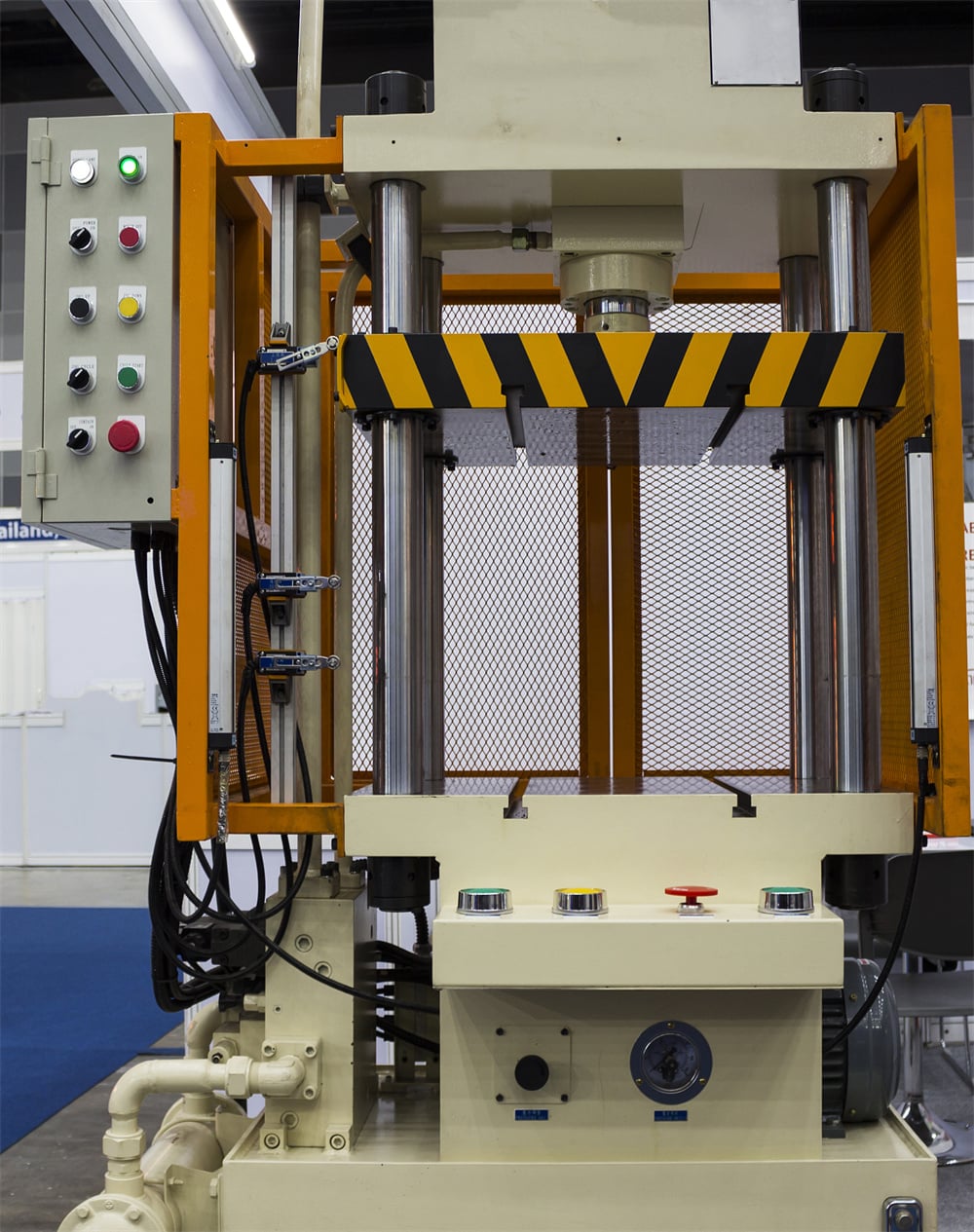
Electrical and Control System Inspections
Modern hydraulic presses are increasingly reliant on sophisticated electrical controls and PLCs (Programmable Logic Controllers). The electrical cabinet should be inspected for dust accumulation and heat. Dust can act as an insulator, causing components to overheat, or it can be conductive, leading to short circuits. Using compressed air to blow out the cabinet (while the power is off) is a standard maintenance task. Additionally, all wire terminations should be checked for tightness, as thermal cycling can cause wires to creep and loosen over time.
The PLC and its associated sensors are the “brain” of the machine. Inspection points include verifying the functionality of limit switches and proximity sensors that control the ram’s stroke. If a limit switch fails to signal the end of a stroke, the ram could over-travel, causing mechanical damage to the frame or the tooling. Technicians should also check the integrity of the cables leading to these sensors, as they are often exposed to oil and mechanical movement which can degrade the insulation.
Another critical electrical check involves the motor and its starter or Variable Frequency Drive (VFD). The motor should be checked for excessive heat and vibration. Amperage draws should be measured and compared against the motor’s nameplate rating; a high amp draw often indicates a mechanical bind or a hydraulic pump that is working too hard. For machines equipped with VFDs, ensuring the cooling fans are operational is essential for preventing drive failure.
Software and logic backups are often overlooked but are essential for safe production. In the event of a PLC failure or a lightning strike, having a current backup of the machine’s parameters and logic can mean the difference between a one-hour fix and a week of downtime. Ensure that the battery in the PLC (if applicable) is replaced according to the manufacturer’s schedule to prevent loss of volatile memory during power outages.
Mechanical Integrity and Structural Checks
The frame of a hydraulic press is designed to withstand millions of cycles of high-stress loading. However, fatigue is a real concern. A key Essential Hydraulic Press Inspection Point for Safe Production is the visual inspection of the frame welds and tie rods. Any sign of cracking in the paint or the metal itself must be investigated immediately with non-destructive testing (NDT) methods like dye penetrant or ultrasonic testing. A structural failure under load is a catastrophic event that can destroy the machine and endanger everyone in the vicinity.
The ram (or slide) and its guiding system (gibs) require precise adjustment. Over time, the gibs will wear, leading to increased clearance. This allows the ram to tilt or shift during the press stroke, which ruins the alignment of the dies and causes uneven wear on the hydraulic seals. Measuring the clearance with feeler gauges and adjusting the gibs to the manufacturer’s specifications is a vital quarterly or semi-annual task. Proper alignment ensures that the force is applied vertically, maximizing the life of the tooling and the press itself.
The bolster plate and the ram face should be inspected for flatness and cleanliness. Any burrs, pits, or debris on these surfaces will prevent the die from seating properly, leading to “die tip” and inconsistent parts. In heavy-duty applications, the bolster plate may eventually deform or “sink.” Periodically checking the flatness with a precision straightedge is necessary to maintain the accuracy of the press.
Finally, the foundation and mounting bolts should not be ignored. A hydraulic press generates significant kinetic energy. If the anchor bolts are loose, the press can shift or vibrate excessively, which accelerates wear on all components and can even lead to the cracking of the concrete floor. Ensuring the press remains level is also important for the proper distribution of hydraulic fluid and the alignment of the mechanical components.
Lubrication Plan: Reducing Friction and Wear
Lubrication is the primary defense against mechanical wear. A hydraulic press has several moving parts that require consistent lubrication, most notably the ram guides (gibs) and the pivot points on any mechanical linkages. A proper lubrication plan specifies the type of lubricant (grease vs. oil), the frequency of application, and the quantity required. Using the wrong type of grease can be just as damaging as using no grease at all, as incompatible thickeners can harden and block lubrication lines.
Many HARSLE presses feature automatic lubrication systems. These systems are excellent for ensuring consistent delivery, but they are not “set and forget.” The reservoir must be kept full, and the delivery lines must be inspected for breaks or blockages. A common failure point is a crushed lubrication line that prevents grease from reaching a specific gib, leading to rapid galling and expensive repair. Technicians should look for a “collar” of fresh grease at the exit points of the guides to confirm that the lubricant is actually reaching its destination.
For manual lubrication points, a strict schedule must be followed. It is often helpful to color-code grease fittings based on the required frequency (e.g., red for daily, blue for weekly). This simplifies the process for the maintenance staff and ensures no points are missed. During lubrication, it is also an opportunity to wipe away old, contaminated grease and metal shavings that can act as an abrasive paste if left in place.
The choice of lubricant should be based on the load and speed of the press. High-pressure additives (EP) are often necessary for the heavy loads encountered in metal forming. Furthermore, in food-grade or cleanroom environments, specialized H1 lubricants may be required. Always consult the HARSLE manual for the specific lubricant specifications to maintain warranty coverage and ensure optimal performance.
Troubleshooting Signals: Recognizing Early Warning Signs
Being able to interpret the “language” of a hydraulic press is a skill that comes with experience, but there are several universal troubleshooting signals that every operator should know. Heat is one of the most common indicators of trouble. If a specific valve or a section of the hydraulic circuit feels significantly hotter than the rest, it likely indicates an internal leak where high-pressure oil is being forced through a small orifice, generating friction heat.
Noise is another critical signal. A high-pitched whining or screaming sound from the pump usually indicates cavitation—a condition where air bubbles form and collapse in the oil, which can erode the internal surfaces of the pump in minutes. A “banging” sound during the decompression cycle may suggest that the decompression valves are not functioning correctly, causing a sudden release of energy that shocks the entire system. This “hydraulic shock” is a leading cause of broken pipes and failed welds.
Erratic movement of the ram, such as hesitating, jerking, or “drifting” when the press is stopped, points to air in the lines or leaking cylinder seals. Drifting is a major safety hazard; if the ram cannot hold its position, it could fall unexpectedly during die setup. This is why safety blocks must always be used when working under the ram, but the underlying cause of the drift must still be identified and repaired.
Vibration can often be traced back to the motor-pump coupling. If the coupling is misaligned or the rubber insert is worn, it will create a vibration that can loosen fittings and damage pump bearings. Regularly checking the coupling’s condition and alignment is a simple task that prevents a major mechanical failure. By paying attention to these signals, operators can catch issues in the “yellow zone” before they turn into a “red zone” breakdown.
Comprehensive Maintenance Schedule Table
To ensure all Essential Hydraulic Press Inspection Points for Safe Production are covered, use the following table as a template for your facility’s maintenance program.
| Frequency | Inspection Point | Action Required |
|---|---|---|
| Daily | Oil Level & Temperature | Check sight glass; ensure temp is below 120°F. |
| Daily | Safety Devices | Test E-stops, light curtains, and dual-hand controls. |
| Daily | Visual Leak Check | Inspect hoses, fittings, and cylinders for oil drips. |
| Weekly | Filter Indicators | Check for clog warnings; replace elements if necessary. |
| Weekly | Ram Guides (Gibs) | Verify lubrication and check for scoring or debris. |
| Monthly | Electrical Cabinet | Clean dust; check for loose wiring or burnt components. |
| Monthly | Mounting Bolts | Check tightness of die bolts and anchor bolts. |
| Quarterly | Gib Clearance | Measure with feeler gauges; adjust to spec. |
| Quarterly | Hydraulic Hoses | Deep inspection for cracks, bulges, or abrasion. |
| Semi-Annually | Oil Analysis | Send sample to lab for contamination and viscosity test. |
| Annually | Frame Integrity | Visual or NDT inspection of welds and stress points. |
| Annually | System Calibration | Calibrate pressure gauges and verify tonnage output. |
Advanced Safety Protocols: Beyond the Basics
While the inspection points covered so far are essential, high-production environments often benefit from advanced safety protocols. One such protocol is the implementation of a “Total Productive Maintenance” (TPM) program. TPM involves operators in the maintenance process, empowering them to take ownership of their machines. This leads to faster identification of problems and a more thorough understanding of the machine’s nuances.
Another advanced measure is the use of thermal imaging. By periodically scanning the hydraulic manifold and electrical cabinet with an infrared camera, technicians can spot “hot spots” that are invisible to the naked eye. This can identify a failing solenoid coil or a bypassing valve long before it causes a system failure. Similarly, vibration analysis tools can be used on the main pump motor to predict bearing failure months in advance.
Safety blocks (or die blocks) are a non-negotiable part of safe production. Whenever a technician or operator must place their hands or body within the die area, the ram must be physically supported by a safety block that is interlocked with the machine’s control system. This ensures that even if a hydraulic line bursts or a valve fails, the ram cannot descend. Regular inspection of these blocks for cracks or deformation is just as important as inspecting the press itself.
Finally, training is the most effective safety tool. HARSLE recommends that all personnel involved with the hydraulic press undergo regular training refreshers. This should cover not only the operation of the machine but also the specific Essential Hydraulic Press Inspection Points for Safe Production. An educated workforce is a safe workforce, and investment in training pays dividends in reduced accidents and improved efficiency.
Conclusion: Commitment to Excellence
Maintaining a hydraulic press for safe production is a continuous journey, not a destination. It requires a disciplined approach, a keen eye for detail, and a commitment from all levels of the organization. By focusing on the Essential Hydraulic Press Inspection Points for Safe Production—from the daily oil checks to the annual structural assessments—you ensure that your HARSLE machinery remains a reliable asset for years to come.
The integration of hydraulic, electrical, and mechanical inspections creates a comprehensive safety net. When these systems are in harmony, the press operates smoothly, parts are produced to high tolerances, and the risk of injury is minimized. Remember that the cost of maintenance is always lower than the cost of a failure. We encourage you to use this guide as a foundation for your maintenance strategy, adapting it to your specific production needs and environmental conditions.
As the industry evolves, HARSLE remains dedicated to providing the tools and knowledge necessary for your success. By prioritizing safety and proactive care, you are not just maintaining a machine; you are protecting your business’s most valuable assets: your people and your reputation for quality. Stay vigilant, stay disciplined, and let safe production be the hallmark of your manufacturing excellence.
Frequently Asked Questions (FAQ)
1. How often should I change the hydraulic oil in my press?
The frequency of oil changes depends on the operating environment and the results of oil analysis. Generally, it is recommended to change the oil every 2,000 to 4,000 hours of operation, or at least once a year. However, if an oil analysis shows high levels of oxidation or contamination, it should be changed immediately regardless of the hours.
2. What is the most common cause of hydraulic press failure?
Contamination of the hydraulic fluid is the leading cause of failure. Microscopic particles can damage sensitive valves and pumps, leading to loss of pressure and eventual system breakdown. Maintaining clean oil through regular filtration and reservoir cleaning is the best way to prevent this.
3. Why is my hydraulic press making a loud banging noise?
A loud banging noise is often caused by “hydraulic shock,” which occurs when pressure is released too quickly during the decompression cycle. This can be due to a faulty decompression valve or incorrect PLC timing. It is a serious issue that can lead to broken pipes and frame damage if not addressed.
4. Can I use any type of hydraulic oil in my HARSLE press?
No, you must use oil that meets the manufacturer’s specifications, typically an anti-wear (AW) hydraulic oil with the correct ISO viscosity grade (usually ISO 46 or 68). Using the wrong oil can lead to poor performance, increased wear, and may void your warranty.
5. How do I know if my ram guides (gibs) need adjustment?
If you notice the ram tilting under load, inconsistent part quality, or visible scoring on the guides, it is time to check the clearance. Use feeler gauges to measure the gap; if it exceeds the manufacturer’s specification (often around 0.002 to 0.005 inches), an adjustment is necessary.
6. What should I do if I find a small leak in a hydraulic hose?
Stop the machine immediately and replace the hose. Never attempt to “patch” a high-pressure hydraulic hose or tighten a fitting while the system is under pressure. A pinhole leak can cause a fluid injection injury, which is a medical emergency.
7. Are light curtains enough to ensure operator safety?
Light curtains are a vital part of a safety system, but they should be used in conjunction with other measures like dual-hand controls, physical guarding, and safety blocks during maintenance. Safety is best achieved through a “layered” approach.
8. How does temperature affect hydraulic press performance?
High temperatures thin the hydraulic oil, reducing its lubricating properties and causing internal leakage in pumps and valves. This leads to a loss of tonnage and speed. Conversely, very cold oil is too thick and can cause pump cavitation. Maintaining oil between 100°F and 120°F is ideal.
9. Why is the E-stop test required daily?
The Emergency Stop is the final fail-safe. Components like contactors can weld shut, or wires can break, rendering the E-stop useless. Testing it daily ensures that the circuit is functional when it is needed most to prevent an accident.
10. What are the signs of air in the hydraulic system?
Signs include a “spongy” feel to the press operation, erratic or jerky ram movement, and a milky appearance to the oil in the reservoir. Air can enter through a loose suction line or a low oil level in the tank.
11. How do I maintain the electrical system of the press?
Keep the electrical cabinet clean and dry. Periodically check for loose wire connections and ensure that cooling fans are working. Avoid leaving the cabinet door open, as this allows dust and oil mist from the factory floor to enter.
12. What is the purpose of an oil analysis?
An oil analysis provides a detailed report on the health of the oil and the machine. It detects wear metals (indicating which components are wearing out), water content, and the remaining additive levels in the oil, allowing for data-driven maintenance decisions.












