
Essential Hydraulic Press Selection Guide for Workshop and Factory Use


Introduction to Industrial Hydraulic Press Selection
In the modern landscape of metal fabrication, the hydraulic press remains an indispensable cornerstone of production. Whether you are operating a small-scale custom workshop or managing a high-volume industrial factory, the decision to invest in a hydraulic press is one that carries significant long-term implications for your operational efficiency and product quality. This Essential Hydraulic Press Selection Workshop Factory Use guide is designed to navigate the complexities of the market, helping you identify the machine that aligns perfectly with your technical requirements and financial goals.
Hydraulic presses utilize Pascal’s Principle to generate massive amounts of force through fluid pressure. This force is used for a staggering variety of applications, including deep drawing, stamping, punching, bending, and assembly. However, the sheer variety of configurations—ranging from compact C-frame models to massive 4-column deep drawing presses—can be overwhelming for even experienced procurement officers. Selecting the wrong machine can lead to underperformance, excessive energy costs, or even safety hazards on the shop floor.
At HARSLE, we understand that a hydraulic press is more than just a piece of hardware; it is a strategic asset. In this guide, we will break down the selection process into manageable components, covering everything from initial price points to the nuanced calculation of Return on Investment (ROI). By the end of this article, you will have a professional framework for making an informed purchase that supports your factory’s growth for decades to come.
Price Range Overview: Understanding the Market Tiers
The cost of a hydraulic press is primarily dictated by its tonnage, frame design, and level of automation. For a workshop or factory, prices can range from a few thousand dollars for basic manual units to several hundred thousand dollars for high-precision, multi-functional industrial systems. Understanding these tiers is the first step in the Essential Hydraulic Press Selection Workshop Factory Use process.
| Press Type | Tonnage Range | Estimated Price (USD) | Primary Application |
|---|---|---|---|
| C-Frame (Gap Frame) | 10 – 250 Tons | $5,000 – $45,000 | Stamping, Punching, Assembly |
| H-Frame (4-Column) | 50 – 1000+ Tons | $15,000 – $150,000+ | Deep Drawing, Heavy Forming |
| Benchtop/Workshop | 5 – 50 Tons | $1,500 – $8,000 | Small Parts, Bushing Removal |
| Custom Servo-Hydraulic | Variable | $80,000 – $300,000+ | High Precision, Energy Efficient |
Entry-level workshop presses are often manual or air-over-hydraulic. These are suitable for intermittent use, such as pressing bearings or simple bending tasks. However, for factory environments where cycle time is critical, motorized hydraulic systems are mandatory. As you move into the mid-range (100 to 300 tons), you begin to see features like PLC controls, adjustable stroke limits, and enhanced safety light curtains.
High-end industrial presses, particularly those used in the automotive or aerospace sectors, often exceed 500 tons of pressure. These machines are built with heavy-duty steel plates and feature advanced hydraulic manifolds to ensure consistent pressure distribution. The price in this category reflects not just the raw materials, but the engineering required to maintain structural integrity under immense stress.
Main Cost Drivers in Hydraulic Press Procurement
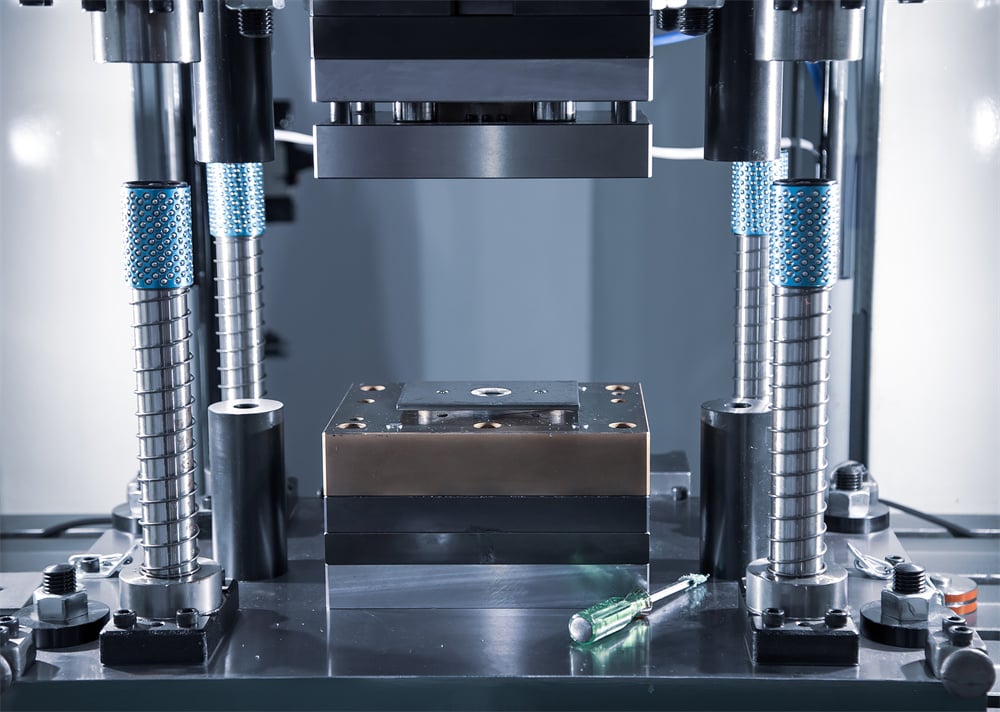
When evaluating the Essential Hydraulic Press Selection Workshop Factory Use, it is vital to understand what actually drives the price. It is rarely just the size of the machine. One of the most significant cost drivers is the quality of the hydraulic components. High-end pumps from brands like Rexroth or Vickers, and valves from Parker or Schneider, significantly increase the initial cost but offer superior reliability and easier sourcing of spare parts.
Tonnage is the most obvious factor. The amount of steel required to build a frame that can withstand 1,000 tons of force without deflection is substantially higher than that for a 100-ton press. However, the “speed” of the press is an often-overlooked cost driver. A press designed for high-speed production cycles requires larger pumps, more complex cooling systems, and advanced accumulators to manage rapid fluid movement. If your factory requires 20 strokes per minute versus 5, expect a significant price jump.
Control systems also play a pivotal role. A basic manual lever system is inexpensive but lacks precision and safety. Moving to a PLC (Programmable Logic Controller) with a HMI (Human Machine Interface) allows for precise control over pressure, dwell time, and stroke position. This level of control is essential for complex tasks like deep drawing, where the material flow must be carefully managed to prevent tearing or wrinkling.
Configuration Impact: Choosing the Right Frame and System
The physical configuration of the press determines its versatility and footprint. The three most common designs are C-frame, H-frame, and 4-column presses. Each has distinct advantages depending on your specific Essential Hydraulic Press Selection Workshop Factory Use criteria.
- C-Frame (Gap Frame): These presses provide three-sided access to the work area, making them ideal for manual loading and unloading or for use with automated coil feeders. They are generally more compact and cost-effective but can experience “yawning” (slight frame deflection) under maximum load.
- H-Frame (Side-Housing): Known for their extreme rigidity, H-frame presses are used for heavy-duty applications where precision is paramount. The closed-frame design minimizes deflection, ensuring that the upper and lower dies remain perfectly aligned throughout the stroke.
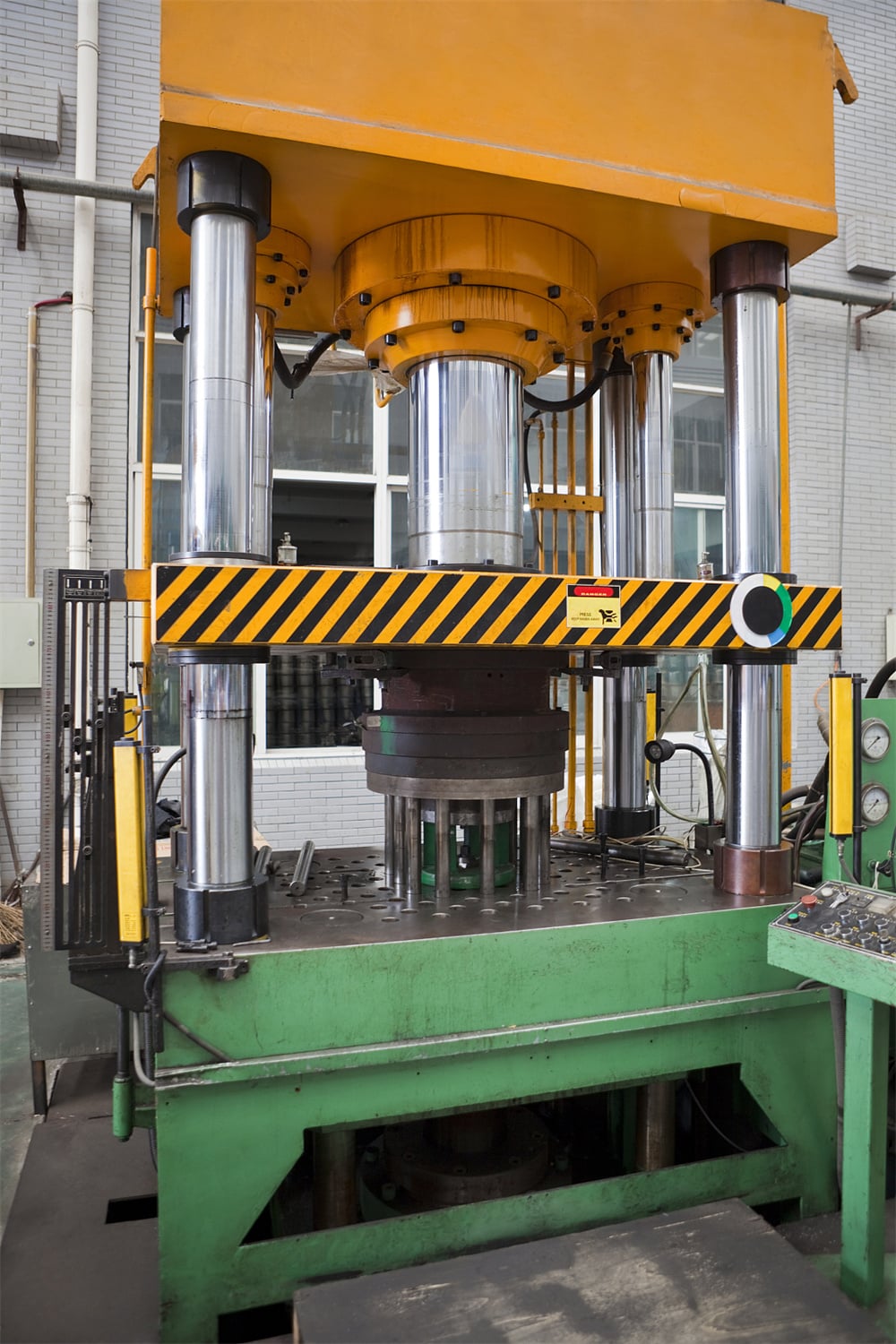
- 4-Column Press: These offer the best accessibility for large workpieces and are the standard for deep drawing and molding. The four columns provide excellent guidance for the moving slide, though they require more floor space and a more robust foundation.
Beyond the frame, the hydraulic circuit configuration is critical. Modern factories are increasingly turning to servo-hydraulic systems. Unlike traditional systems where the motor runs constantly, servo-driven pumps only operate when pressure is needed. This can reduce energy consumption by up to 70%, significantly lowering the total cost of ownership over the machine’s lifespan.
Hidden Costs of Hydraulic Press Ownership
The sticker price of a hydraulic press is only the beginning. To truly master the Essential Hydraulic Press Selection Workshop Factory Use, you must account for the hidden costs that arise during installation and operation. One of the most significant is the foundation. Large hydraulic presses generate immense vibrations and concentrated loads; a standard factory floor may crack under the pressure. You may need to excavate and pour a reinforced concrete pit, which can cost thousands of dollars.
Shipping and rigging are also substantial expenses. These machines are incredibly heavy and often require specialized flatbed transport and heavy-duty cranes for installation. Once the machine is on-site, commissioning and operator training are essential. A press is only as productive as the person operating it. Investing in professional training ensures that your team can utilize the PLC features effectively and perform routine maintenance to prevent costly downtime.
Maintenance itself is a recurring cost. This includes regular oil changes (hydraulic fluid can be expensive in large volumes), seal replacements, and filter upgrades. Furthermore, energy consumption is a major operational expense. A 50HP motor running 16 hours a day adds up quickly. This is why many modern factories prioritize energy-efficient configurations during the selection process.
ROI Calculation: When Does the Investment Pay Off?
Calculating the Return on Investment (ROI) is the ultimate test of any Essential Hydraulic Press Selection Workshop Factory Use strategy. To calculate ROI, you must look at the increase in production capacity, the reduction in scrap rates, and the savings in labor. For example, if a new hydraulic press with a faster cycle time allows you to produce 20% more parts per shift, that extra revenue directly contributes to paying off the machine.
Consider a scenario where a factory replaces an aging, manual press with a modern HARSLE CNC hydraulic press. The old machine had a 5% scrap rate due to inconsistent pressure. The new machine, with precise PLC control, reduces scrap to 0.5%. If the material cost per part is $10 and the factory produces 100,000 parts a year, the scrap reduction alone saves $45,000 annually. When combined with energy savings and lower maintenance costs, a $100,000 investment could potentially pay for itself in less than two years.
Furthermore, a high-quality press retains its resale value. In the industrial secondary market, well-maintained hydraulic presses from reputable manufacturers like HARSLE are highly sought after. This residual value should be factored into your long-term financial planning.
Buying Advice: A Step-by-Step Checklist
When you are ready to make a purchase, follow this checklist to ensure you are making the best Essential Hydraulic Press Selection Workshop Factory Use decision:
- Define Your Maximum Requirements: Always buy a press with about 20-30% more tonnage than your heaviest job requires. Running a press at 100% capacity constantly will shorten its lifespan.
- Assess Bed Size and Stroke: Ensure the bolster area is large enough for your biggest dies, and the stroke length is sufficient for deep drawing or part removal.
- Evaluate Safety Features: Never compromise on safety. Ensure the machine includes light curtains, dual palm buttons, and emergency stop circuits that meet local regulations (CE/OSHA).
- Check Component Origin: Ask for a list of the brands used for the pumps, valves, and electronics. Standardized, high-quality components make future repairs much easier.
- Consider Future Automation: Even if you don’t use robots now, choose a press with a PLC that can easily interface with automated loaders or transfer systems in the future.
- Verify Manufacturer Support: Choose a partner like HARSLE that offers robust after-sales support, technical documentation, and readily available spare parts.
Frequently Asked Questions (FAQ)
What is the difference between a hydraulic press and a mechanical press?
Hydraulic presses offer full pressure throughout the entire stroke, whereas mechanical presses only reach full pressure at the bottom of the stroke. Hydraulic presses are generally more versatile and easier to set up for different jobs, while mechanical presses are typically faster for high-volume stamping.
How often should I change the hydraulic oil?
For most industrial applications, hydraulic oil should be tested every 2,000 hours of operation and changed if it shows signs of degradation or contamination. Regular filtration can extend the life of the oil significantly.
Can a hydraulic press be used for both metal and plastic?
Yes, hydraulic presses are highly versatile. With the correct temperature controls and die sets, they can be used for metal forming, plastic compression molding, and even composite bonding.
What safety standards should I look for?
In the US, look for OSHA and ANSI B11.2 compliance. In Europe, CE certification is mandatory. These standards ensure the machine has the necessary guarding and redundant safety systems to protect operators.
Is a 4-column press better than an H-frame?
It depends on the application. A 4-column press offers better access for large parts and is great for deep drawing. An H-frame is typically more rigid and better for high-precision stamping where die alignment is critical.
How do I determine the tonnage I need?
Tonnage is calculated based on the material type, thickness, and the length of the cut or the surface area of the form. Most tooling manufacturers can provide the specific force requirements for your dies.












