How to Choose the Right Hydraulic Press for Your Production Application


Introduction to Selecting the Ideal Hydraulic Press
In the modern manufacturing landscape, the ability to choose hydraulic press production application parameters correctly can mean the difference between a highly profitable operation and a costly bottleneck. Hydraulic presses are the workhorses of the metal fabrication industry, offering unparalleled versatility in force application, stroke control, and adaptability to various dies. Whether you are deep drawing stainless steel sinks, forging automotive components, or molding composite materials, the machine you select must align perfectly with your technical requirements and production volume.
HARSLE has spent decades refining the engineering behind these machines, understanding that a hydraulic press is not a one-size-fits-all solution. The selection process involves a deep dive into mechanical engineering principles, material science, and operational logistics. This guide is designed to walk you through the critical decision-making factors, ensuring that your investment provides the highest possible return on investment (ROI) while maintaining the precision and safety standards required in today’s industrial environment.
Identifying Your Application Scenario
The first step to choose hydraulic press production application configurations is to clearly define what the machine will be doing. Hydraulic presses are utilized across a vast spectrum of industries, each with unique demands. For instance, in the automotive sector, presses are often used for heavy-duty stamping and structural component forming, requiring high tonnage and rapid cycle times. Conversely, in the electronics industry, the focus might be on precision assembly or delicate punching where force control is more critical than raw power.
Common application scenarios include deep drawing, where a flat sheet of metal is formed into a three-dimensional shape; forging, which involves the shaping of metal using localized compressive forces; and powder compaction, used in the creation of ceramic or metallic parts. Each of these scenarios dictates a different approach to press design. For example, a deep drawing application requires a press with a long stroke and a hydraulic cushion to control the material flow and prevent wrinkling or tearing. Understanding the nuances of your specific task is the foundation of a successful machinery acquisition.
Deep Drawing and Forming
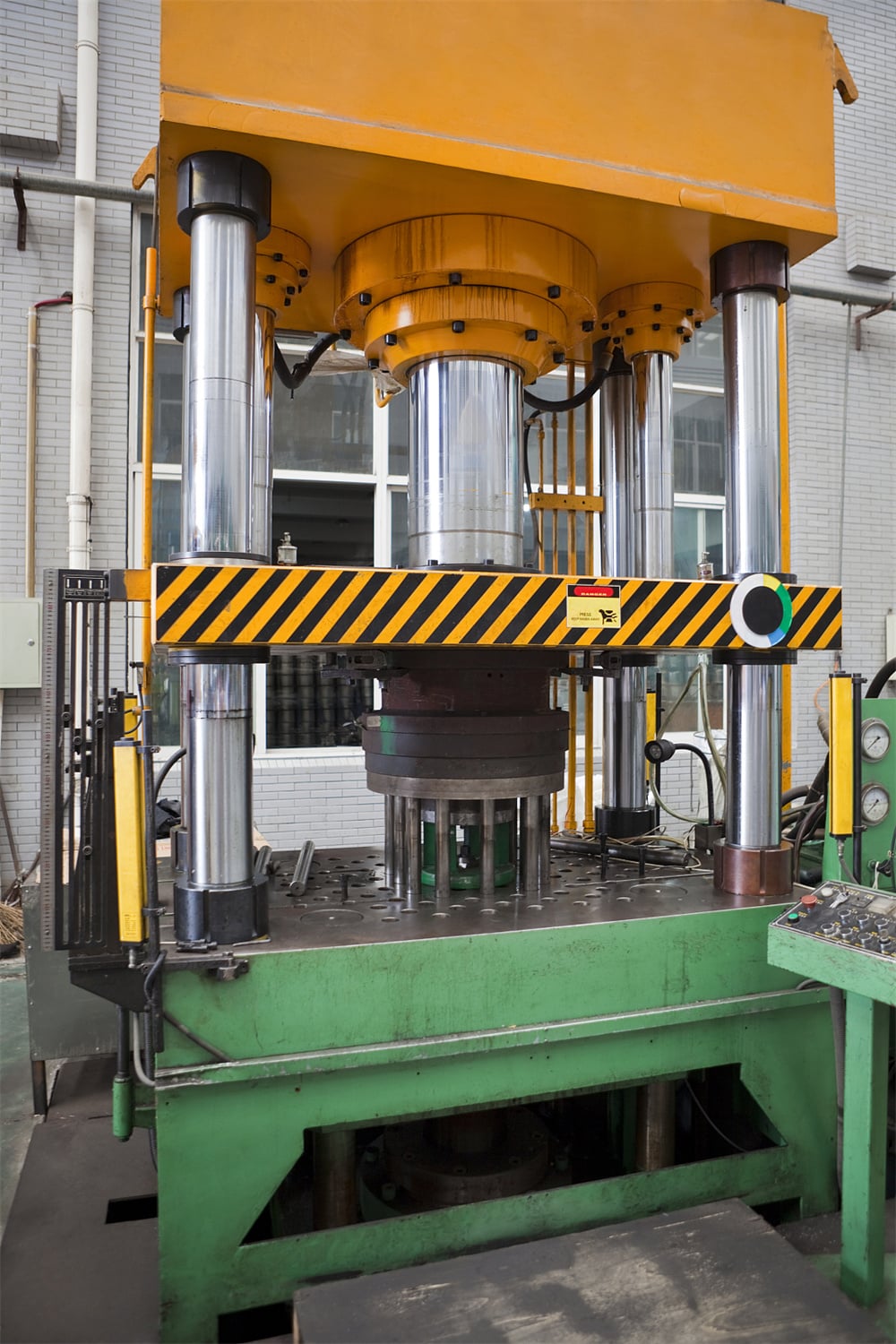
Deep drawing is one of the most demanding applications for a hydraulic press. It requires consistent pressure throughout the entire stroke to ensure the material stretches evenly. When you choose hydraulic press production application setups for deep drawing, you must consider the “blank holder” force. This secondary force prevents the edges of the metal sheet from wrinkling as it is pulled into the die. HARSLE’s multi-action presses are specifically engineered to provide independent control over the main ram and the cushion, allowing for complex geometries to be formed with high precision.
Stamping and Punching
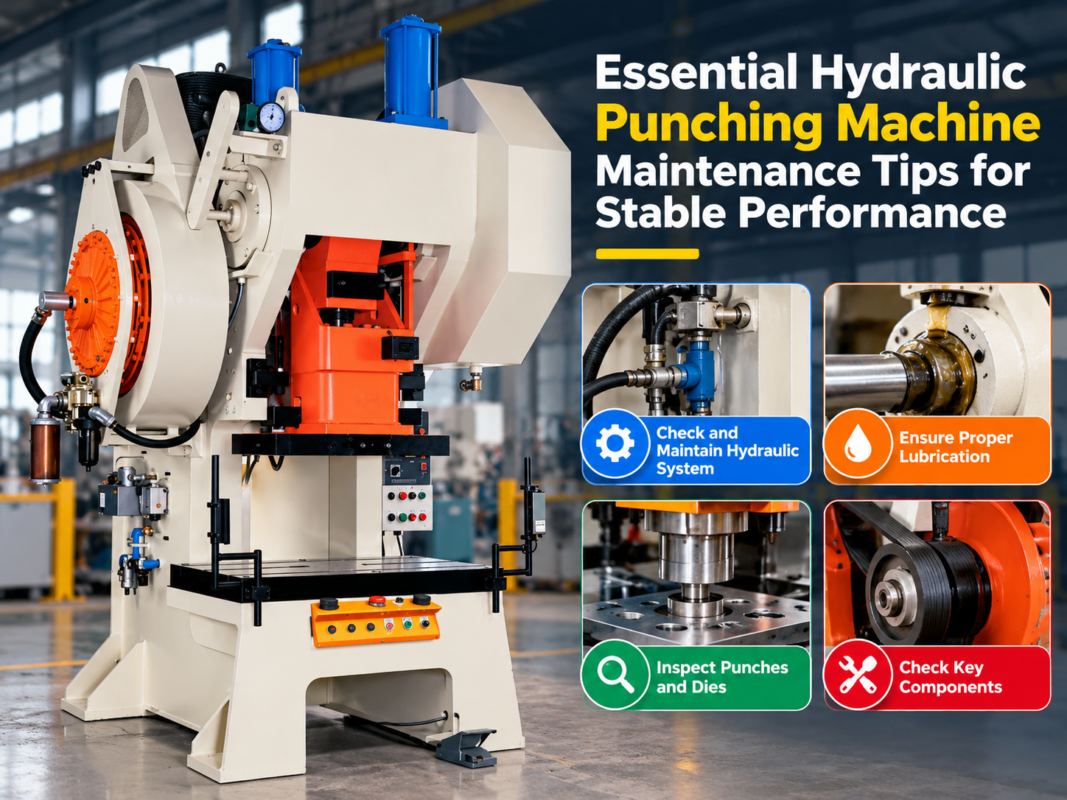
For stamping and punching, the focus shifts toward speed and shock absorption. When the punch breaks through the material, a sudden release of energy occurs, known as “breakthrough shock.” A well-designed hydraulic press for this application will include shock absorbers or specialized hydraulic circuits to dampen this effect, protecting the machine’s frame and the tooling from premature wear. High-speed valves and advanced PLC controls are also essential to maintain high throughput in stamping lines.
Material and Process Requirements
Once the application is defined, the next step is to analyze the material properties and the specific process requirements. The material type—whether it is mild steel, high-strength aluminum, stainless steel, or a composite—will dictate the necessary tonnage. For example, stainless steel has a higher yield strength than aluminum, meaning it requires significantly more force to deform. Additionally, the thickness of the material plays a crucial role in determining the energy required for the operation.
To choose hydraulic press production application specifications accurately, you must calculate the required tonnage using the formula: Force (Tons) = Area of Shear (sq. in) x Shear Strength (PSI) / 2000. However, this is just the starting point. You must also account for a safety margin (typically 20-25%) to ensure the press is not constantly running at its maximum capacity, which can lead to overheating and mechanical fatigue. Furthermore, the “daylight” (the distance between the bolster plate and the ram in the up position) and the stroke length must be sufficient to accommodate your largest dies and the height of the finished part.

Tonnage and Pressure Distribution
It is a common mistake to buy a press based solely on its maximum tonnage. You must also consider how that pressure is distributed. In large-bed presses, off-center loading can cause the ram to tilt, leading to uneven parts and damage to the guide rails. If your process involves multiple dies or large, asymmetrical parts, you should look for a press with an 8-point gib-guided system or a 4-column design that offers superior resistance to eccentric loads.
Stroke, Speed, and Dwell Time
The speed of the press is often divided into three phases: fast approach, pressing speed, and fast return. For applications like molding or heated platen pressing, “dwell time” is also critical. This is the period where the press maintains a specific pressure at the bottom of the stroke to allow the material to set or cure. Advanced hydraulic systems from HARSLE allow for programmable speed profiles, ensuring that the material is handled gently during the critical forming phase while maximizing efficiency during the non-productive parts of the cycle.
Recommended Machine Configuration
The physical architecture of the press is another vital consideration. There are three primary frame types, each suited to different production needs:
- C-Frame (Gap Frame): These presses are open on three sides, providing excellent access for manual loading and unloading or for use with automated coil feeders. They are generally used for smaller tonnage applications (up to 200 tons) where floor space is at a premium.
- H-Frame (Straight-Side): These are characterized by a rigid, four-sided frame that minimizes deflection under heavy loads. They are the preferred choice for high-tonnage applications and precision work where die alignment is critical.
- 4-Column Press: Known for their versatility, 4-column presses provide equal pressure distribution across the entire bed area. They are ideal for large dies and applications requiring high precision and accessibility from all four sides.
Beyond the frame, the control system is the brain of the machine. Modern HARSLE presses utilize CNC or PLC systems with touchscreen interfaces. These systems allow operators to save “recipes” for different parts, reducing setup times and ensuring consistency across shifts. Integration with Industry 4.0 protocols enables remote monitoring and predictive maintenance, further enhancing the machine’s value in a smart factory environment.
The Production Workflow
Integrating a new hydraulic press into your workflow requires careful planning. A typical production cycle involves several key stages:
- Die Setup: The dies are mounted to the bolster and the ram. Using a press with a “die change system” can significantly reduce downtime during this phase.
- Parameter Input: The operator selects the appropriate program on the PLC, setting the tonnage, stroke limits, and speeds.
- Material Loading: Raw material is fed into the press. This can be done manually, via a robotic arm, or through an automated strip feeder.
- The Pressing Cycle: The ram descends, performs the work, and returns to the home position. In many HARSLE models, light curtains and dual-hand controls ensure operator safety during this phase.
- Part Removal and Scrap Handling: The finished part is ejected, and any scrap material is cleared. Efficient scrap management is essential for maintaining a clean and safe workspace.
Productivity Benefits of the Right Choice
When you choose hydraulic press production application equipment that is perfectly matched to your needs, the benefits are immediate. First and foremost is the improvement in part quality. A press that provides consistent pressure and precise stroke control will produce parts with tighter tolerances and fewer defects, reducing the need for secondary operations or costly scrap.
Secondly, energy efficiency has become a major factor in modern manufacturing. HARSLE’s latest servo-hydraulic systems only consume energy when the press is actually moving or holding pressure, unlike traditional systems that keep the pump running constantly. This can lead to energy savings of up to 50-70%. Furthermore, the reduced heat generation in these systems extends the life of the hydraulic oil and seals, lowering long-term maintenance costs.
Case Example: Automotive Component Manufacturing
Consider a Tier 1 automotive supplier tasked with producing high-strength steel structural brackets. Initially, they used a mechanical press, but they struggled with high scrap rates due to the material’s tendency to spring back after forming. By switching to a HARSLE 600-ton H-frame hydraulic press, they were able to implement a “dwell” at the bottom of the stroke. This allowed the material to undergo plastic deformation more completely, virtually eliminating the spring-back issue. Additionally, the ability to control the pressing speed reduced tool wear, extending the life of their expensive dies by 30%. This transition highlights why it is crucial to choose hydraulic press production application features that address specific material challenges.
Frequently Asked Questions (FAQ)
How do I determine the tonnage I need?
Tonnage is determined by the material type, thickness, and the perimeter of the cut or the surface area of the form. It is always best to consult with HARSLE engineers, who can use simulation software to provide a precise tonnage recommendation based on your CAD drawings.
What is the difference between a hydraulic press and a mechanical press?
A hydraulic press provides full tonnage throughout the entire stroke, whereas a mechanical press only reaches its rated tonnage at the very bottom of the stroke. Hydraulic presses offer more flexibility in terms of stroke length and speed control, making them better for deep drawing and complex forming.
How often does a hydraulic press require maintenance?
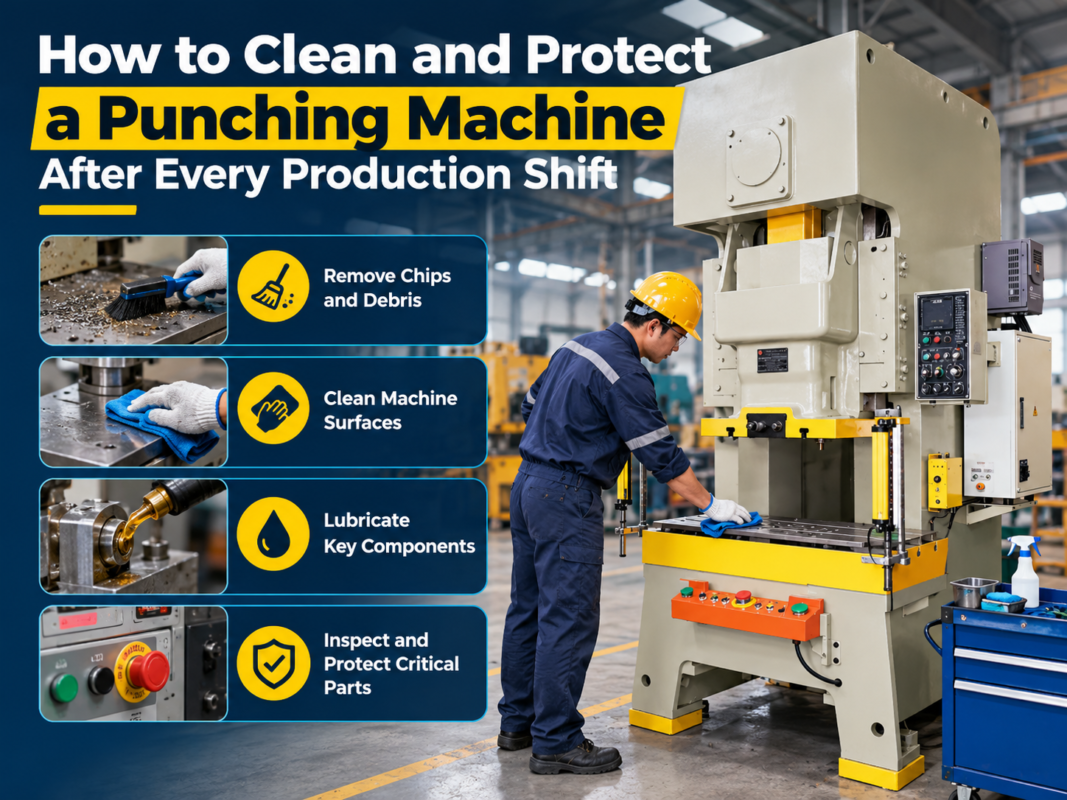
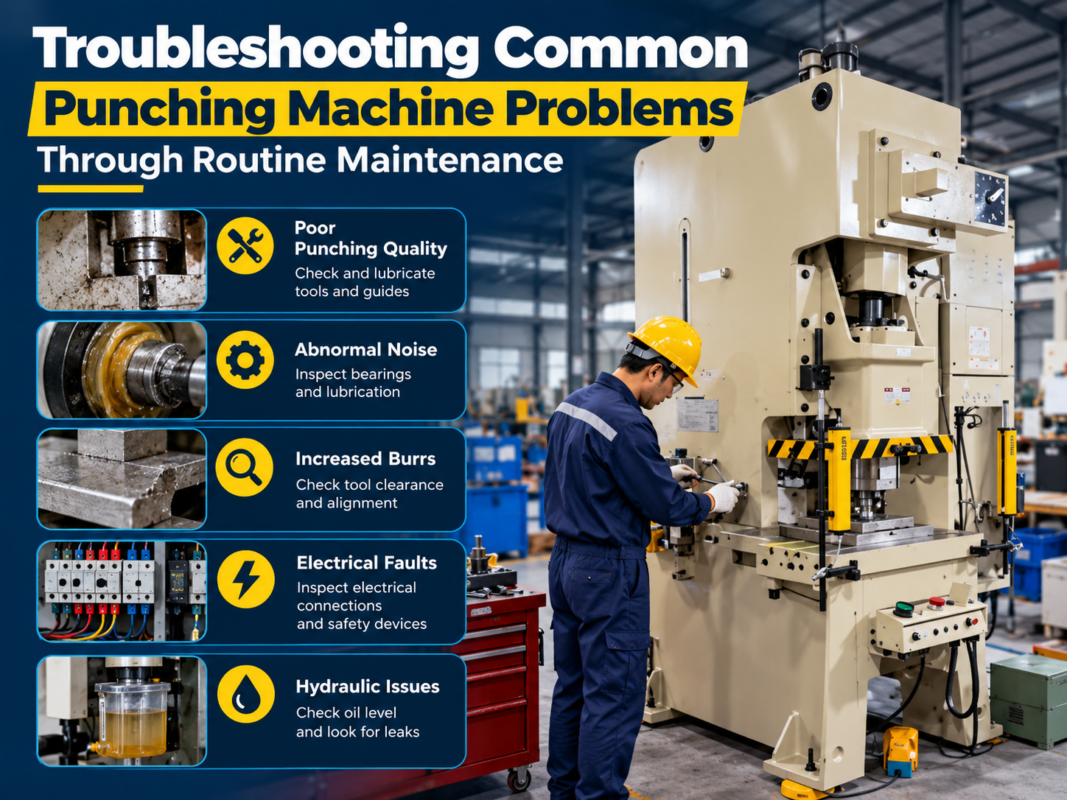
Routine maintenance, such as checking oil levels and inspecting seals, should be done daily. A more thorough inspection of the hydraulic fluid, filters, and electrical components should be performed every 2,000 operating hours. HARSLE machines are designed for easy access to all maintenance points to minimize downtime.
Can I automate my hydraulic press?
Yes, most modern HARSLE hydraulic presses are designed to be integrated with robotic loaders, coil feeders, and automated die-change systems. This is a key factor when you choose hydraulic press production application setups for high-volume manufacturing.
Conclusion: Partnering with HARSLE
Choosing the right hydraulic press is a complex process that requires a balance of technical knowledge and operational foresight. By focusing on your specific application, material requirements, and desired workflow, you can select a machine that not only meets your current needs but also provides the flexibility to grow with your business. HARSLE is committed to providing high-quality, innovative metal fabrication solutions that empower manufacturers to achieve new levels of precision and efficiency.
Ready to optimize your production line? Contact HARSLE today to speak with our technical experts. We will help you choose hydraulic press production application configurations that are tailored to your unique challenges, ensuring your facility stays at the forefront of industrial excellence.