Comprehensive Guide to Common Hydraulic Press Applications in Heavy Machinery Workshops


Introduction to Hydraulic Presses in Heavy Industry
In the realm of industrial manufacturing, the hydraulic press stands as a cornerstone of power, precision, and versatility. These machines, which utilize Pascal’s principle to generate massive amounts of force through fluid pressure, are indispensable in heavy machinery workshops worldwide. Whether it is shaping thick steel plates for construction equipment or assembling high-precision bearings for aerospace components, the hydraulic press provides the controlled force necessary to manipulate materials that would otherwise be impossible to handle. As industries evolve toward higher efficiency and tighter tolerances, understanding the common hydraulic press applications in heavy machinery workshops becomes essential for any fabrication professional.
HARSLE, a leader in metal fabrication machinery, has observed a significant shift in how these machines are utilized. Modern workshops no longer view the hydraulic press as a simple ‘crushing’ tool. Instead, it is a sophisticated piece of equipment capable of complex sequences, integrated with CNC controls and safety systems that ensure both productivity and operator protection. This guide explores the diverse roles these machines play, the technical requirements for various processes, and how to select the right configuration for your specific industrial needs.
Common Hydraulic Press Applications in Heavy Machinery Workshops
1. Deep Drawing and Metal Forming
Deep drawing is perhaps one of the most technically demanding applications found in heavy machinery workshops. This process involves pulling a metal sheet blank into a forming die by the mechanical action of a punch. In heavy industry, this is used to create large, seamless containers, fuel tanks, and structural housings. The hydraulic press is preferred for this task because it offers a constant pressure throughout the entire stroke, unlike mechanical presses which have a varying force profile. This consistency is vital for preventing material thinning or tearing in high-strength alloys.
In heavy-duty scenarios, such as the production of excavator buckets or large pressure vessels, the press must manage not only the forming force but also the blank holder force. A double-action hydraulic press is often employed here, where one cylinder holds the material in place while the second performs the draw. This level of control allows for the creation of complex geometries with high structural integrity, a requirement for any machinery operating under extreme stress.
2. Straightening and Leveling
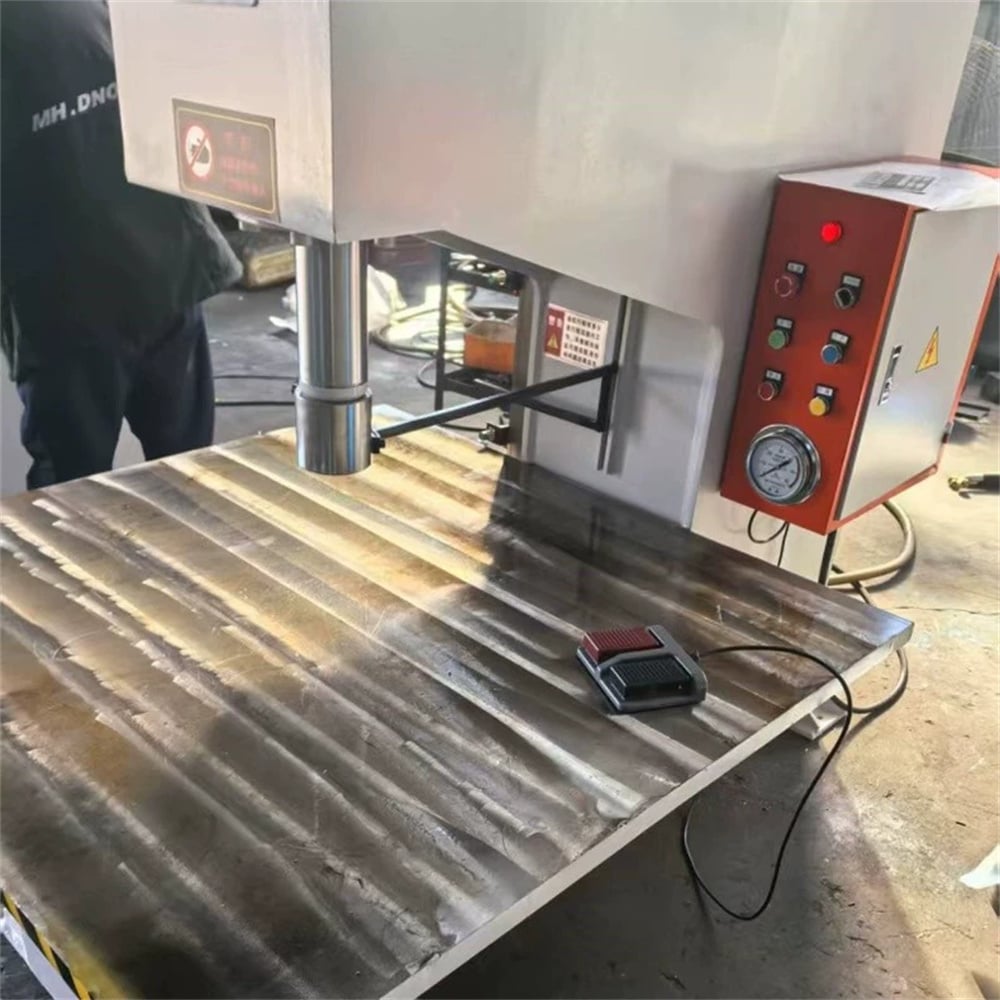
Heavy machinery components, such as long shafts, structural beams, and thick plates, often undergo thermal or mechanical stress during welding or heat treatment, leading to warping or bending. Straightening is a critical application where a hydraulic press is used to restore the original dimensions of the part. This requires extreme precision; the operator must apply just enough force to pass the material’s yield point without causing permanent damage or fracture.
Modern workshops utilize ‘C-frame’ or ‘H-frame’ presses equipped with sensitive pressure gauges and laser measurement systems for this purpose. By applying localized pressure at specific points along a shaft, the press can correct deviations of just a few microns. This application is vital in the maintenance and repair of heavy equipment, where replacing a large crankshaft or axle would be prohibitively expensive compared to a precision straightening operation.
3. Assembly and Press-Fitting
The assembly of heavy machinery often involves ‘interference fits,’ where one component is slightly larger than the hole it is being forced into. This is common for installing bearings, bushings, gears, and pulleys onto shafts. A hydraulic press provides the smooth, steady force required to seat these components without the shock loading that could damage sensitive surfaces. In a heavy machinery workshop, a 100-ton to 500-ton press might be used to press-fit massive bearings into the housings of mining equipment or marine engines.
4. Punching, Blanking, and Shearing
While mechanical presses are often used for high-speed punching of thin materials, hydraulic presses are the preferred choice for heavy-gauge plates. When a workshop needs to punch large diameter holes through 20mm or 30mm thick steel, the controlled speed of a hydraulic press reduces the ‘breakthrough’ shock, which extends tool life and produces a cleaner edge. This application is essential in the fabrication of base plates for industrial buildings and the chassis of heavy trucks.
Material and Process Requirements
The success of any hydraulic press operation depends heavily on understanding the material properties and the specific requirements of the process. In heavy machinery workshops, the materials handled are typically high-strength carbon steels, stainless steels, and occasionally specialized alloys like titanium or high-nickel steels. Each of these materials reacts differently under pressure.
- Yield Strength and Tonnage: The most critical factor is the material’s yield strength. To deform a metal permanently, the press must exceed this limit. For heavy plates, this often requires tonnages ranging from 200 to over 2000 tons. Calculating the required force involves considering the surface area of the cut or bend and the shear strength of the material.
- Stroke and Speed Control: Unlike simple stamping, many heavy applications require variable speeds. For example, in deep drawing, a fast approach speed saves time, but the actual forming must happen at a slower, controlled speed to allow the metal to flow. Hydraulic presses with proportional valves allow for this level of fine-tuning.
- Dwell Time: Some processes, particularly those involving composites or specialized heat-forming, require the press to hold a specific pressure for a set duration (dwell time). Hydraulic systems excel at this, maintaining constant pressure without the energy consumption or mechanical wear seen in other systems.
- Temperature Considerations: In hot forging or warm forming applications, the material is heated to reduce the required tonnage. The press must be equipped with heat-resistant seals and potentially cooled platens to protect the hydraulic system from the extreme temperatures of the workpiece.
Recommended Machine Configuration
Choosing the right configuration is paramount for efficiency. HARSLE offers several designs tailored to specific workshop needs:
| Configuration Type | Best For… | Key Features |
|---|---|---|
| Four-Column Press | Deep drawing, large molds, uniform pressure. | Excellent accessibility from four sides; high structural stability. |
| H-Frame (Gantry) Press | Heavy-duty straightening, large plate forming. | Rigid construction; handles off-center loading well. |
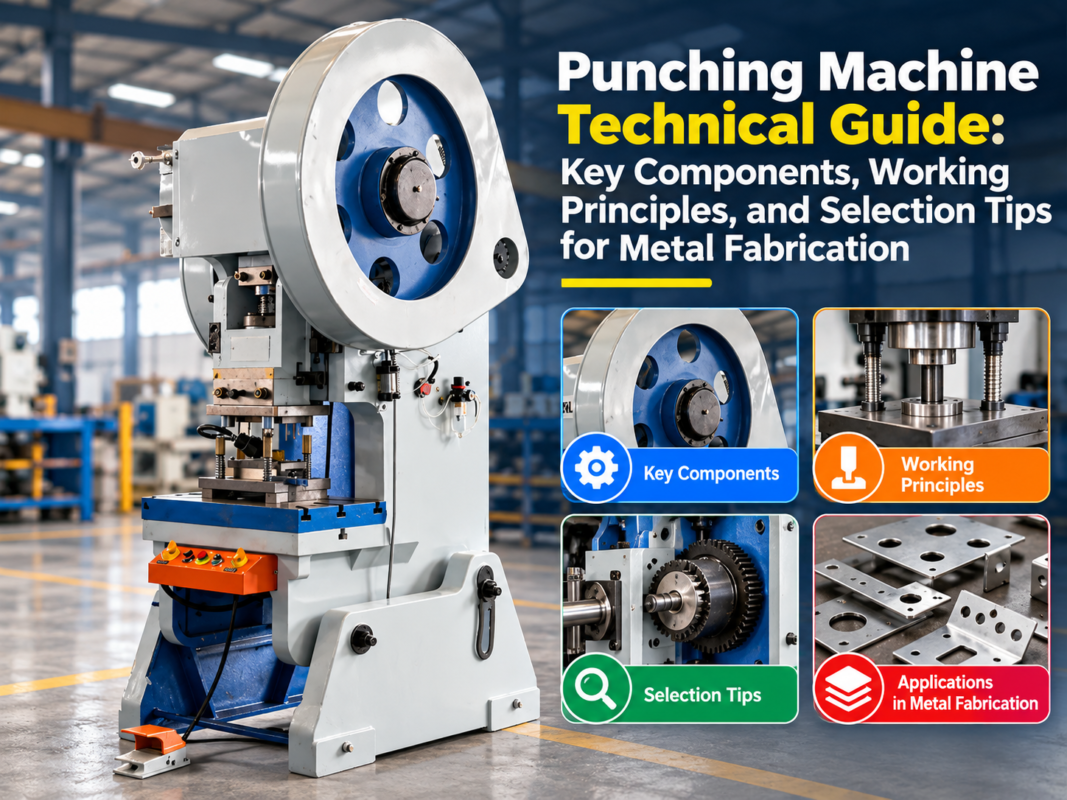
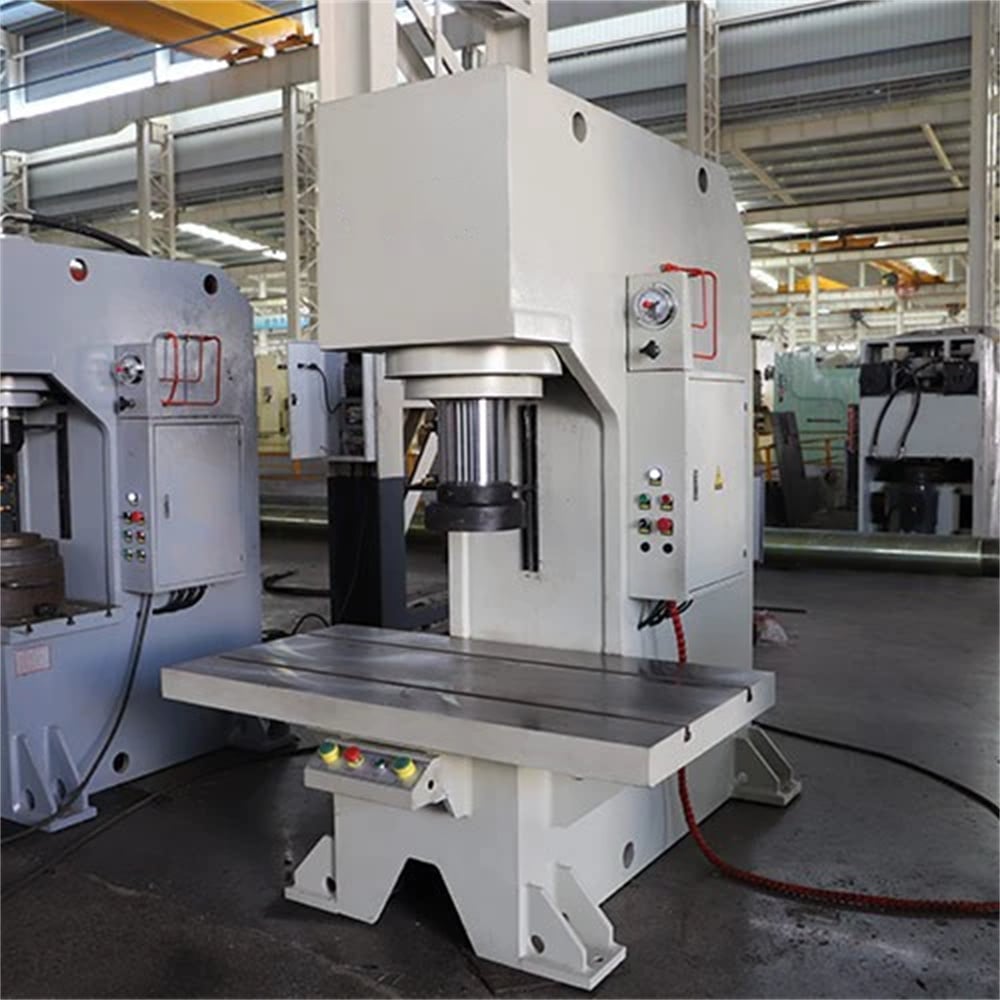
| C-Frame (Gap) Press | Small parts assembly, punching, manual operations. | Compact footprint; easy access for the operator. |
| Horizontal Press | Straightening long shafts, pipe bending. | Horizontal orientation allows for easier handling of long workpieces. |
Beyond the frame, the hydraulic power unit (HPU) is the heart of the machine. For heavy machinery workshops, we recommend configurations with high-efficiency motors and Rexroth or Vickers hydraulic components. Integration with a PLC (Programmable Logic Controller) like Siemens or Schneider allows for the storage of multiple ‘recipes,’ ensuring that the pressure and stroke settings for a specific part can be recalled instantly, reducing setup time and human error.
Standard Workflow in a Heavy Machinery Workshop
To maximize productivity and safety, a standardized workflow should be followed for every hydraulic press operation:
- Preparation and Inspection: Before starting, the operator must inspect the dies and the workpiece. Any debris or burrs can cause uneven pressure distribution, leading to part failure or tool damage.
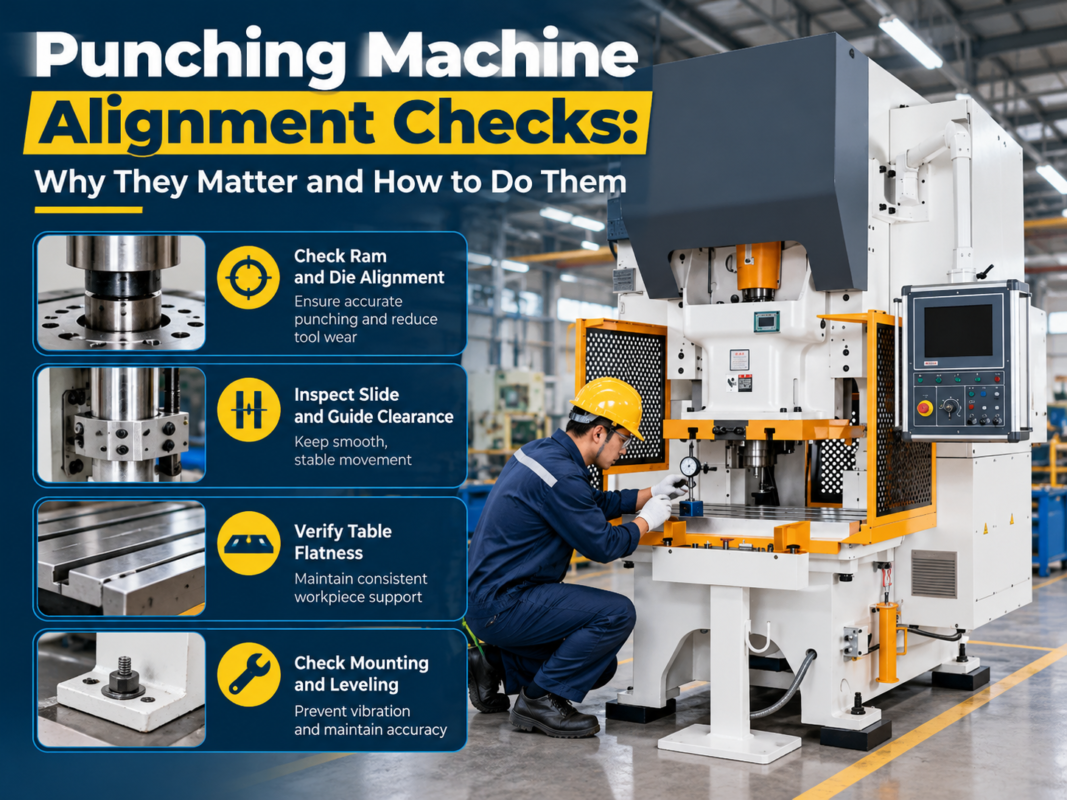
- Tooling Setup: The dies are mounted and aligned. In heavy applications, this often requires the use of overhead cranes. Proper bolting and centering are critical to prevent side-loading, which can damage the press cylinders.
- Parameter Input: Using the CNC interface, the operator sets the approach speed, pressing speed, maximum tonnage, and stroke limit. For safety, ‘light curtain’ boundaries are activated.
- Loading the Workpiece: The material is positioned. For large plates, automated feeding systems or heavy-duty rollers are used to ensure precise placement.
- The Pressing Cycle: The press descends. Modern HARSLE machines use dual-hand start buttons to ensure the operator’s hands are clear of the working zone. The system monitors pressure in real-time, automatically stopping if an anomaly is detected.
- Decompression and Retraction: Once the cycle is complete, the system undergoes a controlled decompression phase to prevent ‘hydraulic shock’ before the ram retracts.
- Quality Check: The finished part is removed and measured against specifications.
Productivity Benefits of Modern Hydraulic Presses
Investing in a high-quality hydraulic press brings several long-term benefits to a heavy machinery workshop:
- Versatility: A single 500-ton press can be used for hundreds of different tasks simply by changing the tooling. This makes it one of the most cost-effective investments for a growing shop.
- Reduced Waste: The precision of hydraulic control means fewer rejected parts. With the high cost of heavy-gauge materials, reducing scrap by even 5% can result in significant annual savings.
- Energy Efficiency: Modern servo-hydraulic systems only consume significant power during the actual pressing movement. During idle or dwell times, energy consumption is minimal compared to older, constantly-running pump systems.
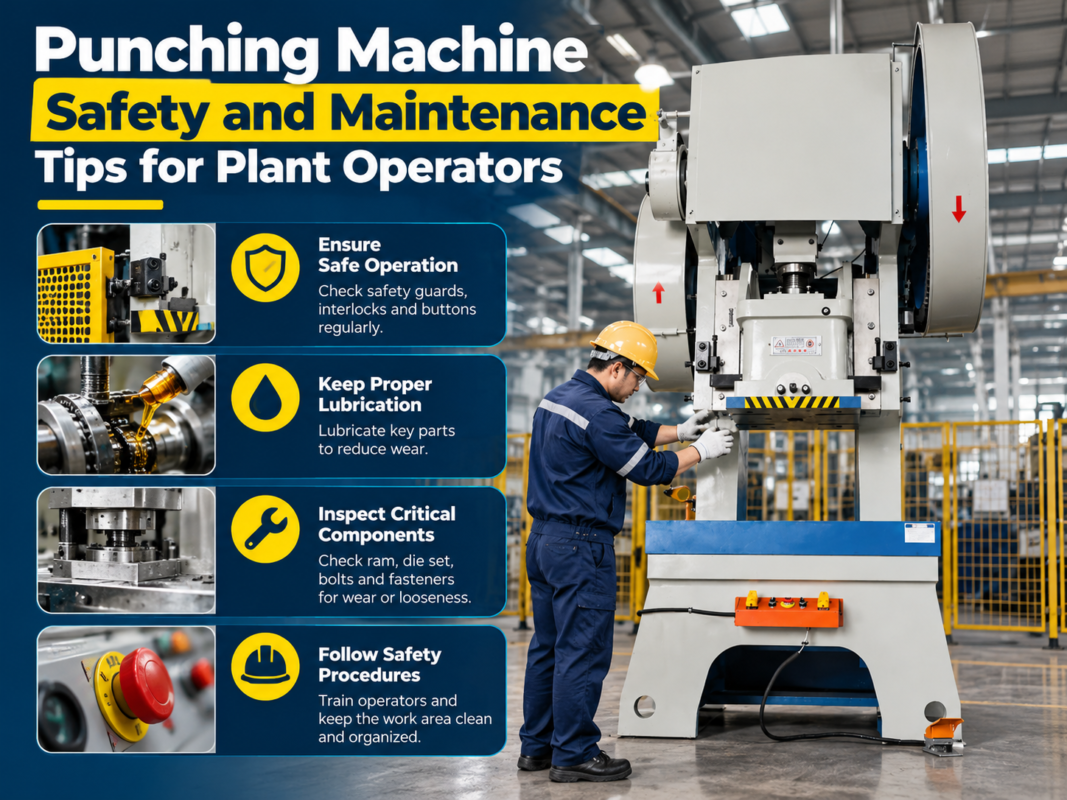
- Enhanced Safety: Features like hydraulic overload protection, emergency stop circuits, and light curtains significantly reduce the risk of workplace accidents, which is paramount when dealing with the massive forces involved in heavy industry.
Case Example: Excavator Component Fabrication
A leading manufacturer of earthmoving equipment recently upgraded their workshop with a HARSLE 800-ton four-column hydraulic press. Their primary challenge was the production of main arm pivot brackets, which required the forming of 25mm thick high-strength steel. Previously, they outsourced this work, leading to long lead times and high costs.
By bringing the process in-house, they were able to utilize the HARSLE press for both the initial blanking of the plates and the subsequent forming of the bracket shape. The ability to control the descent speed allowed them to work with specialized alloys that were prone to cracking under the rapid impact of their old mechanical equipment. The result was a 30% reduction in production costs per unit and a total ROI (Return on Investment) achieved within 14 months. Furthermore, the workshop used the same press during ‘downtime’ to straighten salvaged shafts from their repair department, adding an entirely new revenue stream to their business.
Frequently Asked Questions (FAQ)
How do I determine the tonnage required for my application?
Tonnage is calculated based on the material’s shear or tensile strength, the thickness of the material, and the perimeter of the cut or the area of the bend. For example, the formula for punching is: Force (tons) = Perimeter (mm) x Thickness (mm) x Shear Strength (kg/mm²) / 1000. It is always recommended to choose a press with 20-30% more capacity than your maximum requirement to ensure longevity.
What maintenance is required for a heavy-duty hydraulic press?
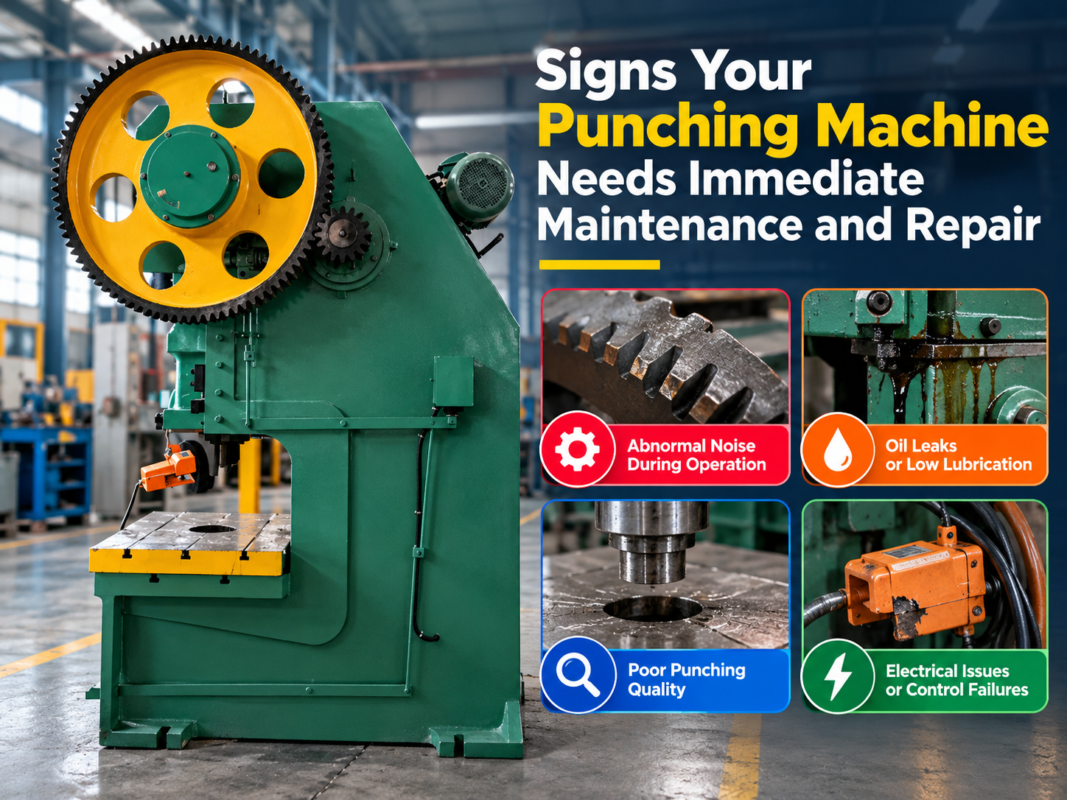
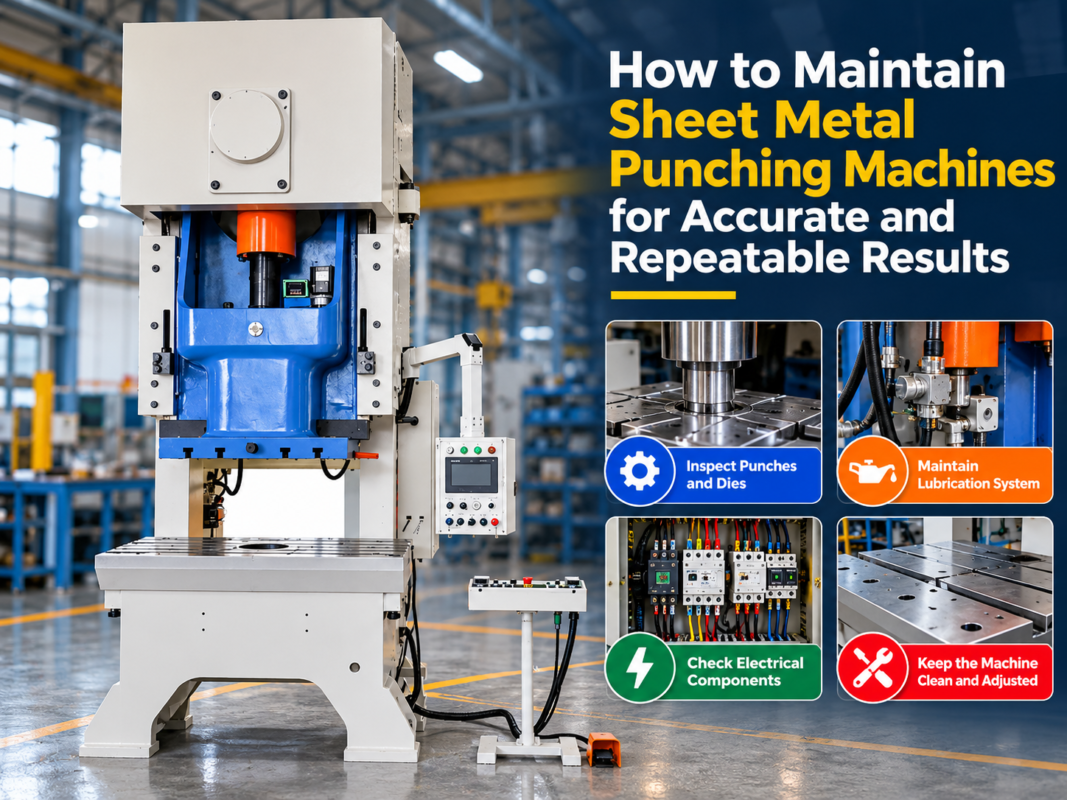
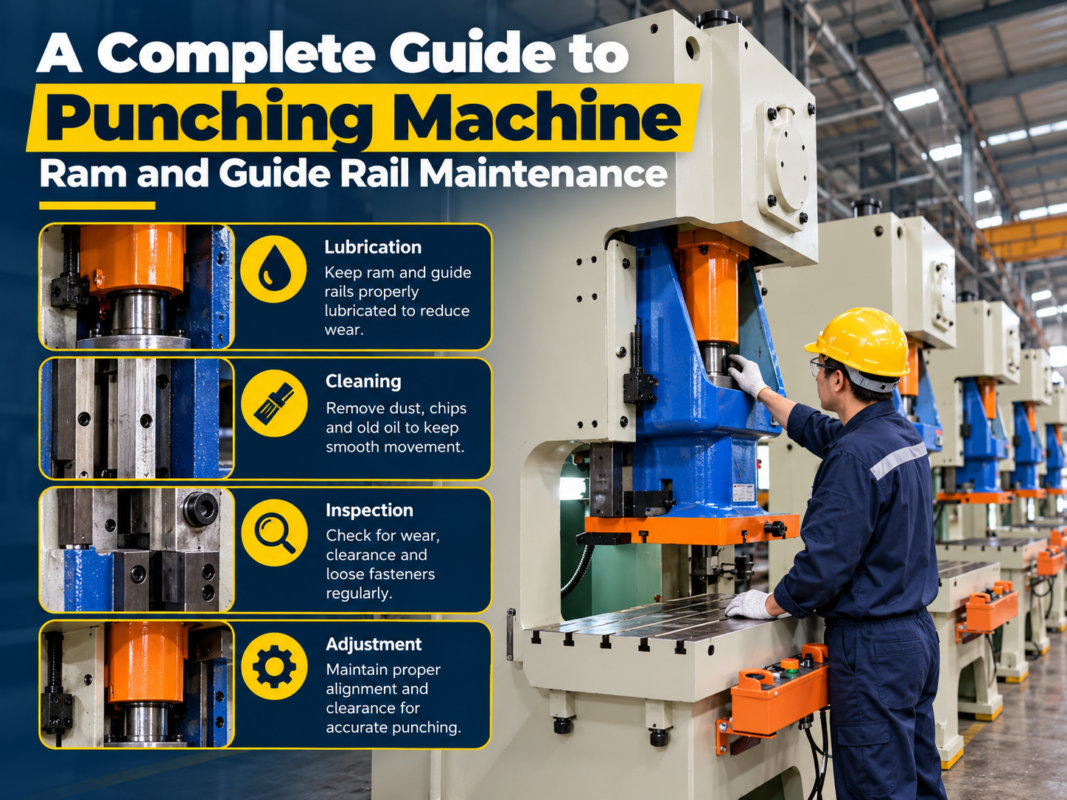
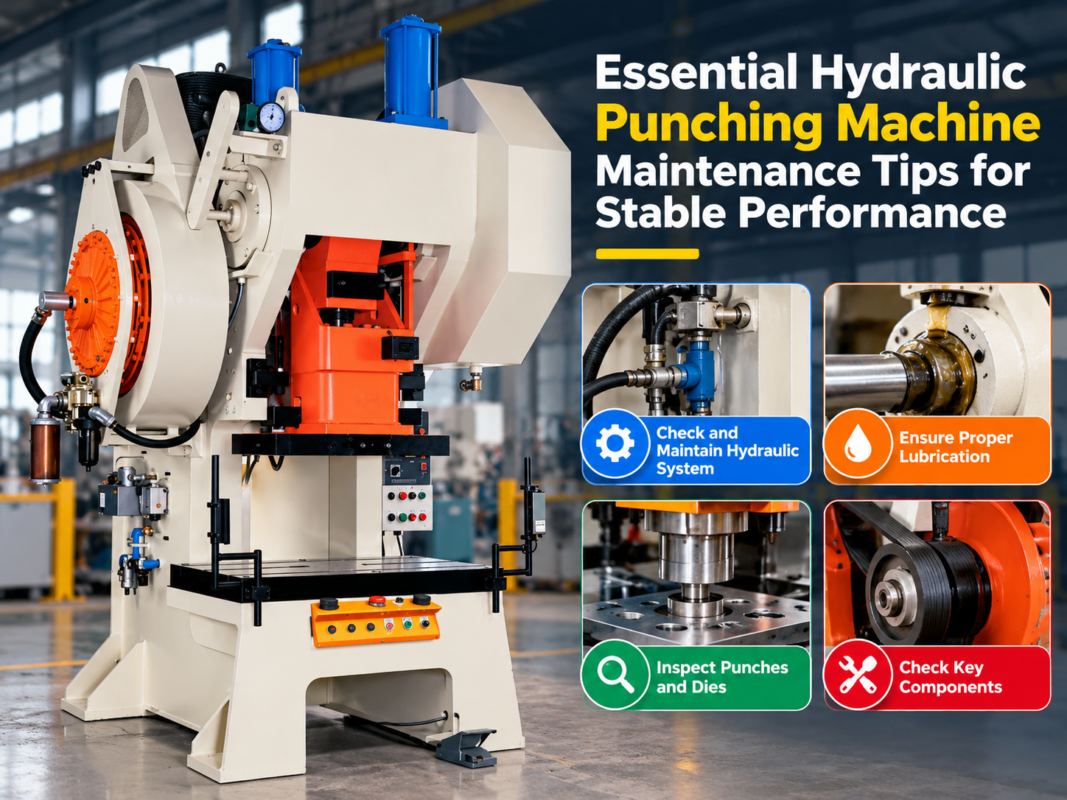
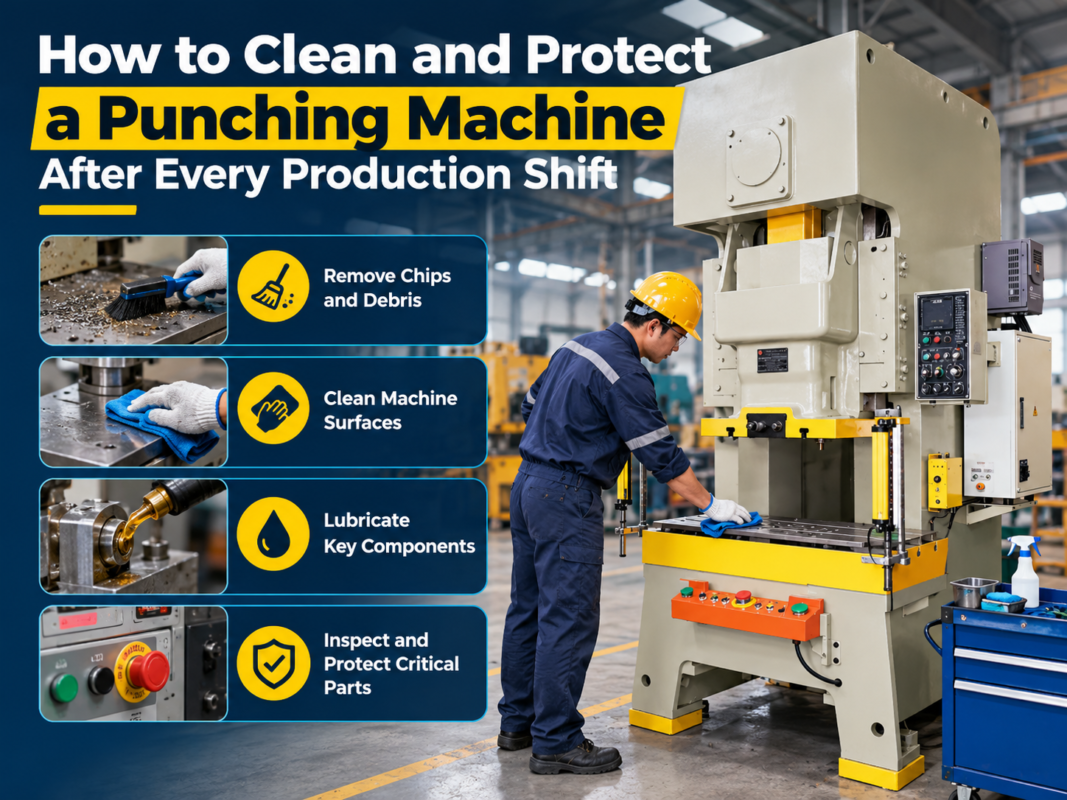
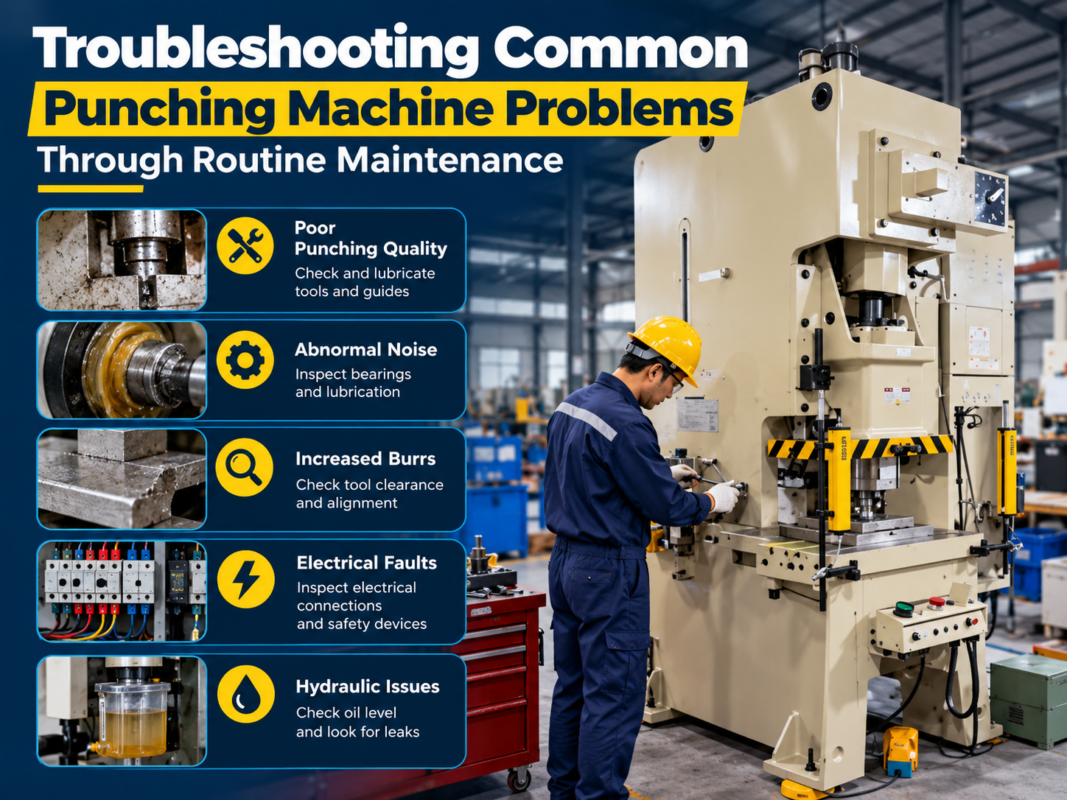
Regular maintenance includes monitoring oil levels and quality, checking for leaks in hoses and seals, and ensuring the lubrication of the guide rails. The hydraulic oil should be filtered or replaced periodically to prevent contaminants from damaging the valves. HARSLE machines are designed with accessible maintenance points to simplify this process.
Can a hydraulic press be integrated into an automated production line?
Yes. Modern hydraulic presses are equipped with PLC controllers and I/O ports that allow them to communicate with industrial robots, automated feeders, and conveyor systems. This is common in high-volume heavy machinery workshops to reduce manual handling and increase cycle times.
What is the difference between a Four-Column and an H-Frame press?
A Four-Column press offers better access to the work area from all sides and generally provides more uniform pressure distribution for large dies. An H-Frame press is typically more rigid and better suited for applications where off-center loading might occur, such as certain straightening or assembly tasks.
Conclusion: Choosing HARSLE for Your Workshop
The common hydraulic press applications in heavy machinery workshops are as varied as the machines they help create. From the initial forming of raw steel to the final assembly of complex components, the hydraulic press is the workhorse of the modern industrial age. Choosing the right machine requires a balance of power, precision, and reliability.
At HARSLE, we specialize in providing high-performance hydraulic solutions tailored to the rigors of heavy industry. Our machines are built with premium components and designed for ease of use, ensuring that your workshop remains productive, safe, and competitive. Whether you are looking for a standard C-frame press for assembly or a custom-engineered 2000-ton four-column press for deep drawing, HARSLE has the expertise to support your goals.
Ready to upgrade your workshop’s capabilities? Contact HARSLE today for a technical consultation and a customized quote on our full range of hydraulic presses.