How to Fix Uneven Pressure in a Hydraulic Press: A Comprehensive Industrial Guide


Introduction to Hydraulic Pressure Consistency
In the world of metal fabrication, precision is the cornerstone of quality. A hydraulic press is a powerhouse of industrial manufacturing, relying on the principles of fluid mechanics to exert massive amounts of force onto a workpiece. However, when that force becomes inconsistent, the entire production line suffers. Learning how to fix uneven pressure in a hydraulic press is not just a maintenance task; it is a critical skill for ensuring the longevity of your equipment and the accuracy of your finished products. Whether you are deep-drawing automotive components or stamping intricate metal parts, pressure fluctuations can lead to material warping, tool damage, and costly downtime.
Uneven pressure typically manifests as a lack of parallelism between the ram and the bolster, or as a failure to reach the programmed tonnage across the entire surface of the die. This issue can stem from a variety of sources, ranging from simple air bubbles in the hydraulic lines to complex mechanical wear in the guide rails. For operators using HARSLE machinery, understanding the synergy between the hydraulic circuit and the mechanical frame is essential. This guide provides a deep dive into the technicalities of pressure distribution and offers actionable steps to restore your machine to peak performance.
The impact of uneven pressure extends beyond the immediate workpiece. When a press operates with unbalanced force, it places asymmetrical stress on the frame and the hydraulic cylinders. Over time, this can lead to structural fatigue, cracked welds, and premature seal failure. By addressing these issues early, manufacturers can avoid the astronomical costs associated with major overhauls. In the following sections, we will explore the key considerations, technical diagnostics, and corrective measures required to maintain a perfectly balanced hydraulic system.
At HARSLE, we emphasize that a well-maintained machine is a profitable machine. Our engineering standards are designed to minimize the risk of pressure variance, but environmental factors and heavy usage cycles necessitate a robust understanding of troubleshooting. This article serves as a definitive resource for technicians and shop managers aiming to master the art of hydraulic press calibration and repair.
Key Considerations Before Troubleshooting
Before attempting to fix uneven pressure in a hydraulic press, it is vital to perform a preliminary assessment of the machine’s environment and operating conditions. Often, what appears to be a complex internal failure is actually a symptom of external factors. The first consideration should always be safety. Hydraulic systems operate under extreme pressure, and any attempt to disassemble components without proper depressurization can result in catastrophic injury. Ensure the ram is mechanically locked or fully lowered, and the power source is tagged out according to OSHA standards.
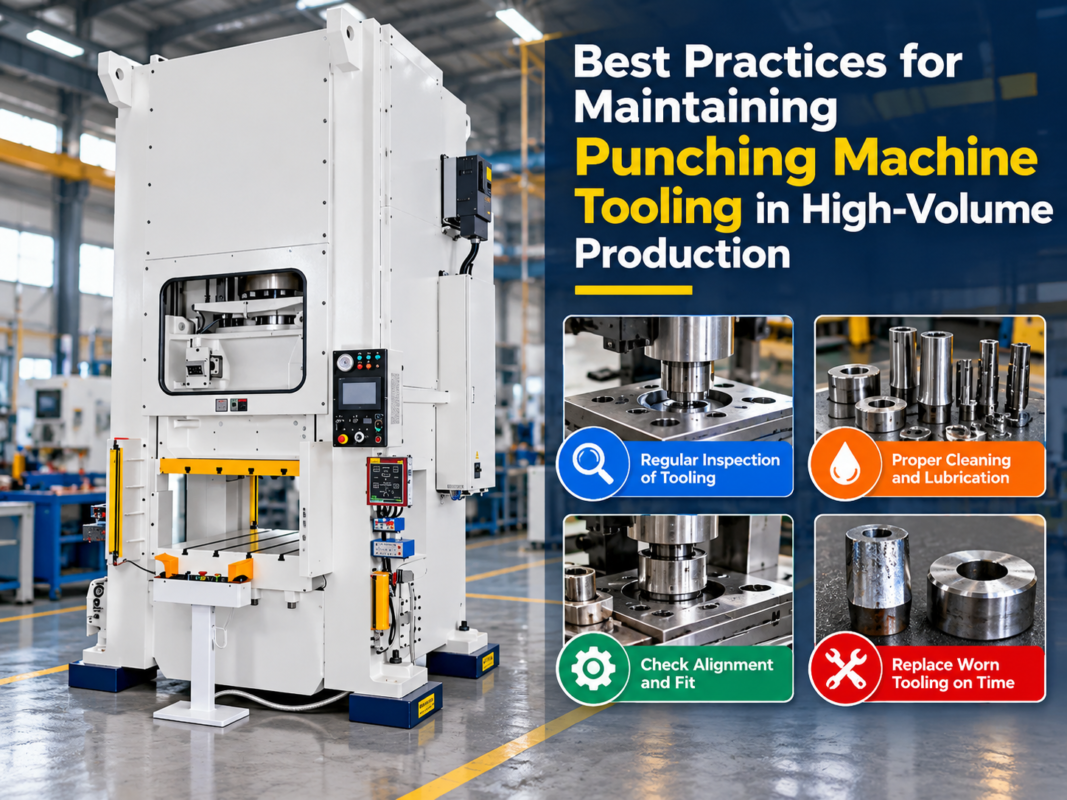
Another key consideration is the type of material and tooling being used. If the uneven pressure is only observed with a specific die set, the problem may lie in the tooling rather than the press itself. Check for uneven wear on the die surfaces or improper shimming. If the press performs perfectly with one tool but fails with another, the issue is likely localized to the setup. However, if the problem persists across different applications, a deeper dive into the machine’s hydraulics and mechanics is required.
Environmental factors such as ambient temperature can also play a significant role. Hydraulic fluid has a specific viscosity range in which it operates most efficiently. If the shop floor is exceptionally cold, the oil may be too thick to flow evenly through the valves, leading to sluggish response and pressure drops. Conversely, overheating can thin the oil, causing internal bypass in the pump or cylinders. Monitoring the oil temperature gauge is a simple but effective first step in the diagnostic process.
Finally, consider the maintenance history of the machine. Has the hydraulic oil been changed recently? Are the filters clean? Contamination is the leading cause of hydraulic component failure. Small particles of metal or dirt can lodge in the precision-machined orifices of directional control valves, preventing them from opening or closing fully. This results in an uneven distribution of fluid to the cylinders, manifesting as uneven pressure at the ram. Establishing a baseline of the machine’s current state is essential before turning a single wrench.
Technical Details: Identifying the Root Cause of Uneven Pressure
Air Entrapment and Cavitation
One of the most common reasons for uneven pressure is the presence of air within the hydraulic circuit. Unlike hydraulic oil, air is highly compressible. When air bubbles are trapped in the lines or cylinders, they create a “spongy” feel and cause the ram to move erratically. This is often referred to as aeration. Cavitation, on the other hand, occurs when the pump cannot get enough oil, creating a vacuum that forms vapor bubbles. When these bubbles collapse under pressure, they cause micro-explosions that can pit the metal surfaces of the pump and valves.
To fix uneven pressure in a hydraulic press caused by air, you must bleed the system. Most high-quality presses, like those from HARSLE, feature bleed valves at the highest points of the hydraulic cylinders. By cycling the press at low pressure and carefully opening these valves, you can evacuate the trapped air. If the air returns, check the suction line of the pump for leaks; even a pinhole leak can draw in air without leaking oil out.
Internal Leakage in Cylinders and Valves
Internal leakage is a silent performance killer. It occurs when high-pressure oil bypasses a seal and returns to the reservoir without doing work. In a multi-cylinder press, if the piston seals in one cylinder are more worn than the others, that cylinder will exert less force, leading to an uneven ram stroke. This is particularly problematic in wide-bed presses where parallelism is maintained by the synchronized flow of oil to multiple points.
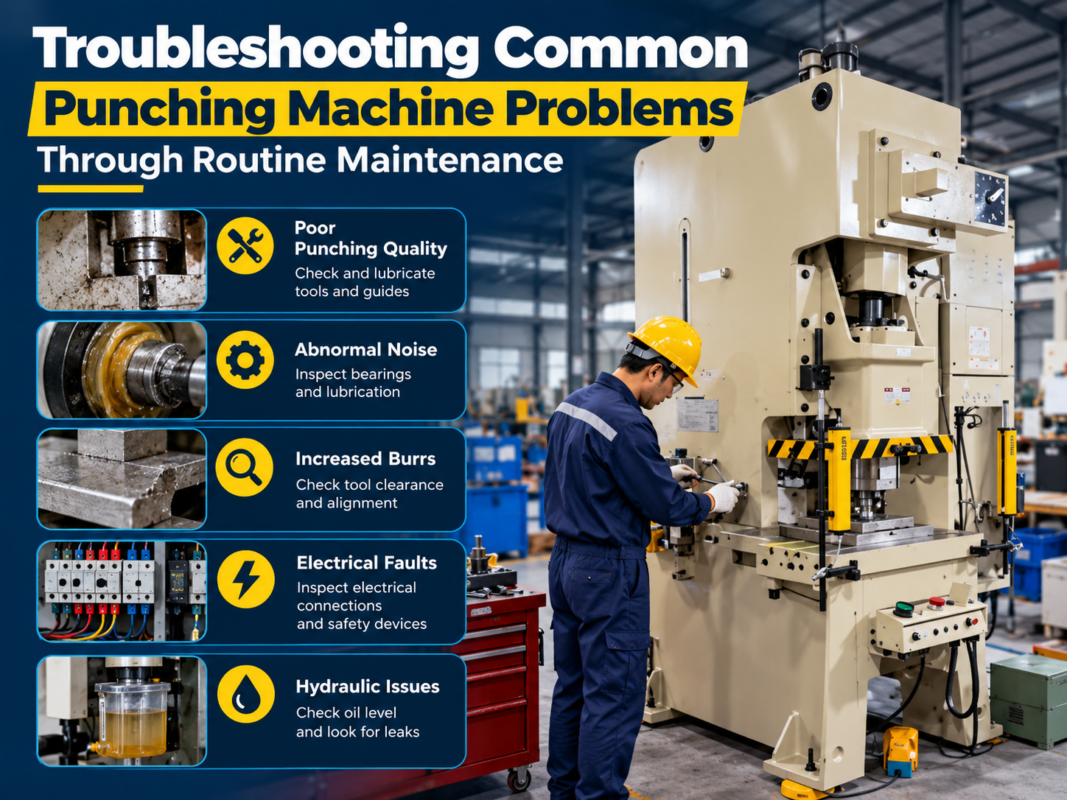
Testing for internal leakage involves isolating the cylinders. By dead-heading the cylinder and monitoring the return line, a technician can determine if oil is bypassing the piston seals. Similarly, directional control valves can develop internal wear. If the spool does not center perfectly, it may allow a small amount of pressure to bleed off, causing the press to lose tonnage or drift during the hold cycle. Replacing seals and refurbishing valve spools are standard procedures to rectify these issues.
Mechanical Misalignment and Guide Rail Wear
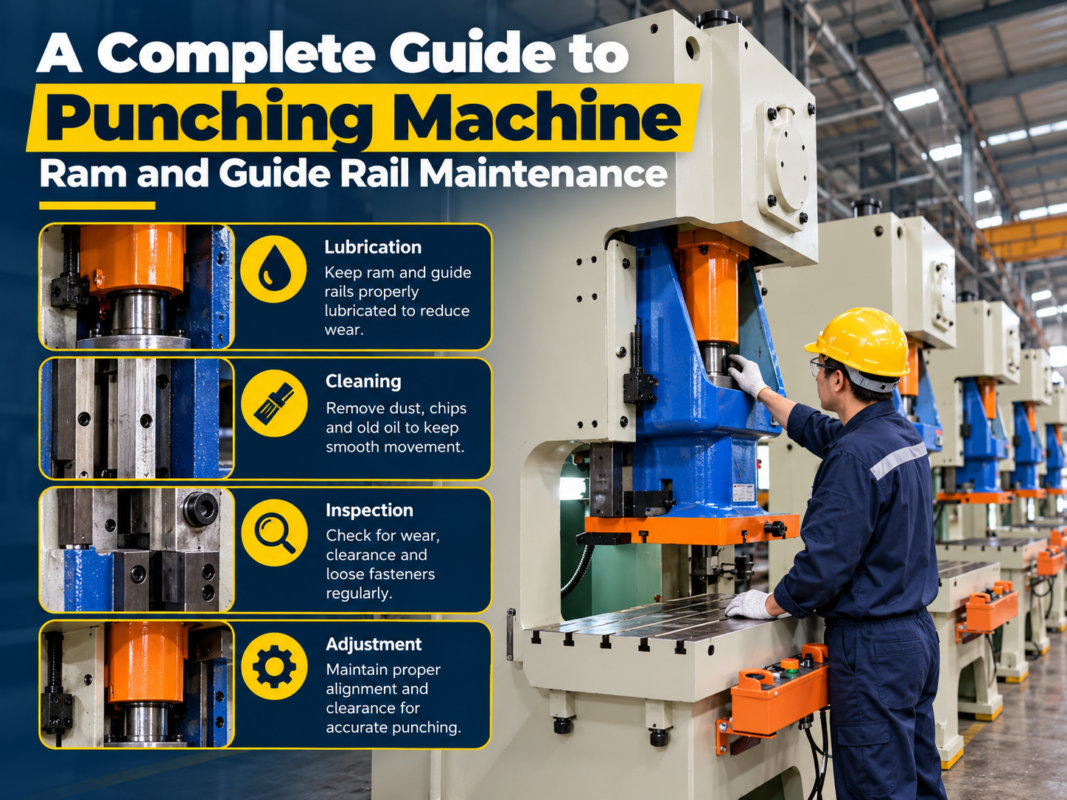
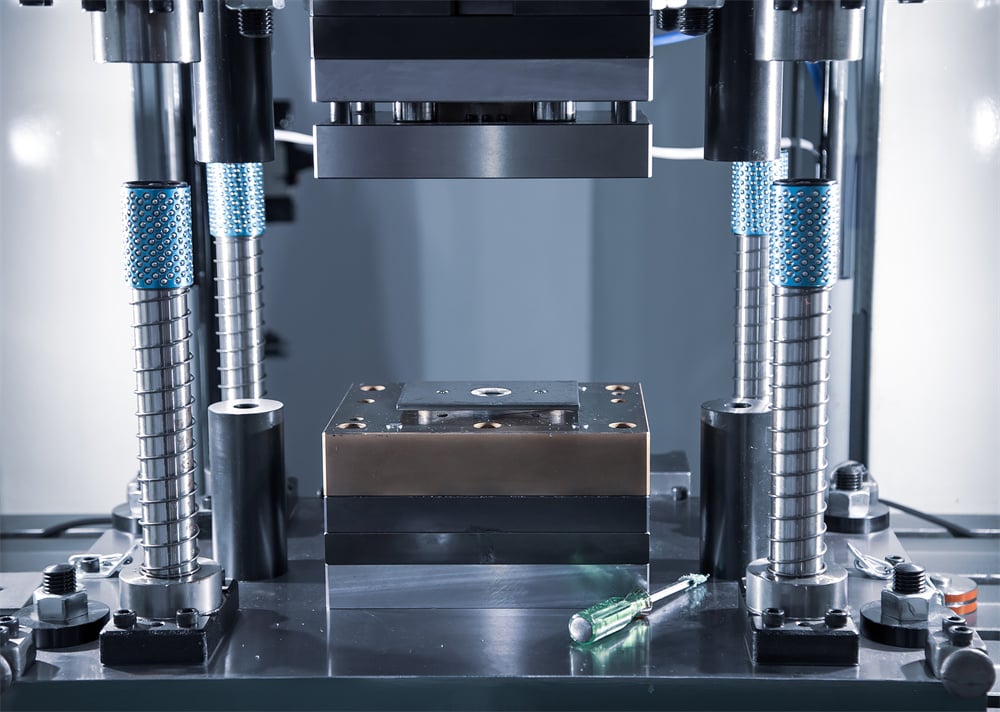
Not all pressure issues are hydraulic. The mechanical structure of the press must be perfectly aligned to ensure the force is distributed evenly. The ram of a hydraulic press travels along guide rails or gibs. If these gibs are loose, worn, or improperly lubricated, the ram may tilt or “cock” during the downward stroke. This mechanical resistance mimics uneven hydraulic pressure because the force is being spent overcoming friction rather than forming the part.
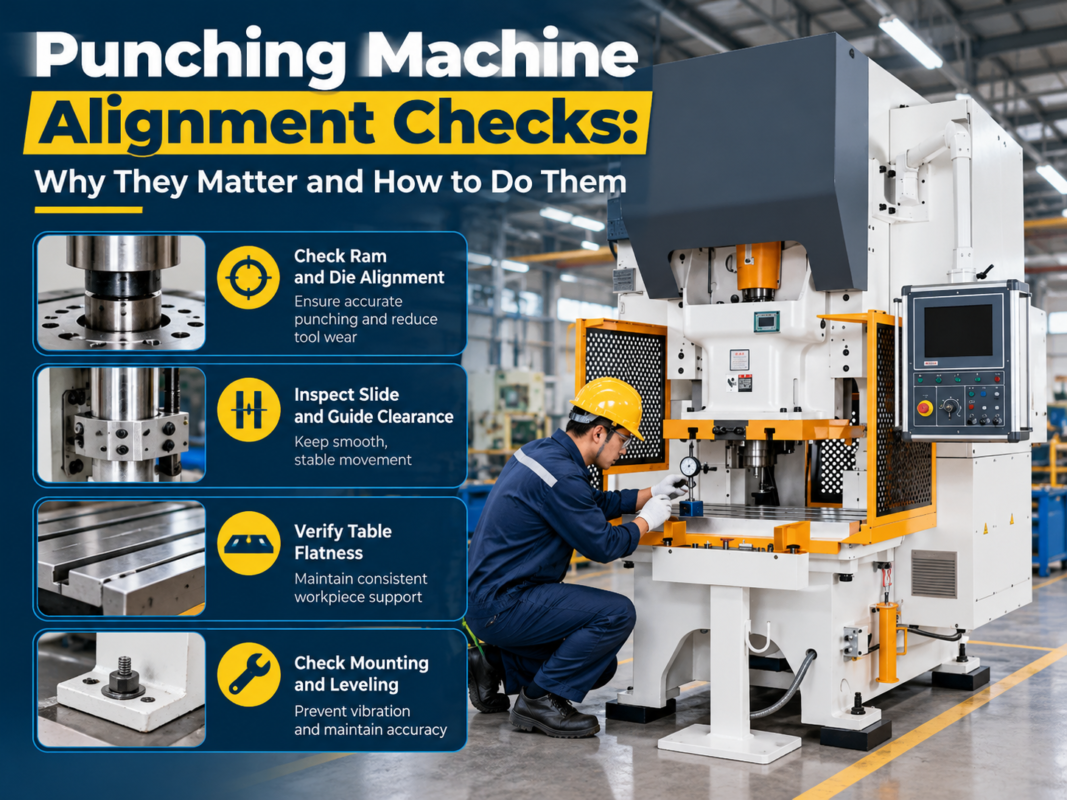
To diagnose mechanical misalignment, use a dial indicator to check the parallelism between the ram face and the bolster plate at various points of the stroke. HARSLE presses utilize adjustable gibs that allow for precise calibration. If the gap exceeds the manufacturer’s specifications, the gibs must be tightened or replaced. Additionally, ensure that the press is perfectly level on its foundation. A slight tilt in the frame can cause the entire assembly to twist under load, leading to chronic pressure imbalances.
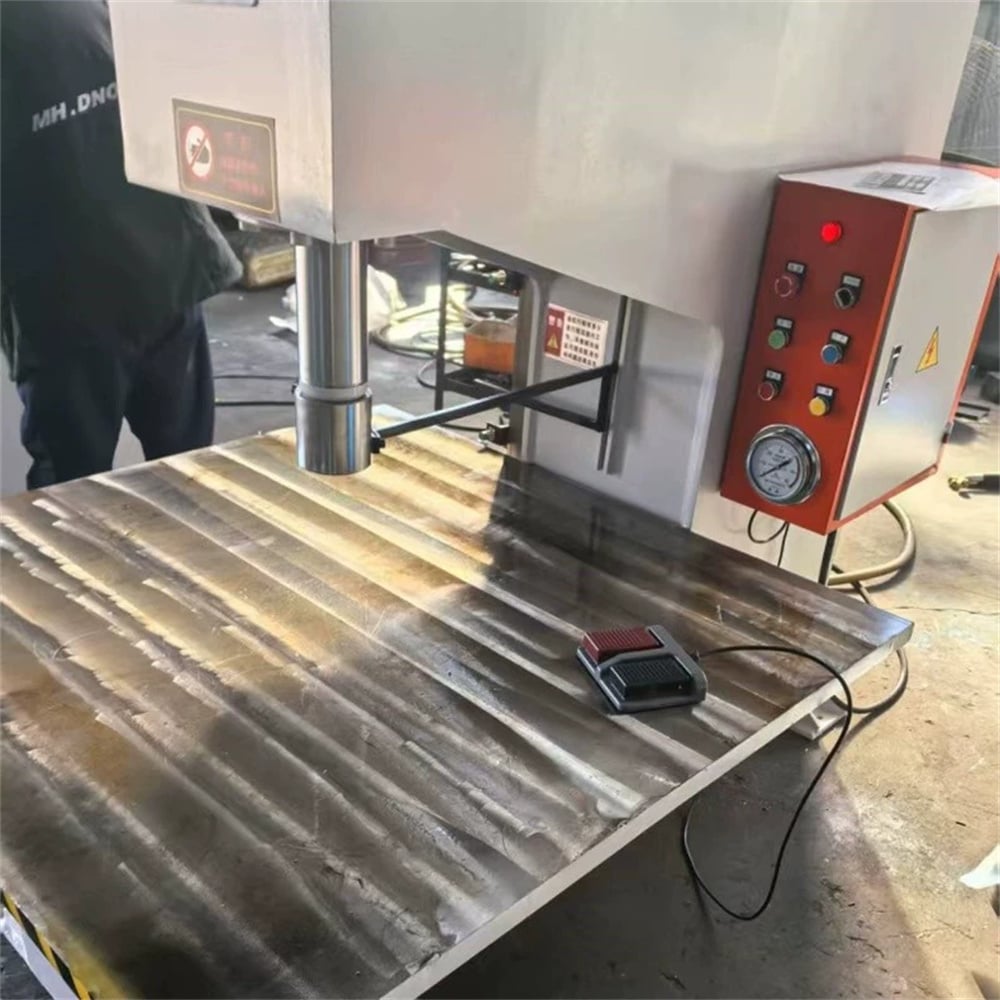
Step-by-Step Guide to Fix Uneven Pressure in a Hydraulic Press
Once you have identified the likely cause, follow this systematic approach to fix uneven pressure in a hydraulic press. This process ensures that you address both the symptoms and the root causes effectively.
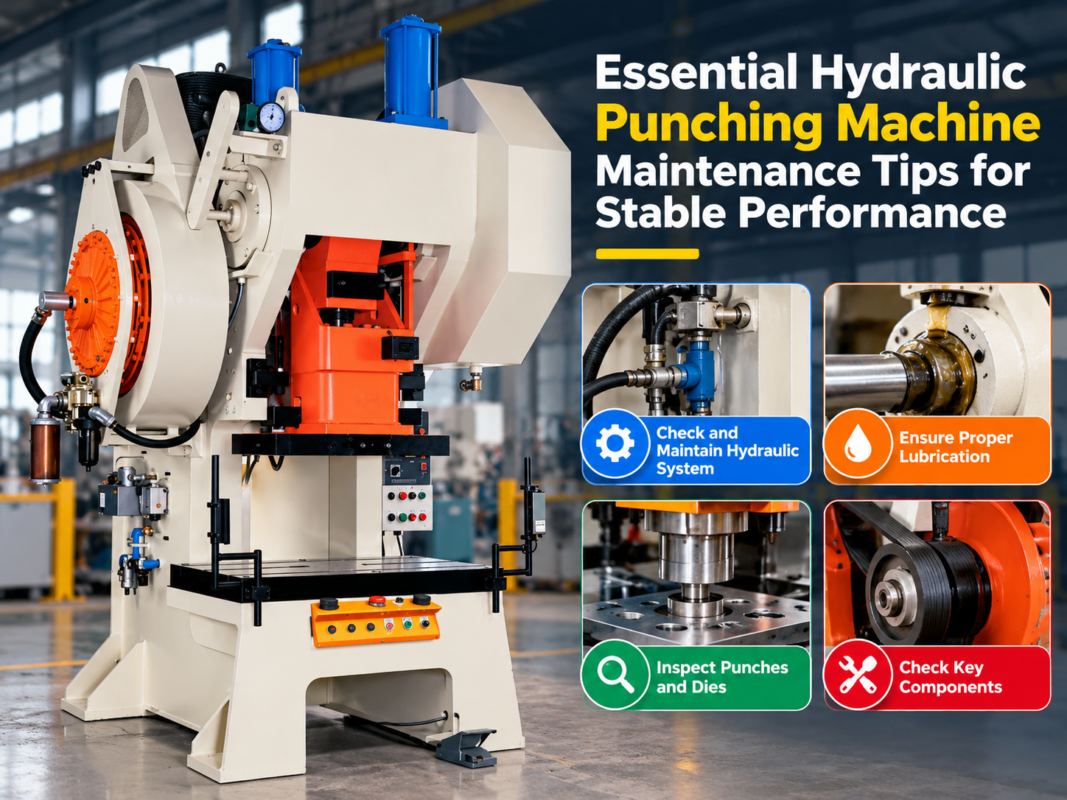
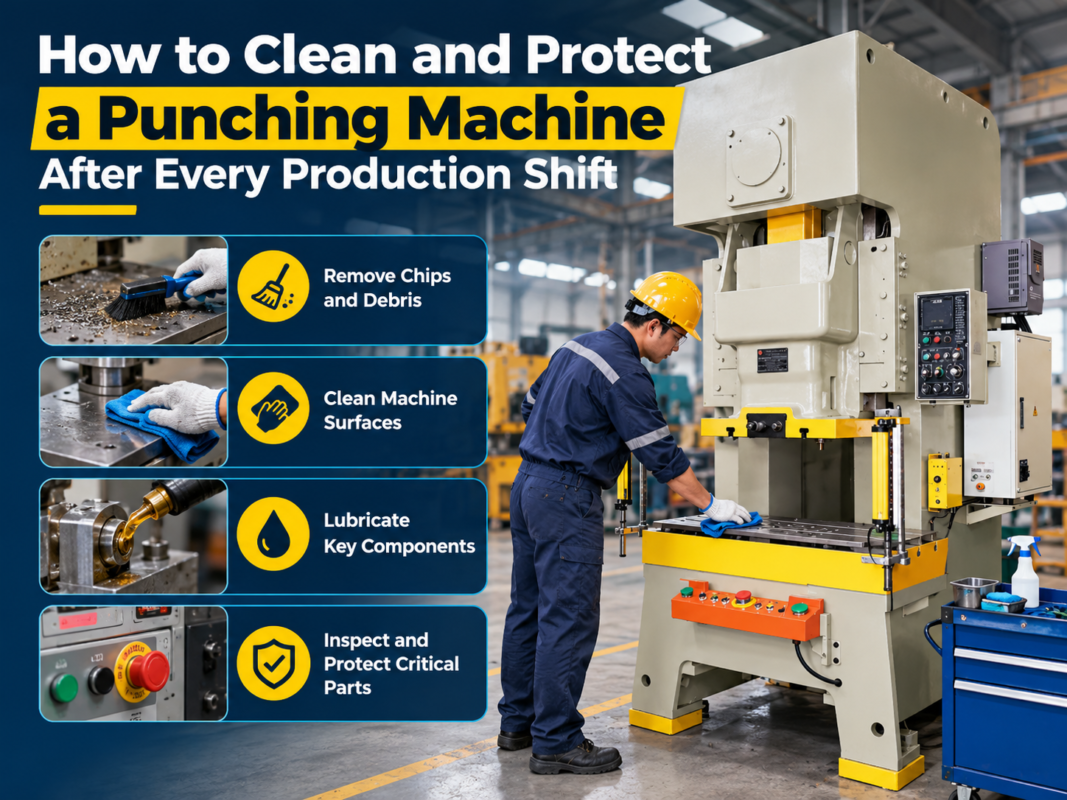
- System Inspection and Cleaning: Start by cleaning the entire machine. Dirt can hide leaks and make it difficult to inspect mechanical components. Check all hydraulic hoses for signs of bulging, cracking, or weeping. Replace any compromised lines immediately.
- Oil and Filter Service: Drain a sample of the hydraulic oil and inspect it for clarity and smell. If the oil is dark or has a burnt odor, it must be replaced. Change all high-pressure and return-line filters. Clean the suction strainer inside the reservoir.
- Bleeding the Hydraulic Circuit: With the machine running at low pressure, cycle the ram through its full range of motion several times. Open the air bleed screws on the cylinders until a steady stream of oil without bubbles emerges. This often resolves minor pressure fluctuations instantly.
- Pressure Relief Valve Calibration: Use a calibrated pressure gauge to check the setting of the main relief valve. If the valve is set too low, the press will never reach full tonnage. If it is sticking, the pressure will be inconsistent. Disassemble and clean the relief valve if necessary, ensuring the spring is not fatigued.
- Gib and Guide Adjustment: Measure the clearance between the ram and the guides. Adjust the gib bolts to the manufacturer’s torque specifications. Ensure that the lubrication system is delivering oil or grease to all sliding surfaces. A dry guide can cause enough friction to simulate a 10-20% loss in pressure.
- Cylinder Seal Replacement: If internal leakage is confirmed, the cylinders must be repacked. This involves removing the cylinder, disassembling the rod and piston, and installing new high-performance seals. At HARSLE, we recommend using genuine seal kits to ensure compatibility with the hydraulic fluid and pressure ratings.
- Final Testing and Validation: After repairs, perform a “dry run” without a workpiece. Then, use a load cell or a test die to verify that the pressure is even across the bolster. Document the pressure readings at all four corners of the ram to ensure parallelism is within tolerance.
Selection Advice: Choosing a Reliable Hydraulic Press
Preventing uneven pressure starts with selecting the right machinery. When purchasing a new press, it is important to look beyond the maximum tonnage. The structural integrity of the frame and the quality of the hydraulic components are the true indicators of long-term reliability. A press with a weak frame will deflect under load, making it nearly impossible to maintain even pressure, regardless of how well the hydraulic system is functioning.
HARSLE hydraulic presses are engineered with high-rigidity frames that undergo finite element analysis (FEA) to minimize deflection. When selecting a press, consider the following technical specifications:
| Feature | Importance for Pressure Consistency | HARSLE Standard |
|---|---|---|
| Frame Construction | Prevents structural twisting and misalignment. | Heavy-duty welded steel plate with stress relief. |
| Hydraulic Valves | Ensures precise flow control and pressure regulation. | Rexroth or Bosch high-performance valves. |
| Guide System | Maintains ram parallelism during the stroke. | Long-length, adjustable 4-face or 8-face gibs. |
| Control System | Allows for real-time monitoring and adjustment. | Siemens PLC with touchscreen HMI. |
| Sealing Technology | Prevents internal and external leakage. | High-durability NOK or equivalent seals. |
Furthermore, consider the synchronization method. For large-bed presses, HARSLE offers dual-cylinder synchronization systems that use electronic sensors and proportional valves to ensure the ram stays perfectly level, even with off-center loading. This technology significantly reduces the likelihood of encountering uneven pressure issues in complex stamping operations. Investing in a machine with these features reduces the maintenance burden and ensures a higher ROI over the life of the equipment.
Frequently Asked Questions (FAQ)
Why does my hydraulic press lose pressure after a few minutes of operation?
This is often caused by thermal thinning of the hydraulic oil or a failing seal that leaks more as the oil warms up. Check your oil cooling system and inspect the cylinders for internal bypass. It could also be a sign of a faulty check valve or a leaking solenoid valve that is failing to hold the pressure in the circuit.
How often should I check the parallelism of my hydraulic press?
For high-precision operations, parallelism should be checked monthly. For general-purpose fabrication, a quarterly inspection is usually sufficient. However, you should always check the alignment after a significant die crash or if you notice uneven wear on your tooling.
Can off-center loading cause uneven pressure?
Yes, off-center loading is a major cause of pressure issues and mechanical wear. While some presses are designed to handle a degree of off-center force, consistently placing the load away from the center of the ram will cause the gibs to wear unevenly and can eventually bend the piston rods. Always try to center the load or use a press designed for off-center applications.
What is the best way to detect a small hydraulic leak?
Clean the area thoroughly and use a specialized hydraulic leak detection dye that glows under UV light. Never use your hand to search for leaks, as high-pressure fluid injection is a serious medical emergency. Even a small damp spot can indicate a failing fitting or a hairline crack in a manifold.
Conclusion
Maintaining a hydraulic press is a continuous process of observation, adjustment, and proactive repair. Knowing how to fix uneven pressure in a hydraulic press empowers operators and maintenance teams to keep production moving without sacrificing quality. From the initial diagnostic steps of checking oil quality and bleeding air to the more technical tasks of adjusting gibs and replacing cylinder seals, every action contributes to a more stable and reliable manufacturing environment.
At HARSLE, we are committed to providing not only the highest quality metal fabrication machinery but also the knowledge required to keep that machinery running at its best. By following the guidelines outlined in this article, you can ensure that your hydraulic press delivers consistent, powerful, and precise force for years to come. Remember that a small investment in regular maintenance and proper operator training will always pay off in the form of reduced downtime and superior product quality. If you encounter persistent pressure issues that cannot be resolved through standard troubleshooting, our technical support team is always available to provide expert guidance and genuine replacement parts.