Hydraulic Press Overheating Problems and How to Solve Them: A Comprehensive HARSLE Guide


Introduction to Hydraulic Press Overheating Challenges
In the world of metal fabrication, the hydraulic press stands as a cornerstone of production. Whether it is deep drawing, punching, or forming, these machines exert massive force to shape metal into precise components. However, one of the most persistent and damaging issues faced by operators and maintenance teams is excessive heat. When we talk about Hydraulic Press Overheating Problems Solve Them, we are addressing a critical factor that directly impacts the longevity, efficiency, and safety of industrial machinery. Overheating is not merely a nuisance; it is a symptom of systemic inefficiency that can lead to catastrophic component failure if left unaddressed.
HARSLE, a leader in the manufacturing of high-quality metal fabrication equipment, understands that maintaining optimal operating temperatures is vital for consistent performance. A hydraulic system typically operates most efficiently between 40°C and 55°C (104°F to 131°F). Once the temperature exceeds 60°C (140°F), the chemical properties of the hydraulic oil begin to degrade, seals soften, and the risk of internal leakage increases exponentially. This guide is designed to provide a deep dive into why these problems occur and, more importantly, how to implement effective solutions to keep your production line running smoothly.
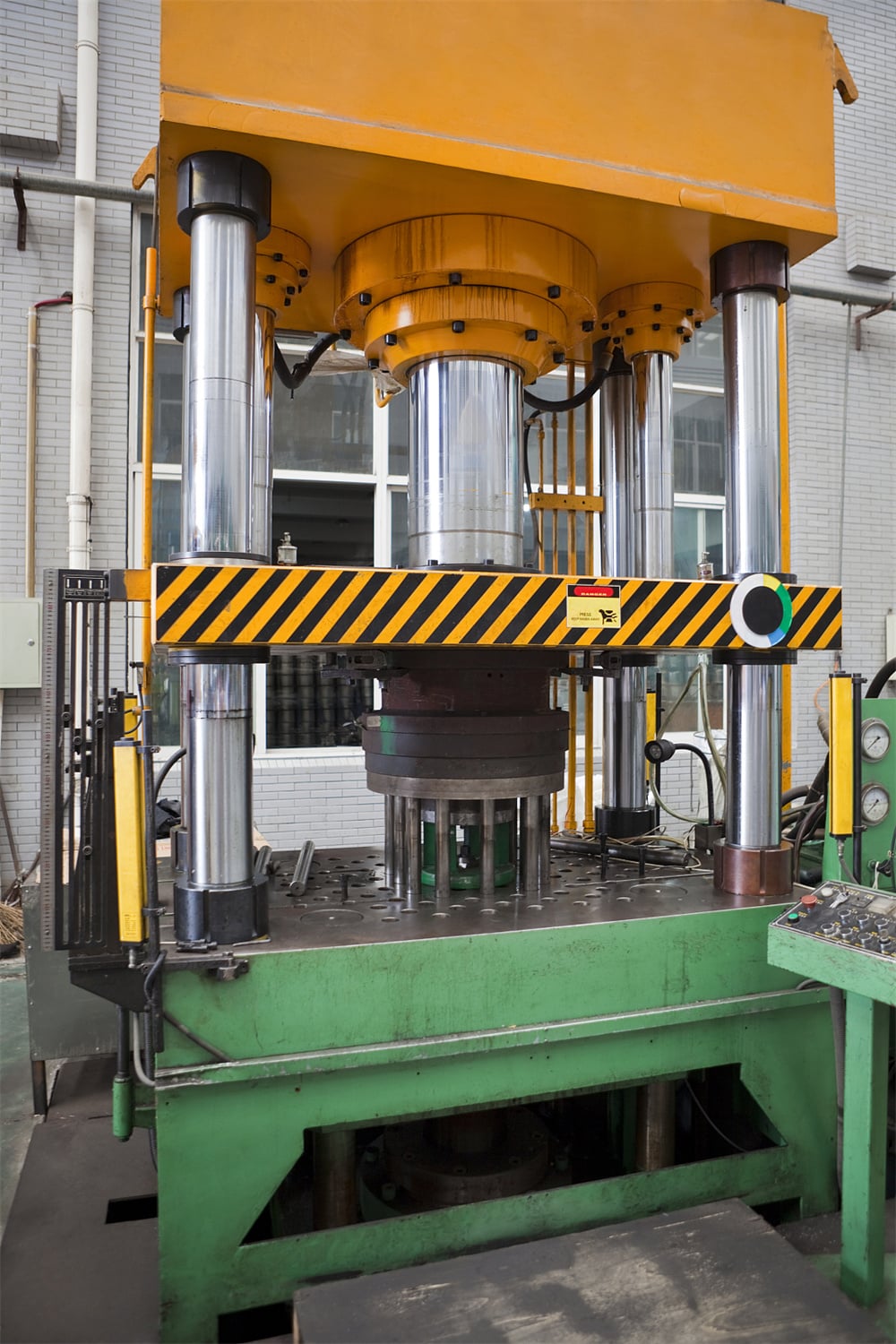
The consequences of ignoring overheating are severe. High temperatures reduce the viscosity of the hydraulic fluid, leading to poor lubrication of moving parts. This results in increased friction, which generates even more heat—a vicious cycle that eventually destroys pumps and valves. Furthermore, overheated oil undergoes oxidation, forming sludge and varnish that can clog small orifices and cause valves to stick. By understanding the root causes and applying the right technical solutions, you can protect your investment and ensure your HARSLE machinery operates at peak performance for decades.
Key Considerations for Thermal Management in Hydraulic Systems
Before diving into the mechanical fixes, it is essential to consider the environmental and operational factors that contribute to heat buildup. The first consideration is the duty cycle of the machine. A hydraulic press designed for intermittent use may struggle if pushed into a high-speed, continuous production environment without adequate cooling upgrades. When the machine is cycling faster than its design parameters, the fluid does not have enough time to shed heat in the reservoir before being pumped back into the high-pressure circuit.
Ambient temperature also plays a significant role. In many industrial settings, workshops can reach high temperatures during summer months or in regions with tropical climates. If the surrounding air is already at 35°C, an air-cooled heat exchanger will have a much harder time maintaining the oil at 50°C compared to a cooler environment. This necessitates a more robust cooling strategy, perhaps moving from standard air cooling to a water-cooled system or an industrial chiller unit. Operators must monitor the delta between ambient temperature and oil temperature to gauge the efficiency of their cooling systems.
Another key consideration is the quality and type of hydraulic oil used. Not all oils are created equal. Using an oil with an incorrect viscosity index can lead to excessive internal friction. If the oil is too thick (high viscosity), it creates resistance to flow, generating heat through fluid friction. If it is too thin (low viscosity), it fails to provide an adequate lubricating film, leading to mechanical friction between metal surfaces. Always refer to the HARSLE manufacturer guidelines to ensure the fluid matches the operational requirements of your specific press model.
Finally, the physical layout of the hydraulic circuit can influence heat generation. Long runs of piping with numerous bends, elbows, and restrictive fittings create pressure drops. Every bar of pressure lost to friction in the plumbing is converted directly into heat. Optimizing the plumbing layout and ensuring that hoses and pipes are correctly sized for the flow rate is a fundamental step in preventing overheating before it even starts. Proper maintenance of filters is also crucial, as a clogged filter creates a restriction that forces the pump to work harder, generating unnecessary thermal energy.
Technical Details: Why Hydraulic Presses Overheat
To effectively address Hydraulic Press Overheating Problems Solve Them, one must understand the thermodynamics of the system. In a perfect hydraulic system, all energy put into the pump would be converted into mechanical work at the cylinder. However, no system is 100% efficient. The energy that is not converted into work is converted into heat. This is known as power loss. The formula for heat generation in a hydraulic system is roughly: Heat (kW) = Total Input Power (kW) – Mechanical Output Power (kW).
The Role of Pressure Relief Valves
One of the most common technical causes of overheating is a misconfigured or worn pressure relief valve. The relief valve is a safety component designed to divert flow back to the tank when pressure exceeds a set limit. If the relief valve is set too low, or if it is leaking internally, a portion of the high-pressure oil is constantly bypassing the work circuit and dumping straight into the reservoir. This process converts the pressure energy into pure heat. If you notice your press is reaching high temperatures even during idle periods, the relief valve is the first place to look.
Internal Leakage and Volumetric Efficiency
As hydraulic pumps and motors age, internal clearances between moving parts increase. This leads to internal leakage, where high-pressure oil slips back to the low-pressure side. This “slip” does not perform any work but generates significant heat. A pump operating at 80% volumetric efficiency is generating much more heat than one operating at 95%. Monitoring the case drain flow of a pump is a technical way to measure this internal leakage. If the case drain flow is excessive, the pump is likely worn and acting as a primary heat source for the system.
Aeration and Cavitation
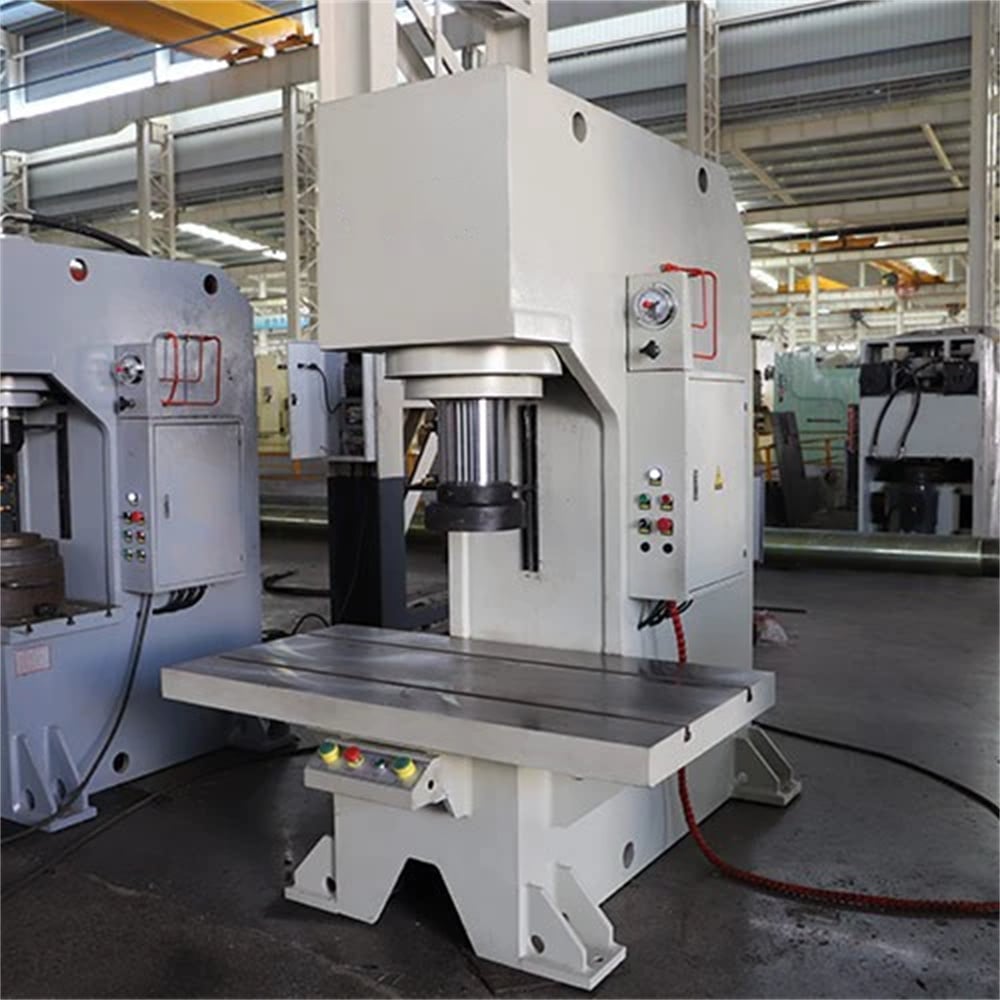
Air in the hydraulic fluid is another technical culprit. When air bubbles are compressed in the pump, they undergo adiabatic compression, which generates localized hotspots of several hundred degrees. This not only damages the oil but also causes physical erosion of the pump components (cavitation). Aeration can be caused by low oil levels in the reservoir, allowing the pump intake to suck in air, or by leaks in the suction line. Ensuring a leak-tight suction side and maintaining proper fluid levels are essential technical checks.
Selection Advice: Choosing the Right Cooling Solution
When purchasing a new hydraulic press or retrofitting an existing one, selecting the right cooling system is paramount. There are two primary types of heat exchangers used in industrial machinery: Air-Cooled (Oil-to-Air) and Water-Cooled (Oil-to-Water). Each has its advantages depending on the application and environment.
| Cooling Type | Advantages | Disadvantages | Best For |
|---|---|---|---|
| Air-Cooled | Low maintenance, no water supply needed, easy installation. | Limited by ambient temperature, can be noisy, requires clean air. | Small to medium presses in temperate climates. |
| Water-Cooled | Highly efficient, compact size, independent of ambient air temp. | Requires water source/chiller, risk of water-oil mixing if damaged. | Heavy-duty, high-cycle presses in hot environments. |
| Industrial Chiller | Precise temperature control, highest cooling capacity. | Higher initial cost, requires more floor space. | Precision forming where oil temp must be constant. |
For high-tonnage HARSLE presses used in heavy industrial applications, we often recommend water-cooled systems or integrated chillers. These systems allow for a much higher rate of heat transfer. When selecting a cooler, you must calculate the “Heat Load” of your machine. A general rule of thumb is that the cooling system should be able to dissipate approximately 25% to 30% of the total input horsepower of the electric motor. If you have a 100 HP motor, your cooling system should be rated to remove at least 25 HP worth of heat.
Another selection factor is the reservoir size. The reservoir is not just a tank; it is a thermal management tool. A larger reservoir provides more surface area for natural radiation and allows the oil more “dwell time” to release heat and air bubbles. Ideally, the reservoir should hold 3 to 5 times the pump’s flow per minute. For a pump flowing at 100 liters per minute, a 300 to 500-liter tank is recommended. If space is a constraint, the cooling system must be sized even more aggressively to compensate for the lack of reservoir volume.
Step-by-Step Guide to Solving Overheating Problems
If your hydraulic press is currently running hot, follow this systematic approach to Hydraulic Press Overheating Problems Solve Them:
- Check the Oil Level and Condition: Ensure the reservoir is full. Low oil levels reduce the time the fluid spends in the tank, preventing it from cooling down. Check for foaming or a milky appearance, which indicates air or water contamination.
- Inspect the Heat Exchanger: For air-cooled units, check for dust and debris clogging the fins. Use compressed air to clean them. For water-cooled units, ensure the water flow rate is correct and that there is no scale buildup inside the tubes.
- Verify Relief Valve Settings: Use a pressure gauge to ensure the relief valve is set at least 10-15% higher than the maximum working pressure required for the job. If the valve is constantly “cracking,” it is generating heat.
- Monitor Pump Case Drain: Measure the temperature of the pump case and the flow of the case drain line. A hot pump case usually indicates internal wear and excessive leakage.
- Evaluate Oil Viscosity: Ensure the oil meets the ISO VG (Viscosity Grade) requirements for your operating temperature. If the oil has been overheated previously, it may have lost its viscosity and should be replaced.
- Check for Circuit Restrictions: Look for kinked hoses, partially closed valves, or clogged filters that could be causing localized pressure drops and heat.
Frequently Asked Questions (FAQ)
What is the maximum safe temperature for hydraulic oil?
For most industrial hydraulic presses, the maximum safe operating temperature is 60°C (140°F). While some synthetic fluids can handle higher temperatures, the seals and components in a standard HARSLE press are designed for longevity within the 40°C to 55°C range. Exceeding 65°C significantly accelerates the oxidation of the oil and the hardening of nitrile seals.
Why does my press overheat only after a few hours of operation?
This usually indicates that the heat generation rate is slightly higher than the heat dissipation rate. The system has a “thermal mass” that takes time to heat up. Once the oil reaches a certain temperature, the cooling system (or the reservoir’s natural radiation) cannot keep up. This is often caused by a dirty heat exchanger or an undersized reservoir for the current duty cycle.
Can I just add a bigger fan to my air cooler?
While increasing airflow can help, it is often more effective to ensure the heat exchanger core is clean or to check if the oil flow through the cooler is restricted. If the cooler is already operating at its maximum thermal transfer capacity, you may need to add a second cooler in parallel or switch to a water-cooled system.
Does high pressure always mean high heat?
Not necessarily. High pressure only generates heat when there is flow associated with a pressure drop that does not do work. For example, holding a cylinder at full pressure (dead-heading) with a variable displacement pump that destokes to zero flow generates very little heat. However, holding that same pressure by dumping oil over a relief valve generates a massive amount of heat.
Conclusion: Maintaining Peak Performance with HARSLE
Solving hydraulic press overheating problems is essential for any fabrication shop that values efficiency and machine longevity. By understanding that heat is a byproduct of wasted energy, operators can take proactive steps to minimize internal leakage, optimize valve settings, and maintain robust cooling systems. Whether it is through regular maintenance of heat exchangers or the careful selection of high-quality hydraulic fluids, managing the thermal profile of your machinery is a high-return investment.
At HARSLE, we design our hydraulic presses with these challenges in mind, utilizing optimized hydraulic circuits and high-efficiency cooling components to ensure our machines can handle the rigors of modern industrial production. However, even the best machine requires a knowledgeable operator and a disciplined maintenance schedule. By following the advice in this guide, you can ensure that your Hydraulic Press Overheating Problems Solve Them effectively, keeping your shop productive and your equipment in top condition for years to come. Remember, a cool-running machine is a profitable machine.