Hydraulic Press Cylinder Drift: Causes, Symptoms, and Repairs


Introduction to Hydraulic Press Cylinder Drift
In the high-precision world of metal fabrication, the reliability of a hydraulic press is paramount. One of the most frustrating and potentially dangerous issues operators face is Hydraulic Press Cylinder Drift: Causes, Symptoms, and Repairs. Cylinder drift, often referred to as ‘creeping,’ occurs when the hydraulic ram moves from its intended position while the control valves are in the neutral or ‘hold’ position. This unintended movement can compromise the accuracy of a bend, damage expensive tooling, and pose a significant safety risk to personnel working within the machine’s vicinity.
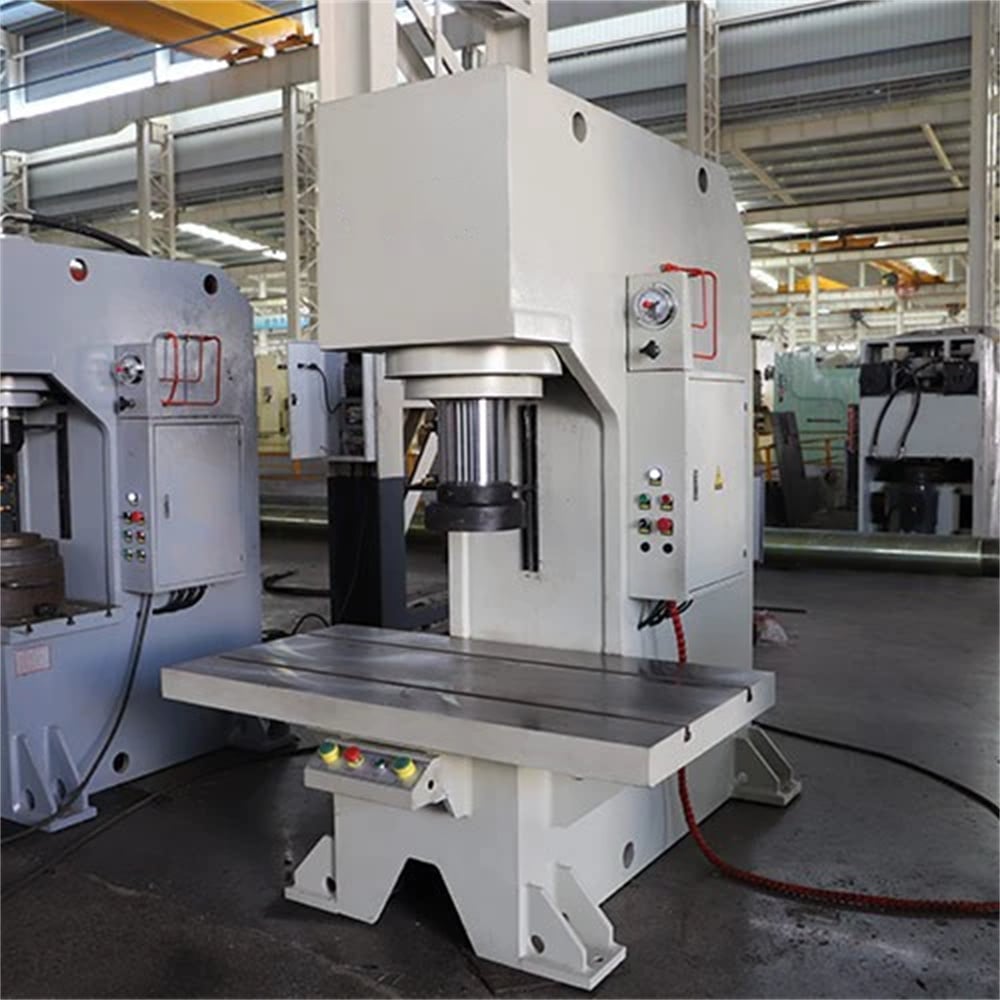
At HARSLE, we understand that maintaining the integrity of your hydraulic system is essential for long-term productivity. Whether you are operating a C-frame press, an H-frame press, or a complex forging machine, understanding the mechanics of cylinder drift is the first step toward effective troubleshooting. Drift is rarely a sudden failure; it is typically a progressive condition that signals underlying wear or contamination within the hydraulic circuit. By identifying the root causes early, manufacturers can avoid costly downtime and ensure that their equipment continues to meet the rigorous demands of modern industrial standards.
This comprehensive guide will delve into the technical nuances of cylinder drift, exploring the physical laws that govern hydraulic movement and the specific components that, when compromised, lead to positional instability. We will provide actionable advice on diagnosing symptoms, performing repairs, and selecting machinery designed to minimize these issues. As we explore Hydraulic Press Cylinder Drift: Causes, Symptoms, and Repairs, our goal is to empower maintenance teams and shop managers with the knowledge required to keep their hydraulic presses operating at peak efficiency.
Key Considerations for Identifying Drift
Before diving into the technical repairs, it is crucial to understand the context in which drift occurs. Not all movement is ‘drift’ in the traditional sense. For instance, thermal contraction of the hydraulic fluid as it cools can cause a slight change in the ram’s position. However, true mechanical or hydraulic drift is characterized by a persistent, measurable movement under load or even under the weight of the ram itself. The first consideration should always be safety. A drifting cylinder indicates that the hydraulic system can no longer reliably hold a load, which means the ram could drop unexpectedly during maintenance or setup.
Another key consideration is the impact on production quality. In applications like deep drawing or precision punching, even a few millimeters of drift can result in scrapped parts. If the press cannot maintain a consistent dwell time or if the ram shifts during the transition between cycles, the structural integrity of the finished product may be compromised. Therefore, monitoring for drift should be a standard part of any daily pre-operational checklist. Operators should be trained to recognize the subtle signs of creeping before they escalate into major mechanical failures.
Finally, consider the environmental factors. High ambient temperatures can lower the viscosity of hydraulic oil, making it easier for fluid to bypass seals and valves. Conversely, extremely cold environments can cause seals to harden and lose their ability to conform to the cylinder walls. Understanding the relationship between your facility’s environment and your machine’s performance is vital for accurate diagnosis. When evaluating Hydraulic Press Cylinder Drift: Causes, Symptoms, and Repairs, one must look beyond the cylinder itself and consider the entire ecosystem of the hydraulic unit.
Technical Details: Why Does Cylinder Drift Occur?
Internal Leakage: The Primary Culprit
The most common cause of cylinder drift is internal leakage across the piston seals. In a double-acting hydraulic cylinder, the piston separates two chambers: the ‘cap end’ and the ‘rod end.’ When the press is holding a load, the fluid is trapped in one of these chambers. If the piston seals are worn, scarred, or hardened, high-pressure fluid will slowly leak into the low-pressure side. Because the surface area of the piston is different on the rod side compared to the cap side (due to the volume occupied by the rod), this leakage creates a pressure imbalance that forces the ram to move.
Internal leakage is often caused by fluid contamination. Microscopic particles of metal, dirt, or degraded oil act as abrasives, scoring the polished inner surface of the cylinder barrel and the seal material. Once a path is created, the high-pressure oil will continue to erode the seal, leading to an exponential increase in drift speed. In HARSLE machines, we utilize high-grade polyurethane or PTFE seals to mitigate this risk, but even the best seals require clean oil to function correctly over thousands of cycles.
Control Valve and Check Valve Failure
While the cylinder is often blamed, the fault frequently lies within the hydraulic control valves. Directional control valves use spools to direct fluid flow. Over time, these spools and their bores wear down, allowing fluid to ‘slip’ past the lands of the spool even when the valve is in the center position. If the valve cannot perfectly block the flow of oil back to the reservoir, the cylinder will lose its holding pressure and begin to drift.
Furthermore, many hydraulic presses employ pilot-operated check valves or counterbalance valves specifically designed to lock the oil in the cylinder. If a piece of debris becomes lodged in the valve seat, or if the internal spring weakens, the valve will fail to provide a leak-tight seal. This is a common cause of ‘sudden’ drift, where a machine that was previously stable begins to creep significantly after a specific event or cycle. Testing these valves independently of the cylinder is a critical step in the troubleshooting process.
External Leakage and Rod Seal Integrity
External leakage is much easier to diagnose because it leaves a visible trail of oil. If the rod seals (the seals that prevent oil from escaping where the ram exits the cylinder) are damaged, fluid will leak out of the system. As fluid leaves the cylinder, the volume of oil holding the ram in place decreases, causing the ram to descend. While a small amount of ‘weeping’ is sometimes considered normal for lubrication, any visible dripping is a sign of seal failure that will inevitably lead to drift and environmental hazards.
Thermal Expansion and Air Entrapment
Physics plays a significant role in hydraulic stability. Hydraulic oil expands when heated and contracts when cooled. If a press is operated heavily and then left to sit, the oil will cool and occupy less volume, causing the ram to move slightly. This is often mistaken for a mechanical leak. Additionally, if air is trapped in the hydraulic fluid, it becomes compressible. Unlike oil, which is virtually incompressible, air will compress under the weight of the ram, leading to a ‘spongy’ feel and noticeable positional shifting as the air bubbles change volume under varying loads.
Symptoms of a Drifting Hydraulic Cylinder
Identifying the symptoms of Hydraulic Press Cylinder Drift: Causes, Symptoms, and Repairs requires a combination of visual inspection and performance monitoring. The most obvious symptom is ‘creeping.’ If you set the ram to a specific height and return ten minutes later to find it has dropped by half an inch, you have a drift problem. This is often most noticeable at the start of a shift or after a lunch break when the machine has been idle.
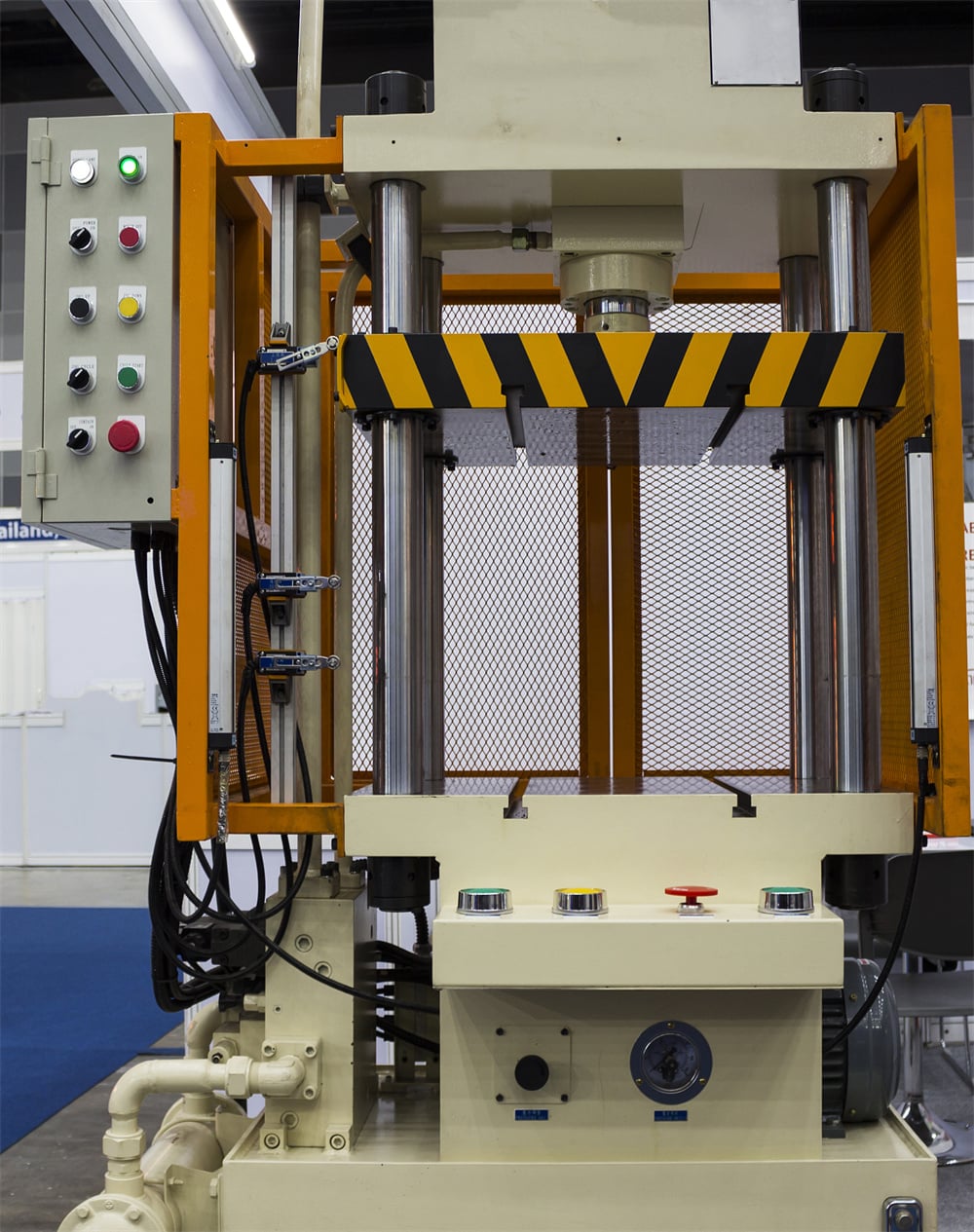
Another symptom is inconsistent pressure readings. If the system pressure gauge fluctuates while the machine is supposed to be holding a static load, it indicates that fluid is moving where it shouldn’t be. You might also hear ‘hissing’ or ‘whining’ sounds coming from the valves or the cylinder itself. This is the sound of high-pressure oil being forced through a small orifice (like a damaged seal or a worn valve seat), a phenomenon known as wire-drawing. This process generates significant heat, so a localized ‘hot spot’ on the cylinder barrel or a specific valve can also be a diagnostic clue.
In CNC-controlled hydraulic presses, the system may throw error codes related to ‘positioning timeout’ or ‘following error.’ The computer detects that the ram is not where the linear encoders say it should be and attempts to compensate, or it simply shuts down the system for safety. If your HARSLE press or any industrial machine starts showing these electronic warnings, it is often a digital symptom of a physical drift issue. Lastly, look for uneven wear on the ram guides or gibs, as persistent drift can cause the ram to sit slightly crooked, leading to asymmetrical mechanical stress.
Repair Strategies and Maintenance Protocols
Once drift has been confirmed, the repair process must be systematic. The first step is to isolate the component. A common trick used by technicians is to extend the cylinder partially, then close the manual shut-off valves (if equipped) or disconnect and plug the hydraulic lines. If the cylinder still drifts while isolated from the rest of the system, the problem is definitely the internal piston seals. If the drift stops, the problem lies further upstream in the valves or hoses.
To repair internal leakage, the cylinder must be disassembled. This involves removing the head gland, pulling the rod and piston assembly out of the barrel, and inspecting the surfaces. If the barrel is scored, it may need to be honed or replaced. Simply replacing the seals on a scratched barrel is a temporary fix, as the scratches will quickly destroy the new seals. When installing new seals, ensure they are compatible with the hydraulic fluid being used and that they are lubricated properly during assembly to prevent ‘dry start’ damage.
| Component | Common Issue | Repair Action |
|---|---|---|
| Piston Seals | Wear, Scoring, Hardening | Replace seals; hone barrel if necessary |
| Directional Valve | Spool wear, Spring failure | Replace valve or rebuild spool assembly |
| Counterbalance Valve | Debris in seat, Leaking pilot | Clean valve seat; replace O-rings |
| Hydraulic Fluid | Contamination, Low viscosity | Flush system; replace with high-quality oil |
Preventative maintenance is the best cure for drift. This includes regular oil analysis to check for particulate matter and water content. Implementing a high-quality filtration system can extend the life of seals and valves by tenfold. Furthermore, ensuring that the press is operated within its rated capacity prevents ‘dieseling’—a condition where high pressure and air bubbles cause localized explosions that pit the metal surfaces. Regular inspection of the rod wipers is also essential; these small components keep dust and metal shavings from entering the cylinder and causing the very scratches that lead to internal leakage.
Selection Advice: Choosing Drift-Resistant Machinery
When purchasing a new hydraulic press, it is important to look for design features that inherently resist drift. High-quality manufacturers like HARSLE prioritize the use of premium hydraulic components. Look for machines that utilize world-class seal kits (such as NOK from Japan) and valves from reputable brands like Rexroth or Vickers. These components are manufactured to tighter tolerances, which significantly reduces the ‘slip’ or leakage that causes drift over time.
Another factor to consider is the hydraulic circuit design. Modern presses often feature ‘load-holding’ circuits that use redundant check valves to ensure the ram stays in place even in the event of a power failure or a primary valve malfunction. Additionally, machines with integrated cooling systems help maintain a constant oil temperature, which stabilizes fluid viscosity and prevents thermal-related drift. If your application requires extreme precision, consider a servo-hydraulic system. These systems use electronic feedback loops to constantly monitor and adjust the ram position, effectively ‘fighting’ any mechanical drift in real-time.
Finally, consider the ease of maintenance. A well-designed press will have accessible cylinders and valve manifolds, making it easier for your team to perform the inspections and repairs mentioned in this guide. Avoid ‘black box’ designs where the hydraulic components are buried deep within the frame, as this often leads to neglected maintenance and eventual failure. By choosing a machine built for durability and serviceability, you are investing in the long-term accuracy of your fabrication shop.
Frequently Asked Questions (FAQ)
1. How much drift is considered ‘normal’ for a hydraulic press?
In a perfectly maintained system, there should be zero visible drift over a short period (e.g., 15-30 minutes). However, most manufacturers allow for a very small amount of ‘allowable leakage’ in their technical specifications, often measured in drops per minute or millimeters per hour. If the drift is affecting part quality or safety, it is no longer normal and must be addressed.
2. Can I fix cylinder drift by just adding thicker oil?
While thicker oil (higher viscosity) might temporarily slow down a leak, it is not a repair. Thicker oil can cause other problems, such as increased pump wear, slower cycle times, and overheating. You should always use the oil viscosity recommended by the manufacturer and fix the underlying seal or valve issue.
3. Is cylinder drift always caused by a bad seal?
No. While seals are a common cause, drift can also be caused by worn control valves, leaking check valves, air in the system, or even structural issues like a flexing frame. A proper diagnostic process is required to identify the exact source.
4. How often should I replace the seals in my HARSLE hydraulic press?
There is no set timeframe, as seal life depends on usage, environment, and oil cleanliness. However, a general rule of thumb is to inspect seals every 2,000 operating hours and consider a proactive replacement every 3 to 5 years in high-production environments.
5. Can air in the lines cause the ram to drop?
Yes. Air is compressible. If there is air trapped in the cylinder, the weight of the ram or the load will compress that air, causing the ram to drop until the air pressure balances the load. Bleeding the hydraulic system is a simple first step in troubleshooting drift.
Conclusion
Understanding Hydraulic Press Cylinder Drift: Causes, Symptoms, and Repairs is essential for anyone involved in the operation or maintenance of metal fabrication machinery. While drift can be a complex issue involving various mechanical and hydraulic factors, a systematic approach to diagnosis—starting with the most likely culprits like piston seals and check valves—will usually lead to a successful resolution. By staying vigilant for symptoms like creeping and inconsistent pressure, and by adhering to a strict preventative maintenance schedule, you can ensure your hydraulic press remains a reliable asset for years to come.
At HARSLE, we are dedicated to providing not only high-quality machinery but also the technical expertise needed to keep that machinery running at its best. Whether you are troubleshooting an older unit or looking to upgrade to a modern, drift-resistant press, our team is here to support your success. Remember, a well-maintained hydraulic system is the backbone of a productive shop, and addressing cylinder drift promptly is an investment in both safety and precision.