Comprehensive Guide to Hydraulic Press Pump Failure Troubleshooting for Operators


Introduction to Hydraulic Press Pump Systems
In the world of metal fabrication, the hydraulic press stands as a cornerstone of production, capable of exerting immense force to shape, mold, and punch metal components with precision. At the heart of this powerful machine lies the hydraulic pump. Often referred to as the ‘heart’ of the system, the pump is responsible for converting mechanical energy into hydraulic energy by moving fluid through the circuit. When the pump fails or underperforms, the entire production line can grind to a halt, leading to costly downtime and missed deadlines.
For operators on the shop floor, understanding Hydraulic Press Pump Failure Troubleshooting Operators is not just a technical skill—it is a vital part of operational efficiency. Operators are the first line of defense; they are the ones who hear the first abnormal whine, feel the slight vibration in the controls, or notice a drop in cycle speed. Early detection of pump issues can mean the difference between a simple seal replacement and a catastrophic system failure requiring a complete pump overhaul or replacement.
This guide is designed specifically for operators and maintenance personnel working with HARSLE equipment and other industrial hydraulic presses. We will delve deep into the mechanics of pump failure, the symptoms to watch for, and the systematic steps required to troubleshoot and resolve issues before they escalate. By mastering these troubleshooting techniques, operators can ensure the longevity of their machinery and maintain the high standards of quality expected in modern metal fabrication.
Key Considerations for Operators Before Troubleshooting
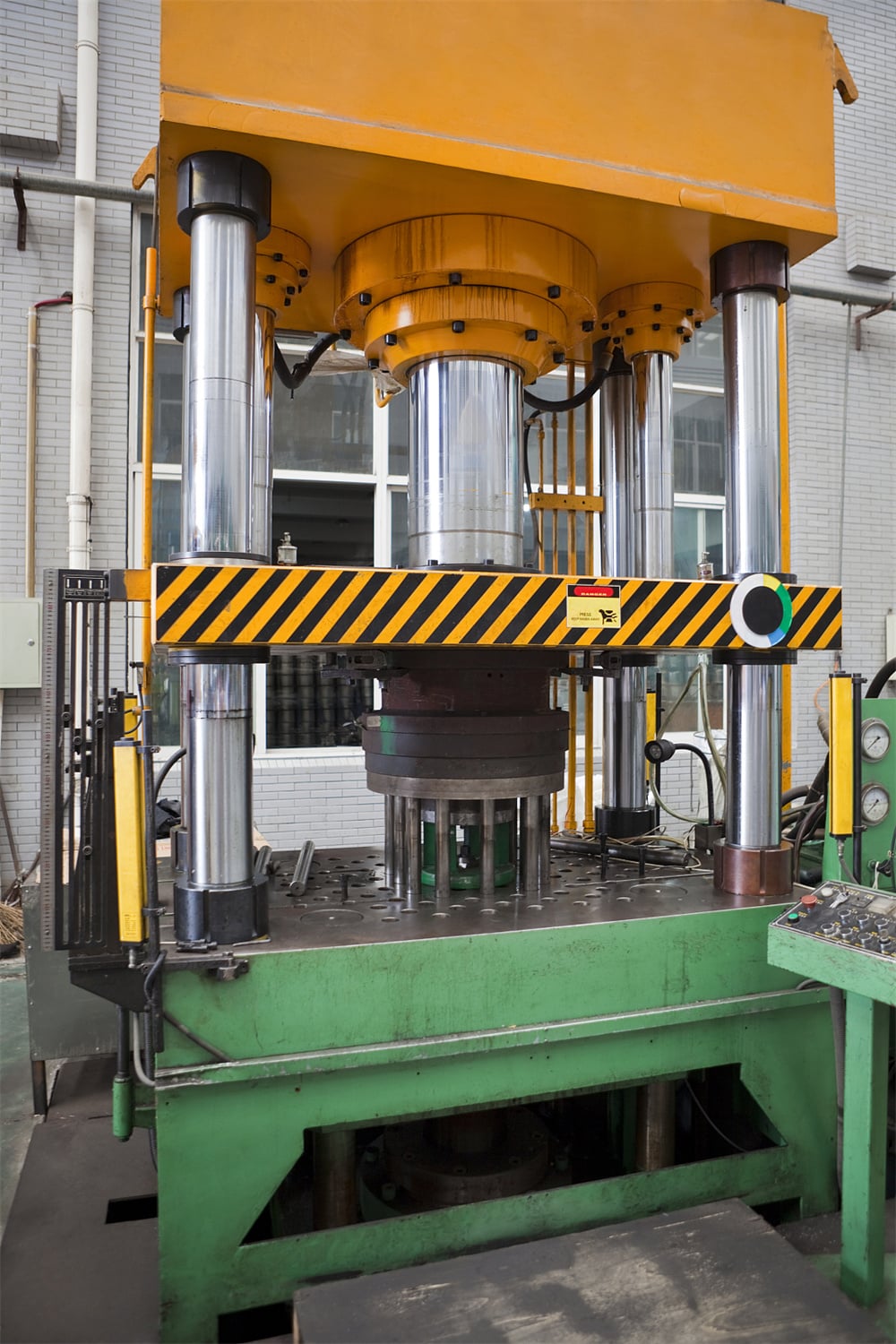
Before diving into the technical aspects of pump failure, operators must prioritize safety and environmental awareness. Hydraulic systems operate under extreme pressure, often exceeding 3,000 PSI (210 bar). A pinhole leak can release a stream of fluid with enough force to penetrate human skin, a condition known as high-pressure injection injury, which is a medical emergency. Therefore, the first consideration is always safety protocol.
Operators should always follow Lockout/Tagout (LOTO) procedures before performing any physical inspection of the pump or its connections. Ensure that all pressure is bled from the system, as accumulators can hold energy even when the main power is off. Use appropriate Personal Protective Equipment (PPE), including safety glasses, gloves, and steel-toed boots. Understanding the specific layout of your HARSLE hydraulic press is also crucial; familiarize yourself with the location of the suction line, the pressure line, and the return line.
Another key consideration is the environment in which the press operates. Dust, metal shavings, and ambient temperature all play a role in pump health. A pump operating in a 100°F foundry environment will face different stresses than one in a climate-controlled precision lab. Operators must be aware of the ‘normal’ operating parameters of their specific machine. Keeping a daily log of operating temperatures, cycle times, and noise levels provides a baseline that makes troubleshooting significantly easier when deviations occur.
Finally, consider the fluid itself. Hydraulic fluid is not just a medium for power; it is a lubricant and a coolant. Using the wrong viscosity or allowing the fluid to become contaminated with water or particulates is the leading cause of pump failure. Before blaming the pump hardware, an operator should always check the condition and level of the hydraulic oil. Often, what looks like a mechanical failure is actually a fluid chemistry issue.
Technical Details: Identifying Common Pump Failure Modes
1. Cavitation: The Silent Destroyer
Cavitation is perhaps the most common and destructive issue in hydraulic pumps. It occurs when the pump cannot get enough fluid, creating a vacuum that causes the hydraulic oil to vaporize into bubbles. When these bubbles move to the high-pressure side of the pump, they implode with incredible force, literally pitting and eroding the metal surfaces of the pump’s internal components. For an operator, the primary symptom of cavitation is a high-pitched, metallic ‘marbles in a blender’ sound.
Troubleshooting cavitation involves checking the suction side of the pump. Common causes include a clogged suction strainer, a collapsed intake hose, or oil that is too thick (high viscosity) for the ambient temperature. If the oil is too cold, it may not flow easily into the pump, leading to starvation. Operators should ensure that the reservoir breathers are clean and that the suction shut-off valve is fully open.
2. Aeration: Air Contamination
While cavitation is the formation of vapor bubbles from the fluid itself, aeration is the introduction of outside air into the hydraulic circuit. This usually happens on the suction side where a loose fitting or a worn shaft seal allows air to be sucked into the stream. Aeration causes the hydraulic fluid to become ‘spongy,’ leading to erratic ram movement, loss of pressure, and a milky appearance in the sight glass due to tiny air bubbles.
To troubleshoot aeration, operators should inspect all fittings on the intake line for tightness. A common trick is to pour a small amount of oil over a suspected leak point while the pump is running; if the noise changes or the bubbles in the reservoir diminish, you have found the leak. Additionally, check the fluid level in the reservoir; if it is too low, a vortex can form at the suction inlet, drawing air directly into the pump.
3. Overheating and Thermal Degradation
Hydraulic pumps generate heat naturally, but excessive heat is a sign of inefficiency or failure. Most systems are designed to operate between 110°F and 140°F. When temperatures exceed 150°F, the chemical bonds of the hydraulic oil begin to break down, reducing its lubricating properties and causing seals to harden and crack. This leads to internal leakage, which generates even more heat in a vicious cycle.
Operators should use an infrared thermometer to check the temperature of the pump casing versus the reservoir. A pump that is significantly hotter than the oil it is pumping is likely experiencing internal slippage. Check the cooling system—whether it is an air-cooled heat exchanger or a water-cooled system—to ensure it is functioning correctly. Clogged cooling fins or a failed thermostatic valve are frequent culprits in overheating scenarios.
4. Contamination and Wear
Contamination is responsible for up to 80% of hydraulic system failures. Microscopic particles of metal, sand, or rubber act as an abrasive slurry, wearing down the tight tolerances between the pump’s gears, vanes, or pistons and the housing. Once these tolerances are compromised, the pump loses its ability to maintain pressure. Operators might notice that the press takes longer to reach full tonnage or that the ram drifts under load.
Troubleshooting contamination requires a look at the filtration system. Are the filters bypassed? Is the ‘filter dirty’ indicator active? Operators should also look for ‘shiny’ oil, which indicates the presence of fine metal particles. Regular oil analysis is the best way to track contamination, but on the floor, keeping the area around the reservoir clean and ensuring all filler caps are secure is the operator’s primary responsibility.
Selection Advice: Choosing the Right Replacement Pump
When troubleshooting reveals that a pump is beyond repair, selecting the correct replacement is critical to restoring the press to its original specifications. Not all pumps are created equal, and installing an incompatible unit can lead to poor performance or immediate failure. Here are the primary factors an operator or maintenance manager should consider:
- Pump Type: Most hydraulic presses use gear pumps, vane pumps, or piston pumps. Gear pumps are robust and cost-effective but less efficient at high pressures. Piston pumps are the gold standard for high-pressure, high-variable applications like heavy-duty forging presses. Ensure the replacement matches the original design intent.
- Displacement and Flow Rate: The pump must move the correct volume of oil (GPM or LPM) to maintain the press’s cycle speed. A pump with too low a displacement will result in a slow, sluggish ram, while too high a displacement can overwhelm the relief valves and cause overheating.
- Pressure Rating: The pump must be rated for the maximum operating pressure of the press. Using a pump rated for 2,000 PSI in a 3,000 PSI system is a recipe for an explosion or catastrophic mechanical failure.
- Mounting and Shaft Configuration: Check the SAE flange size and the shaft type (keyed, splined, or tapered). Even a slight mismatch in the coupling can lead to vibration and premature bearing failure.
- Fluid Compatibility: Ensure the pump seals (Buna-N, Viton, etc.) are compatible with the type of hydraulic fluid used in your facility, especially if you use fire-resistant fluids like water-glycol.
Step-by-Step Troubleshooting Checklist for Operators
When a pump issue is suspected, follow this systematic approach to identify the root cause:
| Step | Action | What to Look For |
|---|---|---|
| 1 | Visual Inspection | Check for external leaks, loose bolts, or damaged hoses. Check the oil level and color. |
| 2 | Auditory Check | Listen for high-pitched whining (cavitation) or rattling/banging (mechanical failure). |
| 3 | Temperature Test | Use an IR thermometer on the pump casing. Compare to the reservoir temperature. |
| 4 | Pressure Test | Check the system pressure gauge. Is it reaching the set tonnage? Is the needle steady or flickering? |
| 5 | Filter Inspection | Check the condition of the return line filter and the suction strainer (if accessible). |
| 6 | Motor Check | Ensure the electric motor is turning in the correct direction and not drawing excessive amps. |
By following this table, operators can provide maintenance teams with detailed information, significantly speeding up the repair process. For instance, reporting “The pump is whining and the oil is foamy” immediately points toward an aeration issue in the suction line, saving hours of diagnostic time.
FAQ: Hydraulic Press Pump Failure
Q1: Why is my hydraulic pump making a loud whining noise?
A: A loud whining noise is usually a sign of cavitation. This happens when the pump is starved of oil. Check for a clogged suction filter, a closed intake valve, or oil that is too thick for the current temperature. It can also be caused by air entering the system (aeration).
Q2: Can I run my press if the pump is running hot?
A: It is not recommended. If the pump casing is too hot to touch (above 140°F/60°C), the oil is losing its lubricating properties. Running the machine in this state will cause rapid wear of internal components and may lead to a total pump seizure.
Q3: How often should I change the hydraulic oil and filters?
A: This depends on the environment and usage. Generally, filters should be changed every 500 to 1,000 operating hours, and oil should be tested annually. However, if the press operates in a dusty environment, more frequent changes are necessary. Always follow the HARSLE manual’s specific recommendations.
Q4: What causes a pump shaft to shear or break?
A: Shaft failure is often caused by misalignment between the pump and the electric motor, or by sudden pressure spikes (hydraulic shock). Ensure that the coupling is properly aligned and that the relief valves are functioning correctly to prevent pressure surges.
Q5: Is it better to repair or replace a failed pump?
A: For small gear pumps, replacement is usually more cost-effective. For large, expensive piston pumps, a professional rebuild can save money. However, if the internal housing is badly scored from contamination, replacement is often the only reliable option.
Conclusion: Maintaining Peak Performance
Mastering Hydraulic Press Pump Failure Troubleshooting Operators is an ongoing process of observation and education. The hydraulic pump is a precision instrument that requires clean oil, proper flow, and a stable environment to function correctly. By paying attention to the early warning signs—noise, heat, and erratic movement—operators can prevent minor issues from turning into major financial losses.
At HARSLE, we design our hydraulic presses with durability and ease of maintenance in mind. However, even the best machinery requires a diligent operator to ensure its longevity. Regular preventative maintenance, such as checking oil levels, monitoring temperatures, and replacing filters, remains the most effective strategy for avoiding pump failure. Remember, a well-maintained pump doesn’t just keep the press running; it ensures the safety of the operator and the quality of every part produced. By implementing the troubleshooting steps and selection advice outlined in this guide, you can maximize the uptime of your metal fabrication equipment and maintain a competitive edge in the industry.