Common Hydraulic Press Problems and How Regular Maintenance Prevents Them


Introduction to Hydraulic Press Reliability
In the high-stakes world of metal fabrication, the hydraulic press stands as a cornerstone of production. Whether it is deep drawing, punching, or heavy-duty forming, these machines exert immense force to shape the components of our modern world. However, like any sophisticated industrial tool, a hydraulic press is subject to wear, tear, and environmental stressors. Understanding Common Hydraulic Press Problems Regular Maintenance Prevents Them is not just a matter of technical curiosity; it is a fundamental requirement for operational efficiency, safety, and long-term profitability.
HARSLE has long been a leader in providing robust metal fabrication solutions, but even the most well-engineered machine requires a disciplined approach to upkeep. When a hydraulic press fails, the consequences are rarely limited to the machine itself. Production lines halt, deadlines are missed, and the cost of emergency repairs can dwarf the price of a proactive maintenance program. By identifying potential issues before they manifest as catastrophic failures, operators can ensure that their equipment remains a reliable asset for decades.
This comprehensive guide explores the intricacies of hydraulic press maintenance. We will delve into the specific systems—hydraulic, electrical, and mechanical—that require regular attention. We will also discuss the subtle signals that indicate a machine is struggling and provide a structured maintenance schedule that any facility can implement. By the end of this article, you will have a clear roadmap for preventing the most common hydraulic press problems through the power of regular, systematic maintenance.
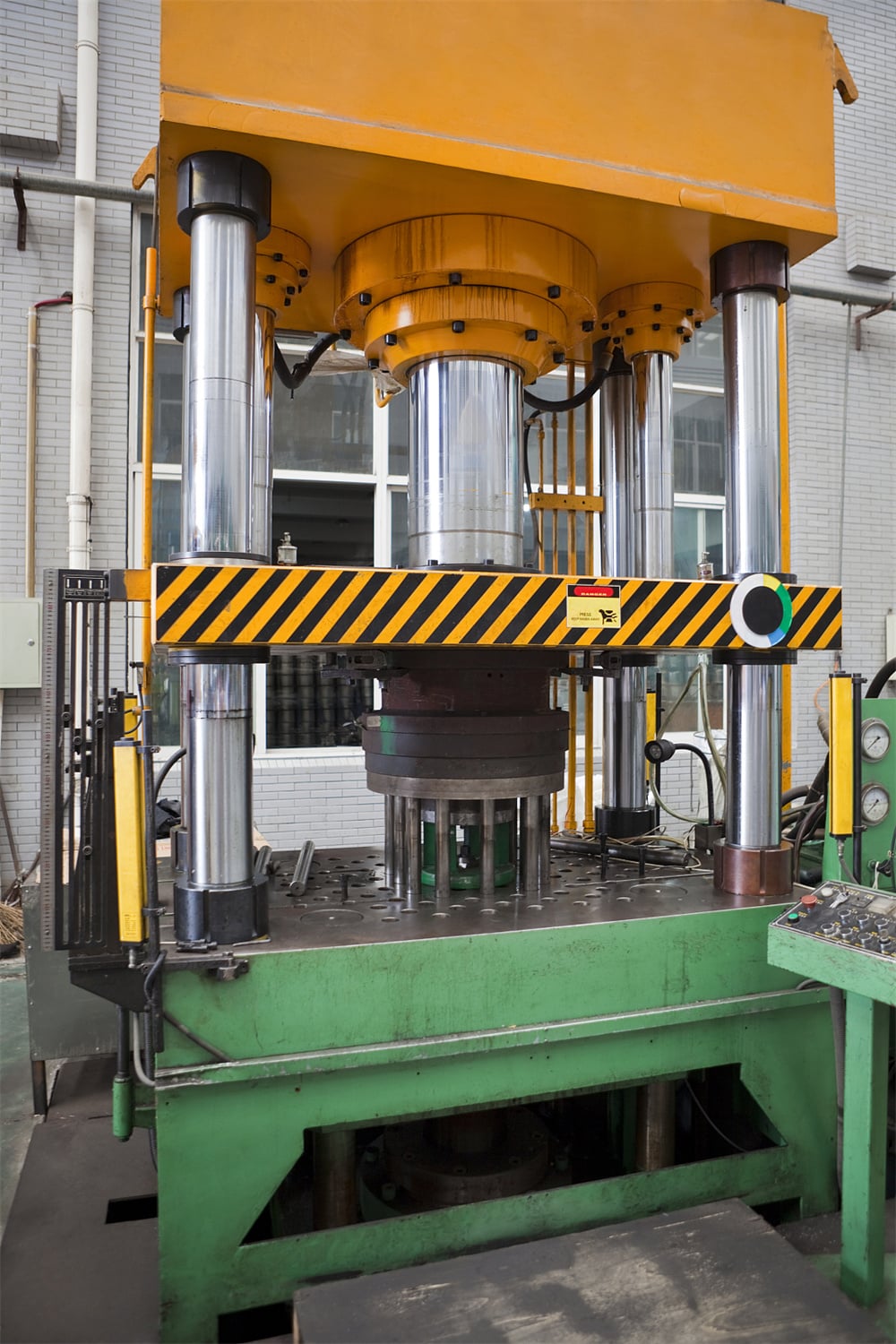
The Critical Importance of Maintenance in Metal Fabrication
The primary goal of any maintenance strategy is to maximize the “uptime” of the machinery. In the context of hydraulic presses, this means ensuring that the ram moves with precision, the pressure remains consistent, and the safety systems are fully functional. Regular maintenance acts as a form of insurance against the high costs of reactive repairs. When a component is replaced during a scheduled shutdown, the cost is predictable. When it fails during a peak production shift, the cost includes lost labor, wasted material, and potential damage to other machine parts.
Beyond the financial aspect, safety is the most compelling reason for rigorous maintenance. Hydraulic presses operate under extreme pressures, often exceeding 3,000 PSI. A ruptured hose or a failing safety light curtain can lead to severe industrial accidents. Regular inspections ensure that structural integrity is maintained and that all emergency stop mechanisms are responsive. A well-maintained machine is a safe machine, fostering a secure environment for operators and technicians alike.
Furthermore, the quality of the finished product is directly tied to the condition of the press. Common Hydraulic Press Problems Regular Maintenance Prevents Them, such as ram misalignment or pressure fluctuations, can lead to inconsistent part dimensions and increased scrap rates. For industries like aerospace or automotive manufacturing, where tolerances are measured in microns, even a slight deviation in press performance can result in a batch of rejected parts. Maintenance ensures that the machine performs exactly as specified, every single time.
Finally, the longevity of the investment must be considered. A hydraulic press is a significant capital expenditure. By adhering to a strict maintenance protocol, companies can extend the service life of their HARSLE equipment by years, if not decades. This improves the overall Return on Investment (ROI) and allows the business to allocate capital toward growth rather than constant equipment replacement.
Daily Inspection Protocols: The First Line of Defense
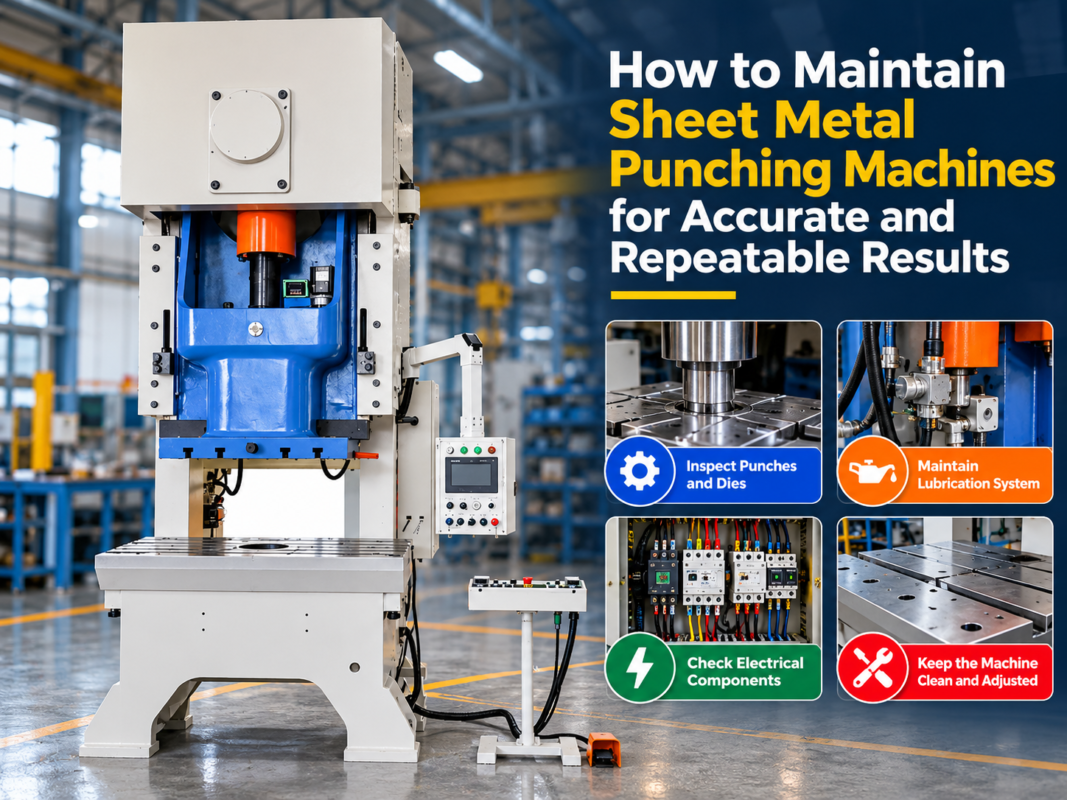
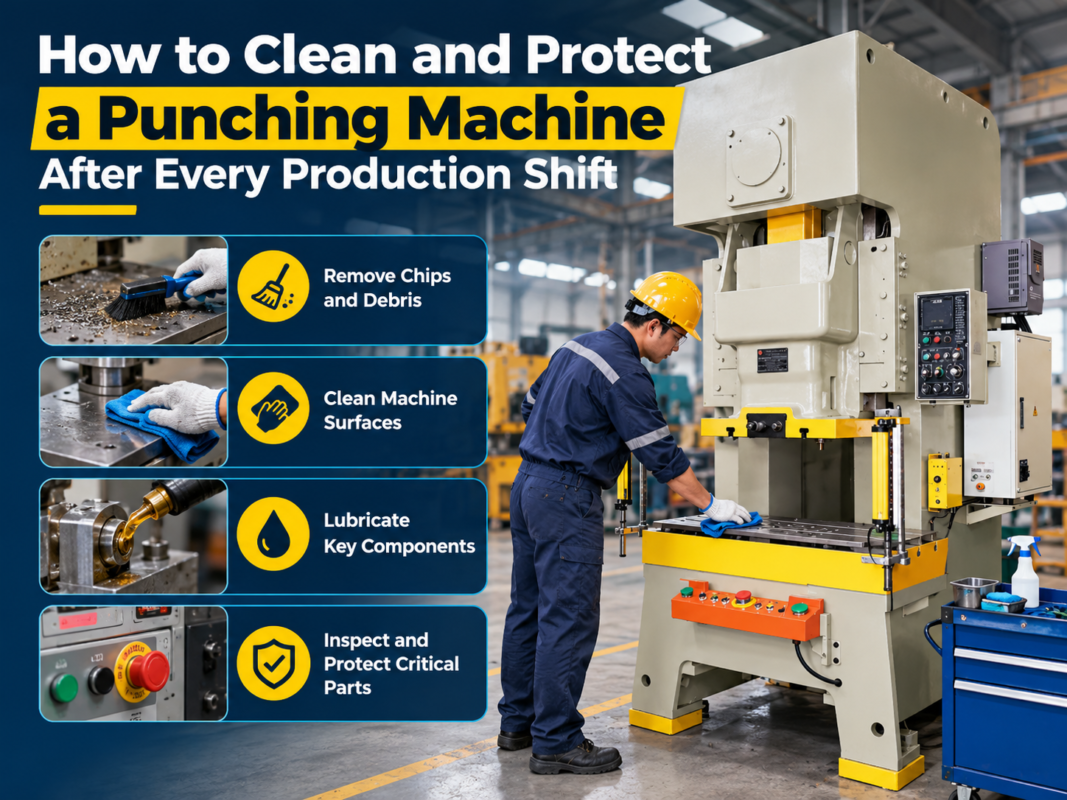
The most effective maintenance programs begin with the daily walk-around. This is a series of quick, non-invasive checks performed by the operator at the start of every shift. The goal is to catch obvious signs of trouble before the machine is even powered up. A daily inspection checklist should be standardized and documented to ensure consistency across different shifts and operators.
The first step in a daily inspection is a visual check for leaks. Hydraulic fluid is the lifeblood of the press, and any puddle on the floor or dampness around a fitting is a red flag. Leaks not only waste expensive fluid but also indicate a breach in the system that could allow air or contaminants to enter. Operators should check the reservoir level, ensuring it is within the optimal range. Low fluid levels can lead to pump cavitation, a destructive phenomenon where air bubbles collapse violently within the pump, causing internal erosion.
Next, the operator should inspect the hoses and piping. Look for signs of abrasion, kinking, or “sweating.” Hoses that are brittle or showing exposed wire reinforcement must be replaced immediately. In addition to the hydraulic lines, the mechanical fasteners—bolts, nuts, and clamps—should be visually inspected. Vibration is a constant factor in metal fabrication, and it can slowly loosen even the most secure connections over time.
Safety systems must be tested daily without exception. This includes the emergency stop buttons, the light curtains, and any physical guarding. The operator should trigger the light curtain to ensure the ram stops instantly. If there is any delay or failure in the safety response, the machine must be locked out until a technician can resolve the issue. These daily habits form the foundation of a culture of excellence and are the most effective way to prevent Common Hydraulic Press Problems Regular Maintenance Prevents Them.
Deep Dive: Hydraulic System Checks
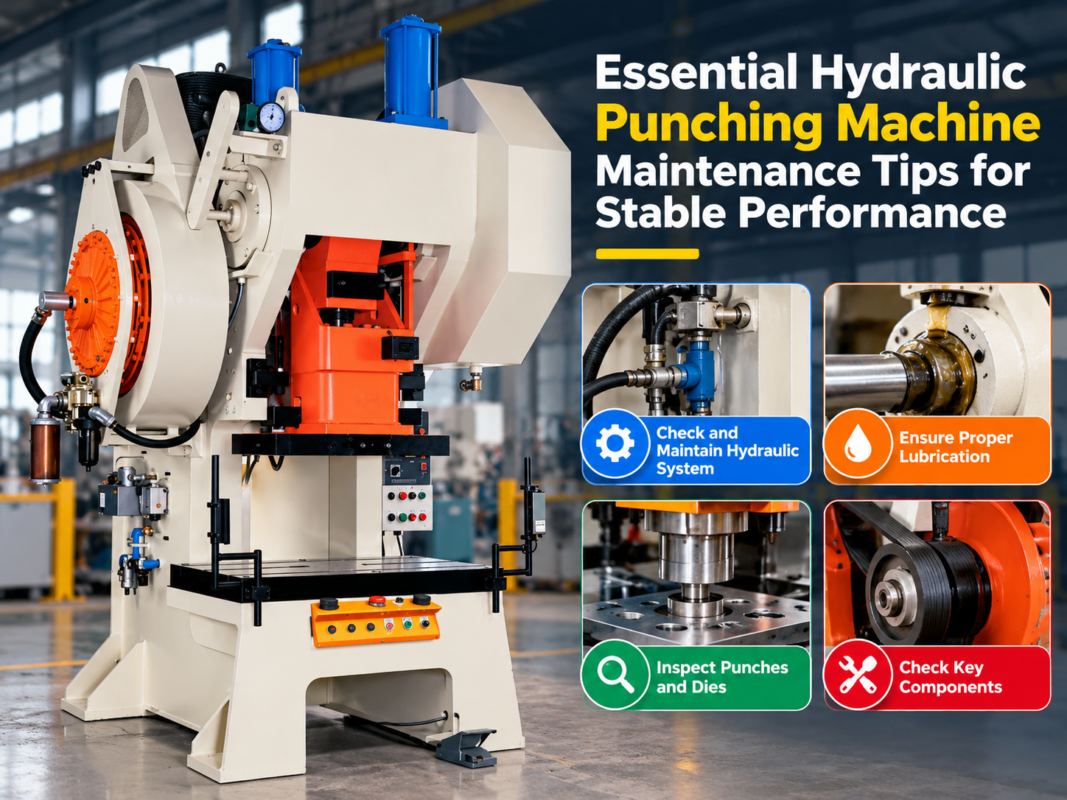
The hydraulic system is the most complex and sensitive part of the press. It consists of the reservoir, pump, valves, cylinders, and the fluid itself. Maintaining the health of this system requires a deeper understanding of fluid dynamics and contamination control. Contamination is the leading cause of hydraulic component failure, accounting for up to 80% of all system issues.
Fluid Quality and Contamination Control
Hydraulic fluid does more than just transmit power; it also lubricates moving parts and carries heat away from the system. Over time, the fluid can become contaminated with metal particles, dust, water, and chemical byproducts of oxidation. Regular maintenance involves taking fluid samples for laboratory analysis. This analysis can reveal the presence of microscopic wear particles, indicating which internal components might be wearing out. It also measures the fluid’s viscosity and acidity, helping managers decide exactly when an oil change is necessary rather than relying on guesswork.
Filter Maintenance
Filters are the primary defense against contamination. Most HARSLE hydraulic presses feature high-efficiency suction and return-line filters. These must be changed according to the manufacturer’s schedule or whenever the bypass indicator signals a restriction. A clogged filter allows unfiltered oil to circulate through the system, quickly damaging sensitive valves and pump surfaces. It is a common mistake to wait until the oil looks “dirty” to change filters; by that time, significant damage may have already occurred.
Pump and Valve Performance
The hydraulic pump is the heart of the system. During regular maintenance, technicians should listen for unusual noises such as whining or grinding, which can indicate cavitation or bearing failure. Valves, including relief valves and directional control valves, should be checked for proper shifting and pressure settings. A relief valve that is set too high can stress the entire system, while one set too low will prevent the press from reaching its rated tonnage. Regular calibration of these valves ensures the press operates within its designed parameters.
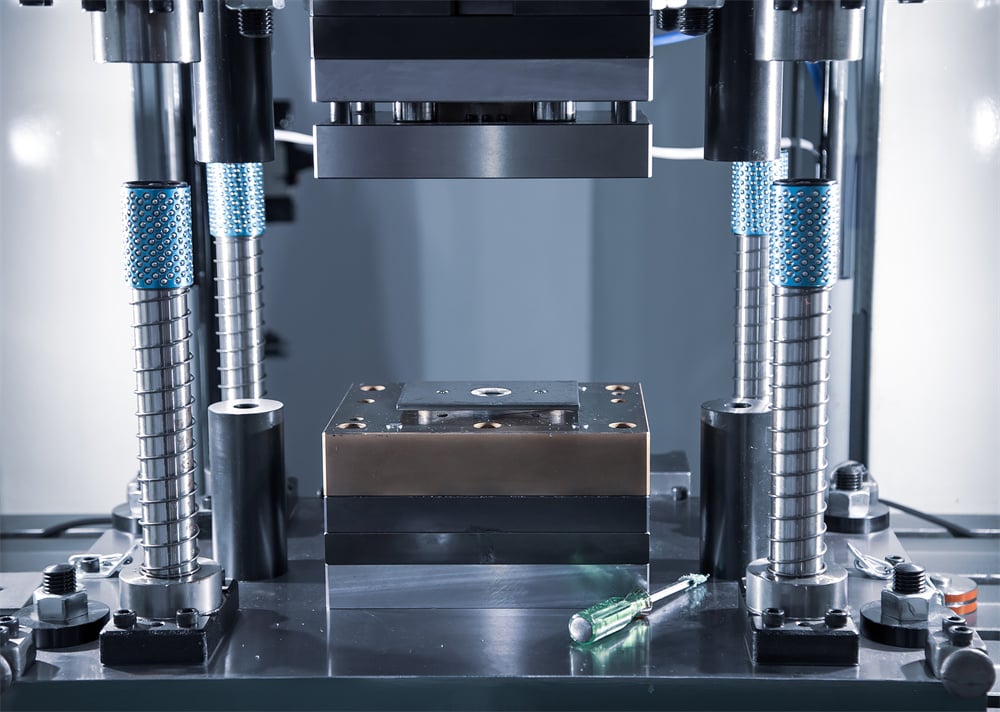
Electrical and Control System Checks
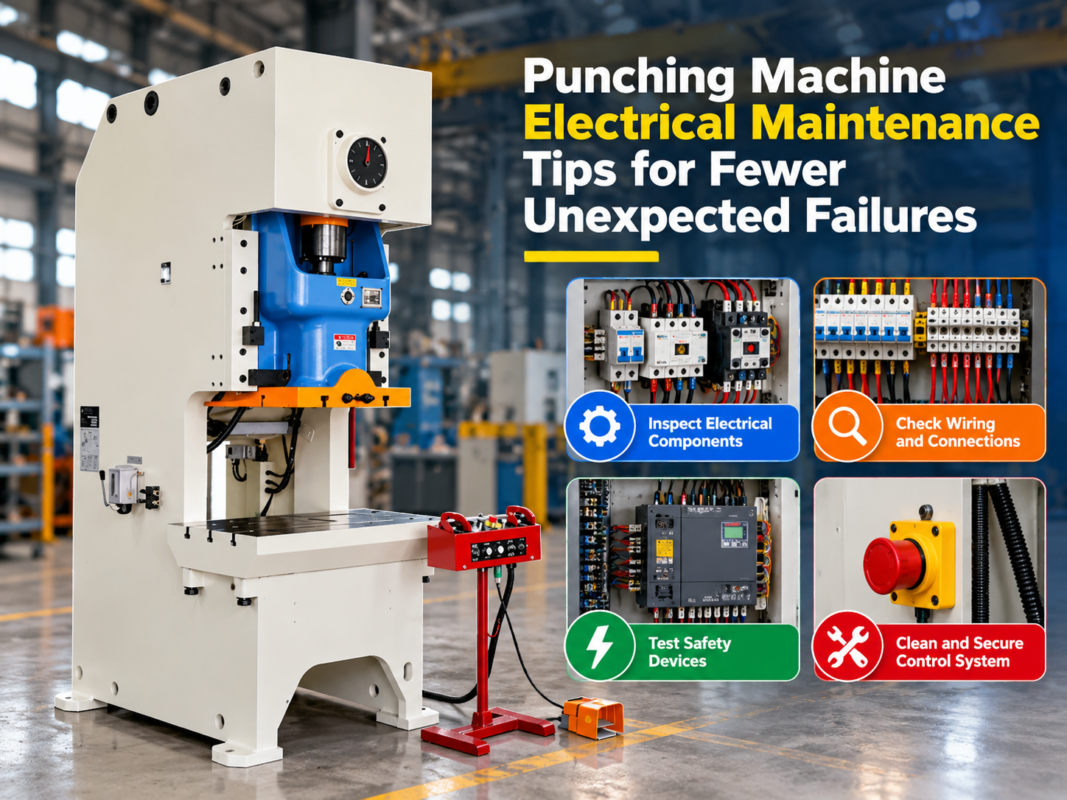
Modern hydraulic presses are increasingly reliant on sophisticated electronics and Programmable Logic Controllers (PLCs). While the hydraulic system provides the brawn, the electrical system provides the brains. Electrical failures can be difficult to diagnose and can lead to erratic machine behavior or total shutdowns. Regular maintenance of the electrical cabinet and control interface is essential.
One of the most common electrical issues is heat buildup. Electrical components generate heat, and if the cooling fans or heat exchangers in the control cabinet are clogged with dust, the internal temperature can rise to dangerous levels. This can lead to premature failure of relays, power supplies, and PLC modules. During maintenance, cabinets should be vacuumed (never blown out with compressed air, which can force conductive dust into components) and cooling systems should be verified for proper operation.
Vibration is another enemy of electrical systems. Over time, wire connections can vibrate loose, leading to intermittent signals or arcing. A technician should periodically check the tightness of terminal blocks and inspect wiring for signs of heat discoloration or frayed insulation. Sensors, such as proximity switches and pressure transducers, should be cleaned and checked for proper alignment. A misaligned sensor can cause the press to stop mid-cycle or fail to initiate a stroke, leading to frustrating downtime.
Software and firmware also require attention. If the press is part of a networked factory environment, ensuring that the PLC software is backed up and that any manufacturer updates are applied can prevent software glitches. HARSLE provides support for control system updates, which often include improvements in diagnostic capabilities and energy efficiency. Keeping the “brains” of the machine healthy is a key part of how Common Hydraulic Press Problems Regular Maintenance Prevents Them.
Mechanical Integrity and Ram Alignment
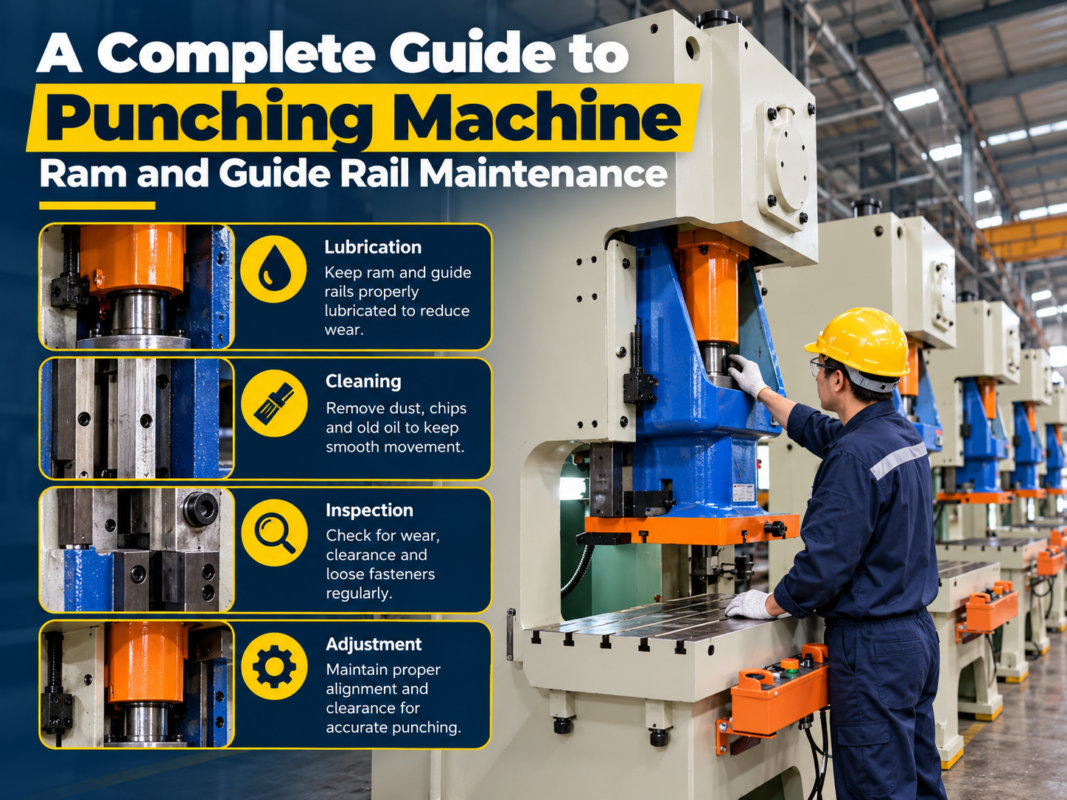
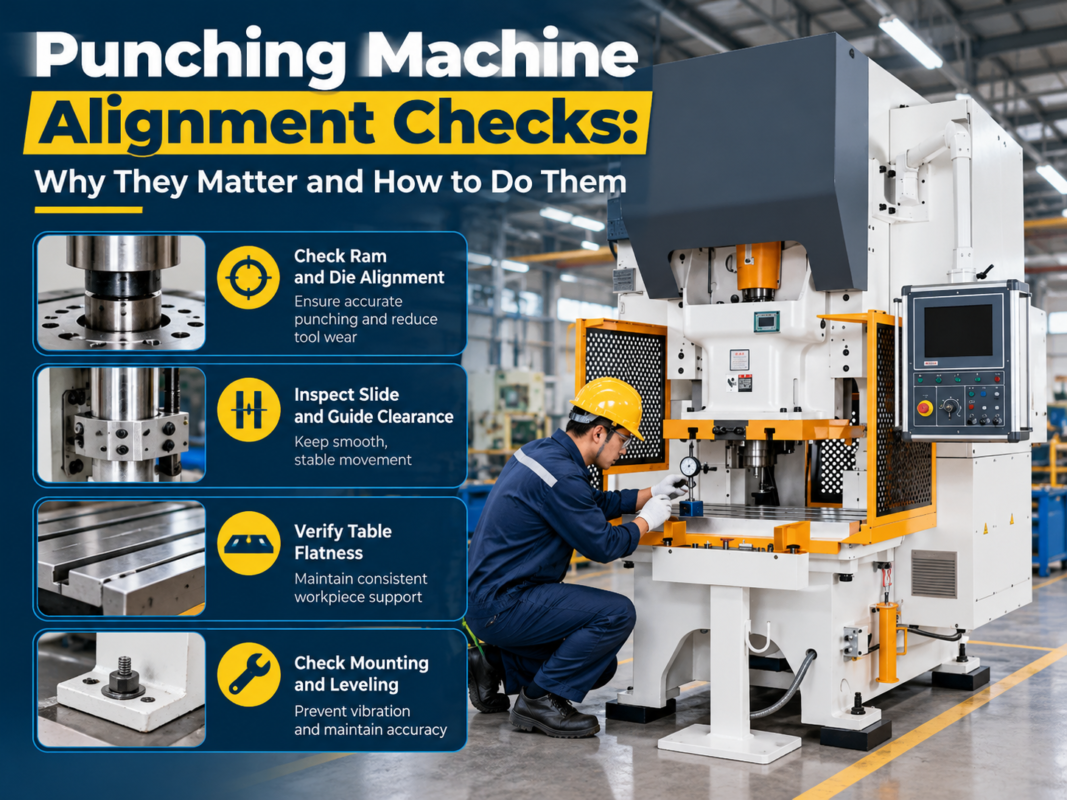
The mechanical structure of the hydraulic press—the frame, the bed, and the ram—must remain rigid and perfectly aligned to ensure accurate forming. Even the slightest deviation in the ram’s path can result in uneven pressure distribution, which damages tooling and produces defective parts. Mechanical maintenance focuses on structural integrity and the precision of moving parts.
The ram is typically guided by “gibs” or wear plates. These guides must be adjusted periodically to maintain the correct clearance. If the clearance is too tight, the ram may bind or generate excessive heat; if it is too loose, the ram can tilt under load. Technicians use feeler gauges to check these clearances and adjust the gib bolts as necessary. This process, known as “squaring the ram,” is critical for maintaining the parallelism between the ram and the bed.
The frame itself should be inspected for signs of stress cracking, particularly around the welds and high-stress corners. While HARSLE frames are designed with high safety factors, years of heavy cycling can eventually lead to fatigue. Early detection of a hairline crack allows for professional repair before the frame’s structural integrity is compromised. Additionally, the foundation bolts that secure the press to the floor should be checked. A press that shifts even slightly during operation will suffer from increased vibration and accelerated wear on all components.
Bolted connections throughout the machine, including those on the cylinder mounts and the bolster plate, should be torqued to the manufacturer’s specifications. Using a torque wrench ensures that these critical joints can withstand the cyclic loading inherent in press operations. Mechanical maintenance is about preserving the physical geometry of the machine, ensuring that the force generated by the hydraulics is applied exactly where it is needed.
The Comprehensive Lubrication Plan
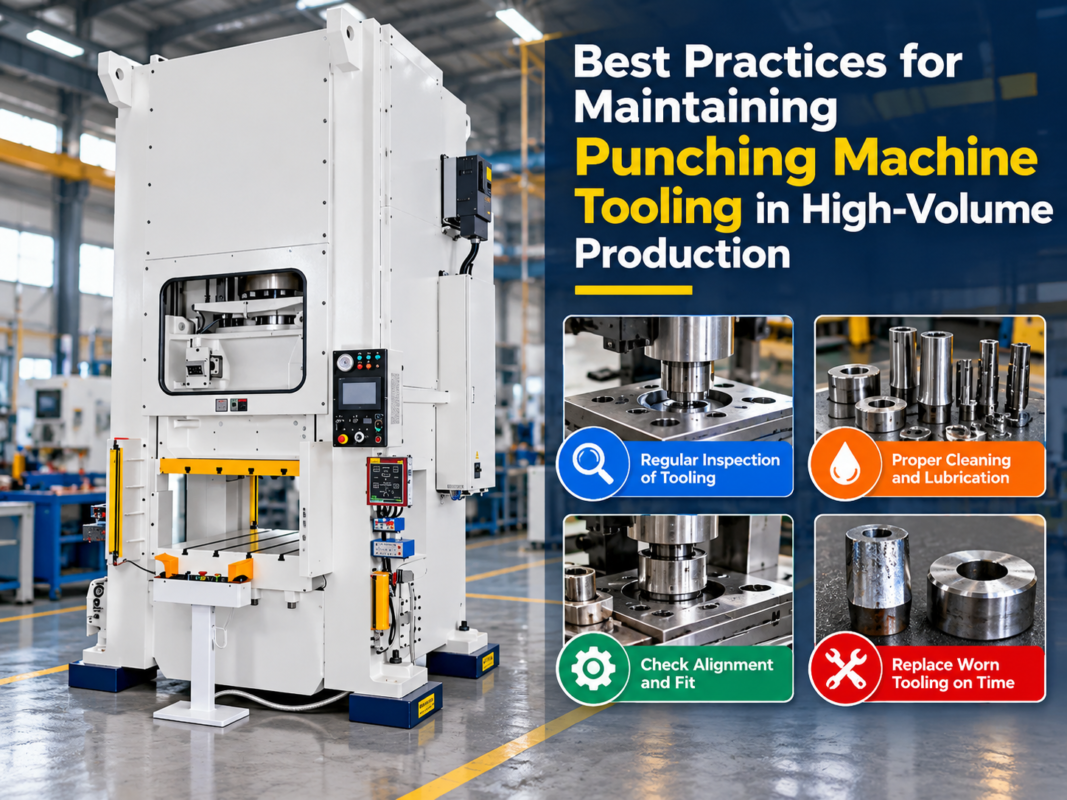
Lubrication is often described as the cheapest form of maintenance, yet it is frequently overlooked. In a hydraulic press, lubrication is required for the ram guides, pivot points, and any auxiliary moving parts. Without a proper film of lubricant, metal-on-metal contact leads to rapid wear, heat generation, and eventual seizure of components. A comprehensive lubrication plan specifies the type of lubricant, the quantity, and the frequency of application.
Many modern HARSLE presses are equipped with automatic lubrication systems. These systems deliver a precise amount of grease or oil to critical points at set intervals. Maintenance for these systems involves ensuring the reservoir is full and checking that all delivery lines are clear. A blocked lubrication line is a silent killer; the system may appear to be working, but a specific bearing or guide could be starving for oil. Technicians should look for the “telltale” sign of fresh lubricant at each point to verify delivery.
For machines with manual lubrication points, a strict schedule must be followed. It is helpful to color-code grease fittings based on the frequency of lubrication (e.g., red for daily, blue for weekly). The choice of lubricant is also vital. Using a generic grease instead of the high-pressure, anti-wear lubricant specified by HARSLE can lead to premature failure. The lubricant must be able to withstand the high loads and temperatures found in the ram guides without breaking down or being squeezed out.
Finally, cleanliness during the lubrication process is paramount. Wiping down grease fittings before attaching the grease gun prevents dirt from being pumped into the bearing. Storing lubricants in a clean, dry environment and using dedicated transfer equipment prevents cross-contamination. A disciplined approach to lubrication is one of the most effective ways to ensure that Common Hydraulic Press Problems Regular Maintenance Prevents Them, particularly those related to mechanical wear and friction.
Troubleshooting Signals: Listening to Your Machine
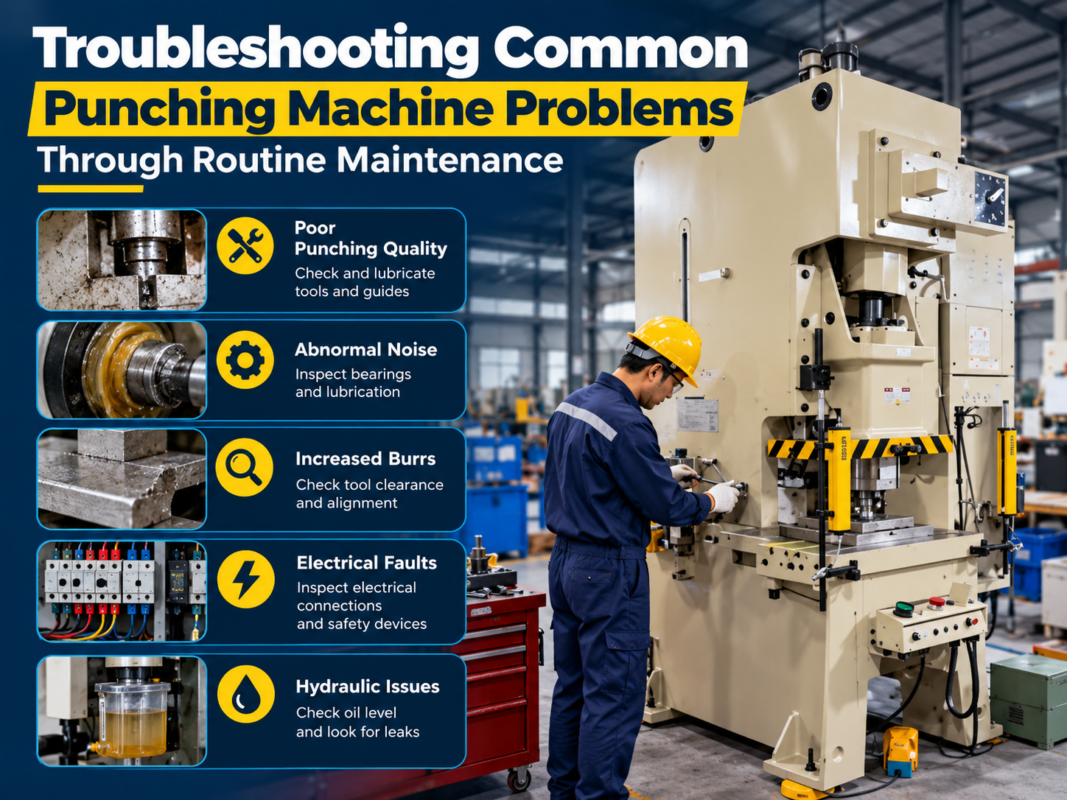
A well-trained operator or maintenance technician can often “hear” a problem before it becomes a failure. Hydraulic presses communicate their condition through sound, temperature, and cycle behavior. Recognizing these signals is a key part of a proactive maintenance strategy.
- Unusual Noises: A high-pitched whining often indicates pump cavitation or air ingestion. A loud “banging” or “clunking” sound might suggest a loose mechanical component or a hydraulic shock (water hammer) within the piping. Squealing during the stroke often points to dry ram guides.
- Excessive Heat: The hydraulic fluid should typically operate between 100°F and 130°F (38°C to 54°C). If the reservoir or the valve manifold feels excessively hot to the touch, the cooling system may be failing, or a valve may be bypassing internally, generating friction heat.
- Slow Cycle Times: If the press is taking longer to complete a stroke than it used to, it may be a sign of a worn pump, internal cylinder leakage, or a restricted suction line. This loss of efficiency directly impacts production rates.
- Pressure Fluctuations: If the pressure gauge needles flicker or the press fails to maintain a steady hold-down pressure, there may be air in the system or a failing pressure regulator.
- Drifting Ram: If the ram begins to creep downward when the machine is stopped in the “up” position, it usually indicates a leak in the cylinder seals or a faulty check valve.
When any of these signals are detected, they should be logged and investigated immediately. Ignoring a small noise today often leads to a major repair tomorrow. By integrating these observations into the daily and weekly maintenance routines, facilities can stay ahead of the curve and maintain peak performance.
Detailed Maintenance Schedule Table
To help organize your maintenance efforts, HARSLE recommends the following schedule. Note that these intervals may need to be shortened for machines operating in multi-shift or high-dust environments.
| Frequency | Component | Action Required |
|---|---|---|
| Daily | Hydraulic Fluid | Check level and look for signs of aeration or milkiness. |
| Daily | Safety Systems | Test E-stops, light curtains, and interlocks. |
| Daily | Hoses & Fittings | Visual inspection for leaks, cracks, or abrasions. |
| Daily | Lubrication | Check auto-lube reservoir or perform manual greasing. |
| Weekly | Filters | Check bypass indicators; clean or replace if necessary. |
| Weekly | Ram Guides | Inspect for debris and ensure even lubrication film. |
| Weekly | Electrical Cabinet | Check cooling fans and ensure doors are sealed. |
| Monthly | Fasteners | Check and torque critical bolts (cylinder, bed, frame). |
| Monthly | Oil Samples | Take sample for analysis (if operating 24/7). |
| Quarterly | Ram Alignment | Check parallelism and adjust gibs if necessary. |
| Quarterly | Heat Exchanger | Clean cooling fins or flush water-cooled heat exchangers. |
| Annually | Full System Flush | Change hydraulic fluid and clean the reservoir. |
| Annually | Valve Calibration | Verify and calibrate all pressure and flow control valves. |
| Annually | Structural NDT | Perform non-destructive testing on high-stress welds. |
Frequently Asked Questions (FAQ)
How often should I change the hydraulic oil in my press?
While many manufacturers suggest an annual oil change, the best practice is to base the change on oil analysis. If the oil is clean, the additives are intact, and the viscosity is within range, it can often last longer. Conversely, in harsh environments, it may need changing every six months. Always change the filters whenever the oil is changed.
Why is my hydraulic press running so hot?
Excessive heat is usually caused by one of three things: a failing cooling system (clogged heat exchanger), a pump that is wearing out and losing efficiency, or a valve that is stuck partially open, forcing oil through a small orifice and generating friction heat. High ambient temperatures in the factory can also contribute.
Can I use any type of hydraulic fluid?
No. You must use the fluid weight and type specified in your HARSLE manual. Most presses use an anti-wear (AW) hydraulic oil. Using the wrong viscosity can lead to poor lubrication at high temperatures or sluggish performance and cavitation at low temperatures.
What causes the ram to drift down when the pump is off?
Ram drift is typically caused by internal leakage. This could be the piston seals inside the cylinder allowing oil to bypass, or a directional control valve/check valve that is not sealing properly. It is a safety hazard and should be repaired immediately.
How do I know if my pump is cavitating?
Cavitation usually produces a distinct, high-pitched metallic noise, often described as “marbles in a blender.” You may also see foam in the hydraulic reservoir. Cavitation will quickly destroy a pump, so the source (usually a blocked suction strainer or a leak in the suction line) must be found and fixed.
Conclusion: Partnering with HARSLE for Success
Understanding Common Hydraulic Press Problems Regular Maintenance Prevents Them is the first step toward a more efficient and profitable fabrication shop. By implementing the daily checks, system-specific inspections, and structured maintenance schedules outlined in this guide, you can protect your investment and ensure the safety of your workforce. A proactive approach transforms maintenance from a “necessary evil” into a strategic advantage.
At HARSLE, we are committed to more than just selling machinery; we are committed to your long-term success. Our presses are designed for ease of maintenance, with accessible components and advanced diagnostic tools. However, the ultimate responsibility for the machine’s health lies with the user. By treating your hydraulic press with the care and attention it deserves, you ensure that it will continue to deliver the power and precision your business depends on for years to come. For more information on specific maintenance parts or technical support, contact the HARSLE service team today.