
Routine Hydraulic Press Cylinder Maintenance for Leak Prevention: The Ultimate Industrial Guide


Introduction to Hydraulic Press Cylinder Longevity
In the high-stakes world of metal fabrication, the hydraulic press stands as a cornerstone of production. Whether it is deep drawing, punching, or forging, the efficiency of these machines is dictated by the integrity of their hydraulic systems. At the heart of this system lies the hydraulic cylinder—a component that converts fluid power into massive mechanical force. However, the very nature of high-pressure hydraulics makes these systems susceptible to leaks. Implementing a strategy for Routine Hydraulic Press Cylinder Maintenance Leak Prevention is not merely a suggestion; it is a critical operational requirement for any facility aiming to minimize downtime and maximize ROI.
HARSLE, a leader in metal fabrication machinery, understands that a well-maintained machine is the difference between a profitable shift and a costly breakdown. Hydraulic leaks are often symptomatic of deeper mechanical or chemical issues within the system. If left unaddressed, a minor drip can escalate into a catastrophic failure, leading to environmental hazards, safety risks for operators, and significant financial losses due to wasted hydraulic fluid and halted production lines. This guide provides an exhaustive deep dive into the protocols necessary to keep your hydraulic cylinders in peak condition.
The complexity of modern hydraulic presses requires a multi-faceted approach to maintenance. It involves understanding the interplay between fluid dynamics, seal chemistry, and mechanical alignment. By focusing on routine maintenance specifically targeted at leak prevention, manufacturers can extend the lifespan of their equipment by years. This article will explore the essential steps, from daily visual inspections to advanced troubleshooting techniques, ensuring your HARSLE equipment remains a reliable asset in your workshop.
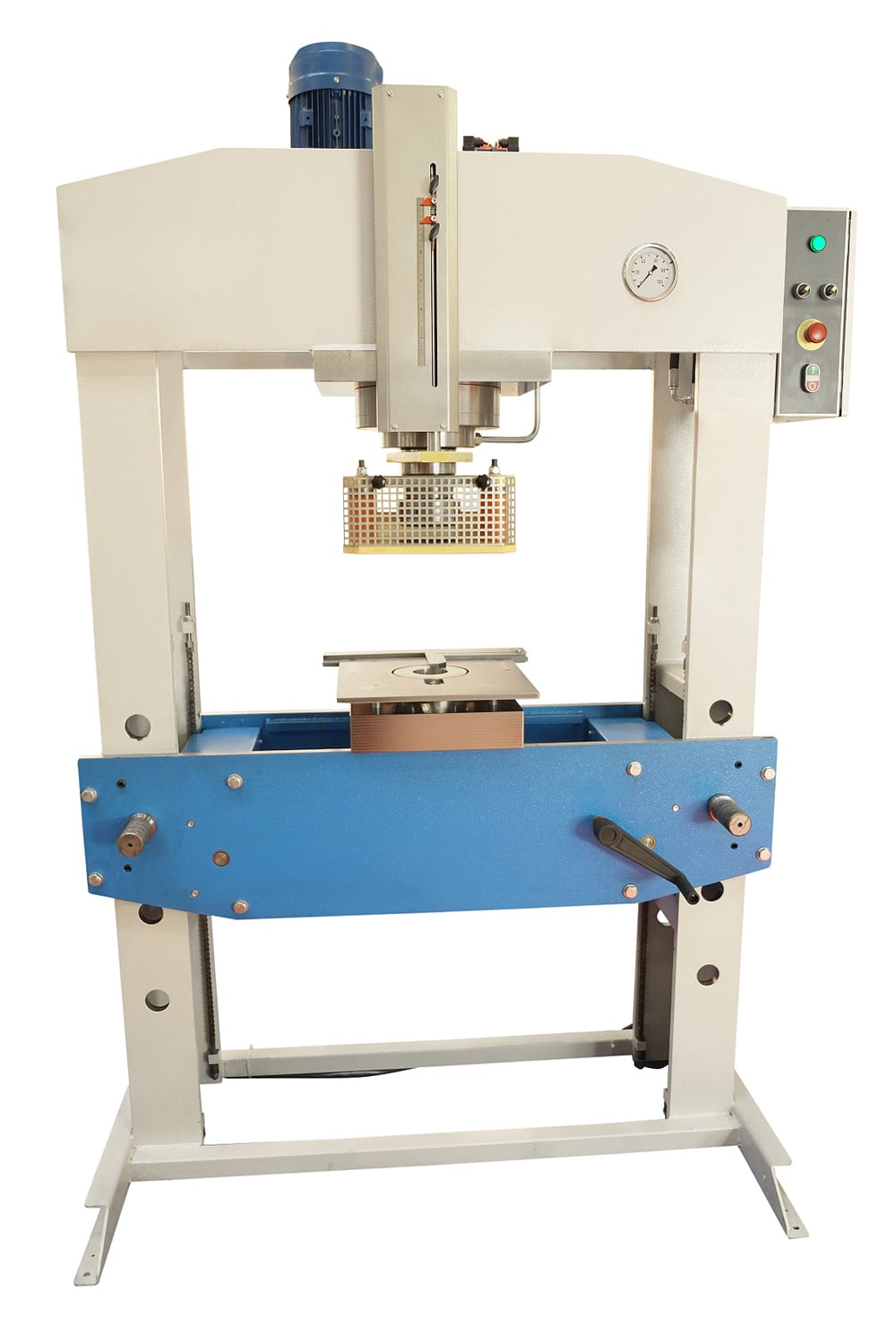
The Critical Importance of Routine Maintenance
Why is Routine Hydraulic Press Cylinder Maintenance Leak Prevention so vital? To answer this, one must consider the cost of a single hydraulic leak. Beyond the obvious cost of replacing expensive hydraulic oil, leaks introduce contaminants into the system. When oil escapes, air and moisture often enter. This leads to oxidation, which degrades the lubricating properties of the fluid and causes internal corrosion. Furthermore, air in the system causes cavitation—a phenomenon where air bubbles collapse under high pressure, literally pitting the metal surfaces of pumps and valves.
From an environmental and safety perspective, hydraulic leaks are a major liability. Hydraulic fluid is slippery and highly flammable. A fine mist from a high-pressure pinhole leak can ignite easily, while puddles on the shop floor create slip-and-fall hazards. Regulatory bodies like OSHA and various environmental agencies impose heavy fines for fluid spills that are not properly managed. Therefore, leak prevention is as much about compliance and safety as it is about mechanical efficiency.
Moreover, the precision of a hydraulic press depends on consistent pressure. Even a small internal leak—where fluid bypasses the piston seal inside the cylinder—can cause the ram to drift or lose force during a critical stroke. This results in rejected parts and inconsistent quality. By prioritizing routine maintenance, you ensure that every ton of pressure intended for the workpiece is actually delivered, maintaining the high standards of precision that HARSLE machines are known for.
Finally, the economic argument for proactive maintenance is undeniable. The cost of replacing a set of seals during a scheduled weekend shutdown is a fraction of the cost of an emergency repair during a peak production cycle. Proactive maintenance allows for better inventory management of spare parts and ensures that your technical team is never caught off guard by a preventable failure.
Daily Inspection Protocols for Leak Prevention
The first line of defense in Routine Hydraulic Press Cylinder Maintenance Leak Prevention is the daily inspection. This should be a non-negotiable part of the operator’s start-up routine. A thorough visual check can catch 80% of potential issues before they become serious. Operators should begin by examining the cylinder rod. The rod should be clean and have a very thin film of oil. If the rod is bone dry, the wipers may be too tight or lubrication is failing; if it is dripping, the rod seal has likely failed.
Next, inspect all hydraulic connections, hoses, and fittings. Look for “weeping”—the slight dampness that precedes a full-blown leak. Pay close attention to areas where hoses flex during the machine’s cycle. Over time, the internal reinforcement of hoses can fatigue, leading to pinhole leaks that are difficult to see but dangerous under pressure. Use a piece of cardboard (never your hand!) to check for high-pressure leaks if you suspect one is present.
Sound is another critical diagnostic tool. A healthy hydraulic system has a consistent, rhythmic hum. High-pitched whining or growling often indicates aeration or cavitation, both of which are precursors to seal failure. If the cylinder makes a “chattering” sound as it moves, it may be due to excessive friction or air trapped in the cylinder, both of which put undue stress on the seals and can lead to premature leakage.
Lastly, check the reservoir levels and the temperature of the oil. If the oil level is dropping without an obvious external leak, you may have an internal leak or a breach in the heat exchanger. If the oil is running too hot (typically above 140°F or 60°C), the seals will harden and lose their elasticity, making leaks inevitable. Monitoring these daily metrics provides a baseline for the machine’s health and allows for early intervention.
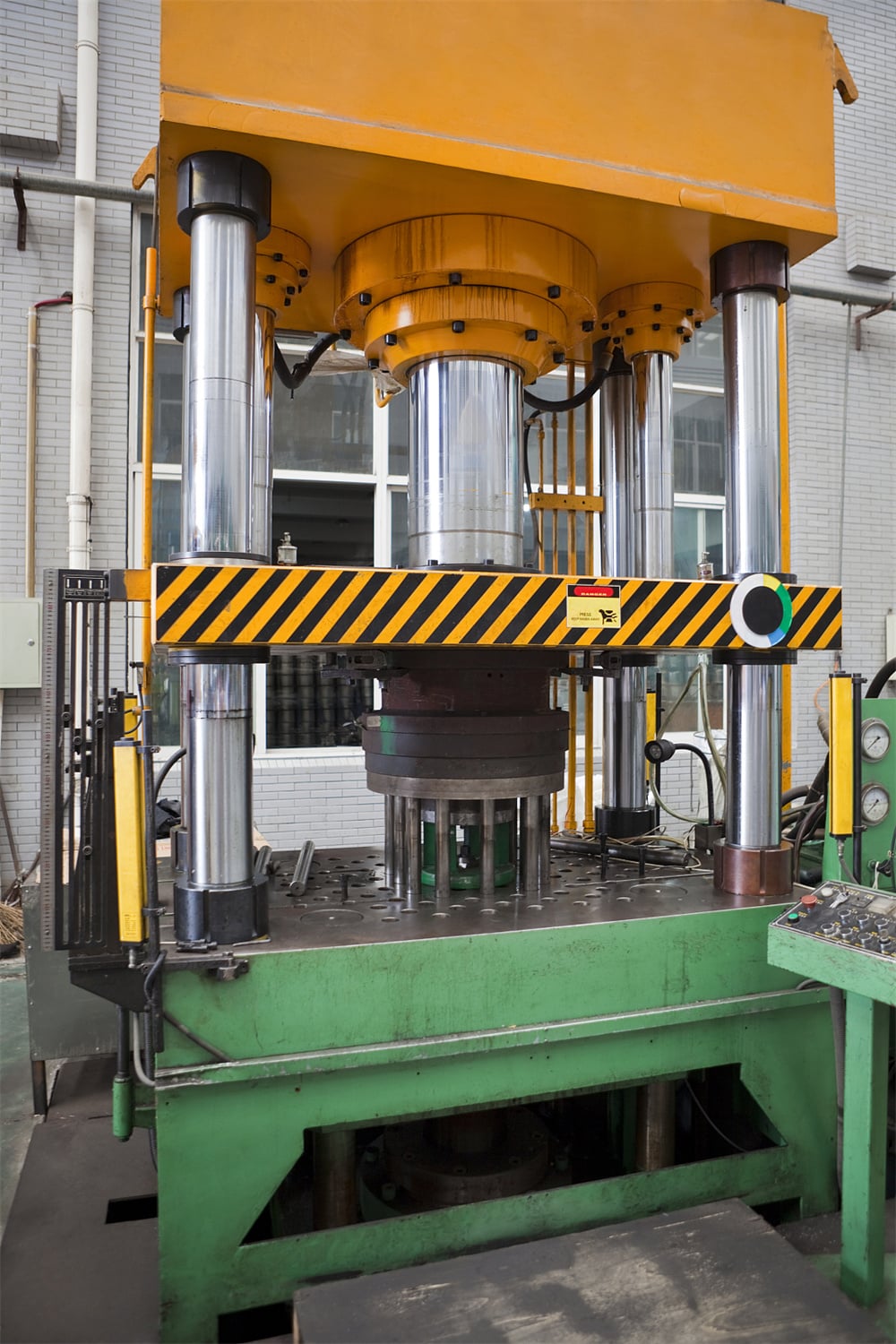
Hydraulic, Electrical, and Mechanical Checks
Hydraulic System Integrity
The hydraulic fluid is the lifeblood of the press. For effective Routine Hydraulic Press Cylinder Maintenance Leak Prevention, fluid analysis is paramount. Over time, hydraulic oil breaks down due to heat and shear forces. Contaminants like metal shavings, dust, and water act as abrasives, wearing down the delicate surfaces of the cylinder seals and the rod itself. Regularly sampling the oil and sending it for laboratory analysis can reveal the presence of these contaminants and indicate when a filter change or oil flush is necessary.
Pressure settings must also be verified. If the relief valves are set too high, the cylinder and its seals are subjected to pressures beyond their design limits. This “over-pressurization” is a leading cause of seal blowout. Conversely, if the pressure is too low, the machine may struggle to complete its task, leading to increased cycle times and heat buildup. Ensure that all valves are functioning correctly and that there are no signs of internal bypass within the control valves.
Electrical System Monitoring
While it may seem secondary to leak prevention, the electrical system plays a vital role. Solenoid valves, which control the flow of oil to the cylinder, are electrically actuated. If a solenoid is failing or if the wiring is faulty, the valve may shift incompletely or erratically. This can cause pressure spikes—often called “hydraulic shock” or “water hammer”—which can instantly rupture a seal or a hose. Ensuring that the PLC (Programmable Logic Controller) is sending clean, consistent signals to the valves is essential for smooth cylinder operation.
Sensors and limit switches must also be checked. If a limit switch fails to stop the cylinder at the end of its stroke, the cylinder may “bottom out” with excessive force. This mechanical shock is transmitted directly to the cylinder head and the mounting bolts, often leading to structural leaks at the cylinder base or flange. Regular calibration of these electrical components ensures the cylinder operates within its intended mechanical envelope.
Mechanical Alignment and Stability
Mechanical issues are often the root cause of hydraulic leaks. If the press ram is misaligned, it exerts a side load on the hydraulic cylinder rod. Hydraulic cylinders are designed for axial (straight-line) force; they are not designed to handle lateral loads. Side loading causes the rod to press unevenly against the bushings and seals, leading to rapid, asymmetrical wear. Once the seal is deformed by this uneven pressure, a leak is guaranteed.
Check the gibs and guides of the press. These mechanical components ensure the ram moves perfectly vertically. If the gibs are worn or loose, the ram will tilt, creating that dreaded side load. Additionally, inspect the mounting bolts of the cylinder. Vibration during high-speed operation can loosen these bolts, causing the cylinder to shift slightly. Even a fraction of a millimeter of movement can disrupt the alignment enough to cause seal failure and subsequent leakage.
Comprehensive Lubrication Plan
Lubrication is often misunderstood in the context of hydraulic presses. While the hydraulic oil lubricates the internal components of the cylinder, the external moving parts—such as the rod guides, gibs, and pivot points—require their own lubrication regimen. A proper lubrication plan is a cornerstone of Routine Hydraulic Press Cylinder Maintenance Leak Prevention because it reduces the friction that generates heat, and heat is the primary enemy of hydraulic seals.
For the cylinder rod itself, the primary concern is the wiper seal. The wiper’s job is to scrape off contaminants before the rod retracts into the main seal area. If the rod is contaminated with abrasive dust from the fabrication process, and the wiper is dry or worn, those particles will be pulled directly into the seals. Using a manufacturer-recommended lubricant on the rod (if specified) or ensuring the internal lubrication is reaching the rod surface is vital. However, be careful not to over-lubricate with grease that might attract more dust.
The choice of lubricant is critical. Not all greases and oils are compatible with the seal materials (such as Nitrile, Viton, or Polyurethane). Using an incompatible lubricant can cause the seals to swell, shrink, or dissolve. Always refer to the HARSLE manual for the specific ISO grade of hydraulic oil and the NLGI grade of grease required for your specific model. Consistency is key; mixing different types of lubricants can lead to chemical reactions that clog filters and damage seals.
Implementing an automated lubrication system can take the guesswork out of this process. These systems deliver precise amounts of lubricant at set intervals, ensuring that no component is ever starved of oil or over-saturated. If your press relies on manual lubrication, create a clear chart and logbook. Documenting every lubrication event ensures accountability and helps identify patterns if a component begins to show premature wear despite regular servicing.
Troubleshooting Leakage Signals
Identifying a leak is easy; identifying the *cause* of a leak requires a systematic approach. When you notice fluid escaping, the first step is to determine if it is an external or internal leak. External leaks are visible—puddles, drips, or mist. Internal leaks are invisible but can be detected by performance changes. If the cylinder is “drifting” (moving slowly when it should be stationary) or if it cannot hold pressure, the piston seal inside the cylinder is likely leaking fluid from the high-pressure side to the low-pressure side.
Another signal is the “hot cylinder” test. If one cylinder in a multi-cylinder press is significantly hotter than the others, it is a sign of internal leakage. As oil is forced through a small gap in a damaged piston seal, it generates intense friction and heat. Using an infrared thermometer to scan the cylinder body can quickly pinpoint these internal failures without needing to disassemble the unit.
Check for “spongy” operation. If the cylinder movement feels elastic or bouncy, air has likely entered the system. Air usually enters through a leak in the suction line of the pump or through a worn rod seal during the retraction stroke. This air must be bled from the system using the bleed valves located at the highest point of the cylinder. If air continues to reappear, you must find the entry point, as air will eventually cause the seals to burn and leak oil.
Finally, observe the color and clarity of the leaking oil. Milky oil indicates water contamination, while dark, burnt-smelling oil indicates overheating. If the oil contains shiny metallic flakes, a mechanical component inside the cylinder or pump is disintegrating. These signals tell a story about the health of your machine, and responding to them quickly is the essence of Routine Hydraulic Press Cylinder Maintenance Leak Prevention.
Maintenance Schedule Table
To maintain peak performance, follow this structured maintenance schedule. This table serves as a quick reference for your maintenance team to ensure no critical task is overlooked.
| Frequency | Task Description | Target Component | Objective |
|---|---|---|---|
| Daily | Visual inspection for drips/weeping | Cylinder Rod & Fittings | Early leak detection |
| Daily | Check oil level and temperature | Reservoir | Prevent overheating/cavitation |
| Weekly | Inspect hoses for cracks or bulges | Hydraulic Lines | Prevent catastrophic bursts |
| Weekly | Clean cylinder rod and wiper area | Cylinder Rod | Remove abrasive contaminants |
| Monthly | Check mounting bolt torque | Cylinder Base/Flange | Maintain alignment |
| Monthly | Inspect electrical connections | Solenoids/Sensors | Prevent pressure spikes |
| Quarterly | Hydraulic oil laboratory analysis | System Fluid | Monitor contamination levels |
| Quarterly | Check and calibrate relief valves | Pressure Control | Prevent over-pressurization |
| Annually | Complete system flush and filter change | Entire System | Restore fluid integrity |
| Annually | Comprehensive seal inspection/replacement | Cylinder Internals | Proactive leak prevention |
Advanced Strategies for Leak Prevention
Beyond basic maintenance, there are advanced strategies that can further enhance Routine Hydraulic Press Cylinder Maintenance Leak Prevention. One such strategy is the use of high-performance seal materials. Standard Nitrile seals are excellent for general use, but if your press operates in high-temperature environments or uses synthetic fluids, upgrading to Viton or PTFE-based seals can significantly extend the interval between repairs. These materials offer superior resistance to chemical degradation and thermal hardening.
Another advanced technique is the installation of a kidney-loop filtration system. While the main system filters catch most debris, a kidney-loop system runs independently, constantly polishing the oil even when the press is idle. This ensures the lowest possible particle count, which is the single most effective way to prevent the abrasive wear that leads to leaks. High-efficiency filters (3-micron or 5-micron) are recommended for modern high-pressure systems.
Operator training is also an “advanced” form of maintenance. An operator who understands how the machine works is more likely to notice the subtle changes in sound or performance that precede a leak. Training should include the proper way to load workpieces to avoid off-center loading, which is a major cause of cylinder misalignment and seal failure. When the human element is aligned with the mechanical requirements, the machine’s lifespan is maximized.
Finally, consider the environment in which the press operates. Excessive ambient heat, humidity, or airborne dust all contribute to seal failure. If possible, house the hydraulic power unit in a climate-controlled area or use protective bellows (boots) to cover the cylinder rod. These bellows act as a physical barrier against dust and sparks, keeping the rod and its wiper seal clean and functional for much longer than an exposed rod.
Frequently Asked Questions (FAQ)
1. How often should I replace hydraulic cylinder seals?
There is no universal timeframe, as it depends on the duty cycle and environment. However, for a machine running two shifts, a proactive replacement every 12-24 months is recommended. If you notice any weeping or performance loss, replace them immediately to avoid damaging the cylinder bore or rod.
2. What is the most common cause of hydraulic leaks?
Contamination is the leading cause. Small particles of dirt or metal scratch the seals and the rod surface, creating paths for oil to escape. Heat is the second most common cause, as it hardens the seals and makes them brittle.
3. Can I use any hydraulic oil in my HARSLE press?
No. You must use the oil grade specified in your manual, typically an ISO VG 32, 46, or 68 anti-wear hydraulic oil. Using the wrong viscosity can lead to poor lubrication, overheating, and seal damage.
4. How do I know if my cylinder has an internal leak?
The most common signs are “drift” (the ram moving when it should be stopped), a loss of pressing power, or one cylinder feeling much hotter than the rest of the system due to fluid bypassing the piston seal.
5. Is a small drip really a big deal?
Yes. A leak of just one drop per second equates to over 400 gallons of oil lost per year. More importantly, that leak is an entry point for contaminants and a sign that a larger, more expensive failure is imminent.
6. How can I prevent side-loading on my cylinder?
Ensure that your workpieces are centered under the ram and that the press gibs and guides are properly adjusted and lubricated. Misalignment is a mechanical issue that quickly manifests as a hydraulic leak.
Conclusion: The HARSLE Commitment to Quality
Maintaining a hydraulic press is a continuous process that requires diligence, knowledge, and the right tools. By following the protocols for Routine Hydraulic Press Cylinder Maintenance Leak Prevention outlined in this guide, you are doing more than just fixing a machine; you are protecting your investment and ensuring the safety of your workforce. A leak-free press is a sign of a well-run shop and a commitment to manufacturing excellence.
HARSLE remains dedicated to providing not only the highest quality metal fabrication machinery but also the technical support and knowledge necessary to keep that machinery running for decades. Whether you are a small job shop or a large-scale industrial facility, the principles of cleanliness, alignment, and proactive care remain the same. Treat your hydraulic cylinders with the respect they deserve, and they will provide the power and precision your business needs to thrive in a competitive market.
Remember, the cost of maintenance is always lower than the cost of failure. Stay ahead of the curve, keep your oil clean, your rods aligned, and your seals fresh. For more information on HARSLE products or specific maintenance parts, consult your local representative or visit our technical resource center.












