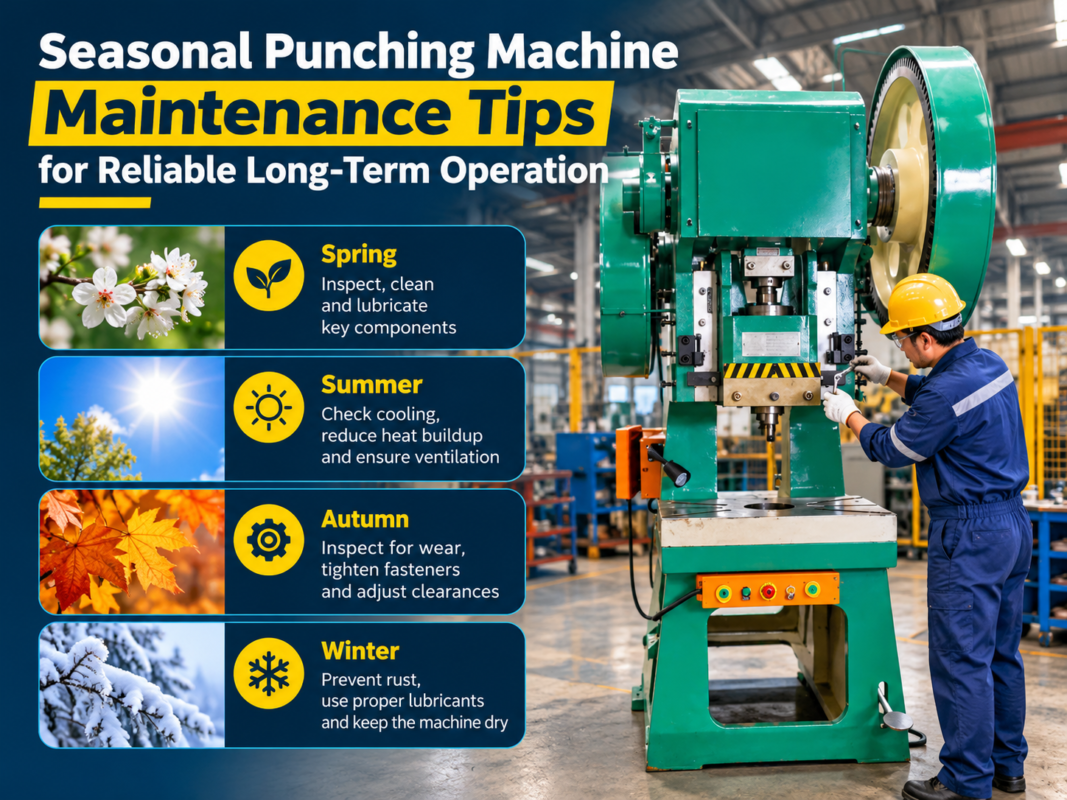
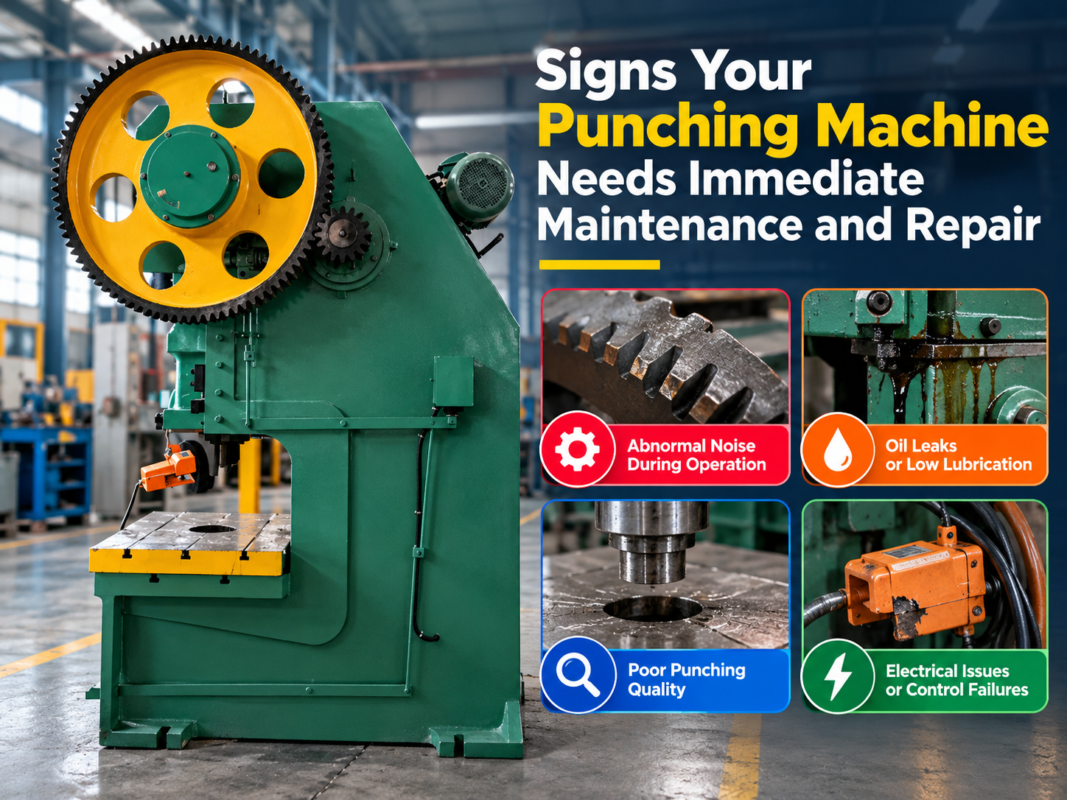
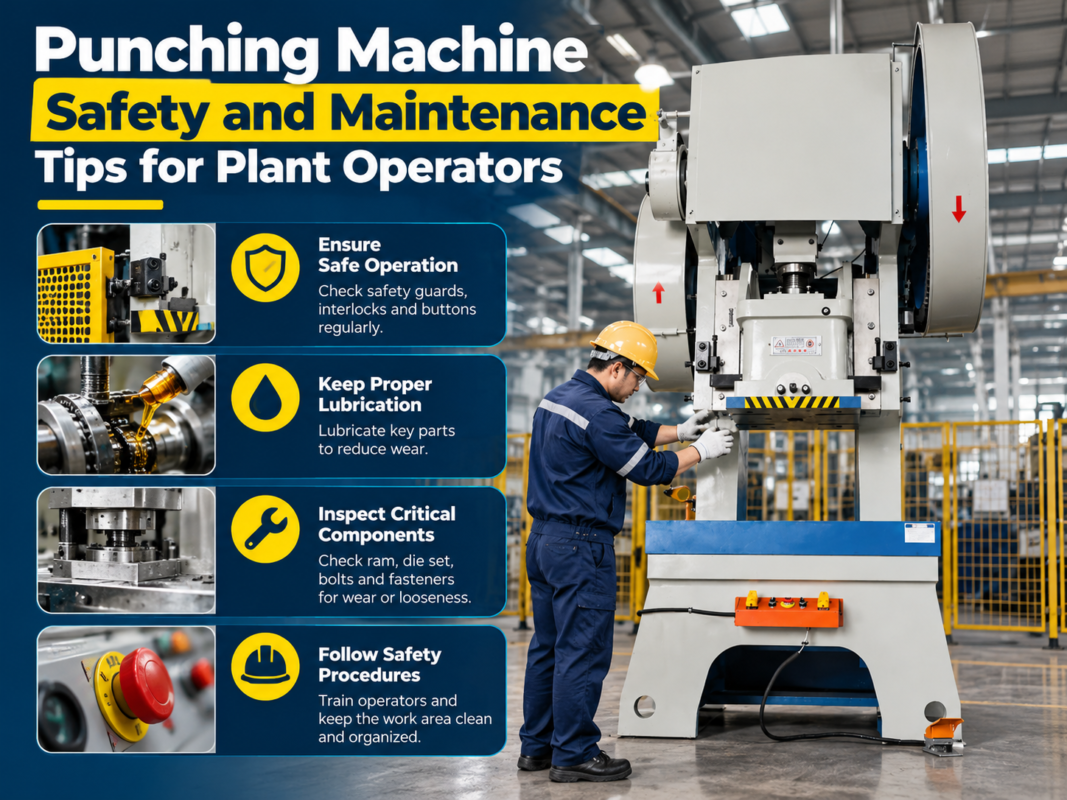
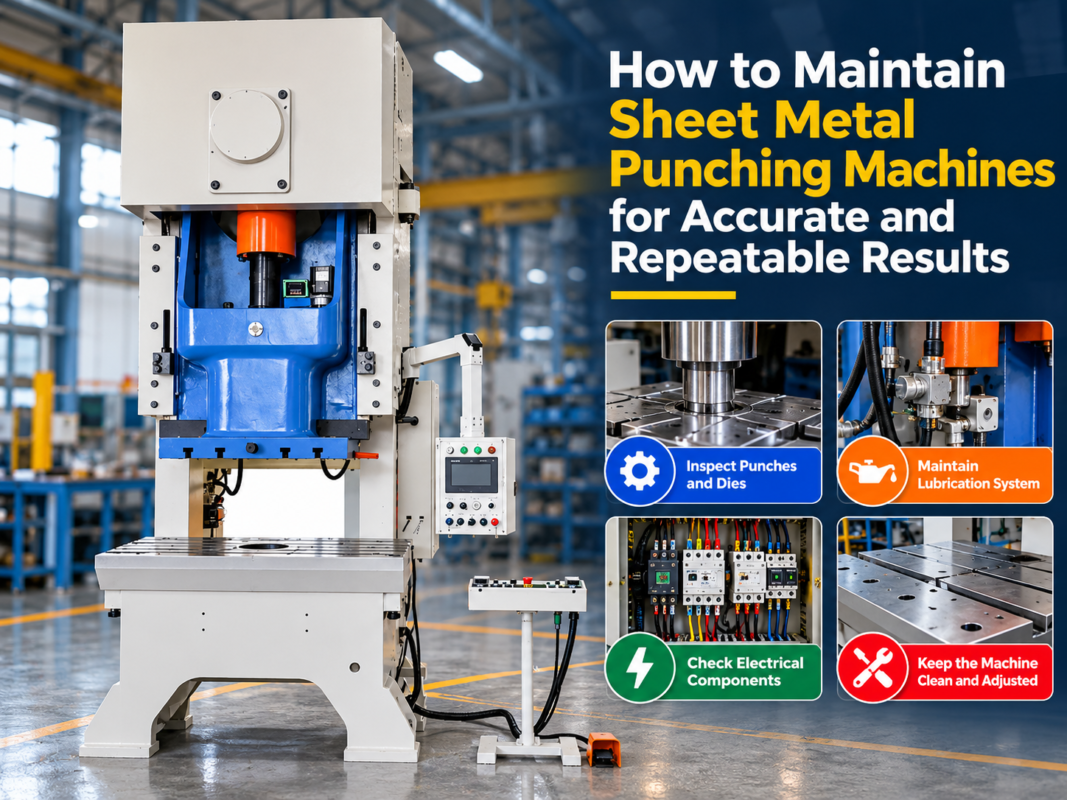
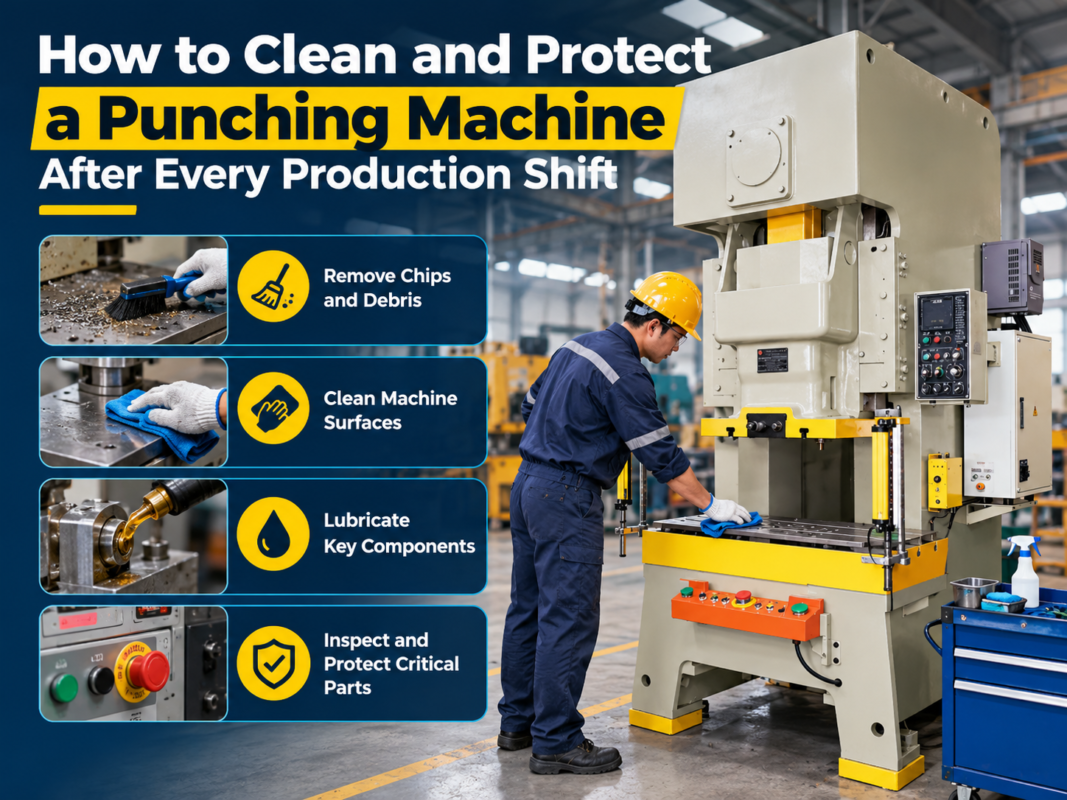
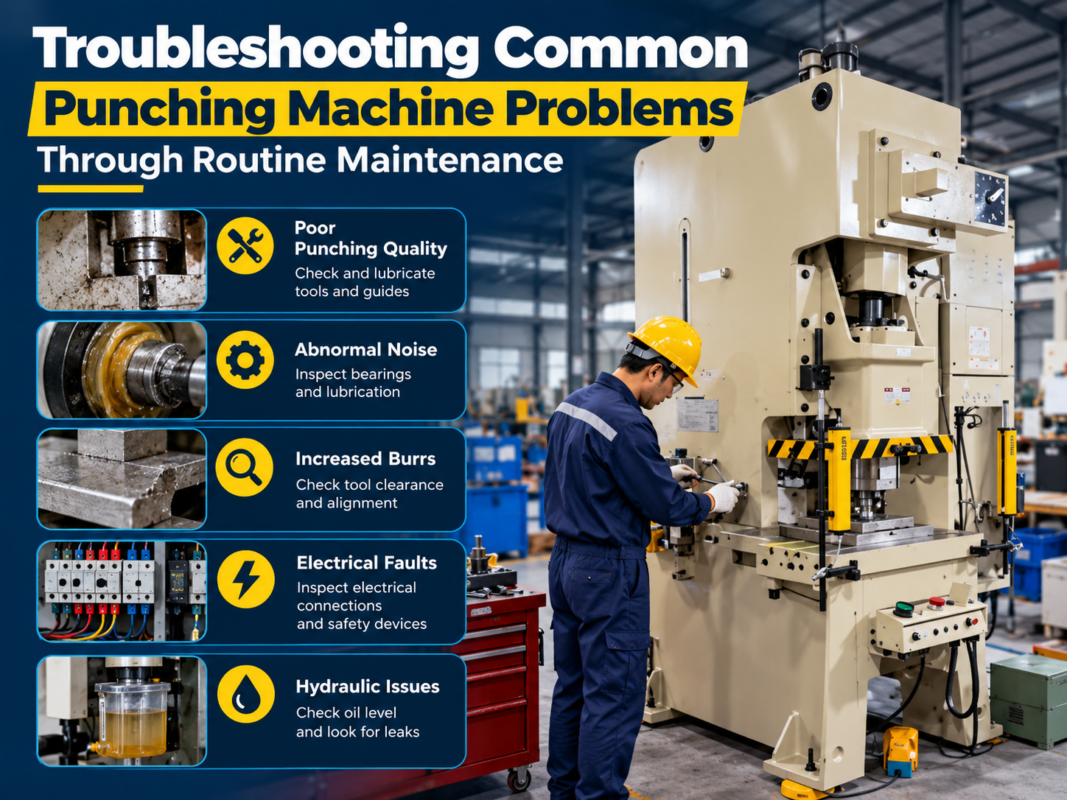
Best Lubrication Practices for Hydraulic Press Maintenance: The Ultimate Industrial Guide


Introduction to Hydraulic Press Longevity and Performance
In the high-stakes world of metal fabrication, the hydraulic press stands as a cornerstone of production. Whether it is deep drawing, punching, or forming, these machines exert massive forces to shape raw materials into precise components. However, the sheer power of a hydraulic press is also its greatest challenge. The internal components are subjected to extreme pressure, heat, and friction. Without a rigorous maintenance strategy, even the most robust HARSLE machine can succumb to premature wear, leading to costly downtime and safety hazards. Central to this strategy is the implementation of the Best Lubrication Practices Hydraulic Press Maintenance.
Lubrication is often described as the lifeblood of industrial machinery. In a hydraulic press, it serves multiple roles: reducing friction between moving parts, dissipating heat, preventing corrosion, and sealing internal clearances against contaminants. When lubrication is neglected, the friction increases, leading to a cascade of failures—from damaged seals and scored rams to complete pump failure. This guide is designed to provide factory managers, maintenance technicians, and operators with a comprehensive roadmap for maintaining their hydraulic presses at peak efficiency.
Understanding the nuances of hydraulic fluids and mechanical greases is not just about keeping the machine running; it is about optimizing the Total Cost of Ownership (TCO). A well-lubricated machine consumes less energy because it operates with less internal resistance. Furthermore, consistent maintenance ensures that the precision of the press remains within tight tolerances, reducing scrap rates and improving the quality of the finished product. As we delve into the specifics of maintenance, remember that consistency is the key to industrial success.
The Critical Importance of Preventative Maintenance
Preventative maintenance is a proactive approach that identifies and addresses potential issues before they escalate into catastrophic failures. For hydraulic presses, this is particularly vital because the systems are interconnected. A small leak in a hydraulic line can lead to a drop in pressure, which forces the pump to work harder, leading to overheating, which then degrades the oil and damages the seals. By following the Best Lubrication Practices Hydraulic Press Maintenance, you break this cycle of degradation.
One of the primary benefits of a structured maintenance plan is the enhancement of operator safety. Hydraulic systems operate under thousands of pounds per square inch (PSI). A burst hose or a mechanical failure caused by lack of lubrication can result in serious injury. Regular inspections and lubrication ensure that all safety valves, emergency stops, and structural components are functioning as intended. In the eyes of regulatory bodies and insurance providers, a documented maintenance log is proof of a safe working environment.
Moreover, the resale value of industrial machinery is heavily dependent on its maintenance history. A HARSLE hydraulic press that has been meticulously lubricated and serviced will retain a significantly higher value on the secondary market. It signals to potential buyers that the internal components—the cylinders, valves, and pumps—are in excellent condition. In essence, maintenance is an investment in the asset’s future, ensuring that it remains a productive part of the workshop for decades rather than years.
Finally, we must consider the environmental impact. Efficiently maintained machines leak less oil and require fewer replacement parts. By extending the life of the hydraulic fluid through proper filtration and cooling, companies can significantly reduce their hazardous waste output. In an era where sustainability is becoming a key performance indicator for manufacturers, the Best Lubrication Practices Hydraulic Press Maintenance align perfectly with green manufacturing goals.
Daily Inspection: The First Line of Defense
The daily inspection is a non-negotiable ritual for any professional fabrication shop. It should be performed at the start of every shift before the machine is cycled. This process allows the operator to catch minor anomalies that could indicate a larger problem brewing within the system. The goal is to establish a baseline of “normal” operation so that any deviation is immediately apparent.
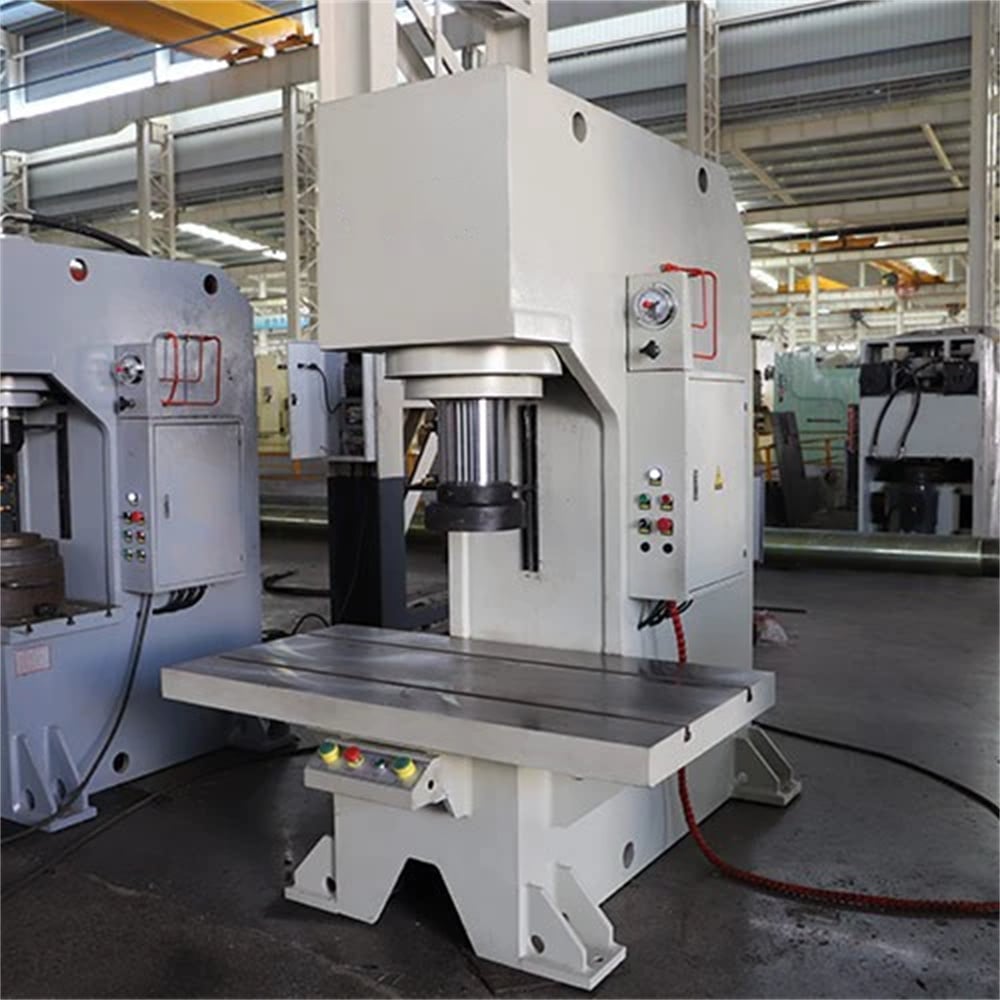
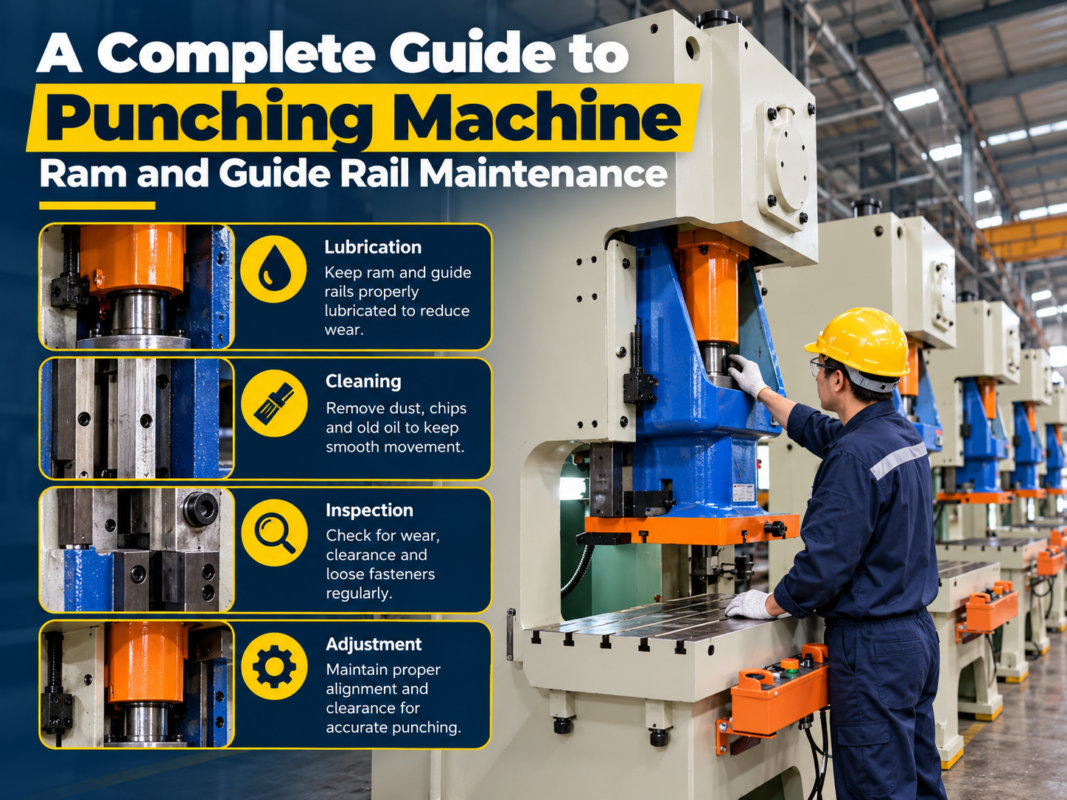
Start with a visual sweep of the entire machine. Look for any signs of oil on the floor or around the base of the press. Hydraulic leaks are not just messy; they are a fire hazard and a sign of failing seals or loose fittings. Check the ram (the moving part of the press) for any signs of scoring or scratches. A smooth, mirror-like finish on the ram is essential for maintaining a tight seal. If you notice vertical lines or rough patches, it indicates that contaminants have entered the system or that the lubrication film has broken down.
Next, check the oil level in the reservoir. Most hydraulic presses feature a sight glass or a dipstick. The oil should be at the recommended level and should appear clear and amber-colored. If the oil looks milky, it indicates water contamination; if it looks dark or smells burnt, it has been oxidized by excessive heat. Both conditions require immediate attention. Additionally, check the temperature gauge. Most systems operate best between 110°F and 130°F (43°C to 54°C). If the oil is too cold, it will be too viscous to flow properly; if it is too hot, it will lose its lubricating properties.
Listen to the machine as it starts up. A healthy hydraulic system has a consistent, rhythmic hum. High-pitched whining or growling noises often point to pump cavitation—a condition where air bubbles form in the oil and implode, causing physical damage to the pump’s internal surfaces. Clicking or banging sounds might indicate loose mechanical fasteners or issues with the valves. By catching these sounds early, operators can prevent a total system shutdown.
Comprehensive Hydraulic, Electrical, and Mechanical Checks
Hydraulic System Integrity
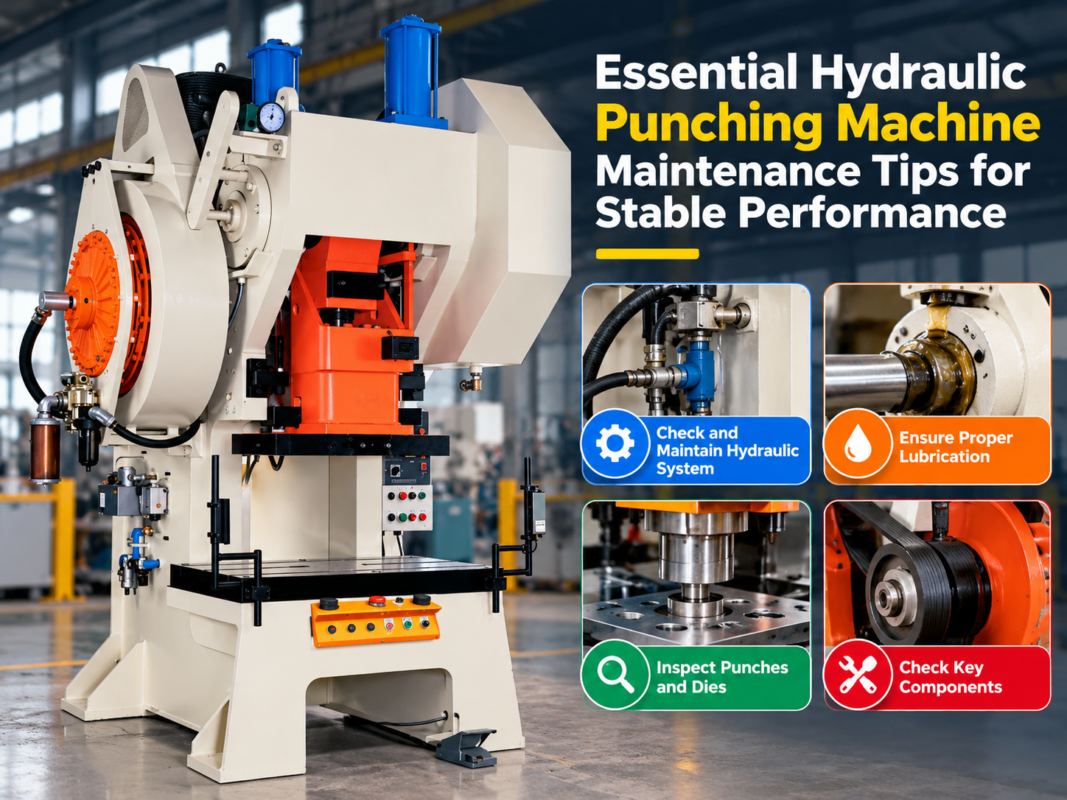
The hydraulic circuit is the heart of the press. Beyond daily oil level checks, a deeper monthly dive into the hydraulic system is required. This includes inspecting all high-pressure hoses for cracks, bulges, or abrasions. Hoses have a finite lifespan and should be replaced according to the manufacturer’s recommendations, even if they don’t look damaged. A hose failure under pressure is explosive and dangerous.
Filters are the kidneys of the hydraulic system. They remove microscopic particles that can cause abrasive wear on valves and pumps. Ensure that the filter bypass indicators are checked regularly. If a filter is clogged, the system may bypass it entirely to maintain flow, allowing dirty oil to circulate through sensitive components. Changing filters on a strict schedule is a core component of the Best Lubrication Practices Hydraulic Press Maintenance.
Electrical and Control Systems
Modern HARSLE presses rely on sophisticated PLC (Programmable Logic Controller) systems and electrical components to manage timing and pressure. Maintenance should include checking the control cabinet for dust accumulation, which can cause overheating of electrical components. Ensure all wire connections are tight, as vibrations from the press can loosen terminals over time. Test the emergency stop buttons and light curtains to ensure they cut power to the hydraulic pump instantly. A failure in the electrical safety system is just as critical as a mechanical failure.
Mechanical Structure and Alignment
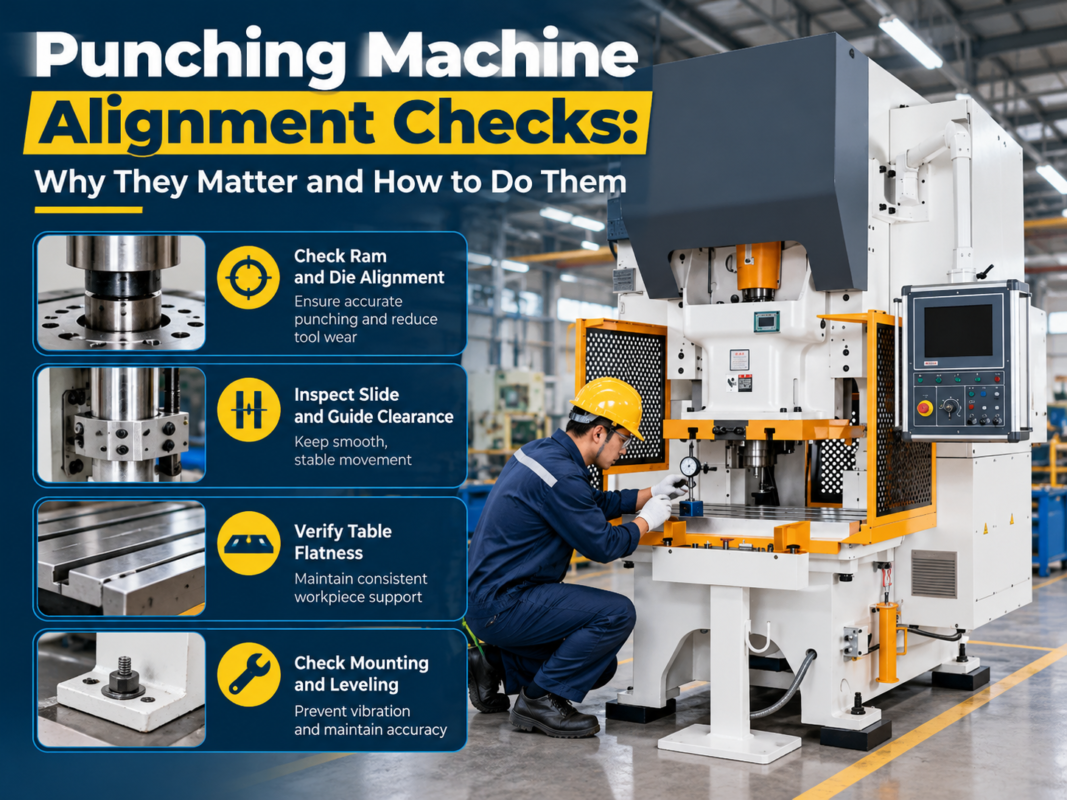
The mechanical frame of the press must remain rigid and aligned to ensure precision. Check the bolts that secure the press to the foundation; if they are loose, the machine can shift, leading to misalignment of the dies. Inspect the gibs—the adjustable guides that control the ram’s travel. These must be properly lubricated and adjusted to prevent the ram from tilting. If the gibs are too tight, they cause excessive friction and heat; if they are too loose, the press will lose its accuracy. Use a feeler gauge to check clearances against the factory specifications.
Best Lubrication Practices Hydraulic Press Maintenance
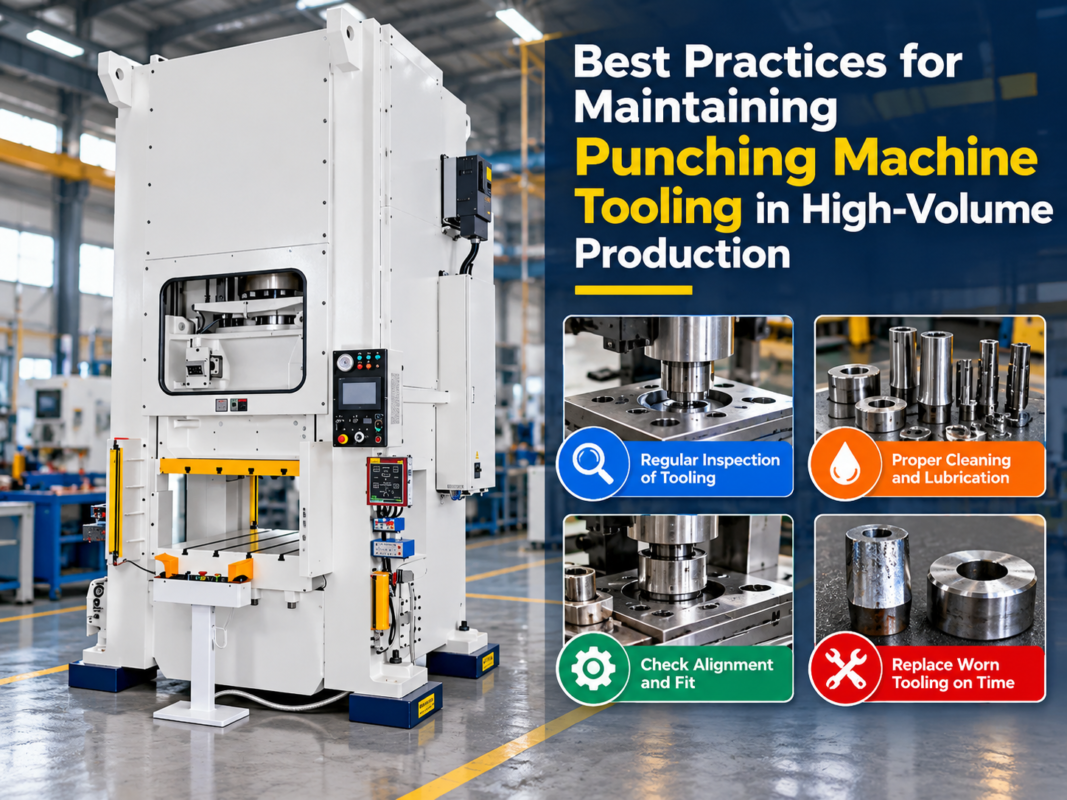
When discussing the Best Lubrication Practices Hydraulic Press Maintenance, we must focus on two distinct areas: the hydraulic fluid itself and the mechanical grease points. Both are essential, but they require different approaches and materials. Using the wrong lubricant can be as damaging as using no lubricant at all.
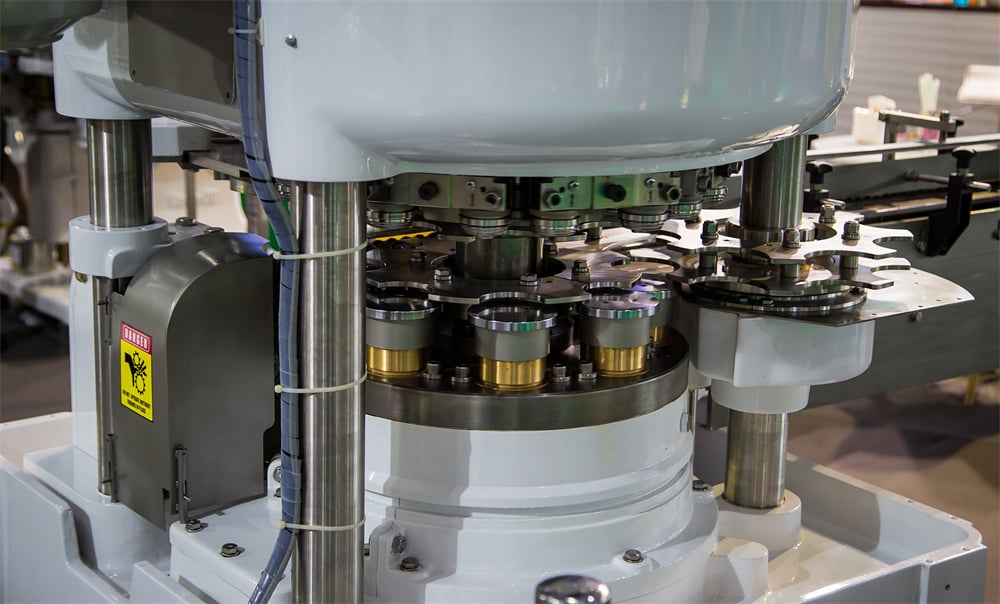
Selecting the Right Hydraulic Oil
Not all hydraulic oils are created equal. The viscosity of the oil—its resistance to flow—is the most critical factor. Most HARSLE presses require an ISO VG 46 or ISO VG 68 anti-wear (AW) hydraulic oil. The “AW” designation means the oil contains additives like zinc dialkyldithiophosphate (ZDDP), which forms a protective layer on metal surfaces under high pressure. This prevents metal-to-metal contact during the start-up and shut-down phases when the fluid film is thinnest.
Consider the Viscosity Index (VI). An oil with a high VI maintains its thickness more consistently across a wide range of temperatures. This is particularly important in shops that are not climate-controlled, where the machine might start in a cold environment and heat up significantly during a long shift. Always refer to the HARSLE manual for the specific oil grade recommended for your climate and duty cycle.
Greasing Mechanical Pivot Points and Guides
While the hydraulic oil handles the internal power transmission, grease is used for the external moving parts. This includes the ram guides (gibs), bushings, and any pivot pins in the linkage. Grease is essentially oil held in a thickener (soap). For hydraulic presses, a Lithium-based grease with Extreme Pressure (EP) additives is usually the best choice. The EP additives prevent the grease from being squeezed out of the contact zone when the press is under full load.
The Best Lubrication Practices Hydraulic Press Maintenance dictate that grease should be applied in small amounts frequently, rather than large amounts occasionally. Over-greasing can be counterproductive, as it attracts dust and metal shavings, creating an abrasive paste that wears down the guides. If your press has an automatic lubrication system, ensure the reservoir is filled and the lines are not blocked. If manual, follow a strict schedule—usually every 8 to 24 hours of operation, depending on the intensity of the work.
Contamination Control: The Silent Killer
Contamination is responsible for up to 80% of hydraulic system failures. Contaminants can be solid (dust, metal chips), liquid (water), or gaseous (air). To maintain the Best Lubrication Practices Hydraulic Press Maintenance, you must implement a “clean in, clean out” policy. When adding oil to the reservoir, always use a filter cart rather than pouring directly from a drum. Even new oil from a sealed drum is often not clean enough for high-pressure hydraulic systems.
Water contamination is another major issue. It reduces the oil’s lubricity, promotes rust, and can lead to the formation of sludge. If your press operates in a humid environment, consider using a desiccant breather on the reservoir. This device replaces the standard filler cap and strips moisture from the air as it is drawn into the tank when the oil level drops. Regularly taking oil samples for laboratory analysis is the gold standard for monitoring contamination and oil health.
Troubleshooting Signals: Identifying Early Warning Signs
Even with the best maintenance, parts will eventually wear out. The key is to recognize the signals of distress before they lead to a breakdown. One of the most common signals is a change in the cycle time. If the press is moving slower than usual, it could indicate a worn pump, a leaking cylinder seal, or a clogged suction filter. This is often accompanied by an increase in oil temperature, as the energy that should be moving the ram is instead being converted into heat through internal leakage.
Another warning sign is “spongy” operation. If the ram’s movement feels jerky or if it fails to hold pressure, there is likely air trapped in the hydraulic circuit. This can happen if the oil level is too low, allowing the pump to suck in air, or if there is a leak on the suction side of the pump. Air in the oil causes cavitation, which sounds like marbles rattling inside the pump. If you hear this, shut the machine down immediately to prevent permanent pump damage.
Watch for “weeping” at the cylinder seals. A small amount of oil film on the ram is normal and actually helps lubricate the seals. However, if oil is dripping or pooling on the bolster plate, the seals have failed. Replacing a seal is a relatively inexpensive task compared to the cost of refilling a 100-gallon reservoir that has leaked out overnight. Finally, keep an eye on the pressure gauges. If the pressure fluctuates wildly or fails to reach the set point, it indicates a problem with the relief valve or the pump compensator.
Comprehensive Maintenance Schedule Table
To implement the Best Lubrication Practices Hydraulic Press Maintenance effectively, use the following table as a template for your shop’s maintenance log. Adjust the frequencies based on your specific shift patterns and environmental conditions.
| Frequency | Component | Action Required | Lubricant/Tool |
|---|---|---|---|
| Daily | Oil Reservoir | Check level and color via sight glass | Visual Inspection |
| Daily | Ram / Guides | Check for scoring and ensure thin oil film | Visual Inspection |
| Daily | Hoses & Fittings | Check for leaks or dampness | Visual Inspection |
| Weekly | Main Ram Gibs | Apply grease to guide surfaces | Lithium EP2 Grease |
| Weekly | Air Breather | Check for clogging or color change (desiccant) | Visual / Replacement |
| Monthly | Hydraulic Filters | Check bypass indicators; replace if necessary | Replacement Filter |
| Monthly | Electrical Cabinet | Vacuum dust and check wire tightness | Vacuum / Screwdriver |
| Quarterly | Oil Analysis | Send sample to lab for particle count/TAN | Sampling Kit |
| Quarterly | Safety Systems | Test light curtains and E-stops | Functional Test |
| Annually | Hydraulic Oil | Complete drain, flush, and refill (if lab suggests) | ISO VG 46/68 Oil |
| Annually | Heat Exchanger | Clean cooling fins or flush water lines | Compressed Air / Solvent |
Frequently Asked Questions (FAQ)
1. What is the best type of oil for a HARSLE hydraulic press?
For most standard operations, a high-quality ISO VG 46 or 68 Anti-Wear (AW) hydraulic oil is recommended. The specific weight depends on your ambient operating temperature. In colder environments, VG 46 is preferred for its better flow at low temperatures, while VG 68 provides better protection in hotter climates. Always check your specific HARSLE model manual for the manufacturer’s recommendation.
2. How often should I change the hydraulic oil?
There is no one-size-fits-all answer. While many manufacturers suggest an annual change, the Best Lubrication Practices Hydraulic Press Maintenance suggest using oil analysis. By testing the oil every three months, you can determine if the additives are still active and if the contamination levels are acceptable. Some shops can go two or three years between changes with excellent filtration, while others in dusty environments may need to change it every six months.
3. Why is my hydraulic press running hot?
Overheating is usually caused by one of three things: internal leakage (oil bypassing seals or valves), a clogged heat exchanger/cooler, or the pump running at high pressure for extended periods without relief. If the oil exceeds 140°F (60°C), the seals will begin to harden and leak, and the oil will oxidize rapidly. Check the cooling system first, then look for internal leaks.
4. Can I mix different brands of hydraulic oil?
It is generally discouraged. While the base oils might be compatible, different brands use different additive packages. Mixing them can cause a chemical reaction that leads to foaming, precipitation of additives, or reduced lubrication effectiveness. If you must switch brands, it is best to perform a full system flush.
5. What are the signs that my pump is failing?
The most common signs of pump failure include increased noise (whining or knocking), erratic pressure readings, slower cycle times, and an increase in metallic particles in the oil filter. If you notice any of these, it is critical to address them immediately, as a catastrophic pump failure can send metal debris throughout the entire hydraulic circuit, requiring a massive cleanup effort.
6. How do I properly adjust the gibs on my press?
Gib adjustment should be done by a trained technician. Generally, you use a feeler gauge to ensure the clearance is within the manufacturer’s spec (often between 0.002″ and 0.005″). The goal is to have the ram move freely without any side-to-side play. After adjustment, ensure the gibs are heavily lubricated and monitor the temperature of the guides during the first hour of operation to ensure they aren’t too tight.
Conclusion: The Path to Industrial Excellence
Mastering the Best Lubrication Practices Hydraulic Press Maintenance is not a one-time task but a commitment to excellence. By treating your HARSLE hydraulic press with the care it deserves, you ensure that it remains a reliable, precise, and safe tool in your manufacturing arsenal. From the daily walk-around to the sophisticated science of oil analysis, every step you take towards better maintenance pays dividends in the form of reduced costs and increased productivity.
In the competitive landscape of modern industry, the difference between a profitable shop and one that struggles often comes down to the health of its machinery. A well-maintained press is a sign of a well-managed business. We encourage you to use this guide as a foundation for your maintenance program, training your staff to be vigilant and proactive. Remember, the cost of a gallon of oil or a tube of grease is nothing compared to the cost of a week of lost production. Invest in your maintenance, and your machinery will invest in you.