Hydraulic Press Electrical System Maintenance for Better Machine Safety


The Critical Role of Electrical Systems in Hydraulic Press Safety
In the modern metal fabrication industry, the hydraulic press has evolved from a simple mechanical beast into a sophisticated, electronically controlled powerhouse. While the hydraulic fluid provides the raw force, the electrical system acts as the brain and nervous system of the machine. Ensuring Hydraulic Press Electrical System Maintenance for Better Machine Safety is not merely a recommendation; it is a fundamental requirement for any facility aiming to protect its workforce and its capital investments. A failure in the electrical circuit can lead to unpredictable machine behavior, such as unintended ram descent or the failure of safety light curtains, both of which pose catastrophic risks to operators.
The complexity of these systems means that maintenance must be proactive rather than reactive. When we discuss electrical maintenance, we are looking at a vast array of components: from the Programmable Logic Controller (PLC) and Human-Machine Interface (HMI) to the intricate network of sensors, relays, contactors, and solenoid valves. Each of these parts must function in perfect harmony to ensure the press operates within its designed safety parameters. Neglecting the electrical side of a hydraulic press often leads to intermittent faults that are difficult to diagnose and can eventually cause total system failure.
Furthermore, the environment of a metal fabrication shop is often harsh. Dust, metallic particles, heat, and vibration are the enemies of electrical components. Over time, vibration can loosen terminal connections, while metallic dust can cause short circuits in high-voltage cabinets. By implementing a rigorous maintenance strategy focused on the electrical system, manufacturers can significantly extend the lifespan of their machinery and ensure that safety features, such as emergency stops and interlocking guards, are always ready to perform their life-saving functions.
At HARSLE, we emphasize that a well-maintained electrical system is the foundation of high-precision metal forming. Whether you are operating a small C-frame press or a massive four-column forging press, the principles of electrical integrity remain the same. This guide will delve deep into the technical aspects of maintaining these systems, providing you with the knowledge needed to foster a safer and more efficient production environment.
The Importance of Proactive Maintenance for Machine Longevity
The primary goal of Hydraulic Press Electrical System Maintenance for Better Machine Safety is the prevention of accidents. However, the secondary benefit is the dramatic increase in machine uptime and longevity. In an industrial setting, downtime is incredibly expensive. A press that sits idle due to a blown fuse or a fried PLC module is a press that is losing money. Proactive maintenance allows technicians to identify wear and tear before it results in a breakdown. For instance, identifying a discolored wire during a routine inspection can prevent a fire that might otherwise destroy the entire control cabinet.
Moreover, electrical maintenance ensures that the machine operates at peak efficiency. When electrical connections are clean and tight, there is less resistance in the circuits, which means components run cooler and consume less energy. This is particularly important for the main motor and the solenoid valves that control hydraulic flow. If the electrical signal to a valve is degraded, the valve may not open or close fully, leading to sluggish performance and increased heat generation within the hydraulic fluid itself.
Safety standards, such as those set by OSHA or CE, require that safety-related parts of control systems be regularly tested. This includes the monitoring of dual-channel safety relays and the integrity of the grounding system. A machine with a faulty ground is not only a risk for electrical shock but is also prone to “ghost” signals and electromagnetic interference (EMI), which can cause the PLC to execute incorrect commands. Therefore, maintenance is a matter of regulatory compliance as much as it is a matter of operational excellence.
Finally, a documented maintenance history adds value to the machine. Should you ever decide to upgrade or sell your equipment, a well-documented log showing consistent electrical and mechanical care proves that the machine has been treated as a critical asset. It provides peace of mind to both the current operators and future owners that the machine is safe to operate and capable of meeting its original performance specifications.
Daily Inspection Protocols for Electrical Integrity
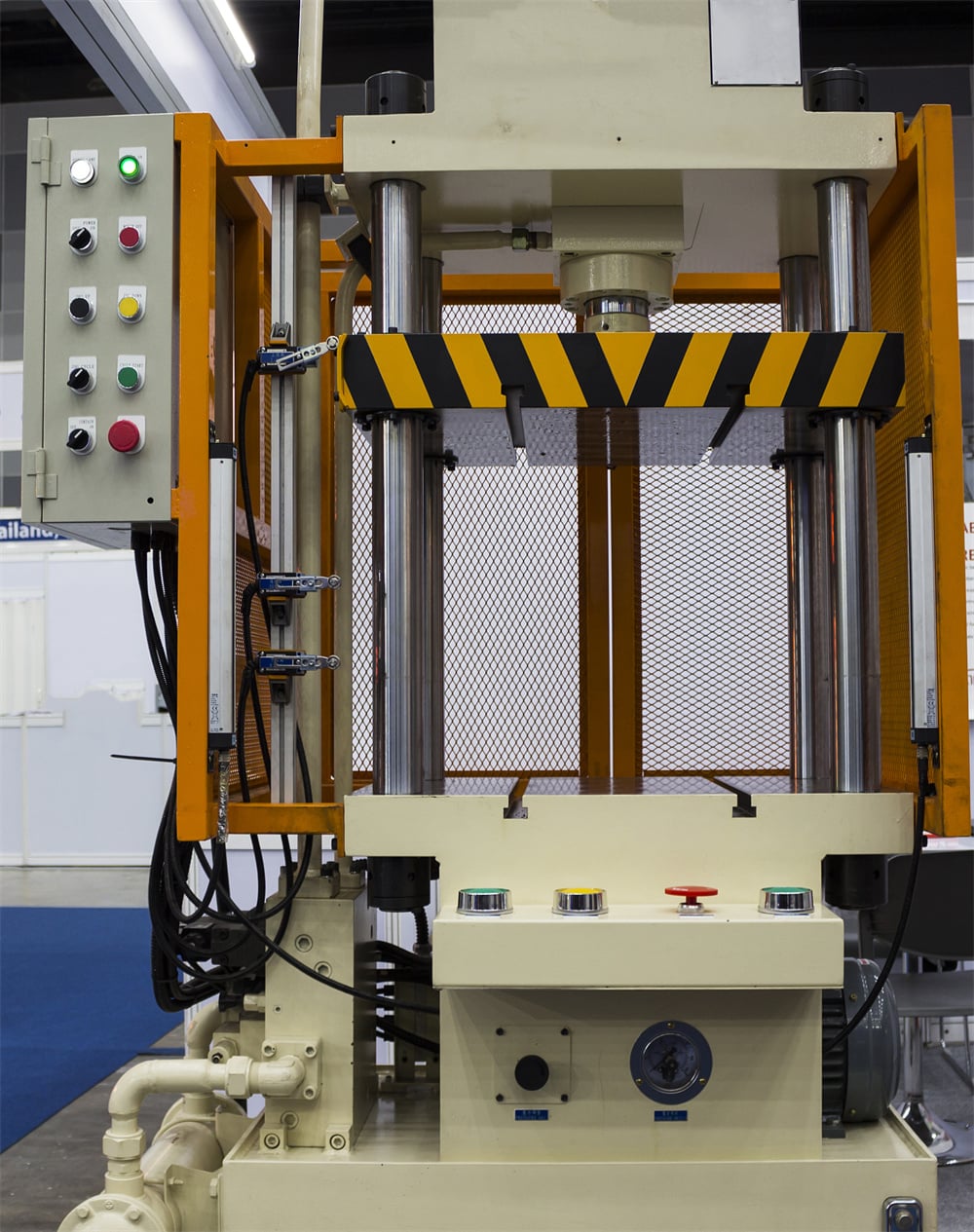
The first line of defense in Hydraulic Press Electrical System Maintenance for Better Machine Safety is the daily inspection. This should be a non-negotiable part of the operator’s morning routine. Before the machine is even powered on, a visual sweep of the exterior is necessary. Operators should look for any signs of frayed cables, loose conduits, or damage to the HMI screen. If the press uses foot pedals or hand-held pendants, these cables are particularly susceptible to damage from being stepped on or caught in moving parts.
Once the machine is powered up, the operator must verify that all indicator lights and displays are functioning correctly. A burnt-out bulb on a status panel might seem minor, but if that light is supposed to warn of an over-temperature condition, its failure is a major safety hazard. The HMI should be checked for any active alarm codes. Modern HARSLE presses provide detailed diagnostics on the screen; these should never be ignored or “cleared” without understanding the root cause.
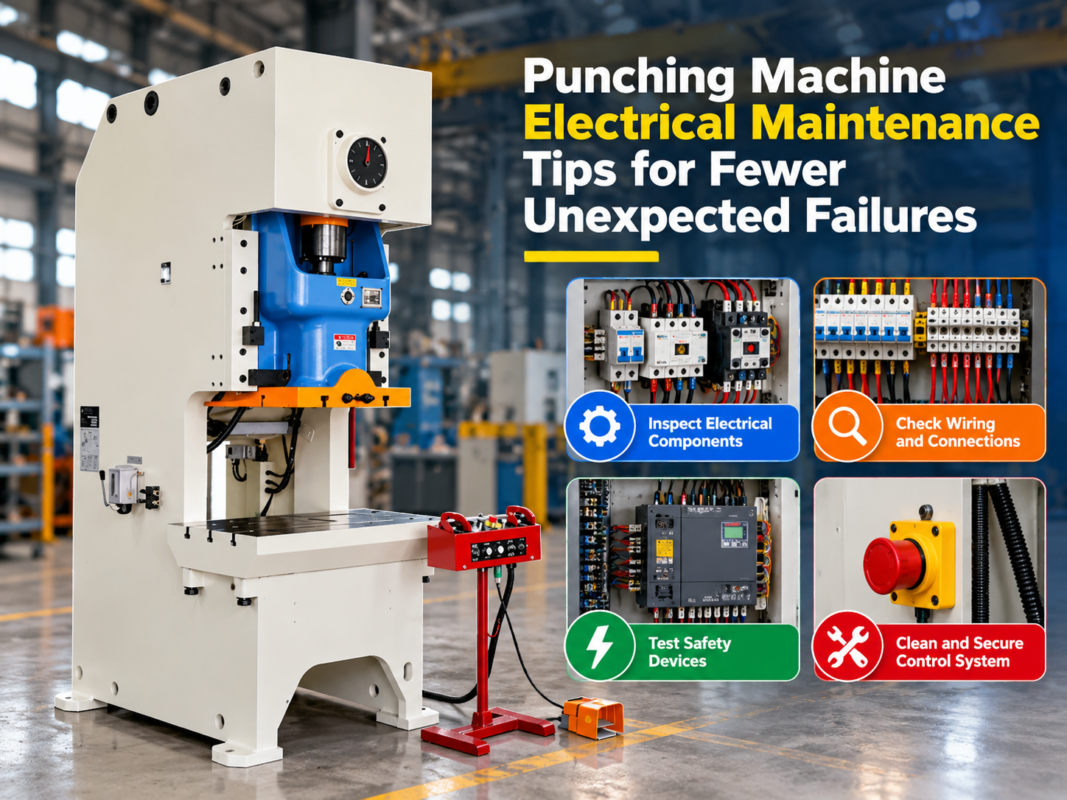
Testing the emergency stop (E-stop) buttons is perhaps the most critical part of the daily check. Every E-stop on the machine should be pressed to ensure it immediately halts all motion and dumps hydraulic pressure where applicable. Similarly, if the machine is equipped with light curtains, the operator should break the beam to confirm that the ram stops instantly. These tests ensure that the electrical safety circuit is active and responsive. If a safety device fails to stop the machine, the press must be locked out and tagged out immediately until repairs are made.
Lastly, listen to the machine. Unusual humming, buzzing, or clicking sounds coming from the electrical cabinet can indicate a failing contactor or a transformer under stress. Excessive heat radiating from the cabinet door is another red flag. Most cabinets are equipped with cooling fans or heat exchangers; ensure these are running and that the filters are not clogged with shop dust. A cool cabinet is a happy cabinet, as heat is the number one killer of electronic components.
Deep Dive: Electrical, Hydraulic, and Mechanical Interconnectivity
To truly master Hydraulic Press Electrical System Maintenance for Better Machine Safety, one must understand how the different systems of the press interact. The electrical system does not exist in a vacuum; it is the commander of the hydraulic and mechanical systems. For example, the PLC receives inputs from mechanical limit switches and hydraulic pressure transducers. It then processes this data and sends output signals to the electrical coils of the hydraulic solenoid valves. If any part of this chain is compromised, the entire machine’s safety is at risk.
Electrical Component Maintenance
The heart of the electrical system is the control cabinet. Inside, you will find the PLC, which requires a stable power supply. Technicians should periodically check the voltage output of the power supply units to ensure they are within the specified range (usually 24V DC for control circuits). Over time, capacitors in these power supplies can dry out, leading to voltage ripples that can cause the PLC to crash or behave erratically. Additionally, all terminal blocks should be checked for tightness. Thermal cycling—the heating and cooling of wires as they carry current—can cause screws to back out over time, leading to high-resistance connections and potential fires.
Hydraulic-Electrical Interface
The solenoid valves are the primary interface between the electrical and hydraulic systems. These valves use an electromagnetic coil to move a spool that directs oil flow. Maintenance involves checking the coils for signs of overheating (discoloration or a burnt smell) and ensuring the electrical connectors are secure and free of oil contamination. Oil is an insulator, but it can also attract conductive dust, leading to short circuits. Furthermore, pressure switches and transducers must be calibrated. If an electrical pressure switch fails to trigger, the press could exceed its maximum tonnage, leading to mechanical failure or tool breakage.
Mechanical-Electrical Interface
Mechanical safety is often enforced through electrical means. Limit switches are used to define the stroke limits of the ram. If a limit switch is loose or its internal electrical contacts are pitted, the ram might over-travel, causing significant mechanical damage. Similarly, safety interlocks on access doors ensure that the machine cannot run while a guard is open. These switches must be checked for physical alignment and electrical continuity. In many cases, these are “safety-rated” switches with redundant contacts; if one contact fails, the safety relay will detect the discrepancy and prevent the machine from starting.
The Role of Automated Lubrication in Electrical Longevity
It might seem counterintuitive to discuss lubrication in an electrical maintenance guide, but the two are deeply linked. Most modern hydraulic presses feature an automated lubrication system controlled by the PLC. This system ensures that the mechanical ways, bushings, and bearings receive the correct amount of grease or oil at specific intervals. From an electrical perspective, the maintenance of this system involves verifying that the lubrication pump motor is functioning and that the pressure sensors in the lube lines are sending the correct signals back to the controller.
If the electrical system fails to trigger the lubrication cycle, or if it fails to detect a blockage in the lube lines, the mechanical components will experience rapid wear. This wear leads to increased friction, which in turn requires the main hydraulic motor to work harder. An overworked motor draws more current, putting additional strain on the electrical contactors, breakers, and wiring. Thus, a failure in the “lubrication electricals” can lead to a cascade of failures across the entire machine.
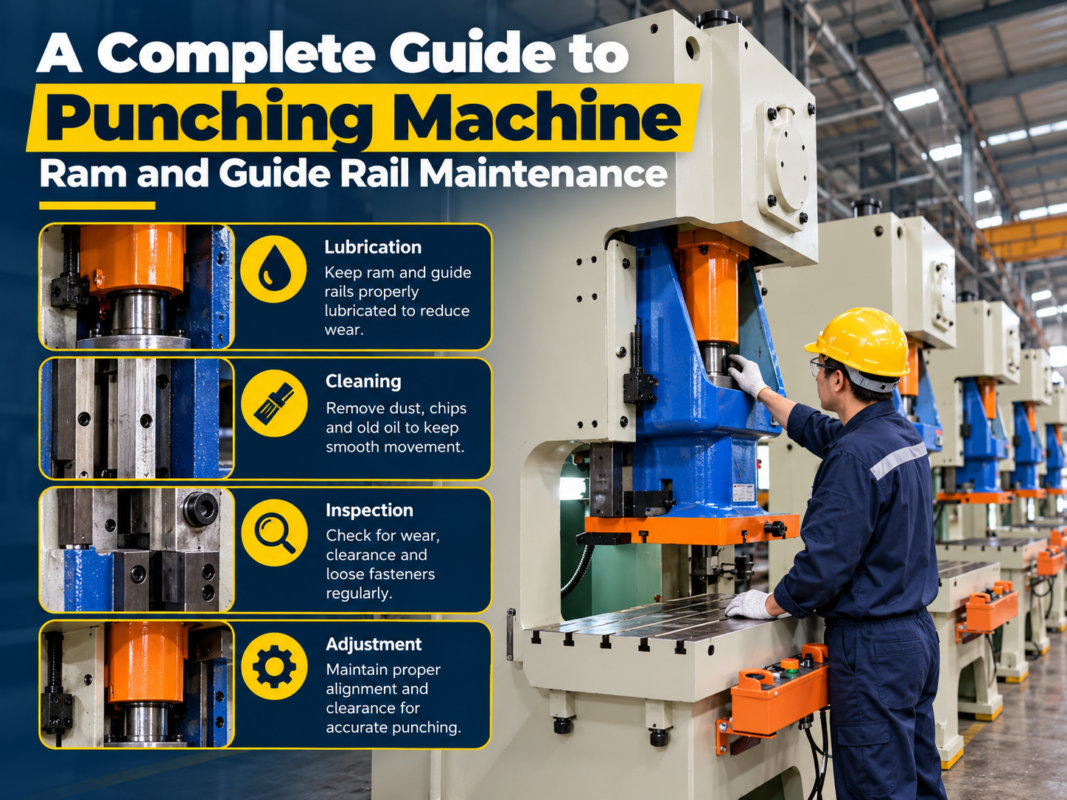
Furthermore, excess lubricant must be managed. If oil or grease leaks onto electrical conduits or into junction boxes, it can degrade wire insulation. Some lubricants are chemically aggressive and can turn wire insulation brittle over time. During maintenance, technicians should ensure that all electrical enclosures are properly sealed and that any “wicking” of oil into cables is addressed immediately. Keeping the machine clean and well-lubricated (but not over-lubricated) is a key component of Hydraulic Press Electrical System Maintenance for Better Machine Safety.
Identifying and Troubleshooting Electrical Warning Signals
A hydraulic press will often give warning signs before a major electrical failure occurs. Recognizing these signals is vital for Hydraulic Press Electrical System Maintenance for Better Machine Safety. One of the most common signs is intermittent tripping of circuit breakers or blowing of fuses. This is rarely a fluke; it usually indicates an underlying issue such as a motor winding starting to fail, a pinched wire, or a solenoid coil that is shorting out when it gets hot. Simply resetting the breaker without investigating the cause is a recipe for disaster.
Another warning sign is erratic behavior of the HMI or sensors. If the digital tonnage readout is jumping around or if the ram position sensor is giving inconsistent readings, it may be due to electrical noise or a failing shielded cable. In industrial environments, VFDs (Variable Frequency Drives) can generate significant EMI. If the shielding on sensor cables is not properly grounded, this noise can interfere with low-voltage signals, leading to erratic machine operation. Checking the integrity of cable shields and the quality of the factory ground is a critical troubleshooting step.
Heat is also a major indicator. Using an infrared thermal camera to scan the electrical cabinet while the machine is under load can reveal “hot spots.” A contactor that is significantly hotter than its neighbors likely has pitted or oxidized contacts that are creating resistance. Similarly, a hot terminal block indicates a loose connection. These issues can be fixed in minutes if caught early but can cause hours of downtime if they lead to a component meltdown. Finally, pay attention to any “burning” smells. The smell of ozone or burnt plastic is a clear sign of electrical arcing or overheating and requires an immediate shutdown and inspection.
Comprehensive Maintenance Schedule Table
To maintain a high standard of Hydraulic Press Electrical System Maintenance for Better Machine Safety, a structured schedule is essential. Below is a recommended maintenance plan for the electrical components of a hydraulic press.
| Frequency | Component | Action Required |
|---|---|---|
| Daily | Emergency Stops & Light Curtains | Functional test to ensure immediate machine halt. |
| Daily | HMI & Indicator Lights | Check for alarm codes and ensure all status lights work. |
| Weekly | Electrical Cabinet Filters | Inspect and clean or replace cooling fan filters. |
| Weekly | Cables & Conduits | Visual inspection for physical damage or oil contamination. |
| Monthly | Terminal Connections | Check for tightness (ensure power is locked out). |
| Monthly | Solenoid Coils | Inspect for discoloration or signs of excessive heat. |
| Quarterly | PLC Battery | Check status; replace if the low-battery light is on. |
| Quarterly | Grounding System | Test continuity of the machine ground to the main shop ground. |
| Annually | Full System Calibration | Calibrate pressure transducers and position sensors. |
| Annually | Thermal Imaging Scan | Perform an IR scan of the cabinet under full load. |
Frequently Asked Questions (FAQ)
1. Why is my hydraulic press HMI screen flickering?
Flickering on an HMI screen is often a sign of an unstable power supply or a loose video/data cable. Check the 24V DC power supply for consistent voltage. It can also be caused by electromagnetic interference (EMI) if the HMI cable is run too close to high-voltage power lines without proper shielding.
2. How often should I replace the PLC battery?
Most PLCs have a backup battery to retain the program in case of power loss. These typically last 2-5 years, but it is best practice to check the “Battery Low” indicator monthly. If the battery fails and the power goes out, you may lose the machine’s parameters, requiring a costly service call to reload the software.
3. Can I bypass a faulty safety light curtain to finish a job?
Absolutely not. Bypassing any safety device is a severe violation of safety protocols and puts the operator at risk of amputation or death. If a light curtain is faulty, the machine must be taken out of service until the electrical issue is resolved. Most faults are due to misalignment or dirty lenses, which are easy to fix.
4. What causes a solenoid coil to burn out?
Solenoid coils usually burn out due to over-voltage, excessive heat, or mechanical sticking of the valve spool. If the spool is stuck due to contaminated hydraulic oil, the coil will draw excessive current trying to move it, eventually melting the internal windings. Always check the oil quality if you experience frequent coil failures.
5. Why is grounding so important for a hydraulic press?
Proper grounding protects operators from electric shock in the event of an internal short circuit. Additionally, for CNC-controlled presses, a solid ground provides a reference point for electronic signals. Without it, the machine may suffer from “noise,” leading to erratic movements or false sensor readings.
Conclusion: Commitment to Safety and Excellence
Mastering Hydraulic Press Electrical System Maintenance for Better Machine Safety is an ongoing journey that requires diligence, technical knowledge, and a culture of safety. By treating the electrical system with the same respect as the hydraulic and mechanical components, you ensure that your HARSLE machinery remains a reliable and safe asset for years to come. Remember that safety is not just about following rules; it is about creating an environment where every worker returns home safely at the end of the day. Regular electrical inspections, proactive component replacement, and a clean operating environment are the keys to achieving this goal. Stay vigilant, stay informed, and keep your presses running at their peak potential.