Comprehensive Hydraulic Press Maintenance Strategies to Improve Production Efficiency


The Critical Role of Maintenance in Modern Metal Fabrication
In the high-stakes world of metal fabrication, the reliability of your machinery is the cornerstone of your profitability. When discussing Hydraulic Press Maintenance Strategies Improve Production Efficiency, we are not merely talking about fixing things when they break; we are talking about a holistic approach to asset management. A hydraulic press is a complex synergy of fluid power, electrical logic, and massive mechanical force. For manufacturers using HARSLE equipment, maintaining this synergy ensures that every stroke of the ram is precise, powerful, and predictable.
Neglecting maintenance leads to a cascade of negative outcomes. Beyond the obvious risk of catastrophic failure, poorly maintained presses suffer from ‘micro-downtime’—small, frequent interruptions that bleed productivity over time. These might include slow cycle times, inconsistent pressure application, or minor leaks that require constant topping off. By implementing rigorous maintenance strategies, facilities can see a direct correlation in their OEE (Overall Equipment Effectiveness) scores, reducing waste and ensuring that production schedules are met with military precision.
Furthermore, the safety implications of maintenance cannot be overstated. A hydraulic press operates under immense pressure, often exceeding several thousand PSI. A failed seal or a frayed electrical wire isn’t just a production hurdle; it is a significant safety hazard. Therefore, the strategies outlined in this guide serve a dual purpose: maximizing the output of your HARSLE machinery while safeguarding the operators who interact with these powerful tools every day.
Finally, the longevity of the investment is at stake. A well-maintained hydraulic press can easily serve a workshop for decades. Conversely, a neglected machine may require a complete overhaul or replacement within a fraction of its intended lifespan. In the following sections, we will break down the specific technical actions required to keep your hydraulic press at peak performance, from the smallest sensor to the largest cylinder.
Daily Inspection: The First Line of Defense
The most effective Hydraulic Press Maintenance Strategies Improve Production Efficiency start with the operator. A daily pre-shift inspection is the most cost-effective way to catch issues before they escalate into expensive repairs. This process should be standardized with a checklist to ensure no component is overlooked. Operators should be trained to use their senses—sight, sound, and even smell—to detect anomalies in the machine’s behavior.
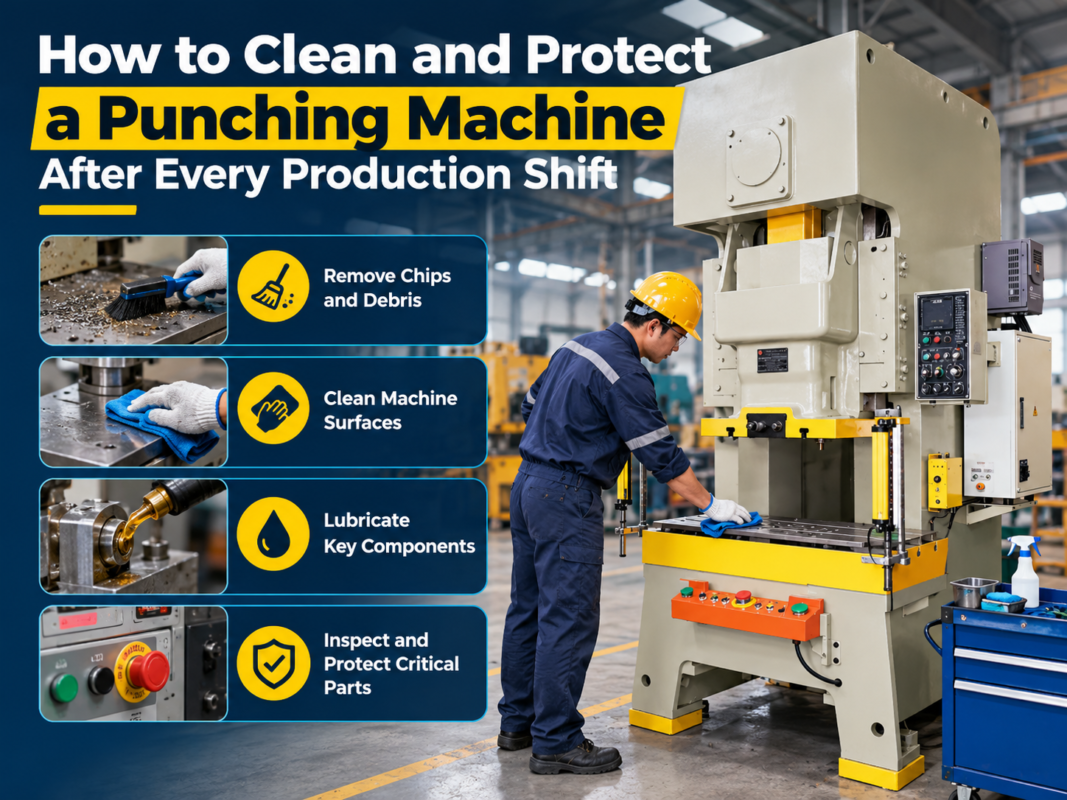
The first step in a daily check is a visual sweep for leaks. Hydraulic fluid is the lifeblood of the press, and any sign of a puddle or a damp fitting indicates a breach in the system. Even a small drip can lead to significant fluid loss over a week, and more importantly, it allows contaminants to enter the closed-loop system. Check all hoses for signs of abrasion or bulging, which are precursors to a high-pressure burst. Ensure that all fittings are snug but not over-tightened, as excessive torque can damage threads and seals.
Next, focus on the oil level and clarity. Most HARSLE hydraulic presses are equipped with sight glasses. The oil should be at the prescribed level and appear clear and amber-colored. If the oil looks milky, it indicates water contamination; if it looks dark or smells burnt, it has likely undergone thermal degradation. Monitoring the oil daily allows you to schedule a fluid change or filtration cycle before the contaminated oil damages the sensitive internal components of the pumps and valves.
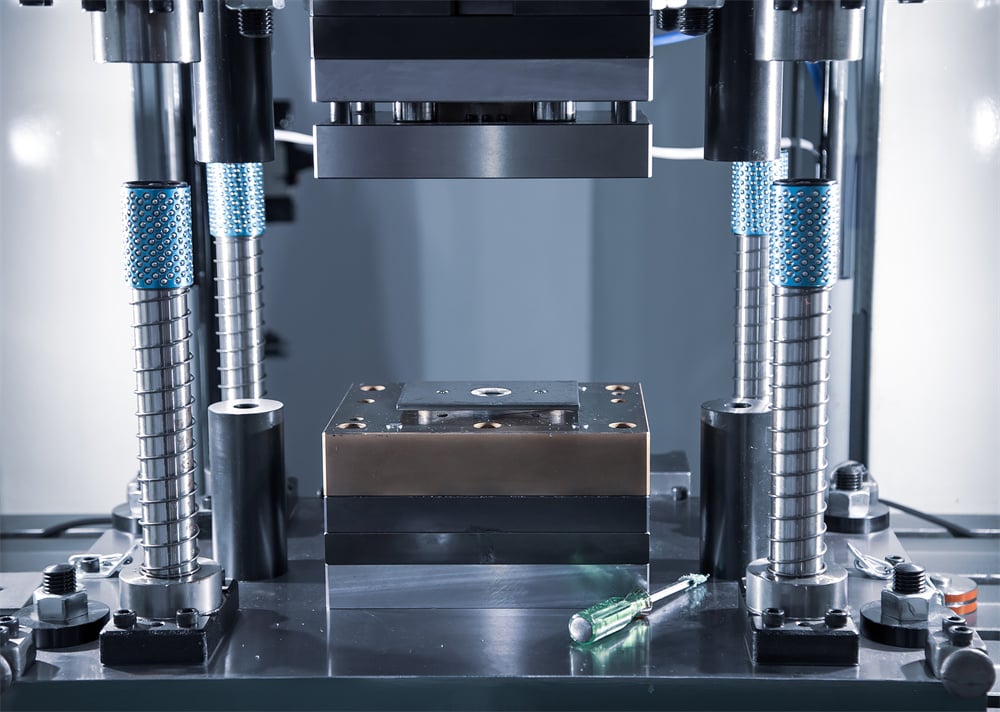
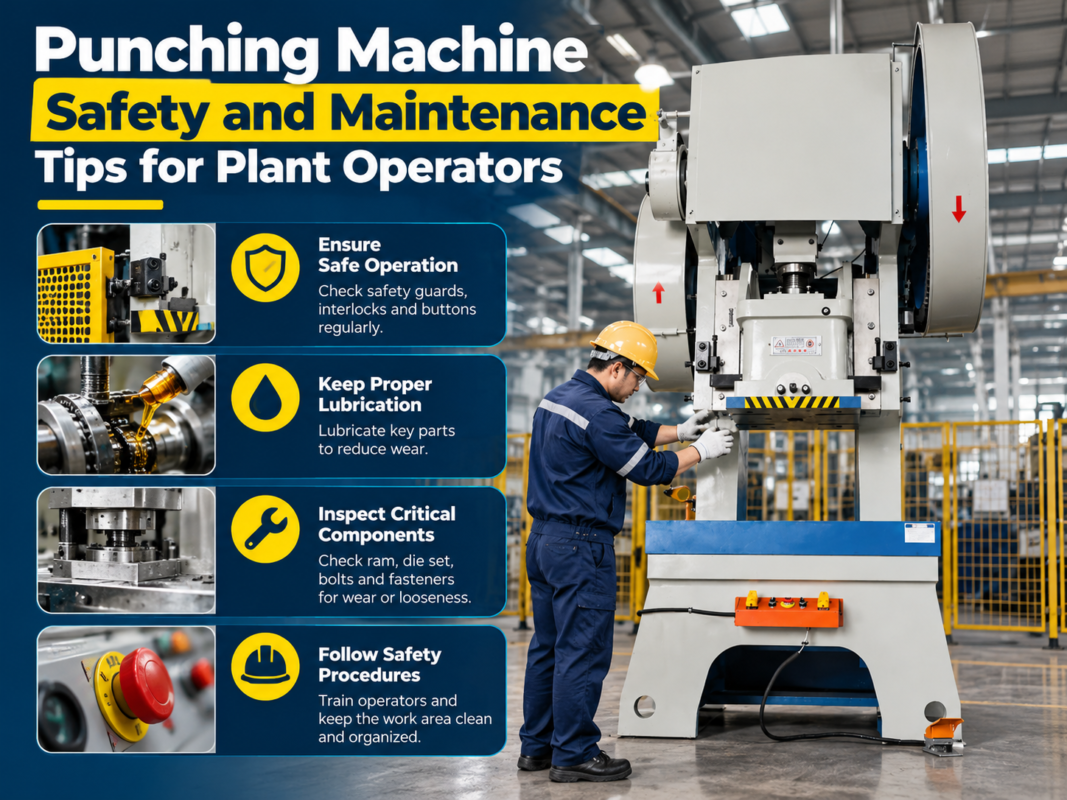
Safety devices must also be tested daily. This includes light curtains, emergency stop buttons, and interlocked guards. A light curtain that is slightly out of alignment might cause intermittent tripping, which frustrates operators and slows down production. By verifying these systems every morning, you ensure that the machine is both safe and ready for high-speed operation. Additionally, check the pressure gauges to ensure they return to zero when the machine is powered down, indicating that the system is properly decompressing.
Deep Dive: Hydraulic System Maintenance
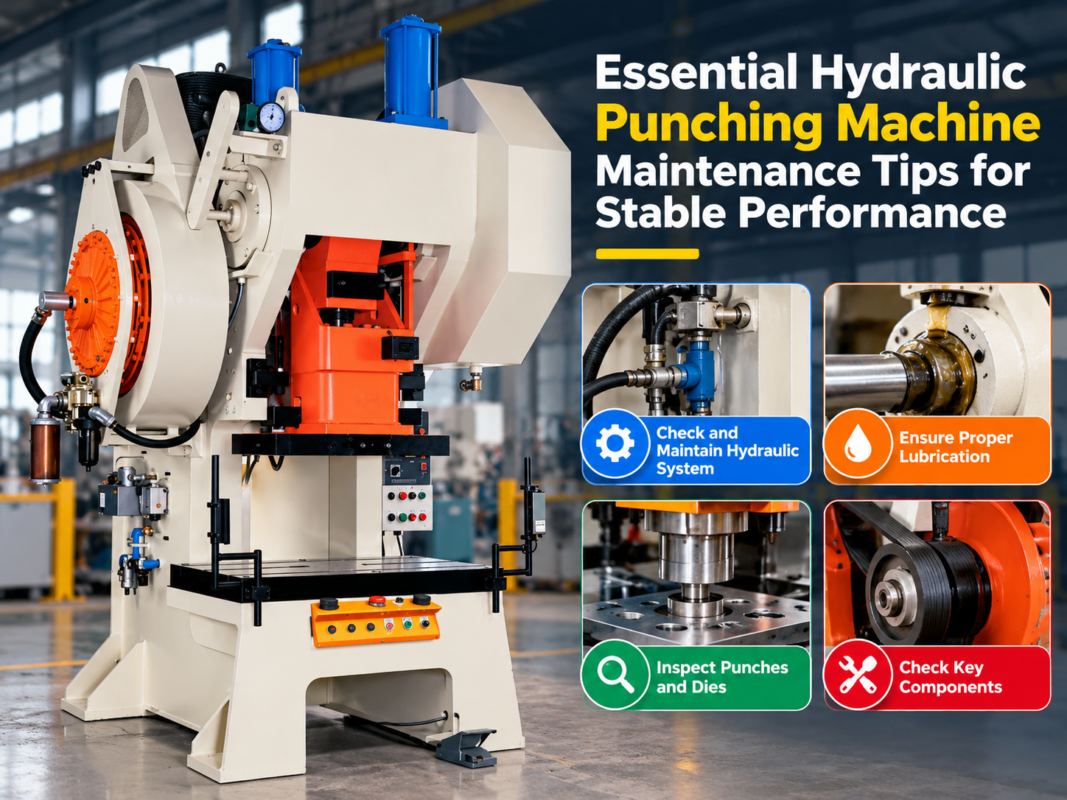
The hydraulic circuit is where the work happens, and it is also where the most sophisticated maintenance is required. To truly let Hydraulic Press Maintenance Strategies Improve Production Efficiency, one must understand the relationship between fluid health and component wear. The primary enemy of any hydraulic system is contamination. Particles as small as 5 microns—invisible to the naked eye—can act like sandpaper inside a high-pressure pump, leading to internal leakage and loss of efficiency.
Regular filter replacement is non-negotiable. Most modern presses feature return-line filters and sometimes pressure-line filters. These should be changed according to the manufacturer’s hour-meter intervals or whenever the ‘filter clogged’ indicator activates. However, a proactive strategy involves oil analysis. By sending a small sample of your hydraulic fluid to a lab twice a year, you can get a detailed report on the ‘wear metals’ present in the oil. This acts like a blood test for your machine, telling you if a bearing is failing or if the pump is cavitating long before the machine stops working.
Temperature control is another vital aspect of hydraulic health. Hydraulic systems generate heat as a byproduct of moving fluid through valves and orifices. If the oil gets too hot (typically above 60°C or 140°F), its viscosity drops, leading to poor lubrication and accelerated seal wear. Ensure that the heat exchanger—whether air-cooled or water-cooled—is clean and functioning. For air-cooled systems, this means blowing out the dust from the radiator fins. For water-cooled systems, it involves checking for scale buildup and ensuring proper water flow rates.
Finally, pay attention to the hydraulic cylinders and rams. The ram should move smoothly without ‘chattering’ or hesitation. Chattering often indicates air trapped in the system or a lack of lubrication on the gibs. Inspect the chrome plating on the piston rod for scratches or pitting. Damaged rods will quickly destroy the rod seals, leading to external leaks. If you notice a ‘rainbow’ sheen on the rod, it may be getting too hot, suggesting an internal bypass in the cylinder that needs professional attention.
Electrical and Control System Integrity
Modern HARSLE presses rely heavily on sophisticated electronics to manage complex forming cycles. Maintenance of the electrical system is often overlooked until a ‘ghost’ fault appears that no one can explain. To prevent this, the electrical cabinet should be inspected monthly. Dust is a major enemy of electronics; it acts as an insulator, causing components to overheat, and in some cases, it can be conductive, leading to short circuits. Use low-pressure compressed air or a vacuum to keep the cabinet clean.
Check all terminal connections for tightness. Industrial machinery vibrates, and over time, these vibrations can loosen screw terminals. A loose wire can cause intermittent signals, leading to erratic machine behavior or mysterious emergency stop triggers. While the cabinet is open, inspect the cooling fans. If a fan fails, the PLC (Programmable Logic Controller) or the HMI (Human Machine Interface) can overheat and fail, leading to expensive replacement costs and significant downtime.
Sensors and limit switches are the ‘eyes’ of the press. In a metal fabrication environment, these sensors are often exposed to oil mist, metal shavings, and physical impact. Ensure that proximity sensors are clean and that their mounting brackets are secure. If a sensor is bumped out of position by just a few millimeters, the press may fail to complete its cycle, or worse, it may allow the ram to over-travel. Calibrating the linear transducers or encoders annually ensures that the depth and position settings remain accurate to within microns.
Mechanical Components and Structural Checks
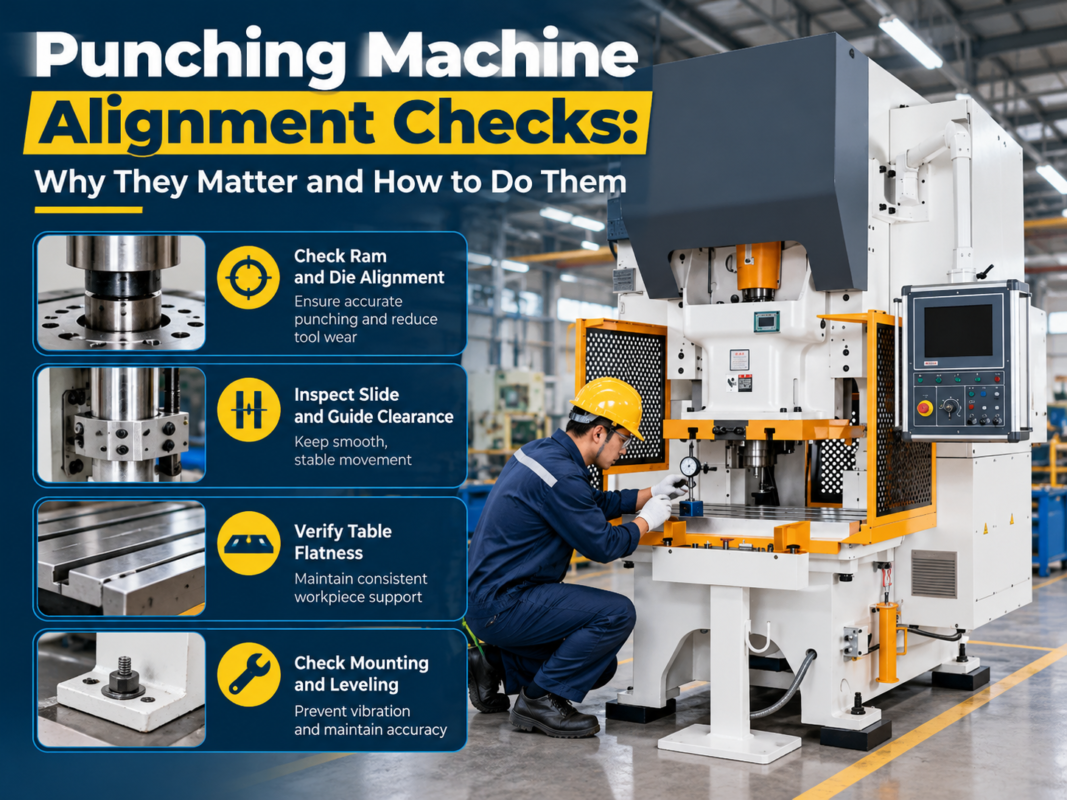
The frame of a hydraulic press is designed to withstand millions of cycles of high-stress loading. However, the mechanical components that guide the ram—the gibs—require constant attention. Proper gib adjustment is critical for maintaining the parallelism between the bolster and the ram. If the gibs are too loose, the ram will tilt under off-center loads, leading to poor part quality and uneven wear on the tooling. If they are too tight, they will generate excessive heat and friction, potentially scoring the guiding surfaces.
Inspect the main structural bolts and tie rods. In large four-column presses, the tension on these rods is vital for the machine’s structural integrity. Use a torque wrench or ultrasonic bolt tension monitoring to ensure that the frame remains rigid. Any movement in the frame during a press stroke is a sign of energy being wasted and a precursor to structural cracking. Look for ‘fretting’—a fine reddish powder—around bolted joints, which is a sure sign of microscopic movement and loose fasteners.
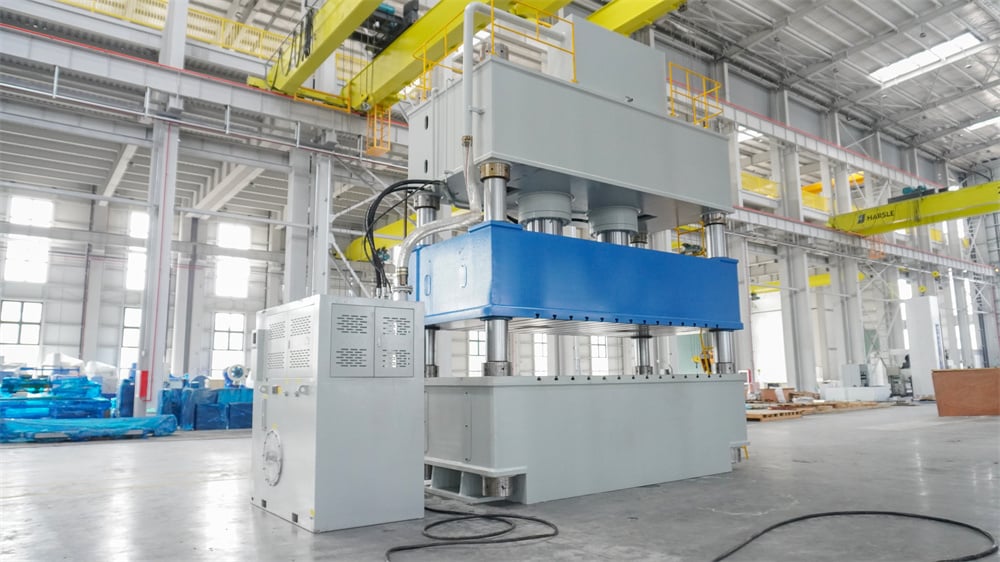
The bolster plate and the ram face should be kept pristine. Any burrs, dents, or debris on these surfaces will be transferred to your tooling, causing misalignment and premature tool wear. Periodically stone the surfaces to remove high spots and ensure they are flat. This is especially important when changing dies frequently, as a single piece of hidden scrap can cause a ‘slug mark’ that ruins the precision of the entire setup.
Developing a Robust Lubrication Plan
Lubrication is the simplest yet most frequently botched part of maintenance. A Hydraulic Press Maintenance Strategies Improve Production Efficiency plan must include a detailed lubrication schedule that specifies the type of lubricant, the location of the grease points, and the frequency of application. Not all greases are created equal; using a high-pressure EP (Extreme Pressure) grease is usually required for the heavy loads encountered in metal forming.
Many HARSLE presses come equipped with automatic lubrication systems. These are excellent for ensuring consistent delivery of grease, but they are not ‘set and forget.’ The reservoir must be kept full, and the delivery lines must be inspected for breaks. A blocked line in an automatic system is dangerous because the operator assumes the machine is being lubricated while a specific bearing is actually running dry. Manually cycle the system and verify that grease is reaching every point on the gibs and pivot pins.
For machines with manual lubrication points, color-coding the grease nipples can help maintenance staff. For example, a red cap might mean ‘lubricate daily,’ while a blue cap means ‘lubricate weekly.’ This visual management system reduces the chance of human error. Always wipe the grease fitting clean before attaching the grease gun; otherwise, you are simply pumping the dirt and grit from the outside of the machine directly into the bearing surfaces.
Troubleshooting Signals: Listening to Your Machine
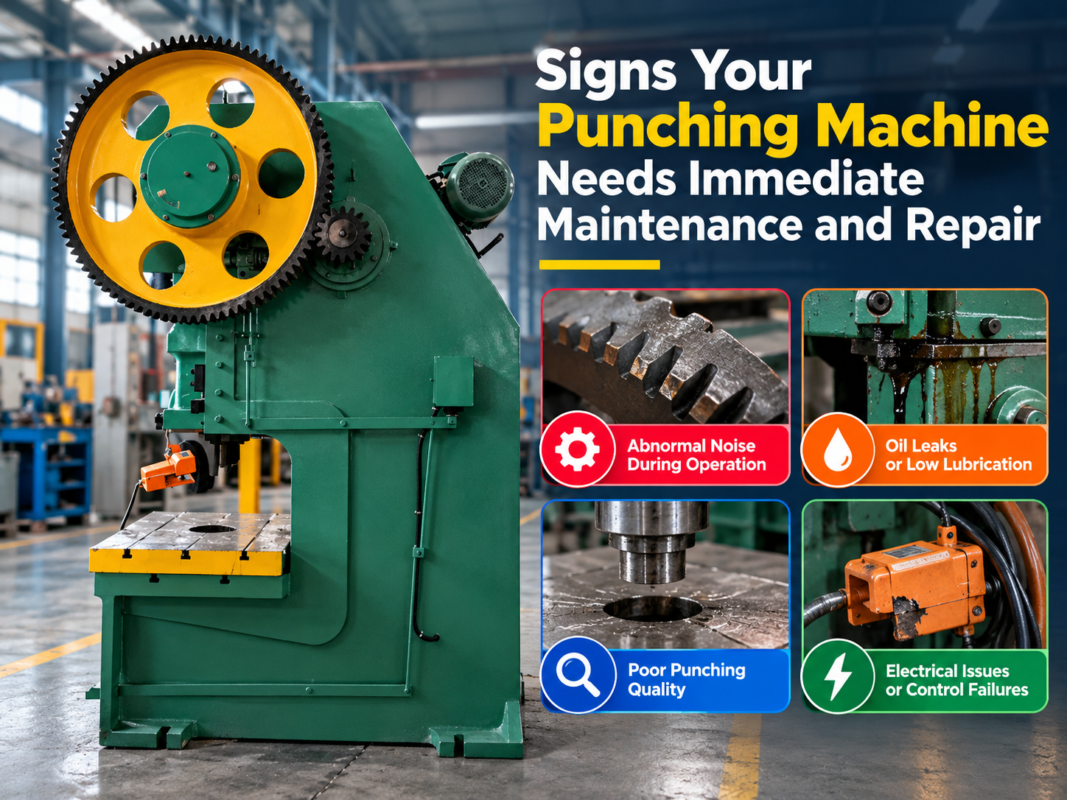
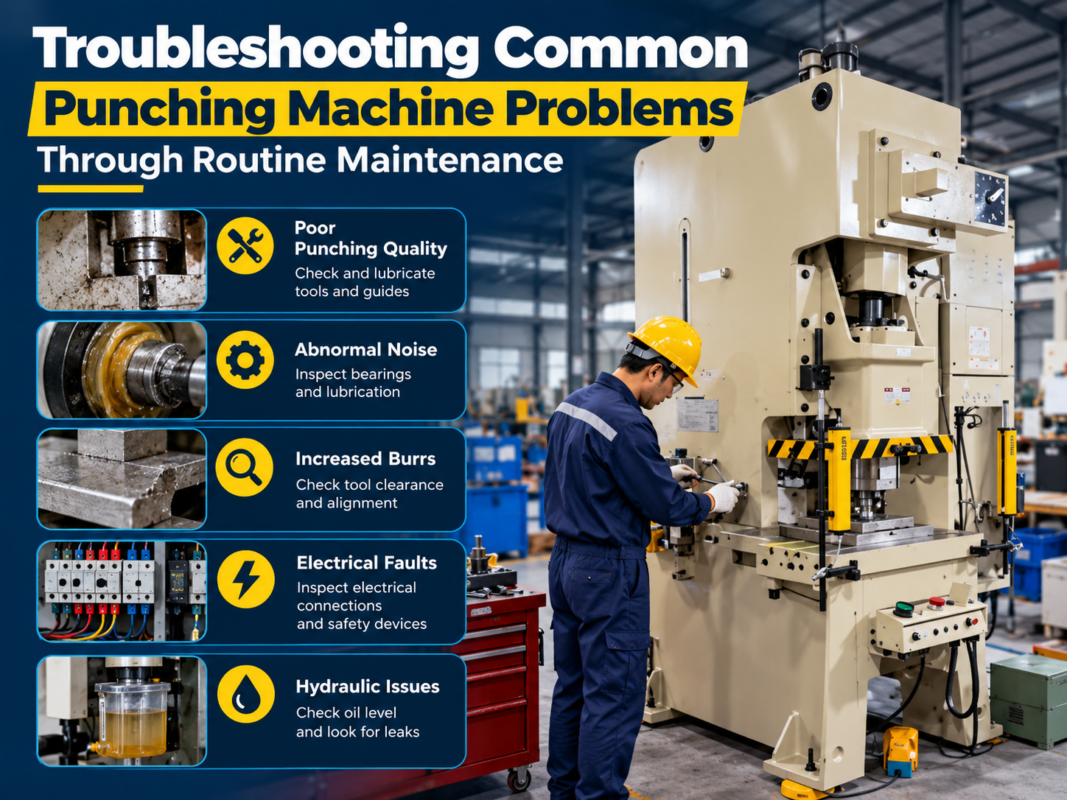
Experienced operators often say they can ‘feel’ when a machine is unhappy. This intuition is actually the recognition of specific troubleshooting signals. Increased noise is the most common indicator of trouble. A high-pitched whine from the pump usually indicates cavitation—where air bubbles form and collapse in the oil—which can destroy a pump in hours. A banging or ‘water hammer’ sound suggests that an accumulator has lost its pre-charge or that a valve is closing too abruptly.
Vibration is another key signal. While some vibration is normal during a heavy punch, a steady rhythmic vibration during the approach or return stroke suggests a mechanical misalignment or a failing motor bearing. Using a handheld vibration pen can help quantify this, allowing you to track the trend over several months. If the vibration levels spike, you know a failure is imminent.
Slow cycle times are a subtle but deadly efficiency killer. If a press that used to complete 10 cycles per minute is now only doing 9, you have lost 10% of your production capacity. This is often caused by internal leakage in the valves or the cylinder seals. As the oil bypasses the seals, the pump has to work harder and longer to build the required pressure. Monitoring cycle times against the machine’s original specifications is a vital part of a high-level maintenance strategy.
Comprehensive Maintenance Schedule Table
To help implement these Hydraulic Press Maintenance Strategies Improve Production Efficiency, use the following table as a baseline for your facility’s PM (Preventive Maintenance) program.
| Frequency | Component | Action Required | Goal |
|---|---|---|---|
| Daily | Hydraulic Hoses/Fittings | Visual inspection for leaks and abrasions | Prevent fluid loss and bursts |
| Daily | Safety Systems | Test light curtains and E-stops | Ensure operator safety |
| Daily | Oil Level | Check sight glass and temperature | Maintain pump lubrication |
| Weekly | Gibs & Slideways | Check lubrication and clean debris | Ensure ram alignment |
| Weekly | Filters | Check clogging indicators | Maintain oil cleanliness |
| Monthly | Electrical Cabinet | Vacuum dust and check fan operation | Prevent electronic failure |
| Monthly | Main Bolts | Visual check for looseness or fretting | Maintain structural integrity |
| Quarterly | Hydraulic Oil | Send sample for laboratory analysis | Predictive component failure tracking |
| Quarterly | Accumulators | Check nitrogen pre-charge pressure | Ensure smooth hydraulic operation |
| Annually | Full System Calibration | Verify pressure and position accuracy | Maintain part quality standards |
| Annually | Heat Exchanger | Deep clean fins or flush water lines | Prevent oil overheating |
Frequently Asked Questions (FAQ)
1. How often should I change the hydraulic oil in my press?
There is no one-size-fits-all answer. While many manufacturers suggest every 2,000 to 4,000 hours, the best practice is to base the change on oil analysis. If the oil is clean, the additives are active, and the viscosity is within range, you can extend its life. However, if you don’t perform analysis, an annual change is a safe insurance policy against component wear.
2. Why is my hydraulic press losing pressure during the dwell cycle?
Loss of pressure usually indicates an internal leak. This could be a leaking check valve, a worn seal in the main cylinder, or a malfunctioning pressure relief valve. Start by checking the easiest components—the valves—before disassembling the main cylinder.
3. Can I use any hydraulic oil as long as the weight is correct?
No. You must use an oil that meets the specific requirements of your pump manufacturer (e.g., ISO VG 46 or 68) and contains the necessary anti-wear (AW) additives. Using the wrong oil can lead to foaming, poor air release, and rapid pump failure.
4. What is the most common cause of hydraulic press failure?
Contamination is the leading cause of up to 80% of hydraulic system failures. Whether it’s dirt introduced during a repair, moisture from the air, or internal wear particles, keeping the oil clean is the single most important thing you can do for your press.
5. How do I know if my gibs need adjustment?
If you notice uneven wear on your dies, or if you can see the ram ‘shudder’ when it makes contact with the workpiece, your gibs likely need adjustment. You can also use a dial indicator to measure the lateral movement of the ram; anything beyond the manufacturer’s spec (often 0.001″ to 0.003″) requires attention.
Conclusion: The Path to Peak Efficiency
Implementing Hydraulic Press Maintenance Strategies Improve Production Efficiency is a journey, not a destination. It requires a cultural shift within the workshop where maintenance is viewed as a value-added activity rather than a chore. By following the protocols for daily, weekly, and monthly checks, and by utilizing modern techniques like oil analysis and thermal imaging, you can transform your HARSLE hydraulic press into a model of industrial reliability.
Remember that every dollar spent on preventive maintenance typically saves five dollars in emergency repairs and lost production. In the competitive landscape of metal fabrication, the companies that thrive are those whose machines are always ready to perform. Keep your oil clean, your sensors calibrated, and your operators trained, and your hydraulic press will remain a productive asset for many years to come.