Comprehensive Guide: How to Choose a Laser Cutting Machine for High-Volume Production


Introduction to High-Volume Laser Cutting
In the modern manufacturing landscape, the ability to produce high-quality metal parts at scale is the difference between a profitable enterprise and one that struggles to keep up with market demands. When we talk about high-volume production in the context of metal fabrication, we are referring to environments where machines run for multiple shifts, processing thousands of sheets per month with minimal downtime. Choosing the right equipment for this level of intensity requires a deep understanding of not just the machine’s cutting speed, but its overall ecosystem, including automation, software, and structural durability.
For companies looking to choose a laser cutting machine for high-volume production, the decision-making process must shift from ‘what is the cheapest machine?’ to ‘what is the most efficient machine over a five-year lifecycle?’ High-volume production demands reliability. A machine that breaks down once a week, even if it cuts faster than its competitors, will ultimately cost more in lost revenue and missed deadlines. This guide is designed to walk you through the technical and financial considerations necessary to make an informed investment in HARSLE-grade industrial laser technology.
Price Range Overview for Industrial Laser Machines
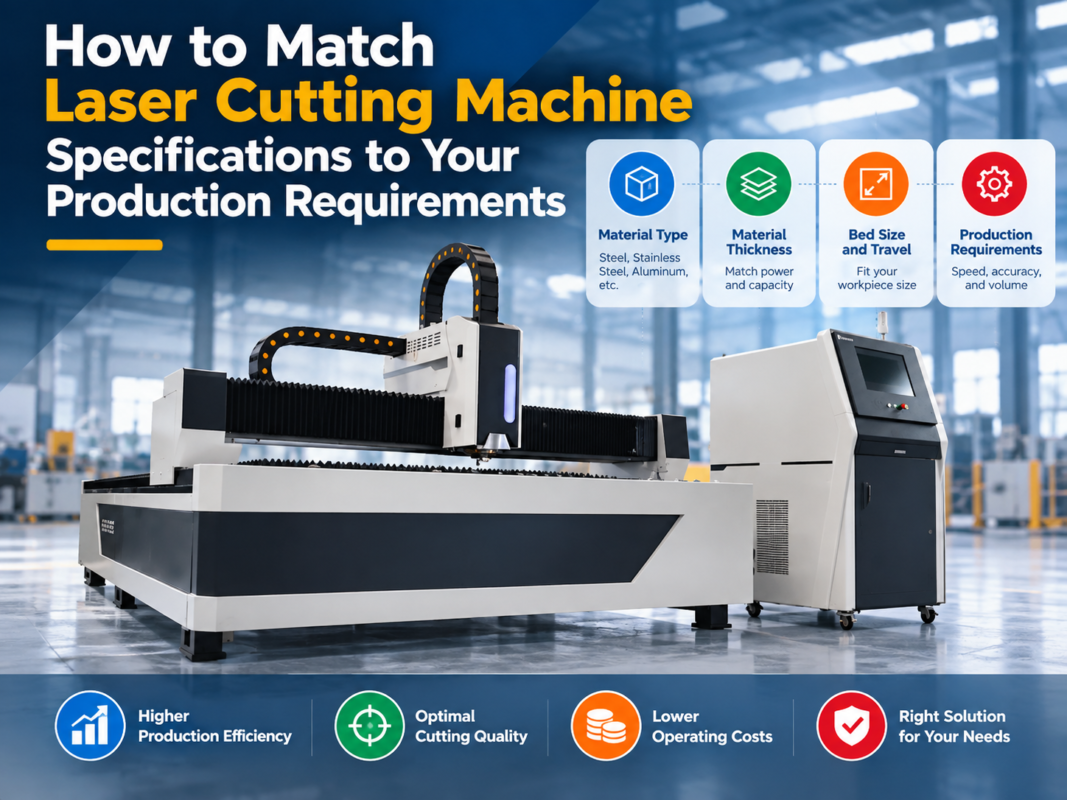
The price of a laser cutting machine is often the first hurdle for buyers, but it is important to categorize these machines by their intended duty cycle. For high-volume production, entry-level ‘hobbyist’ or light industrial machines are generally unsuitable due to their lack of thermal stability and slower acceleration rates. High-volume machines are typically categorized into three tiers based on their power, automation capabilities, and build quality.
| Machine Tier | Typical Power Range | Estimated Price Range (USD) | Best For |
|---|---|---|---|
| Mid-Range Industrial | 3kW – 6kW | $50,000 – $120,000 | Small to medium batches, thinner materials, 1-shift operations. |
| High-Performance | 12kW – 20kW | $150,000 – $350,000 | Continuous high-speed cutting, thick plates, 2-3 shift operations. |
| Ultra-High Power / Automated | 30kW+ | $400,000+ | Heavy industrial use, full automation, maximum throughput. |
When you choose a laser cutting machine for high-volume production, you must look beyond the sticker price. A $100,000 machine might seem like a bargain, but if it lacks an automatic pallet changer, your ‘high-volume’ production will be constantly interrupted by manual loading and unloading, which can account for up to 50% of the total cycle time. Therefore, the price range for a truly productive high-volume setup usually starts at the mid-to-high performance tier where automation features become standard.
Main Cost Drivers in High-Volume Laser Systems
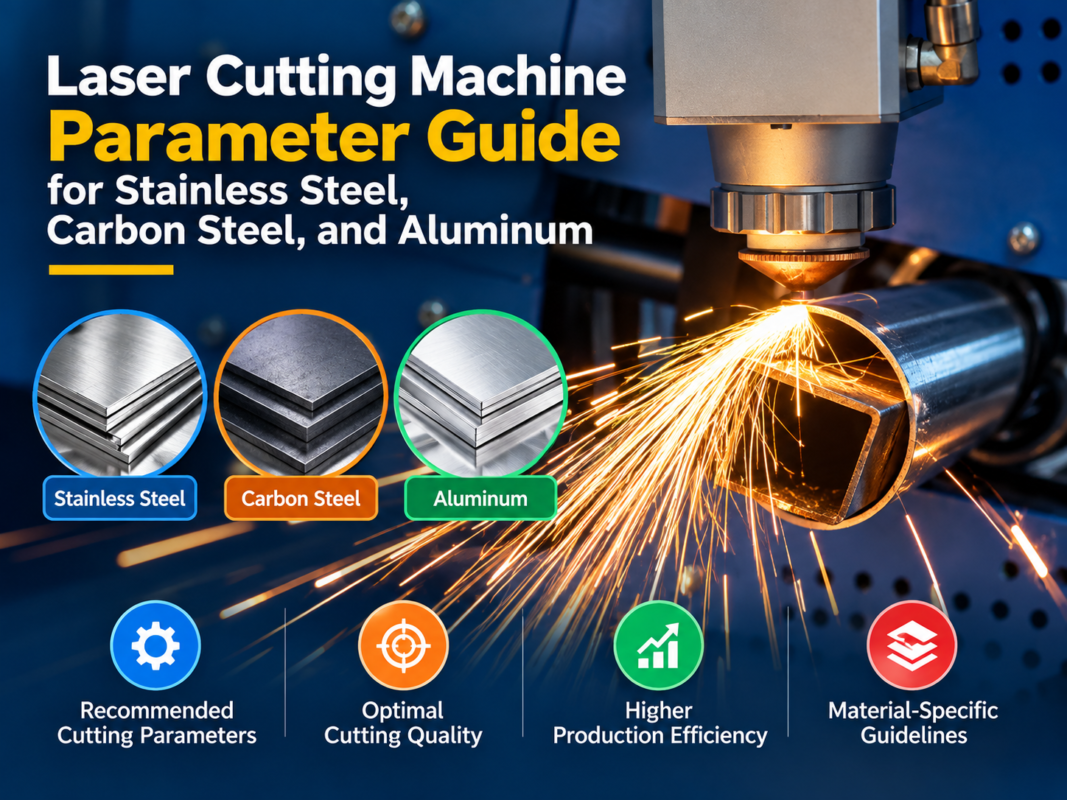
Several factors dictate the cost and performance of a laser cutting system. Understanding these drivers allows you to allocate your budget to the components that will have the greatest impact on your bottom line. The most significant cost driver is the laser source itself. Fiber laser sources from reputable brands like IPG, Raycus, or Max Photonics vary in price based on their wattage and beam quality. For high-volume work, higher wattage is almost always preferable because it allows for faster feed rates on thin materials and the ability to cut through thick plates with ease.
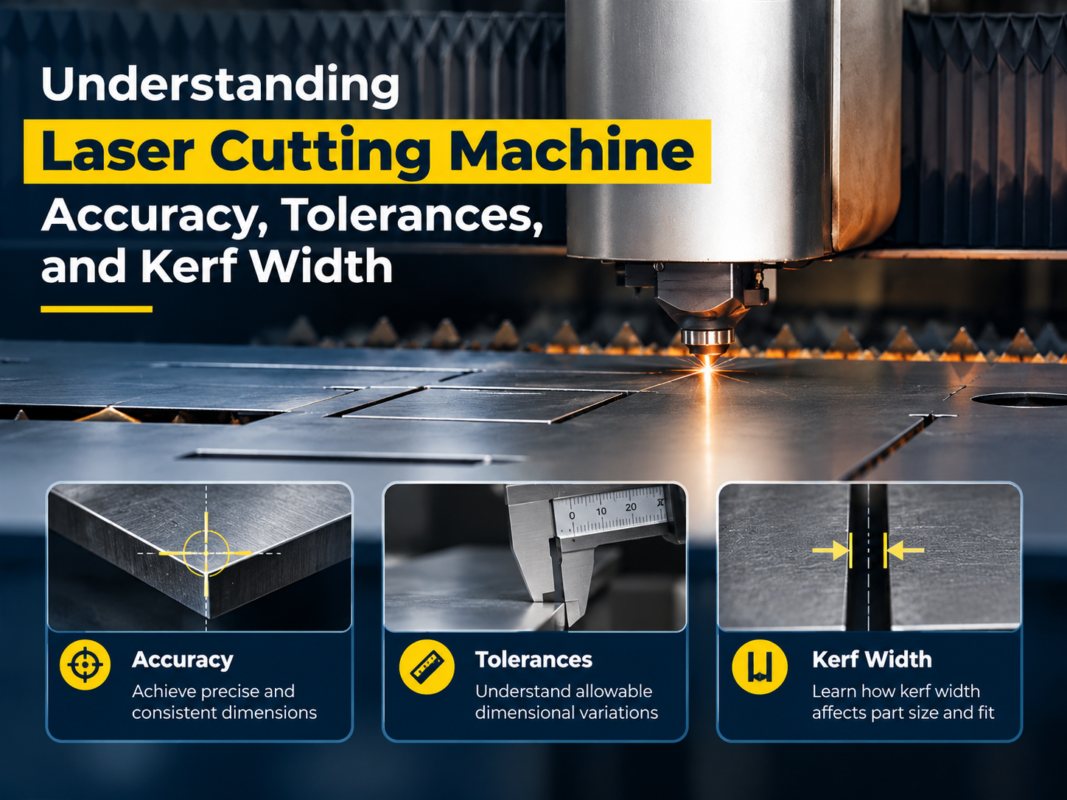
The second major cost driver is the motion system. High-volume production requires high acceleration (G-force). To achieve 2G or 3G acceleration without losing precision, the machine needs high-end servo motors (such as Yaskawa or Panasonic) and precision rack-and-pinion systems or linear motors. A machine with high top speeds but low acceleration will struggle to maintain efficiency on complex parts with many small holes or intricate geometries, as it will never reach its maximum speed before needing to slow down for a corner.
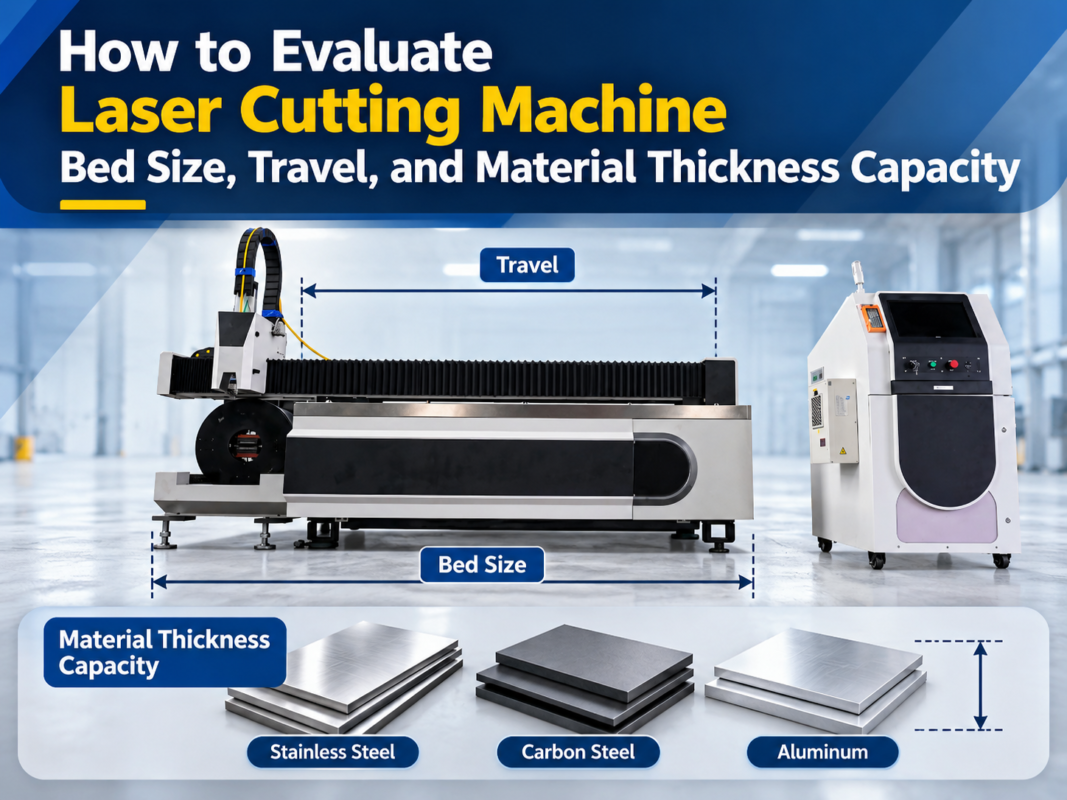
Furthermore, the structural integrity of the machine bed—the ‘gantry’ and ‘frame’—is a hidden cost driver. High-volume machines use heavy-duty, heat-treated, and stress-relieved welded frames or cast iron beds. These frames are designed to withstand the immense kinetic energy of a fast-moving cutting head over years of operation without warping or vibrating, which would otherwise degrade cutting accuracy and shorten the life of the optical components.
Configuration Impact: Tailoring the Machine for Throughput
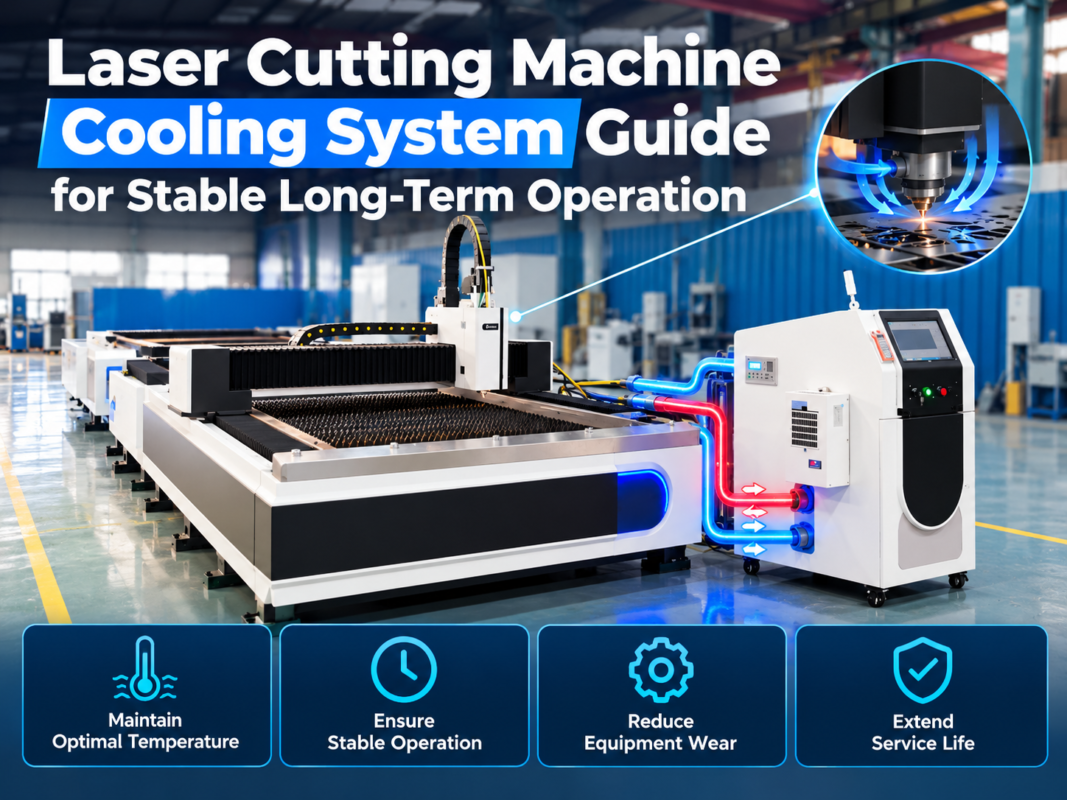
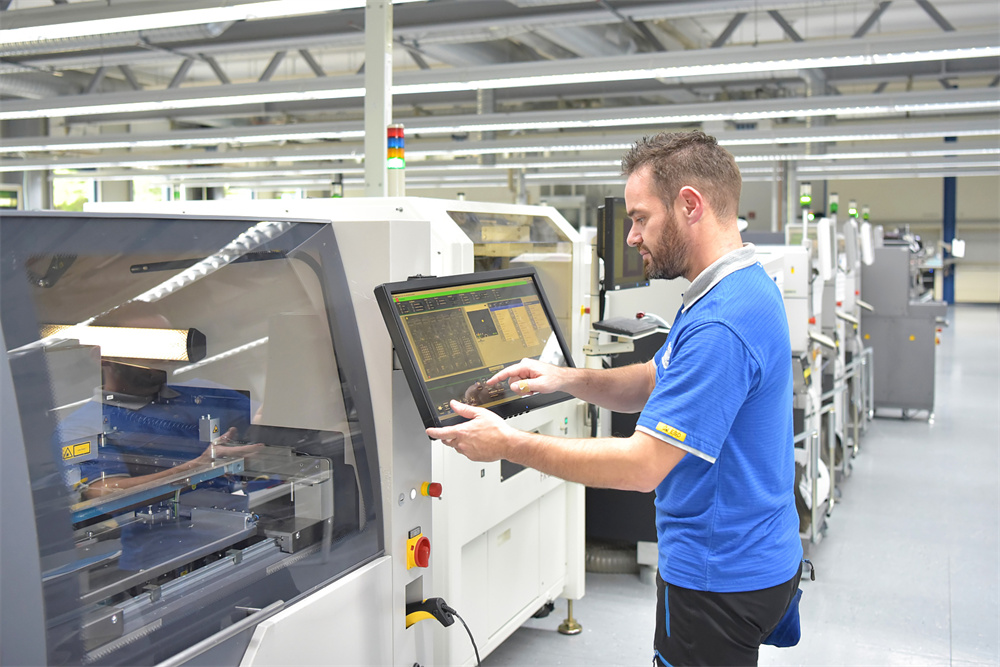
Configuration is where you customize the machine to fit your specific production workflow. For high-volume environments, the ‘Standard’ configuration is rarely enough. You must consider how the machine interacts with the material and the operator. One of the most critical configurations is the cooling system. High-power lasers generate significant heat; a dual-circuit industrial chiller is mandatory to keep both the laser source and the cutting head at stable temperatures, preventing thermal drift and ensuring consistent cut quality throughout a 24-hour cycle.
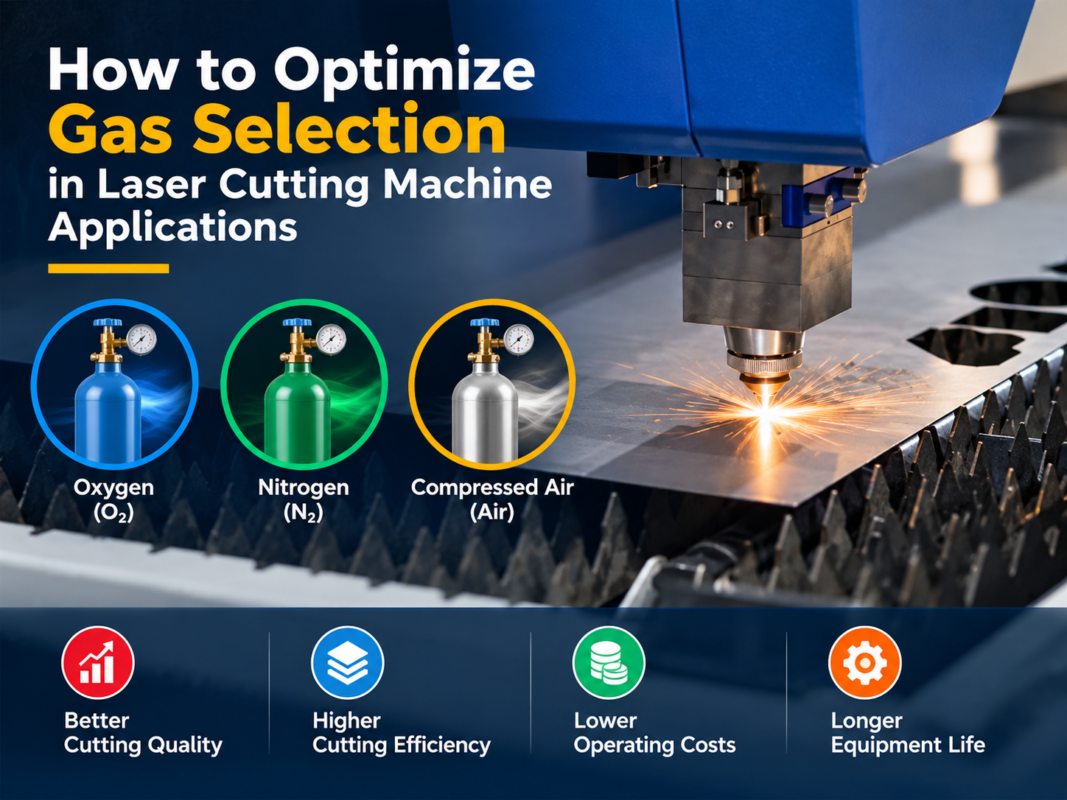
Another vital configuration is the gas control system. High-volume shops often switch between Oxygen (for carbon steel), Nitrogen (for stainless steel and aluminum), and Compressed Air (for cost-effective cutting of thin gauges). Automated gas selection and electronic proportional valves allow the machine to adjust gas pressure and type instantly via the CNC program, reducing setup times between different jobs. This is essential when you choose a laser cutting machine for high-volume production because manual gas adjustments are a major bottleneck.
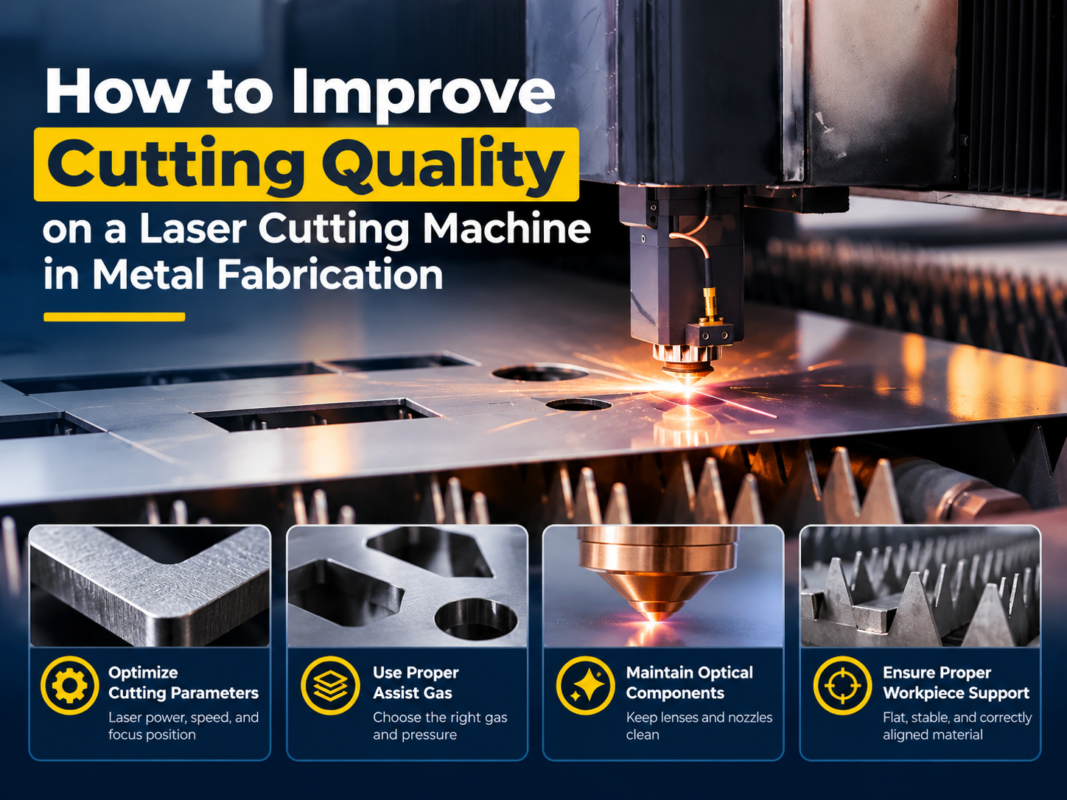
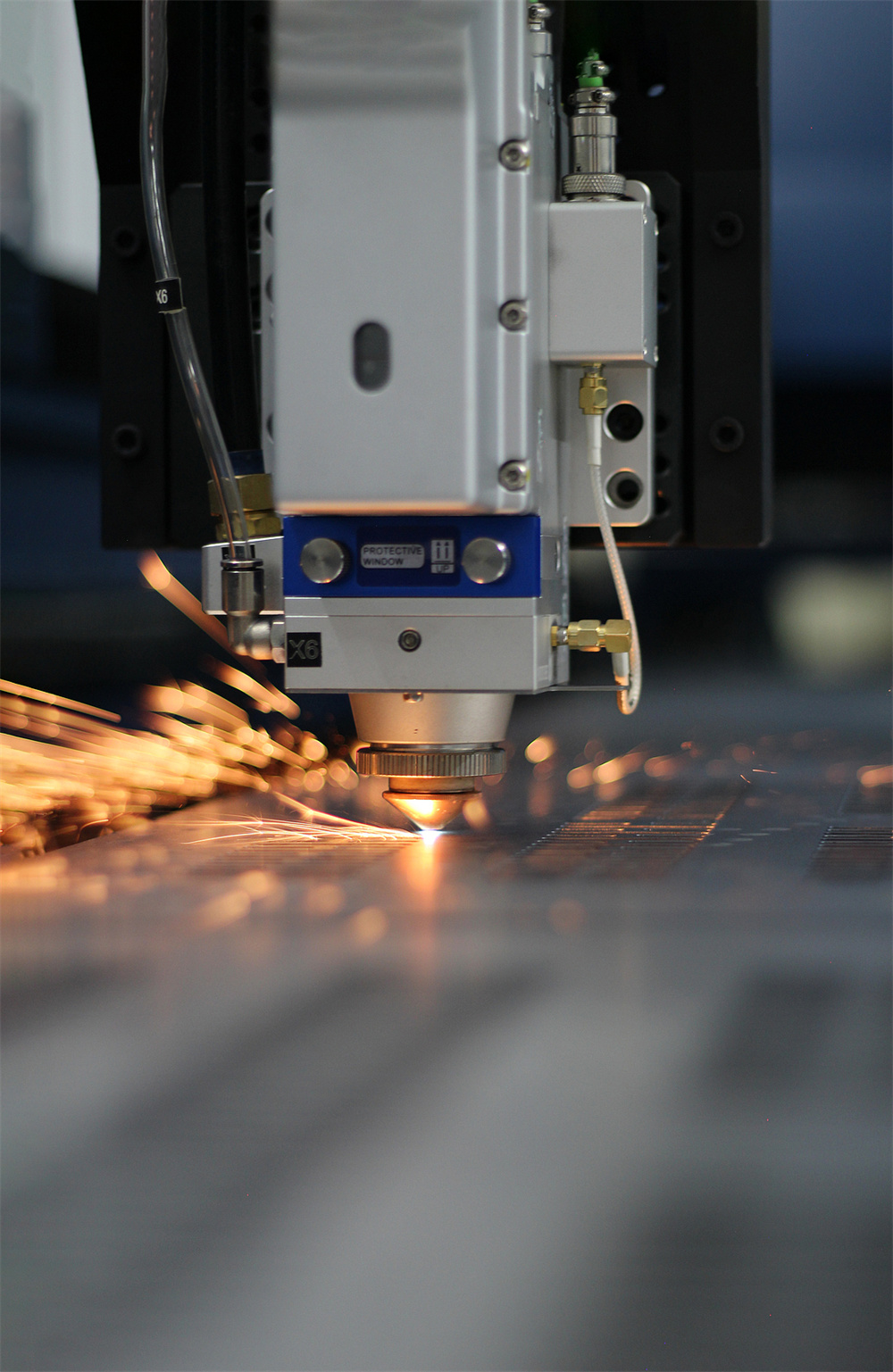
Finally, consider the cutting head technology. Modern heads feature auto-focusing capabilities and sensors that can detect if a cut has failed or if the nozzle is damaged. In a high-volume setting, ‘Precitec’ or similar high-end heads with ‘Pierce Monitoring’ can save hours of wasted time by ensuring the machine doesn’t continue ‘cutting’ a sheet after a malfunction has occurred. These smart features allow for ‘lights-out’ manufacturing, where the machine can run unattended overnight.
Hidden Costs of Operating a Laser Cutter
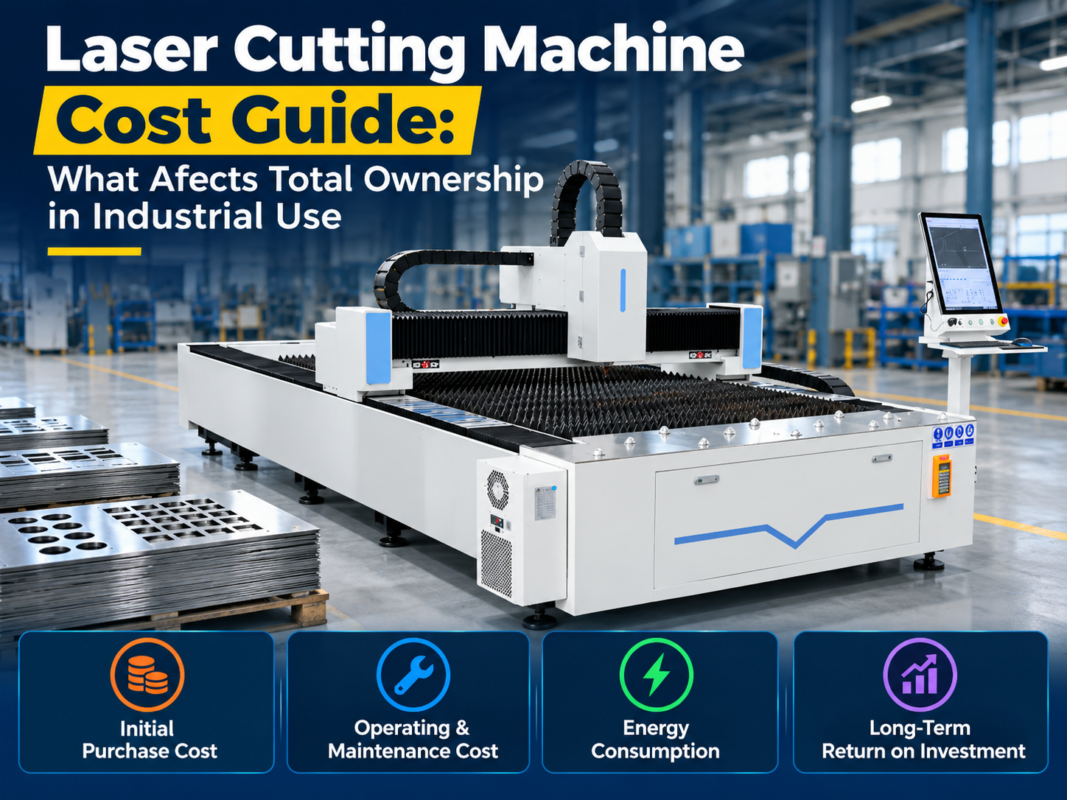
While the purchase price and electricity are obvious, several hidden costs can erode the profitability of a high-volume operation if not managed correctly. Consumables are the most frequent hidden cost. Nozzles, protective windows, and ceramic rings must be replaced regularly. In a high-volume environment, you might go through several nozzles a day if the material is dirty or the parameters are not optimized. Purchasing high-quality consumables in bulk is a strategy used by top-tier shops to keep these costs predictable.
Assist gas consumption is perhaps the largest ongoing operational expense. Cutting with Nitrogen at high pressures is expensive. Many high-volume producers are now investing in Nitrogen generators or high-pressure air compressors to eliminate the need for liquid nitrogen tanks. While the upfront cost of a Nitrogen generator is high, the long-term savings in a high-volume scenario can be staggering, often paying for itself within 12 to 18 months.
Maintenance and downtime are also ‘costs’ that must be accounted for. A machine that is easy to service, with readily available spare parts, is worth more than a slightly faster machine with a proprietary control system that requires a technician to fly in from another country. When you choose a laser cutting machine for high-volume production, always ask about the local service infrastructure and the cost of a comprehensive annual maintenance contract.
ROI Calculation: When Does the Investment Pay Off?
Calculating the Return on Investment (ROI) for a high-volume laser cutting machine involves more than just dividing the machine cost by the part price. You must look at the ‘Cost Per Part.’ A 12kW laser might cost twice as much as a 6kW laser, but if it can produce three times as many parts per hour due to faster cutting and piercing speeds, the cost per part actually drops significantly. This increased throughput allows you to take on more contracts without increasing your labor costs or floor space.
To calculate ROI, use the following formula: (Total Annual Revenue from Machine – Annual Operating Costs) / Total Investment Cost. Operating costs should include labor, gas, electricity, consumables, and rent. In high-volume scenarios, the ‘Revenue’ side of the equation is boosted by the machine’s ability to run unattended. If a machine with an automatic loader can run an extra 4 hours after the staff goes home, that is ‘free’ production time that dramatically accelerates the ROI. Most HARSLE customers find that a well-configured high-volume machine reaches break-even within 18 to 24 months of operation.
Buying Advice for High-Volume Production
If you are ready to choose a laser cutting machine for high-volume production, follow this checklist to ensure you select a machine that will grow with your business:
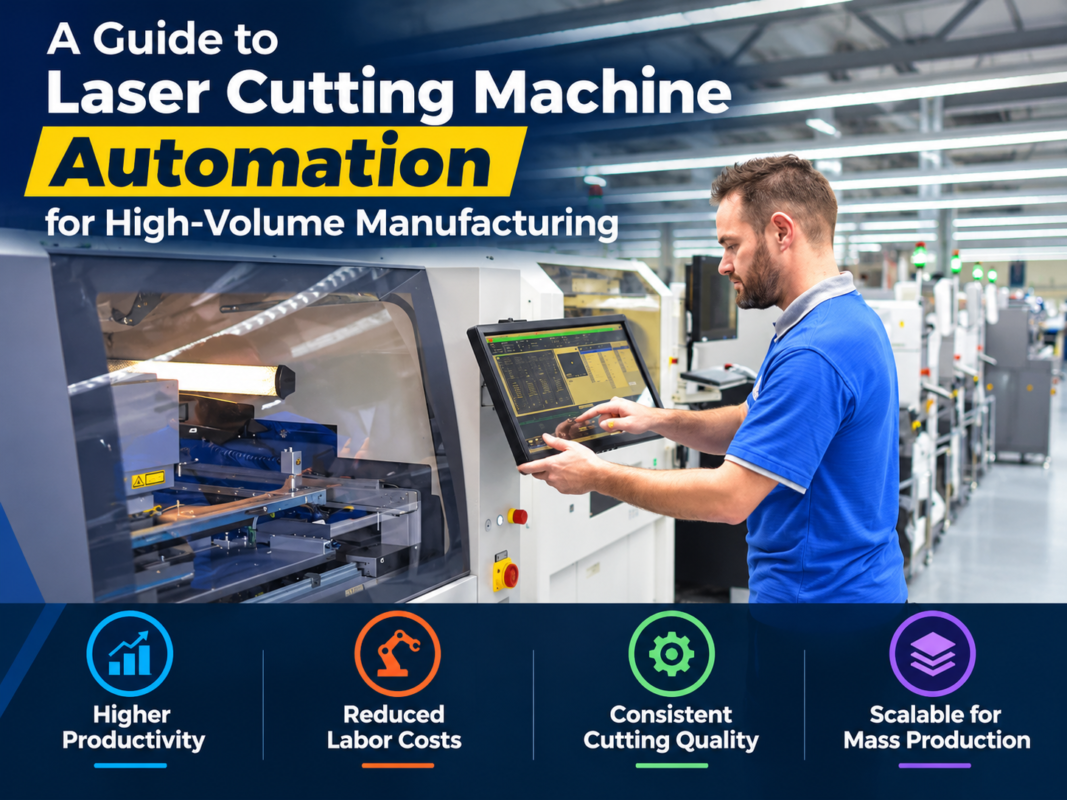
- Prioritize Automation: At a minimum, get an automatic pallet changer. If budget allows, look into ‘Load/Unload’ towers that can handle multiple stacks of raw material.
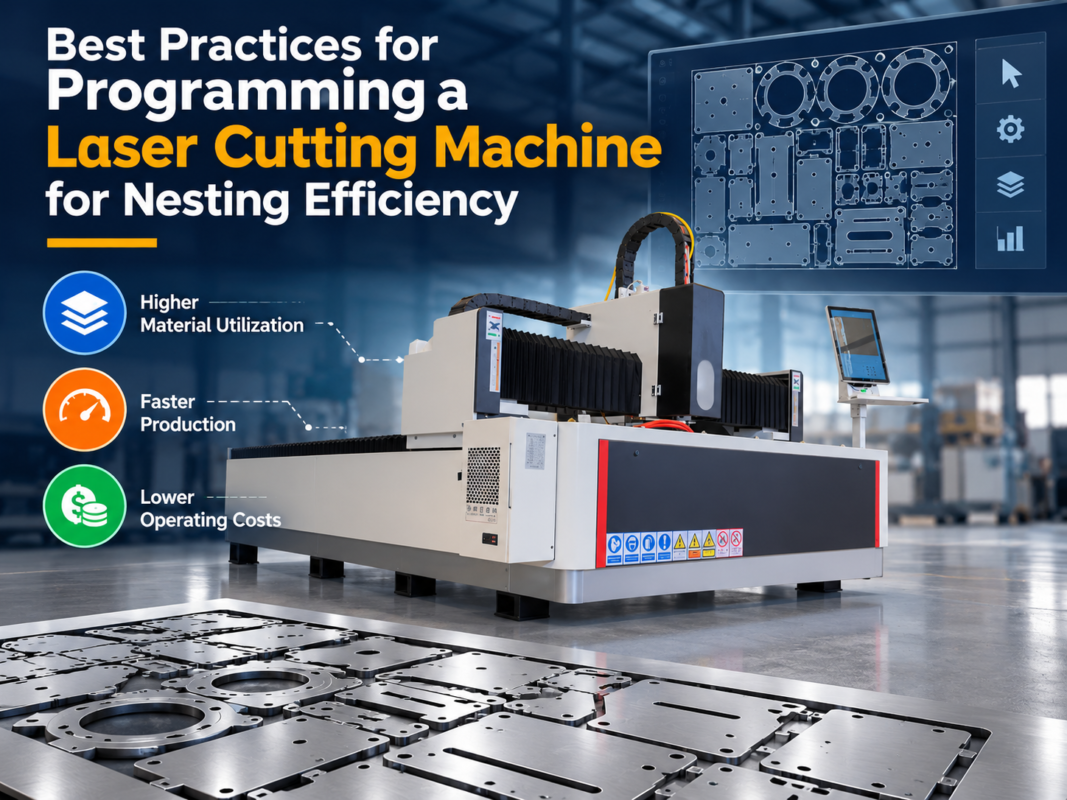
- Verify the Software: High-volume production requires efficient nesting software. Ensure the machine’s software can optimize material usage (yield) and automatically create ‘common line’ cuts to save time and gas.
- Check the Frame Construction: Ask for the weight of the machine. A heavier machine generally indicates better vibration dampening and a more robust frame suitable for high-speed movement.
- Test with Your Material: Don’t rely on the manufacturer’s spec sheet. Send your most common material and CAD files to the supplier and ask for a timed cutting demo. This gives you a real-world benchmark for throughput.
- Evaluate the Control System: Systems like FSCUT or Beckhoff are industry standards. They offer the stability needed for long production runs and are generally easier for operators to learn.
Choosing a machine from a manufacturer like HARSLE ensures you are getting a balance of cutting-edge technology and industrial-grade durability. Our machines are engineered specifically to handle the rigors of continuous production, with a focus on ease of maintenance and high-speed accuracy.
Frequently Asked Questions (FAQ)
1. Is a 20kW laser necessary for thin materials?
While a 20kW laser can cut thin materials extremely fast, the benefit starts to plateau because the machine’s physical acceleration limits how fast it can move around corners. However, for high-volume production, the 20kW source offers much faster piercing times and better reliability when running at 50-60% capacity compared to a 6kW source running at 100% capacity.
2. How much does automation add to the cost?
A basic automatic pallet changer is usually included in high-end machines. A full load/unload system can add $30,000 to $100,000 to the price, but it can double your production capacity by allowing for unattended operation and reducing the physical strain on workers.
3. Can I use compressed air for high-volume cutting?
Yes, modern high-power fiber lasers (12kW+) can cut stainless steel and carbon steel up to 10mm-12mm using high-pressure compressed air. This significantly reduces the cost per part by eliminating the need for expensive Nitrogen or Oxygen, though the cut edge may have a slight oxidation layer.
4. What is the expected lifespan of a fiber laser source?
Most high-quality fiber laser sources are rated for 100,000 hours of operation. In a high-volume environment running 24/7, this equates to over 11 years of continuous use. The diodes are the main component that wears out, and they can often be replaced without replacing the entire source.
5. How often does a high-volume machine need maintenance?
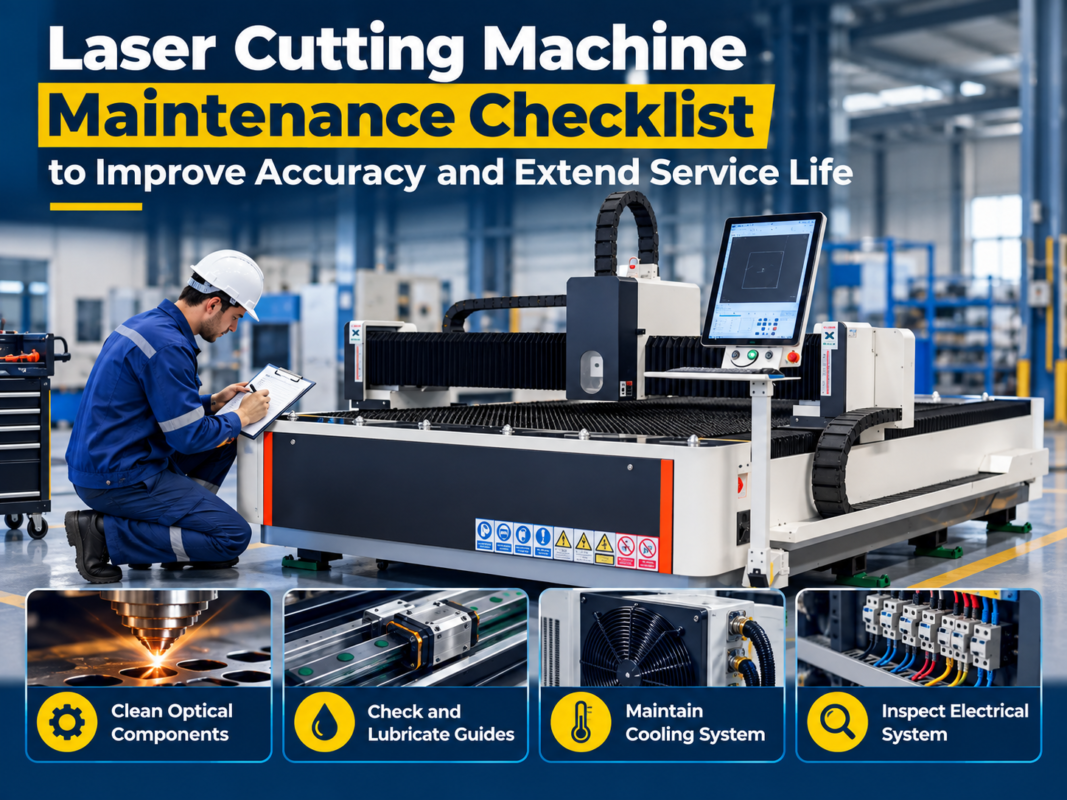
Daily maintenance (cleaning lenses, checking nozzles) takes about 15 minutes. A deeper weekly check of the rails and lubrication system is required. Professional preventative maintenance by a technician should be performed every 6 to 12 months to ensure the motion system remains calibrated and the cooling system is free of contaminants.