Laser Cutting Machine Servo Motor Fault Troubleshooting: A Comprehensive Industrial Guide


Introduction to Laser Cutting Machine Servo Systems
In the realm of modern metal fabrication, the precision and efficiency of a laser cutting machine are largely dictated by its motion control system. At the heart of this system lies the servo motor and its accompanying drive. These components are responsible for the high-speed, high-accuracy positioning of the cutting head across the X, Y, and Z axes. When a fault occurs within the servo system, production grinds to a halt, leading to costly downtime and potential damage to expensive workpieces. Understanding Laser Cutting Machine Servo Motor Fault Troubleshooting is not just a technical skill; it is a vital necessity for any facility operating HARSLE equipment or similar high-end industrial machinery.
Servo motors differ from standard induction motors because they operate in a closed-loop system. They constantly receive feedback from encoders to ensure that the actual position matches the commanded position. In a fiber laser cutting environment, where tolerances are measured in microns and accelerations can exceed 2G, the stress on these motors is immense. This guide aims to provide a deep dive into the common failures, diagnostic procedures, and preventative measures required to keep your laser cutting machine running at peak performance. We will explore the intersection of electrical signals, mechanical resistance, and software parameters that define the health of your servo system.
Key Considerations for Servo and Motor Diagnostics
Before diving into specific fault codes, it is essential to establish a framework for troubleshooting. The first consideration is safety. Servo drives operate at high voltages and store significant energy in their capacitor banks even after power is disconnected. Always follow Lockout-Tagout (LOTO) procedures and allow capacitors to discharge before inspecting wiring. Furthermore, troubleshooting should always begin with the simplest possibilities before moving to complex component replacements. Often, what appears to be a motor failure is actually a loose communication cable or a tripped circuit breaker.
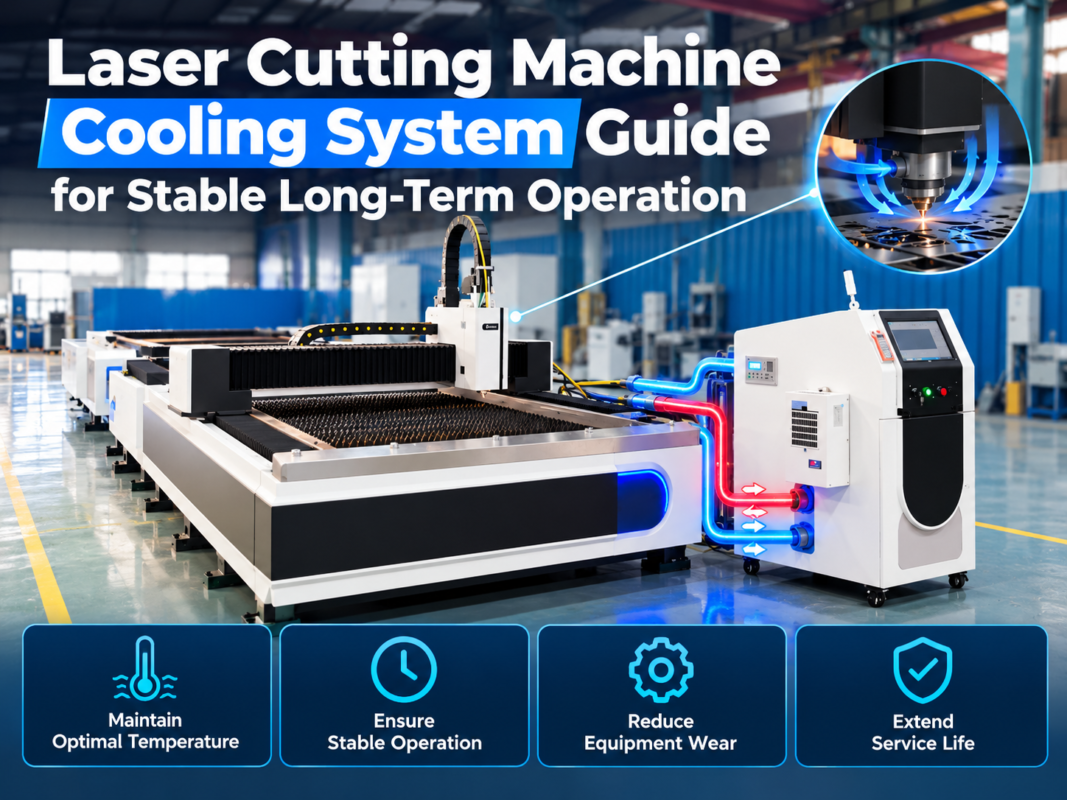
Environmental factors play a massive role in servo health. Laser cutting generates fine metallic dust and significant heat. If the electrical cabinet’s cooling system fails or if the filters are clogged, the servo drives can overheat, leading to intermittent ‘Over-temperature’ alarms. Similarly, metallic dust is conductive; if it penetrates the servo drive or the motor’s encoder housing, it can cause short circuits or signal interference. Regular cleaning and maintaining a pressurized, filtered electrical cabinet are the first lines of defense against servo faults.
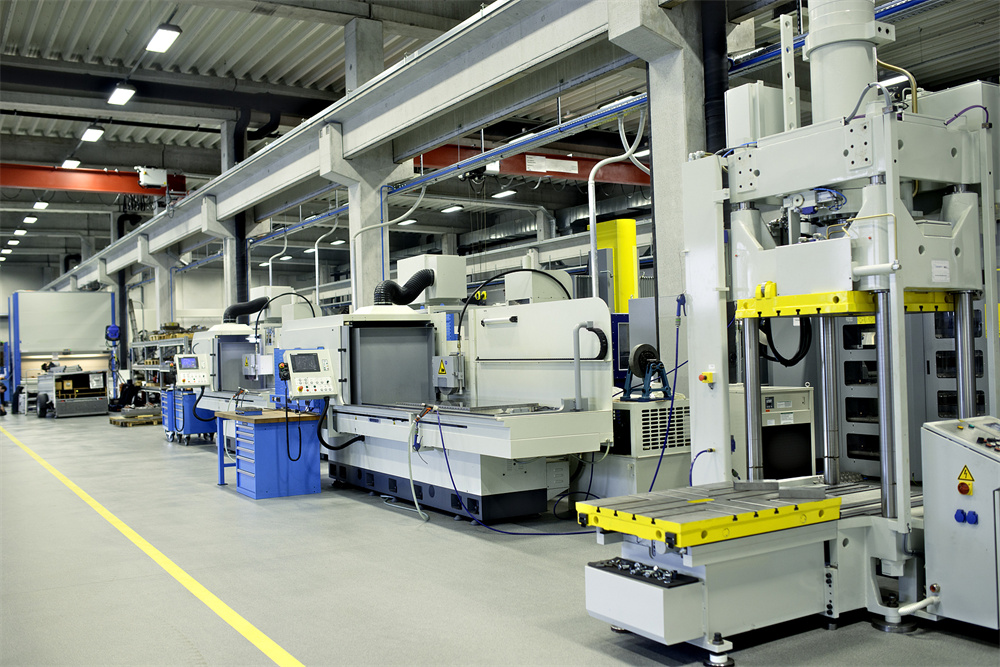
Another critical consideration is the quality of the power supply. Laser cutting machines are sensitive to voltage fluctuations and electromagnetic interference (EMI). If your facility has large machines (like heavy hydraulic presses) starting and stopping on the same power grid, the resulting voltage spikes can trigger ‘Overvoltage’ or ‘Undervoltage’ faults in the servo drives. Utilizing isolation transformers and ensuring proper grounding of the machine frame and shielded signal cables is paramount to preventing ‘ghost’ faults that are difficult to replicate during standard testing.
Technical Details: Common Faults and Solutions
1. Encoder Feedback Errors
The encoder is the ‘eyes’ of the servo motor. It provides real-time data on the motor’s position and speed. Encoder faults (often displayed as ‘Communication Error’ or ‘Feedback Disconnect’) are among the most common issues in Laser Cutting Machine Servo Motor Fault Troubleshooting. These are frequently caused by damaged cables resulting from the constant flexing of the cable carrier (drag chain). Over time, the internal copper strands can break, leading to intermittent signal loss. To diagnose this, perform a continuity test on the encoder cable while moving the axis manually to see if the signal drops out.
2. Overcurrent and Overload Alarms
Overcurrent (OC) alarms occur when the drive detects a current draw that exceeds its rated capacity. This can be caused by an internal short circuit in the motor windings or the drive itself. However, in many cases, it is a symptom of mechanical resistance. If the linear guides are not lubricated or if the rack and pinion are misaligned, the motor must work harder to move the axis, eventually tripping an ‘Overload’ (OL) alarm. Technicians should decouple the motor from the mechanical load to see if the fault persists. If the motor runs freely while disconnected, the problem lies in the machine’s mechanical transmission system.
3. Position Deviation and ‘Following Error’
A ‘Following Error’ occurs when the difference between the commanded position and the actual position exceeds a pre-set threshold. This is common during high-speed cornering. It can be caused by improper PID tuning (Gain settings) within the servo drive software. If the ‘Proportional Gain’ is too low, the motor will be ‘soft’ and lag behind. If it is too high, the motor may vibrate or ‘hunt’ for its position, causing a rough surface finish on the cut metal. Adjusting these parameters requires a deep understanding of the machine’s dynamics and should be done using the drive manufacturer’s software (such as Yaskawa SigmaWin+ or Panasonic PANATERM).
4. Regenerative Braking Faults
When a laser cutting head decelerates rapidly, the motor acts as a generator, sending energy back to the drive. This energy must be dissipated through a regenerative resistor. If the resistor is burnt out or disconnected, the drive will trip an ‘Overvoltage’ alarm during deceleration. Checking the resistance value of the external braking resistor against its factory specifications is a standard step in resolving high-speed motion faults.
Selection and Replacement Advice for Servo Systems
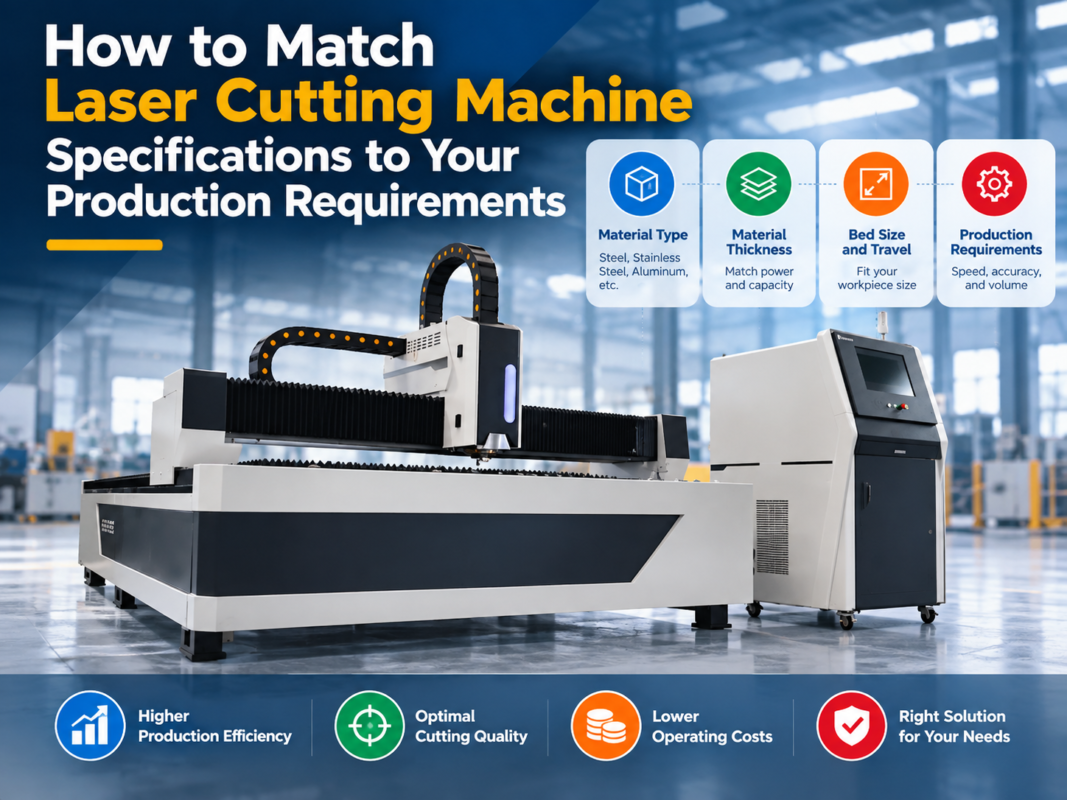
When a servo motor or drive is determined to be beyond repair, selecting the correct replacement is critical. It is rarely as simple as matching the wattage. You must consider the ‘Inertia Ratio.’ The ratio between the motor’s internal inertia and the load’s inertia (the weight of the gantry or cutting head) must be within the drive’s controllable range. For high-speed laser cutting, a ‘Low Inertia’ motor is typically preferred for the Z-axis to allow for rapid height sensing adjustments, while ‘Medium Inertia’ motors are often used for the X and Y axes to maintain stability against the heavy gantry.
Compatibility is another major factor. Most modern laser cutting machines use EtherCAT or Mechatrolink-III communication protocols to link the CNC controller with the servo drives. When replacing a drive, the firmware version must be compatible with the CNC’s motion control card. HARSLE recommends using original equipment manufacturer (OEM) parts to ensure that the parameter sets (electronic gear ratios, limit logic, etc.) can be uploaded seamlessly without requiring a total system recalibration.
For those looking to upgrade older machines, moving from pulse-controlled servos to bus-controlled (EtherCAT) systems can significantly improve diagnostic capabilities. Bus-controlled systems allow the CNC to read real-time torque data, temperature, and detailed error codes from the drive, making future Laser Cutting Machine Servo Motor Fault Troubleshooting much faster. However, such an upgrade usually requires a complete overhaul of the control system and wiring architecture.
Maintenance Checklist for Servo Longevity
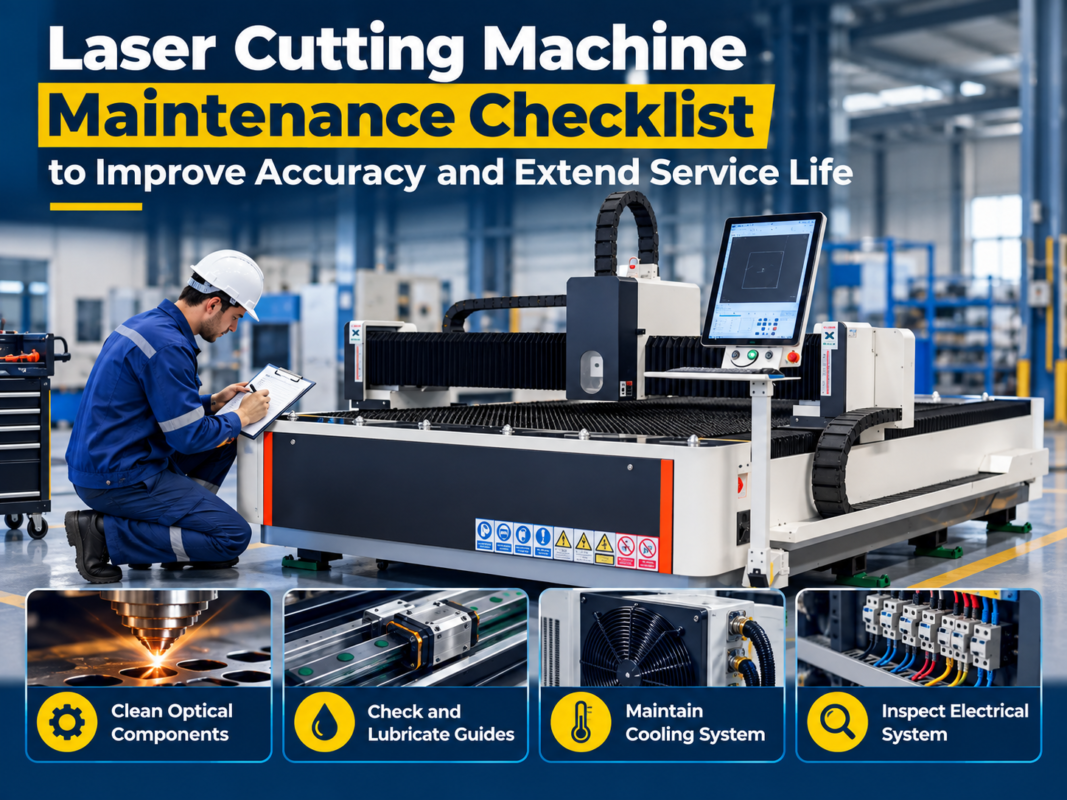
- Weekly: Inspect cable carriers for debris or signs of wear on the outer jackets of servo cables.
- Monthly: Clean the cooling fans on the servo drives and replace or wash the electrical cabinet air filters.
- Quarterly: Check the tightness of all electrical terminals. Vibration can loosen screw-type connectors over time, leading to arcing.
- Quarterly: Verify the lubrication of the linear rails and rack/pinion. A well-lubricated system reduces the torque load on the motor.
- Annually: Perform a backup of the servo drive parameters using the manufacturer’s software. If a drive fails, having a backup can save hours of setup time.
Frequently Asked Questions (FAQ)
Why does my servo motor make a high-pitched squealing noise?
This is usually ‘High-Frequency Resonance.’ It occurs when the gain settings in the drive are too high for the mechanical rigidity of the machine. Most modern drives have ‘Notch Filters’ that can be tuned to suppress these specific frequencies without sacrificing performance.
Can I swap the X-axis and Y-axis drives to troubleshoot a fault?
Yes, provided the drives are the exact same model and wattage. This is a common diagnostic technique. If the fault follows the drive to the new axis, the drive is faulty. If the fault stays on the original axis, the issue is likely in the motor, cable, or mechanical assembly. Remember to load the correct parameters for the specific axis after swapping.
What causes a ‘Magnetic Pole Detection’ failure?
This usually happens with absolute encoders or linear motors. It means the drive cannot determine the initial position of the motor’s rotor relative to the stator. It can be caused by a faulty encoder or a motor that is being moved by an external force (like gravity on a Z-axis without a brake) during the power-on sequence.
How do I know if my motor’s internal brake is failing?
On vertical axes (Z-axis), the motor usually has an internal electromagnetic brake. If the cutting head ‘drops’ slightly when the power is turned off, the brake is worn or the 24V DC supply to the brake is not being cut correctly. This is a safety hazard and should be addressed immediately.
Is it better to repair or replace a faulty servo motor?
For motors under 1kW, replacement is usually more cost-effective. For larger, high-torque motors, professional rewinding and encoder replacement can save money, but only if performed by a certified facility that can re-align the encoder’s commutation point with the motor’s back-EMF.
Conclusion: Mastering Servo Reliability
The complexity of Laser Cutting Machine Servo Motor Fault Troubleshooting reflects the sophistication of the machines themselves. By approaching problems methodically—starting with environmental and mechanical checks before moving to electrical and software diagnostics—technicians can significantly reduce downtime. The key to long-term reliability lies in preventative maintenance and a deep understanding of how the servo system interacts with the rest of the laser cutting machine.
As a leader in metal fabrication technology, HARSLE emphasizes the importance of using high-quality components and maintaining them according to rigorous standards. Whether you are dealing with a simple encoder cable break or a complex PID tuning issue, the goal remains the same: achieving the perfect cut with maximum efficiency. By following the guidelines outlined in this guide, operators and maintenance teams can ensure their laser cutting machines remain a productive asset for years to come. Remember, a well-maintained servo system is the foundation of precision manufacturing.