Laser Cutting Machine Buying Guide: Cutting Bed Size, Power, and Automation Explained


Introduction to Laser Cutting Machine Procurement
In the modern metal fabrication landscape, the transition from traditional CO2 lasers or plasma cutters to high-efficiency fiber laser technology has become a necessity rather than a luxury. However, the process of Laser Cutting Machine Buying : Cutting Bed Size, Power, Automation Explained involves navigating a complex array of technical specifications and financial considerations. For a business owner or production manager, selecting the right machine is not just about the initial purchase price; it is about finding the perfect balance between capability, throughput, and long-term operational costs. At HARSLE, we understand that a laser cutting machine is often the heart of a fabrication shop, and choosing the wrong configuration can lead to bottlenecks or unnecessary overhead.
This guide is designed to demystify the core components of a fiber laser system. We will explore how different power levels affect material thickness, why bed size impacts your nesting efficiency, and how automation can drastically reduce your cost-per-part. Whether you are a small job shop looking for your first 1kW machine or a large-scale manufacturer eyeing a 30kW powerhouse with full automation, this comprehensive guide will provide the insights needed to make an informed investment.
Price Range Overview: Understanding the Market Tiers
The price of a fiber laser cutting machine can vary significantly based on its configuration. Generally, the market is divided into three primary tiers. Entry-level machines, typically ranging from 1kW to 3kW, are priced between $25,000 and $60,000. These machines are ideal for thin sheet metal fabrication, signage, and light industrial applications. They often feature a single table design and are compact enough for smaller workshops.
Mid-range machines, which offer power between 4kW and 12kW, usually fall into the $70,000 to $180,000 bracket. These are the workhorses of the industry, capable of cutting thicker materials with high precision and speed. At this level, features like exchange tables (shuttle tables) become standard, allowing for continuous production. High-end machines, exceeding 15kW and reaching up to 40kW or more, can cost anywhere from $200,000 to over $500,000. These systems are designed for heavy-duty industrial use, capable of cutting through 50mm carbon steel or stainless steel with ease, often integrated into fully automated production lines.
Main Cost Drivers in Laser Cutting Technology
When evaluating the cost of a laser cutting machine, several key components dictate the final price tag. The most significant driver is the laser source. Brands like IPG Photonics, Raycus, and Maxphotonics offer different levels of stability, beam quality, and after-sales support. An IPG source is generally the most expensive due to its global reputation for reliability, while Raycus offers a highly competitive price-to-performance ratio that many growing shops prefer.
The second major cost driver is the cutting head. High-end heads from manufacturers like Precitec offer advanced features such as autofocus, integrated sensors for pierce monitoring, and high-pressure tolerance. More economical options like Raytools are widely used for standard applications. Additionally, the motion control system—including the CNC controller (such as CypCut or Beckhoff), servo motors (Yaskawa or Panasonic), and high-precision rack and pinion systems—significantly impacts the machine’s accuracy and longevity. A machine built with a heavy-duty, heat-treated bed frame will cost more but will maintain its precision over a decade of use compared to lighter, cheaper frames.
Configuration Impact: Power, Bed Size, and Automation
Laser Power: The Engine of Productivity
The choice of laser power is the most critical decision in the buying process. Power directly correlates with the maximum thickness of the material you can cut and the speed at which you can cut thinner materials. For example, a 3kW laser can comfortably cut up to 20mm carbon steel, but it will do so slowly. A 12kW laser, however, can cut that same 20mm plate at speeds five to six times faster, significantly reducing the cost per part.
| Laser Power | Max Carbon Steel (CS) | Max Stainless Steel (SS) | Optimal Production Range |
|---|---|---|---|
| 1.5kW | 12mm | 5mm | 1-4mm |
| 3kW | 20mm | 10mm | 1-8mm |
| 6kW | 25mm | 16mm | 2-12mm |
| 12kW | 40mm | 25mm | 3-20mm |
| 20kW+ | 50mm+ | 40mm+ | Heavy Plate Fabrication |
Cutting Bed Size: Maximizing Material Utilization
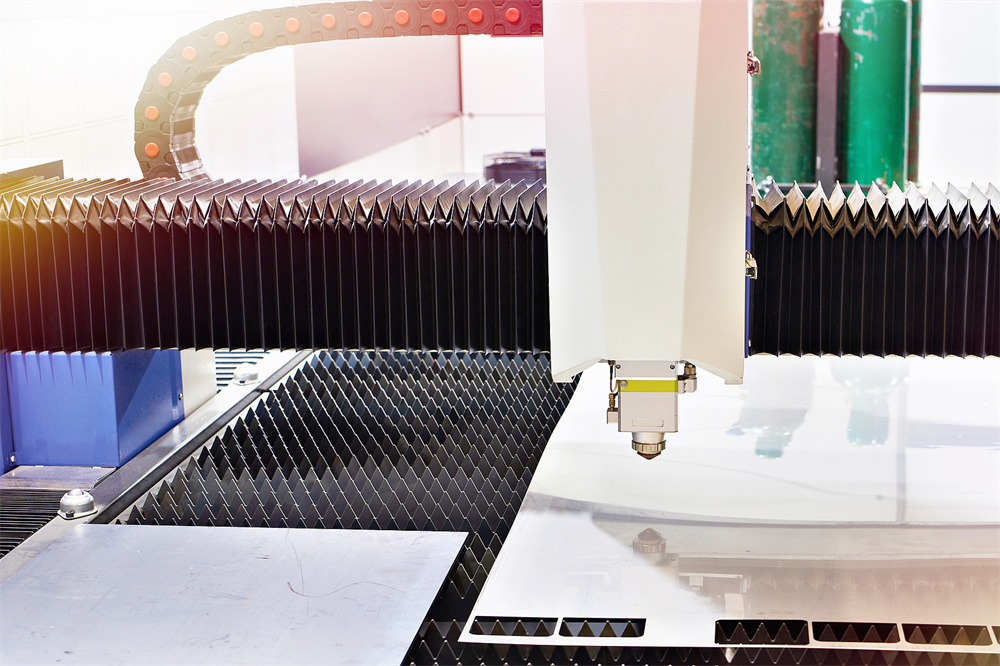
The cutting bed size determines the maximum sheet dimensions you can process. The most common standard size is 3015 (3000mm x 1500mm or 5′ x 10′). However, larger formats like 4020, 6025, or even custom ultra-large beds for shipbuilding and heavy machinery are available. Choosing a larger bed allows for better nesting of parts, which reduces material waste. If your projects often involve long parts or if you want to load multiple sheets at once to reduce handling time, a larger bed is a wise investment. However, keep in mind that a larger bed requires a more robust gantry and frame to maintain accuracy across the entire cutting area.
Automation: The Key to Unattended Operation
Automation is where modern shops find their competitive edge. The most basic form of automation is the Exchange Table. This system allows one table to be loaded/unloaded while the other is inside the machine cutting. This can increase productivity by 30-50% by eliminating the downtime between sheets. Beyond exchange tables, shops can invest in Automatic Loading and Unloading Systems, which use vacuum suction cups to move sheets from a stack onto the machine and then move finished parts to a collection area. For high-volume environments, a Tower System can store dozens of sheets of different materials and thicknesses, allowing the laser to run unattended through the night (lights-out manufacturing).
Hidden Costs of Ownership
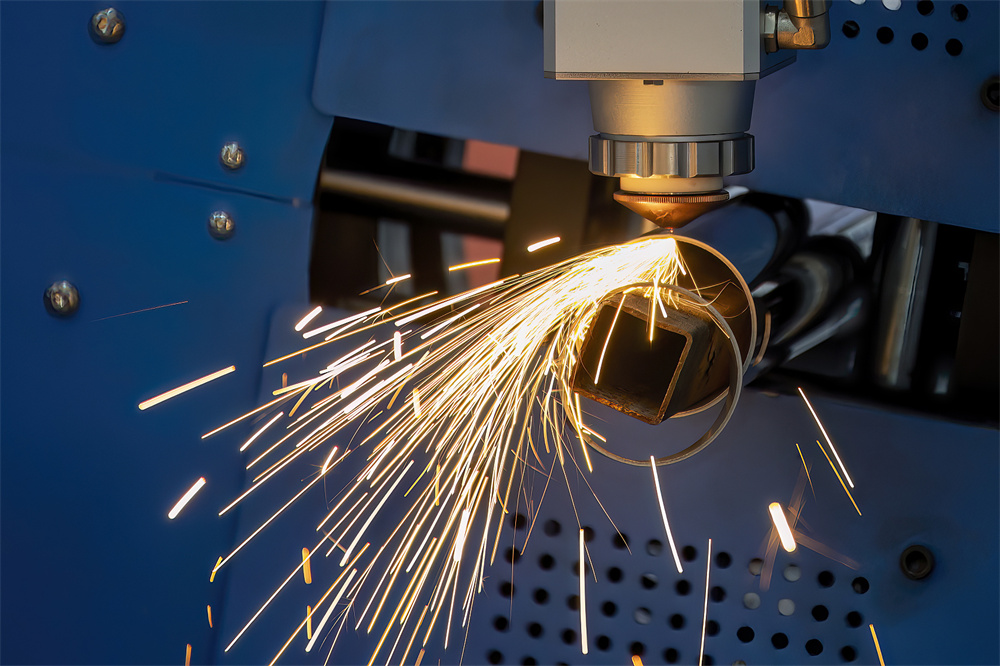
The sticker price of a laser cutting machine is only part of the financial picture. Buyers must account for Consumables, which include copper nozzles, protective windows (lenses), and ceramic rings. While individually cheap, these costs add up over thousands of hours of operation. Assist Gases are another major expense. Cutting with Oxygen is necessary for thick carbon steel, but it is slow. Cutting with Nitrogen provides a clean, oxide-free edge on stainless steel and aluminum but is expensive. Many modern shops are switching to High-Pressure Air Cutting using specialized compressors to eliminate gas costs for materials up to 10mm-12mm.
Electricity consumption is also a factor. While fiber lasers are much more efficient than CO2 lasers, a high-power machine (e.g., 20kW) along with its chiller, dust extractor, and air compressor can draw significant power. Finally, consider Maintenance and Training. A machine is only as good as its operator. Investing in professional training ensures that your team knows how to optimize cutting parameters, which prevents damage to the cutting head and extends the life of the machine.
Calculating Your Return on Investment (ROI)
To justify the purchase of a laser cutting machine, you must calculate the ROI. Start by determining your current cost of outsourcing laser cutting versus the cost of in-house production. In-house production costs include the monthly machine payment, labor, gas, electricity, and consumables. Most HARSLE customers find that if they are spending more than $3,000-$5,000 a month on outsourced laser cutting, bringing the process in-house pays for itself within 18 to 24 months.
Furthermore, consider the “Opportunity Cost.” Having a laser in-house allows for faster prototyping, shorter lead times for customers, and better quality control. You can take on jobs that were previously impossible or unprofitable. When calculating ROI for automation, look at the labor savings. If an automated loading system allows one operator to run two or three machines instead of just one, the labor cost per part drops dramatically, allowing you to outbid competitors while maintaining higher margins.
Expert Buying Advice for Metal Fabricators
Before signing a purchase agreement, follow this checklist to ensure you are getting the right machine for your specific needs:
- Define Your Material Mix: Don’t buy a 12kW machine if 90% of your work is 3mm aluminum. Conversely, don’t underpower your shop if you plan to move into heavy plate work.
- Test Cut Your Parts: Send your most complex CAD files to the manufacturer. Ask for a video of the cut and have the physical samples sent to you. Check for edge squareness, dross, and heat-affected zones.
- Check the Frame Construction: Ask about the weight of the machine. A heavier, stress-relieved bed frame absorbs vibrations better, leading to smoother cuts and longer component life.
- Evaluate After-Sales Support: Does the manufacturer have technicians in your region? What is the warranty on the laser source? How quickly can they ship replacement parts?
- Software Compatibility: Ensure the machine’s nesting software integrates well with your existing CAD/CAM workflow. Features like “Common Line Cutting” and “Bridge Cutting” can save significant time and material.
Frequently Asked Questions
What is the difference between Fiber and CO2 lasers?
Fiber lasers use solid-state diodes to create the beam, which is then delivered via a fiber optic cable. They are much more energy-efficient, have no moving parts in the light source, and cut thin to medium materials significantly faster than CO2 lasers. CO2 lasers are older technology and are rarely recommended for metal fabrication today unless cutting very specific non-metallic materials or extremely thick specialized alloys.
How long does a fiber laser source last?
Most reputable fiber laser sources (like Raycus or IPG) are rated for 100,000 hours of operation. This equates to over 10 years of 24/7 operation. Unlike CO2 lasers, they do not require gas refills or mirror alignments, making them much lower maintenance.
Can I cut copper and brass with a fiber laser?
Yes. Unlike CO2 lasers, which struggle with reflective materials because the beam can bounce back and damage the resonator, fiber lasers are perfectly suited for cutting “yellow metals” like copper and brass. However, it is still recommended to use a cutting head with back-reflection protection.
Is air cutting as good as nitrogen cutting?
Air cutting is a cost-effective alternative. While it may leave a slight oxide layer on the edge (unlike Nitrogen), for many industrial applications, the edge quality is perfectly acceptable. With a high-pressure air compressor and proper filtration, you can cut stainless steel and aluminum at a fraction of the cost of using bottled or liquid Nitrogen.
What size bed is best for a startup shop?
The 3015 (5’x10′) bed is the industry standard for a reason. It accommodates the most common sheet sizes sold by metal service centers. Unless you have a specific niche requiring larger parts, the 3015 offers the best balance of footprint and capability for a startup.
Conclusion
Investing in a laser cutting machine is a transformative step for any metal fabrication business. By focusing on the core pillars of Laser Cutting Machine Buying : Cutting Bed Size, Power, and Automation Explained, you can ensure that your investment drives growth rather than becoming a financial burden. At HARSLE, we pride ourselves on providing high-quality, reliable fiber laser solutions tailored to the unique needs of our global clientele. From entry-level precision to high-power automated systems, our goal is to empower your production floor with the best technology available. Take the time to analyze your production data, consult with experts, and choose a machine that will serve as the foundation of your success for years to come.