How to Match a Laser Cutting Machine to Your Manufacturing Needs: A Comprehensive Guide


Introduction to Strategic Laser Integration
In the modern metal fabrication landscape, the ability to match a laser cutting machine to your manufacturing needs is not just a procurement task; it is a strategic decision that dictates your shop’s profitability for the next decade. As technology evolves from traditional CO2 systems to high-power fiber lasers, the complexity of choosing the right configuration has increased. A mismatch can lead to either underutilized expensive capacity or a bottleneck that stifles growth. This guide provides an industrial-grade deep dive into selecting the perfect laser system for your specific production requirements.
The primary challenge for most manufacturers is balancing the initial capital expenditure (CAPEX) with the long-term operational expenditure (OPEX). While a 20kW fiber laser might seem like the ultimate tool, it may be overkill for a shop primarily processing 3mm aluminum. Conversely, an entry-level 1.5kW machine will struggle with high-volume 20mm carbon steel orders. Understanding the nuances of beam quality, gas consumption, and automation is essential to ensure your investment yields the highest possible return.
Price Range Overview: Understanding the Market Tiers
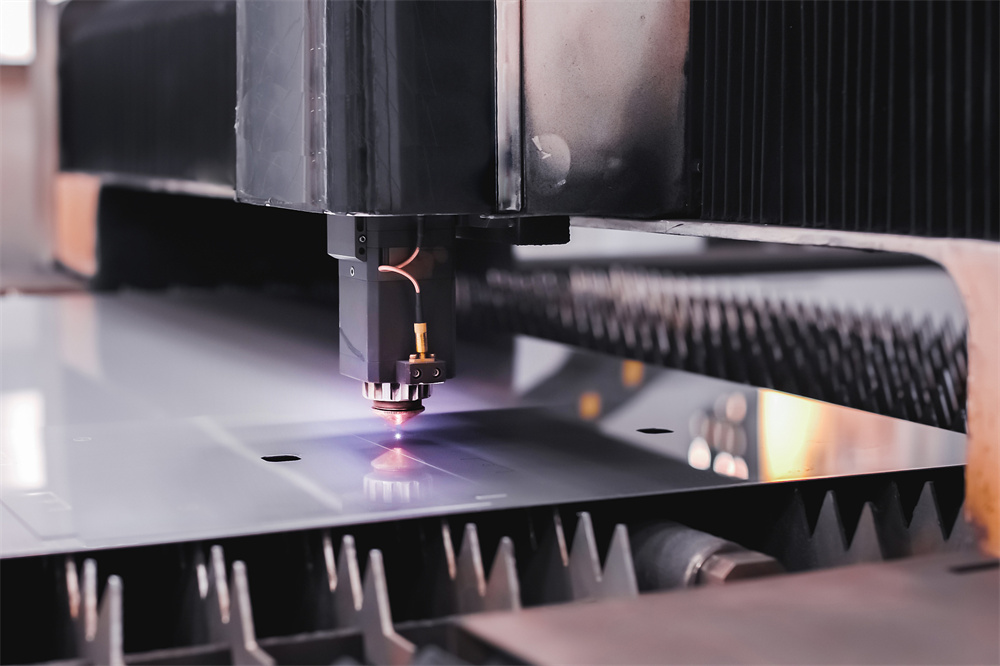
The market for laser cutting machines is broadly categorized into three tiers based on power, build quality, and intended duty cycle. To match a laser cutting machine to your manufacturing needs, you must first identify which tier aligns with your business model. Prices vary significantly based on the laser source brand (e.g., IPG, Raycus, nLIGHT) and the machine’s structural integrity.
Entry-Level Machines ($20,000 – $50,000): These are typically 1kW to 3kW fiber lasers with a single cutting table (usually 3015 format, 3000mm x 1500mm). They are ideal for small job shops, prototyping, or businesses transitioning from plasma cutting. While capable, they lack the speed of higher-wattage systems and usually do not include automatic pallet changers.
Mid-Range Production Machines ($60,000 – $150,000): This is the “sweet spot” for most medium-sized fabricators. These machines range from 4kW to 12kW and almost always feature an exchange table (shuttle table) to minimize downtime. They are built with heavier frames to handle the high acceleration and deceleration forces required for high-speed thin-sheet cutting and the piercing power needed for thicker plates.
High-End Industrial Systems ($180,000 – $400,000+): These are the heavy hitters of the industry, featuring 15kW to 40kW+ laser sources. They are designed for 24/7 operation, often integrated into fully automated warehouses or FMS (Flexible Manufacturing Systems). These machines can cut 50mm+ carbon steel with ease and offer lightning-fast speeds on medium-thickness materials, significantly reducing the cost-per-part in high-volume environments.
Main Cost Drivers in Laser Selection
When you attempt to match a laser cutting machine to your manufacturing needs, you will notice that two machines with similar appearances can have vastly different price tags. The cost is driven by several critical components that directly impact performance and longevity.
- The Laser Source: This is the most expensive component. Fiber laser sources from premium brands like IPG Photonics offer higher stability and a longer lifespan but come at a premium. Domestic brands like Raycus or MaxPhotonics offer excellent value for many applications but may have different service infrastructures depending on your region.
- The Cutting Head: An intelligent cutting head with autofocus, temperature monitoring, and anti-collision sensors is vital. High-power applications (above 10kW) require specialized heads capable of handling extreme thermal loads without beam drift.
- Motion System and Motors: The precision of the cut is determined by the rack and pinion system, the linear guides, and the servo motors. High-end machines use helical racks and high-torque Yaskawa or Panasonic servos to achieve accelerations of 1.5G to 2.8G.
- Frame Construction: A laser machine is only as good as its bed. Stress-relieved, heavy-duty welded frames or cast-iron beds prevent deformation over time, ensuring that the machine maintains its 0.02mm positioning accuracy even after years of high-speed operation.
Beyond the hardware, the software ecosystem plays a massive role. Advanced nesting software can save 5-10% in material costs annually, which, for a high-volume shop, can equate to tens of thousands of dollars. Choosing a machine that supports industry-standard software like CypCut, Lantek, or SigmaNEST is a critical part of the matching process.
Configuration Impact: Tailoring the Machine to the Material
The configuration of your machine should be a direct reflection of your product portfolio. To effectively match a laser cutting machine to your manufacturing needs, consider the following configuration options:
Table Size and Type
The standard 3015 (5’x10′) table fits most standard metal sheets. However, if you work with oversized architectural elements or large industrial tanks, you may need a 4020 or even a 6025 (6-meter) bed. Furthermore, the choice between a single table and an exchange table is a choice between intermittent and continuous production. An exchange table allows the operator to unload finished parts and load a new sheet while the laser is still cutting, increasing productivity by up to 50%.
Tube Cutting Integration
Many fabricators find that they need to cut both flat sheets and tubes. Instead of buying two separate machines, a “plate and tube” integrated machine features a rotary axis on the side. This is a space-saving and cost-effective configuration for shops that handle diverse projects like furniture frames, bicycle parts, or construction supports.
Gas Selection and Control
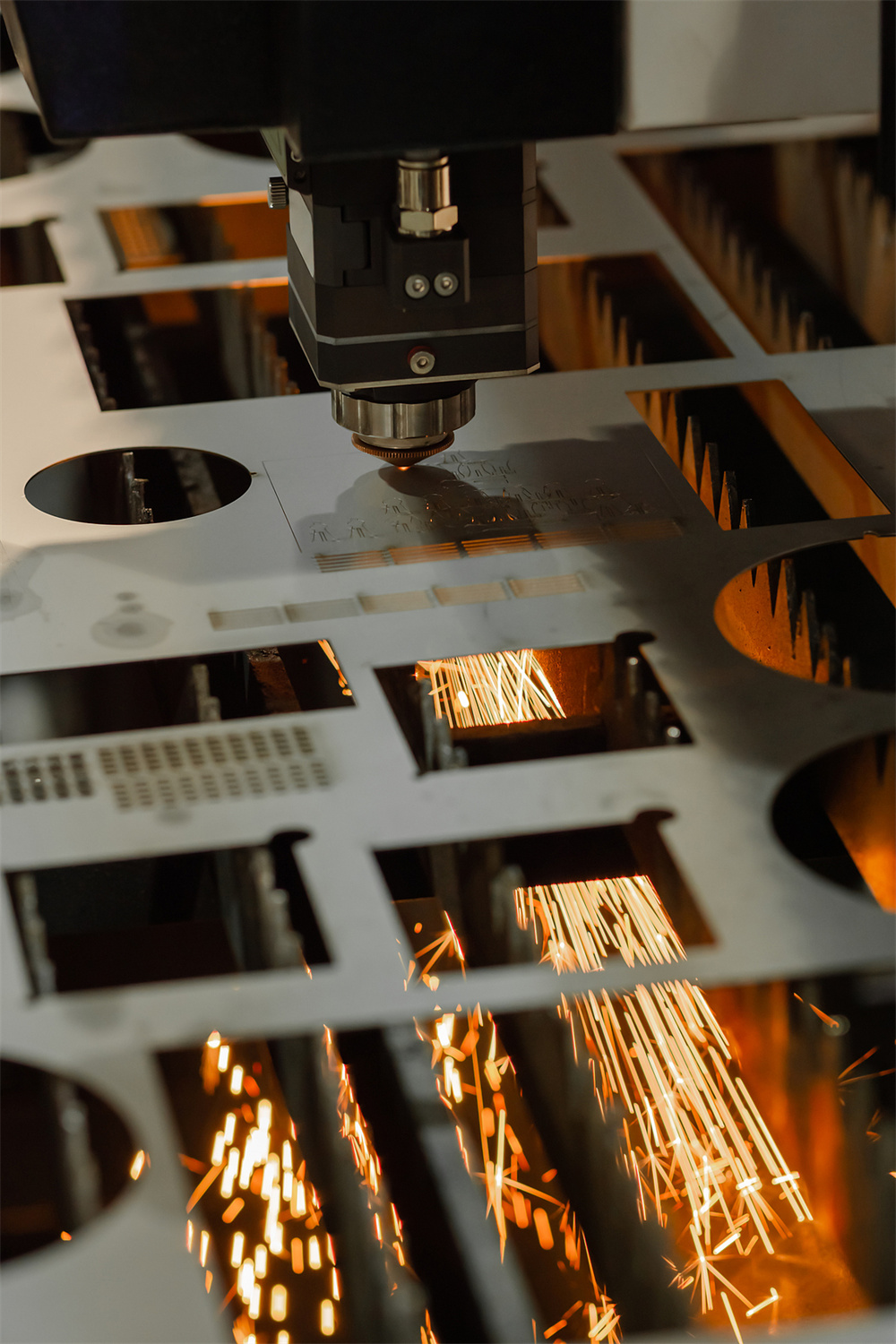
The choice of assist gas—Oxygen, Nitrogen, or Compressed Air—drastically changes the machine’s configuration requirements. Oxygen is used for carbon steel but leaves an oxide layer. Nitrogen provides a clean, weld-ready edge on stainless steel and aluminum but requires high pressure and high volume. Many modern shops are now configuring their machines with high-pressure air compressors to cut thin to medium materials, significantly reducing the cost of bottled gas.
Hidden Costs of Laser Ownership
The purchase price is only the beginning. To truly match a laser cutting machine to your manufacturing needs, you must account for the total cost of ownership (TCO). Ignoring these factors can lead to a “budget” machine becoming a financial burden.
1. Consumables: Nozzles, protective windows (lenses), and ceramic rings are replaced frequently. A high-power laser running 16 hours a day can consume $500 – $1,000 in consumables per month. Ensuring a steady supply chain for these parts is essential.
2. Electricity Consumption: While fiber lasers are much more efficient than CO2 lasers (roughly 30% wall-plug efficiency vs 10%), a 12kW laser system, including the chiller and dust extractor, can pull significant amperage. You may need to upgrade your facility’s electrical transformer, which can cost thousands of dollars.
3. Maintenance and Training: Laser machines require clean environments and regular maintenance of the chiller and dust collection systems. Furthermore, the cost of training an operator to use the machine safely and efficiently is a critical investment. An unskilled operator can easily damage a $5,000 cutting head through a simple programming error.
4. Gas Infrastructure: If you plan to use Nitrogen, you will need either a bulk liquid tank or a high-pressure nitrogen generator. The rental of tanks and the logistics of gas delivery are ongoing costs that must be factored into the part-cost calculation.
ROI Calculation: When Does the Machine Pay for Itself?
The goal of trying to match a laser cutting machine to your manufacturing needs is to achieve the fastest Return on Investment (ROI). To calculate this, you must compare the cost of internal production against the cost of outsourcing or your current slower methods (like plasma or waterjet).
Consider this example: If you currently spend $10,000 per month outsourcing laser-cut parts, and a new machine costs $100,000 with monthly operating costs (labor, gas, power, lease) of $4,000, your monthly savings are $6,000. In this scenario, the machine pays for itself in roughly 17 months. However, the real ROI often comes from the increased capacity. With an in-house laser, you can offer 24-hour turnaround times, allowing you to win more bids and grow your customer base.
Another factor in ROI is material utilization. Advanced nesting can reduce scrap by 15%. If you process $50,000 of material a month, that is $7,500 in direct monthly savings—often enough to cover the entire lease payment of a high-end machine.
Buying Advice: A Step-by-Step Checklist
To ensure you match a laser cutting machine to your manufacturing needs perfectly, follow this industrial checklist before signing a contract:
- Analyze Your Material Mix: Document the thickness and type of metal you cut 80% of the time. Don’t buy a 20kW machine if 90% of your work is 2mm galvanized steel. A 3kW or 6kW machine will be more efficient and provide a better beam profile for thin work.
- Test Cut Your Parts: Never buy a machine without seeing it cut your specific CAD files in the actual material you use. Check for dross, edge squareness, and heat-affected zones.
- Evaluate Local Support: A machine is only an asset when it’s running. Check the manufacturer’s service record in your region. Do they have technicians nearby? Do they stock spare parts locally?
- Check Software Compatibility: Ensure the machine’s controller can import your existing DXF or DWG files seamlessly. Ask about the learning curve for the nesting software.
- Future-Proofing: If you expect your business to grow, consider a machine with a slightly higher power than you need today. It is much cheaper to buy a 6kW machine now than to trade in a 3kW machine in two years.
Frequently Asked Questions (FAQ)
1. What is the main advantage of Fiber over CO2 lasers?
Fiber lasers are more energy-efficient, have no moving parts in the light-generating source (lower maintenance), and cut thin to medium-thickness reflective metals (copper, brass, aluminum) much faster and more safely than CO2 lasers.
2. How much power do I really need?
As a rule of thumb: 1kW-2kW for up to 6mm carbon steel; 3kW-6kW for up to 12-16mm; 12kW+ for 20mm and above. However, higher power also increases cutting speed on thin materials, not just maximum thickness capability.
3. Can I cut copper and brass with any fiber laser?
Yes, most modern fiber lasers can handle reflective materials because the fiber delivery system is not susceptible to back-reflection damage like the mirrors in a CO2 laser. However, using a laser source with specific back-reflection protection (like nLIGHT or certain IPG models) is recommended for heavy copper work.
4. How long does a fiber laser source last?
Most reputable fiber laser sources are rated for 100,000 hours of operation. This equates to over 10 years of 24/7 use. The diodes are the components that eventually degrade, but they can often be replaced without replacing the entire source.
5. Is air cutting as good as nitrogen cutting?
Air cutting is much cheaper but results in a slightly more oxidized edge compared to nitrogen. For many industrial applications where parts will be painted or powder-coated, air cutting is perfectly acceptable and significantly reduces the cost per part.
6. What safety equipment is required?
Fiber lasers operate at a wavelength (1.06μm) that is extremely dangerous to the human eye. A fully enclosed machine (Class 1 safety rating) with laser-safe viewing windows is the standard for industrial environments. Proper dust extraction is also mandatory to handle the fine metallic fumes generated during the process.
Conclusion
To match a laser cutting machine to your manufacturing needs, you must look beyond the sticker price and evaluate the machine as a component of your entire production ecosystem. By analyzing your material requirements, understanding the cost drivers, and calculating a realistic ROI, you can select a HARSLE laser solution that not only meets your current demands but also provides a platform for future expansion. Precision, speed, and reliability are the hallmarks of a well-matched machine, ensuring your fabrication business remains competitive in an ever-evolving market.