Best Laser Cutting Machine Features for Improving Fabrication Efficiency: A Comprehensive Guide

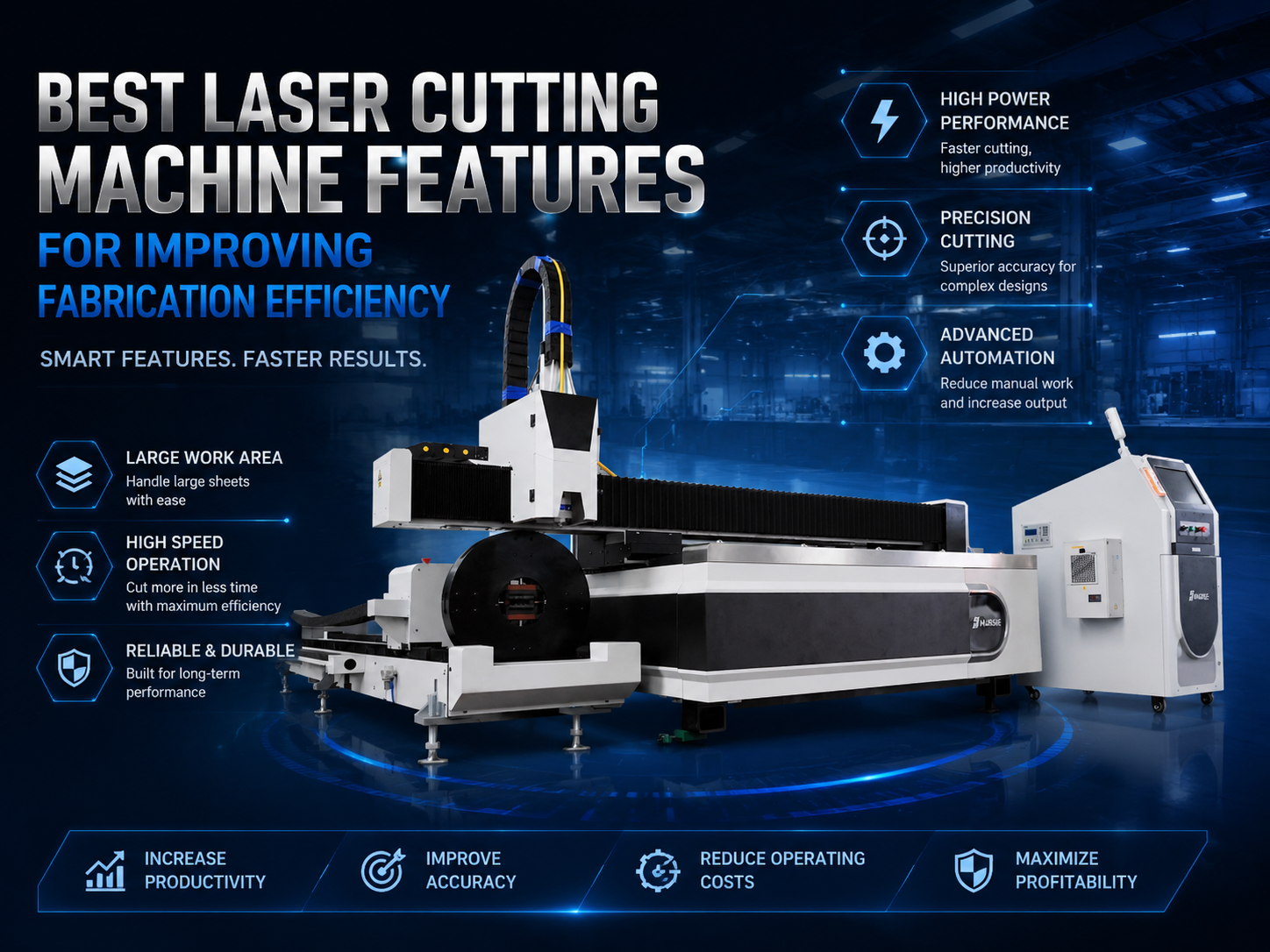
Introduction to Modern Laser Cutting Efficiency
In the competitive landscape of modern metal fabrication, the ability to produce high-quality parts at maximum speed is no longer a luxury—it is a necessity. The evolution of fiber laser technology has revolutionized the industry, offering unprecedented precision and throughput. However, simply owning a laser is not enough. To truly excel, fabricators must understand the best laser cutting machine features for improving fabrication efficiency. These features range from high-wattage laser sources to advanced automation systems that minimize downtime and maximize material utilization.
Efficiency in laser cutting is measured by more than just the speed of the cutting head. It encompasses the entire workflow, including file preparation, material loading, the cutting process itself, and the unloading of finished parts. By focusing on specific technical configurations, businesses can significantly reduce their cost-per-part and increase their overall profit margins. This guide explores the critical features that define a high-performance laser cutting system and provides a detailed breakdown of the financial and operational considerations involved in acquiring such machinery.
Price Range Overview: Investing in Efficiency
When evaluating the best laser cutting machine features for improving fabrication efficiency, the first consideration is often the budget. The price of a fiber laser cutting machine can vary wildly based on its power, bed size, and automation features. Generally, the market is divided into three primary tiers: entry-level, mid-range, and high-end industrial systems.
Entry-level machines, typically ranging from $20,000 to $60,000, usually feature laser sources between 1kW and 3kW. These are ideal for small shops or those primarily cutting thinner materials (under 10mm). While they lack some of the advanced automation of more expensive models, they still offer a massive leap in efficiency over traditional plasma or waterjet cutting for thin sheet metal. These machines often feature a single table design, requiring manual loading and unloading, which can be a bottleneck in high-volume environments.
Mid-range machines, priced between $70,000 and $150,000, are the workhorses of the industry. These systems typically boast 6kW to 12kW laser sources and include essential efficiency-boosting features like automatic exchange tables (shuttle tables). An exchange table allows the operator to load a new sheet while the machine is still cutting the previous one, effectively doubling the machine’s uptime. At this level, you also begin to see more sophisticated CNC controllers and better motion systems, such as high-precision rack and pinion setups.
High-end industrial systems can exceed $250,000 and often reach prices upwards of $500,000. These machines are equipped with 20kW to 60kW laser sources, capable of cutting through thick plate (30mm+) with incredible speed. They feature linear motors for extreme acceleration, fully automated nozzle changers, and integrated material handling towers. For large-scale manufacturers, these features are the best laser cutting machine features for improving fabrication efficiency because they allow for 24/7 “lights-out” manufacturing with minimal human intervention.
Main Cost Drivers in Laser Cutting Systems
Understanding what drives the cost of a laser cutting machine is crucial for making an informed purchase. The most significant cost driver is the laser source itself. Brands like IPG Photonics, Raycus, and Maxphotonics dominate the market. An IPG source is generally more expensive due to its global reputation for stability and service life, whereas Raycus offers a more cost-effective solution with high performance-to-price ratios. As the wattage increases, the price of the source rises exponentially.
The second major cost driver is the motion system. To achieve high efficiency, a machine must move the cutting head with extreme precision and speed. This requires high-quality servo motors (such as Yaskawa or Panasonic) and precision gearboxes. Machines that utilize linear motors instead of traditional rack and pinion systems offer higher acceleration rates (up to 2.0G or more), which significantly reduces the “air-cut” time—the time the machine spends moving between cuts. While linear motors add to the initial cost, they are among the best laser cutting machine features for improving fabrication efficiency in complex nesting patterns.
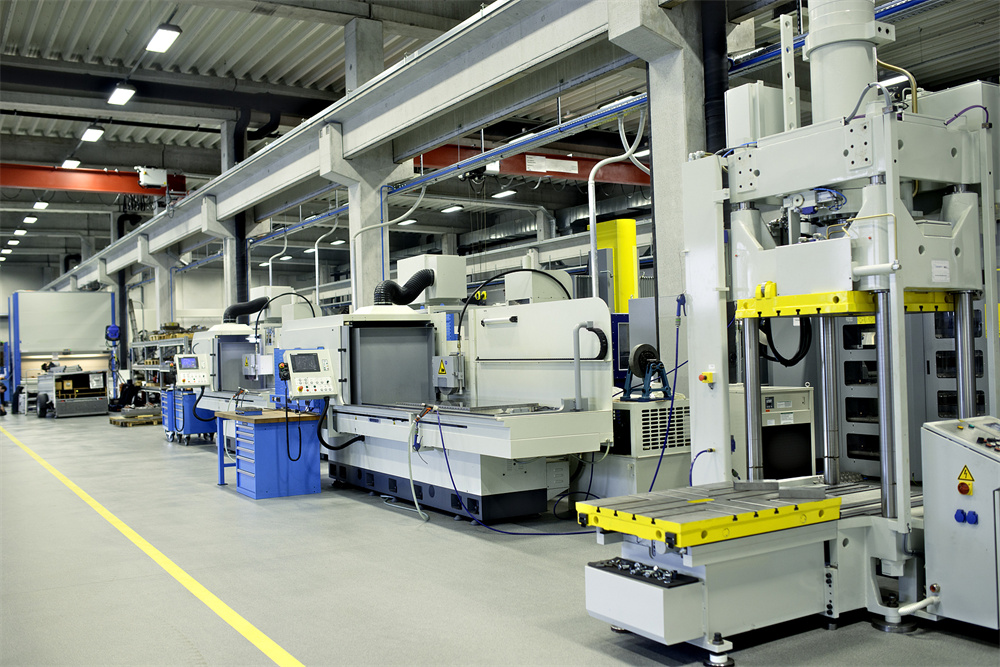
The frame and bed construction also impact the price. A heavy-duty, heat-treated carbon steel plate welded frame is essential for maintaining accuracy over years of high-speed operation. Lightweight frames may vibrate at high speeds, leading to poor cut quality and increased wear on components. Furthermore, the inclusion of specialized components like a professional CNC controller (e.g., CypCut or Beckhoff) and a high-end autofocus cutting head (e.g., Precitec or Raytools) ensures that the machine can handle various materials without constant manual adjustment.
Configuration Impact: Features That Drive Performance
To maximize throughput, certain configurations are non-negotiable. One of the best laser cutting machine features for improving fabrication efficiency is the automatic nozzle changer. During a production run that involves different material thicknesses or types, the machine must change the nozzle to maintain optimal cut quality. A manual change can take several minutes, whereas an automated system does it in seconds. This is particularly useful for job shops that handle a wide variety of orders daily.
Another critical feature is the autofocus cutting head. As the laser moves across the material, slight variations in sheet flatness can affect the focus point. An autofocus head uses sensors to adjust the lens position in real-time, ensuring a consistent beam diameter and focal depth. This results in cleaner cuts, less dross, and faster cutting speeds, especially on thicker materials where the focus margin is slim. When combined with a high-pressure gas control system, the machine can switch between oxygen, nitrogen, and compressed air seamlessly, optimizing the process for each specific part.
- Exchange Tables: Reduces downtime by allowing simultaneous loading/unloading and cutting.
- Automatic Lubrication: Ensures the longevity of rails and gears without manual intervention.
- Nesting Software Integration: Advanced software like CypNest optimizes material usage, reducing waste.
- Tube Cutting Attachment: Adds versatility, allowing the machine to process pipes and profiles on the same platform.
- Dust Extraction Systems: Essential for maintaining a clean environment and protecting the machine’s optical components.
The integration of high-speed communication protocols (like EtherCAT) between the controller and the drives allows for faster processing of complex geometries. This means the machine doesn’t have to slow down as much when navigating tight corners or intricate designs. For fabricators dealing with artistic panels or complex mechanical parts, this configuration is a game-changer for efficiency.
Hidden Costs of Operating a Laser Cutter
While the purchase price is the most visible expense, the hidden costs of operation can significantly impact the long-term ROI. The most prominent hidden cost is gas consumption. Cutting with nitrogen (for stainless steel and aluminum) or oxygen (for carbon steel) can be expensive. Many modern shops are moving toward high-pressure air cutting, which uses a specialized compressor and filtration system to use ambient air as the assist gas. While this requires an initial investment in a high-quality compressor, it can save thousands of dollars in gas costs annually.
Electricity is another factor. While fiber lasers are much more energy-efficient than older CO2 lasers, a 12kW or 20kW machine still draws significant power. Additionally, the chiller unit—required to keep the laser source and cutting head cool—runs constantly and adds to the utility bill. Maintenance costs, including the replacement of protective windows, nozzles, and ceramic rings, must also be factored in. These consumables are relatively inexpensive individually but add up over hundreds of hours of operation.
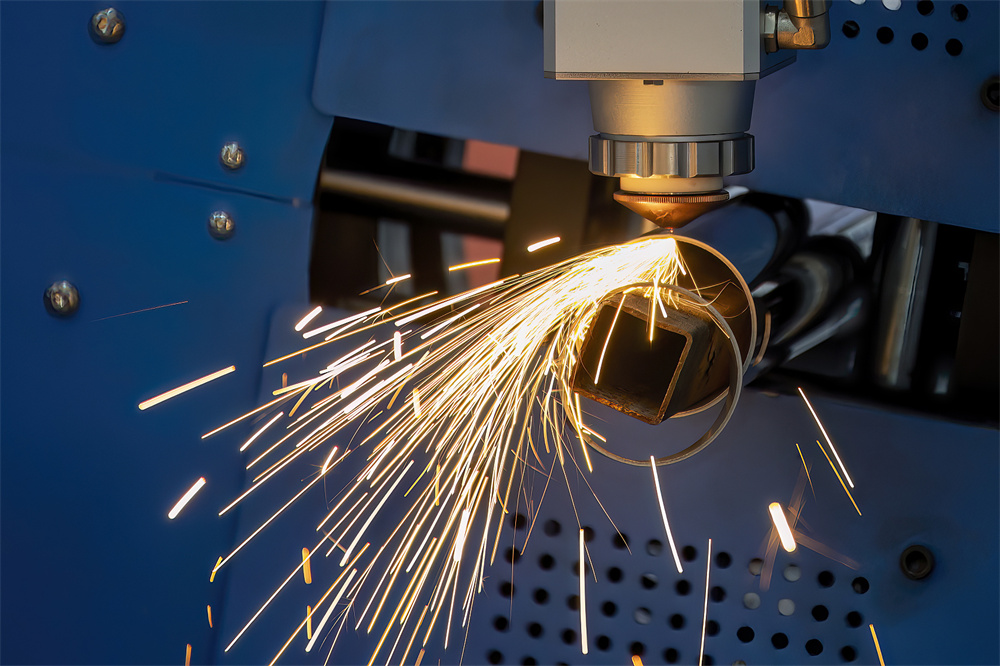
Training and software updates are often overlooked. A machine is only as efficient as its operator. Investing in comprehensive training ensures that the staff knows how to use the best laser cutting machine features for improving fabrication efficiency to their full potential. Furthermore, keeping the nesting and control software updated ensures the machine benefits from the latest algorithms for path optimization and piercing techniques.
ROI Calculation: When Does the Investment Pay Off?
Calculating the Return on Investment (ROI) for a laser cutting machine involves comparing the total cost of ownership against the revenue generated by the machine’s output. To calculate this, you must determine the “cost per hour,” which includes the machine’s lease payment, labor, power, gas, and consumables. Then, estimate the number of parts produced per hour based on the machine’s cutting speed and the efficiency of the exchange table.
For example, a machine with an automatic exchange table might have a 90% duty cycle (the percentage of time it is actually cutting), whereas a single-table machine might only have a 60% duty cycle due to loading delays. That 30% difference in uptime can result in thousands of additional parts produced per month. When you factor in the reduced scrap rate provided by advanced nesting software, the ROI becomes even clearer. Most high-efficiency fiber lasers in a busy shop environment pay for themselves within 18 to 24 months.
Buying Advice: Choosing the Right Machine for Your Shop
When searching for the best laser cutting machine features for improving fabrication efficiency, start by analyzing your current and future production needs. Do not just buy for the work you have today; buy for the work you want to have in three years. If you primarily cut 3mm mild steel, a 3kW machine is sufficient. However, if you plan to expand into 20mm stainless steel, you will need at least 12kW to maintain efficient cutting speeds.
Always prioritize the quality of the core components. A cheaper machine with no-name servo motors or a low-end controller will likely cost more in repairs and lost productivity than a higher-priced, reputable machine. Look for manufacturers like HARSLE that offer robust after-sales support and use globally recognized components. Finally, consider the footprint of the machine. Ensure your facility has the space for the machine, the chiller, the transformer, and the gas tanks, as well as enough room for material handling equipment like forklifts or cranes.
Checklist for Buyers:
- Define your maximum material thickness and type.
- Determine if an exchange table is necessary for your volume.
- Evaluate the benefits of air cutting vs. bottled gas.
- Check the reputation and local support of the laser source manufacturer.
- Request a cutting sample of your most common part to verify speed and quality.
Frequently Asked Questions (FAQ)
What is the most important feature for laser cutting efficiency?
The automatic exchange table is arguably the most important feature for improving efficiency in a production environment. It allows the machine to cut continuously, eliminating the downtime associated with loading and unloading materials.
How does laser power (wattage) affect efficiency?
Higher wattage allows for faster cutting speeds on all thicknesses and enables the machine to cut through much thicker materials. For example, a 12kW laser can cut 10mm steel significantly faster than a 3kW laser, reducing the time per part and increasing overall throughput.
Is air cutting as good as nitrogen cutting?
Air cutting is highly efficient and cost-effective for many applications, especially for thin to medium-thickness materials. While the edge quality may be slightly lower than nitrogen (which prevents oxidation), the speed is often comparable or faster, and the cost savings on gas are substantial.
What is the lifespan of a fiber laser source?
Most high-quality fiber laser sources (like IPG or Raycus) are rated for approximately 100,000 hours of operation. With proper maintenance and a clean operating environment, this equates to many years of reliable service in a typical fabrication shop.
Does the CNC software really matter?
Yes, the software is the “brain” of the machine. Advanced software like CypCut or specialized nesting programs can optimize the cutting path, manage “fly-cutting” (cutting without stopping between holes), and minimize material waste, all of which are best laser cutting machine features for improving fabrication efficiency.