Laser Cutting Machine Buyer’s Checklist for Sheet Metal Workshops


Introduction to Laser Cutting in Modern Fabrication
In the rapidly evolving world of metal fabrication, the transition from traditional mechanical cutting to advanced laser technology has become a necessity rather than a luxury. For sheet metal workshops, a laser cutting machine is often the most significant investment they will make. This equipment determines the workshop’s capacity, precision, and ultimately, its profitability. However, the market is saturated with various brands, power levels, and configurations, making the selection process daunting for many business owners. This Laser Cutting Machine Buyer’s Checklist for Sheet Metal Workshops is designed to provide a structured approach to making an informed purchase.
HARSLE, a leader in metal fabrication machinery, understands that every workshop has unique needs. Whether you are a small job shop or a large-scale industrial manufacturer, the criteria for selecting a laser cutter remain consistent: reliability, efficiency, and a clear return on investment. This guide will walk you through the financial considerations, technical specifications, and operational factors that should influence your decision-making process.
Price Range Overview: Understanding the Investment
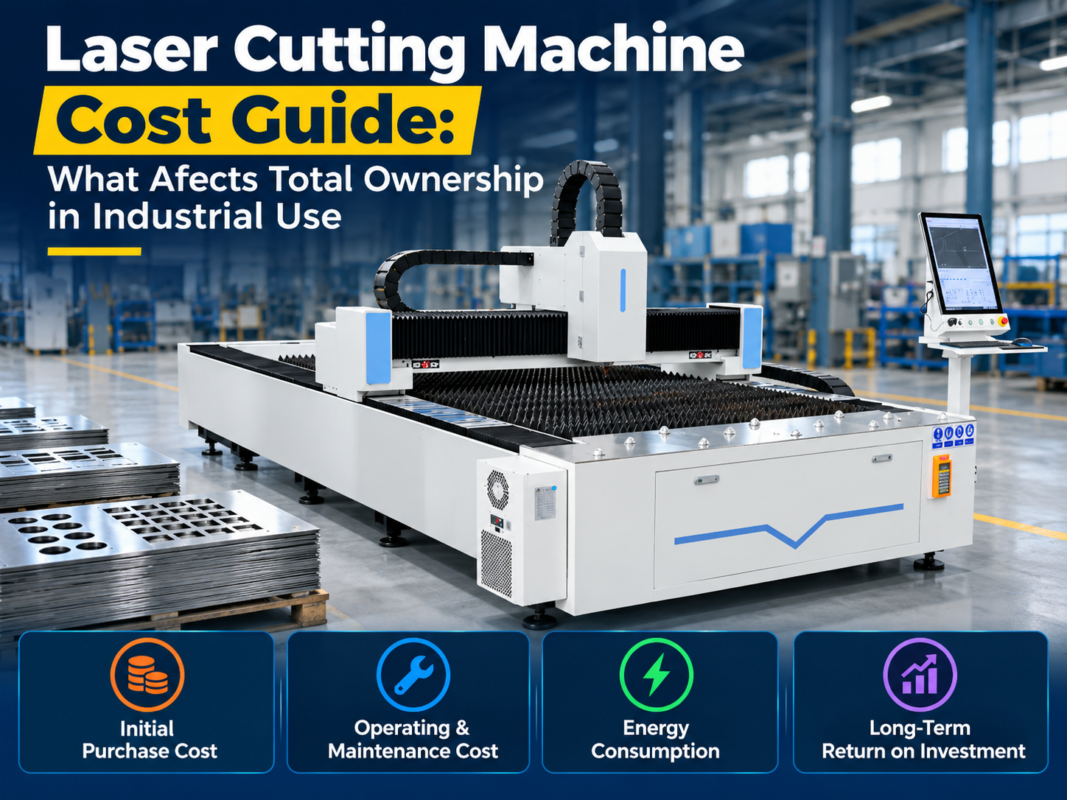
The price of a laser cutting machine can vary wildly, ranging from $20,000 for entry-level models to over $500,000 for high-power, fully automated systems. Understanding where your needs fit within this spectrum is the first step in your buying journey. Generally, the industry categorizes these machines based on their laser source power and bed size.
Entry-Level Fiber Lasers (1kW – 3kW)
These machines are ideal for workshops focusing on thin materials, typically up to 10mm carbon steel or 5mm stainless steel. They are often compact and may lack features like exchange tables to keep costs down. Prices usually fall between $25,000 and $60,000. They are perfect for small businesses transitioning from plasma cutting or outsourcing.
Mid-Range Productivity Machines (4kW – 8kW)
This is the sweet spot for most medium-sized sheet metal workshops. These machines offer a balance of speed and thickness capability, handling up to 20mm-25mm carbon steel with ease. They almost always include an exchange table and advanced CNC controllers. Expect to invest between $70,000 and $150,000 in this category.
High-Power Industrial Systems (12kW – 30kW+)
Designed for heavy-duty fabrication and 24/7 operation, these machines are the titans of the industry. They can cut through 50mm+ materials and offer incredible speeds on thinner gauges. These systems often integrate with automated loading and unloading towers. Prices start at $180,000 and can exceed half a million dollars depending on the automation level.
Main Cost Drivers: What Are You Paying For?
When reviewing a quote, it is essential to know which components are driving the price. Not all 3kW machines are created equal. The quality of the internal components significantly impacts the machine’s lifespan and cutting quality.
The Laser Source
The laser source is the heart of the machine and typically accounts for 30% to 40% of the total cost. Leading brands like IPG Photonics are known for their stability and global service network but come at a premium. Brands like Raycus and Maxphotonics offer excellent performance at a more competitive price point, making them popular choices for workshops looking to maximize their budget.
The Cutting Head and Motion System
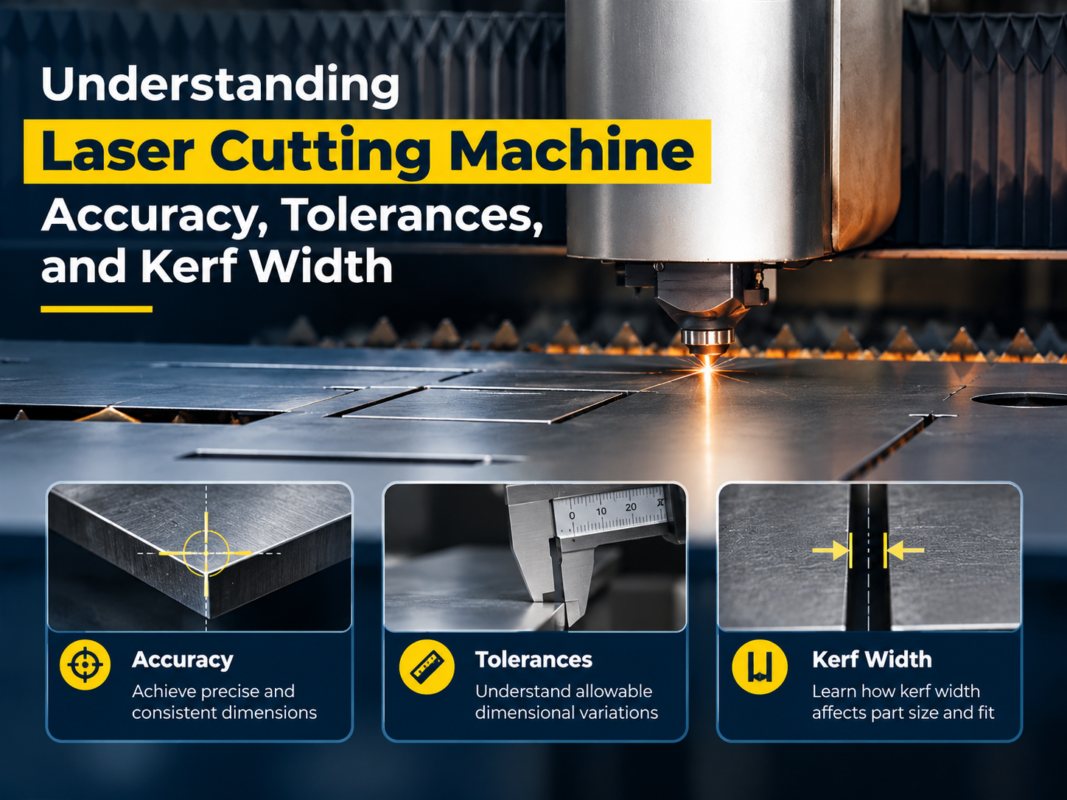
The cutting head (such as Precitec or Raytools) must handle high pressures and temperatures while maintaining precise focus. Similarly, the motion system—comprising the rack, pinion, and servo motors—dictates the machine’s accuracy. High-end machines use Japanese (Yaskawa/Panasonic) or European servo systems and precision-ground racks (YYC/Atlanta) to ensure sub-millimeter precision over years of use.
Machine Bed Construction
A laser cutter is only as good as its frame. A heavy-duty, heat-treated welded frame or a cast-iron bed is necessary to withstand the high-speed accelerations of the gantry without vibrating. Cheaper machines often use lighter frames that can warp over time, leading to a loss of accuracy that is nearly impossible to fix.
Configuration Impact: Tailoring the Machine to Your Workflow
The configuration of your laser cutting machine should align with your specific production goals. Adding certain features can drastically increase throughput, while others might be unnecessary for your specific niche.
Single Table vs. Exchange Table
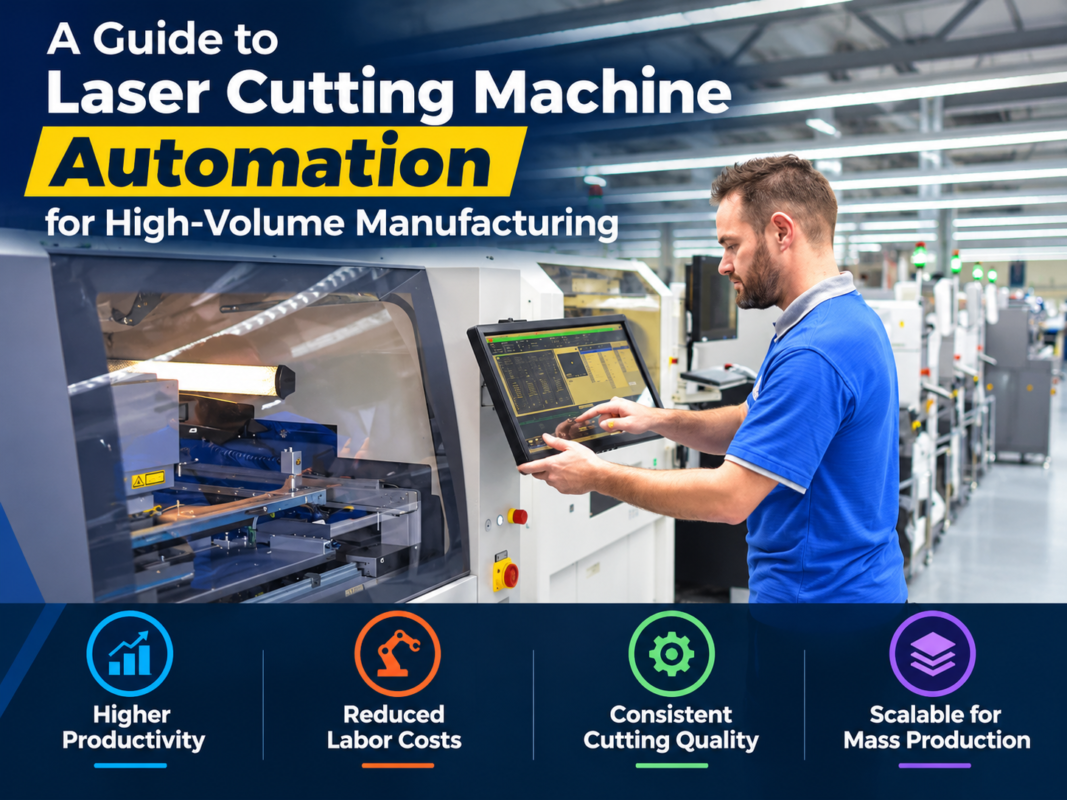
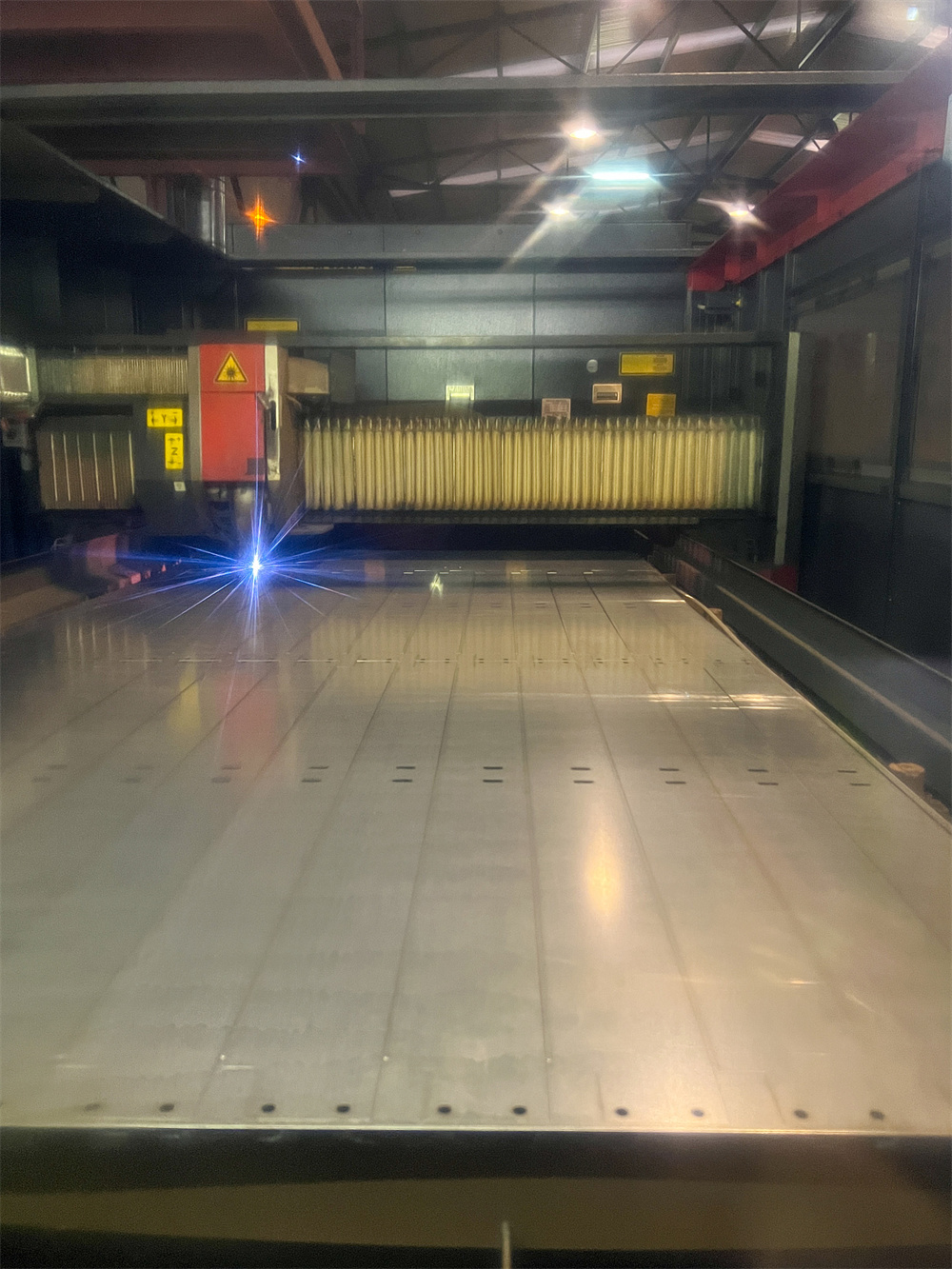
A single table machine requires the operator to stop the laser, unload the finished parts, and load a new sheet. An exchange table (shuttle table) allows the operator to load/unload while the machine is cutting on the other pallet. For workshops with high-volume production, an exchange table can increase productivity by 30% to 50%.
Tube Cutting Attachments
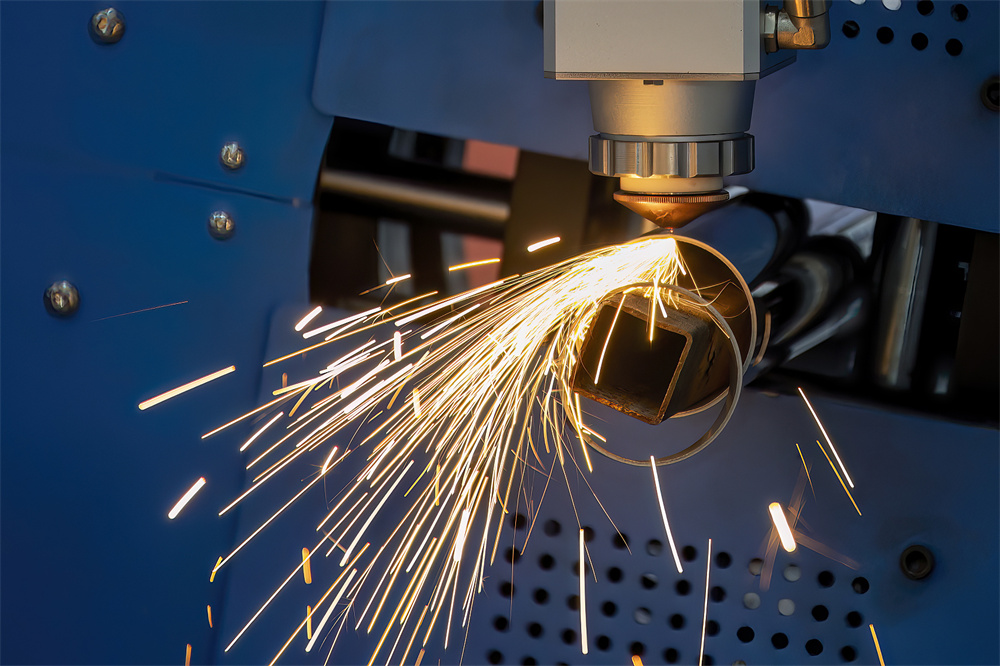
Many sheet metal workshops also handle square or round tubing. Instead of buying a separate tube laser, you can opt for a “plate and tube” combo machine. This features a rotary axis on the side of the flatbed, allowing for versatile fabrication without the footprint of two separate machines.
Protective Enclosures
While open-frame machines are cheaper and offer easier access, fully enclosed machines (Class 1 safety rating) protect workers from reflected laser radiation and contain dust and fumes. In many regions, safety regulations make enclosures mandatory for high-power fiber lasers.
Hidden Costs: Beyond the Purchase Price
The “sticker price” of a laser cutting machine is just the beginning. To avoid financial strain, workshops must account for the ongoing costs of operation and the initial setup requirements.
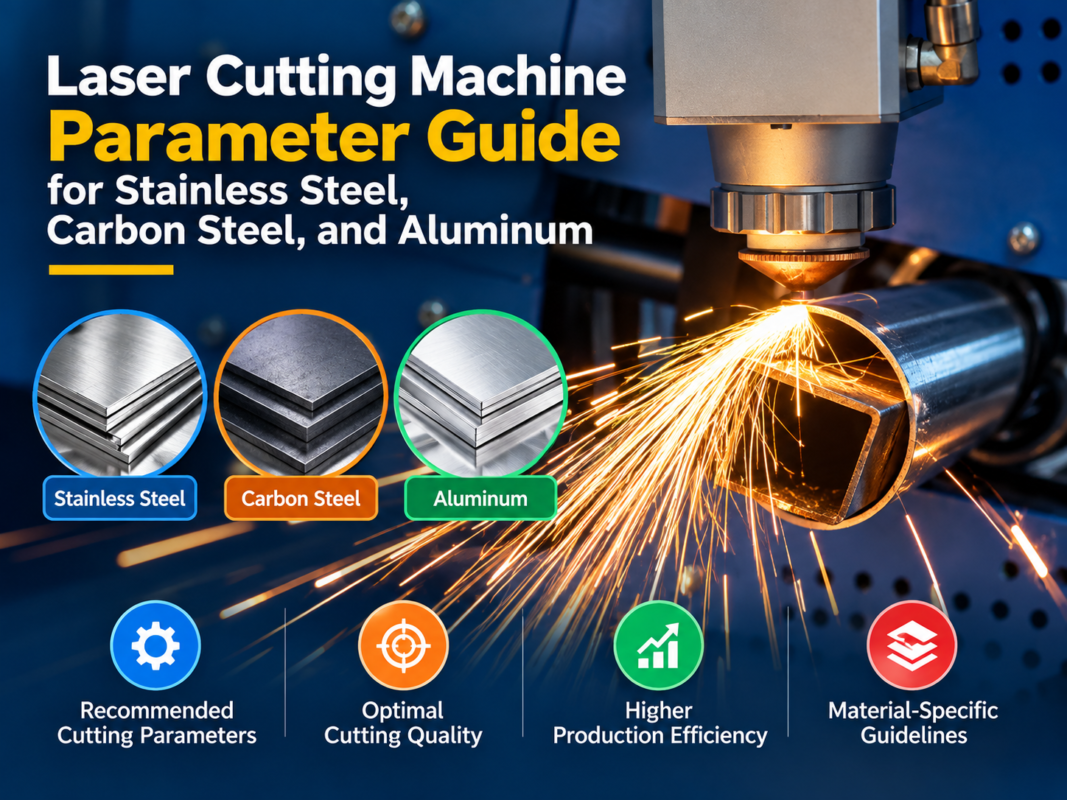
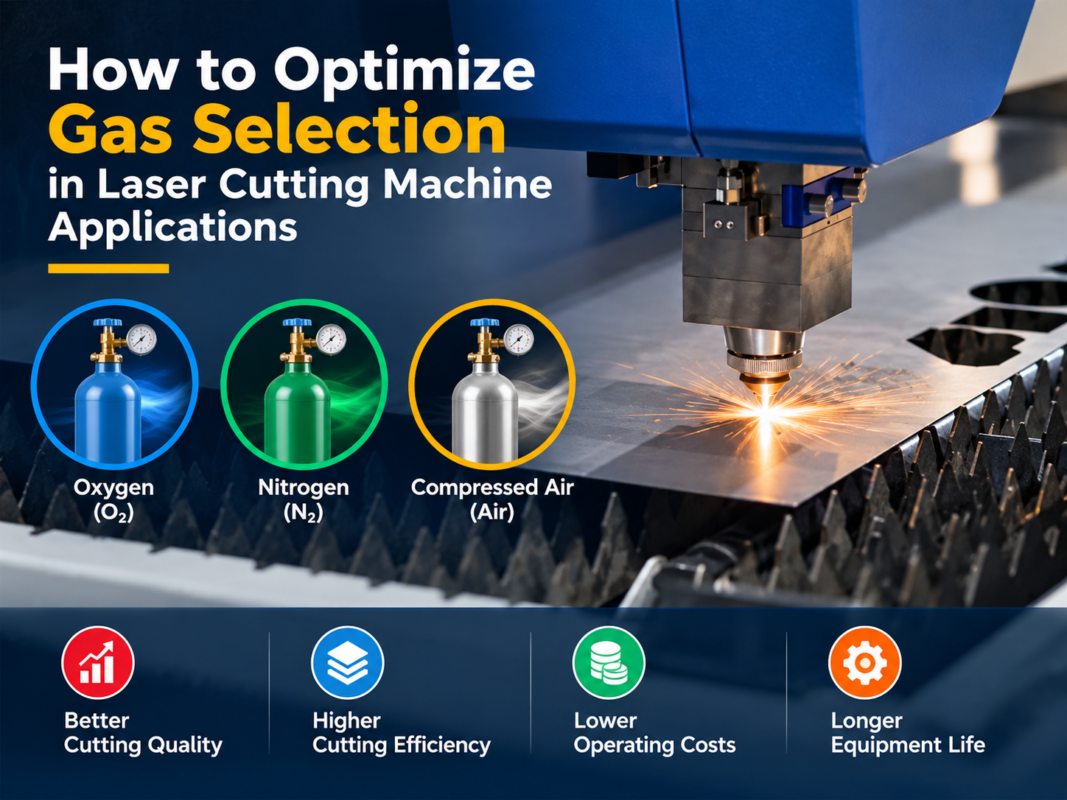
- Gas Consumption: Laser cutting requires assist gases—Oxygen for carbon steel, Nitrogen for stainless and aluminum, or Compressed Air for cost-saving on thinner materials. Nitrogen, in particular, can be a significant monthly expense.
- Consumables: Nozzles, protective windows, and ceramic rings are wear items. While individually cheap, they add up over thousands of hours of operation.
- Electricity: While fiber lasers are much more efficient than old CO2 lasers, a 12kW machine with a large chiller and dust extractor still draws significant power. Ensure your workshop’s electrical grid can handle the load.
- Installation and Training: Does the price include a technician visiting your site? Proper training for your operators is the difference between a machine that makes money and one that sits idle due to user error.
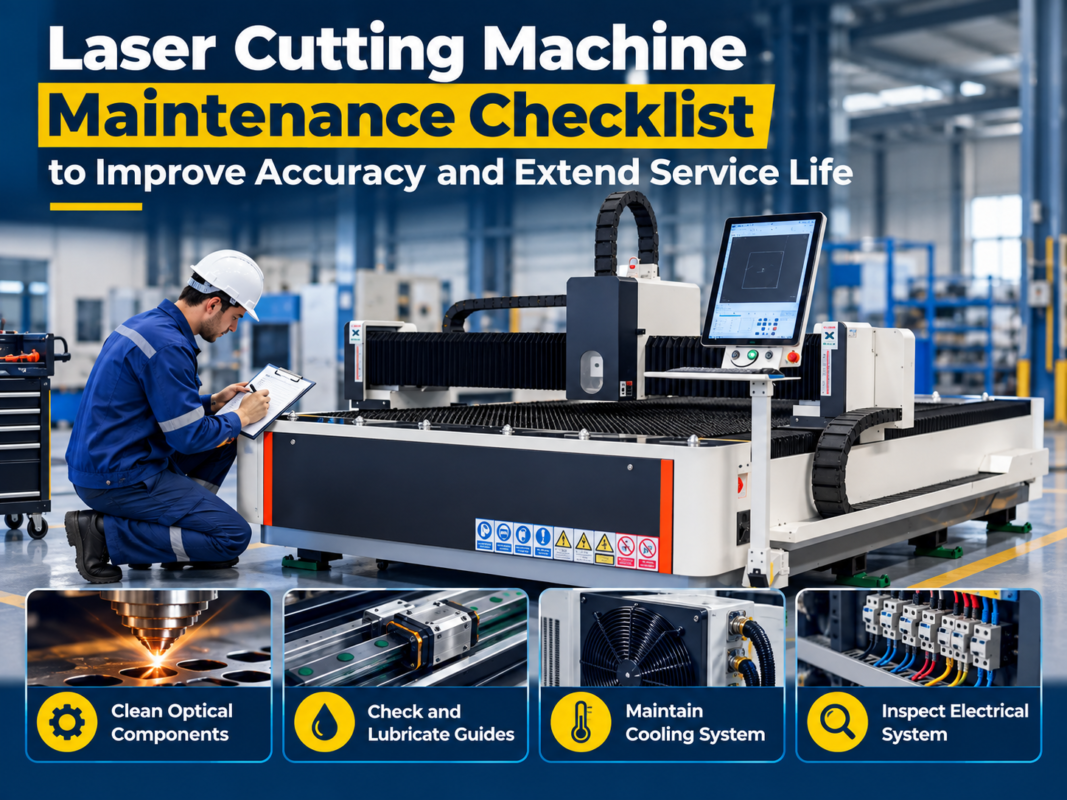
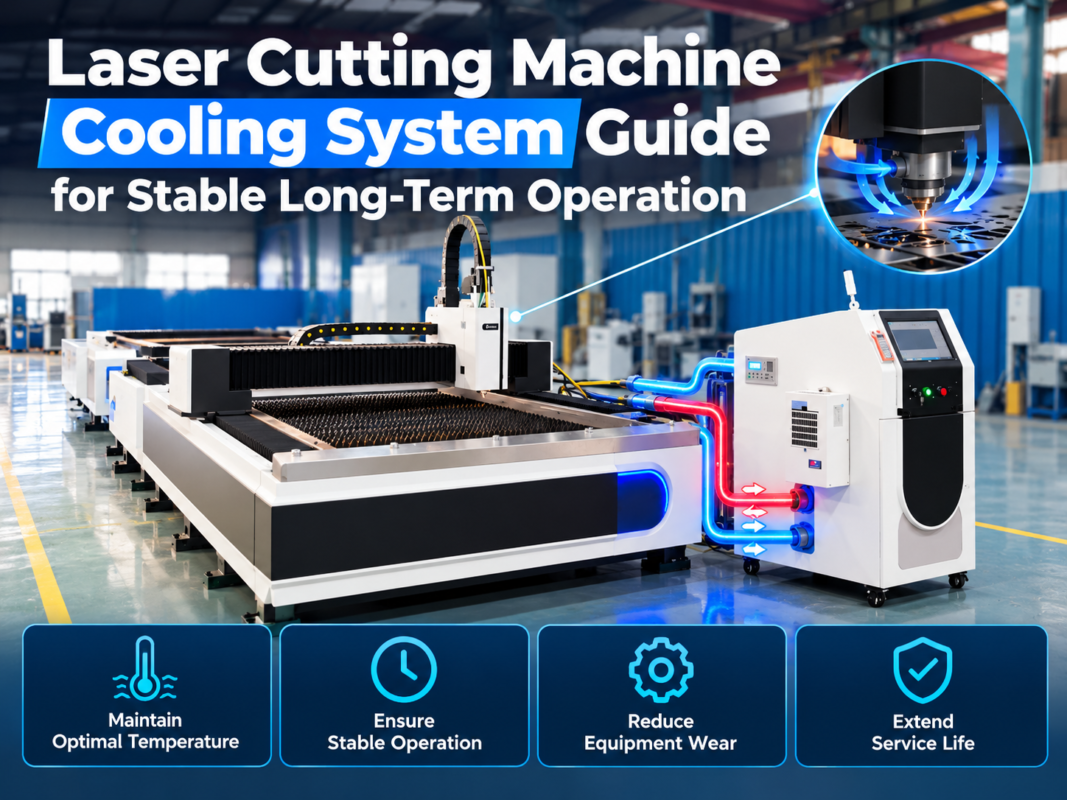
- Maintenance: Regular filter changes for the dust extractor and chiller maintenance are vital. Neglecting these can lead to expensive repairs to the laser source or cutting head.
ROI Calculation: When Will the Machine Pay for Itself?
Calculating the Return on Investment (ROI) is critical for justifying the purchase to stakeholders or lenders. A common mistake is only looking at the monthly lease payment versus current outsourcing costs. A more accurate ROI calculation includes:
Increased Throughput
How many more parts can you produce per shift compared to your current method? If a laser cutter allows you to complete jobs in 2 hours that previously took 8 hours of manual labor or plasma cutting, the labor savings are massive.
Material Utilization
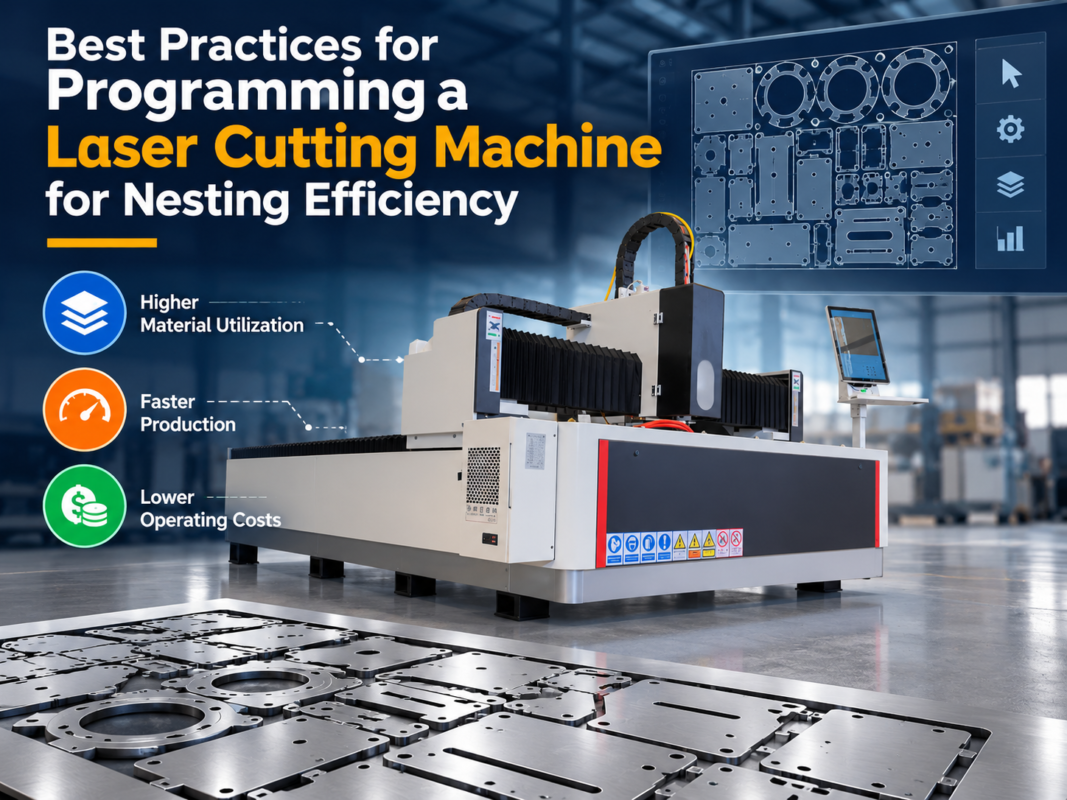
Modern nesting software (like CypCut or Lantek) can optimize part placement on a sheet far better than manual methods. Reducing scrap by even 5% to 10% can save thousands of dollars annually in material costs.
Secondary Process Elimination
Laser cutting produces a finished edge that rarely requires deburring or grinding. If your workshop currently spends 20 man-hours a week cleaning up edges from a plasma cutter, those hours are effectively “reclaimed” by the laser’s precision.
The Ultimate Buying Advice: A Step-by-Step Checklist
Before signing a contract, go through this checklist to ensure the machine meets your workshop’s reality:
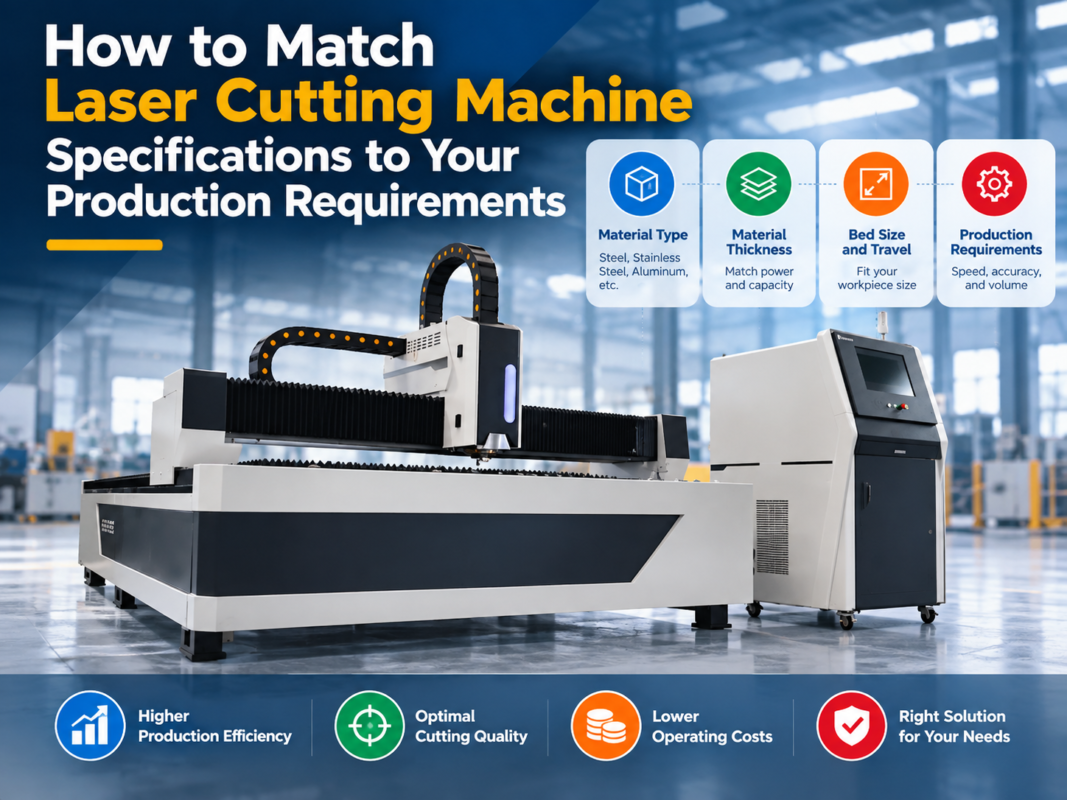
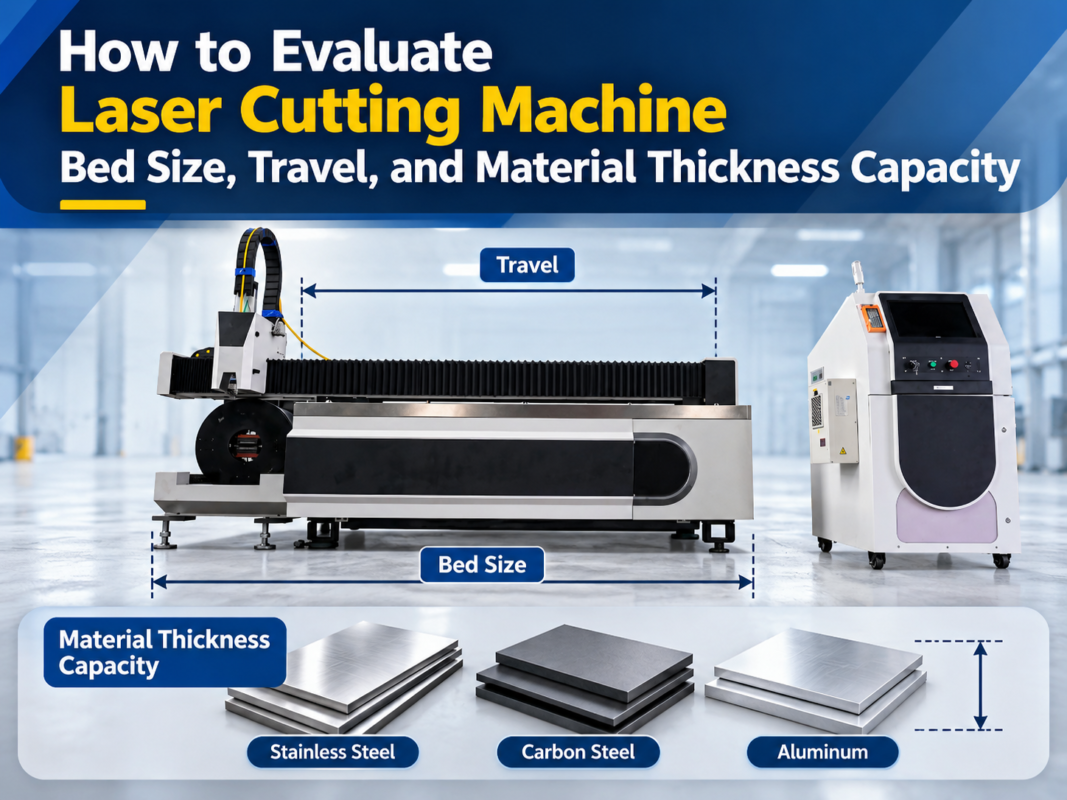
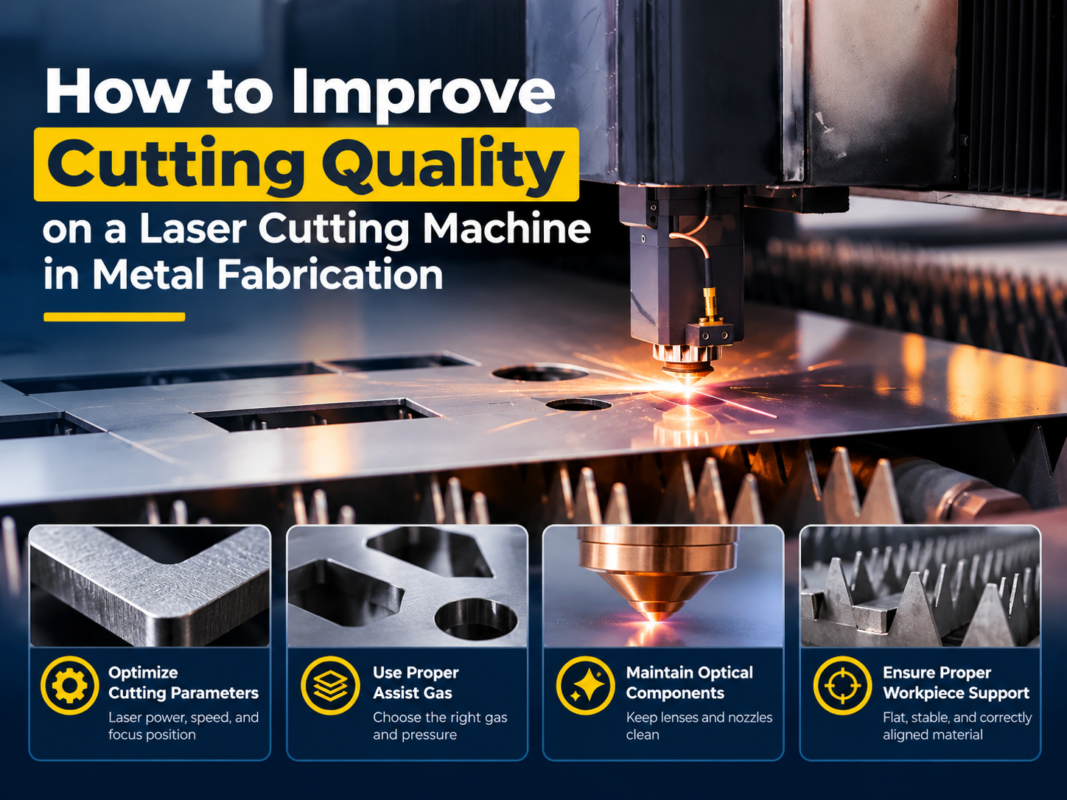
- Define Your Material Profile: What is the maximum thickness you cut 80% of the time? Don’t buy a 20kW machine if you mostly cut 3mm aluminum; a 3kW or 6kW machine will be more cost-effective.
- Measure Your Floor Space: Include the footprint of the machine, the chiller, the dust collector, and the space needed for loading/unloading material.
- Check Your Power Supply: Verify with an electrician that you have the necessary voltage and amperage.
- Evaluate the Software: Is the CNC software user-friendly? Does it integrate with your existing CAD programs?
- Verify After-Sales Support: Ask the manufacturer about their spare parts inventory and the location of their nearest service technician. HARSLE, for instance, provides extensive remote and on-site support to ensure minimal downtime.
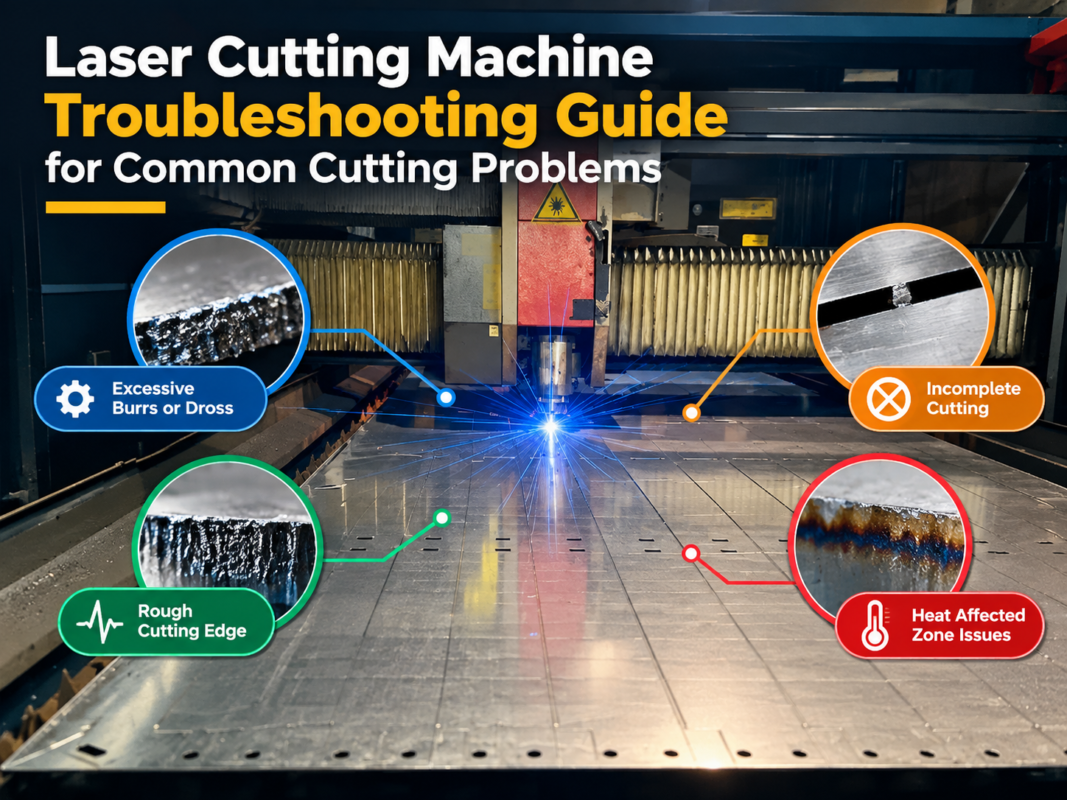
- Request a Sample Cut: Send your most complex part file to the manufacturer and ask them to cut it in your specific material. Inspect the edge quality and measure the dimensions.
Frequently Asked Questions (FAQ)
1. What is the lifespan of a fiber laser source?
Most high-quality fiber laser sources are rated for approximately 100,000 hours of operation. For a typical workshop running a single shift, this can translate to over 20 years of use, provided the machine is well-maintained.
2. Can I cut reflective materials like copper and brass?
Yes, modern fiber lasers are designed to handle reflective materials. However, it is recommended to use a laser source with back-reflection protection and to use Nitrogen or Oxygen as an assist gas to prevent damage to the optics.
3. Is air cutting really viable?
Absolutely. For many thin-gauge applications (under 3mm), high-pressure compressed air can replace Nitrogen. This significantly reduces operating costs, though the edge may have a slight oxide layer compared to Nitrogen cutting.
4. Do I need a specialized operator?
While modern CNC interfaces are very intuitive, a basic understanding of metal properties and CAD/CAM software is necessary. Most manufacturers, including HARSLE, offer training programs to get your staff up to speed quickly.
5. How often does the machine need calibration?
The mechanical alignment should be checked every few months, but the laser itself is solid-state and does not require the frequent mirror alignments that older CO2 lasers did. This is one of the primary advantages of fiber technology.
Conclusion
Investing in a laser cutting machine is a transformative step for any sheet metal workshop. By following this Laser Cutting Machine Buyer’s Checklist for Sheet Metal Workshops, you can navigate the complexities of technical specs and financial projections with confidence. Remember that the cheapest machine is rarely the most profitable in the long run. Focus on the quality of the core components, the reliability of the manufacturer, and how the machine’s configuration fits your specific workflow. With the right equipment from a trusted partner like HARSLE, your workshop will be well-positioned to lead in the competitive landscape of modern metal fabrication.