What You Need to Know Before Investing in a Fiber Laser Cutting Machine


Introduction to Fiber Laser Investment
The landscape of metal fabrication has undergone a seismic shift over the last decade, primarily driven by the rapid advancement of fiber laser technology. For many shop owners and industrial manufacturers, the question is no longer whether to adopt laser technology, but rather how to navigate the complex process of selecting the right equipment. Understanding what you need to know before investing in a fiber laser cutting machine is critical to ensuring that your capital expenditure translates into long-term profitability and operational efficiency.
Fiber lasers offer unparalleled speed, precision, and versatility compared to traditional CO2 lasers or plasma cutters. However, the high initial cost and the technical nuances of these machines mean that a poorly researched purchase can lead to significant financial strain. This guide is designed to provide a deep dive into every facet of the investment process, from initial pricing and technical configurations to hidden operational costs and return on investment (ROI) calculations. Whether you are a small job shop looking to bring cutting in-house or a large-scale manufacturer upgrading your fleet, the following insights will help you make an informed decision.
Price Range Overview: Setting Realistic Expectations
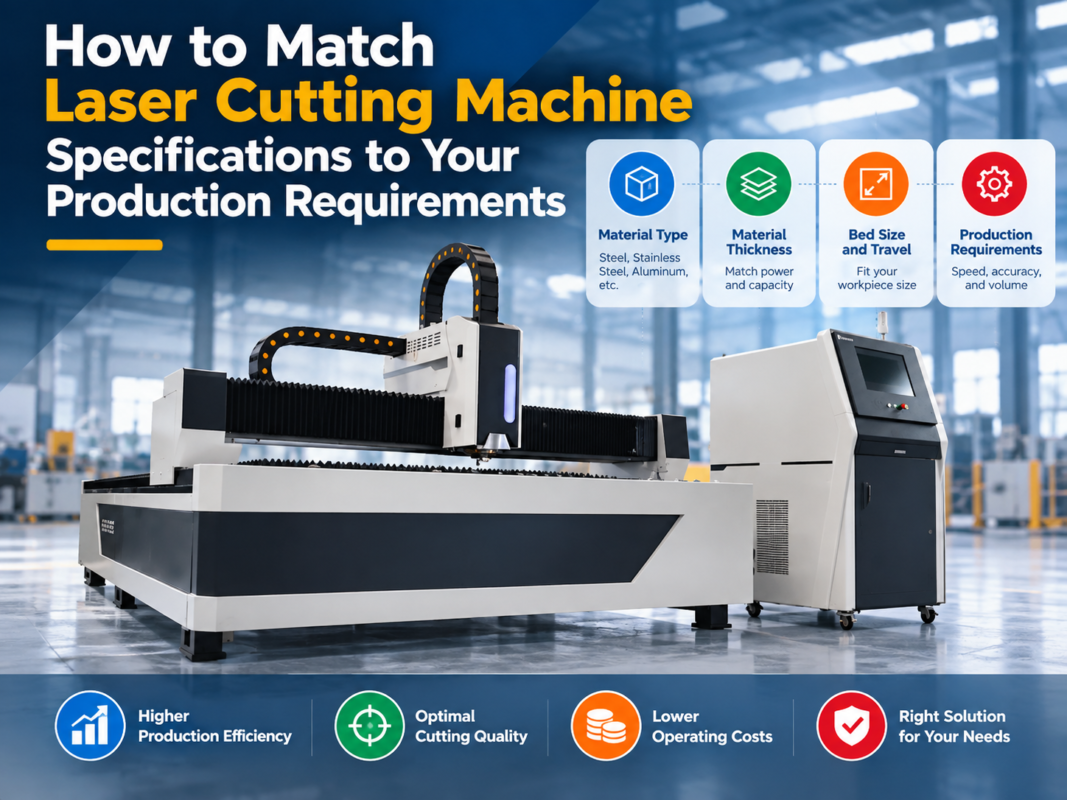
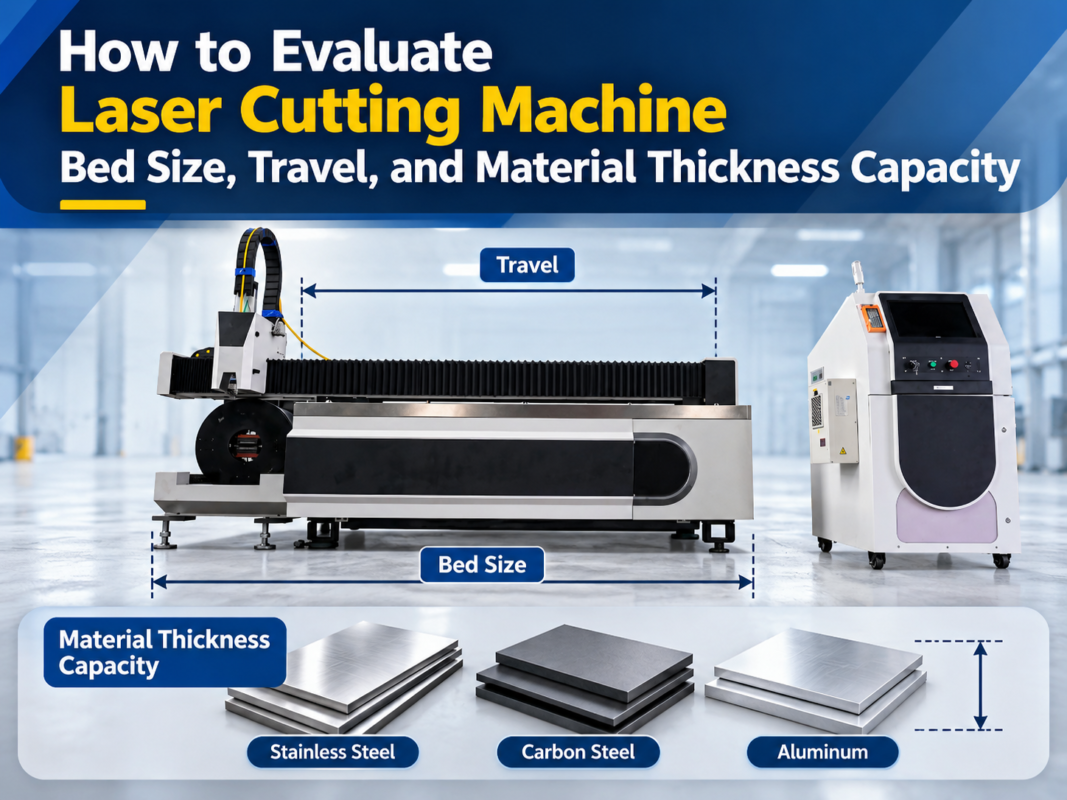
When you begin your search, the first thing you will notice is the massive variance in pricing. Fiber laser cutting machines can range anywhere from $20,000 to over $500,000. Understanding where your needs fall within this spectrum is the first step in your investment journey. The price is generally dictated by three primary factors: laser power (wattage), machine format (bed size), and the level of automation or enclosure.
Entry-Level Machines ($20,000 – $50,000): These are typically low-power machines (1kW to 2kW) with a standard 3015 (3m x 1.5m) bed. They are often open-table designs, meaning they lack a full protective enclosure. These machines are ideal for thin sheet metal fabrication (up to 6mm carbon steel) and are popular among small workshops or educational institutions. While affordable, they lack the speed and heavy-duty construction required for 24/7 industrial production.
Mid-Range Industrial Machines ($60,000 – $150,000): This is the “sweet spot” for most professional fabrication shops. These machines typically offer 3kW to 6kW of power and come with a full safety enclosure and an exchange table (shuttle table) system. The exchange table allows the operator to load new material while the machine is still cutting, significantly increasing throughput. These machines can handle a wider variety of thicknesses, often cutting up to 20mm carbon steel with ease.
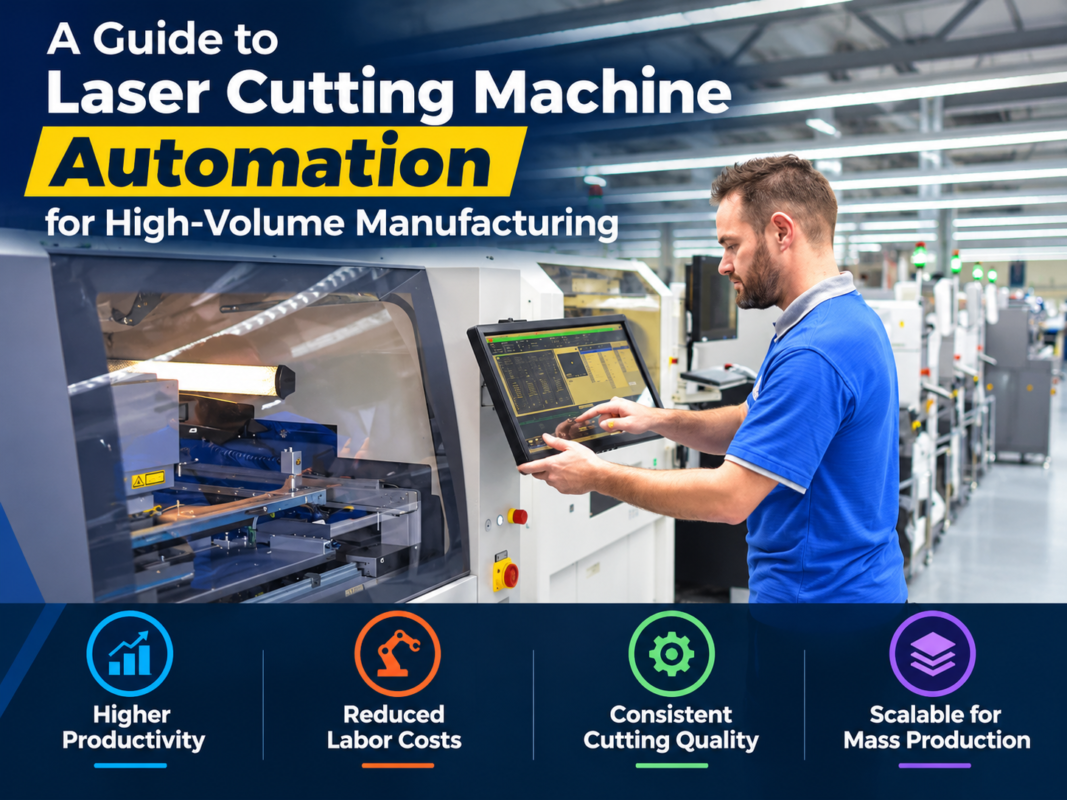
High-End & Ultra-High Power Machines ($200,000+): These are the titans of the industry, featuring laser sources from 12kW to 40kW or more. They are designed for high-speed cutting of thick plates (30mm+) and are often integrated into fully automated production lines with material loading and unloading robots. These machines utilize premium components, such as linear motors instead of rack-and-pinion systems, to maintain accuracy at extreme speeds.
Main Cost Drivers: What Are You Actually Paying For?
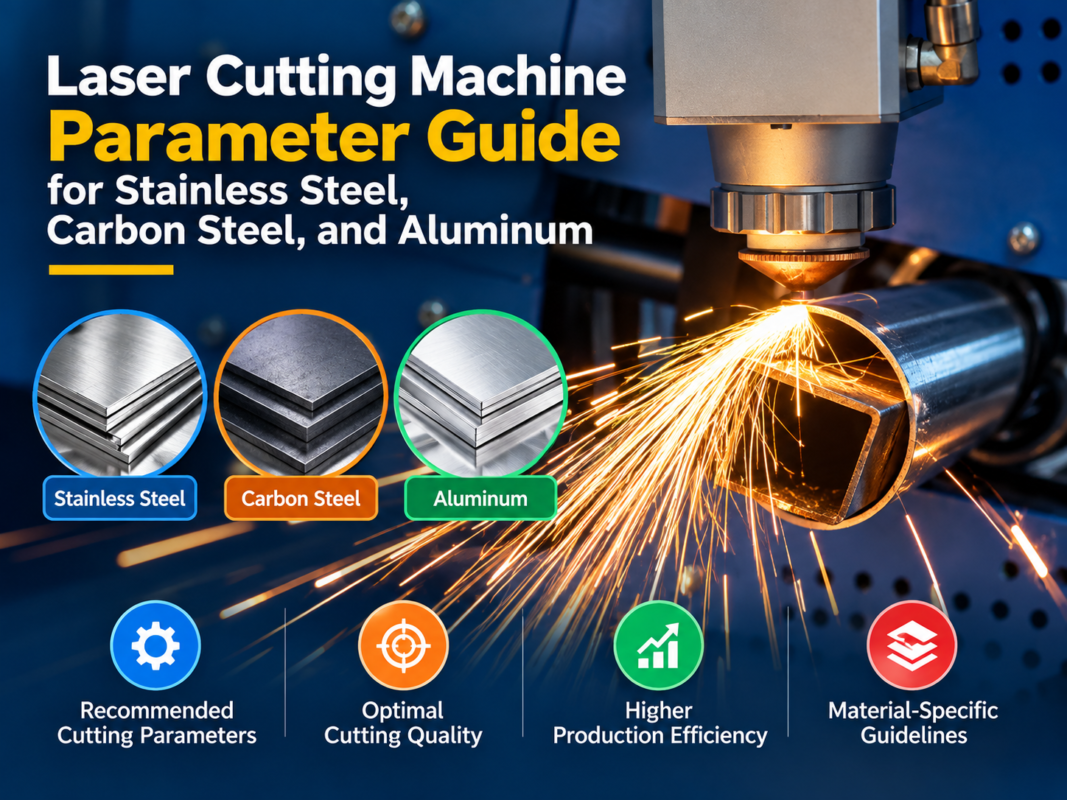
To understand what you need to know before investing in a fiber laser cutting machine, you must look under the hood. The total price is not just a random number; it is a reflection of the components used. The most significant cost driver is the laser source. Brands like IPG Photonics are considered the gold standard for reliability and global support, but they come at a premium. Alternatives like Raycus or Maxphotonics offer excellent performance at a lower price point, making them popular for budget-conscious buyers who still require industrial-grade reliability.
The second major driver is the machine frame and gantry. A laser machine is only as good as its stability. High-end manufacturers like HARSLE use heavy-duty, heat-treated welded frames or even cast-iron beds to ensure that the machine does not vibrate or deform under the high accelerations required for laser cutting. A lightweight frame might save money upfront, but it will lead to accuracy issues and premature wear on the motion system within a few years.
The motion system itself—comprising the motors, drives, and rails—also impacts the cost. High-precision rack and pinion systems from brands like YYC or Alpha provide the necessary torque for heavy gantries, while linear motors offer the ultimate in speed and frictionless movement for high-wattage machines. Choosing the right balance between speed and cost is essential for your specific application.
Configuration Impact: Tailoring the Machine to Your Workload
The configuration of your machine should be dictated by the materials you intend to cut. If you primarily work with highly reflective metals like copper or brass, you must ensure the laser source and cutting head are equipped with back-reflection protection. Without this, the reflected laser beam can travel back into the fiber cable and destroy the laser source, leading to a catastrophic and expensive failure.
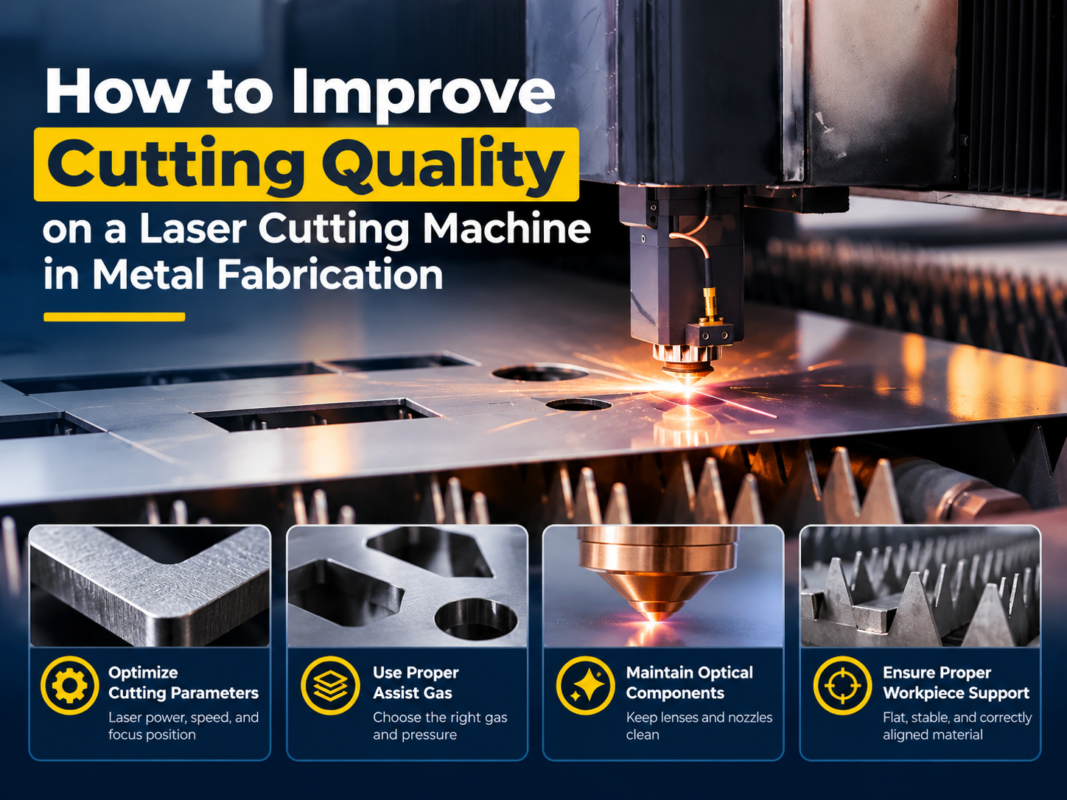
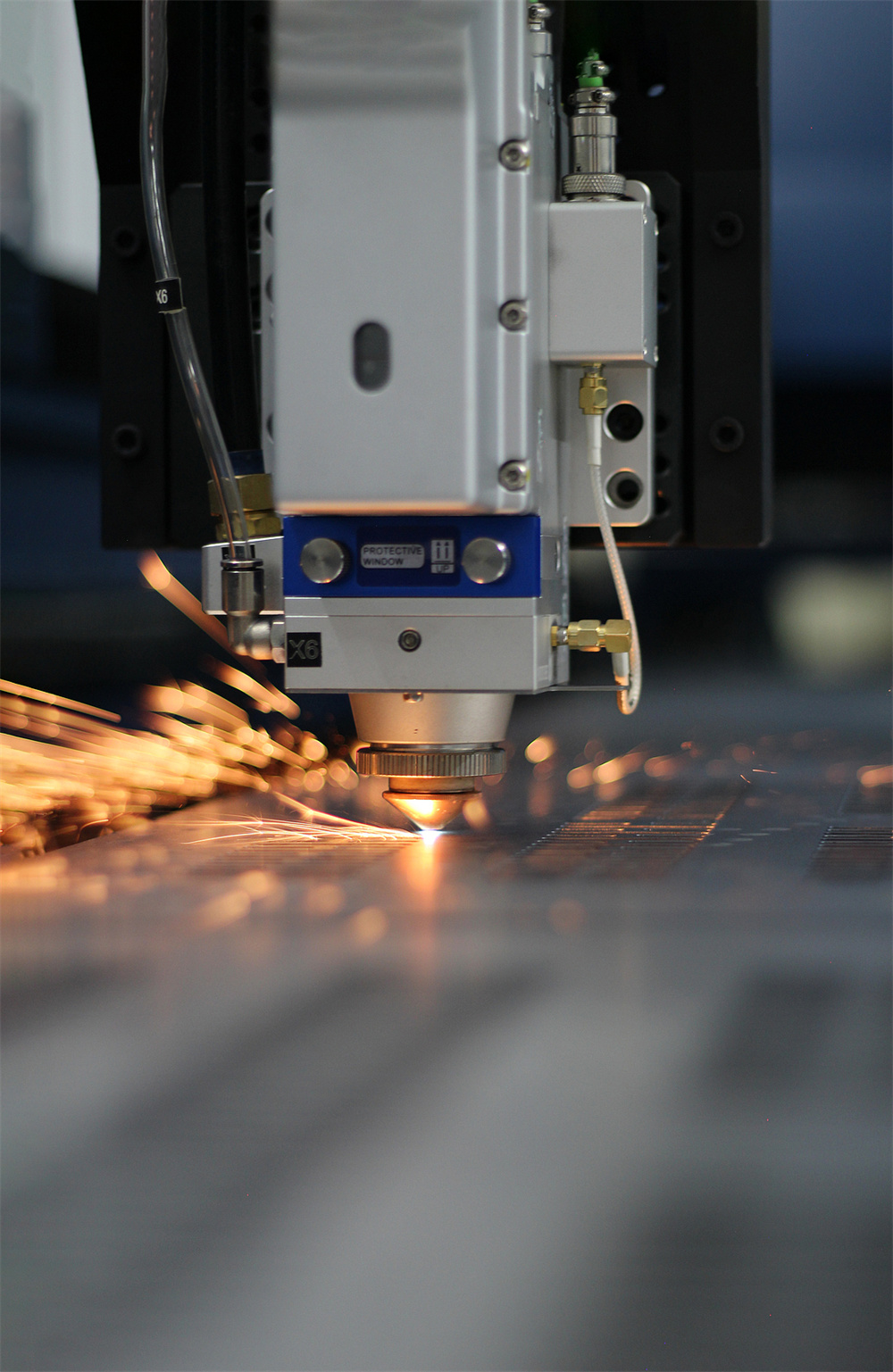
The cutting head is another critical component. Modern machines often feature autofocus cutting heads (such as those from Raytools or Precitec). Autofocus allows the machine to automatically adjust the focal point based on the material thickness and type, which is vital for maintaining cut quality across different jobs. Manual focus heads are cheaper but require constant operator intervention, which slows down production and increases the risk of human error.
Software and Control Systems
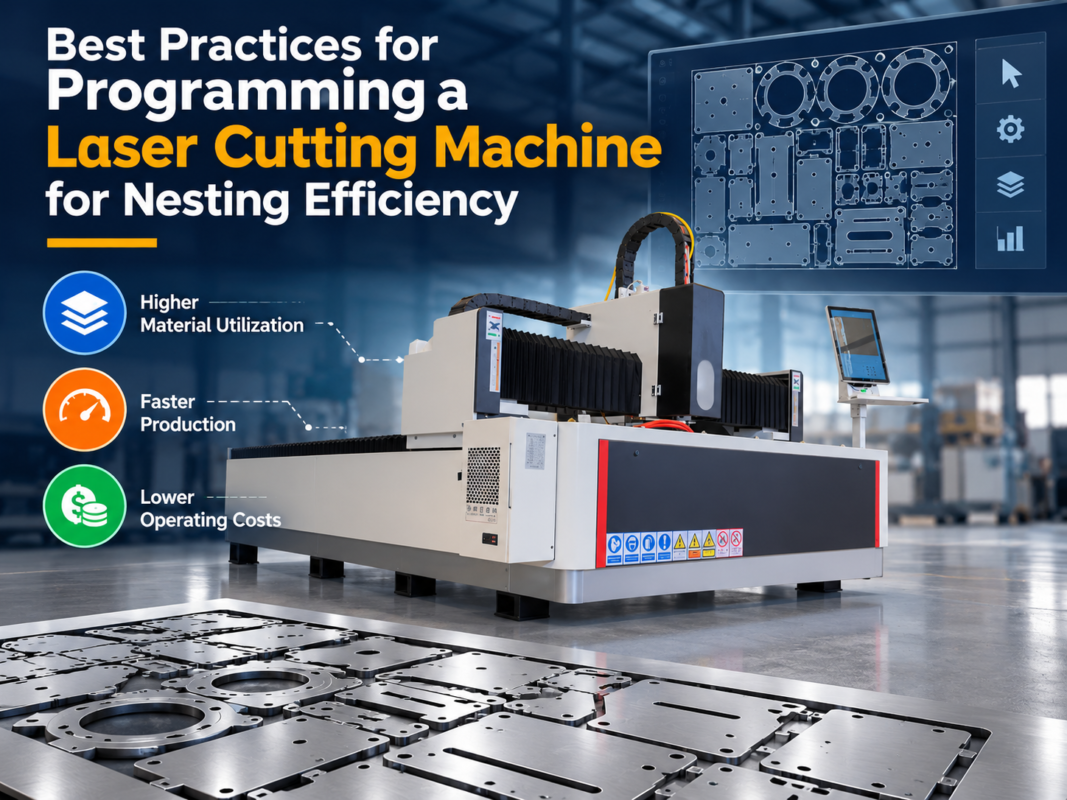
The “brain” of the machine is the CNC controller. In the fiber laser world, CypCut is the most widely used and user-friendly software for standard applications. It integrates CAD/CAM functions, nesting, and machine control into a single interface. For more complex, high-speed applications, specialized controllers like Beckhoff or FSCUT8000 offer advanced features like “fly-cutting” (cutting without stopping the gantry) and real-time monitoring of the cutting process. Investing in better software can often yield higher productivity gains than simply increasing laser power.

Hidden Costs: Beyond the Purchase Price
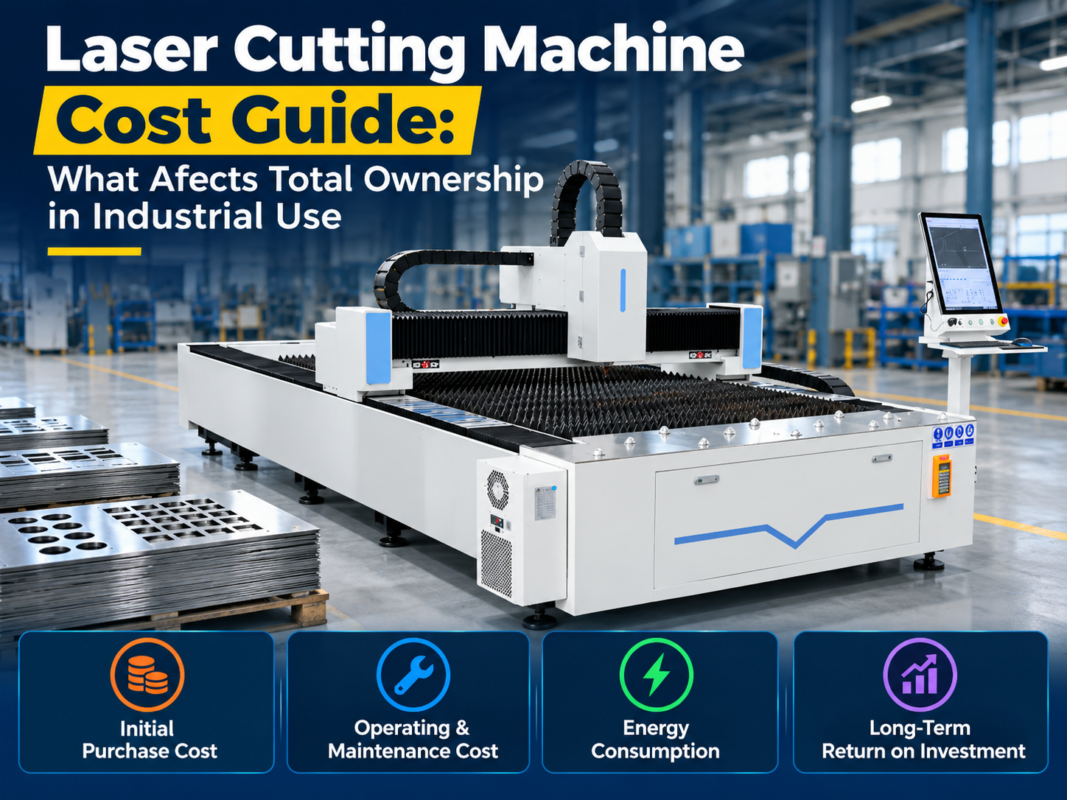
One of the most common mistakes buyers make is failing to account for the total cost of ownership. The purchase price is just the beginning. To truly understand what you need to know before investing in a fiber laser cutting machine, you must factor in the following:
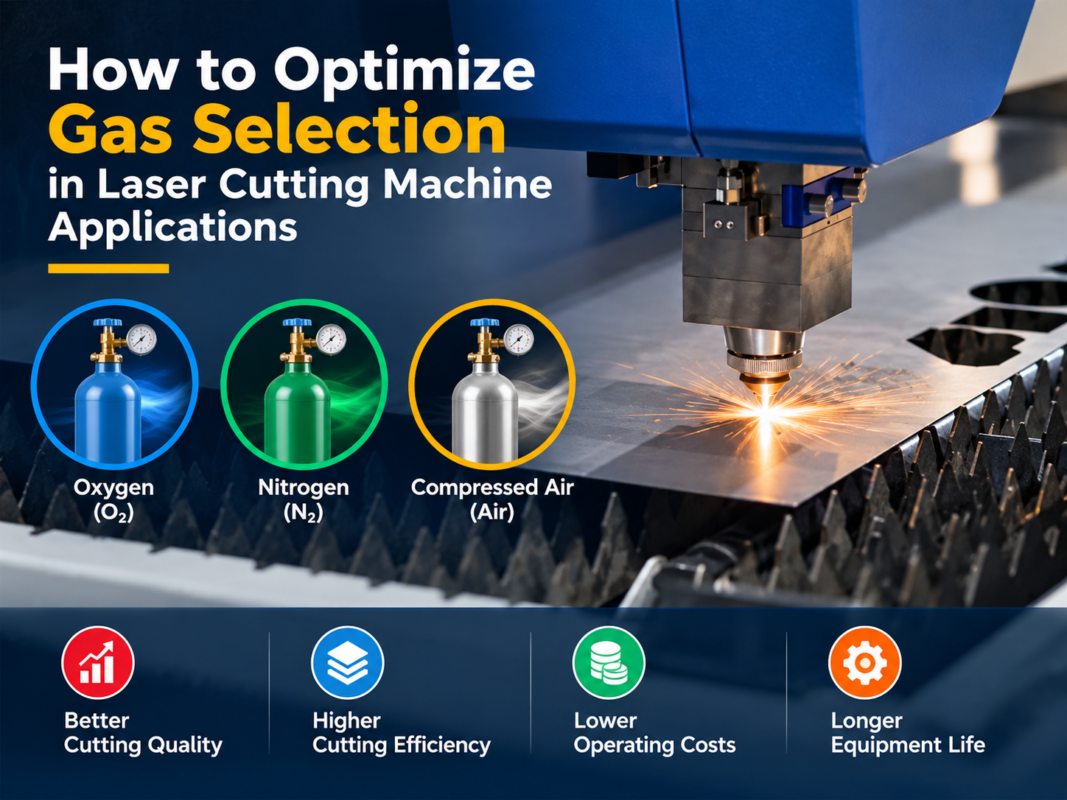
- Gas Consumption: Laser cutting requires assist gases—typically Oxygen, Nitrogen, or Compressed Air. Nitrogen is used for clean, oxide-free cuts in stainless steel and aluminum but is expensive. Oxygen is used for carbon steel but leaves an oxide layer. High-pressure air cutting is becoming popular for its low cost, but it requires a high-performance air compressor and filtration system.
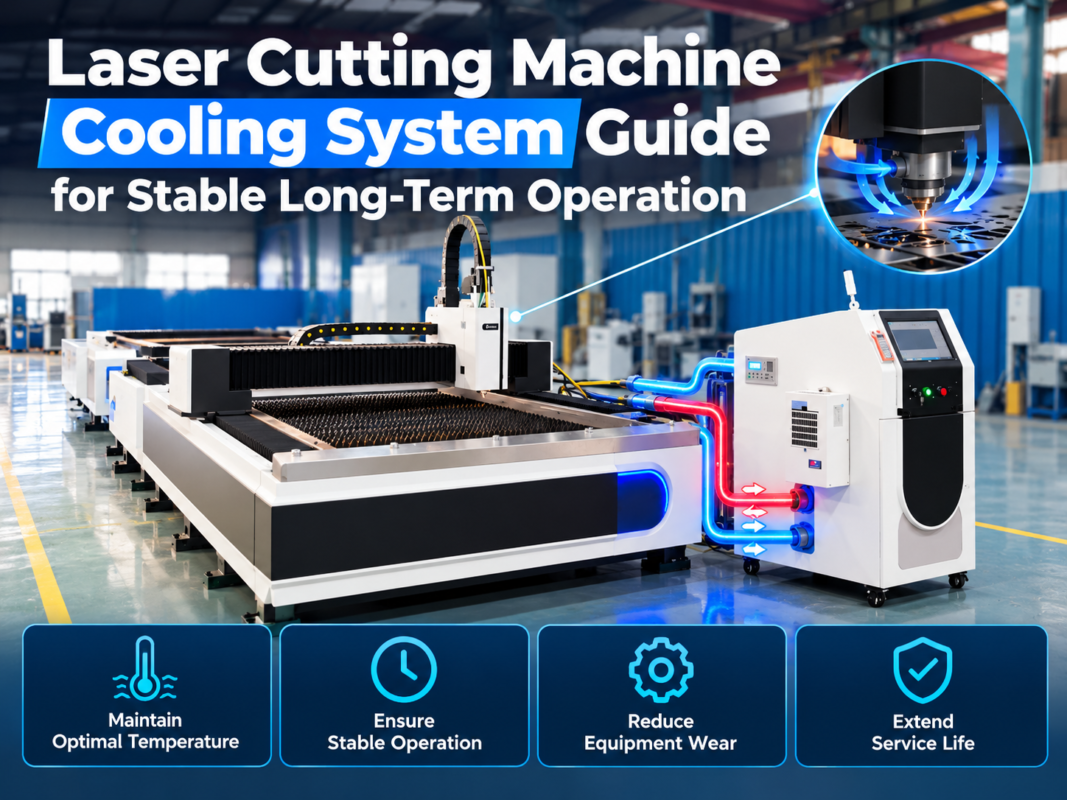
- Electricity: While fiber lasers are much more efficient than CO2 lasers, a 12kW machine still draws significant power. You must also account for the power consumption of the water chiller, the dust extractor, and the air compressor.
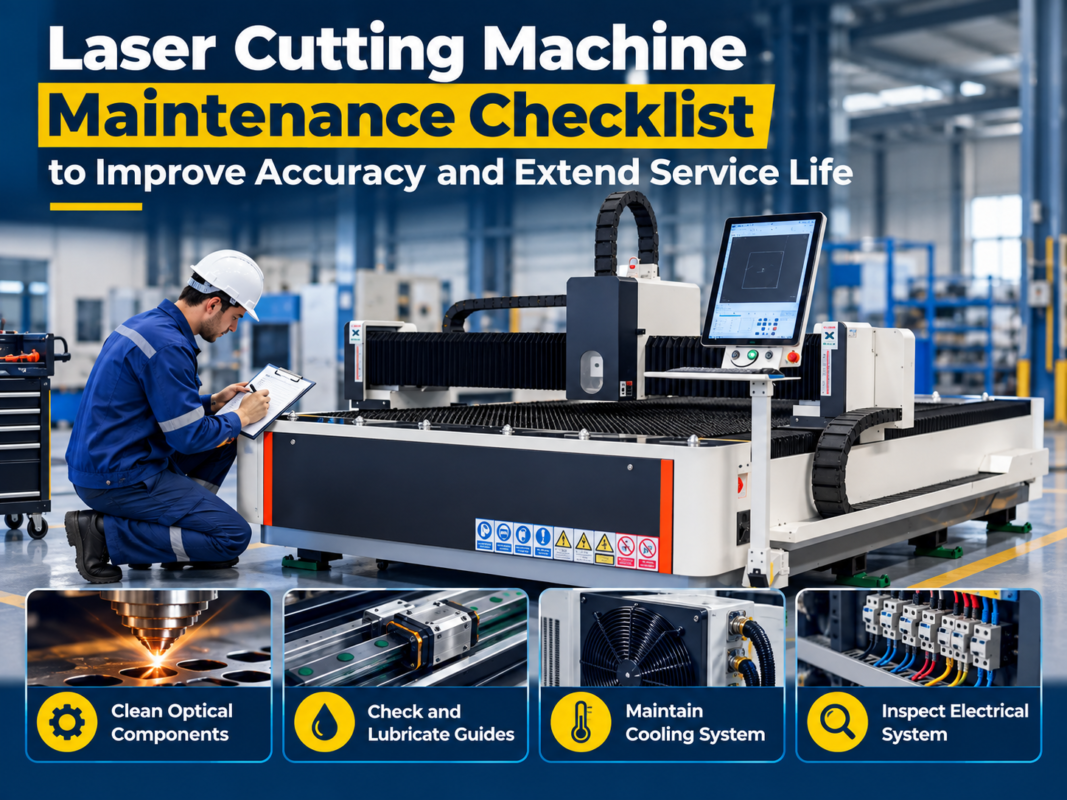
- Consumables: You will go through nozzles, protective windows (lenses), and ceramic rings regularly. While these parts are relatively cheap individually, they add up over a year of high-volume production.
- Facility Requirements: A fiber laser requires a stable, climate-controlled environment. You may need to invest in a reinforced concrete floor to handle the machine’s weight and vibration, as well as a dedicated electrical transformer.
ROI Calculation: When Will the Machine Pay for Itself?
Calculating the Return on Investment (ROI) is the most important step for any business owner. To do this, you need to compare your current costs (either outsourcing or using older technology) against the projected costs of the new fiber laser. A fiber laser typically cuts 3 to 5 times faster than a CO2 laser of the same power on thin materials. This increased throughput means you can take on more work without increasing your labor costs.
Consider a scenario where a shop spends $10,000 a month on outsourced laser cutting. By bringing a $100,000 machine in-house, the monthly payment on a 5-year lease might be $2,000. Even after adding $3,000 for gas, electricity, and an operator, the shop is still saving $5,000 a month. In this case, the machine pays for itself in less than two years. Furthermore, having the machine in-house reduces lead times from weeks to days, allowing the shop to win more contracts and charge a premium for fast delivery.
Buying Advice: Choosing the Right Partner
When you are ready to buy, the manufacturer you choose is just as important as the machine’s specifications. HARSLE has built a reputation for providing high-quality metal fabrication machinery with a focus on durability and customer support. Here are a few tips for the final selection process:
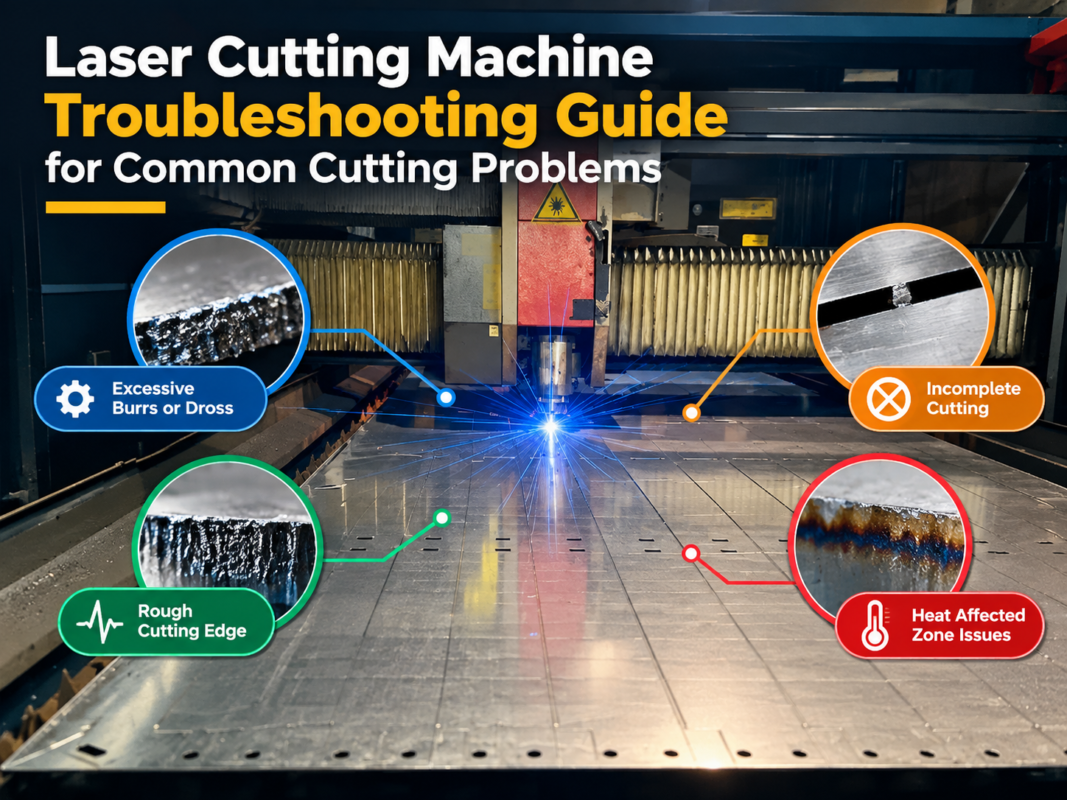
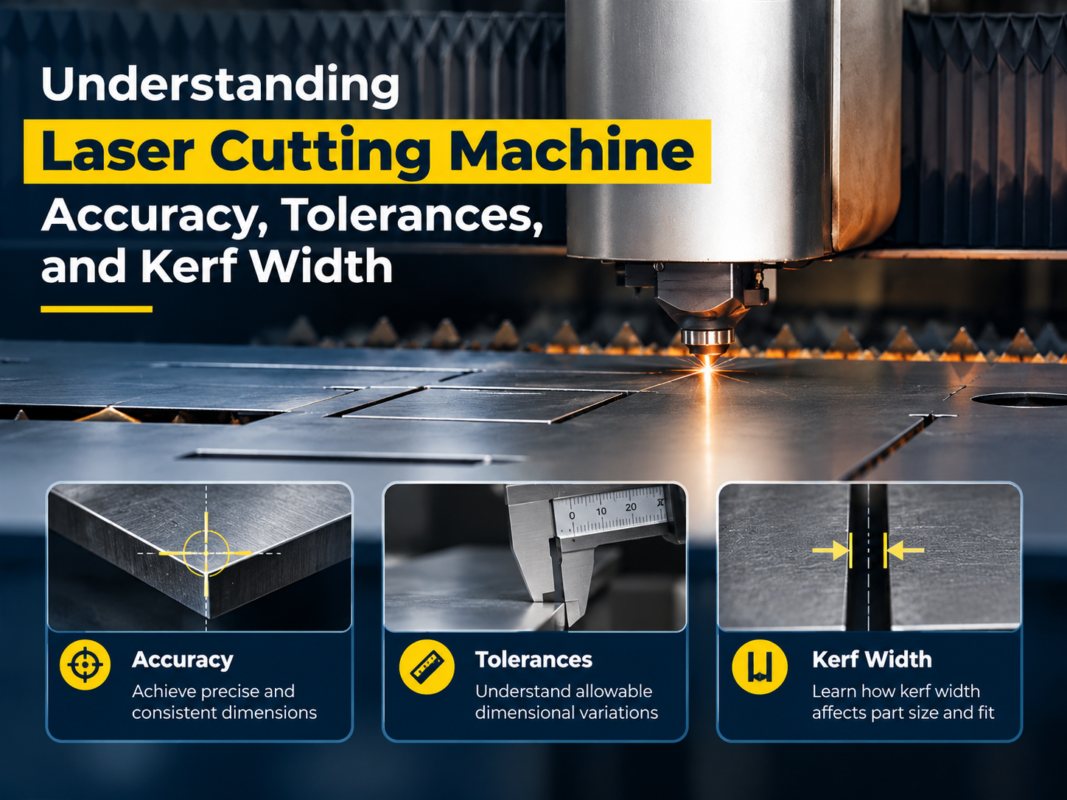
- Request a Sample Cut: Send your most challenging drawings to the manufacturer and ask them to cut them in the specific material and thickness you use. Inspect the edge quality and dimensional accuracy.
- Check After-Sales Support: Fiber lasers are complex. You need a partner who can provide remote diagnostics and has a local or rapid-response technician team. Ask about the warranty on the laser source specifically, as it is the most expensive part to replace.
- Evaluate the Bed Construction: Don’t just look at the specs; look at the weight of the machine. A heavier machine generally indicates a more robust frame that will maintain accuracy over a 10-year lifespan.
- Future-Proofing: If you think you might need to cut thicker materials in two years, consider buying a higher-wattage source now. Upgrading a laser source later is often more expensive than buying the higher power upfront.
Frequently Asked Questions (FAQ)
1. How long does a fiber laser source last?
Most high-quality fiber laser sources (like IPG or Raycus) are rated for 100,000 hours of operation. This equates to over 10 years of 24/7 use. However, the actual lifespan depends heavily on maintaining a clean environment and ensuring the water chiller is functioning correctly.
2. Can a fiber laser cut reflective materials like copper and brass?
Yes, modern fiber lasers are designed to cut reflective materials. However, you must ensure the machine is equipped with a laser source and cutting head that features back-reflection protection to prevent damage to the optical components.
3. Is it better to use Nitrogen or Compressed Air for cutting?
Nitrogen provides the best finish (no oxidation), which is essential if the parts are to be painted or welded later. Compressed air is much cheaper but requires a high-pressure compressor (15-20 bar) and a very high-quality filtration system to remove oil and moisture. Air cutting is excellent for thin materials where edge quality is less critical.
4. What is the difference between a single table and an exchange table?
A single table machine requires you to stop the laser, unload the finished parts, and load a new sheet before cutting again. An exchange table (shuttle table) has two pallets; while one is inside being cut, the operator is unloading the other outside. This can increase productivity by 30-50% in high-volume environments.
5. Do I need a full enclosure for my laser machine?
For high-power fiber lasers (above 2kW), a full enclosure is highly recommended for safety. Fiber laser light is at a wavelength that can cause permanent eye damage even from reflections. An enclosure with certified laser-safe glass allows operators to work safely around the machine without needing specialized goggles at all times.
Conclusion
Investing in a fiber laser cutting machine is a transformative step for any metal fabrication business. By understanding the price drivers, technical configurations, and operational costs, you can move forward with confidence. Remember that the cheapest machine is rarely the most cost-effective in the long run. Focus on build quality, component reliability, and the reputation of the manufacturer. With the right machine from a trusted partner like HARSLE, your investment will provide a competitive edge that lasts for a decade or more.