
How to Choose a Reliable Laser Cutting Machine Supplier and Manufacturer: A Comprehensive Guide


Introduction to Selecting the Right Laser Cutting Partner
In the rapidly evolving landscape of metal fabrication, the decision to invest in a fiber laser cutting machine is one of the most significant capital expenditures a business can make. However, the machine itself is only half of the equation. The other half is the entity behind the machine. To choose a reliable laser cutting machine supplier manufacturer requires a deep understanding of both the technology and the industrial reputation of the provider. A reliable partner like HARSLE ensures that your investment translates into long-term productivity, minimal downtime, and a competitive edge in the market.
The global market is flooded with options, ranging from budget-friendly entry-level models to high-end, fully automated systems. Navigating this sea of information can be daunting for both seasoned fabricators and newcomers. This guide is designed to provide a structured framework for evaluating suppliers, understanding the technical nuances that drive costs, and ultimately making an informed decision that aligns with your production goals and budgetary constraints.
Price Range Overview: What to Expect in the Current Market
When you begin your journey to choose a reliable laser cutting machine supplier manufacturer, the first question is often about the price. The cost of a fiber laser cutting machine varies significantly based on power output, bed size, and additional features. Generally, the market can be divided into three primary tiers: entry-level, mid-range, and high-performance industrial systems.
- Entry-Level (1kW – 3kW): These machines are typically priced between $20,000 and $50,000. They are ideal for small workshops or businesses primarily cutting thin sheets of carbon steel (up to 12mm) and stainless steel (up to 5mm). While affordable, it is crucial to ensure the supplier doesn’t compromise on the frame’s structural integrity.
- Mid-Range (4kW – 8kW): Priced between $60,000 and $120,000, these machines offer a balance of speed and thickness capability. They are the workhorses of the industry, capable of handling medium-thickness plates with high efficiency. Suppliers in this range should offer robust after-sales support and high-quality components.
- High-Performance (12kW – 30kW+): These systems can exceed $200,000. They are designed for 24/7 industrial production, cutting thick materials (30mm+) at incredible speeds. When choosing a manufacturer for this tier, the focus shifts heavily toward the stability of the machine bed and the sophistication of the control system.
It is important to note that the lowest price is rarely the best value. A reliable manufacturer invests in Research and Development (R&D) and quality control, which may reflect in a slightly higher upfront cost but results in significantly lower operational costs over the machine’s lifespan.
Main Cost Drivers in Laser Cutting Machinery
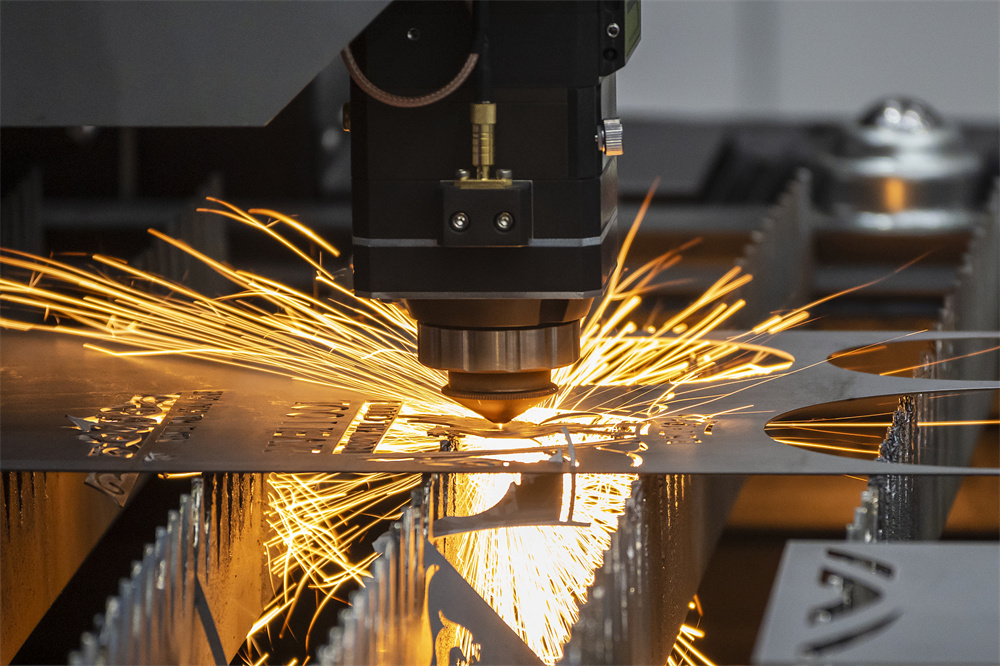
To accurately choose a reliable laser cutting machine supplier manufacturer, you must understand what components are driving the quote. A laser cutting machine is an assembly of several high-tech systems, and the quality of these components determines the machine’s reliability and precision.
1. The Laser Source
The laser source is the heart of the machine and typically accounts for 30% to 40% of the total cost. Leading brands like IPG Photonics, Raycus, and Maxphotonics offer different levels of stability and beam quality. While IPG is often considered the gold standard for high-end applications, Raycus and Max have become highly reliable and cost-effective alternatives for many industrial needs. A reliable supplier will be transparent about the source they use and why it fits your specific application.
2. The Cutting Head
The cutting head, featuring autofocus capabilities and high-pressure sensors, is critical for maintaining cut quality. Brands like Precitec and Raytools are industry leaders. The sophistication of the head—such as its ability to handle high power without thermal drift—significantly impacts the price. Manufacturers who integrate high-quality heads ensure that your machine can handle complex geometries and varying material thicknesses without constant manual adjustment.
3. Machine Bed and Gantry
The structural integrity of the machine bed is often overlooked but is vital for long-term accuracy. A heavy-duty, heat-treated welded plate bed or a cast-iron bed provides the necessary vibration dampening for high-speed cutting. If a manufacturer uses a light, flimsy frame, the machine will lose its precision within a year or two due to the high accelerations of the gantry. HARSLE, for instance, emphasizes the stress-relieving processes used in their bed manufacturing to ensure decades of stability.
Configuration Impact: Matching Specs to Production Needs
Configuration is where many buyers make mistakes, either over-specifying and wasting money or under-specifying and limiting their growth. When you choose a reliable laser cutting machine supplier manufacturer, they should act as consultants to help you find the “sweet spot.”
Power vs. Material Thickness
There is a common misconception that more power is always better. While higher power increases cutting speed and maximum thickness, it also increases gas consumption and maintenance costs. For a shop that primarily cuts 3mm aluminum, a 3kW machine is highly efficient. Moving to a 12kW machine for the same task might offer marginal speed gains but at a much higher operational cost. A reliable manufacturer will provide a cutting speed chart to help you choose the right wattage.
Single Table vs. Exchange Table
For high-volume production, an exchange table (shuttle table) is essential. It allows the operator to load new sheets and unload finished parts while the machine is still cutting. This can increase productivity by 30-50%. However, for custom shops with lower volume, a single table might suffice, saving both floor space and initial investment. The ability of a supplier to offer both configurations shows their flexibility in meeting diverse client needs.
Automation and Software
Modern laser cutting is as much about software as it is about hardware. Advanced nesting software (like CypCut or Lantek) optimizes material usage, reducing waste. Furthermore, integration with automatic loading and unloading systems can transform a standalone machine into a fully automated production cell. A manufacturer’s ability to integrate these systems is a hallmark of their technical maturity.
Hidden Costs: What Lies Beneath the Initial Quote
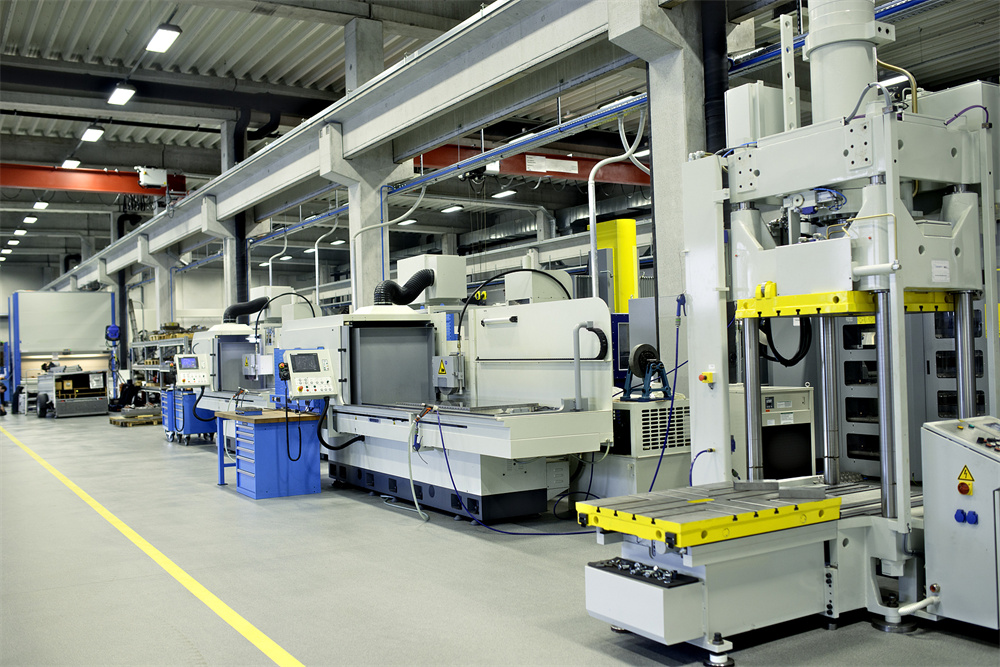
When you choose a reliable laser cutting machine supplier manufacturer, you must look beyond the “Ex-Works” price. Several hidden costs can significantly impact your total investment and operational budget.
- Shipping and Logistics: Laser machines are heavy and delicate. Professional packaging, moisture protection, and secure crating are non-negotiable. Additionally, consider the costs of customs duties, local transport, and the crane rental required to move the machine into your facility.
- Installation and Training: A machine is only as good as its operator. Does the supplier provide on-site installation? Is there a comprehensive training program included? Reliable manufacturers often send technicians to your site to ensure the machine is leveled, calibrated, and that your team knows how to maintain it.
- Consumables and Gases: Fiber lasers require protective windows, nozzles, and ceramic rings. Furthermore, the choice of assist gas (Oxygen, Nitrogen, or Compressed Air) drastically affects operating costs. A reliable supplier will help you set up an air compressor system if it’s more cost-effective for your material types.
- Maintenance and Spare Parts: Inquire about the availability of spare parts in your region. A machine that is down for three weeks waiting for a $50 sensor from overseas is a massive liability. Reliable manufacturers maintain local or regional parts hubs to minimize downtime.
ROI Calculation: Turning an Investment into Profit
The ultimate goal when you choose a reliable laser cutting machine supplier manufacturer is to achieve a rapid Return on Investment (ROI). To calculate this, you must consider the total cost of ownership (TCO) against the revenue generated by the machine.
ROI Formula: (Net Profit from Machine / Total Cost of Investment) x 100
Consider a scenario where a fiber laser replaces an older plasma cutter. The fiber laser is 4 times faster, uses less electricity, and requires no secondary finishing (grinding) due to the superior edge quality. By saving 10 minutes of labor per part and reducing material waste by 15% through better nesting, the machine can often pay for itself within 12 to 18 months. A reliable manufacturer will provide you with case studies and calculators to help you project these savings based on your specific labor rates and material costs.
Buying Advice: How to Vet a Manufacturer
To choose a reliable laser cutting machine supplier manufacturer, you must perform due diligence. Here is a checklist for evaluating potential partners:
- Factory Audit: If possible, visit the factory. Observe the assembly process. Is the environment clean and organized? Do they perform laser interferometry to test accuracy? If you cannot visit, ask for a live video tour.
- Technical Documentation: A reliable manufacturer provides detailed manuals, wiring diagrams, and maintenance schedules in your language. This is crucial for long-term self-sufficiency.
- Customer References: Ask for contacts of existing customers in your region or industry. A manufacturer who is hesitant to provide references may have something to hide.
- Financial Stability: Ensure the company is financially sound. You want a partner who will still be in business five or ten years from now when you need a major overhaul or an upgrade.
- Customization Capability: Can they modify the machine bed size or add a rotary attachment for tube cutting? Customization capability indicates a strong in-house engineering team rather than a simple assembly shop.
Frequently Asked Questions (FAQ)
1. What is the lifespan of a fiber laser source?
Most high-quality fiber laser sources, such as those from Raycus or IPG, are rated for approximately 100,000 hours of operation. Under normal industrial use, this equates to over 10 years of service. However, the environment (dust and temperature) plays a significant role in reaching this lifespan.
2. Can I cut reflective materials like brass and copper?
Yes, modern fiber lasers are equipped with back-reflection protection, allowing them to cut reflective materials safely. However, you should ensure the machine you choose has sufficient power and the correct beam parameters for these specific metals.
3. Is air cutting a viable alternative to nitrogen?
Absolutely. For many thin-gauge applications, high-pressure compressed air can replace nitrogen. While the edge may have a slight oxidation layer, the cost savings on gas are substantial. A reliable supplier will help you configure the right compressor and filtration system for this.
4. How often does a laser cutting machine need maintenance?
Daily maintenance involves cleaning the optics and the machine rails. Weekly tasks include checking the chiller water levels and lubrication. A full professional inspection is usually recommended every six months to ensure the mechanical alignment remains perfect.
5. What is the difference between a CNC laser and a standard laser?
All modern industrial fiber lasers are CNC (Computer Numerical Control) machines. This means they are controlled by a computer that follows G-code generated from CAD designs. The quality of the CNC controller (like CypCut) is a major factor in the machine’s ease of use and feature set.
6. Why should I choose HARSLE as my manufacturer?
HARSLE combines decades of experience in metal fabrication machinery with cutting-edge fiber laser technology. We focus on structural durability, high-end component integration, and a global service network that ensures our clients are never left without support. When you choose HARSLE, you are choosing a partner dedicated to your long-term manufacturing success.












