Why Your Laser Cutting Machine Piercing Fails and How to Prevent It


Introduction to Laser Cutting Piercing Challenges
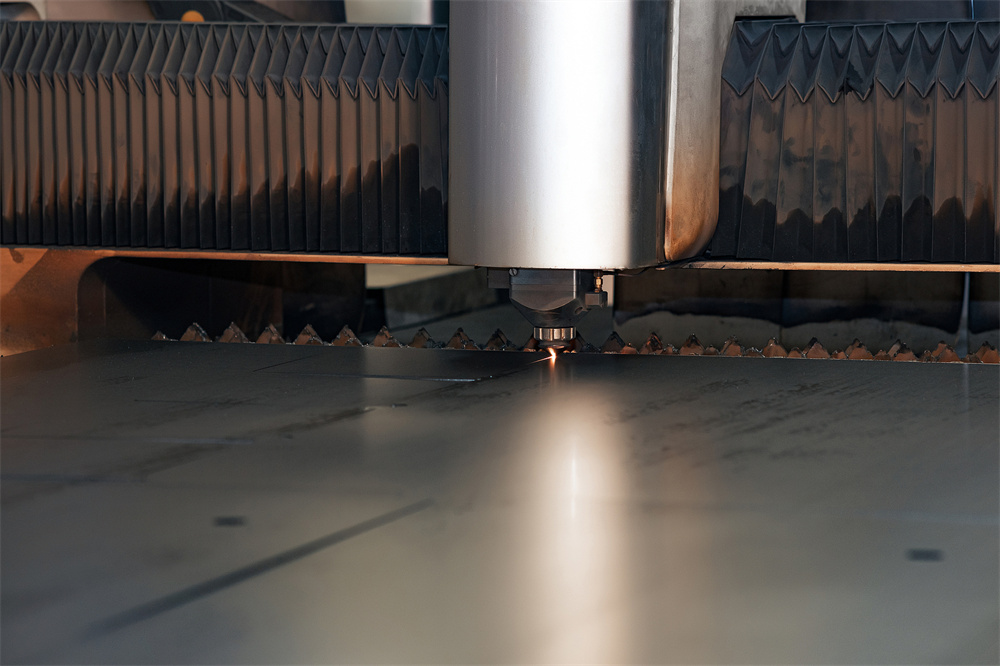
In the world of precision metal fabrication, the laser cutting machine stands as a cornerstone of efficiency and accuracy. However, even the most advanced fiber laser systems can encounter hurdles that disrupt production workflows. One of the most common and frustrating issues operators face is piercing failure. Piercing is the initial stage of the cutting process where the laser beam creates a starting hole in the material before beginning the actual contour cut. When this process fails, it leads to wasted material, damaged nozzles, contaminated protective lenses, and significant downtime.
Understanding why your laser cutting machine piercing fails and how to prevent it is essential for any fabrication shop looking to maintain high-quality standards and optimize operational costs. Piercing is not merely a matter of turning on the laser; it involves a complex interplay of thermal dynamics, gas flow, and optical precision. A failed pierce can manifest as a ‘blowout,’ where the material erupts violently, or as incomplete penetration, where the laser fails to break through the bottom of the plate. Both scenarios are detrimental to the final product and the machine’s longevity.
At HARSLE, we recognize that mastering the piercing process is key to unlocking the full potential of your industrial machinery. This comprehensive guide will delve into the technical nuances of laser piercing, identify the root causes of failure, and provide actionable strategies to ensure consistent, clean starts for every cut. Whether you are working with thin stainless steel or thick carbon steel plates, the principles of effective piercing remain the foundation of successful laser processing.
Key Considerations for Successful Piercing
Material Composition and Surface Quality
The characteristics of the metal being cut play a pivotal role in how the laser interacts with the surface during the piercing phase. Carbon steel, for instance, relies heavily on an exothermic reaction with oxygen to facilitate the pierce. If the steel has a high carbon content or contains impurities, the reaction can become unstable, leading to irregular holes or blowouts. Similarly, the presence of rust, scale, or oil on the surface can reflect the laser beam or cause uneven heating, preventing the beam from focusing its energy effectively.
For reflective materials like aluminum and copper, the initial pierce is particularly critical. These materials tend to reflect a high percentage of the laser’s energy back into the cutting head. Without proper piercing parameters, this back-reflection can damage the internal optics of the laser cutting machine. Ensuring the material surface is clean and selecting the appropriate piercing method (such as pulse piercing) is vital for these challenging alloys.
The Role of Assist Gases
Assist gases are not just for clearing debris during the cut; they are fundamental to the piercing process. Oxygen is typically used for carbon steel to accelerate the melting process through oxidation. However, if the oxygen pressure is too high during the initial pierce, it can cause the material to burn too rapidly, resulting in a large, messy hole. Conversely, nitrogen or compressed air is often used for stainless steel and aluminum to provide a clean, cooling effect that prevents oxidation and maintains the integrity of the surrounding material.
The purity of the assist gas also matters. Contaminants in the gas line, such as moisture or oil from a compressor, can interfere with the laser beam’s path and cause the piercing to fail. Regular inspection of gas delivery systems and the use of high-quality filters are necessary steps to prevent these avoidable failures.
Technical Details: The Mechanics of Laser Piercing
Blast Piercing vs. Pulse Piercing
There are two primary methods used in industrial laser cutting: blast piercing and pulse piercing. Blast piercing involves a continuous wave of high-power laser energy combined with high gas pressure. It is fast but often results in a large, crater-like hole with significant slag accumulation on the surface. This method is generally reserved for thinner materials or applications where edge quality at the start point is not a primary concern.
Pulse piercing, on the other hand, uses a high-peak-power laser pulse with a low frequency. This allows the material to cool slightly between pulses, preventing the accumulation of excessive heat that leads to blowouts. Pulse piercing produces a much smaller, cleaner hole, which is essential for high-precision parts and thicker materials. Modern CNC controllers on HARSLE machines allow for multi-stage piercing, where the machine gradually changes parameters as it penetrates deeper into the plate.
Critical Parameters for Piercing
To prevent piercing fails, operators must fine-tune several key parameters within the machine’s software:
- Power (Wattage): The amount of energy delivered. Too much power can cause a blowout; too little will fail to penetrate.
- Frequency (Hz): In pulse piercing, this determines how many times the laser fires per second. Lower frequencies are often better for thick materials to manage heat.
- Duty Cycle (%): The ratio of time the laser is ‘on’ versus ‘off’ during a pulse cycle.
- Gas Pressure (Bar/PSI): Controls the force used to eject molten metal.
- Nozzle Height: The distance between the nozzle and the workpiece. A higher nozzle height during piercing can protect the lens from spatters.
- Focus Position: Where the laser beam is most concentrated. For piercing thick plates, the focus is often set slightly above or at the surface of the material.
Multi-Stage Piercing Logic
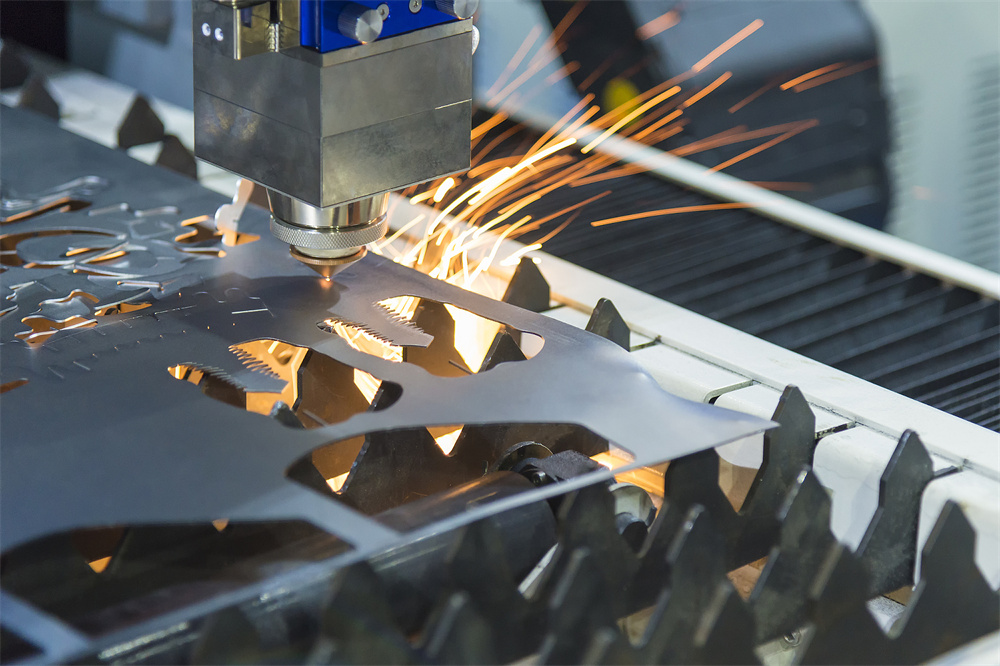
For materials exceeding 10mm in thickness, a single-stage pierce is rarely sufficient. Multi-stage piercing involves breaking the process into 2, 3, or even 4 steps. Stage 1 might use high frequency and low pressure to create a small indentation. Stage 2 increases the power and adjusts the focus to go deeper. Stage 3 completes the penetration with optimized gas flow. This gradual approach minimizes the risk of ‘volcanoing’—where molten metal is ejected upwards, potentially damaging the cutting head nozzle and protective window.
Common Reasons Why Piercing Fails
Incorrect Focus Position
The focus position is perhaps the most critical variable in laser cutting. If the focus is set too deep into the material during the pierce, the energy density at the surface is insufficient to start the melt. If it is too high, the energy disperses before it can penetrate. Over time, as the protective lens or internal optics age (or become slightly contaminated), the ‘focus shift’ phenomenon can occur, meaning the programmed focus no longer matches the actual physical focus point. This is a leading cause of sudden piercing failures in otherwise stable processes.
Nozzle and Lens Contamination
During the piercing process, molten metal is often ejected. If the piercing parameters are not perfectly tuned, this ‘spatter’ can fly upwards and stick to the nozzle or, worse, the protective lens. A contaminated nozzle disrupts the coaxial flow of the assist gas, leading to an unstable laser beam and failed pierces. A dirty protective lens will absorb laser energy, causing it to heat up and distort the beam (thermal lensing), which rapidly degrades piercing performance.
Inconsistent Material Quality
Not all metal plates are created equal. Variations in the chemical composition of the steel, or even the way it was cooled at the mill, can affect its ‘laserability.’ For example, ‘hot-rolled’ steel with a thick mill scale is notoriously difficult to pierce compared to ‘pickled and oiled’ steel. If the laser hits a pocket of impurity or a thick patch of scale, the exothermic reaction can become uncontrollable, leading to a failed pierce and a ruined part.
Gas Pressure Fluctuations
The assist gas must be delivered at a consistent pressure and flow rate. If the shop’s gas delivery system (whether cylinders, tanks, or a nitrogen generator) cannot maintain the required pressure during the high-demand piercing phase, the molten metal will not be cleared from the hole. This results in the laser refocused on the slag, causing a blowout or stopping the penetration entirely.
How to Prevent Piercing Failures
Implementing Regular Maintenance Protocols
Prevention starts with maintenance. Operators should inspect the nozzle and protective lens before every shift. Using a microscope or a high-magnification loupe to check the lens for tiny pits or dust can save thousands of dollars in wasted material. Additionally, ensuring the nozzle is perfectly centered with the laser beam is crucial. A nozzle that is even slightly off-center will cause the assist gas to push the melt in one direction, leading to asymmetrical pierces and frequent failures.
Optimizing Software and CAM Settings
Modern CAM software offers features designed specifically to prevent piercing issues. One such feature is the ‘Leapfrog’ movement, which optimizes the path between cuts, but more importantly, ‘Cooling Points’ or ‘Lead-ins’ can be used. For thick materials, adding a cooling point—where the laser pauses and gas flows without the beam—can help dissipate heat before the next stage of the pierce. Furthermore, using a ‘circular’ or ‘spiral’ piercing pattern instead of a stationary point can help distribute heat and create a cleaner entry hole.
Using High-Quality Consumables
It is tempting to save money on third-party nozzles and lenses, but in high-power fiber laser cutting, the quality of consumables is paramount. Genuine HARSLE-approved nozzles are designed with specific internal geometries to optimize gas flow. Similarly, high-quality protective windows have superior coatings that resist spatter and minimize heat absorption. Investing in quality consumables is a direct way to prevent piercing fails and extend the intervals between maintenance.
Advanced Piercing Techniques: Oil Spray and Pre-drilling
For exceptionally thick carbon steel, some operators use a small amount of oil spray on the piercing location. The oil helps to suppress the violent oxidation reaction, leading to a more controlled and smaller pierce hole. In extreme cases, where the material thickness exceeds the machine’s reliable piercing capacity, pre-drilling the start holes with a mechanical drill can be a viable, albeit time-consuming, workaround to protect the laser optics.
Selection Advice for High-Performance Laser Machines
When purchasing a laser cutting machine, it is vital to choose a system that matches your production requirements. A machine that is constantly pushed to its maximum thickness limit will experience more piercing failures than one with a power reserve. For example, if you frequently cut 20mm carbon steel, a 6kW or 12kW fiber laser will provide much more reliable piercing than a 3kW system.
| Material Thickness | Recommended Laser Power | Preferred Piercing Method | Assist Gas |
|---|---|---|---|
| 1-4mm | 1kW – 2kW | Blast / Single Stage | N2 / Compressed Air |
| 5-12mm | 3kW – 6kW | 2-Stage Pulse | O2 (Carbon) / N2 (SS) |
| 14-25mm | 6kW – 12kW | 3-Stage Pulse | O2 (Low Pressure) |
| 25mm+ | 15kW – 30kW | Multi-Stage / Zoom Focus | O2 / Special Mix |
Furthermore, look for machines equipped with advanced cutting heads that feature ‘Auto-Focus’ and ‘Piercing Sensing.’ Auto-focus heads can adjust the focus height dynamically during the multi-stage piercing process, while piercing sensing technology uses sensors to detect when the beam has successfully broken through the plate, immediately signaling the machine to begin the cut. This not only prevents failures but also significantly reduces the total cycle time.
Frequently Asked Questions (FAQ)
Why does my laser make a loud ‘pop’ sound during piercing?
A loud ‘pop’ or ‘bang’ usually indicates a blowout. This happens when the accumulation of heat and oxygen causes the material to burn uncontrollably. To fix this, try reducing the duty cycle, increasing the piercing stages, or lowering the oxygen pressure. Ensuring the material is free of heavy rust can also help.
How often should I clean my laser cutting machine’s lens?
In a high-production environment, the protective lens should be inspected at least once or twice per shift. If you are doing a lot of piercing in thick materials, more frequent checks are necessary. Cleaning should only be done with approved optical cleaning solutions and lint-free swabs.
Can I use compressed air for piercing all materials?
Compressed air can be used for piercing and cutting thinner gauges of stainless steel, carbon steel, and aluminum. However, it requires a high-pressure compressor and a very high-quality filtration/drying system. For thicker materials, the specialized properties of pure oxygen or nitrogen are usually required for successful piercing.
What is the ‘Focus Shift’ and how does it affect piercing?
Focus shift occurs when the optical components in the cutting head heat up and slightly change their shape or refractive index, moving the actual focus point away from the programmed position. This is common in high-power lasers. If your piercing was fine in the morning but fails in the afternoon, focus shift due to lens contamination or heat is a likely culprit.
Conclusion
Mastering the piercing process is a fundamental skill for any laser cutting machine operator. By understanding the technical reasons why piercing fails—ranging from incorrect focus and gas pressure to material quality and contamination—you can implement robust prevention strategies. Regular maintenance, careful parameter tuning, and the use of high-quality consumables are the keys to ensuring your HARSLE laser cutting machine operates at peak efficiency.
As metal fabrication technology continues to evolve, staying informed about the best practices for piercing and cutting will give your business a competitive edge. Remember that every successful cut begins with a perfect pierce. By paying attention to the details and utilizing the advanced features of modern CNC systems, you can eliminate downtime, reduce waste, and produce superior metal components every time.