How to Diagnose and Fix Laser Cutting Machine Vibration Problems


Introduction to Laser Cutting Machine Stability
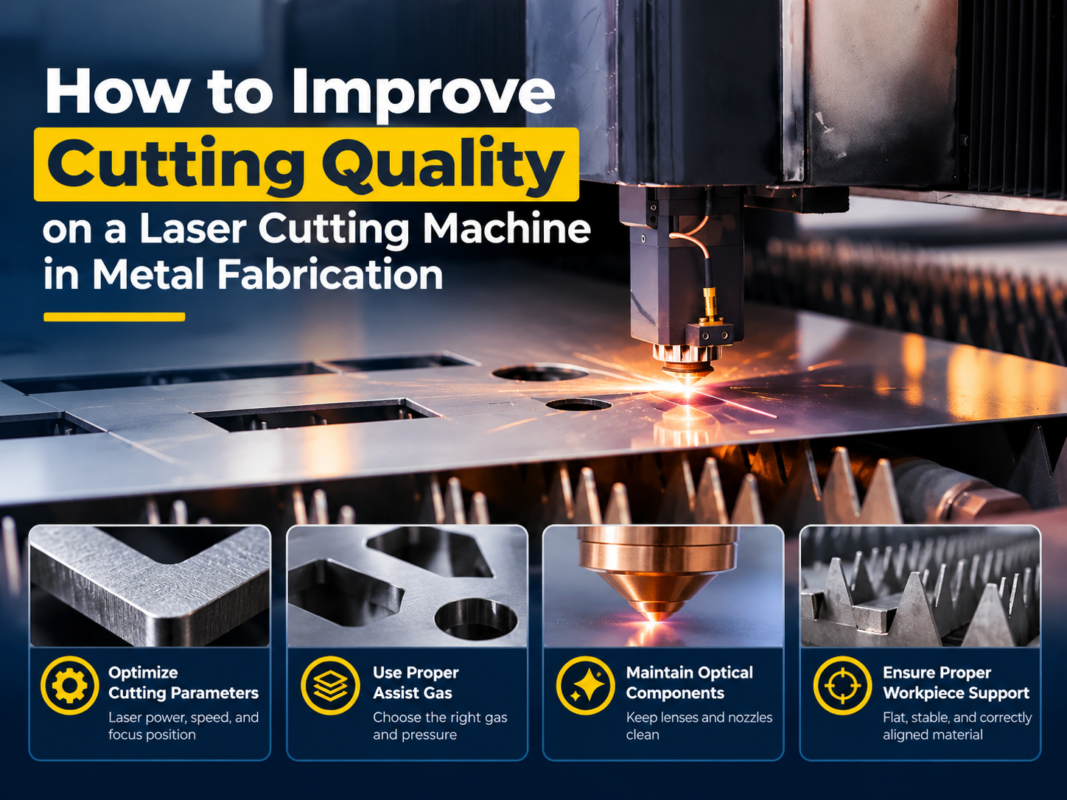
In the world of high-precision metal fabrication, the laser cutting machine stands as a cornerstone of productivity. However, even the most advanced fiber laser systems can encounter a common yet frustrating obstacle: vibration. When a laser cutting machine vibrates excessively, it doesn’t just create an annoying noise; it directly compromises the quality of the finished product, reduces the lifespan of expensive optical components, and can lead to catastrophic mechanical failure if left unaddressed. Understanding how to diagnose and fix laser cutting machine vibration problems is essential for any operator or facility manager aiming to maintain peak performance.
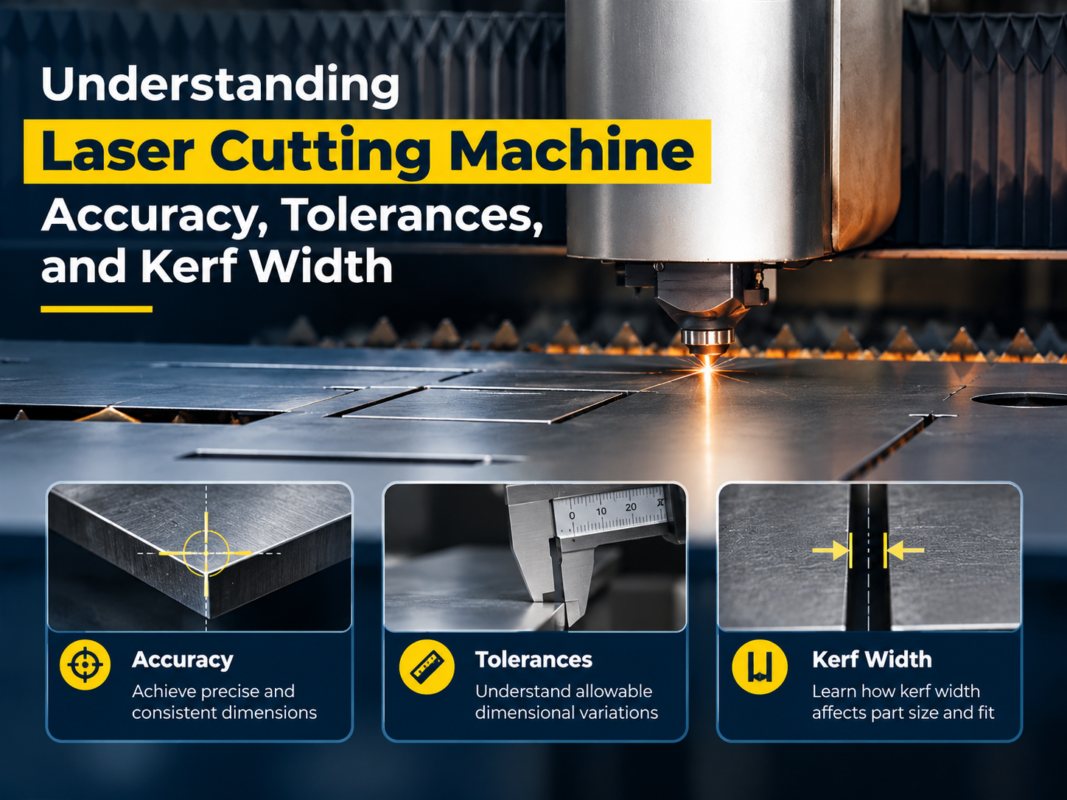
Vibration in a CNC laser system is often a symptom of underlying issues ranging from simple mechanical wear to complex electronic resonance. Because laser cutting relies on the precise positioning of a focused beam of light—often within microns—even a slight tremor in the gantry or the cutting head can result in jagged edges, inconsistent kerf widths, and dimensional inaccuracies. At HARSLE, we recognize that machine uptime and precision are the lifelines of your business. This guide is designed to provide a deep dive into the technical causes of vibration and offer actionable solutions to restore your machine’s stability.
Whether you are working with a high-power fiber laser for thick plate processing or a precision CO2 system for intricate designs, the principles of vibration management remain largely the same. By systematically identifying the source of the oscillation, you can implement targeted fixes that not only solve the immediate problem but also prevent future occurrences. In the following sections, we will explore the mechanical, electrical, and environmental factors that contribute to machine instability and provide a comprehensive roadmap for troubleshooting.
Key Considerations: Identifying the Symptoms of Vibration
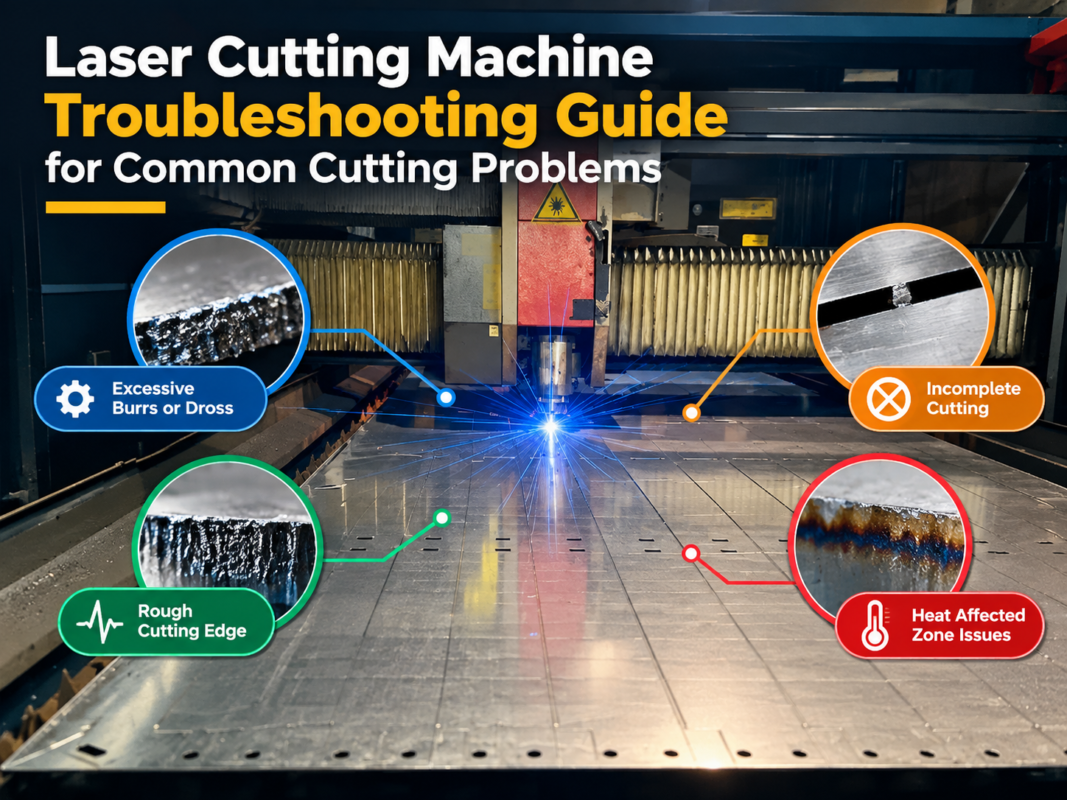
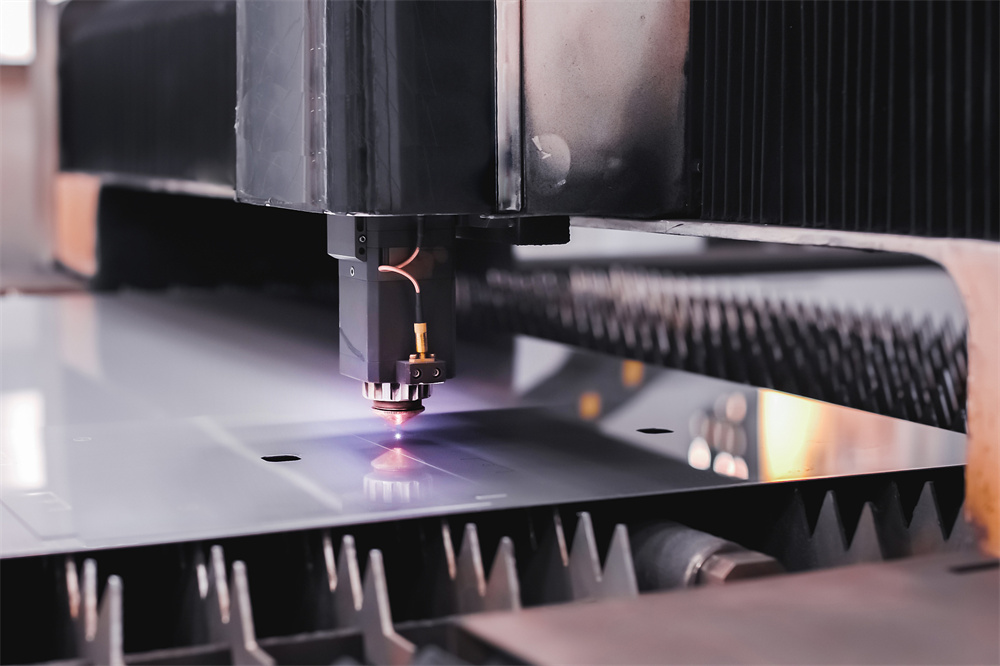
Before diving into the mechanical repairs, it is crucial to correctly identify the symptoms of vibration. Not all vibrations are created equal; some occur only during high-speed movements, while others might be present even when the machine is idling. The first step to diagnose and fix laser cutting machine vibration problems is a thorough visual and auditory inspection. Operators should look for ‘chatter marks’ on the cut surface—these are rhythmic, wavy patterns that indicate the cutting head was oscillating as it moved along the path.
Another key consideration is the sound of the machine. A healthy laser cutting machine produces a consistent, aerodynamic hum from the gas flow and a smooth mechanical whir from the motors. If you hear grinding, clicking, or a high-pitched resonance (similar to a tuning fork), you are likely dealing with a vibration issue. It is also important to note when the vibration occurs. Does it happen during rapid traverse (G00) or during the actual cutting process (G01)? Vibration during high-speed movement often points to mechanical looseness or belt tension issues, while vibration during cutting might relate to the servo motor’s PID tuning or gas pressure fluctuations.
Furthermore, consider the impact of the material being cut. Thinner sheets are more susceptible to vibrating themselves if not properly supported by the slat bed, which can be mistaken for machine vibration. Conversely, cutting thick plates requires higher torque from the motors, which can excite resonances in a weak machine frame. Distinguishing between workpiece vibration and machine vibration is a critical first step in the diagnostic process. Always ensure the material is flat and securely positioned on the slats before concluding that the machine itself is at fault.
Technical Details: Root Causes and Diagnostic Procedures
1. Mechanical Wear and Alignment
The most common source of vibration in any CNC machine is mechanical wear. In a laser cutting machine, the gantry moves at high speeds across linear guides. Over time, the bearings within the linear blocks can wear down, or the rails themselves can become pitted. This creates ‘play’ or ‘backlash’ in the system. To diagnose this, power down the machine and attempt to physically shake the cutting head and the gantry. Any perceptible movement or ‘clunking’ indicates that the bearings need replacement or the preload needs adjustment.
Additionally, the rack-and-pinion or ball screw drive systems must be inspected. If the gears are not properly meshed or if there is debris trapped in the teeth, the movement will be jerky, leading to vibration. Regular cleaning and lubrication are paramount. A dry rail or a dirty rack can cause the motor to work harder, leading to micro-stutters that manifest as vibration at the cutting head. Ensure that the lubrication system is functioning correctly and that the oil is reaching all critical friction points.
2. Servo Motor Tuning and Electronic Resonance
Modern fiber laser cutting machines use high-performance servo motors to achieve rapid acceleration. These motors operate on a feedback loop controlled by PID (Proportional, Integral, Derivative) parameters. If the ‘Gain’ settings are too high, the motor becomes over-sensitive and begins to ‘hunt’ for its position, causing a high-frequency vibration known as electronic resonance. This is often heard as a high-pitched squeal when the machine is stationary or moving slowly.
To diagnose and fix laser cutting machine vibration problems related to electronics, you may need to use the drive manufacturer’s software to perform a frequency analysis. Most modern drives have built-in ‘Auto-tuning’ features and ‘Notch Filters.’ A notch filter can be set to ‘cancel out’ the specific frequency at which the machine frame resonates. If the vibration disappears when you lower the position loop gain, you have confirmed an electronic tuning issue. However, be careful: lowering gains too much will reduce the machine’s accuracy and dynamic response.
3. Structural Integrity and Foundation
The frame of the laser cutting machine must be exceptionally rigid to dampen the forces generated by high-speed gantry reversals. If the machine is not properly leveled, the frame can twist slightly, putting uneven stress on the linear guides and causing vibration. Use a high-precision spirit level or a laser level to ensure the machine bed is perfectly flat. Most industrial machines sit on adjustable leveling pads; ensure all pads are in firm contact with the floor and that the locknuts are tightened.
The environment also plays a role. If your laser cutting machine is located near a heavy stamping press or a large hydraulic press brake, the vibrations from those machines can travel through the floor and affect the laser’s precision. This is known as external resonance. In such cases, the laser machine may require a dedicated, isolated foundation—essentially a thick concrete slab separated from the rest of the factory floor by expansion joints or vibration-dampening materials.
4. Optical Path and Cutting Head Stability
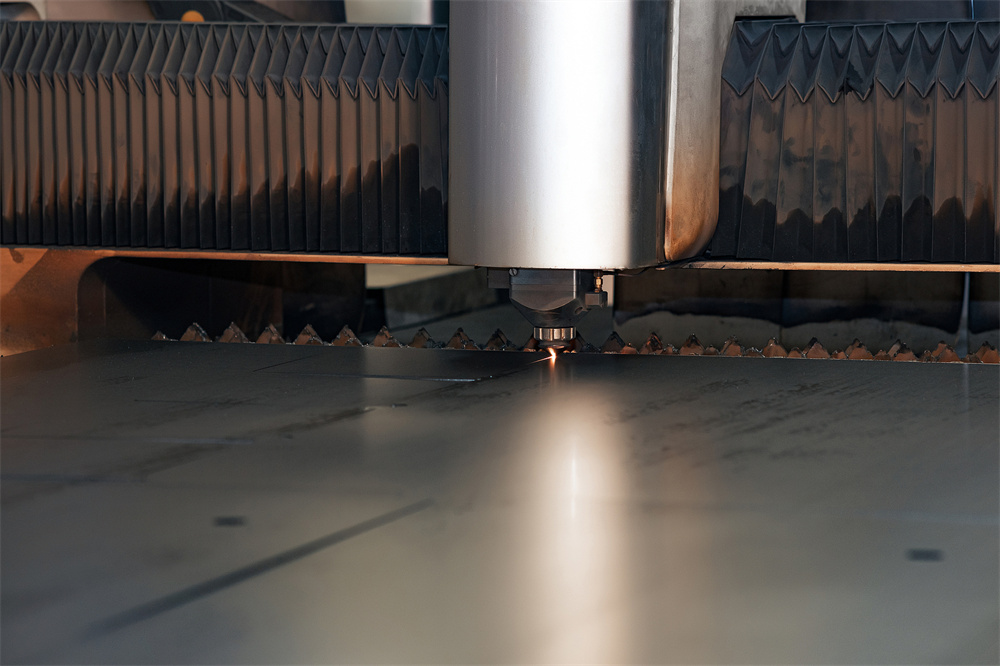
In CO2 lasers, the beam travels through a series of mirrors. If any of these mirror mounts are loose, the beam will ‘bounce’ during movement, causing the same visual symptoms as mechanical vibration. In fiber lasers, the beam is delivered via a fiber cable, but the cutting head itself contains sensitive focusing lenses and a ceramic nozzle assembly. If the cutting head is not securely mounted to the Z-axis carriage, or if the Z-axis motor is vibrating, the focal point will shift rapidly.
Check the tightness of the nozzle and the ceramic ring. A loose nozzle can vibrate due to the high-pressure assist gas (Oxygen or Nitrogen) flowing through it. This ‘gas-induced vibration’ is a common culprit for poor edge quality in thick plate cutting. Ensure the gas pressure is stable and that the nozzle is centered and tightly secured. If the vibration only occurs when the assist gas is turned on, the issue is likely related to the gas delivery system or the nozzle assembly itself.
Selection Advice: Choosing a Machine Built for Stability
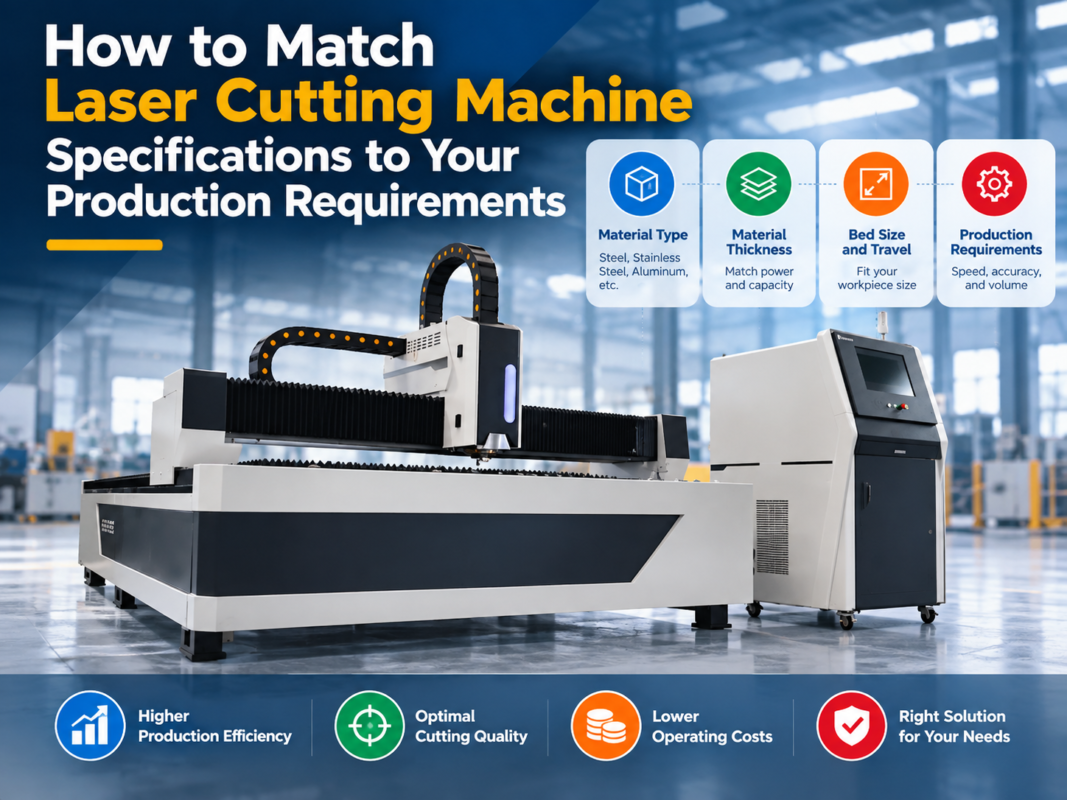
When looking to purchase a new machine, preventing vibration starts with the selection process. Not all machine frames are built the same. At HARSLE, we emphasize the importance of a heavy-duty, heat-treated, and stress-relieved bed. A machine frame that has undergone thermal aging is far less likely to warp or develop internal stresses that lead to vibration over years of use. Look for ‘large-scale gantry milling’ in the manufacturer’s specifications, as this ensures the mounting surfaces for the rails are perfectly parallel and flat.
Consider the weight of the machine. In the world of industrial machinery, weight often equates to stability. A heavier bed can absorb more kinetic energy from the moving gantry, leading to smoother operation at high speeds. Furthermore, the choice of components matters. High-end brands for linear guides (like HIWIN or THK) and servo motors (like Yaskawa or Panasonic) offer better dampening characteristics and more sophisticated software tools for vibration suppression compared to generic alternatives.
Finally, evaluate the gantry material. Many modern high-speed lasers use aviation-grade aluminum gantries. These are lightweight, allowing for faster acceleration, but they must be engineered with internal ribbing to maintain rigidity. A poorly designed aluminum gantry will flex and vibrate under high loads. Ask the manufacturer for a ‘modal analysis’ or a demonstration of the machine cutting a complex ‘starburst’ pattern at high speed; this is an excellent test of the machine’s ability to handle rapid direction changes without vibrating.
Maintenance Checklist to Fix Vibration Problems
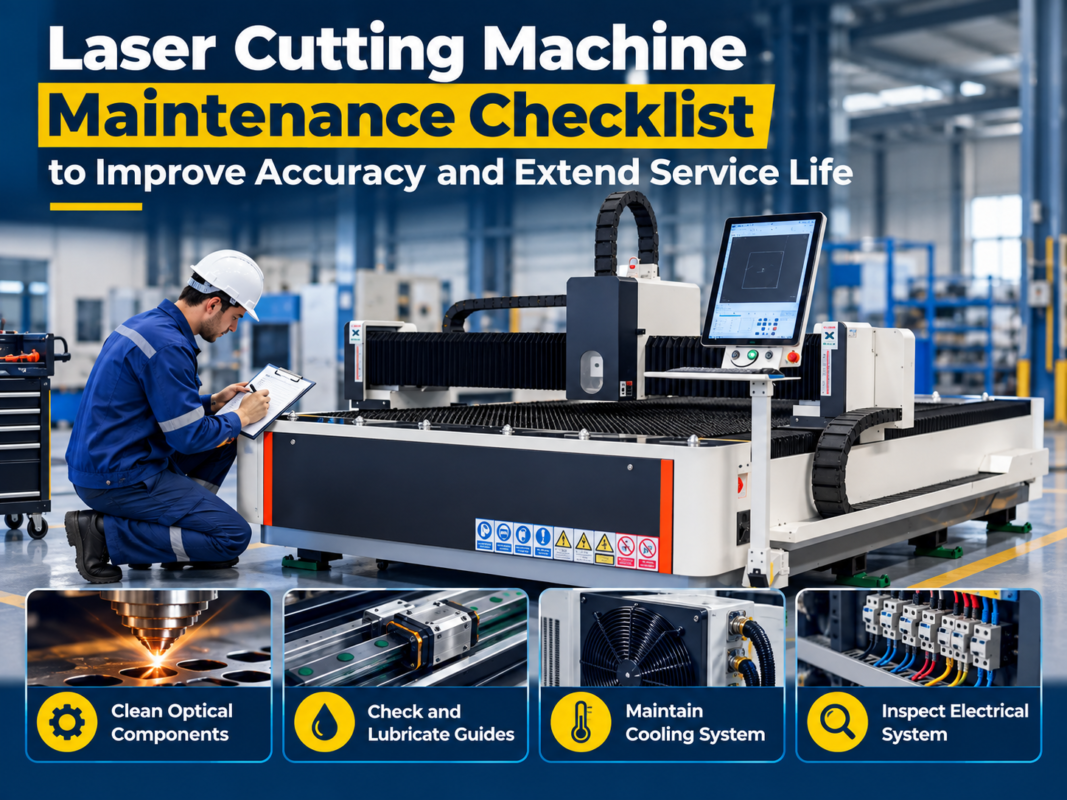
To effectively diagnose and fix laser cutting machine vibration problems, follow this systematic maintenance checklist:
- Weekly: Clean all linear rails and racks. Remove any metal dust or grease buildup. Apply fresh lubricant as specified by the manufacturer.
- Monthly: Check the tension of all drive belts. A loose belt will cause ‘whipping,’ while an over-tightened belt will put excessive load on motor bearings, both leading to vibration.
- Quarterly: Inspect the leveling of the machine. Use a precision level to ensure the bed hasn’t shifted due to floor settling.
- Bi-Annually: Check all mechanical fasteners. Use a torque wrench to ensure the bolts holding the rails, motors, and gantry are tightened to the correct specifications.
- Annually: Perform a ‘Ballbar Test’ or a circularity test. This diagnostic tool measures the machine’s ability to move in a perfect circle and can pinpoint exactly which axis is contributing to vibration or backlash.
| Component | Potential Issue | Recommended Fix |
|---|---|---|
| Linear Guides | Worn bearings or lack of lubrication | Replace bearing blocks; clean and oil rails |
| Servo Motors | High gain or resonance frequency | Adjust PID parameters; apply notch filters |
| Drive Belts | Incorrect tension or tooth wear | Adjust tension or replace belts |
| Machine Bed | Unlevel foundation | Re-level using adjustable pads |
| Cutting Head | Loose nozzle or ceramic ring | Tighten components; check gas pressure |
Frequently Asked Questions (FAQ)
Why does my laser cutting machine vibrate only at certain speeds?
This is usually due to ‘mechanical resonance.’ Every physical object has a natural frequency at which it likes to vibrate. If the motor’s speed or the gantry’s movement frequency matches the natural frequency of the machine frame, the vibrations will amplify. This can be fixed by adjusting the servo motor’s notch filters or slightly changing the cutting speed in your CAM software.
Can a dirty lens cause vibration?
While a dirty lens won’t cause mechanical vibration, it can cause ‘thermal instability’ in the beam. This might result in an inconsistent cut that looks like vibration marks. However, if the machine is physically shaking, the issue is mechanical or electrical, not optical. Always keep your optics clean to eliminate them as a variable.
How often should I lubricate my laser cutting machine?
For most industrial machines operating on a single shift, a weekly cleaning and lubrication schedule is recommended. If your machine has an automatic lubrication system, ensure the reservoir is full and check the lines for blockages once a month. Proper lubrication is the simplest way to prevent the friction that leads to vibration.
Does the type of assist gas affect vibration?
Yes. High-pressure Nitrogen cutting (often used for stainless steel) can exert significant force on the cutting head. If the head assembly is not rigid, the gas flow itself can cause the nozzle to vibrate. Ensure your cutting head is rated for the pressures you are using and that all components are tightly assembled.
Is it possible to fix a vibrating machine through software?
To an extent, yes. Most modern CNC controllers have ‘S-curve acceleration’ profiles that smooth out the start and stop of movements, reducing the ‘jerk’ that causes vibration. Additionally, fine-tuning the servo gains through the drive software can often eliminate high-frequency oscillations without needing to replace mechanical parts.
Conclusion: Maintaining the Edge in Precision
Learning how to diagnose and fix laser cutting machine vibration problems is an ongoing process of observation and maintenance. Vibration is rarely the result of a single catastrophic failure; rather, it is usually the culmination of small issues—a slightly loose bolt, a bit of dust on a rail, or a minor shift in the floor. By adopting a proactive maintenance stance and understanding the technical relationship between the machine’s mechanical structure and its electronic control system, you can ensure your laser cutting machine remains a precision instrument for years to come.
At HARSLE, we build our machines with the philosophy that stability is the foundation of quality. Our fiber laser cutting machines are engineered with heavy-duty frames and top-tier components to minimize resonance and maximize throughput. However, even the best machines require care. We encourage all our users to follow the diagnostic steps outlined in this guide to keep their equipment running smoothly. Remember, a stable machine is a productive machine. If you encounter persistent vibration issues that cannot be resolved through standard maintenance, always consult with your manufacturer’s technical support team to perform a deeper analysis of the system’s dynamics.