Laser Cutting Machine Maintenance Errors That Cause Cutting Problems and How to Correct Them

Introduction to Laser Cutting Machine Maintenance
In the high-precision world of metal fabrication, the fiber laser cutting machine stands as the pinnacle of efficiency and accuracy. However, the sophisticated nature of these machines means that even minor oversights in upkeep can lead to significant operational hurdles. Understanding the Laser Cutting Machine Maintenance Errors That Cause Cutting Problems Correct Them is essential for any shop manager or operator looking to maintain peak performance. At HARSLE, we have observed that the majority of cutting issues—ranging from excessive dross to inconsistent beam quality—are not inherent machine defects but rather the result of cumulative maintenance lapses.
A laser cutting machine is a complex synergy of optics, thermodynamics, mechanics, and electronics. When one component is neglected, it creates a ripple effect throughout the entire system. For instance, a slightly dusty lens doesn’t just affect the clarity of the cut; it increases the heat absorption of the optic, which can lead to thermal deformation and, eventually, a catastrophic lens failure. This article serves as a comprehensive guide to identifying these common maintenance pitfalls and provides actionable technical solutions to ensure your HARSLE equipment continues to deliver world-class results.
The cost of downtime in a modern production environment is staggering. Beyond the immediate loss of billable hours, poor maintenance leads to wasted raw materials, increased energy consumption, and shortened component lifespans. By mastering the art of preventative maintenance and learning how to correct common errors, operators can transform their laser cutting department from a source of frustration into a reliable engine of profit. Let us delve into the specific errors that plague industrial laser systems and the professional methods used to rectify them.
Key Considerations in Laser Maintenance
Before addressing specific technical failures, it is vital to understand the foundational principles of laser maintenance. The first consideration is the environment. Laser machines are sensitive to ambient temperature, humidity, and airborne particulates. An error often made by facilities is placing a high-precision laser in a dusty corner of a shop near grinding stations or welding bays without adequate shielding. This environmental contamination is the root cause of many optical and mechanical failures.
Another key consideration is the human element. Maintenance is often viewed as a chore rather than a technical necessity. Without a structured maintenance log and standardized operating procedures (SOPs), tasks like checking the chiller water level or cleaning the rack and pinion are easily forgotten. Consistency is the hallmark of a well-maintained machine. HARSLE recommends a tiered maintenance approach: daily checks, weekly deep cleans, and monthly technical audits to ensure no component is overlooked.
Furthermore, the quality of consumables plays a massive role. Using sub-standard nozzles, protective windows, or low-purity gases to save on operational costs is a common error that leads to poor cut quality. These “savings” are quickly negated by the cost of scrapped parts and increased wear on the machine. Investing in high-quality consumables and following the manufacturer’s specifications is the most cost-effective strategy in the long run. Understanding the Laser Cutting Machine Maintenance Errors That Cause Cutting Problems Correct Them begins with a commitment to quality at every level of operation.
Technical Details: Common Maintenance Errors and Solutions
1. Optical System Negligence: The Protective Window and Lens
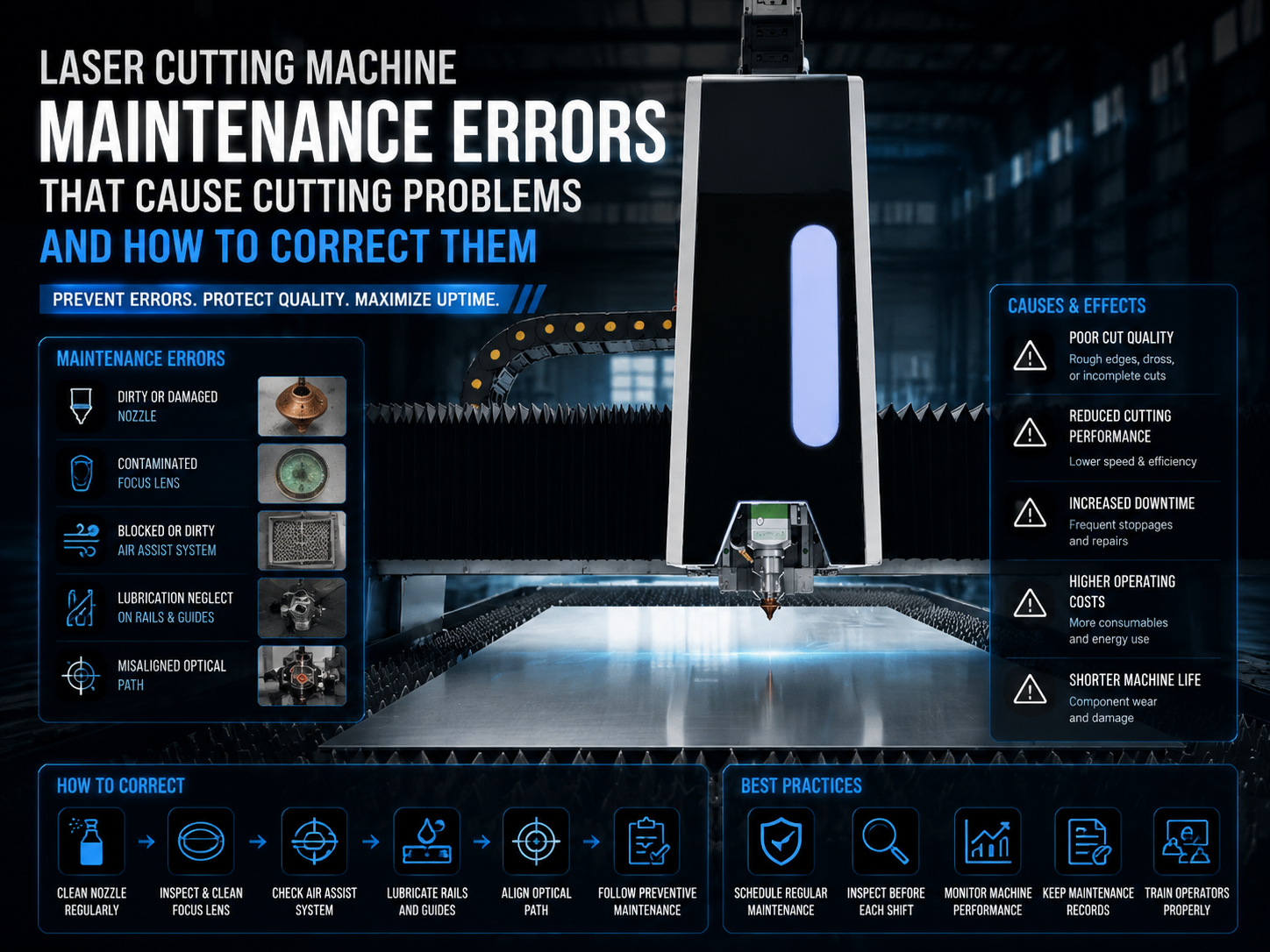
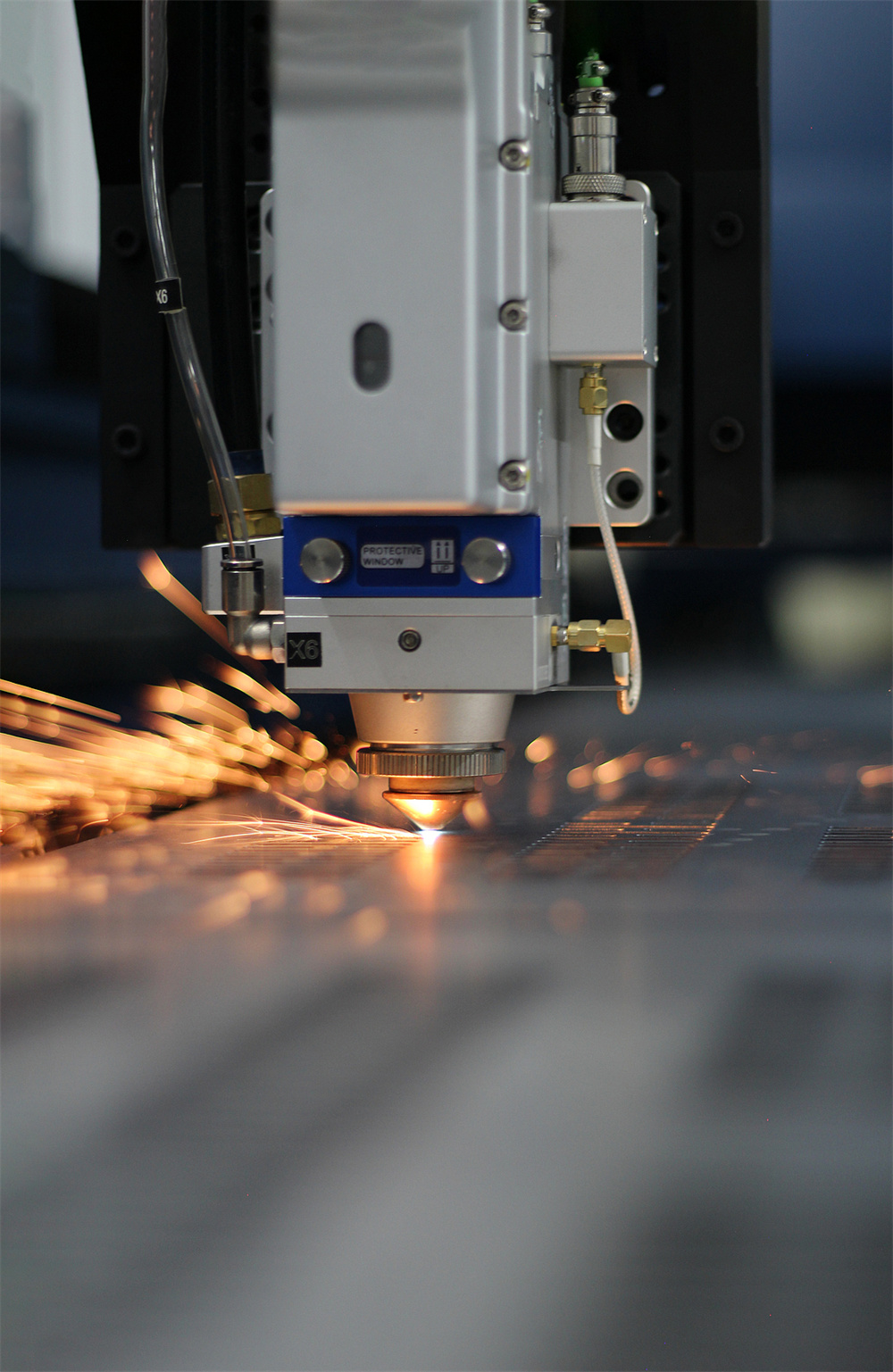
The most frequent Laser Cutting Machine Maintenance Errors That Cause Cutting Problems Correct Them involve the optical path. The protective window (cover glass) is the final barrier between the laser head’s internal optics and the harsh environment of the cutting zone. A common error is failing to inspect this window daily or cleaning it with improper materials. Even a microscopic fingerprint or a speck of dust can absorb laser energy, causing “thermal lensing,” where the focus point shifts during the cut, leading to inconsistent penetration.
How to Correct It: Operators must use a high-intensity LED light to inspect the protective window every morning. If contamination is found, use only reagent-grade isopropyl alcohol and lint-free optical wipes. Never reuse a wipe, as it can drag particles across the surface, causing scratches. If the window shows signs of “pitting” from metal splash, it must be replaced immediately. Neglecting a damaged protective window can allow dust to enter the upper chambers of the cutting head, leading to the failure of the collimating or focusing lenses, which are significantly more expensive to replace.
2. Assist Gas Management and Nozzle Alignment
The assist gas (Oxygen, Nitrogen, or Compressed Air) is responsible for blowing away molten metal and, in the case of oxygen, providing exothermic energy for the cut. A common maintenance error is ignoring the purity of these gases or failing to maintain the gas delivery lines. Moisture or oil in the gas lines can contaminate the cutting head and cause erratic beam behavior. Additionally, an off-center nozzle is a primary cause of “burrs” or dross on one side of the cut part.
How to Correct It: Regularly check the filters in your gas delivery system. If using compressed air, ensure your refrigerated dryer and multi-stage filters are functioning perfectly; the air must be Class 1.2.1 or better according to ISO 8573-1. For nozzle alignment, perform a “tape test” daily. Fire a low-power pulse through a piece of transparent tape placed over the nozzle. The hole should be perfectly centered. If it is not, use the adjustment screws on the cutting head to center the nozzle. This simple two-minute check can prevent hours of troubleshooting poor cut quality.
3. Cooling System and Chiller Failures
The fiber laser source and the cutting head generate immense heat. The water chiller is the machine’s lifeblood. A common error is using tap water instead of deionized or distilled water, or failing to change the water and filters regularly. Tap water contains minerals that cause scale buildup inside the laser source’s cooling channels, reducing heat exchange efficiency and eventually triggering high-temperature alarms or hardware failure.
How to Correct It: Change the cooling water every 3 to 6 months, depending on the environment. Use only the manufacturer-recommended coolant or distilled water with the appropriate biocide to prevent algae growth. Check the chiller’s dust filters weekly; if they are clogged, the chiller cannot dissipate heat effectively. Furthermore, ensure the chiller’s temperature setting is correctly calibrated to the ambient dew point to prevent condensation on the internal optics, which can lead to immediate optical failure.
4. Mechanical Motion and Lubrication Errors
The precision of a laser cut depends on the smooth movement of the X, Y, and Z axes. A frequent error is either over-lubricating or under-lubricating the guide rails and rack-and-pinion system. Over-lubrication attracts metal dust, creating an abrasive paste that wears down the components. Under-lubrication leads to friction, vibration, and “ghosting” in the cut geometry. Another common oversight is neglecting the tension of the drive belts or the tightness of the mounting bolts.
How to Correct It: Follow a strict lubrication schedule using the specific grease type recommended by HARSLE. Clean the rails thoroughly before applying new lubricant to remove any contaminated old grease. Inspect the bellows (the protective covers for the rails) for tears; if dust gets inside, it will compromise the motion system. Periodically check the squareness of the machine and the backlash in the gears. A well-maintained motion system ensures that a circle remains a circle and that corners are sharp and precise.
Selection Advice for Low-Maintenance Laser Systems
When purchasing a new laser cutting machine, it is wise to consider features that simplify maintenance and reduce the likelihood of errors. Not all machines are created equal in terms of serviceability. At HARSLE, we design our equipment with the end-user in mind, integrating features that mitigate common maintenance risks.
- Auto-Lubrication Systems: Look for machines equipped with automated lubrication units. These systems deliver the precise amount of oil to the rails and gears at set intervals, eliminating the human error of over or under-greasing.
- Integrated Dust Extraction: A powerful, multi-zone dust extraction system is vital. By effectively removing smoke and particulates from the cutting area, the system keeps the internal components cleaner for longer, protecting the optics and the motion system.
- Brand-Name Components: Machines utilizing reputable components like Raytools or Precitec cutting heads, and IPG or Raycus laser sources, often have better-documented maintenance procedures and more accessible spare parts.
- Sealed Optical Path: Ensure the machine has a robustly sealed optical path with positive air pressure. This prevents dust from entering the sensitive areas of the laser head during operation.
- Software Diagnostics: Modern CNC controllers should offer real-time monitoring of gas pressure, water temperature, and motor torque. These diagnostics can alert operators to a maintenance need before it becomes a cutting problem.
Choosing a machine from a manufacturer like HARSLE, which provides comprehensive training and technical support, is the best way to ensure your team knows how to Laser Cutting Machine Maintenance Errors That Cause Cutting Problems Correct Them. A machine is only as good as the support system behind it.
FAQ: Troubleshooting Laser Cutting Problems
Why is my laser cutting machine leaving heavy dross on the bottom of the part?
Heavy dross is usually caused by one of three things: incorrect cutting speed (too slow), improper focus position, or low assist gas pressure. However, from a maintenance perspective, check if the nozzle is damaged or if the protective window is dirty, as these cause the beam to lose the energy density required to clear the molten metal.
How often should I clean the laser’s dust filters?
The dust filters on the electrical cabinet and the chiller should be checked weekly. In high-production environments with significant smoke, they may need cleaning every few days. Clogged filters lead to overheating, which can cause electronic components to fail prematurely.
What happens if I use the wrong type of water in the chiller?
Using tap water leads to mineral deposits (scaling) and bacterial growth. This restricts water flow and reduces cooling efficiency. Over time, this can cause the laser source to overheat and sustain permanent damage. Always use distilled or deionized water as specified by the manufacturer.
Why does the laser beam seem to lose power after an hour of cutting?
This is a classic symptom of “thermal lensing.” A dirty protective window or internal lens is absorbing laser energy and heating up. As it heats, its refractive index changes, shifting the focus point. Cleaning or replacing the contaminated optic usually corrects this problem.
Can I use any alcohol to clean the lenses?
No. You must use reagent-grade isopropyl alcohol (99% purity or higher). Standard rubbing alcohol contains water and oils that will leave a residue on the lens, which can then burn under the heat of the laser, destroying the optic.
Conclusion: The Path to Laser Cutting Excellence
Mastering the Laser Cutting Machine Maintenance Errors That Cause Cutting Problems Correct Them is a journey of continuous improvement. It requires a shift in mindset from reactive repairs to proactive care. By understanding the technical nuances of the optical path, the gas delivery system, the cooling cycle, and the mechanical motion, operators can ensure their HARSLE laser cutting machine operates at its theoretical maximum efficiency.
The relationship between maintenance and quality is absolute. A clean, well-lubricated, and properly calibrated machine will produce parts with tighter tolerances, smoother edges, and higher consistency. This not only reduces waste but also enhances your reputation as a high-quality fabricator. Remember that the most expensive repair is the one that could have been prevented by a five-minute daily check.
At HARSLE, we are committed to providing not just the machinery, but the knowledge required to succeed in the competitive metalworking industry. By following the guidelines outlined in this article, you can protect your investment, empower your operators, and ensure that your laser cutting operations remain a cornerstone of your production capabilities for years to come. Regular maintenance is not an interruption to production; it is the foundation of it.