Hydraulic Punching Machine Maintenance Tips to Avoid Costly Downtime

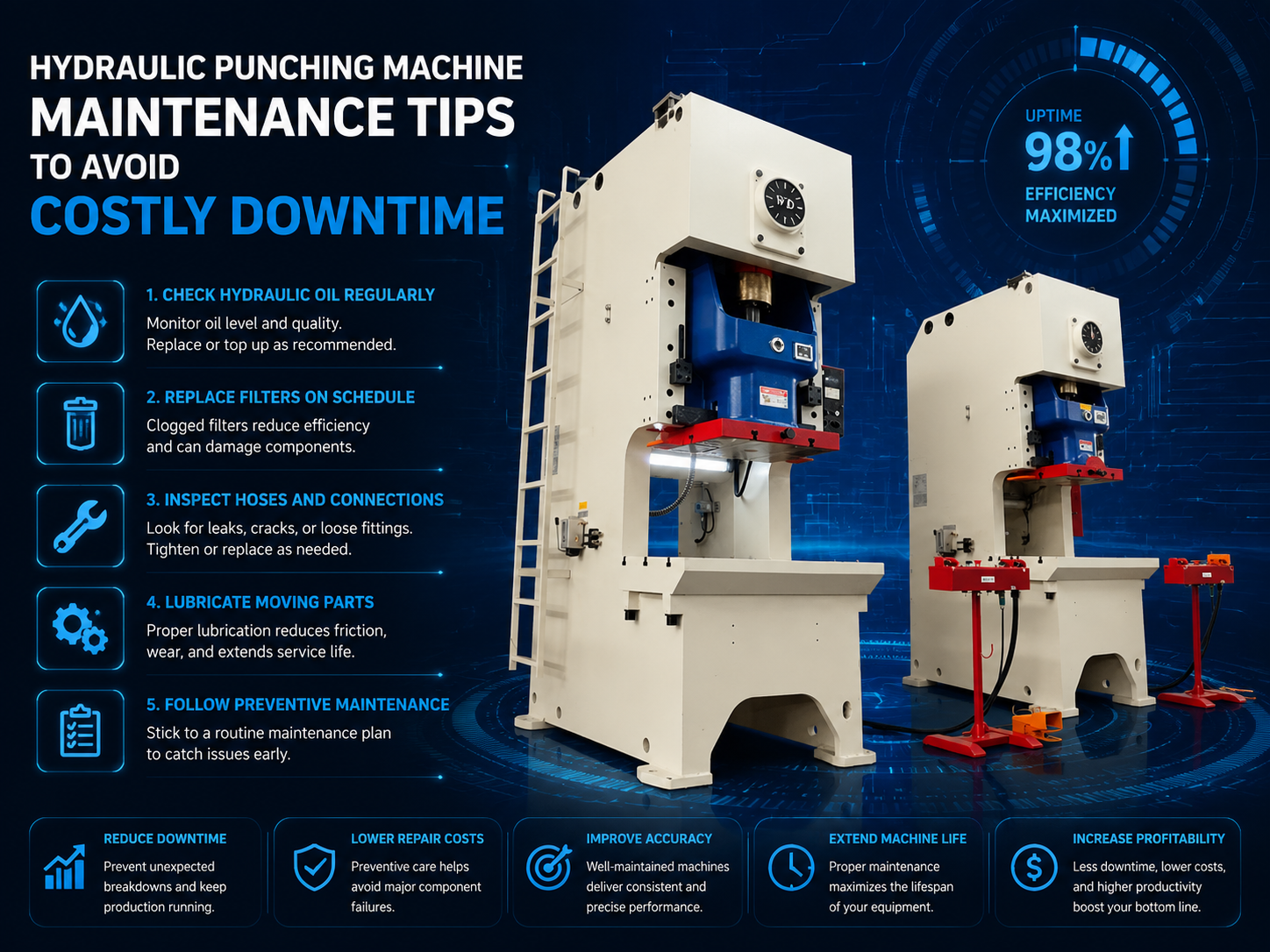
The Critical Role of Maintenance in Hydraulic Punching Operations
In the high-stakes world of metal fabrication, the hydraulic punching machine stands as a cornerstone of productivity. Whether you are operating a single-station punch or a sophisticated CNC multi-tool turret, the reliability of your equipment directly dictates your bottom line. However, many facilities treat maintenance as a reactive necessity rather than a proactive strategy. Implementing comprehensive Hydraulic Punching Machine Maintenance Tips to Avoid Costly Downtime is not just about keeping the machine running; it is about ensuring precision, extending the lifespan of expensive tooling, and maintaining a safe working environment for operators.
Costly downtime is the enemy of every production manager. When a hydraulic punching machine fails, the ripple effect is felt throughout the entire supply chain. Production schedules are missed, labor costs rise as technicians scramble for repairs, and the potential for permanent damage to the machine’s internal components increases. By following a structured maintenance regimen, HARSLE users can ensure their machines operate at peak efficiency for decades. This guide provides an in-depth look at the technical requirements and best practices for maintaining hydraulic punching equipment.
Modern hydraulic systems are marvels of engineering, capable of exerting hundreds of tons of force with surgical precision. Yet, this power comes with the need for meticulous care. The combination of high-pressure fluids, electrical control systems, and heavy mechanical movements creates multiple points of potential wear. Understanding these systems is the first step in preventing failure. A well-maintained machine doesn’t just last longer; it produces cleaner cuts, experiences fewer tool breakages, and consumes less energy.
Furthermore, the evolution of Industry 4.0 has integrated more sensors and electronic components into hydraulic punching machines. While these features enhance performance, they also require specific maintenance protocols. This article will bridge the gap between traditional mechanical upkeep and modern electronic diagnostics, providing a holistic approach to machine health that aligns with HARSLE’s commitment to industrial excellence.
Daily Inspection: The First Line of Defense
The most effective way to prevent major breakdowns is through a rigorous daily inspection routine. This should be performed at the start of every shift before the machine is powered up for production. The goal of a daily check is to identify minor issues—such as a loose bolt or a small oil weep—before they escalate into catastrophic failures. Operators should be trained to use their senses: looking for leaks, listening for unusual sounds, and even smelling for burnt electrical components or overheating oil.
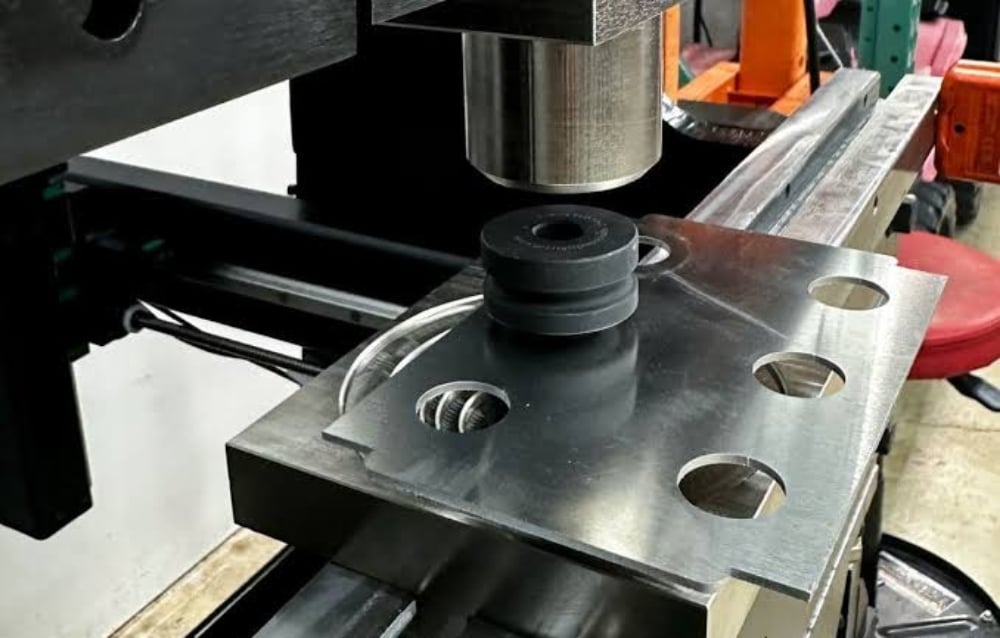
Start with a visual sweep of the machine’s exterior. Check for any signs of hydraulic fluid on the floor or the machine frame. Even a small puddle can indicate a failing seal or a loose fitting. Next, inspect the punching area. Ensure that the workspace is clear of metal scraps and debris. Accumulated slugs can interfere with the die and cause misalignment or damage to the punch. Verify that all safety guards are in place and that the emergency stop buttons are functional and unobstructed.
Check the hydraulic oil level via the sight glass on the reservoir. Operating with low oil levels can lead to aeration, where air bubbles are pulled into the pump, causing cavitation and rapid wear of internal components. Additionally, inspect the condition of the punches and dies. Look for signs of chipping, dulling, or excessive wear. Using dull tools increases the tonnage required for the punch, putting unnecessary stress on the hydraulic cylinder and the machine frame.
Finally, test the machine’s controls. Cycle the ram through its full stroke without a workpiece to ensure smooth movement. Listen for any “hissing” sounds which might indicate internal bypass in the valves, or “clunking” sounds that suggest mechanical looseness. By dedicating just 10 to 15 minutes each morning to these checks, you can identify 80% of potential problems before they cause downtime.
Deep Dive into Hydraulic System Maintenance
The hydraulic system is the heart of the punching machine. Its health is primarily determined by the quality and cleanliness of the hydraulic fluid. Contamination is the leading cause of hydraulic component failure, with microscopic particles acting like sandpaper on valves and pumps. To implement Hydraulic Punching Machine Maintenance Tips to Avoid Costly Downtime, one must prioritize oil management. This involves regular oil changes, filter replacements, and temperature monitoring.
Hydraulic oil should typically be changed every 2,000 to 4,000 hours of operation, or at least once a year, depending on the environment. However, it is better to rely on oil analysis. By sending a sample to a lab, you can determine the exact level of contamination and the remaining additive life. When changing oil, always use the grade recommended by HARSLE (usually ISO 46 or ISO 68). Never mix different brands or types of oil, as the chemical additives may react and form sludge.
Filters are your primary defense against contamination. Most hydraulic punching machines feature a suction filter and a return-line filter. These should be replaced according to the manufacturer’s schedule or whenever the clogging indicator shows red. If a filter bypasses, dirty oil circulates directly through the sensitive proportional valves, which can lead to erratic ram movement or a complete loss of pressure. Always clean the area around the filler cap before adding oil to prevent introducing dirt into the system.
Temperature control is equally vital. Hydraulic systems operate best between 40°C and 55°C (104°F to 131°F). If the oil exceeds 60°C, it begins to oxidize and break down, losing its lubricating properties and damaging seals. Ensure that the cooling system—whether it is an air-cooled heat exchanger or a water-cooled system—is clean and functioning. Check the cooling fins for dust buildup and clean them with compressed air if necessary. Overheating is often a sign of a pump wearing out or a relief valve set too high.
Electrical and Control System Integrity
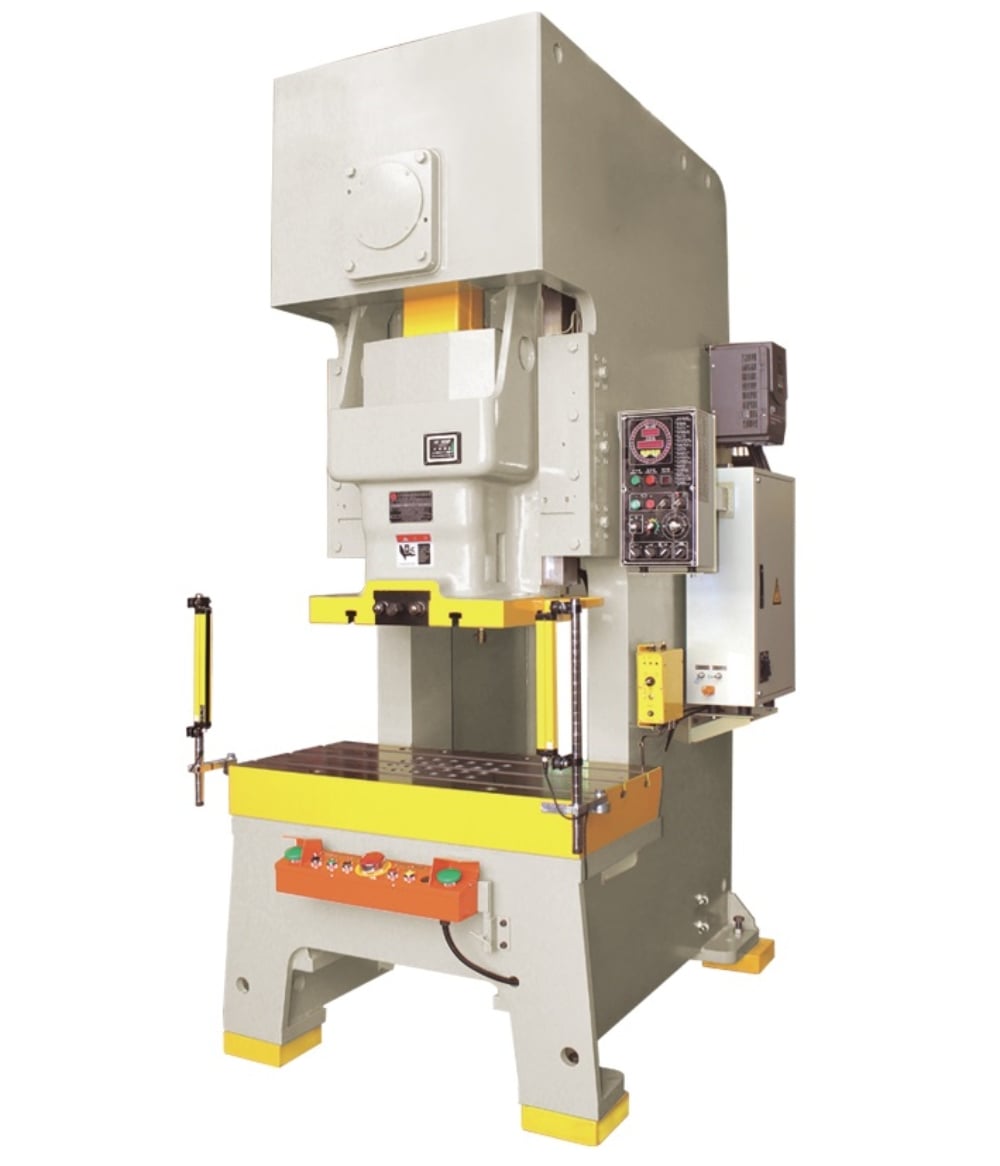
While the hydraulic system provides the muscle, the electrical system provides the brain. Modern HARSLE punching machines utilize PLC (Programmable Logic Controller) systems and sensitive electronic sensors to manage stroke depth, speed, and safety interlocks. Electrical maintenance is often overlooked because it is less visible than mechanical wear, but a loose wire can be just as damaging as a broken bolt. Vibration from the punching process can, over time, loosen terminal connections in the control cabinet.
Every six months, the main power should be disconnected, and a qualified technician should inspect the electrical cabinet. Use a screwdriver to check the tightness of all terminal blocks. Look for signs of heat discoloration on wires, which indicates a poor connection or an overloaded circuit. Dust is another enemy; it can act as an insulator, causing components to overheat, or it can become conductive in humid conditions, leading to short circuits. Use a vacuum or low-pressure dry air to clean the cabinet.
Sensors, such as limit switches and linear encoders, must be kept clean and properly aligned. If a limit switch fails to trigger, the ram may over-travel, causing significant mechanical damage. Check the mounting brackets for these sensors to ensure they haven’t shifted due to machine vibration. For CNC machines, ensure that the cooling fans for the servo drives are operational. If these drives overheat, the machine will throw an error code and shut down, halting production.
Grounding is another critical aspect. Ensure the machine is properly grounded to protect the sensitive electronics from power surges and static electricity generated during the punching process. If your machine uses a touch-screen interface, clean it only with approved cleaners to avoid damaging the capacitive surface. Keeping the software updated (if applicable) can also prevent glitches and improve the overall efficiency of the punching cycles.
Mechanical Components and Tooling Care
The mechanical integrity of a hydraulic punching machine revolves around the ram, the frame, and the tooling interface. The frame of a HARSLE machine is designed to withstand immense stress, but it must be checked for cracks or deformation, especially after a high-tonnage job or a tool crash. Pay close attention to the gibs—the adjustable guides that ensure the ram moves vertically without side-to-side play. If the gibs are too loose, the punch will not enter the die squarely, leading to rapid tool wear and poor part quality.
Tooling maintenance is perhaps the most direct way to influence part quality. Punches and dies should be inspected for “galling” (material transfer from the workpiece to the tool). This is common when punching aluminum or stainless steel. Use a fine whetstone to remove any buildup. Furthermore, ensure that the clearance between the punch and die is correct for the material thickness being processed. Incorrect clearance leads to excessive burrs and puts unnecessary strain on the machine’s hydraulic system.
The mounting bolts for the die holder and the punch chuck must be torqued to the manufacturer’s specifications. A loose die can shift during the stroke, causing the punch to hit the edge of the die, which often results in both tools shattering. This is not only expensive but extremely dangerous for the operator. Regularly check the alignment of the turret (on turret punch presses) or the tool holder to ensure that the centerlines of the punch and die are perfectly matched.
Finally, consider the environment. If the machine is located in a dusty or corrosive atmosphere, the machined surfaces of the ram and the guide rails should be wiped down and coated with a thin layer of protective oil. This prevents rust, which can act as an abrasive and destroy the precision-ground surfaces of the machine. Mechanical maintenance is about preserving the geometry of the machine so that every punch is as accurate as the first.
Developing a Robust Lubrication Strategy
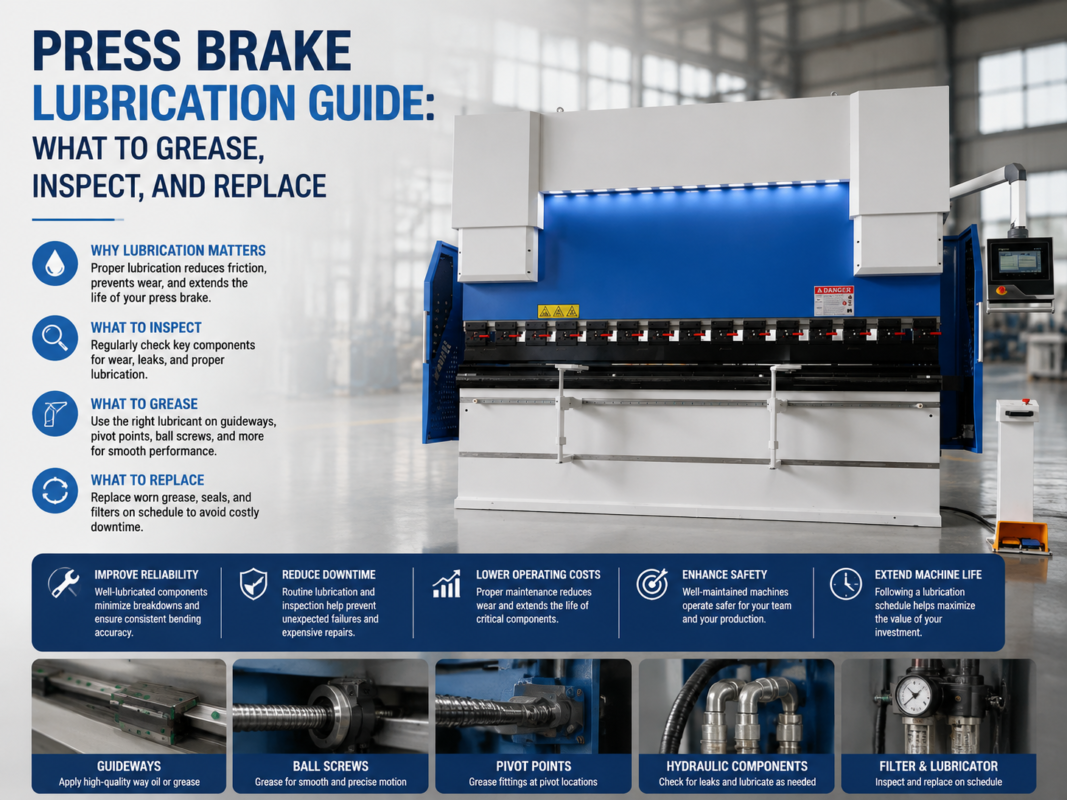
Lubrication is the lifeblood of mechanical movement. Without proper lubrication, friction generates heat, which leads to thermal expansion and eventual seizure of moving parts. A robust lubrication plan is a core component of Hydraulic Punching Machine Maintenance Tips to Avoid Costly Downtime. Most HARSLE machines feature specific lubrication points for the ram guides, pivot pins, and foot pedal linkages. Some models are equipped with automatic lubrication systems, while others require manual greasing.
For manual systems, follow the “little and often” rule. It is better to apply a small amount of grease daily than a large amount once a month. Over-greasing can be just as harmful as under-greasing, as it can attract abrasive dust and create a grinding paste that wears down components. Use only the high-quality lithium-based or molybdenum-disulfide grease specified in your manual. These greases are designed to stay in place under high pressure and resist being squeezed out during the punching stroke.
If your machine has an automatic lubrication system, your primary task is to keep the reservoir filled and to monitor the system for blockages. If one line in an automatic system becomes clogged, that specific bearing or guide will receive no oil, leading to localized failure while the rest of the machine appears fine. Periodically check that a fresh film of oil is visible on all sliding surfaces. If a surface looks dry, investigate the lubrication delivery system immediately.
Don’t forget the secondary points. The hinges on safety doors, the threads on adjustment bolts, and the pivot points of the backgauge system all require occasional lubrication. A well-lubricated machine operates more quietly and requires less amperage to move the same load, which can even lead to slight savings in electrical costs over the long term. Document every lubrication task in a maintenance log to ensure no points are missed during shift changes.
Recognizing Troubleshooting Signals Before Failure
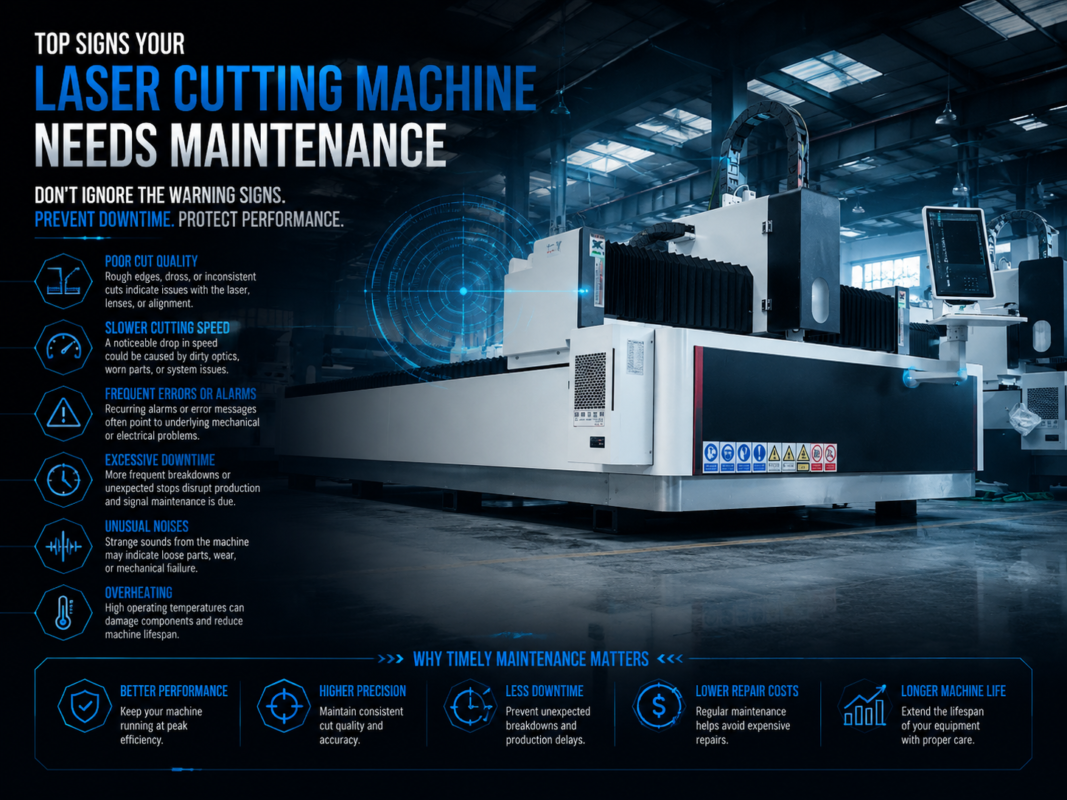
A machine will often tell you it is about to fail long before it actually stops. Recognizing these signals is key to avoiding unplanned downtime. One of the most common signs of trouble is a change in the sound of the machine. A high-pitched whine from the pump usually indicates suction trouble or air in the system. A rhythmic “knocking” might suggest a loose mechanical component or a failing bearing. If the machine suddenly becomes louder during the punch, it may be due to tool dullness or a change in material hardness.
Vibration is another critical indicator. While punching naturally creates some vibration, an increase in the intensity or a change in the vibration pattern can signal that the machine is no longer level or that internal components are misaligned. Use a leveling instrument to check the machine’s foundation periodically. If the machine has shifted, it can put uneven stress on the frame, leading to long-term structural damage.
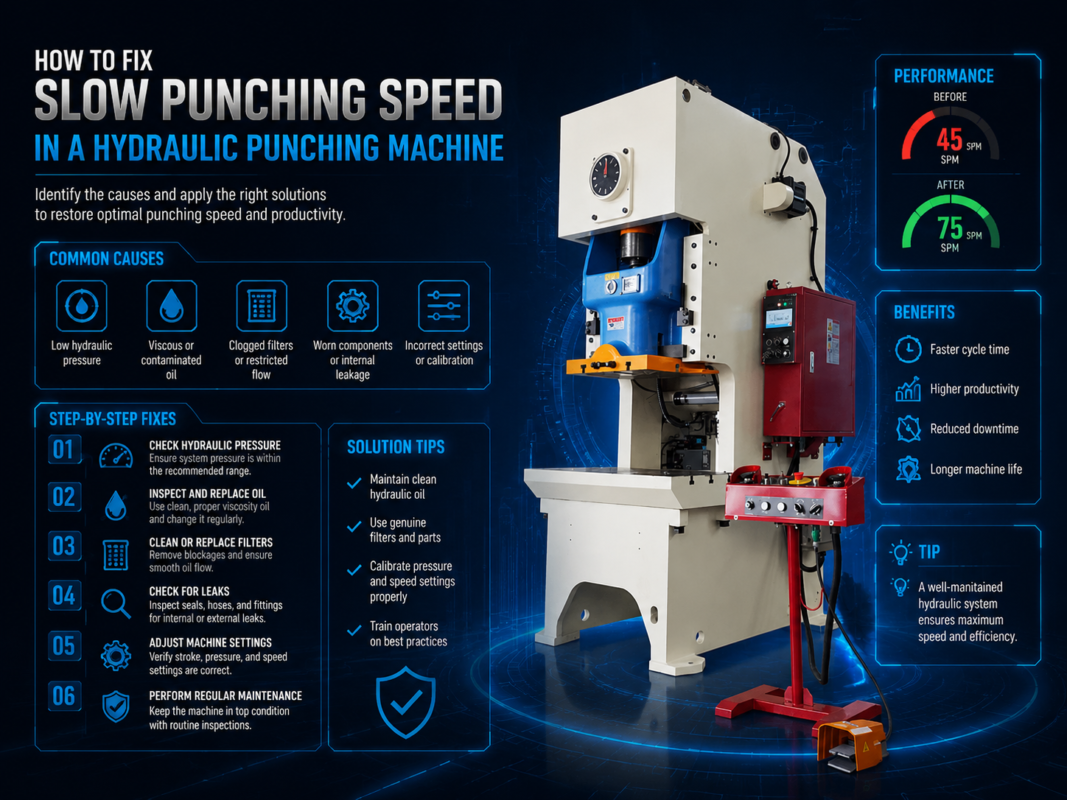
Monitor the quality of the finished parts. If you notice an increase in burr height, or if the holes are becoming slightly oval instead of perfectly round, the machine is signaling a loss of precision. This could be due to worn gibs, a misaligned turret, or dull tooling. Similarly, if the ram speed seems sluggish or if the machine struggles to reach full tonnage, the hydraulic system is likely experiencing internal leakage or a failing pump. Addressing these “soft” failures immediately prevents the “hard” failures that stop production entirely.
Heat is the final major signal. If the hydraulic tank feels excessively hot to the touch, or if the electrical motor is running hot, the system is working harder than it should. This could be due to a blocked filter, a malfunctioning cooling fan, or an internal mechanical bind. By training operators to be sensitive to these changes, you create a culture of maintenance that protects your investment.
Comprehensive Maintenance Schedule Table
To stay organized, use the following table as a template for your maintenance department. Adjust the frequencies based on your specific shift patterns and material types.
| Frequency | Component | Action Required |
|---|---|---|
| Daily | Hydraulic Oil | Check level and temperature; look for leaks. |
| Daily | Tooling | Inspect punch/die for chips; clean slugs from work area. |
| Daily | Safety Systems | Test E-stops and light curtains. |
| Weekly | Lubrication | Manually grease all points; check auto-lube reservoir. |
| Weekly | Filters | Check clogging indicators on hydraulic filters. |
| Monthly | Mechanical Guides | Inspect and adjust gibs; check for play in the ram. |
| Monthly | Electrical | Clean control cabinet; check cooling fans. |
| Quarterly | Hydraulic Hoses | Inspect for cracks, bulges, or abrasions. |
| Bi-Annually | Oil Analysis | Send oil sample for professional laboratory testing. |
| Annually | Full Service | Change oil and filters; re-level machine; torque all bolts. |
Frequently Asked Questions
1. How often should I sharpen my punching tools?
Tool sharpening frequency depends on the material type and thickness. As a general rule, tools should be sharpened when the burr height on the workpiece exceeds 10% of the material thickness. Regular, light sharpening is better than waiting for the tool to become severely dull, as it removes less material from the tool and maintains a better edge.
2. Why is my hydraulic punching machine losing pressure?
Pressure loss is usually caused by one of three things: a leak in the system (external or internal), a malfunctioning relief valve, or a failing hydraulic pump. Start by checking for external leaks and then verify that the relief valve is set correctly. If the pump is making a loud noise, it may be worn out and unable to maintain pressure.
3. Can I use any hydraulic oil in my HARSLE machine?
No. You must use the specific viscosity grade (usually ISO 46 or 68) recommended in your manual. Using the wrong oil can lead to poor performance, overheating, and damage to seals. Always ensure the oil has anti-wear (AW) additives suitable for high-pressure hydraulic systems.
4. What is the most common cause of machine downtime?
The most common cause is hydraulic contamination. Small particles of dirt or metal can jam valves and wear out pumps. This is followed closely by tooling failure due to misalignment or lack of lubrication. Both of these issues are entirely preventable through regular maintenance.
5. How do I know if my ram gibs need adjustment?
If you notice inconsistent punching results, or if the ram seems to “shudder” during the stroke, the gibs may be loose. You can check this by placing a dial indicator on the ram and checking for lateral movement. Adjusting gibs requires precision and should be done according to the technical manual to avoid over-tightening.
6. Is it necessary to warm up the machine in winter?
Yes. Cold hydraulic oil is more viscous and doesn’t flow as easily, which can cause cavitation in the pump. It is recommended to run the machine in a low-pressure cycle for 10-15 minutes to bring the oil up to operating temperature before starting heavy production.