How to Extend the Lifespan of a Punching Machine with Routine Care


The Critical Importance of Routine Maintenance for Punching Machines
In the high-stakes world of metal fabrication, a punching machine is often the heartbeat of the production line. Whether you are operating a mechanical turret punch or a high-speed hydraulic press, the longevity of your equipment directly correlates with your facility’s profitability and operational efficiency. To extend the lifespan of a punching machine with routine care is not merely a suggestion; it is a fundamental business strategy. When a machine is neglected, the resulting downtime, repair costs, and lost productivity can quickly eclipse the initial investment. Conversely, a well-maintained HARSLE punching machine can provide decades of reliable service, maintaining the tight tolerances required for precision components.
Preventative maintenance serves as a shield against the inevitable wear and tear of industrial operations. Every stroke of the punch generates significant force, creating vibrations and heat that can gradually loosen fasteners, degrade lubricants, and wear down mechanical interfaces. By implementing a structured routine care program, operators can identify minor issues before they escalate into catastrophic failures. This proactive approach ensures that the machine operates within its designed parameters, reducing the strain on the motor, hydraulic pump, and structural frame. Furthermore, a machine that is kept in peak condition produces higher quality parts with fewer burrs and better dimensional accuracy, which reduces scrap rates and enhances customer satisfaction.
Safety is another paramount reason to prioritize routine care. A punching machine that is poorly maintained poses a significant risk to the operator. Worn-out brake systems, faulty light curtains, or leaking hydraulic lines can lead to severe workplace accidents. Routine inspections ensure that all safety interlocks and emergency stop systems are functioning correctly, creating a secure environment for the workforce. In the following sections, we will delve into the specific technical steps required to maintain your punching machine, covering everything from daily visual checks to complex hydraulic and electrical system audits.
Daily Inspection: The First Line of Defense
The most effective way to extend the lifespan of a punching machine with routine care begins with the daily inspection. This process should be performed at the start of every shift and should not be rushed. The operator should begin with a comprehensive visual walk-around of the machine. Look for any signs of oil leaks around the hydraulic cylinders or hoses. Even a small puddle can indicate a failing seal or a loose fitting that could lead to a loss of pressure or a fire hazard. Check the floor around the machine to ensure it is clear of scrap metal, slugs, and debris that could cause tripping or interfere with the machine’s moving parts.
Cleaning is a vital component of the daily routine. Dust, metal shavings, and oil residue can accumulate on the guideways and the turret, acting as an abrasive that accelerates wear. Use a clean cloth and appropriate cleaning agents to wipe down the worktable and the clamping mechanisms. Pay special attention to the slug disposal area; if slugs are allowed to pile up, they can back up into the die, causing significant damage to the tooling and the ram. A clean machine is not just about aesthetics; it allows the operator to spot cracks, leaks, or loose bolts that would otherwise be hidden under a layer of industrial grime.
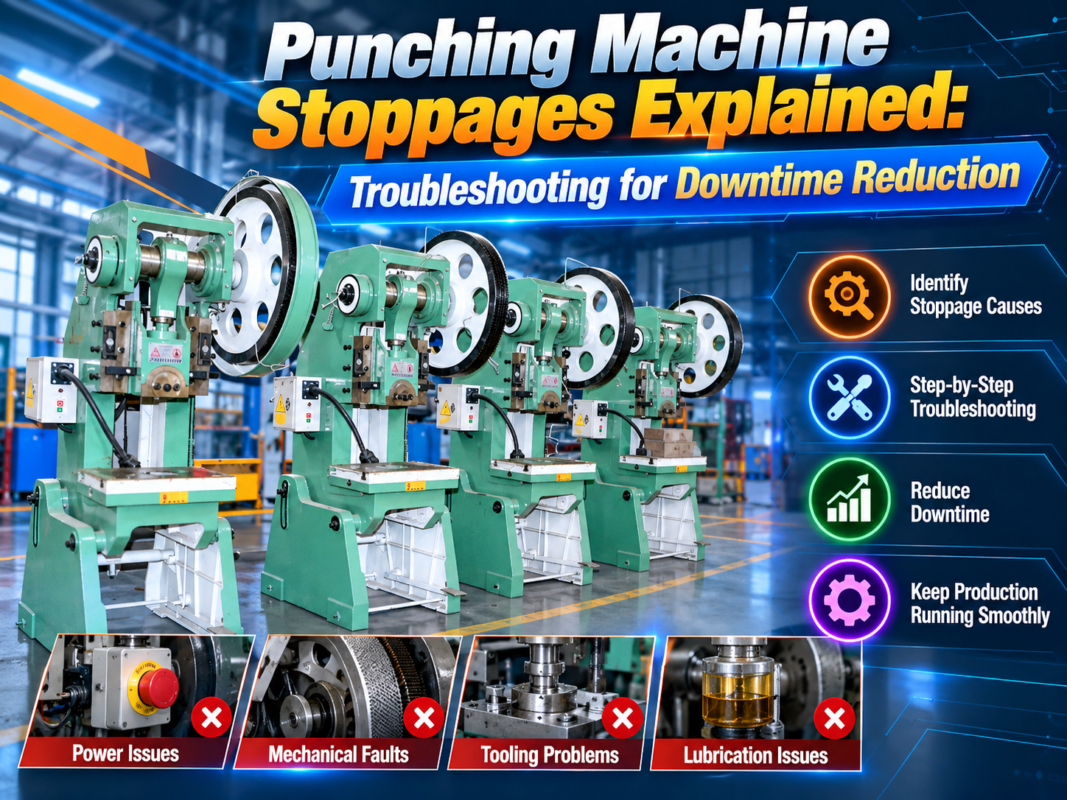
Before starting production, verify the functionality of all safety devices. Test the emergency stop buttons, the foot pedal guards, and the light curtains. If the machine is equipped with an automatic lubrication system, check the reservoir level and ensure the pump is cycling correctly. Listen for any unusual noises during the initial warm-up period. Grinding, squealing, or excessive vibration are early warning signs that something is amiss. By catching these issues during the daily inspection, you prevent the machine from running under sub-optimal conditions, which is the most common cause of premature component failure.
Hydraulic System Maintenance: Ensuring Consistent Power
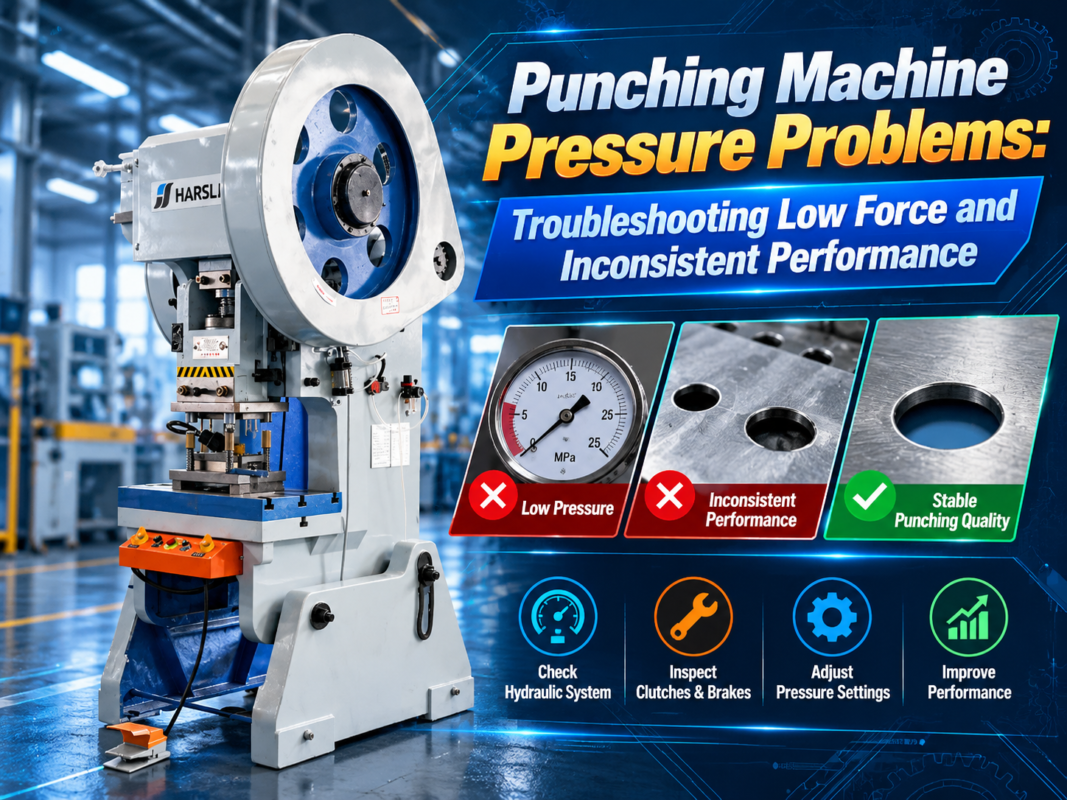
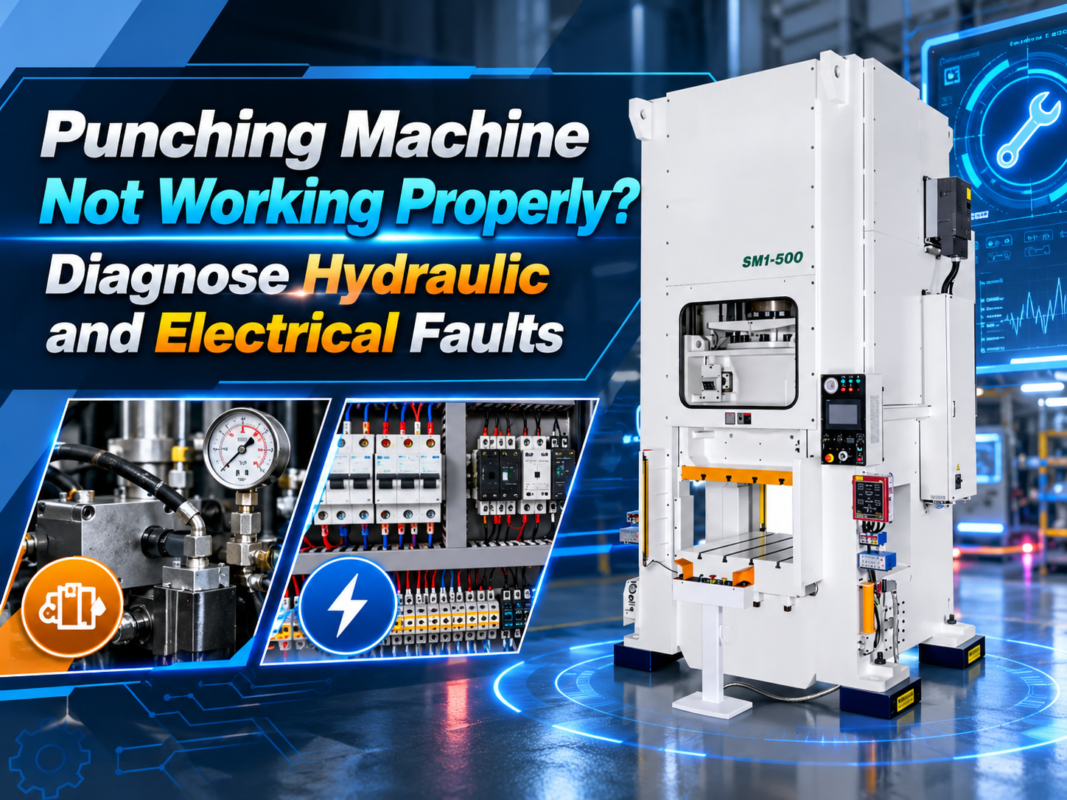
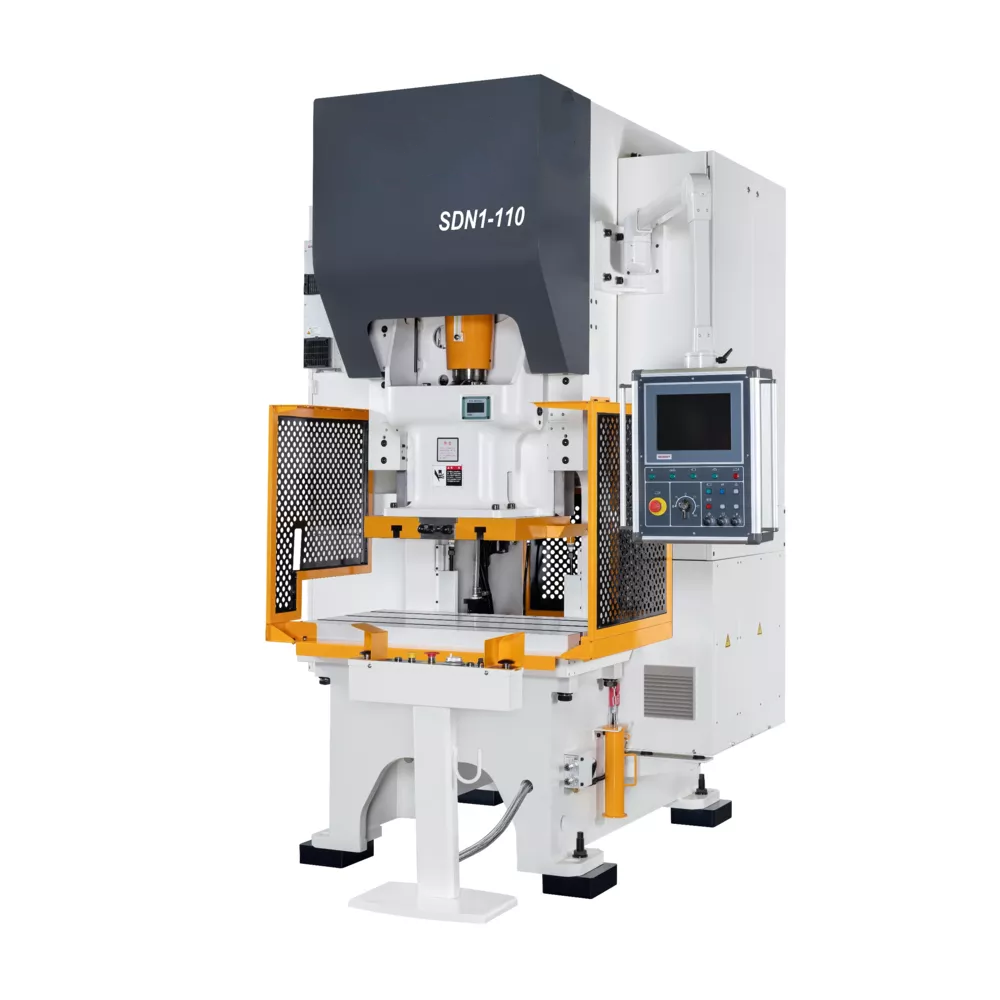
The hydraulic system is the muscle of a modern punching machine. To extend the lifespan of a punching machine with routine care, one must pay meticulous attention to the hydraulic fluid and its delivery components. The hydraulic oil serves multiple purposes: it transmits power, lubricates internal pump components, and carries heat away from the working zones. Over time, hydraulic oil can become contaminated with moisture, air, and microscopic metal particles. This contamination leads to increased friction and can damage the precision valves that control the ram’s movement. It is essential to check the oil level daily and perform a visual check of the oil’s clarity; cloudy or dark oil usually indicates the need for a change.
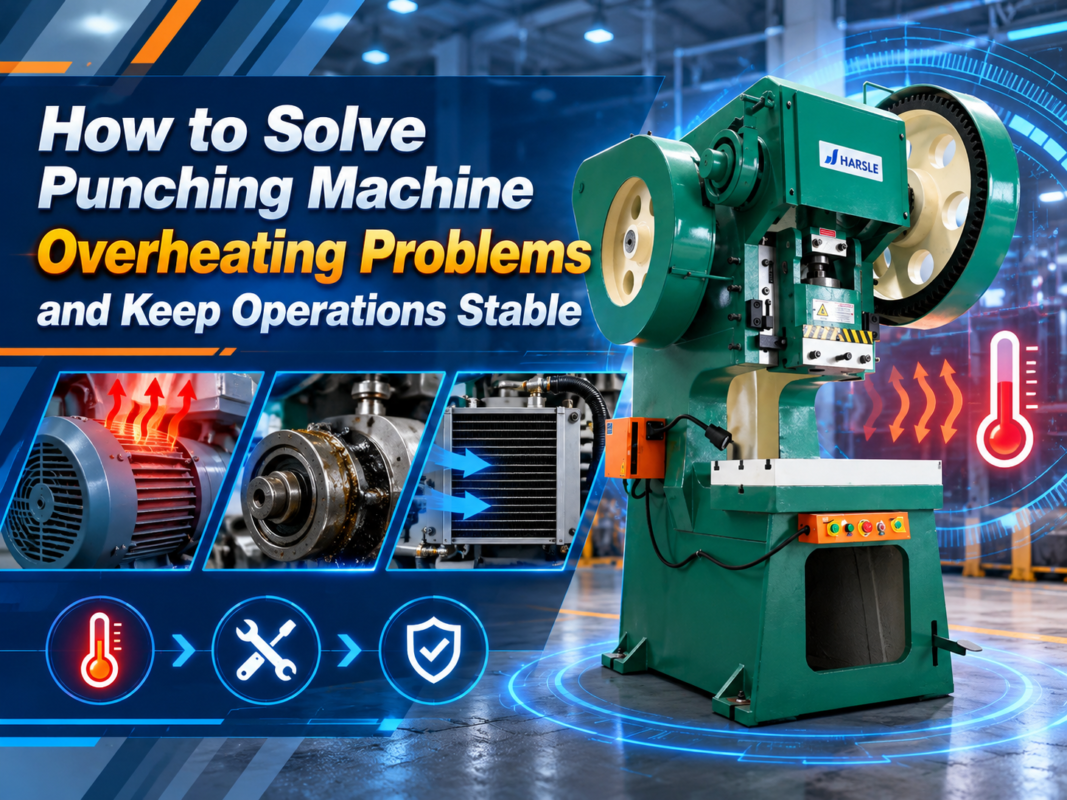
Temperature management is another critical aspect of hydraulic maintenance. Most punching machines are designed to operate within a specific temperature range, typically between 30°C and 50°C. If the oil becomes too hot, its viscosity drops, leading to poor lubrication and potential damage to the pump. Ensure that the oil cooling system—whether it is an air-cooled heat exchanger or a water-cooled system—is clean and functioning. Check the cooling fans for dust buildup and ensure that the water flow is not restricted. High temperatures also accelerate the aging of rubber hoses and seals, leading to premature leaks.
Filter replacement is a non-negotiable task. Hydraulic systems usually feature suction filters, pressure filters, and return-line filters. These should be replaced according to the manufacturer’s schedule or whenever the filter clogging indicator suggests. Neglecting filter changes allows contaminants to circulate through the system, causing “stiction” in valves and scoring the cylinder walls. Additionally, inspect all hydraulic hoses for signs of bulging, cracking, or abrasion. A burst hydraulic hose under high pressure is extremely dangerous and will result in immediate machine downtime. Replacing a suspect hose during routine maintenance is far cheaper than dealing with an emergency repair.
Electrical and Mechanical System Integrity
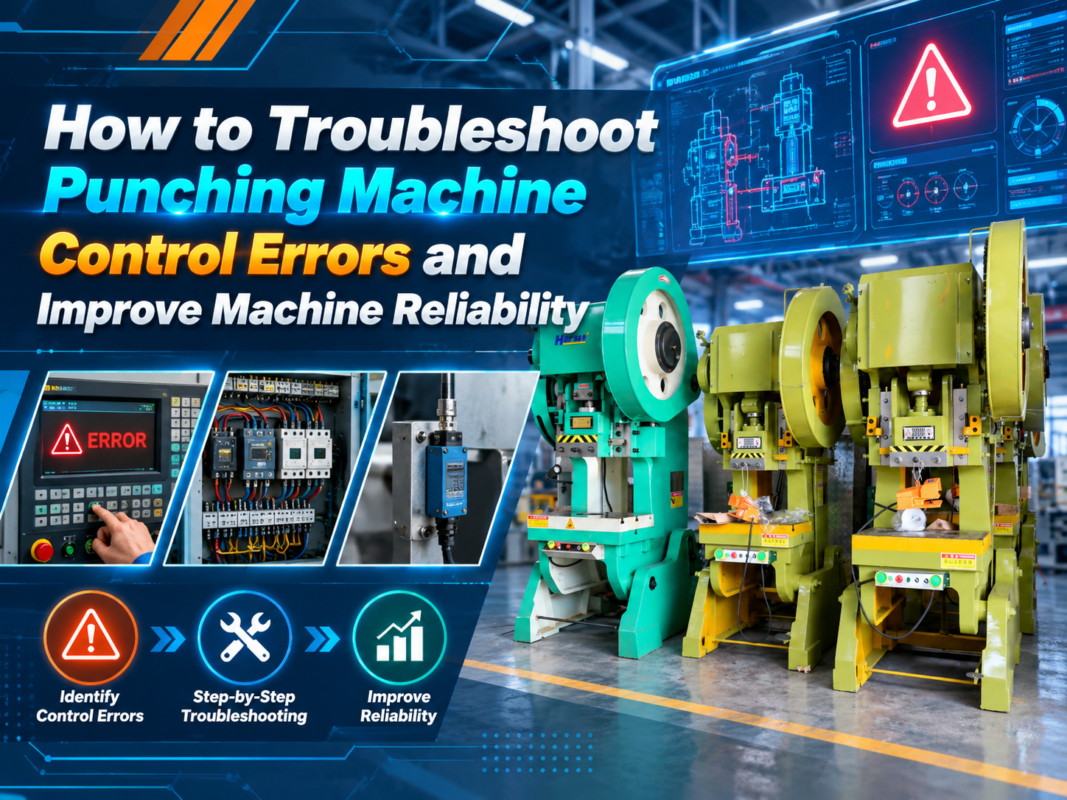
The electrical system of a CNC punching machine is its brain, and like any computer-controlled equipment, it requires a clean and stable environment. To extend the lifespan of a punching machine with routine care, the electrical cabinet should be inspected monthly. Dust is the primary enemy of electrical components; it can cause short circuits and prevent heat dissipation from sensitive PCBs and servo drives. Use low-pressure compressed air or a specialized vacuum to clean the interior of the cabinet. Ensure that the cooling fans on the cabinet door are spinning freely and that the filters are clean. Loose wiring connections are another common issue caused by machine vibration; periodically check that all terminals are tight to prevent intermittent faults or electrical fires.
On the mechanical side, the focus should be on the ram, the turret (if applicable), and the drive system. For mechanical punching machines, the clutch and brake unit is the most critical mechanical assembly. The brake must be able to stop the ram precisely at the top of the stroke. If the brake is worn, the ram may “overrun,” which can lead to double-tripping and serious accidents. Measure the brake gap regularly and adjust it according to the HARSLE manual. For CNC machines, the ball screws and linear guides that move the sheet metal must be kept perfectly aligned and lubricated. Any play or backlash in these components will result in inaccurate hole placement and increased wear on the drive motors.
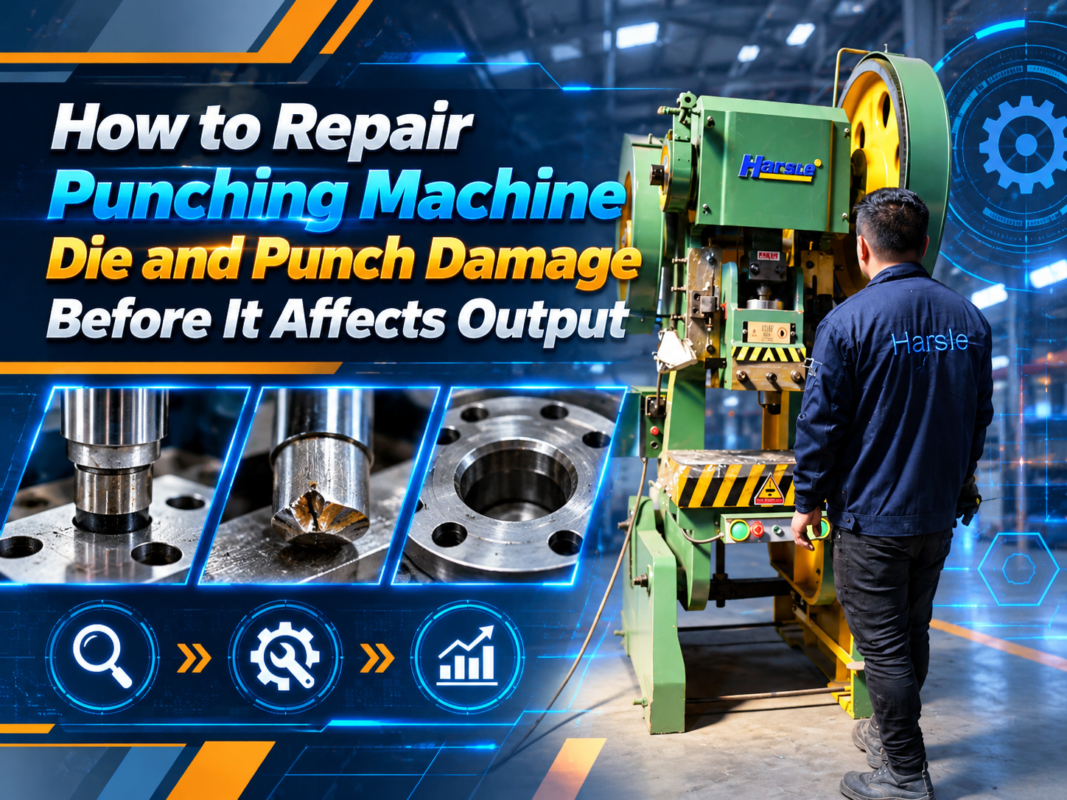
Tooling maintenance is often overlooked but is essential for the machine’s health. Dull punches and dies require significantly more force to penetrate the material, which puts unnecessary stress on the machine’s frame and hydraulic system. Establish a routine for sharpening tools and checking the clearance between the punch and die. Using the correct clearance for the material thickness not only improves the quality of the hole but also reduces the “shock” transmitted back into the machine. Properly maintained tooling is one of the simplest ways to reduce the mechanical load on your punching machine.
The Lubrication Plan: Reducing Friction and Wear
Lubrication is the lifeblood of mechanical longevity. To extend the lifespan of a punching machine with routine care, you must follow a strict lubrication schedule using the lubricants specified by the manufacturer. Different parts of the machine require different types of lubrication; for example, the high-speed bearings in a flywheel might require a specific high-temperature grease, while the sliding ways of the ram might require a heavy-duty way oil with tackiness additives. Using the wrong lubricant can be as damaging as using no lubricant at all, as incompatible greases can chemically react and harden, blocking the lubrication channels.
Many modern HARSLE machines feature a centralized lubrication system that automatically delivers oil or grease to critical points. However, the operator must still monitor this system. Check the distribution blocks to ensure that every line is actually delivering lubricant. It is common for a single line to become clogged, leaving one bearing bone-dry while the rest of the machine appears well-oiled. If your machine requires manual lubrication, use a grease gun to hit every zerk fitting according to the weekly or monthly schedule. Do not over-grease, as excess lubricant can attract dust and create a grinding paste that wears down components.
In addition to the internal components, the worktable—especially if it uses ball transfers—should be kept lightly lubricated to ensure the smooth movement of the workpiece. This reduces the load on the X and Y-axis servo motors. Always wipe away old, contaminated grease before applying new lubricant. This ensures that you are not simply pushing dirt deeper into the bearing or bushing. A consistent lubrication plan is the most cost-effective way to prevent the metal-on-metal contact that leads to expensive structural repairs.
Troubleshooting Signals: Listening to Your Machine
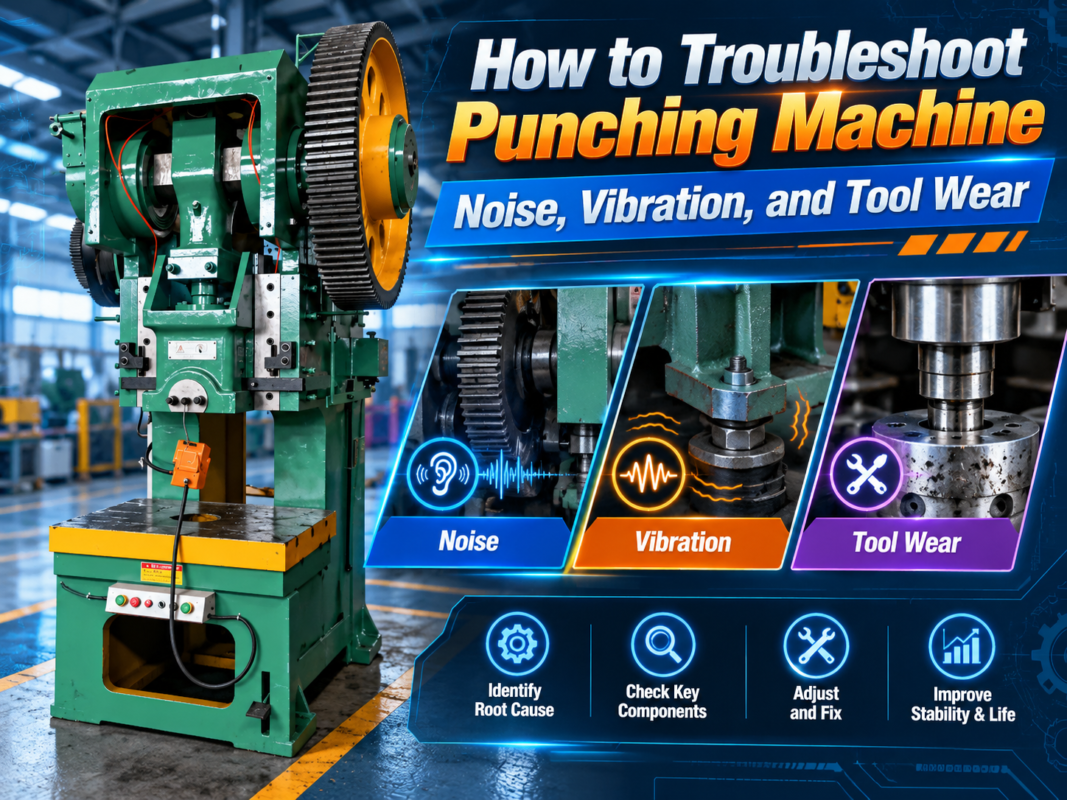
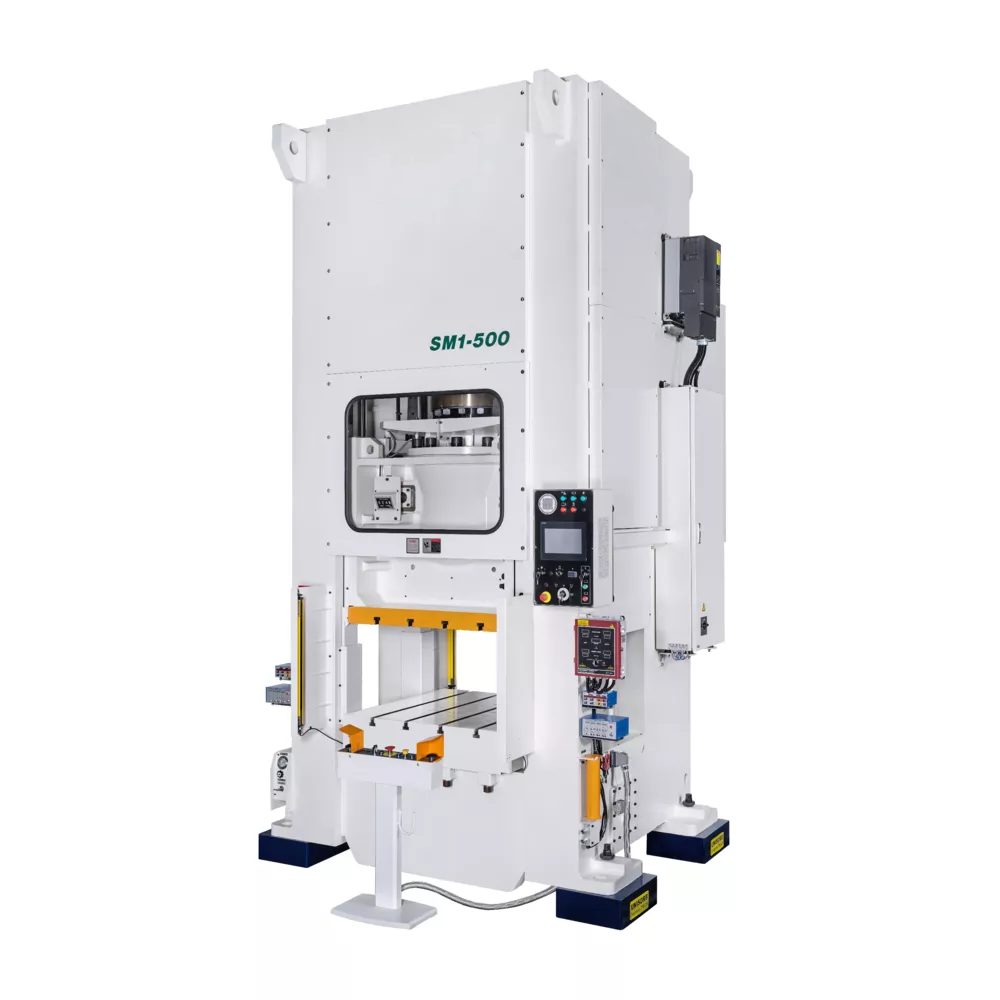
Experienced operators often develop a “sixth sense” for their equipment, but anyone can learn to recognize the troubleshooting signals that indicate a need for maintenance. To extend the lifespan of a punching machine with routine care, you must be reactive to these early warning signs. One of the most common signals is a change in the sound of the machine. A rhythmic knocking might indicate a loose bearing or a problem with the crankshaft. A high-pitched whine from the hydraulic pump often suggests cavitation or air entering the system. If the machine starts making a different sound when the punch hits the metal, it may be time to sharpen the tooling or check the die alignment.
Vibration is another key indicator. While all punching machines vibrate to some extent, an increase in vibration levels can point to loose foundation bolts, an unbalanced flywheel, or worn-out vibration dampening pads. Excessive vibration is destructive; it can lead to fatigue cracks in the machine frame and cause electrical components to shake loose. If you notice that the machine is moving or that the floor around it is cracking, immediate intervention is required. Use a vibration meter if necessary to quantify the change and identify the source.
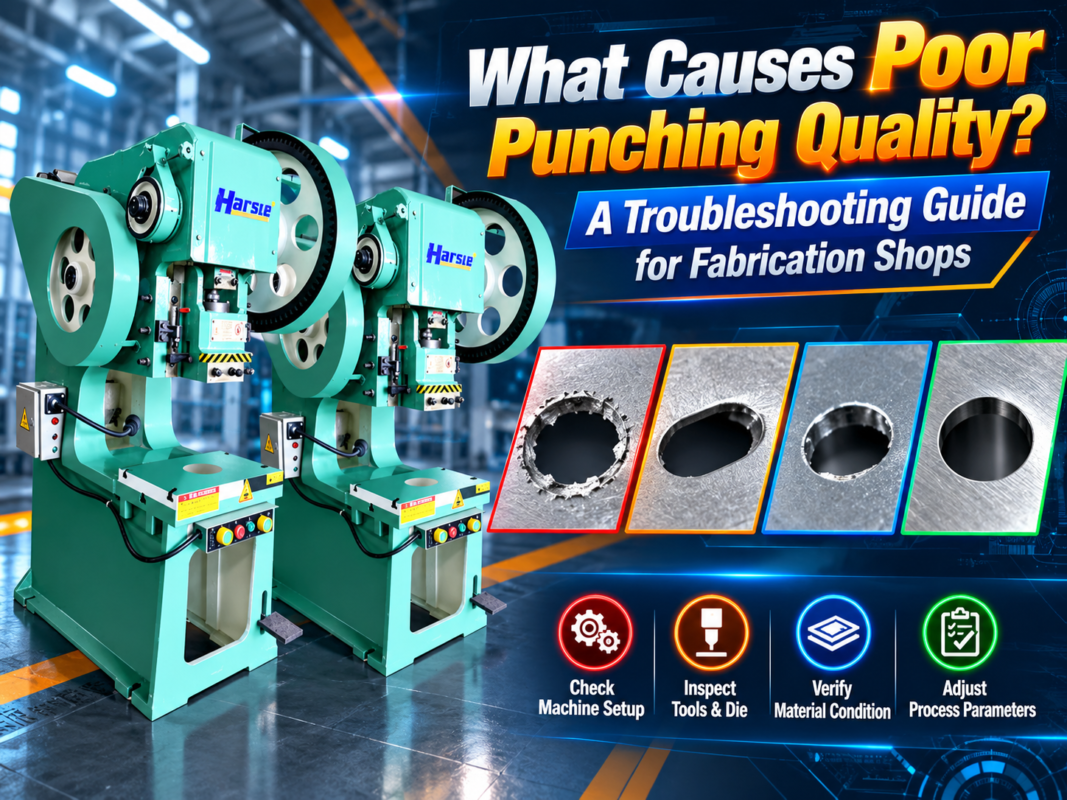
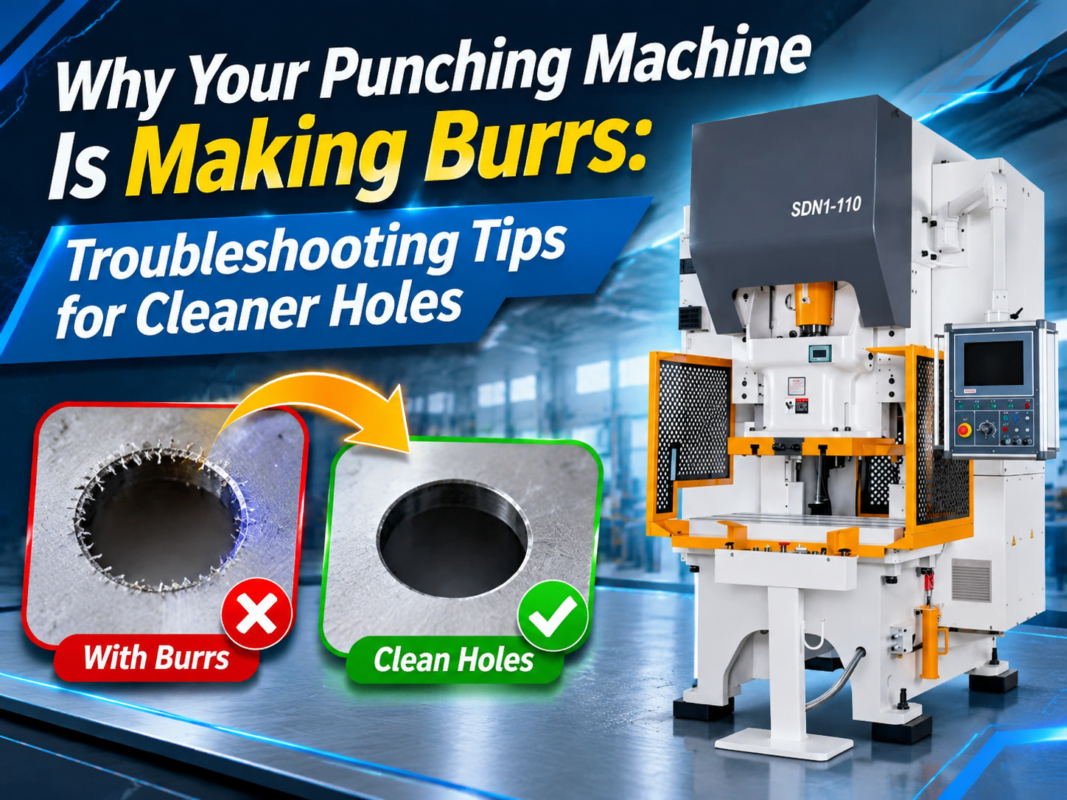
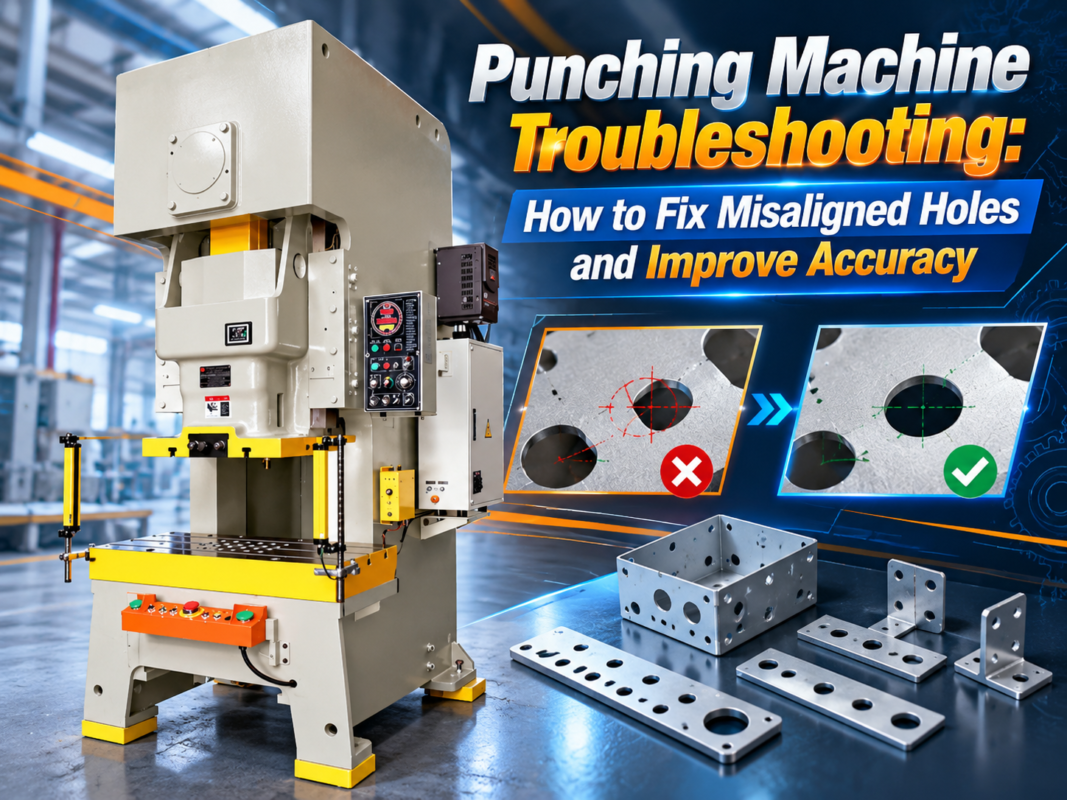
Finally, monitor the quality of the output. If you notice an increase in the burr height on the bottom of the punched holes, it is a clear sign that the tool clearance is incorrect or the tools are dull. If the holes are becoming slightly oval or are drifting out of position, it indicates wear in the turret alignment or the X/Y axis positioning system. Heat is also a signal; if the motor casing or the hydraulic tank feels excessively hot to the touch, the system is working too hard. By treating these signals as urgent maintenance requests rather than minor nuisances, you can prevent a small part failure from turning into a total machine breakdown.
Comprehensive Maintenance Schedule Table
To help you extend the lifespan of a punching machine with routine care, use the following table as a baseline for your maintenance department. Note that specific intervals may vary based on your machine model and shift intensity.
| Frequency | Component | Action Required |
|---|---|---|
| Daily | Hydraulic System | Check oil level and look for leaks. |
| Daily | Safety Systems | Test E-stops, light curtains, and guards. |
| Daily | Work Area | Clean slugs, scrap, and dust from the table. |
| Weekly | Lubrication | Check auto-lube reservoir; manually grease points. |
| Weekly | Tooling | Inspect punches/dies for wear; sharpen if needed. |
| Monthly | Electrical Cabinet | Clean filters and vacuum dust from components. |
| Monthly | Mechanical Fasteners | Check and tighten all external bolts and nuts. |
| Quarterly | Hydraulic Filters | Replace pressure and return-line filters. |
| Quarterly | Alignment | Check turret and ram alignment; verify X/Y accuracy. |
| Bi-Annually | Hydraulic Oil | Perform oil analysis; replace if contaminated. |
| Annually | Full System Audit | Comprehensive inspection by a HARSLE technician. |
Frequently Asked Questions (FAQ)
1. How often should I sharpen my punching tools?
The frequency of sharpening depends on the material type, thickness, and the number of hits. As a general rule, tools should be inspected every 50,000 to 100,000 hits. If you notice a burr height exceeding 10% of the material thickness, it is time to sharpen. Consistent sharpening removes less material each time, extending the total life of the tool compared to waiting until the tool is severely rounded.
2. What type of hydraulic oil is best for a HARSLE punching machine?
Most HARSLE punching machines require a high-quality anti-wear hydraulic oil, typically ISO VG 32 or ISO VG 46, depending on your ambient operating temperature. Always refer to your specific machine manual. Using a high-viscosity index oil ensures that the fluid maintains its properties even as the machine warms up during long shifts.
3. Can I use compressed air to clean the machine?
While compressed air is tempting for quick cleaning, it should be used with caution. High-pressure air can blow metal chips and dust into sensitive areas like bearing races, electrical components, or hydraulic seals. It is better to use a vacuum or a brush for most cleaning tasks. If you must use air, keep the pressure low and aim away from critical mechanical interfaces.
4. Why is my punching machine overheating?
Overheating is usually caused by one of three things: low hydraulic oil levels, a clogged oil cooler, or a pump that is bypassing internally due to wear. Check the cooling fans and heat exchanger fins for dust buildup first. If the cooling system is clean and the oil level is correct, you may need a technician to check the hydraulic pump efficiency.
5. How do I know if my machine’s foundation is adequate?
A punching machine requires a stable, reinforced concrete foundation to absorb the shock of the punching operation. If you notice the machine “walking,” or if you see cracks developing in the floor around the base, your foundation may be insufficient. An inadequate foundation will lead to frame misalignment and premature wear of all mechanical components.
6. Is it necessary to have a professional service every year?
Yes. While your internal team can handle routine care, an annual or bi-annual visit from a HARSLE-certified technician is highly recommended. They have specialized tools to check for frame fatigue, laser-align the axes, and update the CNC software. This professional audit is a key step to extend the lifespan of a punching machine with routine care and ensures your warranty remains valid.