Essential Safety Checks for Punching Machine Maintenance in Metal Fabrication


The Critical Importance of Maintenance in Metal Fabrication
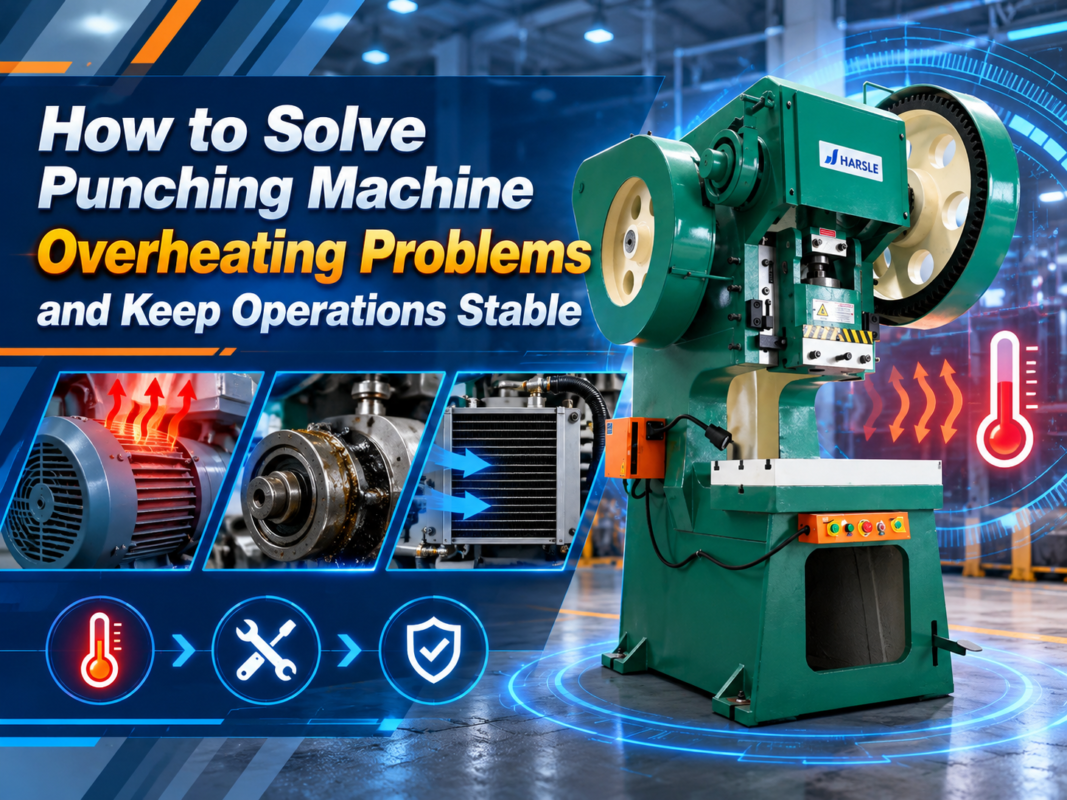
In the high-stakes environment of metal fabrication, the punching machine stands as a cornerstone of productivity. Whether you are operating a mechanical turret punch or a high-speed hydraulic system, the reliability of your equipment directly dictates your bottom line. However, reliability is not a static trait; it is a result of rigorous, consistent maintenance. Implementing Essential Safety Checks Punching Machine Maintenance In Metal Fabrication is not merely about preventing breakdowns; it is about ensuring the safety of the operators and the precision of every stroke.
Neglecting maintenance leads to a cascade of failures. Small misalignments can evolve into catastrophic tool breakage, while minor hydraulic leaks can result in significant pressure loss or environmental hazards. For manufacturers using HARSLE equipment, understanding the synergy between machine components is vital. A well-maintained machine operates with lower energy consumption, produces fewer scrapped parts, and maintains a higher resale value over time. More importantly, a strict maintenance regimen fosters a culture of safety, where operators feel confident that the machinery they interact with is stable and predictable.
The financial implications of downtime in a modern fabrication shop are staggering. When a primary punching machine goes offline, the entire production line often grinds to a halt. By prioritizing essential safety checks, facilities can transition from reactive repairs—which are expensive and stressful—to proactive asset management. This guide serves as a comprehensive roadmap for maintaining peak performance and safety standards for your punching machinery.
Furthermore, the evolution of Industry 4.0 has introduced smarter monitoring systems, but the fundamental mechanical and hydraulic checks remain the bedrock of machine health. Even the most advanced CNC punching machine requires manual verification of its physical state. This article explores the multi-layered approach required to keep your metal fabrication equipment in top-tier condition, focusing on the specific safety checks that prevent accidents and extend machine life.
Daily Inspection: The First Line of Defense
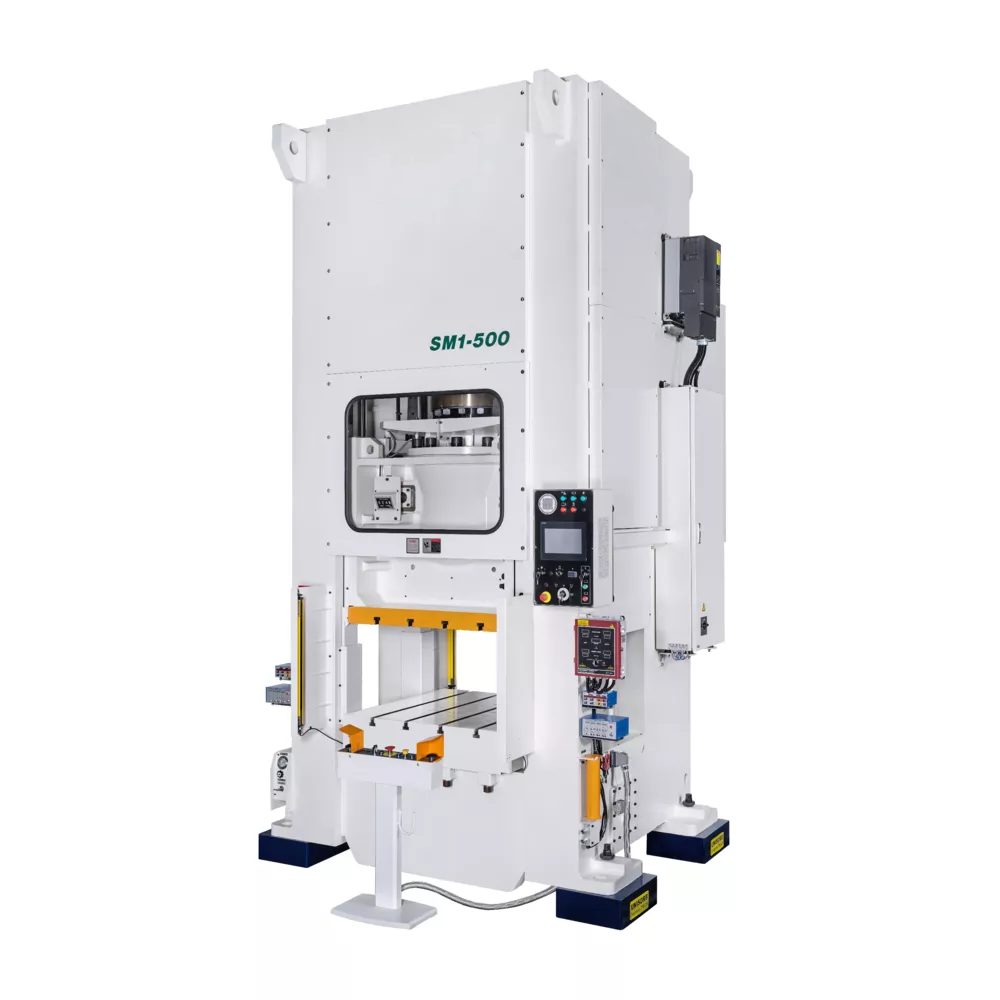
The daily inspection is the most critical habit an operator can develop. It should be performed at the start of every shift before the machine is powered on. This “walk-around” allows the operator to identify obvious issues that could lead to immediate safety risks. Start by clearing the work area of any debris, scrap metal, or oil spills that could cause slips or interfere with the machine’s moving parts. A clean environment is the first step in Essential Safety Checks Punching Machine Maintenance In Metal Fabrication.
Visual checks should focus on the tooling and the ram area. Look for signs of wear on the punches and dies. Are there any cracks? Is the lubrication film visible on the guiding surfaces? If the tooling is dull or chipped, it will require more force to penetrate the material, putting unnecessary stress on the machine’s frame and hydraulic system. Additionally, check all safety guards and light curtains. These electronic barriers must be functional; if a light curtain is bypassed or misaligned, the machine should not be operated under any circumstances.
Listen to the machine as it cycles during a test run. Unusual grinding, clicking, or high-pitched whining sounds often indicate mechanical interference or hydraulic cavitation. Operators should also check the control panel for any error codes or warning lights that may have been triggered during the previous shift. Documenting these daily findings in a logbook ensures accountability and helps maintenance teams track recurring issues that might indicate a deeper systemic problem.
Finally, verify the emergency stop (E-stop) buttons. It is a common mistake to assume they work because they worked yesterday. Pressing each E-stop to ensure it cuts power to the drive system immediately is a non-negotiable safety protocol. This daily ritual takes less than ten minutes but can save thousands of dollars in repairs and, more importantly, prevent workplace injuries.
Hydraulic System Integrity and Safety
Hydraulic punching machines rely on fluid power to generate the massive forces required to pierce thick metal plates. Consequently, the hydraulic system is often the most stressed part of the machine. The first check in this category is the oil level and quality. Low oil levels can lead to air being sucked into the pump, causing cavitation and permanent damage. The oil should be clear; if it appears milky, it is contaminated with water, and if it is dark or smells burnt, it has oxidized and lost its lubricating properties.
Hose and fitting inspections are equally vital. Hydraulic hoses are subject to constant pressure fluctuations and external abrasion. Look for “weeping” at the fittings, bubbles in the outer casing, or any signs of kinking. A burst hydraulic hose can release high-pressure fluid that is hot enough to cause severe burns or even penetrate the skin (injection injuries). Ensure that all hoses are routed away from sharp edges and moving mechanical parts.
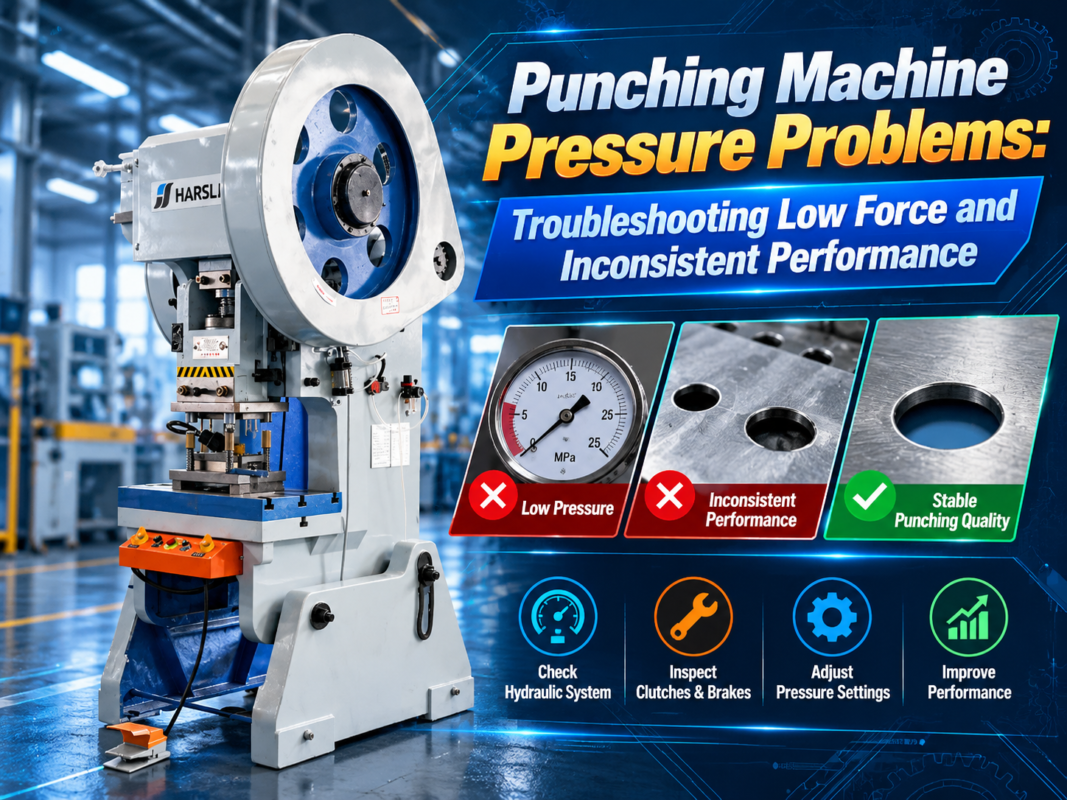
Pressure stability is another key indicator of hydraulic health. During operation, the pressure gauge should reach its target and hold steady. If the pressure fluctuates wildly, it could indicate a failing pump, a leaking seal in the cylinder, or a malfunctioning relief valve. Monitoring the oil temperature is also essential. Most systems operate best between 40°C and 55°C. If the oil exceeds 60°C, its viscosity drops, leading to increased wear and potential seal failure. Ensure that the cooling fans or heat exchangers are clean and functioning correctly.
Filters play a silent but crucial role in maintaining system integrity. Most modern punching machines feature suction and return-line filters. These should be replaced according to the manufacturer’s schedule or whenever the clogging indicator moves into the red zone. Clean oil is the lifeblood of the hydraulic system; even microscopic particles can score the precision-ground surfaces of valves and cylinders, leading to internal leakage and loss of punching force.
Electrical and Control System Safety Checks
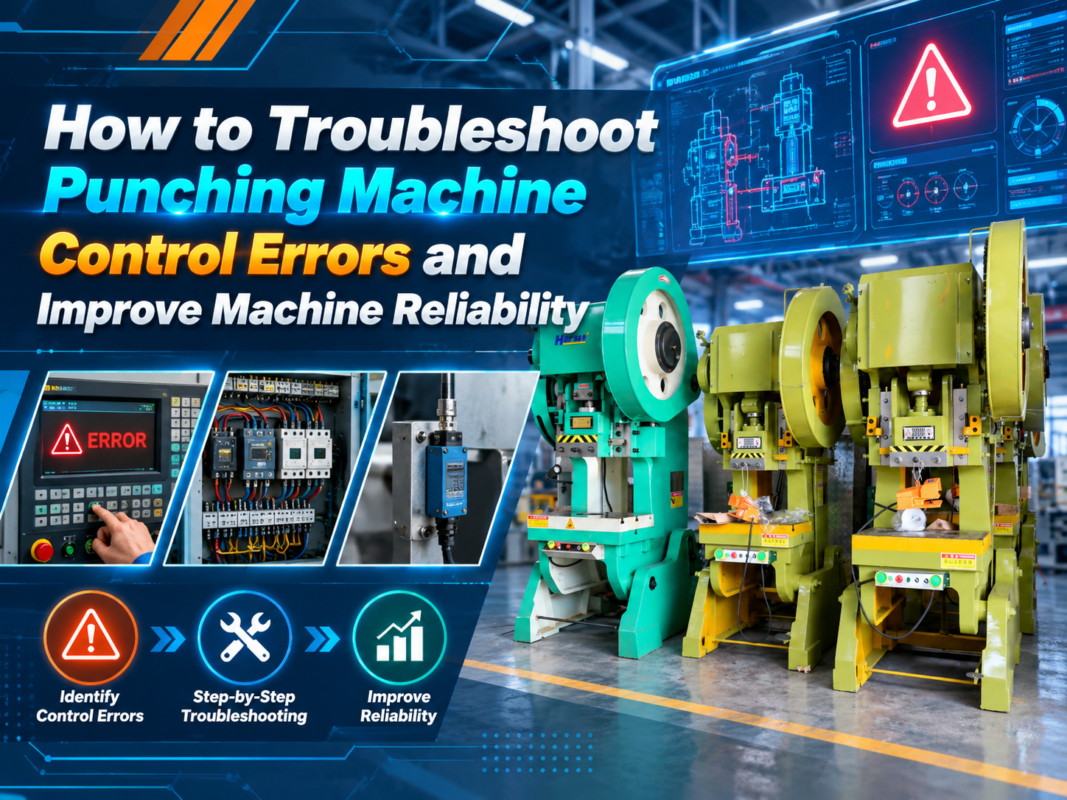
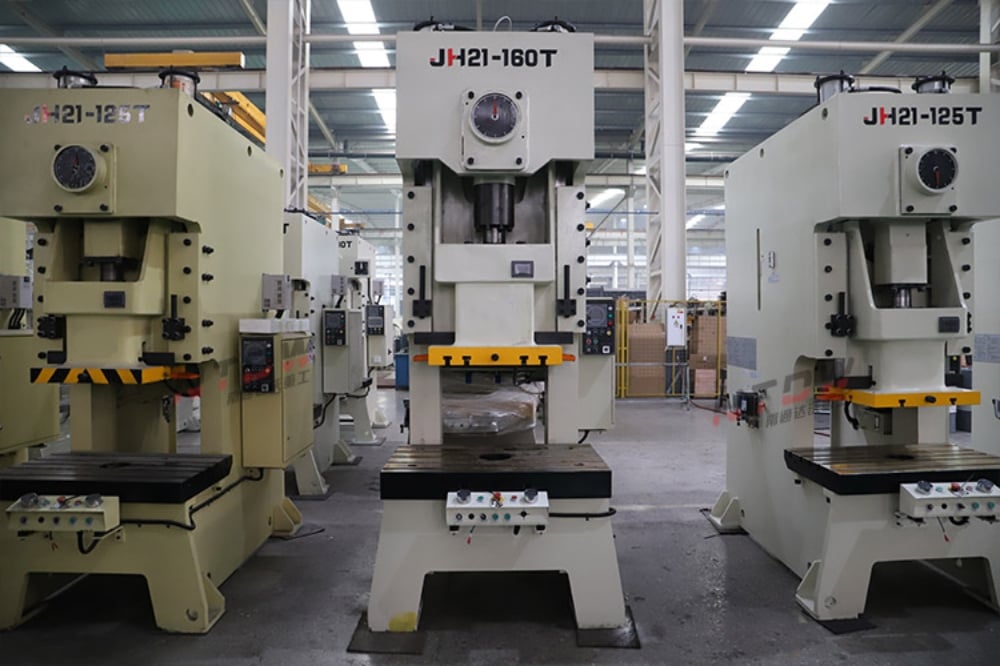
The electrical system is the brain of the punching machine. In an industrial setting, vibration and heat are the primary enemies of electrical components. Start by inspecting the main electrical cabinet. It should be tightly sealed to prevent the ingress of metal dust, which is conductive and can cause short circuits. If the cabinet uses cooling fans, check that the filters are clean; an overheated PLC (Programmable Logic Controller) or motor drive can lead to erratic machine behavior or total system failure.
Wiring integrity is a major safety concern. Over time, the constant motion of the machine can cause wires in cable tracks to fray or break. Inspect these moving cables for signs of insulation wear. Furthermore, check the tightness of terminal connections. Loose wires can cause arcing, which generates heat and can eventually lead to electrical fires. This is particularly important for high-current components like the main motor starter and the hydraulic pump contactors.
Sensors and limit switches must be checked for alignment and cleanliness. In a punching machine, these sensors tell the controller where the ram is and whether the material is correctly positioned. If a limit switch fails to trigger, the ram could over-travel, causing significant mechanical damage. Regularly clean the faces of proximity sensors to ensure they detect targets accurately without interference from metal shavings or oil buildup.
Grounding is another critical aspect of electrical safety. Ensure the machine is properly grounded to the factory floor’s grounding system. This protects the sensitive electronic components from power surges and ensures operator safety in the event of an internal short circuit. If your machine uses a CNC system, ensure that the software is backed up regularly and that the interface is free from physical damage that could impede the operator’s ability to input commands or hit the E-stop.
Mechanical Components and Tooling Precision
The mechanical structure of a punching machine must withstand repetitive, high-impact forces. Therefore, checking the structural integrity of the frame and the alignment of the ram is paramount. Inspect the frame for any signs of stress cracking, especially around the throat of the machine where the most deflection occurs. While HARSLE machines are built for durability, years of heavy use can eventually fatigue even the strongest steel.
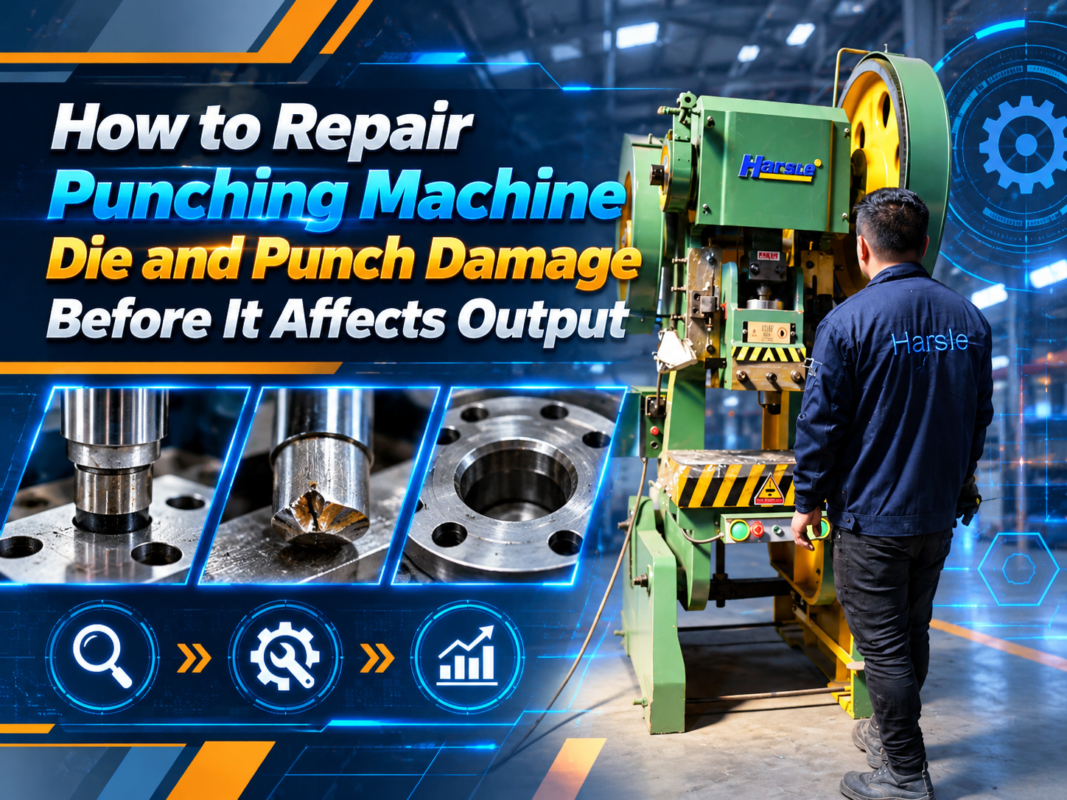
Tooling alignment, or die clearance, is perhaps the most technical aspect of Essential Safety Checks Punching Machine Maintenance In Metal Fabrication. If the punch is not perfectly centered in the die, it will create uneven burrs on the workpiece and cause rapid wear on one side of the tool. In extreme cases, misalignment can cause the punch to strike the die, resulting in shattered metal fragments that can fly out at high speeds. Use a feeler gauge or the machine’s built-in alignment tools to verify that the clearance is uniform around the entire circumference of the tool.
Fasteners and bolts are often overlooked. The vibration inherent in punching operations can loosen even the most secure bolts. Periodically check the torque on the foundation bolts, the motor mounts, and the ram assembly. A loose ram can lead to inconsistent punch depths and poor part quality. Additionally, inspect the gibs and slideways. These are the surfaces the ram slides on; they must be adjusted to the manufacturer’s specifications to ensure there is no “slop” or excessive play in the movement.
Finally, consider the material handling system. If your punching machine has an automatic loader or a sheet positioning system, check the grippers and the drive belts. Worn grippers can drop a sheet during a high-speed move, leading to a collision. Drive belts should be checked for tension and signs of cracking. A well-aligned mechanical system ensures that the force of the punch is directed exactly where it is needed, maximizing efficiency and safety.
Developing a Robust Lubrication Plan
Lubrication is the single most effective way to prevent premature wear in a punching machine. Without a proper oil film, metal-on-metal contact generates heat and friction that can seize bearings and score slideways. A robust lubrication plan identifies every point that requires grease or oil, the type of lubricant needed, and the frequency of application. Most modern machines utilize an automatic lubrication system, but this does not mean it can be ignored.
For automatic systems, the primary check is the reservoir level. Never let the reservoir run dry, as this will introduce air into the lines and stop lubrication to critical points. Check the distribution blocks to ensure that oil is actually reaching the destination. Sometimes, a lubrication line can become pinched or clogged with debris, leaving one bearing bone-dry while the rest of the machine appears fine. Look for the tell-tale “wet” look on guideways and pins to confirm the system is working.
Manual lubrication points often include hinges, foot pedals, and certain secondary drive components. These should be serviced weekly with the specified grade of industrial grease. When applying grease, always wipe the zerk fitting clean first to avoid pumping dirt into the bearing. It is also important to use the correct lubricant; never substitute general-purpose grease for the high-pressure, molybdenum-disulfide grease often required for punching applications.
Over-lubrication can be just as problematic as under-lubrication. Excessive grease can attract metal dust and grinding grit, creating an abrasive paste that actually accelerates wear. It can also clog sensors and create a fire hazard if it accumulates near electrical components. Follow the manufacturer’s volume recommendations strictly. A clean, thin film of the right lubricant is the goal for maintaining optimal machine health.
Identifying Troubleshooting Signals
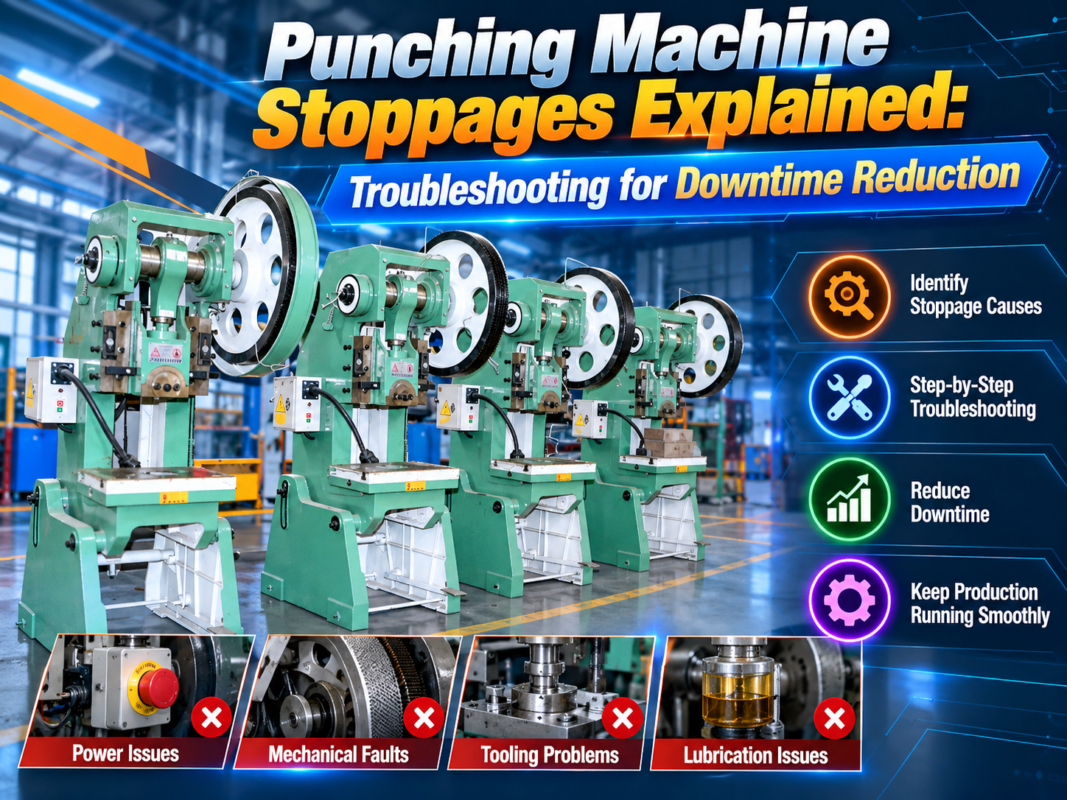
Even with the best maintenance, components will eventually wear out. The key to safety is identifying the signals of impending failure before they result in an accident. One of the most common signals is a change in the sound of the machine. A deeper “thud” during the punch might indicate that the tooling is dull, while a sharp “crack” could suggest that the material is harder than specified or the die clearance is too tight.
Vibration is another major red flag. While punching is naturally a high-vibration process, an increase in lateral vibration usually points to loose mounting bolts or worn-out bushings. If the machine starts to “walk” or shift on its foundation, stop operation immediately and re-torque the anchor bolts. Excessive vibration not only damages the machine but also leads to poor dimensional accuracy in the finished parts.
Heat is a subtle but dangerous signal. After an hour of operation, touch the bearing housings and the hydraulic tank (carefully). If a bearing is too hot to touch, it is likely failing or lacks lubrication. Similarly, if the hydraulic oil is overheating, the system is working too hard, possibly due to an internal leak or a clogged cooler. Monitoring the quality of the punched hole is also a form of troubleshooting. If you notice excessive burrs, “slug pulling,” or deformed holes, the tooling or the ram alignment is likely the culprit.
Finally, watch for “slug” buildup. If the slug evacuation system (vacuum or air blast) fails, slugs can stack up in the die. The next punch will then hit the stack, potentially breaking the punch, the die, or even the tool holder. Regularly check that the slug bin is being emptied and that the discharge chutes are clear of obstructions. Being proactive about these signals is the essence of Essential Safety Checks Punching Machine Maintenance In Metal Fabrication.
Comprehensive Maintenance Schedule Table
To ensure no step is missed, use the following table as a template for your facility’s maintenance program. Adjust the frequencies based on your specific machine’s workload and the manufacturer’s recommendations.
| Frequency | Component | Action Required |
|---|---|---|
| Daily | Safety Systems | Test E-stops, light curtains, and interlocks. |
| Daily | Tooling | Inspect for chips, cracks, and proper lubrication. |
| Daily | Work Area | Clear scrap, slugs, and oil spills. |
| Weekly | Hydraulic System | Check oil level, inspect hoses for leaks/wear. |
| Weekly | Lubrication | Refill reservoirs and grease manual points. |
| Monthly | Electrical Cabinet | Clean filters, check for loose wire connections. |
| Monthly | Mechanical Fasteners | Check torque on foundation and ram bolts. |
| Quarterly | Hydraulic Oil | Perform oil analysis or replace filters. |
| Quarterly | Alignment | Verify ram-to-table squareness and die centering. |
| Yearly | Full System Audit | Comprehensive inspection by a certified technician. |
Frequently Asked Questions (FAQ)
1. How often should I sharpen my punching tools?
Tool sharpening frequency depends on the material type, thickness, and the number of hits. As a general rule, tools should be sharpened when the burr height on the workpiece exceeds 10% of the material thickness. Sharpening early and often removes less material from the tool, extending its total life compared to waiting until the tool is badly blunted.
2. What type of hydraulic oil is best for a HARSLE punching machine?
Most industrial punching machines require a high-quality anti-wear hydraulic oil, typically ISO VG 46 or ISO VG 68, depending on the ambient temperature of your shop. Always refer to your specific machine manual, as using the wrong viscosity can lead to sluggish performance or pump damage.
3. Why is my machine making a loud banging noise during the return stroke?
A loud bang on the return stroke often indicates that the “stripper” mechanism is sticking or that the punch is struggling to pull out of the material. This can be caused by insufficient lubrication on the punch shank, worn stripper springs, or incorrect die clearance for the material thickness being processed.
4. Can I bypass a faulty light curtain just to finish a rush job?
Absolutely not. Bypassing safety devices is a leading cause of industrial accidents and is a violation of OSHA and international safety standards. If a safety device is faulty, the machine must be locked out and tagged out (LOTO) until a qualified technician performs the necessary repairs.
5. How do I prevent “slug pulling”?
Slug pulling occurs when the scrap metal piece sticks to the face of the punch and is lifted back out of the die. This can be prevented by using “slug-hugger” dies, ensuring the punch has a slight shear angle, maintaining proper lubrication, and ensuring the vacuum or air-ejection system is functioning correctly.
6. What is the most common cause of hydraulic pump failure?
Contamination is the number one killer of hydraulic pumps. Microscopic dirt, metal shavings, or water in the oil act as abrasives that destroy the tight tolerances inside the pump. Regular filter changes and oil analysis are the best defenses against this type of failure.
7. How does temperature affect punching machine precision?
As a machine warms up, the metal components expand slightly. In high-precision applications, this thermal expansion can shift the alignment of the ram or the bed. It is often recommended to run the machine for 15-20 minutes to reach operating temperature before performing critical, high-tolerance punching tasks.