
Press Punching Machine Price Guide: Key Cost Drivers Explained


Introduction to Press Punching Machine Pricing
In the competitive landscape of metal fabrication, the acquisition of a press punching machine represents a significant capital expenditure. Whether you are a small workshop looking for your first mechanical press or a large-scale industrial facility upgrading to a high-speed CNC turret punch, understanding the nuances of the Press Punching Machine Price : Key Cost Drivers Explained is essential for making a sound financial decision. The price of these machines is not merely a reflection of their size, but a complex calculation involving engineering precision, material capacity, control technology, and long-term reliability.
HARSLE has been at the forefront of providing high-quality metalworking machinery, and we understand that price transparency is vital for our clients. A press punching machine is the workhorse of many production lines, responsible for creating holes, notches, and forms in sheet metal with high repeatability. However, the market offers a vast spectrum of options ranging from a few thousand dollars to several hundred thousand. This guide aims to deconstruct those costs, providing you with the technical knowledge needed to evaluate quotes and select a machine that aligns with both your production needs and your budget.
When evaluating the Press Punching Machine Price : Key Cost Drivers Explained, one must look beyond the initial sticker price. The total cost of ownership, including maintenance, energy consumption, and tooling, plays a pivotal role in the machine’s overall value. In the following sections, we will explore the primary categories of punching machines, the technical specifications that drive costs upward, and the hidden expenses that often catch buyers off guard.
Price Range Overview: From Manual to CNC
The first step in understanding the Press Punching Machine Price : Key Cost Drivers Explained is to categorize the machines based on their drive systems and automation levels. Each category serves a different market segment and comes with a distinct price bracket. Generally, the more automated and precise the machine, the higher the investment required.
Manual and Mechanical Press Machines
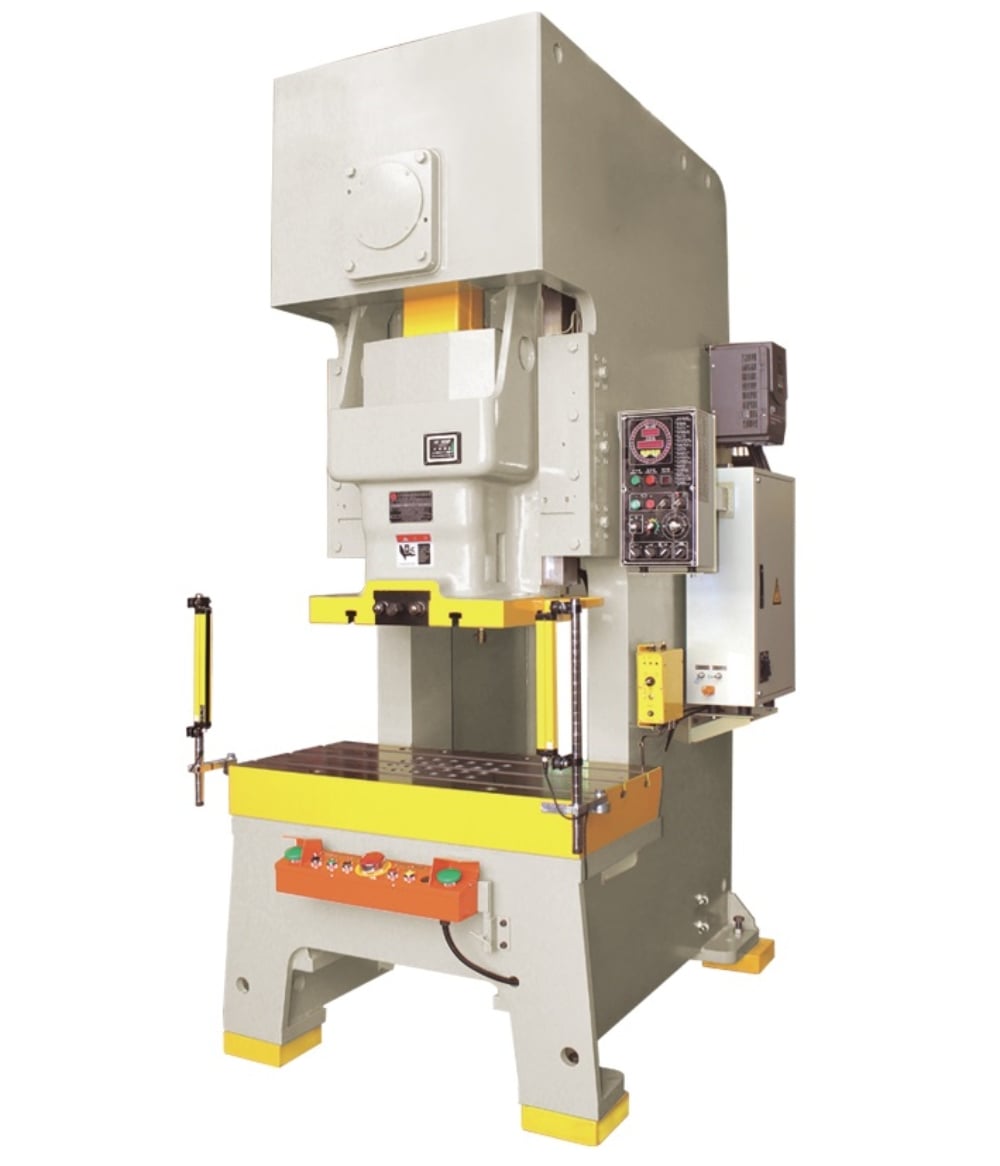
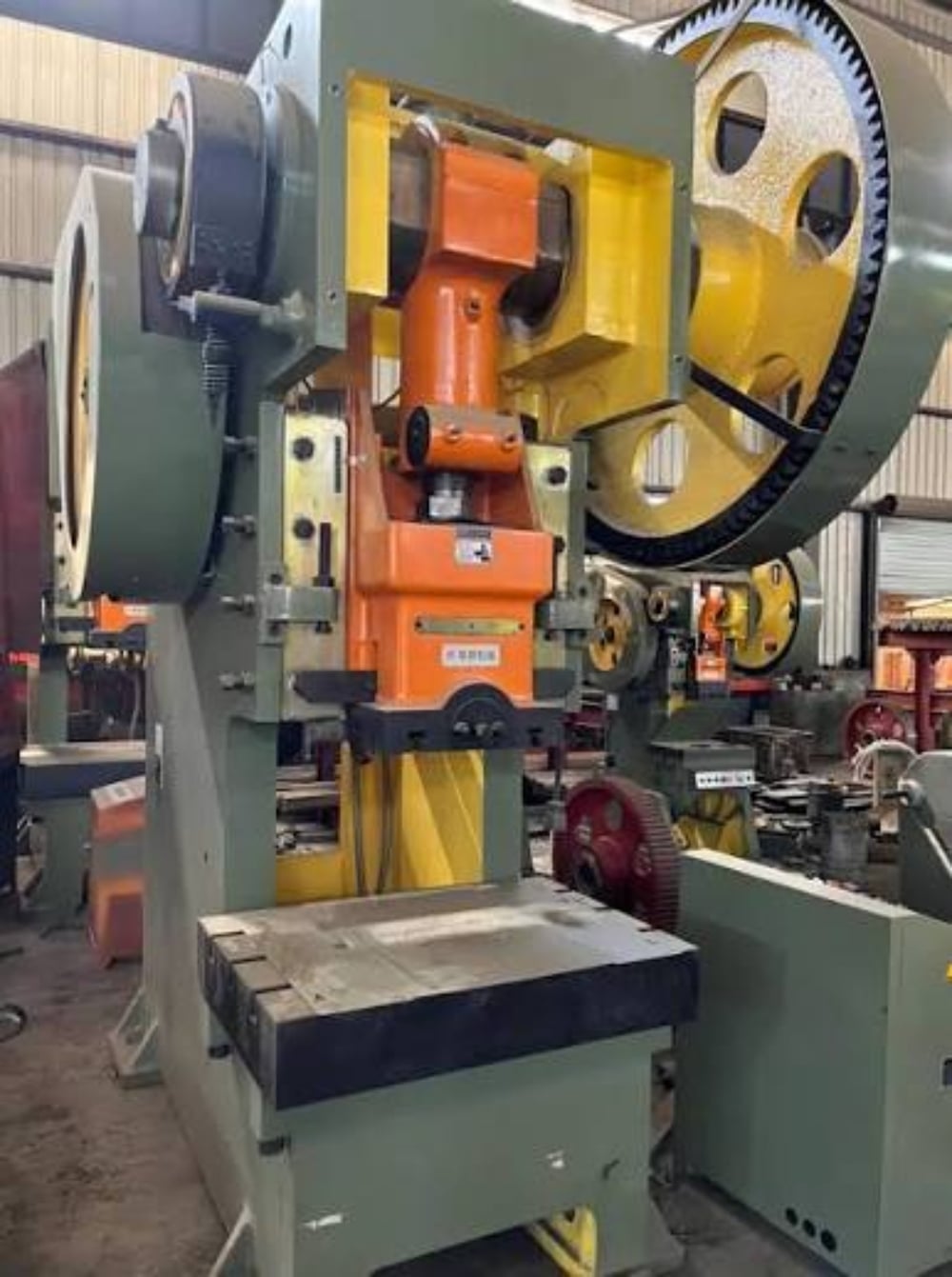
Manual and basic mechanical presses are the entry-level options in the industry. These machines typically range from $2,000 to $15,000. They are characterized by their simplicity and are often used for low-volume production or simple punching tasks. The cost here is driven primarily by the weight of the cast iron frame and the quality of the flywheel and clutch mechanism. While affordable, they lack the precision and safety features of more advanced models.
Pneumatic Punching Machines
Pneumatic presses utilize compressed air to generate force. These are popular for light-duty applications, such as electronics housing or thin-gauge aluminum work. Prices for pneumatic punching machines usually fall between $5,000 and $25,000. The cost is influenced by the cylinder quality, the air consumption efficiency, and the inclusion of basic safety guards. They offer faster cycle times than manual presses but are limited in tonnage.
Hydraulic Press Punching Machines
Hydraulic systems provide much higher force and better control over the punching stroke. These machines are versatile and can handle thicker materials. A standard hydraulic punching machine can cost anywhere from $15,000 to $70,000. The price drivers in this category include the hydraulic pump’s sophistication, the cooling system, and the stroke adjustment capabilities. High-end hydraulic presses often feature NC (Numerical Control) for depth setting, which adds to the cost.
CNC Turret Punching Machines
At the top of the hierarchy are CNC Turret Punching Machines. These are highly automated, featuring a rotating turret that holds multiple tools. Prices for these machines start at approximately $50,000 and can exceed $300,000 for high-speed, large-format models. The Press Punching Machine Price : Key Cost Drivers Explained in this segment are dominated by the CNC controller (e.g., Fanuc or Siemens), the number of turret stations, and the servo-drive technology used for axis movement.
Main Cost Drivers: Tonnage, Frame, and Speed
When you receive a quote for a punching machine, the technical specifications are the primary determinants of the price. Understanding these specifications allows you to determine if you are paying for features you actually need.
Tonnage and Capacity
Tonnage refers to the maximum force the machine can exert. This is perhaps the single most significant factor in the Press Punching Machine Price : Key Cost Drivers Explained. A 16-ton machine is significantly cheaper than a 100-ton or 200-ton machine. Higher tonnage requires a more robust frame, larger cylinders or flywheels, and more powerful motors. Buyers should calculate the maximum tonnage required for their thickest material and largest hole diameter to avoid overpaying for capacity they won’t use.
Frame Construction: C-Frame vs. H-Frame
The architecture of the machine frame impacts both price and performance. C-Frame (Gap Frame) machines are generally more affordable and offer excellent accessibility for the operator to feed material from three sides. However, they are prone to “yaw” or deflection under high pressure. H-Frame (Straight-Side) machines are more expensive because they use more steel and offer a closed-loop structure that minimizes deflection. This leads to better tool alignment and longer tool life, justifying the higher price for high-precision or high-tonnage applications.
Stroke Speed and Productivity
In mass production, time is money. The speed at which a machine can cycle (measured in strokes per minute or SPM) directly affects its price. High-speed mechanical presses or servo-electric punching machines can reach speeds of over 600-1000 hits per minute. Achieving these speeds requires advanced vibration damping, high-response valves, and sophisticated software, all of which increase the initial purchase price.
Configuration Impact: CNC Systems and Tooling
The “intelligence” and versatility of the machine are defined by its configuration. This is where the Press Punching Machine Price : Key Cost Drivers Explained becomes highly variable based on customization.
The CNC Controller
The CNC system is the brain of the machine. A basic, proprietary controller will be cheaper than an industry-standard system like Fanuc, Siemens, or Mitsubishi. While a premium controller adds several thousand dollars to the price, it offers better software compatibility, easier sourcing of spare parts, and a more intuitive user interface. Furthermore, advanced features like 3D simulation, remote diagnostics, and nesting software integration are premium add-ons that enhance productivity.
Turret Stations and Auto-Index
For turret punches, the number of stations in the turret (e.g., 12, 24, 32, or 50 stations) significantly impacts the price. More stations mean fewer manual tool changes and higher throughput. Additionally, “Auto-Index” stations—which allow the tool to rotate to any angle—are complex mechanical components that add substantial cost but are essential for complex geometries and reducing the total number of tools required.
Safety and Compliance Features
Modern industrial standards require rigorous safety features. Light curtains, interlocking guards, and emergency stop systems are standard on high-end machines but may be optional on budget models. Investing in high-quality safety systems not only protects operators but also reduces insurance premiums and prevents costly legal liabilities, making them a necessary part of the machine’s value proposition.
Hidden Costs: Beyond the Sticker Price
Many first-time buyers focus solely on the machine’s price and overlook the ancillary costs associated with bringing the machine into production. To truly understand the Press Punching Machine Price : Key Cost Drivers Explained, one must account for these “hidden” expenses.
- Shipping and Logistics: These machines are heavy and often require specialized flatbed transport and heavy-duty cranes for offloading. International shipping also involves customs duties and port fees.
- Foundation and Installation: High-tonnage presses may require a reinforced concrete foundation to manage vibrations. Professional installation by factory-trained technicians ensures the machine is leveled and calibrated correctly.
- Initial Tooling Set: A punching machine is useless without tools. A comprehensive set of punches and dies for various shapes and sizes can cost between $2,000 and $10,000 depending on the quality and material (e.g., high-speed steel vs. carbide).
- Training: While basic operation might be simple, mastering CNC programming and maintenance requires training. Some manufacturers include this in the price, while others charge it as a separate service.
- Power Infrastructure: Large hydraulic or mechanical presses have high peak power demands. You may need to upgrade your facility’s electrical panels or install voltage stabilizers to protect the CNC electronics.
ROI Calculation: Justifying the Investment
When discussing the Press Punching Machine Price : Key Cost Drivers Explained, it is helpful to shift the perspective from “cost” to “return on investment” (ROI). A more expensive machine with higher automation can often pay for itself faster than a cheap manual machine through labor savings and reduced scrap.
To calculate ROI, consider the following formula: (Annual Savings – Annual Operating Costs) / Total Investment Cost. Savings come from reduced labor hours per part, lower material waste due to precision nesting, and the ability to take on more complex jobs that command higher market rates. For example, a CNC turret punch might replace three manual presses and four operators, significantly lowering the cost per part despite its higher initial price tag.
Furthermore, consider the resale value. Well-known brands like HARSLE maintain their value better in the secondary market. A machine that retains 50% of its value after five years is a much better investment than a budget machine that has no resale market due to lack of spare parts or poor build quality.
Buying Advice: How to Choose the Right Machine
Navigating the Press Punching Machine Price : Key Cost Drivers Explained requires a strategic approach. Here is a checklist to guide your purchasing process:
- Define Your Material Specs: Know your maximum material thickness, sheet size, and the types of metals you will punch (e.g., stainless steel requires more tonnage than aluminum).
- Assess Production Volume: If you are punching 100 parts a week, a manual or NC hydraulic press is sufficient. If you are punching 10,000 parts, a CNC turret punch is mandatory.
- Evaluate After-Sales Support: A cheap machine becomes very expensive if it sits idle for weeks waiting for a part. Choose a manufacturer like HARSLE that offers robust technical support and readily available spares.
- Request a Test Cut: Before finalizing the purchase, have the manufacturer perform a test cut on your specific material to verify accuracy and edge quality.
- Consider Future Growth: Don’t just buy for today’s needs. Buying a machine with slightly more capacity or more turret stations than currently required can save you from having to upgrade again in two years.
Frequently Asked Questions (FAQ)
What is the average lifespan of a press punching machine?
With proper maintenance, a high-quality mechanical or hydraulic press can last 20 to 30 years. CNC machines typically have a shorter technological lifespan of 10 to 15 years before the electronics become obsolete, though the mechanical frame may still be perfectly functional.
Is it better to buy a new or used punching machine?
New machines come with warranties, modern safety features, and the latest software. Used machines are cheaper but carry the risk of hidden wear and lack of support. For CNC equipment, new is generally recommended due to the rapid advancement in controller technology.
How much should I budget for annual maintenance?
A good rule of thumb is to budget 3-5% of the machine’s purchase price annually for routine maintenance, including hydraulic oil changes, filter replacements, and tool sharpening.
Can a punching machine also do forming?
Yes, many modern CNC turret punches can perform basic forming operations like louvering, countersinking, and ribbing using specialized forming tools. This adds value by eliminating the need for secondary operations.
Does the type of hydraulic oil affect the price?
While the oil itself is a minor cost, the hydraulic system’s design (which dictates the type of oil and cooling required) is a major cost driver. High-efficiency systems that use less oil or have better thermal management are more expensive but cheaper to run.
Conclusion
Understanding the Press Punching Machine Price : Key Cost Drivers Explained is about more than just comparing numbers on a quote. It is about understanding the relationship between mechanical force, electronic precision, and long-term operational efficiency. By focusing on the tonnage, frame style, and CNC capabilities that match your specific production goals, you can ensure that your investment in a HARSLE punching machine provides the highest possible return. Remember that the cheapest machine is rarely the most economical in the long run, and the most expensive machine is only worth it if you utilize its advanced features to their full potential.












