
Servo Punching Machine vs Traditional Punching Machine: Precision and Energy Efficiency Compared


Comparison Summary: The Evolution of Punching Technology
In the rapidly evolving landscape of metal fabrication, the choice between a Servo Punching Machine and a Traditional Punching Machine (mechanical or hydraulic) represents a pivotal decision for manufacturers. For decades, traditional mechanical and hydraulic presses were the workhorses of the industry, relying on flywheels, clutches, and high-pressure fluid systems to deliver the force necessary for piercing and forming metal. However, the advent of servo-drive technology has fundamentally altered the performance benchmarks of the modern workshop. The primary distinction lies in how power is delivered and controlled: traditional machines operate on a constant-cycle or pressure-dependent basis, while servo machines utilize high-torque AC servo motors to provide precise, programmable control over every millimeter of the ram’s movement.
When we look at the core metrics of precision and energy efficiency, the servo punching machine consistently outperforms its predecessors. Traditional machines often suffer from energy wastage because their motors or pumps must run continuously, regardless of whether a punch is being executed. In contrast, a servo system only consumes significant power during the actual stroke. Furthermore, the precision of a traditional machine is often limited by mechanical tolerances and the physical properties of hydraulic fluid, which can fluctuate with temperature. Servo machines, integrated with advanced CNC systems, offer micron-level accuracy that remains consistent throughout long production runs. This comparison aims to dissect these differences to help fabricators determine which technology aligns best with their production goals, budget, and sustainability targets.
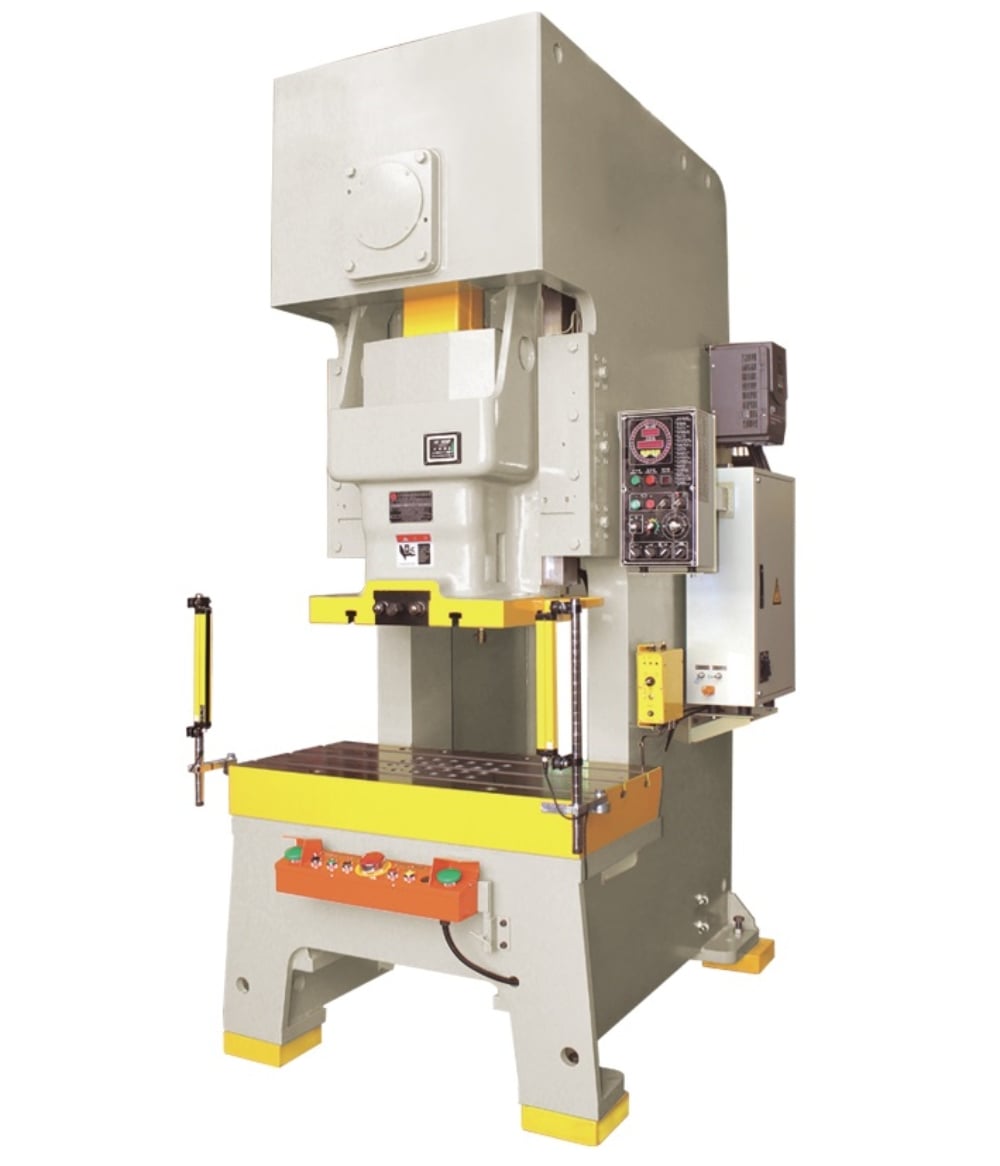
Machine A Overview: The Servo Punching Machine
The Servo Punching Machine represents the pinnacle of modern CNC punching technology. Unlike traditional systems, it utilizes a direct-drive or toggle-link mechanism powered by a high-torque AC servo motor. This configuration eliminates the need for complex hydraulic circuits or massive flywheels. The most significant advantage of this design is the ability to control the ram’s position, speed, and pressure with absolute precision at any point in the stroke. This is often referred to as “Ram Motion Control,” allowing the machine to perform not just simple punching, but also complex forming, hovering, ribbing, and even tapping operations with ease.
From an operational standpoint, the servo punching machine is remarkably quiet and clean. Because it lacks a hydraulic system, there are no risks of oil leaks, and the heat generation is significantly lower. The CNC interface allows operators to program specific profiles for different materials and thicknesses, optimizing the punch speed to prevent material deformation or excessive tool wear. This level of control is particularly beneficial for high-end electronics, aerospace components, and intricate architectural metalwork where surface finish and dimensional accuracy are paramount. Furthermore, the absence of a hydraulic cooling system reduces the machine’s overall footprint and simplifies the installation process.
Energy efficiency is perhaps the most cited benefit of the servo-drive system. In a typical fabrication environment, a punching machine spends a considerable amount of time in standby or during sheet positioning. A servo motor draws minimal current during these idle periods. When the punch is initiated, the motor delivers instantaneous torque, converting electrical energy into mechanical force with minimal loss. Studies have shown that servo punching machines can reduce energy consumption by up to 60% compared to hydraulic alternatives, making them a cornerstone of “Green Manufacturing” initiatives. For companies like HARSLE, integrating this technology is about providing a future-proof solution that balances high output with low operational costs.
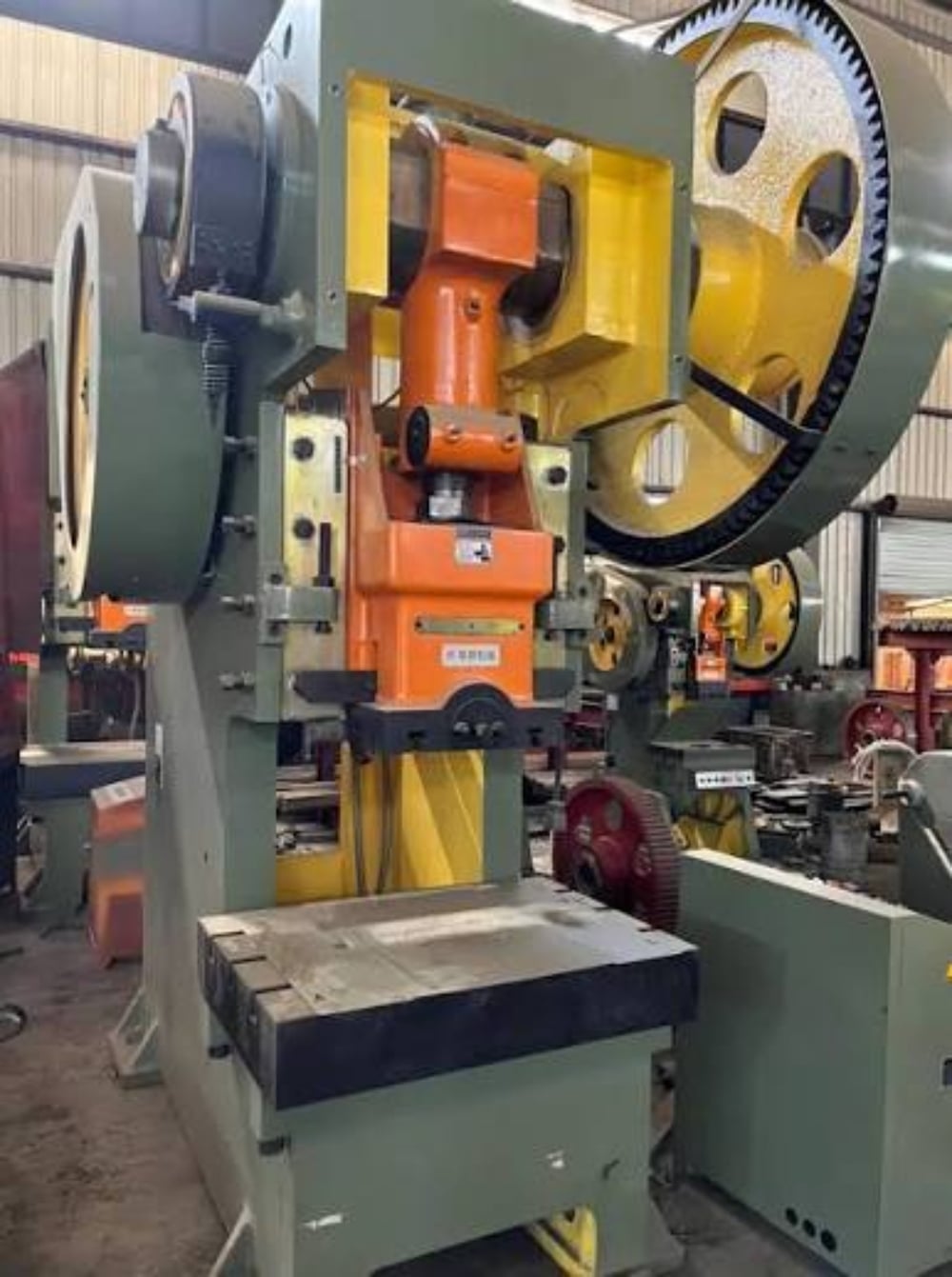
Machine B Overview: The Traditional Punching Machine
Traditional punching machines generally fall into two categories: mechanical (flywheel-driven) and hydraulic. Mechanical punching machines utilize a continuously spinning flywheel that stores kinetic energy. When the operator engages the clutch, this energy is transferred to a crankshaft that drives the ram downward. These machines are known for their high speed and “snappy” action, making them excellent for high-volume, simple punching tasks. However, they lack flexibility; the stroke length is fixed, and the force is delivered in a predetermined curve that cannot be adjusted mid-cycle. This makes them less suitable for delicate forming or materials that require a slower, more controlled penetration.
Hydraulic punching machines, on the other hand, use a motor-driven pump to pressurize oil, which then moves a cylinder to drive the ram. These machines offer more flexibility than mechanical presses because the stroke length and pressure can be adjusted. They are capable of delivering full tonnage at any point in the stroke, which is ideal for heavy-duty applications and thick plate processing. However, hydraulic systems are inherently inefficient. The pump must maintain pressure constantly, leading to significant energy waste and heat generation. This heat requires a cooling system (chiller), which consumes even more electricity and adds to the maintenance burden.
Despite their limitations, traditional machines remain relevant in specific industrial contexts. They are often more affordable in terms of initial capital expenditure, making them attractive for startups or shops with lower precision requirements. Mechanical presses are still favored for high-speed blanking of simple parts where the nuances of ram control are unnecessary. However, as global energy prices rise and environmental regulations tighten, the high operational costs and noise pollution associated with traditional machines are becoming increasingly difficult for modern enterprises to justify. Maintenance is also a significant factor, as hydraulic seals, valves, and mechanical clutches require frequent inspection and replacement to prevent downtime.
Specification Comparison Table
| Feature | Servo Punching Machine | Traditional (Hydraulic/Mechanical) |
|---|---|---|
| Drive Mechanism | AC Servo Motor (Direct or Toggle) | Hydraulic Pump or Flywheel/Clutch |
| Energy Consumption | Very Low (Power on demand) | High (Continuous motor/pump operation) |
| Precision & Repeatability | High (Micron-level CNC control) | Moderate (Affected by heat/wear) |
| Stroke Control | Fully Programmable (Variable speed/depth) | Fixed (Mechanical) or Limited (Hydraulic) |
| Noise Level | Low (Quiet operation) | High (Impact and pump noise) |
| Maintenance Requirements | Low (Fewer moving parts, no oil) | High (Oil changes, seals, clutch wear) |
| Forming Capabilities | Excellent (Ribbing, Tapping, Louvers) | Limited to Basic Punching |
| Heat Generation | Minimal | Significant (Requires cooling) |
Best-fit Applications: Choosing the Right Tool for the Job
The decision between servo and traditional technology often comes down to the specific nature of the work being performed. Servo punching machines are the undisputed kings of high-precision, multi-functional fabrication. They are best suited for industries such as telecommunications, medical equipment, and high-end consumer electronics. In these sectors, parts often require complex features like countersinking, louvering, and precise embossing. The ability of the servo ram to “hover” or move at varying speeds allows for these features to be created with high repeatability and without damaging the material surface. If your production involves thin to medium gauge sheets and requires high aesthetic quality, the servo machine is the optimal choice.
Conversely, traditional punching machines—specifically heavy-duty hydraulic models—still find their place in structural steel fabrication and heavy industrial manufacturing. When the primary goal is to punch large holes in thick plates (e.g., 10mm and above) where precision is secondary to raw power, a traditional hydraulic press can be a cost-effective workhorse. Mechanical presses remain viable for high-speed, repetitive blanking of simple washers or brackets where the complexity of a servo system would be underutilized. However, even in these sectors, the trend is shifting toward servo-hydraulic hybrids or high-tonnage full-servo machines as manufacturers seek to reduce their carbon footprint and improve workplace safety.
Another consideration is the variety of the product mix. If a shop handles a wide range of small-batch orders (High-Mix, Low-Volume), the quick setup and programmable nature of the servo punching machine provide a massive competitive advantage. The CNC can store thousands of programs, and the machine can switch between different material types and thicknesses with minimal manual adjustment. For shops that run the same part for weeks at a time (Low-Mix, High-Volume), the raw speed of a mechanical press might be tempting, but one must factor in the long-term energy costs and the potential for mechanical failure over millions of cycles.
Cost and Maintenance Comparison: ROI Analysis
When evaluating the cost of a punching machine, it is essential to look beyond the initial purchase price. A traditional punching machine typically has a lower upfront cost, which can be 20-30% less than a comparable servo model. For a small business with limited capital, this might seem like the safer bet. However, the Total Cost of Ownership (TCO) tells a different story. The energy savings alone from a servo machine can often pay back the price difference within 2 to 4 years, depending on local electricity rates and shift patterns. In high-production environments, the ROI is even faster.
Maintenance is another area where the servo machine excels. Traditional hydraulic machines require regular oil changes, filter replacements, and the monitoring of seals and hoses to prevent leaks. Mechanical machines require lubrication of the crankshaft and periodic adjustment or replacement of the clutch and brake units. These tasks represent both a direct cost (parts and labor) and an indirect cost (downtime). Servo machines, by contrast, have a much simpler mechanical structure. The AC servo motor is virtually maintenance-free, and the absence of a hydraulic system eliminates the most common source of machine failure. This leads to higher machine uptime and more predictable production schedules.
Furthermore, the impact on tooling costs should not be ignored. Traditional machines, especially mechanical ones, deliver a harsh impact to the tool and the material. This “shock” accelerates tool wear and can lead to micro-cracking in sensitive materials. Servo machines can be programmed to decelerate just before the punch contacts the material (the “soft-punch” effect), which significantly extends the life of expensive punches and dies. Over several years, the savings in tooling can amount to thousands of dollars, further tilting the financial scales in favor of servo technology.
Recommendation: Why HARSLE Favors Servo Technology
Based on our extensive experience in the metal fabrication industry, HARSLE strongly recommends the Servo Punching Machine for most modern manufacturing applications. The combination of precision, energy efficiency, and versatility makes it a superior investment for companies looking to remain competitive in a global market. While the initial investment is higher, the long-term benefits—including lower utility bills, reduced maintenance, better part quality, and the ability to take on more complex projects—far outweigh the starting costs. The servo machine is not just a tool; it is a strategic asset that enhances the overall efficiency of the production floor.
However, we also recognize that every business has unique needs. If your operations are centered on extremely heavy-duty plate processing where high-precision forming is not required, a robust hydraulic machine from HARSLE’s traditional line may still serve you well. Our team of experts is dedicated to helping you analyze your production data, material requirements, and growth projections to select the machine that offers the best balance of performance and value. Whether you choose the cutting-edge servo technology or a reliable traditional press, HARSLE ensures that every machine is built to the highest standards of durability and supported by our global service network.
Frequently Asked Questions (FAQ)
1. Is a servo punching machine faster than a mechanical one?
In terms of pure hits-per-minute on a fixed grid, a high-speed mechanical press can be faster. However, when you factor in the time saved on setup, the ability to perform complex forming in a single station, and the faster sheet positioning of modern CNC servo systems, the overall throughput of a servo machine is often higher for complex parts.
2. How much energy can I really save with a servo machine?
On average, users report energy savings between 40% and 60% compared to traditional hydraulic machines. This is because the servo motor only draws significant power during the actual punching stroke, whereas hydraulic pumps run continuously to maintain pressure.
3. Can a servo punching machine handle thick materials?
Yes, modern servo punching machines are available in various tonnages (typically 20 to 30 tons or more) and can easily handle standard sheet metal thicknesses up to 6mm or more, depending on the model. For extremely thick plates (12mm+), heavy-duty hydraulic machines are still commonly used.
4. Does the lack of oil in a servo machine affect its lifespan?
Quite the opposite. The absence of hydraulic oil eliminates issues related to oil contamination, overheating, and seal degradation. The mechanical components of a servo machine are designed for high-cycle durability and require standard lubrication, leading to a very long and reliable service life.
5. Is it harder to train operators for a servo punching machine?
While the CNC interface is more advanced, it is also more intuitive. Modern HARSLE CNC systems feature graphical interfaces and pre-programmed libraries that make it easier for operators to set up jobs compared to the manual adjustments often required on older traditional machines.
6. What is the “Soft Punch” feature?
The “Soft Punch” is a programmable feature in servo machines where the ram slows down just before hitting the material. This reduces noise, minimizes material deformation, and significantly extends the life of the punching tools by reducing the impact shock.












