
Punching Machine for Steel Plates vs Punching Machine for Aluminum: What’s the Difference?


Comparison Summary: Punching Machine Steel Plates Vs Punching Machine Aluminum: ’s Difference?
In the world of metal fabrication, selecting the right equipment is the cornerstone of operational efficiency and product quality. When discussing the Punching Machine Steel Plates Vs Punching Machine Aluminum: ’s Difference?, we are essentially looking at the intersection of mechanical force and material science. Steel and aluminum possess vastly different physical properties—ranging from tensile strength and hardness to ductility and thermal conductivity—which dictate how a punching machine must be configured to process them effectively.
Steel, particularly high-carbon or stainless variants, requires immense tonnage and a rigid machine frame to overcome its high shear resistance. Conversely, aluminum is a softer, more ductile metal that demands high-speed precision and specialized surface protection to prevent marring or material adhesion to the tools. While a versatile CNC turret punch press can often handle both materials, the internal settings, tooling geometry, and maintenance protocols vary significantly between the two. Understanding these nuances is critical for manufacturers looking to optimize their production lines and extend the lifespan of their HARSLE machinery.
The primary difference lies in the ‘punching energy’ versus ‘punching speed’ trade-off. Steel punching is a battle of strength, where the machine must withstand high shock loads. Aluminum punching is a battle of finesse, where the machine must operate quickly while managing the ‘galling’ effect—a phenomenon where aluminum particles fuse to the punch tip due to heat and pressure. This guide provides an in-depth analysis of these differences to help you make an informed procurement decision.
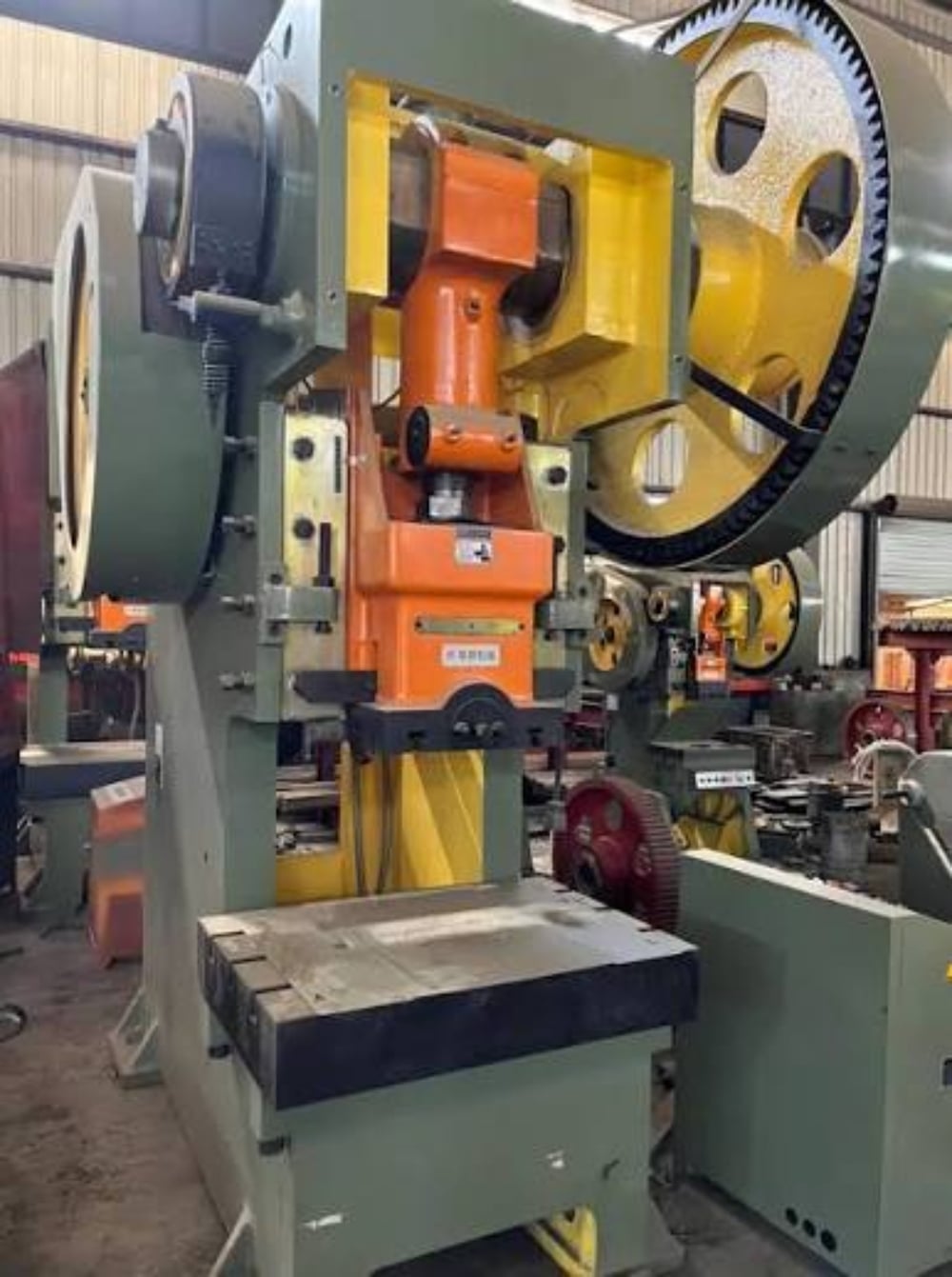
Punching Machine for Steel Plates: Power and Rigidity
When designing or selecting a punching machine for steel plates, the foremost consideration is tonnage. Steel has a high shear strength, meaning the machine must exert significant force to ‘fracture’ the material and create a clean hole. For thick steel plates, hydraulic punching machines are the industry standard. These machines utilize high-pressure hydraulic cylinders to deliver consistent force throughout the stroke, ensuring that even the toughest alloys are pierced without stalling the motor or damaging the frame.
The structural integrity of the machine frame is another critical factor. Steel punching generates massive ‘breakthrough shock.’ When the punch finally shears through the steel, the stored energy in the frame is released instantly, causing a vibration that can lead to premature wear of the machine components. To combat this, machines intended for steel plates are built with heavy-duty C-frames or closed O-frames made of high-tensile cast iron or welded steel plates that have been stress-relieved. This rigidity ensures that the punch and die remain perfectly aligned, even under maximum load.
Tooling for steel must be exceptionally hard. High-speed steel (HSS) or premium tool steels with specialized coatings are used to resist the abrasive nature of steel. Furthermore, the ‘clearance’—the gap between the punch and the die—is typically larger for steel than for aluminum. A general rule for steel is a clearance of 15% to 20% of the material thickness. If the clearance is too tight, the machine requires more force and the tools wear out faster; if it is too loose, the resulting hole will have excessive burrs and a large ‘roll-over’ zone.
Heat management is also a concern when punching steel. The friction generated during the high-force stroke can heat the tools significantly. While steel doesn’t stick to the tools as easily as aluminum, the heat can draw the temper out of the tool steel, making it softer and prone to dulling. Therefore, heavy-duty steel punching often involves the use of heavy-duty lubricants or cooling systems to maintain tool longevity during long production runs.
Punching Machine for Aluminum: Speed and Surface Integrity
Punching aluminum presents a different set of challenges. While aluminum requires much less tonnage than steel—often 30% to 50% less for the same thickness—it is highly prone to ‘galling.’ Because aluminum is soft and has a relatively low melting point, the heat generated during the punching process can cause the aluminum to literally weld itself to the sides of the punch. This buildup changes the dimensions of the punch, leads to poor hole quality, and can eventually cause the punch to get stuck in the material.
To prevent this, punching machines for aluminum are often optimized for high-speed operation. Faster stroke rates reduce the contact time between the tool and the material, which can help minimize heat transfer. More importantly, these machines are equipped with sophisticated lubrication systems, such as Micro-Quantity Lubrication (MQL). MQL delivers a fine mist of oil directly to the punch tip and the material surface, providing just enough lubrication to prevent sticking without drenching the workpiece in oil, which is vital for industries like electronics or aerospace where cleanliness is paramount.
The tooling geometry for aluminum is also distinct. Punches often feature a ‘shear’ or an angled face to reduce the initial impact force and help ‘slice’ through the soft metal. The clearance for aluminum is much tighter than for steel, usually ranging from 10% to 12% of the material thickness. Because aluminum is ductile, a tight clearance is necessary to achieve a clean, shear-cut edge with minimal deformation. If the clearance is too wide, the aluminum will simply stretch into the die, creating a ‘flange’ rather than a clean hole.
Surface protection is the final piece of the aluminum punching puzzle. Aluminum is often used for aesthetic purposes (e.g., architectural panels or appliance covers). Punching machines for aluminum frequently utilize brush tables rather than ball-transfer tables to prevent scratching the soft surface of the sheets. Additionally, the stripping mechanism—the part of the machine that holds the sheet down while the punch retracts—must be designed with non-marring materials or specialized pads to ensure the finished product remains pristine.
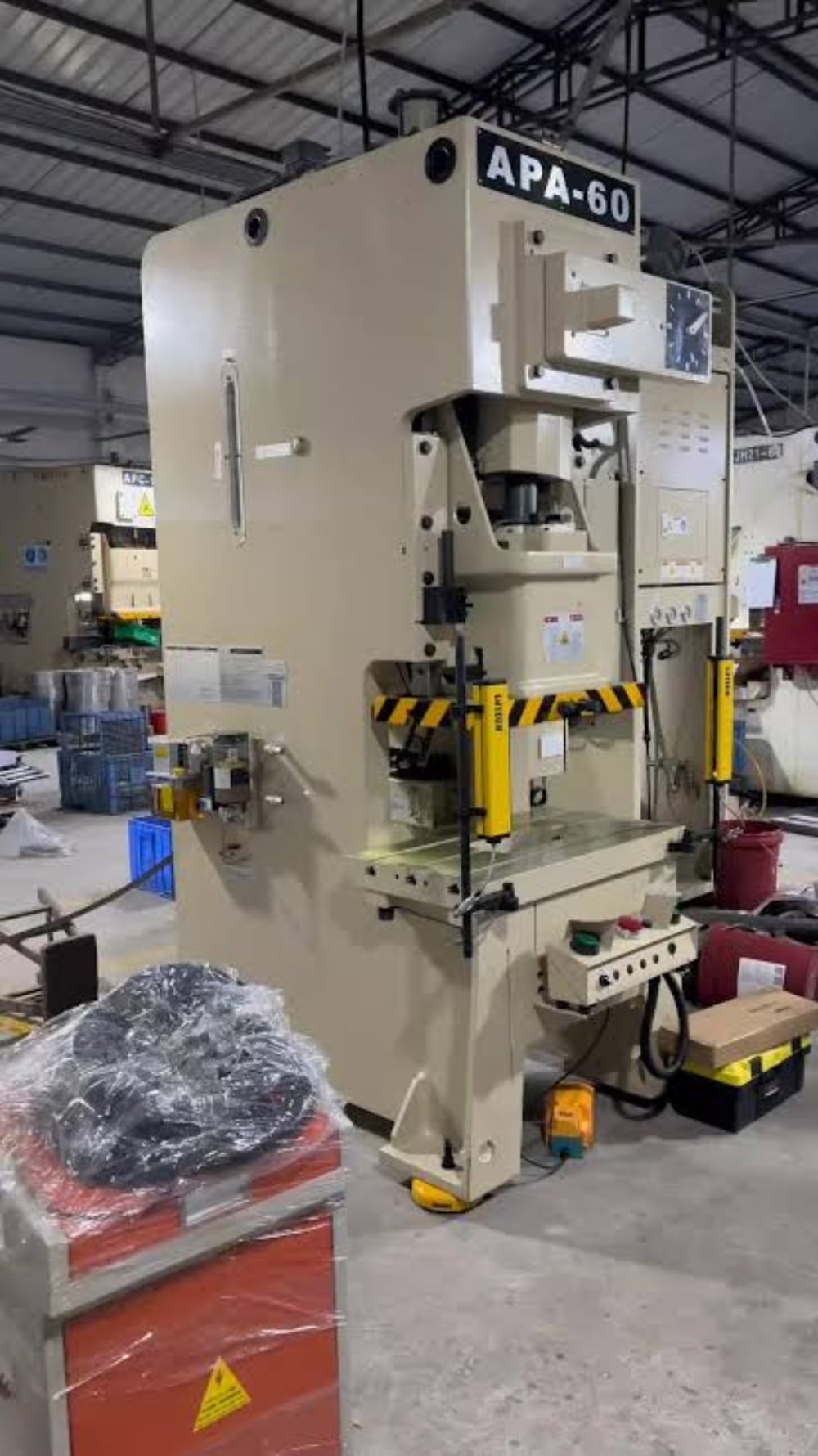
Technical Specification Comparison Table
To better understand the Punching Machine Steel Plates Vs Punching Machine Aluminum: ’s Difference?, the following table outlines the key technical variances between the two setups.
| Feature | Steel Plate Punching | Aluminum Sheet Punching |
|---|---|---|
| Required Tonnage | High (e.g., 30-100+ Tons) | Low to Medium (e.g., 10-30 Tons) |
| Stroke Speed | Moderate (Focus on force) | High (Focus on productivity) |
| Tooling Clearance | 15% – 20% of thickness | 10% – 12% of thickness |
| Lubrication Type | Heavy oil or dry (for thin sheets) | MQL (Micro-Quantity Lubrication) |
| Table Surface | Steel balls or hardened rollers | Nylon brushes or urethane rollers |
| Tool Coating | TiAlN (Titanium Aluminum Nitride) | CrN (Chromium Nitride) or DLC |
| Common Frame Type | Heavy O-Frame / Hydraulic | C-Frame or O-Frame / Servo-Electric |
Best-fit Applications for Each Machine Type
The choice between a steel-optimized and an aluminum-optimized punching machine often depends on the end-use industry. Steel punching machines are the workhorses of the heavy industrial sector. You will find them in shipyards, bridge construction, and automotive chassis manufacturing. In these environments, the ability to punch through 10mm or 20mm thick structural steel with precision is non-negotiable. These machines are built for 24/7 operation in rugged conditions where the primary goal is structural integrity and high-volume output of heavy components.
Aluminum punching machines, on the other hand, dominate the light manufacturing and high-tech sectors. The aerospace industry relies heavily on aluminum for its strength-to-weight ratio, requiring punching machines that can handle thin-gauge alloys with extreme precision and zero surface defects. Similarly, the electronics industry uses aluminum for heat sinks, enclosures, and chassis. Here, the speed of the CNC turret punch is a major advantage, allowing for the rapid creation of complex hole patterns and ventilation grilles that would be too slow to produce on a traditional steel-focused machine.
Architectural fabrication is another area where aluminum machines shine. Perforated aluminum panels used for building facades require thousands of holes per sheet. A high-speed aluminum punching machine with a brush table ensures that these panels are produced quickly and remain scratch-free, ready for anodizing or powder coating. In contrast, using a heavy-duty steel punch for such a task would be inefficient, as the slower stroke rate and potential for surface marring would increase production costs and reject rates.
Cost and Maintenance Comparison
When evaluating the Punching Machine Steel Plates Vs Punching Machine Aluminum: ’s Difference?, one must consider the long-term total cost of ownership (TCO). Steel punching machines generally have a higher initial capital cost if they are high-tonnage hydraulic models. However, their maintenance often focuses on the hydraulic system—seals, oil filters, and pump health. The tooling for steel is subject to high wear, meaning frequent sharpening or replacement of punches and dies is a significant operational expense. If the machine is not properly maintained, the vibration from steel punching can also loosen fasteners and affect the calibration of the CNC backgauge.
Aluminum punching machines might have a lower initial cost in terms of tonnage, but they often feature more expensive servo-electric drive systems and sophisticated software for high-speed nesting. The maintenance focus here is on the lubrication system and the cleanliness of the machine. Because aluminum dust and chips are light, they can easily migrate into the machine’s guide rails and ball screws, acting as an abrasive if not cleaned regularly. Tooling costs for aluminum can also be high, not because of wear, but because of the need for specialized coatings like DLC (Diamond-Like Carbon) to prevent galling.
Energy consumption is another point of divergence. Modern servo-electric punching machines, which are excellent for aluminum, consume significantly less power than traditional hydraulic machines used for steel. They only draw power during the actual stroke, whereas hydraulic systems often require the motor to run continuously to maintain pressure. For a facility focused on aluminum, the energy savings over five years can be substantial. However, for heavy steel plates, the raw power of hydraulics remains the most cost-effective way to achieve the necessary punching force.
Recommendation: How to Choose the Right Machine
Choosing between a machine optimized for steel or aluminum depends on your current production mix and your future growth strategy. If your workshop primarily handles structural components, heavy machinery parts, or thick plate fabrication, a high-tonnage hydraulic punching machine with a rigid O-frame is the correct investment. Look for features like adjustable stroke length and heavy-duty tool holders that can withstand the rigors of high-carbon steel processing.
If your business is moving toward high-speed fabrication of enclosures, signage, or aerospace components, a servo-electric CNC turret punch press optimized for aluminum is the better choice. Prioritize machines with high hit rates (strokes per minute), brush tables to protect material finishes, and an integrated MQL system. These features will ensure that you can produce high-quality aluminum parts at a competitive price point without the headaches of material galling or surface scratches.
For many job shops, the reality is a mix of both materials. In this case, the recommendation is to opt for a versatile CNC turret punch press with a mid-range tonnage (e.g., 30 tons). Ensure the machine has a programmable ‘auto-lube’ feature and that you invest in two separate sets of tooling: one with larger clearances and tough coatings for steel, and another with tight clearances and anti-galling coatings for aluminum. By switching the tooling and the machine’s parameters (like hit rate and lubrication frequency) based on the material, you can effectively use one HARSLE machine to serve both markets.
Frequently Asked Questions (FAQ)
1. Can I use the same punch and die for both steel and aluminum?
Technically, you can, but it is not recommended. Steel requires a larger clearance (15-20%) to prevent excessive tool wear and machine strain, while aluminum requires a tighter clearance (10-12%) to prevent the material from being pulled into the die. Using the same tools will result in poor hole quality on one or both materials and will significantly shorten the life of your tooling.
2. Why does my aluminum keep sticking to the punch?
This is known as galling. It happens because the heat of the punching process causes the soft aluminum to bond to the tool. To fix this, ensure you are using a proper lubricant (MQL), check that your punch is polished and coated (e.g., with Chromium Nitride), and consider increasing the speed of the stroke to reduce heat transfer time.
3. Is a hydraulic or servo-electric machine better for steel?
For very thick steel plates (over 6mm), hydraulic machines are generally preferred because they can deliver high force consistently throughout the stroke. For thinner steel sheets (under 3mm), a servo-electric machine offers better precision and energy efficiency, though it may have a lower maximum tonnage capacity.
4. How often should I sharpen tools when punching steel?
Tooling for steel should be inspected every 10,000 to 50,000 hits, depending on the hardness of the steel and the thickness of the plate. Once you notice a significant increase in the ‘burr’ height on the bottom of the hole, it is time to sharpen the tools. Regular sharpening (removing only 0.1mm to 0.2mm) is better than waiting until the tool is severely dulled.
5. Do I need a special table for aluminum punching?
Yes, if surface finish is important. Aluminum is easily scratched by the steel balls used in standard transfer tables. A brush table is highly recommended for aluminum to provide a soft, supportive surface that prevents scratches and keeps the material clean during high-speed movement.


