Punching Machine vs Plasma Cutting Machine: Which Is Better for Metal Hole Processing?


Comparison Summary: The Great Debate in Metal Hole Processing
In the world of metal fabrication, creating precise holes is a fundamental requirement for everything from structural steel beams to delicate electronic enclosures. When manufacturers evaluate their production lines, the debate often centers on Punching Machine Vs Plasma Cutting Machine: Which Is Better Metal Hole Processing? Both technologies offer distinct advantages, but the ‘better’ choice depends entirely on material thickness, production volume, hole geometry, and budget constraints.
A CNC punching machine operates on a mechanical or hydraulic principle, using a hardened steel punch and die to physically shear a hole through the metal. It is the king of speed for thin to medium-gauge materials and repetitive patterns. On the other hand, a plasma cutting machine uses a high-velocity jet of ionized gas (plasma) to melt and blow away material. This thermal process is incredibly versatile, capable of cutting through thick plates that would break a mechanical punch. While punching is about force and precision in repetition, plasma is about flexibility and raw power.
Choosing between these two requires a deep dive into the physics of the cut, the cost of consumables, and the long-term maintenance of the equipment. In this guide, we will break down the technical specifications, operational costs, and best-fit scenarios for both HARSLE punching machines and high-definition plasma systems to help you make an informed investment decision for your workshop.
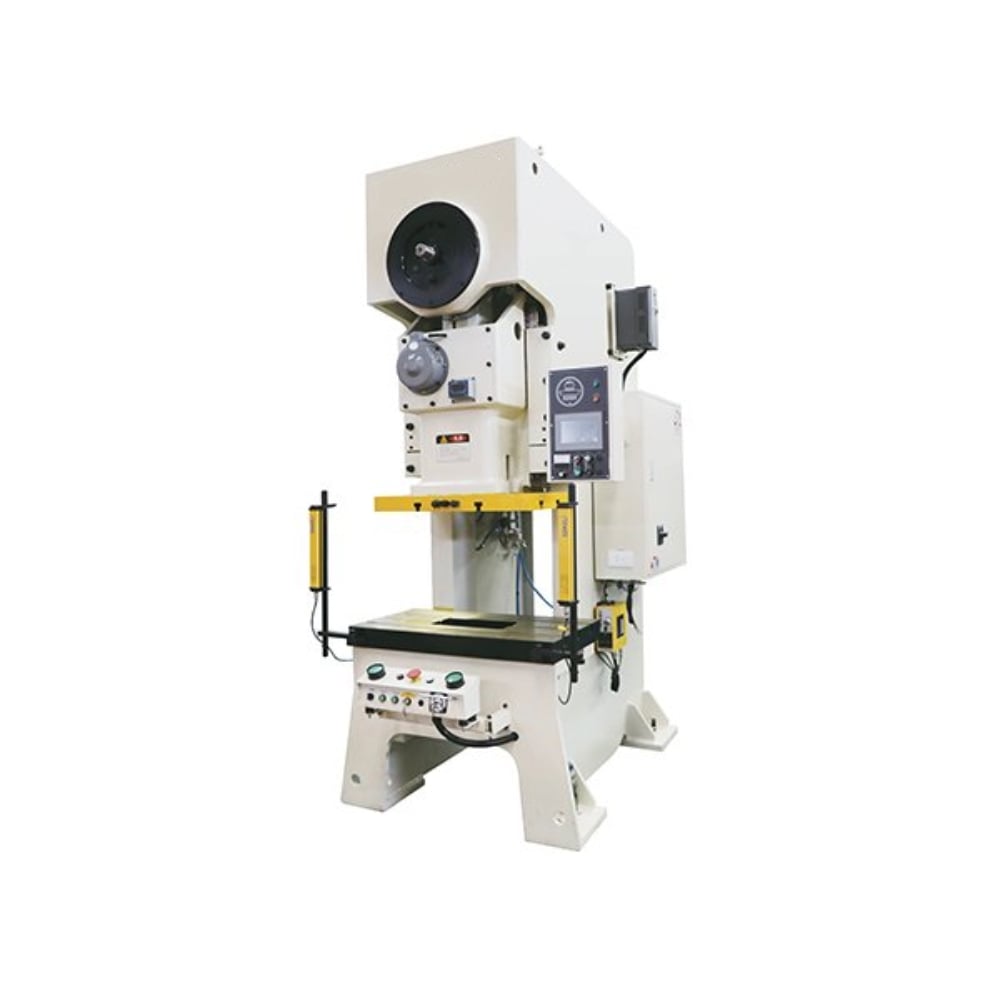
Punching Machine Overview: Precision and Speed
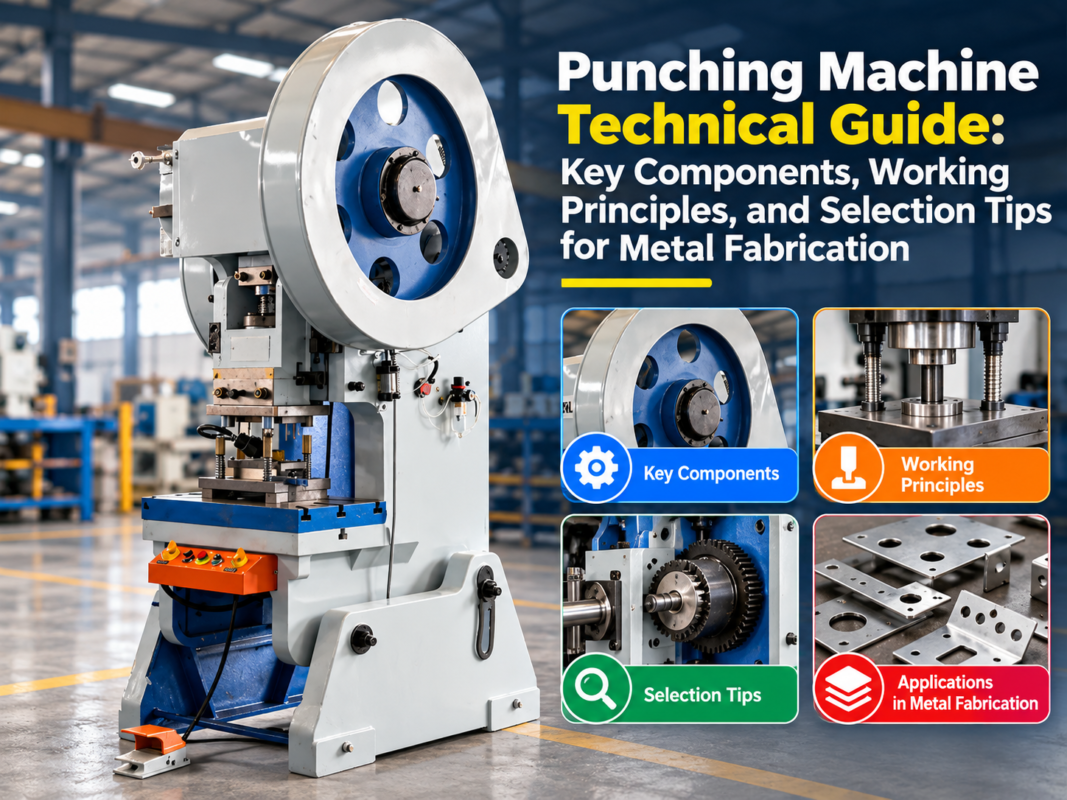
The CNC punching machine, particularly the turret punch press, is a staple in sheet metal shops worldwide. The process involves a reciprocating ram that drives a punch through the workpiece into a matching die. This action creates a hole by shearing the metal. Because the process is mechanical, it is incredibly fast—modern CNC punching machines can achieve hundreds of hits per minute, making them the undisputed champions for high-volume production of perforated sheets or standard hole patterns.
One of the primary advantages of a punching machine is the edge quality on thin materials. When the clearance between the punch and die is correctly set, the resulting hole is clean, consistent, and requires minimal deburring. Furthermore, punching machines are not limited to just holes; they can perform forming operations such as louvering, ribbing, countersinking, and even threading (tapping) within the same cycle. This multi-functionality reduces the need for secondary processes, streamlining the entire fabrication workflow.
However, punching machines have physical limits. They are generally restricted to materials under 6mm or 8mm in thickness, depending on the machine’s tonnage. Attempting to punch very thick plate requires massive amounts of force, which can lead to rapid tool wear or catastrophic failure of the punch. Additionally, the shape of the hole is dictated by the tooling. If you need a custom or irregular shape, you must either have a custom tool made or use a ‘nibbling’ process, which is slower and leaves a scalloped edge that requires grinding.
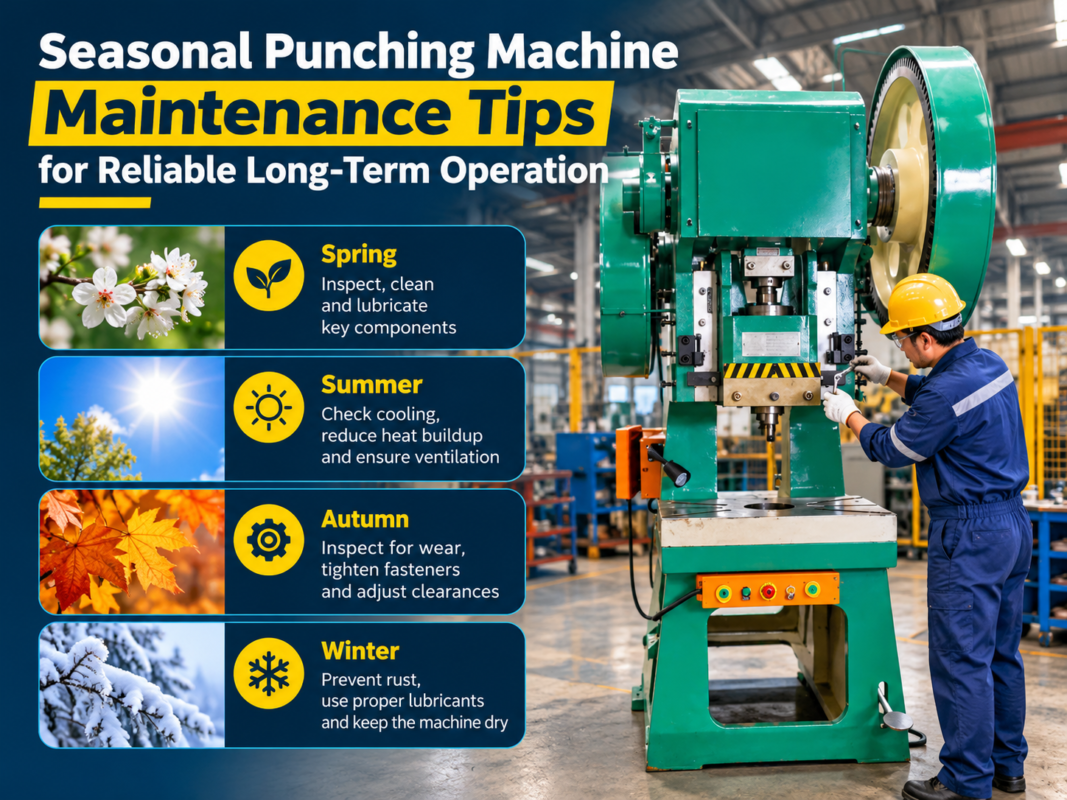
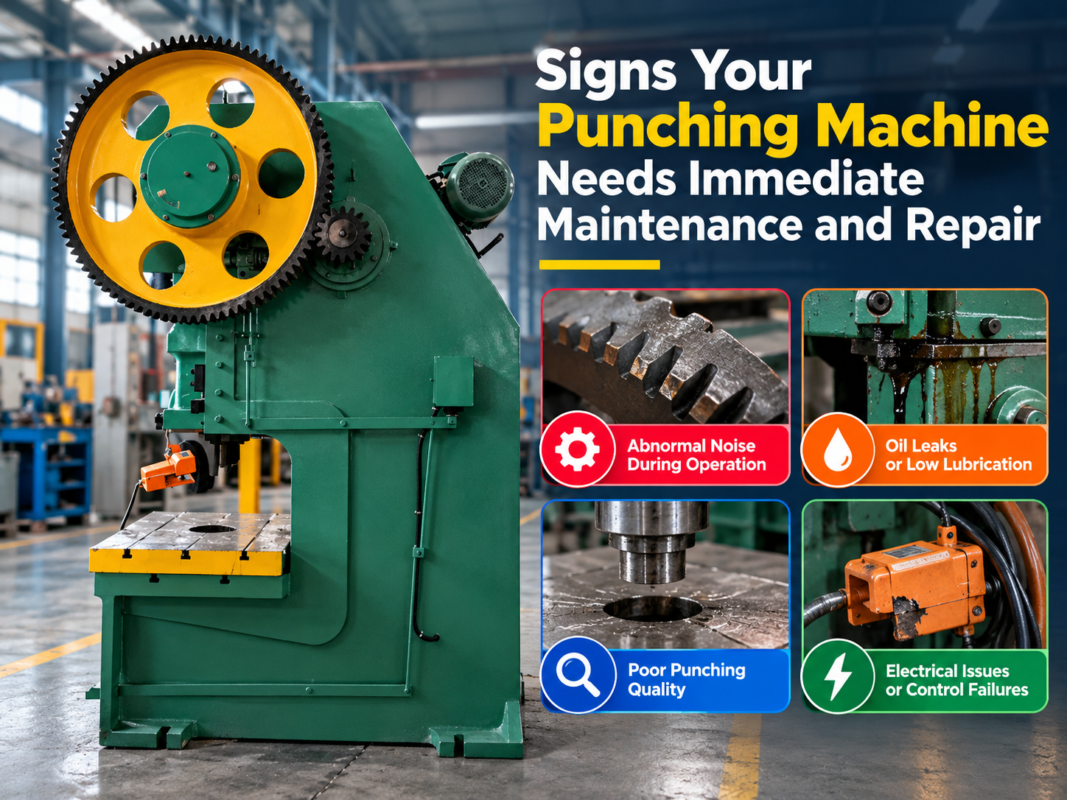
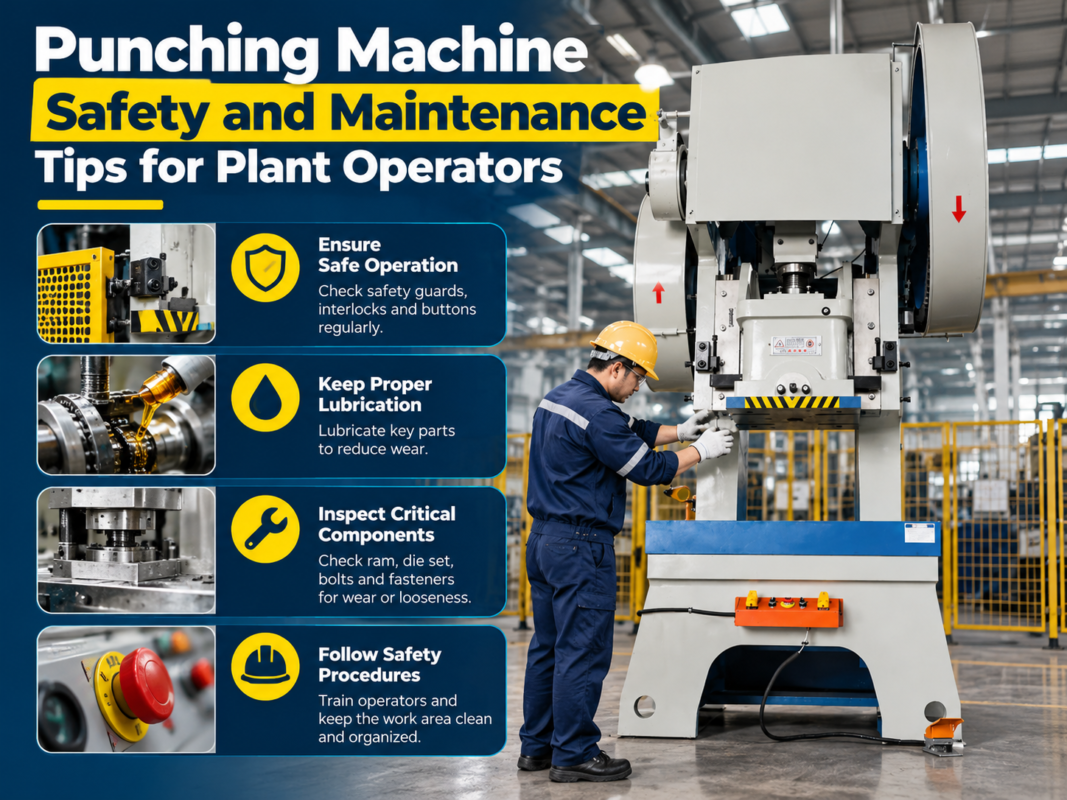
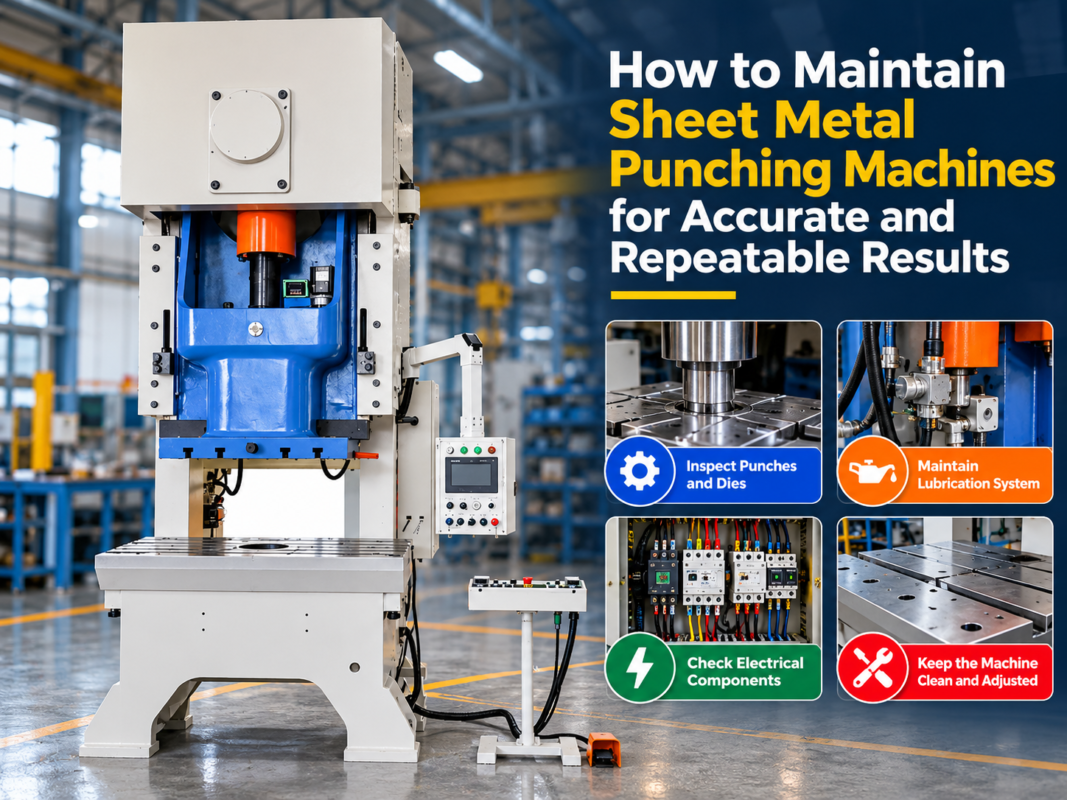
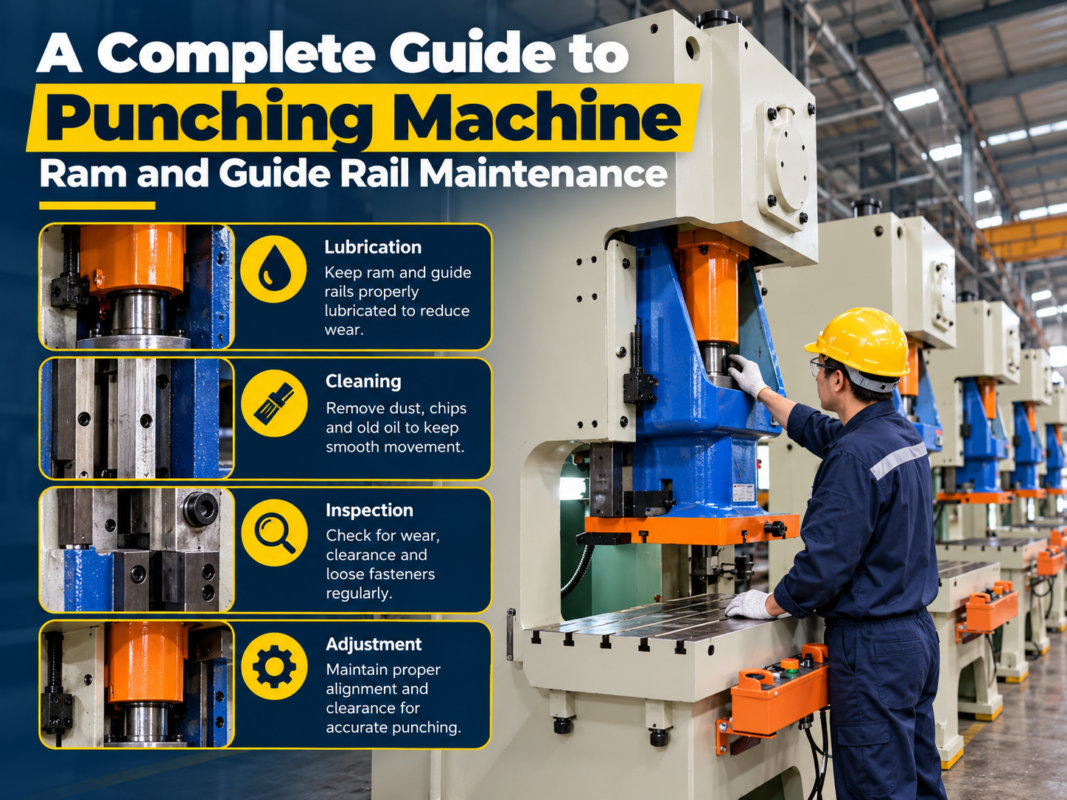
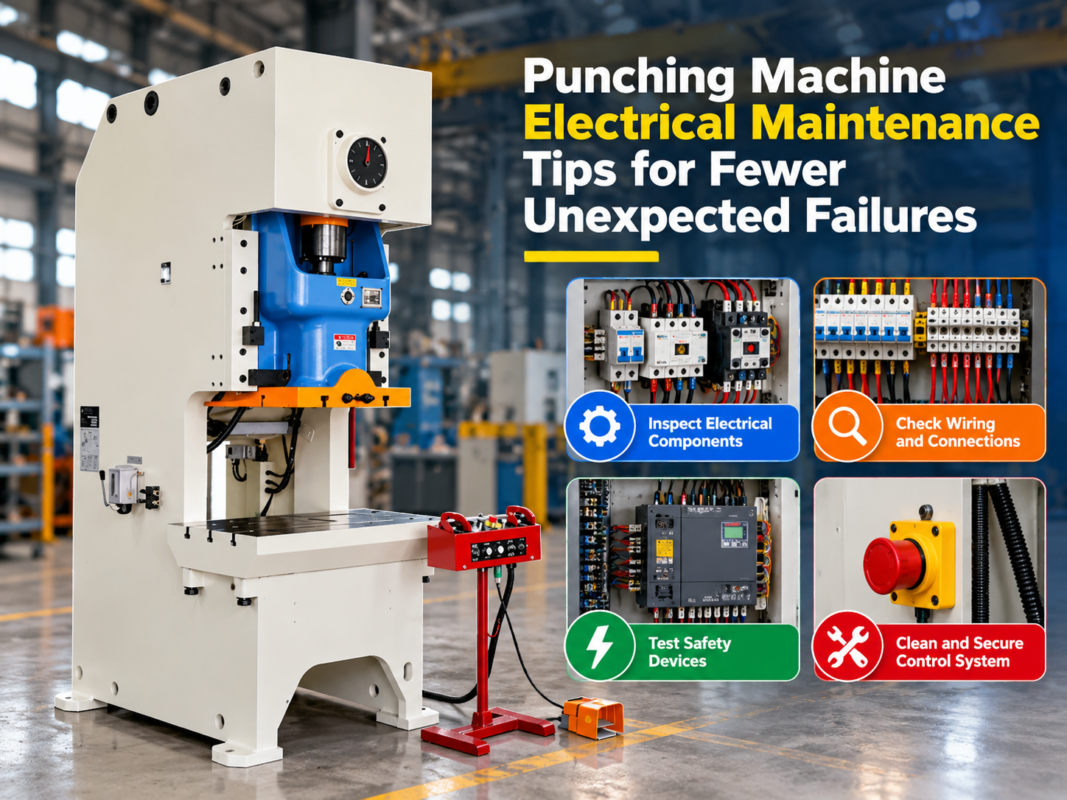
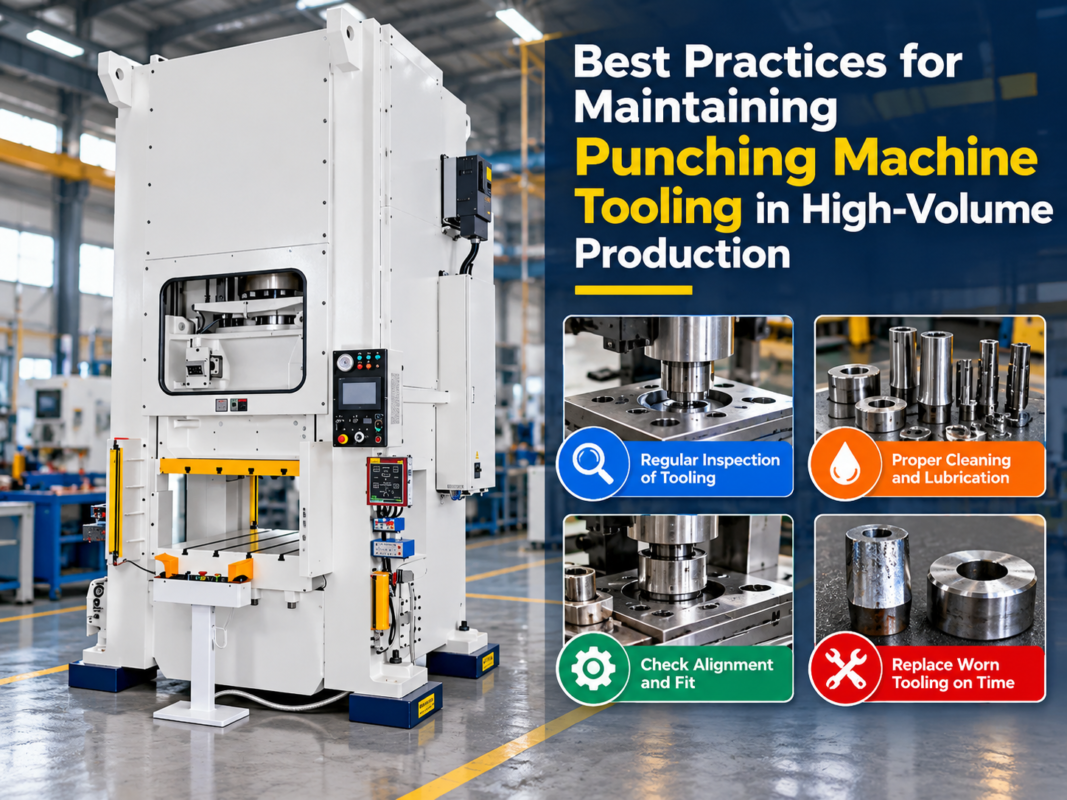
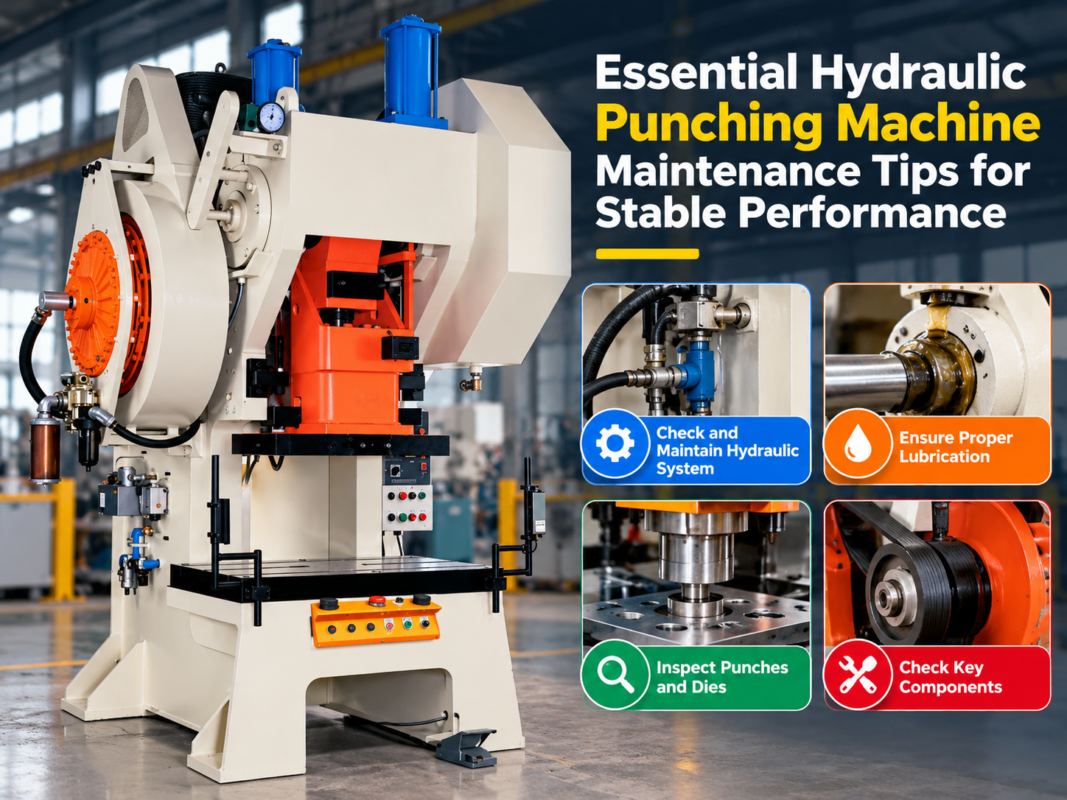
Maintenance for punching machines focuses heavily on tool management. Punches must be sharpened regularly to maintain cut quality and prevent excessive burr formation. The hydraulic systems or servo-electric drives also require routine inspections to ensure the ram’s striking force remains consistent. For shops focusing on high-speed production of cabinets, panels, and brackets, the punching machine remains the most efficient tool in the arsenal.
Plasma Cutting Machine Overview: Versatility and Power
Plasma cutting technology has evolved significantly with the advent of High-Definition (HD) plasma. The process works by sending an electric arc through a gas (like nitrogen, oxygen, or shop air) passing through a constricted copper nozzle. This increases the gas temperature to the point where it enters a fourth state of matter—plasma. This plasma jet melts the metal and blows the molten material away, creating a kerf. When it comes to Punching Machine Vs Plasma Cutting Machine: Which Is Better Metal Hole Processing?, plasma wins on versatility every time.
The most significant advantage of plasma cutting is its ability to handle thick materials. While a punch might struggle with 10mm steel, a plasma cutter can effortlessly slice through 25mm, 50mm, or even thicker plates. This makes it the go-to choice for heavy industrial applications, such as shipbuilding, construction equipment manufacturing, and structural steel fabrication. Furthermore, because the plasma torch is controlled by a CNC path rather than a fixed die, it can cut any shape imaginable without the need for expensive custom tooling.
Modern plasma systems, especially those equipped with ‘True Hole’ or similar technologies, have significantly improved the quality of hole processing. Historically, plasma-cut holes suffered from a ‘taper’—where the bottom of the hole was narrower than the top—and a Heat-Affected Zone (HAZ) that hardened the edges. Today’s high-end plasma machines use sophisticated gas flow control and motion software to minimize taper, producing holes that are bolt-ready for many structural applications.
However, plasma cutting is generally slower than punching for small, repetitive holes in thin sheet metal. It also involves higher consumable costs, as nozzles, electrodes, and shields must be replaced frequently to maintain cut quality. The thermal nature of the process also means that thin materials may warp due to heat distortion, a problem that mechanical punching avoids entirely. For a shop that deals with a wide variety of plate thicknesses and complex geometries, the plasma cutter offers a level of flexibility that a punch press cannot match.
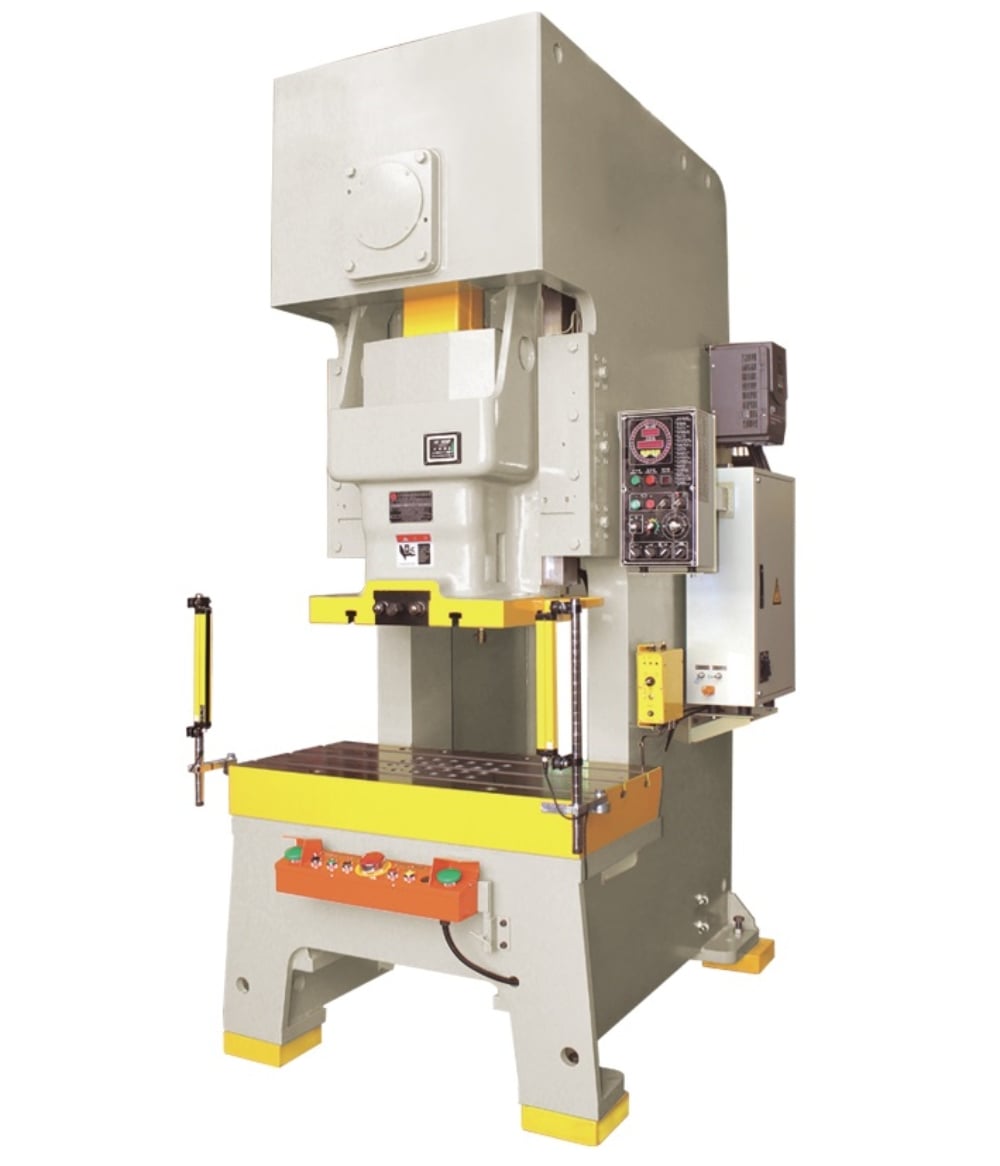
Specification Comparison Table
To better understand the trade-offs between these two technologies, let’s look at a direct comparison of their technical capabilities and operational characteristics.
| Feature | CNC Punching Machine | Plasma Cutting Machine (HD) |
|---|---|---|
| Material Thickness | Best for 0.5mm – 6.35mm | Best for 3mm – 50mm+ |
| Processing Speed | Extremely High (Hits per minute) | Moderate (Inches per minute) |
| Hole Quality | Excellent (Sheared edge) | Good (Slight taper/HAZ) |
| Shape Flexibility | Limited to Tooling/Nibbling | Unlimited (CNC Path) |
| Tooling Cost | High (Punches and Dies) | Low (Nozzles/Electrodes) |
| Secondary Operations | Forming, Tapping, Louvers | Cutting only |
| Heat Distortion | None (Mechanical) | Present (Thermal) |
| Initial Investment | Moderate to High | Moderate to High |
Best-fit Applications: Where Each Machine Shines
Identifying the right machine starts with analyzing your product mix. If your facility primarily produces electrical boxes, HVAC ductwork, or lighting fixtures, the Punching Machine is likely your best bet. These products often require hundreds of small, identical holes and forming operations like knockouts or louvers. The speed of a turret punch press in these scenarios is unbeatable. A punch can complete a complex perforated panel in seconds, whereas a plasma cutter would take minutes and potentially warp the thin sheet with excessive heat.
Conversely, if you are fabricating heavy-duty components like base plates for buildings, parts for agricultural machinery, or thick flanges, the Plasma Cutting Machine is the superior choice. In these industries, material thickness often exceeds 10mm, making punching impractical or impossible. The plasma cutter’s ability to transition from cutting a large outer profile to a series of bolt holes in a single program—without changing tools—provides a massive boost to productivity for heavy plate work.
There is also a middle ground where both machines can coexist. Some advanced fabrication centers utilize ‘Punch-Plasma’ combination machines. These hybrid systems feature a punching head for high-speed hole creation and forming, alongside a plasma torch for cutting complex outer contours in thicker materials. While more expensive, these machines offer the ultimate versatility for shops that don’t want to choose between the two technologies.
Cost and Maintenance Comparison
The financial implications of choosing a Punching Machine Vs Plasma Cutting Machine: Which Is Better Metal Hole Processing? extend far beyond the initial purchase price. Operating costs are a critical factor in long-term profitability. For punching machines, the primary ongoing cost is tooling. High-quality punches and dies are expensive, and a diverse tool library can represent a significant investment. However, these tools can be sharpened many times, spreading the cost over thousands of hits. The electricity consumption of a modern servo-electric punch is also remarkably low compared to thermal cutting methods.
Plasma cutting machines have a different cost structure. The ‘tooling’ (nozzles and electrodes) is relatively cheap individually but is consumed rapidly. Depending on the amperage and material, a nozzle might only last a few hours of arc-on time. Additionally, plasma cutting requires industrial gases (Oxygen, Nitrogen, Argon-Hydrogen), which add to the hourly operating cost. Maintenance for plasma machines also involves managing the cutting table—cleaning out dross and replacing the slats that support the metal plates, which are gradually destroyed by the plasma arc.
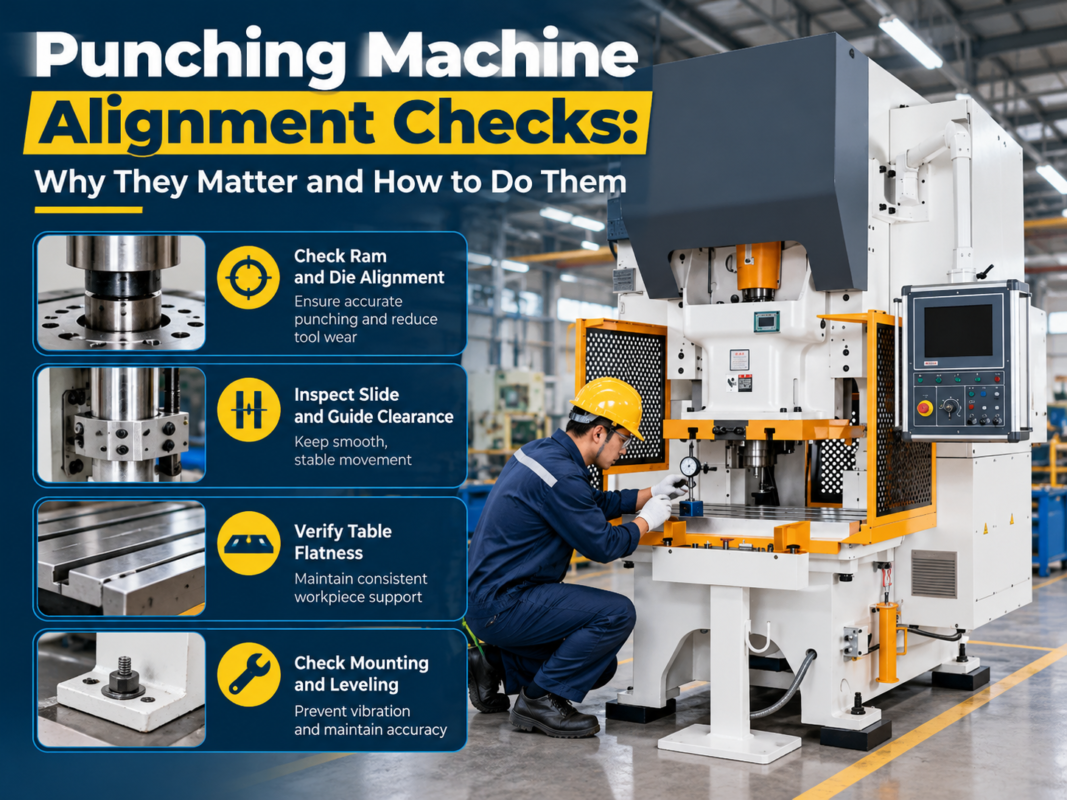
From a maintenance perspective, punching machines require precision alignment. If the turret or the ram becomes misaligned, tool wear increases exponentially, and part quality drops. Plasma machines require clean, dry air and stable power to prevent premature consumable failure. In terms of labor, CNC punching often requires more intensive setup time to load the correct tools into the turret, while plasma setup is largely software-based, requiring less physical intervention between different jobs.
Recommendation: How to Choose the Right Machine
So, which is better for your metal hole processing needs? The answer lies in three key questions: How thick is your material? How many holes do you need to make? And do you need forming capabilities?
- Choose a Punching Machine if: You work mostly with sheet metal under 6mm, your designs involve repetitive hole patterns, you need high-speed production, and you require secondary features like louvers, tabs, or countersinks. The precision and speed of a HARSLE CNC punch will provide the lowest cost-per-part in these conditions.
- Choose a Plasma Cutting Machine if: You frequently work with plates thicker than 6mm, your parts have complex or ever-changing geometries, and you need a machine that can handle a wide range of material types and thicknesses without a massive investment in physical tooling.
For many growing shops, the decision isn’t always ‘either/or.’ Starting with a versatile plasma cutter allows you to take on a wide variety of work. As you identify high-volume sheet metal contracts, adding a dedicated CNC punching machine can then optimize those specific lines for maximum profit. Always consider the ‘Total Cost of Ownership,’ including electricity, gas, tooling, and the labor required for deburring or secondary cleaning.
Frequently Asked Questions (FAQ)
1. Can a plasma cutter produce holes as accurately as a punching machine?
Generally, no. A punching machine produces a hole with a very tight tolerance and a straight edge. While High-Definition plasma has improved significantly, there is usually a slight taper (1-3 degrees) and a Heat-Affected Zone. However, for most structural and heavy industrial applications, plasma-cut holes are perfectly acceptable.
2. Which machine is faster for perforated sheets?
The punching machine is significantly faster for perforated sheets. A CNC punch can strike multiple times per second, whereas a plasma torch must ‘pierce’ the metal for every single hole, which takes time, and then move along a path. For thousands of small holes, the punch is the clear winner.
3. Does punching work on stainless steel?
Yes, but it requires specialized, hardened tooling and a machine with sufficient tonnage. Stainless steel work-hardens quickly, so the punching process must be precise. Plasma cutting is also an excellent option for stainless steel, especially when using nitrogen as the plasma gas to prevent oxidation on the cut edge.
4. What is the ‘Heat-Affected Zone’ in plasma cutting?
The Heat-Affected Zone (HAZ) is the area of metal near the cut that didn’t melt but was heated enough to change its metallurgical properties. This can make the edge harder and more brittle, which might be a concern if the part needs to be tapped or machined later. Punching is a cold process and does not create a HAZ.
5. Is a punching machine louder than a plasma cutter?
Yes, mechanical punching is typically much louder due to the impact of the punch hitting the metal. Modern hydraulic and servo-electric machines have dampening systems, but they still produce a significant ‘thumping’ sound. Plasma cutting produces a loud ‘hissing’ sound from the high-pressure gas, but it lacks the percussive impact of a punch.