Press Brake vs Folding Machine: Which Machine Delivers Better Bending Results?


Comparison Summary: The Fundamental Choice in Metal Bending
In the world of metal fabrication, the debate between the Press Brake vs Folding Machine: Which Machine Delivers Better Bending Results? is a cornerstone of production strategy. Both machines are engineered to transform flat sheet metal into complex 3D shapes, yet they utilize fundamentally different mechanical principles. A press brake operates on a vertical axis, using a punch to force the material into a V-shaped die. In contrast, a folding machine clamps the material and uses a swinging beam to fold the flange around a stationary point. Choosing between them isn’t just about which is “better,” but which is better suited for your specific material types, production volumes, and geometric requirements.
For modern workshops, the decision often hinges on the thickness of the material and the size of the parts. Press brakes are the traditional workhorses, known for their high tonnage and ability to handle thick plates. Folding machines, however, have gained significant ground in the architectural and HVAC sectors due to their ability to handle large, thin sheets without marking the surface. As HARSLE continues to innovate in both categories, understanding the nuances of these technologies is essential for maximizing ROI and ensuring high-quality output.
This comprehensive guide will dissect the mechanics, advantages, and limitations of both systems. We will explore how each machine handles material springback, surface sensitivity, and operator safety. By the end of this article, you will have a clear roadmap for determining which machine delivers the superior bending results for your unique fabrication environment.
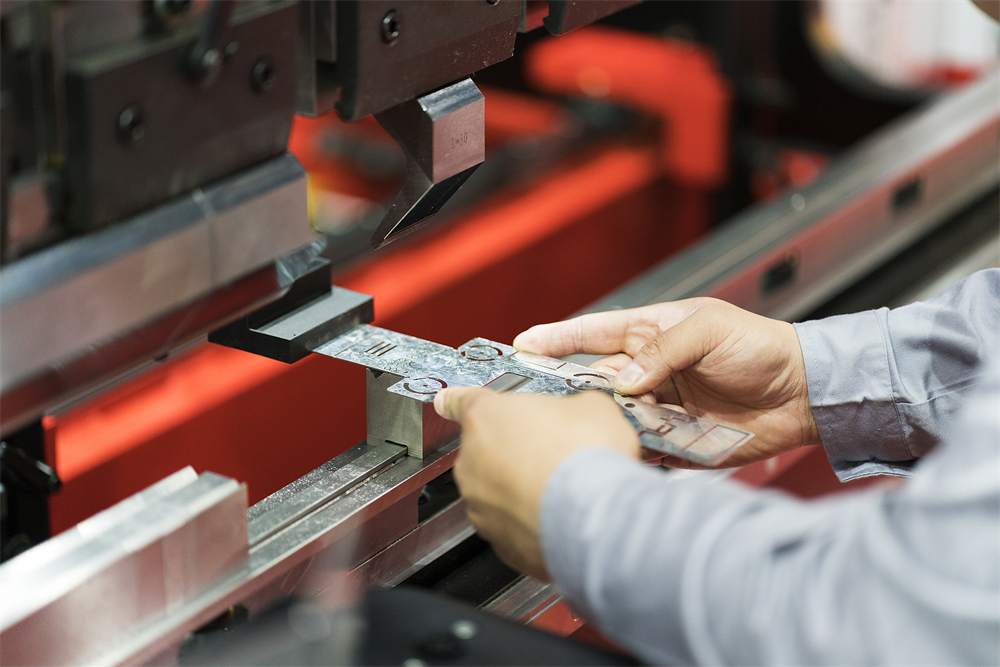
Press Brake Overview: The Powerhouse of Precision
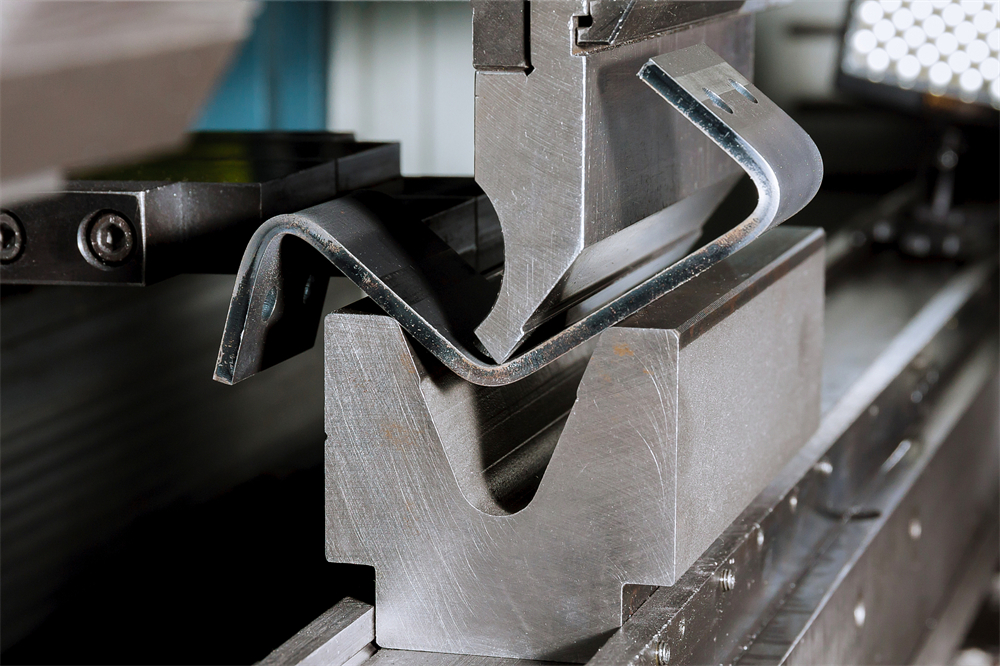
The CNC press brake is perhaps the most ubiquitous machine in the metalworking industry. Its operation is based on the principle of “V-bending.” The machine consists of a top beam (the ram) that holds a punch and a bottom bed that holds a die. When the ram descends, the punch forces the metal into the die opening. The depth to which the punch enters the die determines the angle of the bend. This process is highly versatile, allowing for air bending, bottoming, and coining.
One of the primary strengths of a press brake is its ability to handle a vast range of material thicknesses. From thin 20-gauge stainless steel to heavy 1-inch plate steel, a high-tonnage press brake can manage it all by simply swapping out the tooling. HARSLE’s range of hydraulic and electric press brakes utilizes advanced CNC controllers like the Delem DA-53T or DA-66T, which calculate the exact pressure and stroke depth required to achieve precise angles, even when accounting for material springback.
However, press brakes do have specific operational characteristics that require skilled labor. Because the material moves upward during the bend (the “whip-up” effect), operators must often support the weight of the sheet, which can be physically demanding and potentially hazardous for large parts. Furthermore, because the material slides across the edges of the die during the bending process, it is prone to “die marking,” which may require secondary finishing if the part is aesthetically sensitive.
Modern press brakes have mitigated many of these issues through the use of sheet followers and non-marking dies. The speed of a press brake is also a significant factor; for small, heavy parts, the cycle time of a press brake is often faster than that of a folding machine. The versatility of tooling—including gooseneck punches, offset dies, and acute angle tools—makes the press brake the go-to choice for complex, multi-bend components that require high force.
Folding Machine Overview: The Specialist for Large Panels
Folding machines, often referred to as “swing beam folders,” operate differently. The sheet metal is placed on a large support table and clamped between an upper and lower beam. A third beam, the folding wing, then swings upward (or downward in bidirectional models) to create the bend. Because the folding wing moves around the material rather than forcing the material into a die, the sheet remains largely stationary on the support table during the process.
This stationary nature is the greatest advantage of the folding machine. It eliminates the “whip-up” effect, allowing a single operator to handle large panels that would otherwise require two or three people on a press brake. This makes folding machines the preferred choice for roofing, wall panels, and large cabinets. Since the material doesn’t slide over a die, there is virtually no surface marking, making it ideal for pre-painted, polished, or sensitive materials like aluminum and stainless steel.
Folding machines are also exceptionally fast when it comes to setup. Unlike a press brake, which requires specific punch and die sets for different radii or thicknesses, a folding machine uses a single set of universal tools for a wide range of applications. The CNC system adjusts the clamping pressure and the swing angle automatically. This reduces downtime significantly, especially in job shops where small batches of varying parts are common.
However, folding machines are generally limited by material thickness. While high-end industrial folders can handle up to 1/4-inch steel, they lack the raw tonnage of a heavy-duty press brake. Additionally, the geometry of the folding beam can sometimes limit the ability to create very tight internal returns or complex “Z” bends that a press brake handles with ease. For large-format, thin-gauge work, the folding machine is unmatched in efficiency and surface quality.
Specification Comparison Table
| Feature | CNC Press Brake | CNC Folding Machine |
|---|---|---|
| Bending Mechanism | Vertical Punch and Die (V-Bending) | Clamping Beam and Folding Wing |
| Material Thickness | Very thin to very thick (up to 50mm+) | Typically thin to medium (up to 6-8mm) |
| Surface Protection | Prone to die marks (requires protection) | Excellent (no sliding friction) |
| Setup Time | Moderate (tooling changes required) | Fast (universal tooling) |
| Operator Requirement | High skill; often multiple people for large parts | Lower skill; one-man operation for large parts |
| Part Complexity | High (complex geometries, deep boxes) | Moderate (best for large panels/flanges) |
| Accuracy | High (with CNC crowning) | High (inherent to clamping mechanism) |
Best-fit Applications: Choosing the Right Tool for the Job
When to Choose a Press Brake
The press brake is the undisputed king of heavy fabrication. If your shop produces structural components, heavy machinery parts, or anything involving plate steel over 6mm, the press brake is your primary option. Its ability to concentrate massive amounts of force into a small area allows for tight bends in high-tensile materials. Furthermore, for small, intricate parts that require specialized tooling—such as hemming, offset bending, or radius bending—the press brake offers a level of flexibility that folding machines cannot match.
Press brakes are also better suited for high-volume production of small parts. With a robotic arm integration, a press brake can cycle through thousands of small brackets with incredible speed. In industries like automotive and aerospace, where precision and material strength are paramount, the controlled environment of a CNC press brake ensures that every part meets stringent tolerances.
When to Choose a Folding Machine
Folding machines shine in the architectural, HVAC, and signage industries. If you are working with large sheets (e.g., 3 meters or longer) and thin gauges, the folding machine will significantly reduce your labor costs. Because the machine supports the weight of the sheet, the operator only needs to position the material against the backgauge. This eliminates the risk of “back-bending” or kinking that can occur when a large sheet is bent on a press brake without proper support.
Additionally, if you work with sensitive materials like brushed stainless steel or anodized aluminum, the folding machine is the superior choice. The lack of friction between the tool and the material surface ensures a pristine finish, eliminating the need for protective films or post-process polishing. For shops producing office furniture, commercial kitchen equipment, or metal roofing, the folding machine offers a cleaner, more efficient workflow.
Cost and Maintenance Comparison
From an investment perspective, the initial cost of a press brake is generally lower than that of a folding machine of similar length capacity. However, the “hidden” costs of a press brake include a vast library of specialized tooling and the potential for higher labor costs due to the need for multiple operators on large parts. Maintenance for press brakes focuses on the hydraulic system, ensuring the seals are intact and the oil is clean. The mechanical wear on the guides and the ram must also be monitored to maintain precision.
Folding machines represent a higher upfront investment but often boast a lower total cost of ownership for specific applications. Since they use universal tooling, the ongoing expense for new punches and dies is minimal. Maintenance on folding machines involves the pivot points of the folding wing and the clamping mechanism. Because they are often used for lighter materials, the mechanical stress on the frame is generally lower than that of a high-tonnage press brake, potentially leading to a longer machine lifespan.
Energy consumption is another factor. Modern electric press brakes are highly efficient, only consuming power when the ram is moving. Folding machines also utilize efficient motor systems, but the large support tables and backgauge systems require consistent power for the vacuum or ball-transfer units used to move the sheets. When evaluating cost, consider your typical batch size; the fast setup of a folding machine can save hours of labor per week in a high-mix, low-volume environment.
Recommendation: The HARSLE Perspective
So, Press Brake vs Folding Machine: Which Machine Delivers Better Bending Results? The answer depends on your definition of “better.” If “better” means the ability to bend 20mm armor plate with extreme precision, the press brake wins. If “better” means bending a 4-meter long, pre-painted aluminum facade panel without a single scratch and with only one operator, the folding machine is the clear victor.
For most versatile job shops, HARSLE recommends a hybrid approach. Having a high-tonnage CNC press brake for heavy, complex parts and a CNC folding machine for large, thin-gauge panels provides the ultimate competitive advantage. However, if you must choose one, evaluate your most common material thickness and the physical size of your parts. For thicknesses under 4mm and parts larger than 2 meters, look seriously at a folding machine. For everything else, the press brake remains the industry standard for a reason.
Before purchasing, always conduct a “test bend” with your specific material. HARSLE provides detailed consultations to help you analyze your part drawings and determine which machine geometry will minimize interference and maximize throughput. Investing in the right technology today ensures that your bending results meet the quality standards of tomorrow.
FAQ: Common Questions About Bending Technology
1. Can a press brake do everything a folding machine can?
Technically, a press brake can perform most bends a folding machine can, but it may require expensive sheet followers, specialized non-marking tooling, and multiple operators. It is often less efficient for large, thin panels.
2. Is a folding machine more accurate than a press brake?
Both machines offer high accuracy (often within +/- 0.1 degrees) when equipped with modern CNC controls. However, folding machines are often more consistent with large sheets because the material is clamped securely and doesn’t move during the bend.
3. Which machine is safer for the operator?
Folding machines are generally considered safer for large parts because the material stays flat on a table. The operator does not have to support a “whipping” sheet, which reduces the risk of strain or impact injuries.
4. How does material springback affect both machines?
Both machines must account for springback. CNC press brakes use laser angle measuring systems or database-driven calculations to over-bend the material. Folding machines use similar sensors in the folding wing to detect the actual angle and adjust the final swing accordingly.
5. Can I bend heavy plate on a folding machine?
Most standard folding machines are limited to 6mm or 8mm steel. For anything thicker, a press brake is required due to the massive tonnage needed to deform thick plate metal.