Shearing Machine Stainless Steel Vs Mild Steel: Changes In Cutting Performance?


Comparison Summary: The Fundamental Differences in Shearing Performance
In the world of metal fabrication, the choice of material dictates the behavior of the machinery. When comparing a shearing machine’s performance on stainless steel versus mild steel, the primary differentiator lies in the mechanical properties of the metals themselves. Mild steel, often referred to as low-carbon steel, is prized for its ductility and ease of machining. In contrast, stainless steel—particularly the 300 and 400 series—is characterized by high tensile strength, significant hardness, and a tendency toward work hardening. These differences mean that a shearing machine configured for mild steel will struggle, or even fail, if used on stainless steel without proper adjustments.
The performance changes manifest in three main areas: required cutting force (tonnage), blade wear and material composition, and the precision of the blade gap. For instance, stainless steel typically requires 50% to 60% more pressure to shear than mild steel of the same thickness. This is due to the higher shear strength of stainless alloys. Furthermore, the ‘spring-back’ effect in stainless steel is more pronounced, requiring the machine to maintain tighter tolerances to ensure a clean, burr-free edge. Understanding these nuances is critical for any fabrication shop looking to maximize the lifespan of their HARSLE shearing equipment while maintaining high output quality.
From a technical standpoint, the shearing process involves two stages: plastic deformation and fracture. Mild steel transitions smoothly from deformation to fracture, resulting in a clean cut with minimal tool stress. Stainless steel, however, resists the initial penetration of the blade, leading to higher heat generation at the cutting edge. This heat can degrade standard blades quickly, necessitating specialized high-chrome, high-carbon blade materials. As we delve deeper into this guide, we will explore how HARSLE machines are engineered to handle these varying demands through advanced hydraulics and precision control systems.
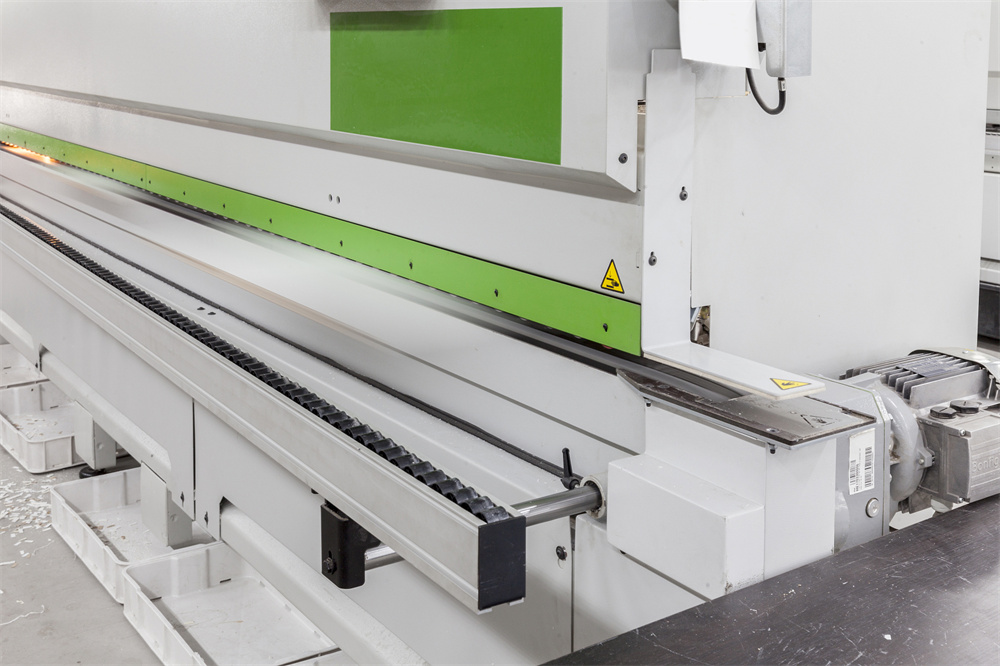
Machine Overview: Shearing Mild Steel (The Industry Standard)
Mild steel is the ‘bread and butter’ of the metal fabrication industry. Because of its relatively low carbon content (usually less than 0.25%), it exhibits excellent malleability. When a HARSLE hydraulic shearing machine processes mild steel, the resistance encountered by the upper blade is predictable and consistent. The shear strength of mild steel usually hovers around 450 MPa (megapascals). This allows the machine to operate at its rated capacity without excessive strain on the hydraulic pumps or the frame.
For mild steel applications, the blade material is typically a standard high-quality alloy like 6CrW2Si or H13. These materials provide a good balance between toughness and hardness. Because mild steel does not work-harden significantly during the cut, the blades can maintain their edge for thousands of cycles before requiring a regrind. The rake angle—the angle of the upper blade—can also be kept relatively low, which helps in reducing the ‘twist’ or ‘bow’ in the sheared strip, especially when cutting narrow pieces.
Another advantage of shearing mild steel is the flexibility in blade gap settings. While precision is always preferred, mild steel is forgiving. A slightly wider gap might result in a larger burr, but it rarely causes the catastrophic blade chipping that can occur with harder materials. HARSLE’s standard CNC controllers often come pre-programmed with mild steel parameters, allowing operators to quickly set the backgauge and blade gap for rapid production. This ease of use makes mild steel the ideal material for high-volume structural components, automotive parts, and general machinery frames.
Machine Overview: Shearing Stainless Steel (The High-Strength Challenge)
Shearing stainless steel is a significantly more demanding process that requires a robust machine configuration. Stainless steel alloys, such as Grade 304 or 316, contain chromium and nickel, which enhance corrosion resistance but also dramatically increase the material’s toughness. The shear strength of stainless steel can reach up to 700-800 MPa. This means that if a machine is rated for 10mm mild steel, its effective capacity for stainless steel might only be 5mm or 6mm. Attempting to shear thick stainless on a machine under-rated for the task can lead to hydraulic bypass or frame deflection.
One of the most critical phenomena in stainless steel shearing is ‘work hardening.’ As the blade begins to penetrate the metal, the area around the cut becomes significantly harder and more brittle. If the machine’s stroke is too slow or the blades are dull, the material will harden before the fracture occurs, leading to a jagged edge and extreme stress on the machine. To combat this, HARSLE stainless-optimized shears utilize higher-speed hydraulic systems and specialized blades made from Cr12MoV or D2 steel, which are designed to withstand the abrasive nature of the material.
Precision is non-negotiable when dealing with stainless. The blade gap must be set much tighter than for mild steel—often 5% to 8% of the material thickness compared to the 10% used for mild steel. If the gap is too wide, the stainless steel will ‘draw’ into the gap rather than shearing, causing the material to wedge between the blades. This can stall the machine and damage the blade seats. Furthermore, because stainless steel is often used in aesthetic applications (like kitchen equipment or architectural trim), the quality of the cut surface is paramount. Any burrs or heat discoloration must be minimized through perfect machine synchronization.

Specification Comparison Table
The following table outlines the typical performance adjustments required when switching between mild steel and stainless steel on a standard HARSLE hydraulic shearing machine.
| Feature / Parameter | Mild Steel (Low Carbon) | Stainless Steel (304/316) |
|---|---|---|
| Tensile Strength | Approx. 450 MPa | 600 – 800+ MPa |
| Effective Capacity | 100% of Rated Capacity | 50% – 60% of Rated Capacity |
| Blade Material | 6CrW2Si / T10 | Cr12MoV / D2 / High-Chrome |
| Blade Gap Setting | 8% – 10% of Thickness | 5% – 8% of Thickness |
| Rake Angle | Standard (1° – 3°) | Higher Rake Angle Preferred |
| Blade Wear Rate | Low to Moderate | High (Abrasive) |
| Heat Generation | Minimal | Significant (Requires Cooling/Lubrication) |
| Edge Quality | Clean, slight burr | Sharp, prone to work-hardening |
Best-fit Applications for Each Material Type
The choice between mild steel and stainless steel shearing often depends on the end-use environment of the fabricated part. Mild steel shearing is the go-to for the construction industry, where large plates are cut for beams, brackets, and reinforcement plates. It is also widely used in the manufacturing of agricultural equipment and heavy-duty storage tanks. In these applications, the speed of the HARSLE shearing machine is the primary focus, as the material is often painted or galvanized later, making minor edge imperfections less of a concern.
Stainless steel shearing is essential for industries requiring hygiene and corrosion resistance. This includes the food and beverage industry (vats, countertops, processing equipment), the medical field (surgical tools, cabinets), and the chemical processing industry. Because stainless steel is expensive, minimizing waste through precise shearing is vital. HARSLE machines equipped with CNC front feeds and high-precision backgauges are particularly effective here, ensuring that every cut is accurate to within a fraction of a millimeter, reducing the need for secondary grinding or finishing.
Additionally, the aerospace and marine industries rely heavily on stainless steel and other high-strength alloys. In these sectors, the structural integrity of the sheared edge is critical. Micro-cracks caused by improper shearing can lead to fatigue failure under high stress. Therefore, using a shearing machine with a rigid frame and adjustable rake angle is necessary to ensure the material’s grain structure is not compromised during the cutting process. HARSLE’s heavy-duty swing beam and guillotine shears are designed to provide this level of reliability across both material types.
Cost and Maintenance Comparison
Maintenance requirements differ significantly based on the material being processed. When shearing mild steel, maintenance is relatively straightforward. It involves regular lubrication of the slide ways, checking hydraulic oil levels, and rotating the four-edged blades every few months depending on volume. The cost of replacement blades for mild steel is lower, and the energy consumption per cut is optimized because the machine operates within its most efficient pressure range.
For stainless steel, the maintenance schedule must be more rigorous. The high cutting forces put more strain on the hydraulic seals and the main motor. Operators must monitor the temperature of the hydraulic oil, as the increased resistance generates more heat. Blade maintenance is the most significant cost factor; stainless steel will dull blades much faster than mild steel. It is often recommended to have a dedicated set of blades for stainless steel to avoid cross-contamination (carbon steel particles from mild steel can embed in stainless steel, leading to localized rusting). This ‘dedicated tooling’ approach increases initial costs but saves money on long-term quality control.
Furthermore, the precision components of the machine, such as the blade gap adjustment mechanism (whether manual or motorized), must be kept in peak condition. Even a small amount of play in the bearings can result in a poor cut when dealing with the high-pressure requirements of stainless steel. HARSLE recommends using high-pressure additives in the lubrication system when the machine is primarily used for stainless steel to prevent premature wear on the mechanical linkages and pivot points.
Recommendation: Choosing the Right Setup
If your workshop handles a mix of both materials, the best recommendation is to invest in a HARSLE CNC Guillotine Shearing Machine with automatic blade gap and rake angle adjustment. This allows the operator to switch between mild steel and stainless steel profiles at the touch of a button. The controller automatically calculates the required pressure and gap based on the material type and thickness entered, reducing the risk of human error that could lead to machine damage.
For shops exclusively cutting stainless steel, it is wise to ‘over-spec’ the machine. For example, if you plan to cut 6mm stainless steel, purchase a machine rated for 12mm or 16mm mild steel. This ensures the frame has the necessary rigidity and the hydraulic system has the overhead to handle the high shear resistance without straining. Additionally, always opt for the highest grade of blade material available (such as D2) to ensure longevity and edge quality. Investing in a cooling system for the hydraulic oil is also a smart move for high-duty cycle stainless steel applications.
Ultimately, the performance of a shearing machine is a reflection of how well it is matched to its workload. Mild steel offers high-speed, low-cost production, while stainless steel offers high-value, high-durability components at the cost of more intensive machine management. By understanding these changes in cutting performance, fabricators can better plan their production schedules, maintenance budgets, and equipment acquisitions to ensure long-term success in a competitive market.
Frequently Asked Questions (FAQ)
1. Can I use the same blades for both stainless and mild steel?
Technically, yes, if the blades are made of a high-grade alloy like Cr12MoV. However, it is not recommended. Mild steel can leave carbon deposits on the blades which can then be transferred to the stainless steel, causing ‘tea staining’ or corrosion. Additionally, stainless steel will dull the blades much faster, reducing the quality of your mild steel cuts.
2. Why does my shearing machine vibrate more when cutting stainless steel?
This is due to the higher tensile strength of the material. The machine must build up significantly more hydraulic pressure before the material finally fractures. This sudden release of energy at the moment of the ‘snap’ causes a shockwave through the frame. Ensuring the machine is properly leveled and bolted to a thick concrete foundation can help mitigate this.
3. How often should I adjust the blade gap?
The blade gap should be adjusted every time you change the material thickness or the material type. For HARSLE machines with CNC controls, this happens automatically. If you have a manual machine, refer to the gap chart on the front of the machine. Cutting with an incorrect gap is the leading cause of blade chipping and poor edge quality.
4. What is the ‘rake angle’ and why does it matter for stainless?
The rake angle is the slope of the upper blade from one end to the other. A higher rake angle reduces the amount of material being cut at any single moment, which lowers the required tonnage. Since stainless steel requires more force, increasing the rake angle can help the machine cut thicker stainless than it otherwise could, though it may increase the ‘twist’ in the off-cut piece.
5. Does stainless steel thickness affect the machine’s warranty?
Most manufacturers, including HARSLE, specify capacity based on mild steel (450MPa). If you consistently shear stainless steel at the machine’s maximum mild steel rating, you are overloading the machine, which could void the warranty. Always check the ‘Stainless Steel Capacity’ rating in your machine’s manual.