Hydraulic Press vs Cold Press: Which Technology Is Right for Your Process?


Introduction to Industrial Pressing Technologies
In the world of industrial manufacturing, selecting the right machinery is the cornerstone of operational efficiency and product quality. Two of the most commonly discussed technologies in the fabrication and assembly sectors are the hydraulic press and the cold press. While they may appear similar to the untrained eye—both utilizing force to shape or bond materials—their internal mechanisms, pressure delivery systems, and intended applications vary significantly. Understanding the nuances of Hydraulic Press Vs Cold Press: Which Technology Is Process? is essential for any facility manager or business owner looking to optimize their production line.
HARSLE has long been at the forefront of providing high-performance metal fabrication solutions. Whether you are working with heavy-gauge steel or delicate composite laminates, the choice between these two technologies will dictate your cycle times, energy consumption, and the structural integrity of your finished goods. This article provides an exhaustive deep dive into both technologies, comparing their technical specifications, cost-effectiveness, and suitability for various industrial environments.
Comparison Summary: Hydraulic Press vs. Cold Press
At a high level, the distinction between a hydraulic press and a cold press lies in the versatility of the force applied and the specific industry standards they serve. A hydraulic press is a versatile powerhouse, capable of generating immense pressure for tasks such as deep drawing, punching, and forging. It uses hydraulic cylinders to generate a compressive force, governed by Pascal’s principle. On the other hand, a “cold press” is often a specialized type of hydraulic press used primarily in the woodworking, furniture, and composite industries for bonding materials together at ambient temperatures.
When evaluating Hydraulic Press Vs Cold Press: Which Technology Is Process?, one must consider that the hydraulic press is a broad category of machinery, whereas the cold press is a specific application-focused machine. Hydraulic presses are designed for high-speed, high-pressure metal deformation, while cold presses are engineered for sustained, uniform pressure over a larger surface area, typically for gluing or laminating. The former focuses on shaping material, while the latter focuses on bonding or flattening material without the application of heat.
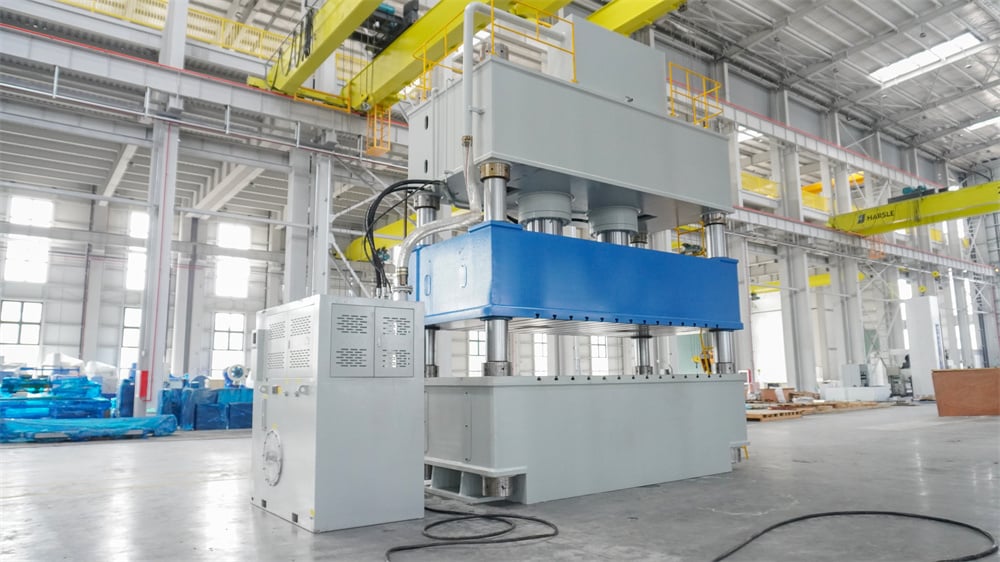
Machine A Overview: The Hydraulic Press
The hydraulic press is the workhorse of the metalworking industry. Its operation is based on the transmission of pressure through a liquid (usually oil) to a piston, which then exerts force onto a workpiece. HARSLE hydraulic presses, such as the Y32 and Y27 series, are engineered to handle complex tasks that require variable pressure and precise stroke control. These machines are characterized by their ability to deliver full tonnage throughout the entire stroke, a feature that mechanical presses cannot match.
Modern hydraulic presses are equipped with advanced PLC (Programmable Logic Controller) systems, allowing operators to fine-tune the approach speed, pressing speed, and return speed. This level of control is vital for processes like deep drawing, where the material must flow into a die without tearing. The structural design of these machines—ranging from 4-column to C-frame and H-frame configurations—ensures rigidity and minimizes deflection under heavy loads. This makes the hydraulic press indispensable for automotive parts manufacturing, aerospace components, and heavy industrial equipment fabrication.
Furthermore, the hydraulic press is highly adaptable. By changing the dies and adjusting the pressure settings, a single machine can perform a wide array of functions, including straightening, bending, coining, and extrusion. This versatility is a primary reason why many manufacturers prioritize a hydraulic press when considering Hydraulic Press Vs Cold Press: Which Technology Is Process? for multi-functional production lines. The integration of servo-hydraulic systems in newer HARSLE models also significantly reduces noise and energy consumption, addressing two of the traditional drawbacks of hydraulic technology.
Machine B Overview: The Cold Press
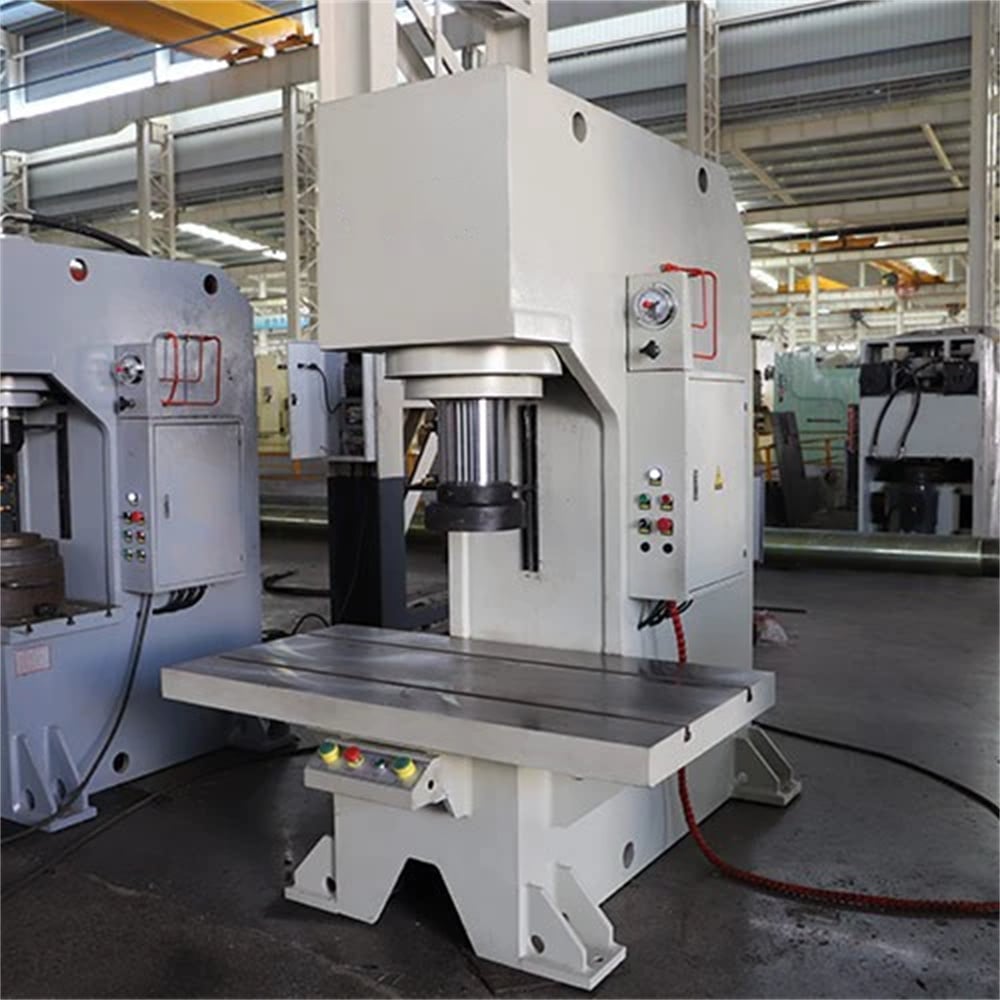
The cold press is a specialized machine designed primarily for the woodworking and lamination industries. Unlike a hot press, which uses heated platens to cure adhesives, a cold press operates at room temperature. It is used to bond veneers, plywood, decorative boards, and furniture panels. The primary goal of a cold press is to provide uniform, stable pressure over a large surface area for an extended period, allowing the glue to set naturally without the risk of thermal deformation or moisture loss in the wood.
In terms of construction, a cold press often features a heavy-duty frame with multiple hydraulic cylinders distributed across the top or bottom platen. This distribution ensures that the pressure is perfectly even across the entire workpiece, which is critical for preventing bubbles or weak spots in laminated products. While it uses hydraulic power, the cycle times for a cold press are much longer than those of a metalworking hydraulic press. A cold press might hold a stack of panels under pressure for 20 minutes to several hours, depending on the adhesive used.
For manufacturers in the furniture or construction material sectors, the cold press offers a cost-effective solution for high-volume bonding. It requires less energy than a hot press because it doesn’t need to maintain high temperatures, and it is generally simpler to maintain. However, its application is strictly limited to materials that can be bonded at ambient temperatures. When asking Hydraulic Press Vs Cold Press: Which Technology Is Process?, if your primary goal is the production of doors, cabinets, or plywood, the cold press is the specialized tool for the job.
Specification Comparison Table
To better understand the technical differences, the following table compares the standard specifications of a HARSLE industrial hydraulic press versus a standard industrial cold press.
| Feature | Hydraulic Press (Metalworking) | Cold Press (Lamination/Wood) |
|---|---|---|
| Primary Material | Metals (Steel, Aluminum, Copper) | Wood, Composites, Plastics |
| Pressure Range | 10 Tons to 5000+ Tons | 50 Tons to 500 Tons |
| Cycle Speed | High (Seconds per cycle) | Low (Minutes to hours per cycle) |
| Stroke Control | Highly Adjustable/Precision PLC | Fixed or Simple Limit Switches |
| Heat Application | Optional (Hot Forging) | None (Ambient Temperature) |
| Platen Size | Variable (Small to Large) | Typically Large (e.g., 4×8 feet) |
| Main Application | Forming, Punching, Deep Drawing | Bonding, Gluing, Flattening |
Best-fit Applications for Each Technology
Choosing between these technologies requires a deep analysis of your end product. The hydraulic press is the definitive choice for any process involving metal deformation. In the automotive industry, hydraulic presses are used to create body panels, chassis components, and engine parts. The ability to control the force precisely allows for the creation of complex geometries that are both lightweight and structurally sound. Similarly, in the appliance industry, these machines are used to form the outer shells of refrigerators, washing machines, and ovens.
Conversely, the cold press finds its home in the secondary processing of wood and composite materials. It is the standard for manufacturing interior doors, where multiple layers of wood and honeycomb core are glued together. It is also used in the production of high-pressure laminates (HPL) and for flattening warped timber. Because the cold press does not use heat, it is safer for materials that might release toxic fumes when heated or for adhesives that are specifically formulated for cold-curing. If your process involves “stacking and bonding,” the cold press is your best fit.
There is also a niche for hydraulic presses in the recycling and waste management industry, where they are used as balers to compress scrap metal or plastic. In this context, the focus is on volume reduction rather than precision forming. When determining Hydraulic Press Vs Cold Press: Which Technology Is Process?, consider whether your material needs to change its molecular shape (forming) or simply its relationship to another layer (bonding).
Cost and Maintenance Comparison
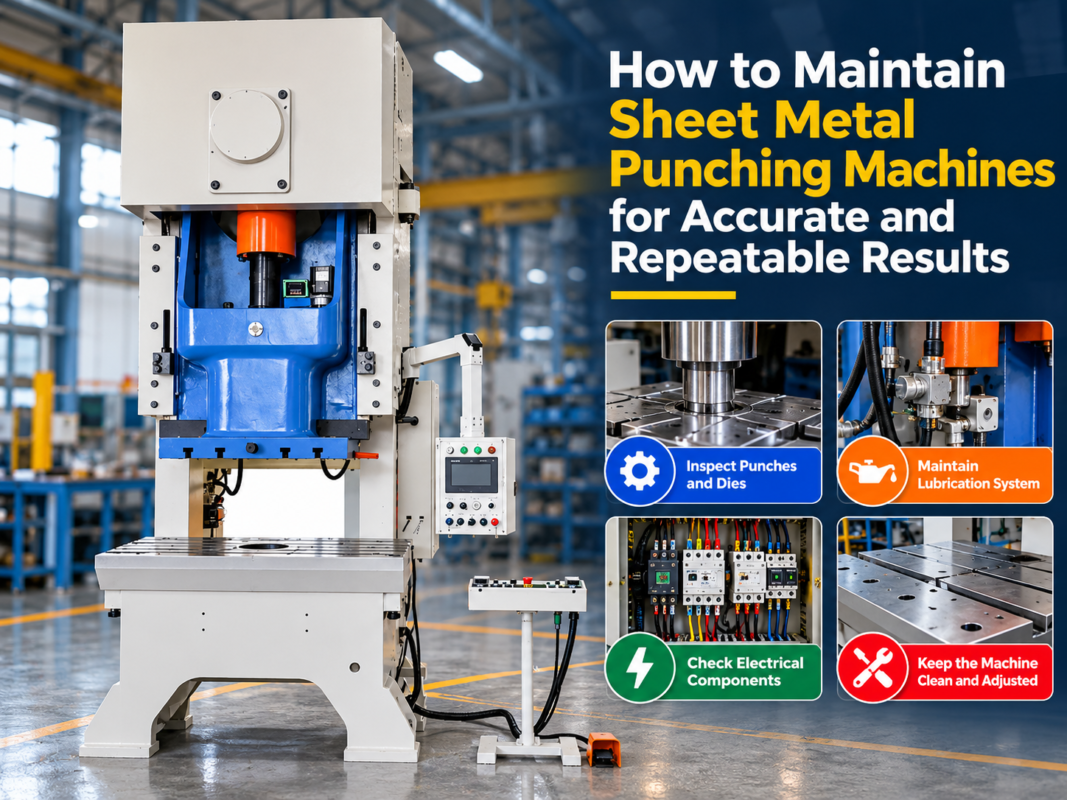
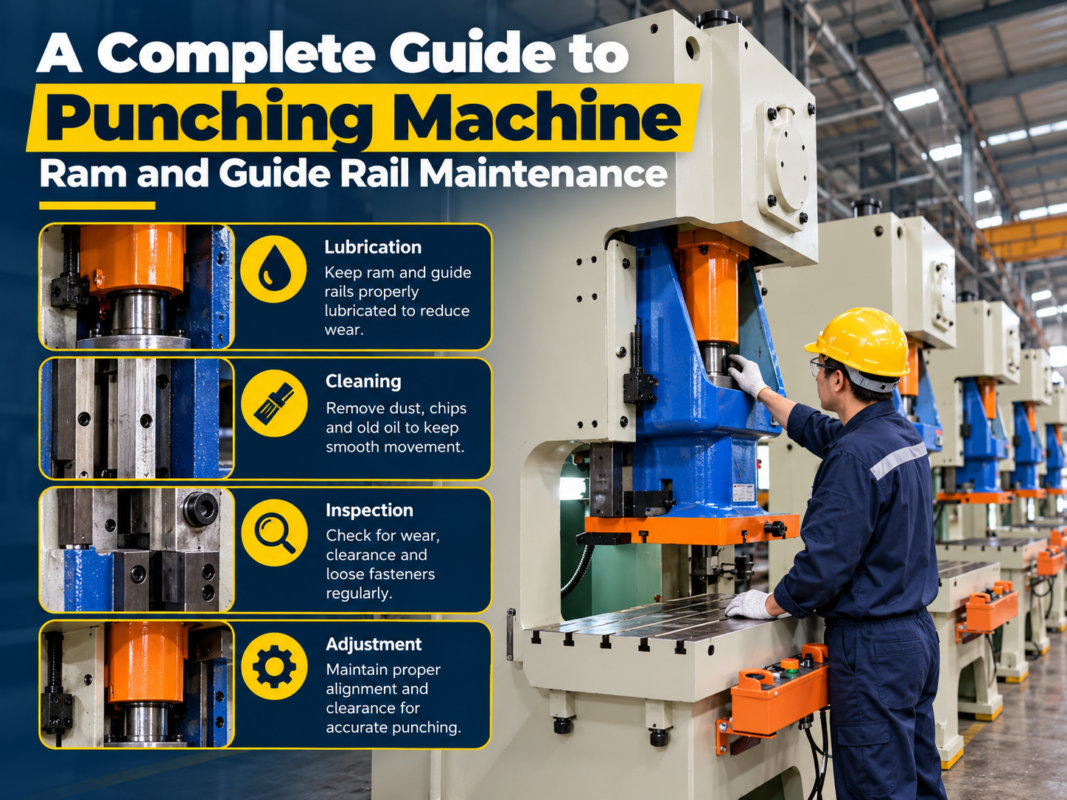
From an investment perspective, a high-end hydraulic press for metalworking generally carries a higher initial price tag than a cold press. This is due to the complexity of the hydraulic circuits, the precision of the control systems, and the structural reinforcement required to handle rapid, high-pressure cycles. Maintenance for a hydraulic press involves regular oil filtration, seal inspections, and monitoring of the cooling system to prevent the hydraulic fluid from overheating during intensive shifts.
The cold press, being a simpler machine, typically has lower upfront costs and lower operational expenses. Since it doesn’t cycle as frequently as a metalworking press, the wear and tear on the pumps and valves are significantly reduced. However, maintenance is still crucial; ensuring the platens remain perfectly flat and clean of adhesive residue is essential for maintaining product quality. If an adhesive buildup occurs, it can cause uneven pressure distribution, leading to delamination or telegraphing (where imperfections show through the surface).
Energy consumption is another factor. A standard hydraulic press uses significant power during its high-speed approach and pressing phases. HARSLE’s servo-driven models mitigate this by only using power when the machine is in motion. A cold press uses power to reach the desired pressure and then typically uses a pressure-holding valve to maintain that force with minimal energy input, making it very efficient for long-duration bonding tasks.
Recommendation: How to Choose
The decision-making process for Hydraulic Press Vs Cold Press: Which Technology Is Process? can be simplified by following this checklist:
- Material Type: If you are working with metal, you need a hydraulic press. If you are working with wood or laminates, a cold press is likely sufficient.
- Production Goal: Do you need to shape, punch, or draw material? Choose a hydraulic press. Do you need to glue layers together? Choose a cold press.
- Precision Requirements: If your process requires micron-level accuracy in stroke depth, a high-end hydraulic press with linear encoders is necessary.
- Budget: For simple bonding tasks, a cold press offers the best ROI. For complex fabrication, the higher investment in a hydraulic press is justified by its versatility.
At HARSLE, we recommend consulting with a technical expert to evaluate your specific material samples. Often, a machine can be customized with specific platen sizes or pressure ratings to bridge the gap between standard categories, ensuring you get exactly what your production line requires.
Frequently Asked Questions (FAQ)
1. Can a hydraulic press be used as a cold press?
Technically, yes. A hydraulic press can be used to apply pressure for bonding. However, it may not be cost-effective because metalworking hydraulic presses are designed for speed and precision, which are unnecessary for simple cold pressing. Additionally, the platen size of a metalworking press might be too small for large wood panels.
2. Why is it called a “cold” press?
It is called a cold press to distinguish it from a “hot press.” A hot press includes heating elements (electric or oil-heated) in the platens to speed up the curing process of certain glues. A cold press relies entirely on the adhesive’s natural curing time at room temperature.
3. What are the common signs that a hydraulic press needs maintenance?
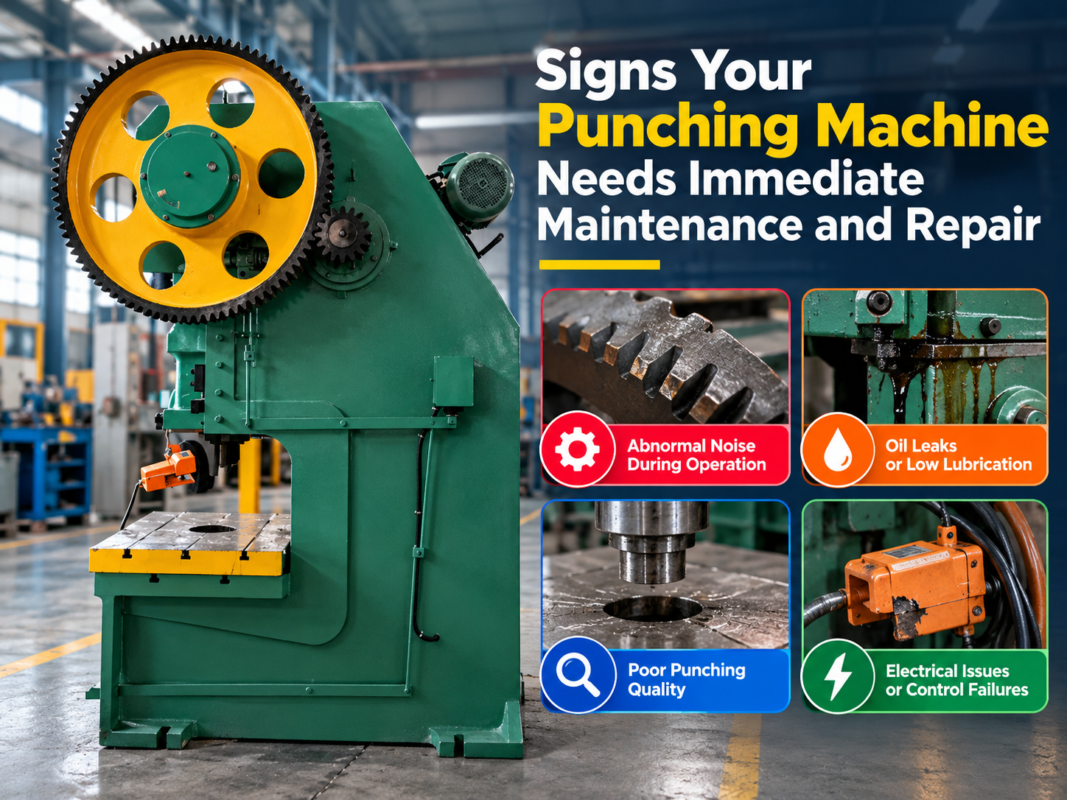
Common signs include increased noise (cavitation), slower cycle times, visible oil leaks around the ram, and inconsistent pressure readings. Regular maintenance of HARSLE machines ensures a lifespan of several decades.
4. Is a cold press suitable for metal?
Generally, no. A cold press does not have the speed or the structural design to handle the shock loads associated with metal punching or forming. Using a cold press for metal fabrication could damage the frame and the hydraulic seals.
5. How does a servo-hydraulic press differ from a standard one?
A servo-hydraulic press uses a servo motor to drive the hydraulic pump. This allows for much more precise control over the flow and pressure, reduces energy consumption by up to 70%, and significantly lowers the operating temperature of the hydraulic oil.
6. What safety features should I look for?
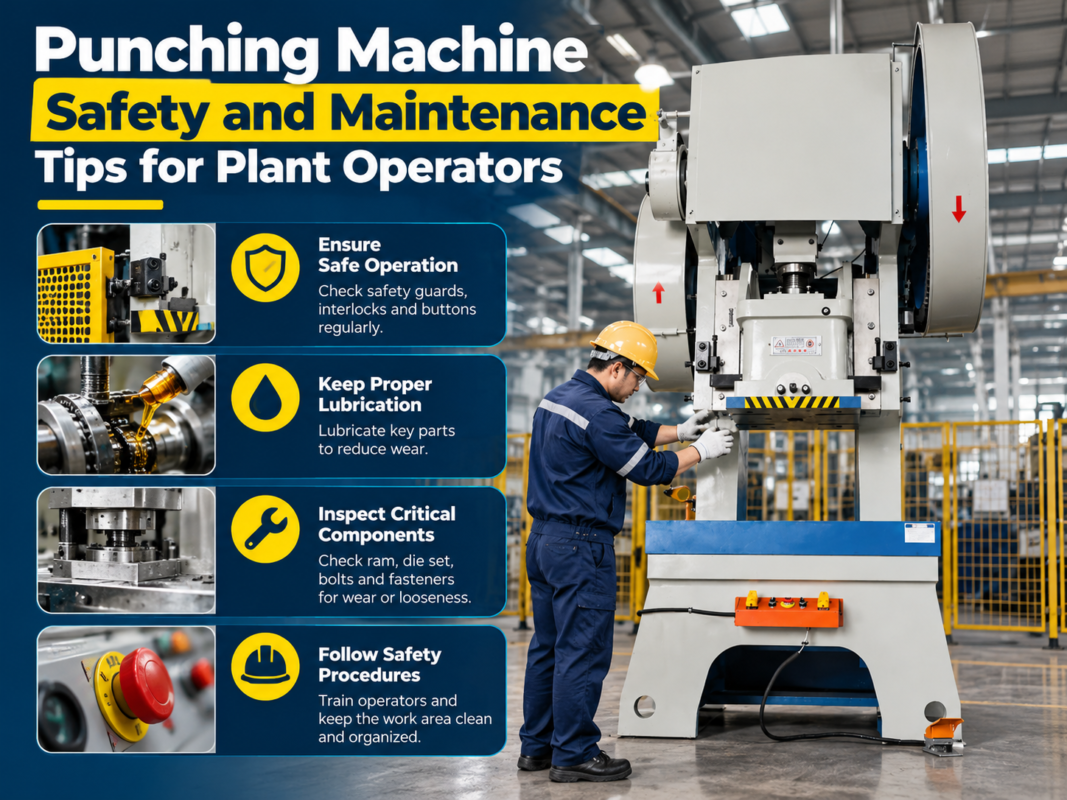
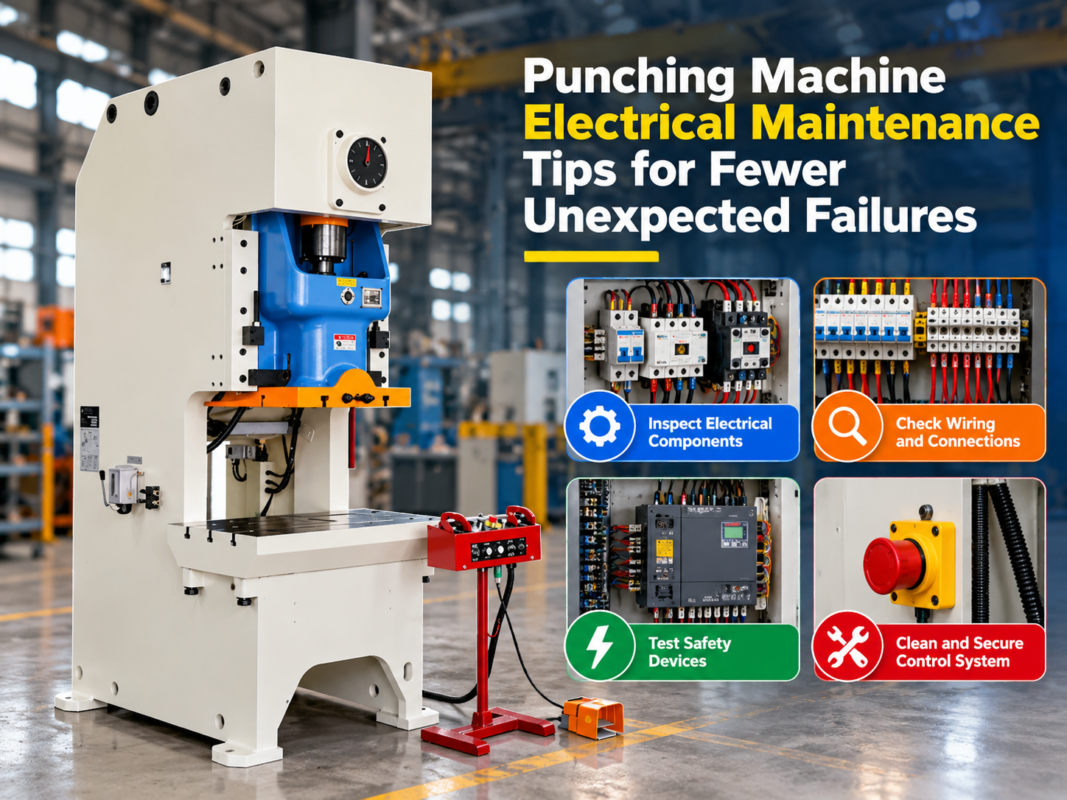
Regardless of the technology, ensure the machine has light curtains, emergency stop buttons, and safety interlocks. HARSLE machines are equipped with comprehensive safety systems to protect operators from high-pressure hazards.