Comprehensive Guide: How to Inspect Press Brake Tooling and Backgauge Components During Maintenance


The Critical Importance of Press Brake Maintenance
In the world of precision metal fabrication, the press brake stands as the cornerstone of production. Whether you are working with a high-speed CNC model or a heavy-duty hydraulic variant, the accuracy of your bends is directly proportional to the condition of your machine. To Inspect Press Brake Tooling Backgauge Components During Maintenance is not merely a suggestion; it is a fundamental requirement for ensuring operational safety, part consistency, and the longevity of the equipment. HARSLE, a leader in industrial machinery, emphasizes that a well-maintained machine can outperform a neglected newer model in both precision and uptime.
Maintenance is often viewed as a cost, but in reality, it is an investment in risk mitigation. When tooling wears down or backgauge components lose their alignment, the resulting scrap metal and rework costs can quickly exceed the expense of a comprehensive maintenance program. Furthermore, mechanical failures during high-tonnage operations pose significant safety risks to operators. By implementing a rigorous inspection routine, shops can identify micro-fractures in punches, wear patterns in dies, and play in the backgauge lead screws before they lead to catastrophic failure.
Modern press brakes are complex systems integrating hydraulics, electronics, and high-precision mechanics. The synergy between these systems allows for tolerances within microns. However, this complexity means that a small deviation in one component—such as a slightly bent backgauge finger or a chipped die—can ripple through the entire production process. This guide provides a deep dive into the technical aspects of inspecting these critical areas, ensuring your HARSLE machinery continues to deliver world-class performance.
Daily Inspection Protocols: The First Line of Defense
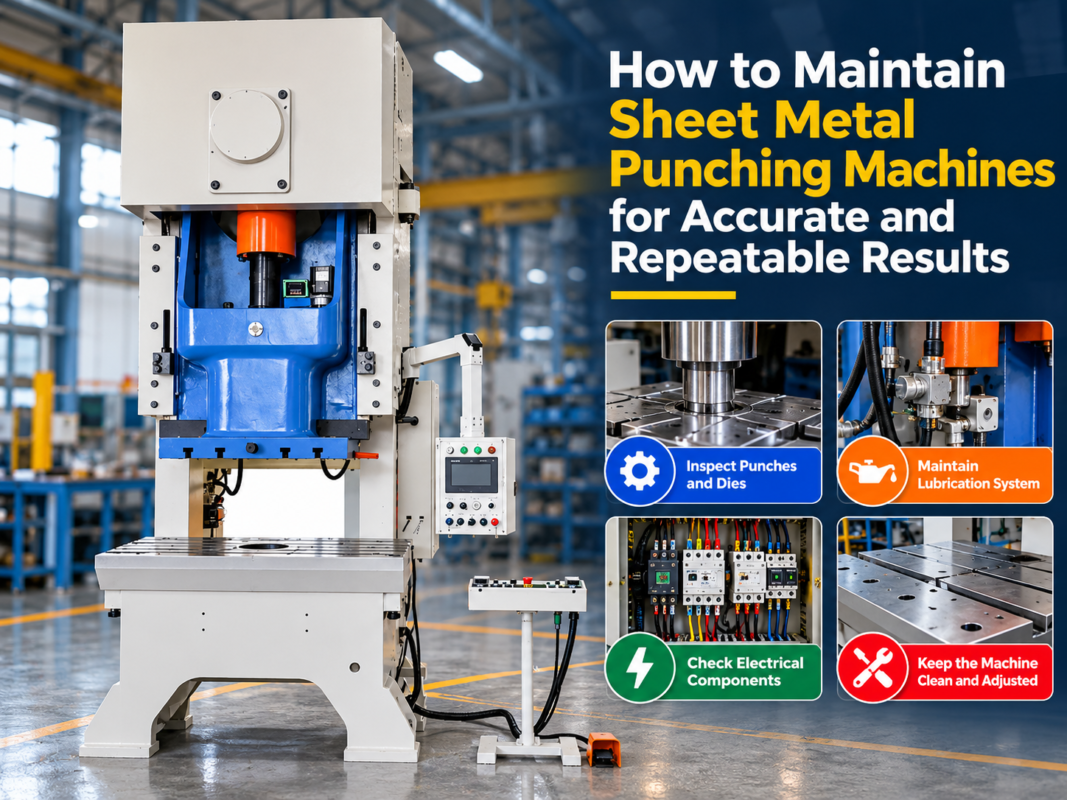
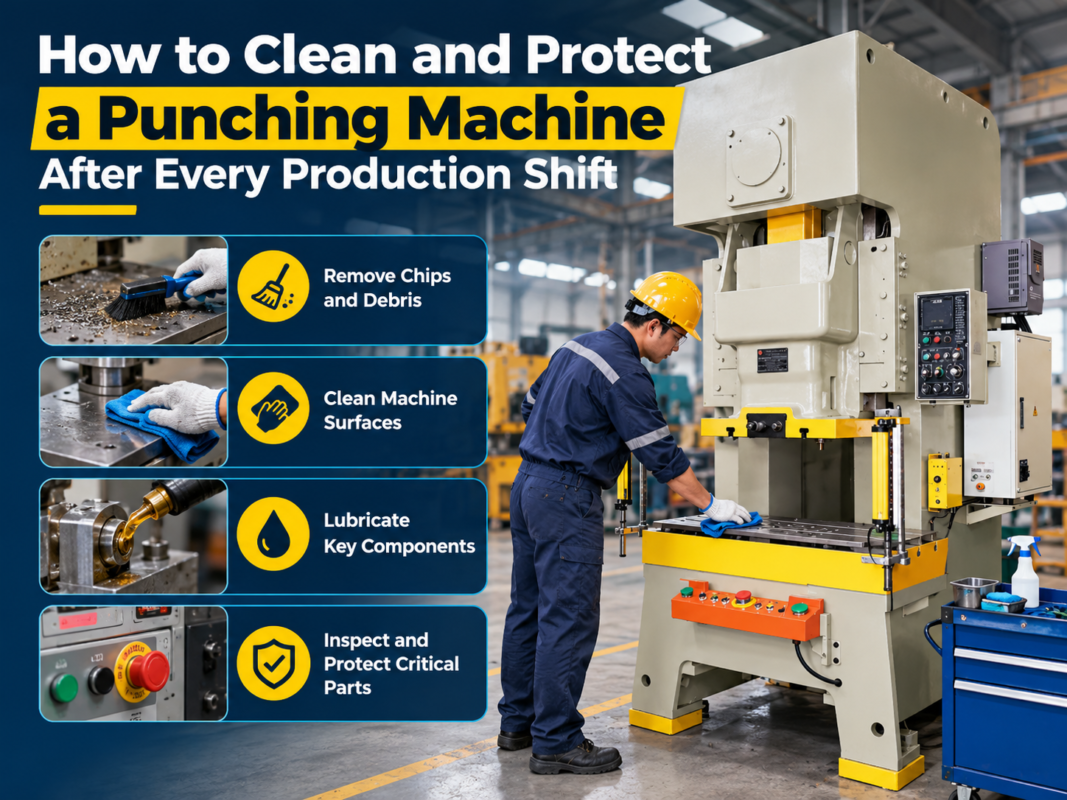
Daily inspections are the most effective way to catch issues before they escalate. Before the first shift begins, operators should perform a visual sweep of the machine. This starts with cleaning. Dust, scale, and metal shavings are the enemies of precision. When these particles settle on the bed or the tooling, they can cause uneven pressure distribution, leading to inaccurate bends and premature wear on the tool surfaces. A clean machine is not just about aesthetics; it is about maintaining the reference surfaces that the CNC system relies on.
The next step in the daily routine is checking the safety systems. This includes verifying the functionality of light curtains, laser guards, and emergency stop buttons. While these may not seem directly related to tooling or backgauges, a malfunctioning safety system often indicates underlying electrical issues that could affect the backgauge’s servo motors. Operators should also listen for unusual noises during the machine’s warm-up cycle. Hissing sounds might indicate hydraulic leaks, while grinding noises could point to lack of lubrication in the backgauge rails.
Finally, the daily check should include a quick verification of the backgauge’s home position. Most modern HARSLE CNC press brakes perform an automatic homing sequence upon startup. The operator should visually confirm that the fingers move smoothly to their designated coordinates without stuttering. Any hesitation in movement suggests that the linear guides may be contaminated or that the drive belt tension needs adjustment. Catching these minor hiccups daily prevents them from becoming major downtime events mid-production.
In-Depth Inspection of Press Brake Tooling
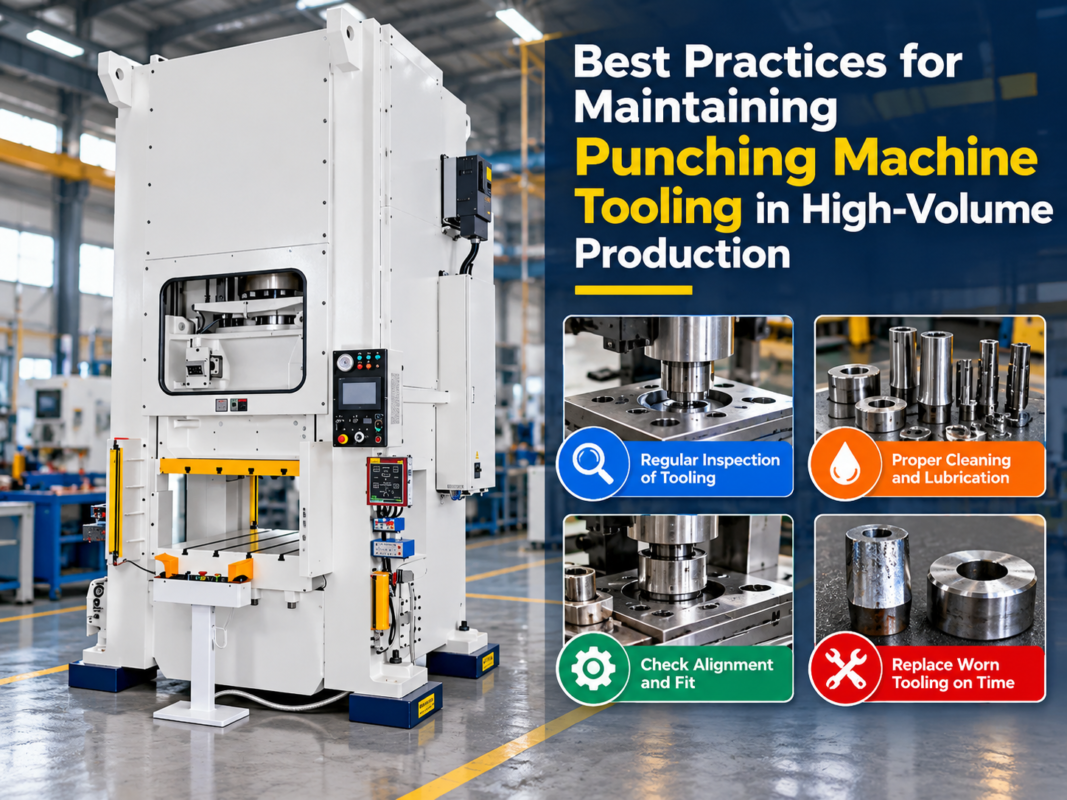
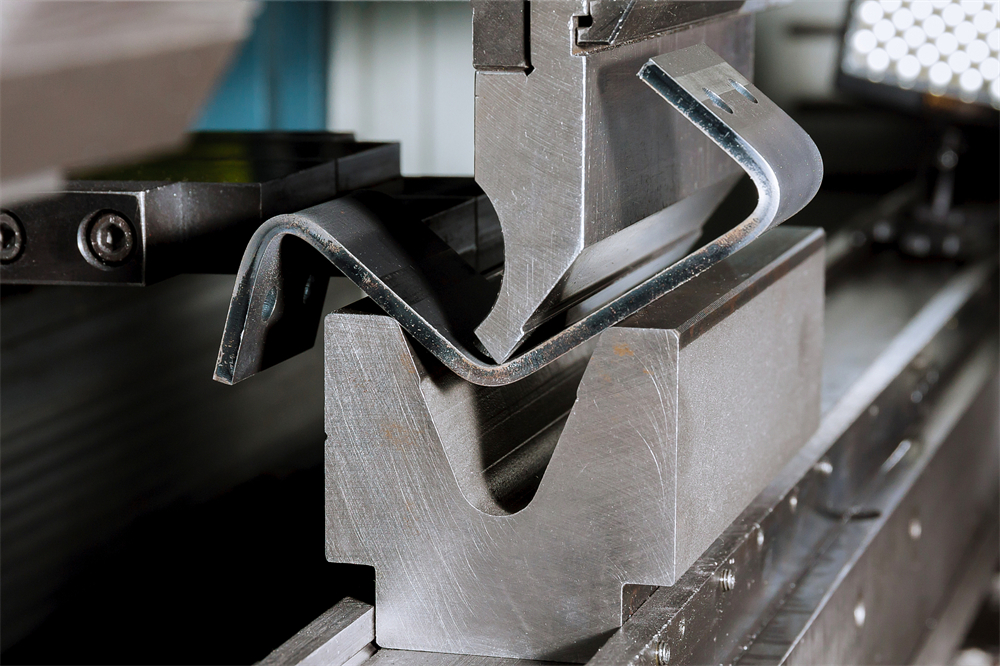
Tooling is the point of contact where the actual work happens, and it is subject to immense pressure. To Inspect Press Brake Tooling Backgauge Components During Maintenance, one must first understand the types of wear that affect punches and dies. Over time, the tip of the punch (the radius) can become flattened or deformed, especially when bending high-tensile materials like stainless steel. Using a radius gauge, maintenance personnel should check the punch tip against its original specifications. Even a 0.1mm deviation can significantly alter the bend angle and the inside radius of the part.
Dies, particularly the V-opening shoulders, are prone to “galling” or material transfer. This occurs when the friction between the workpiece and the die causes small amounts of metal to weld onto the die surface. If not removed, these deposits will scratch every subsequent part and can even lead to uneven loading. During maintenance, dies should be removed, cleaned with a stone or fine abrasive, and inspected for cracks. Cracks in tooling are extremely dangerous; under high tonnage, a cracked die can shatter, sending metal fragments across the shop floor.
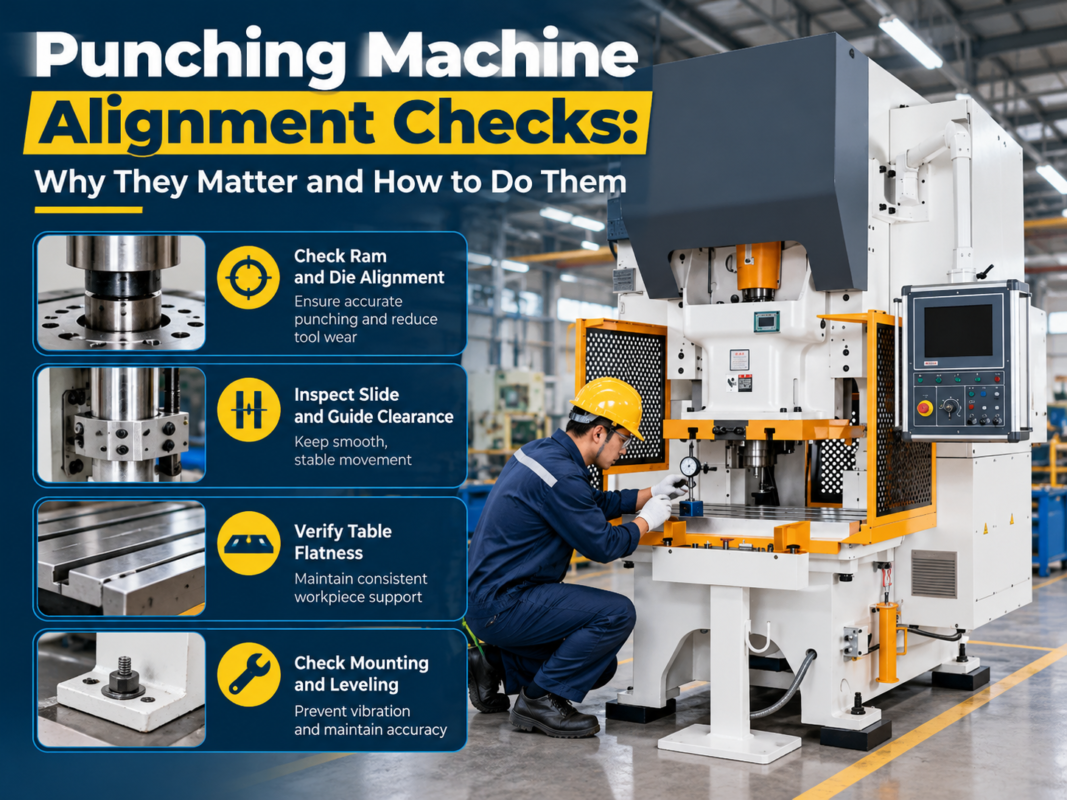
Alignment is the third pillar of tooling inspection. Even the highest quality HARSLE tools will produce poor results if they are not perfectly centered. Maintenance teams should use a precision alignment tool or a “test bend” method to ensure the punch is perfectly seated in the ram and the die is centered on the bed. For multi-setup operations, where several tool sets are used across the length of the bed, checking the height consistency (common shut height) is vital. If one section of tooling is worn more than another, the resulting “bowing” effect will ruin long parts.
Backgauge Components: Ensuring Positioning Accuracy
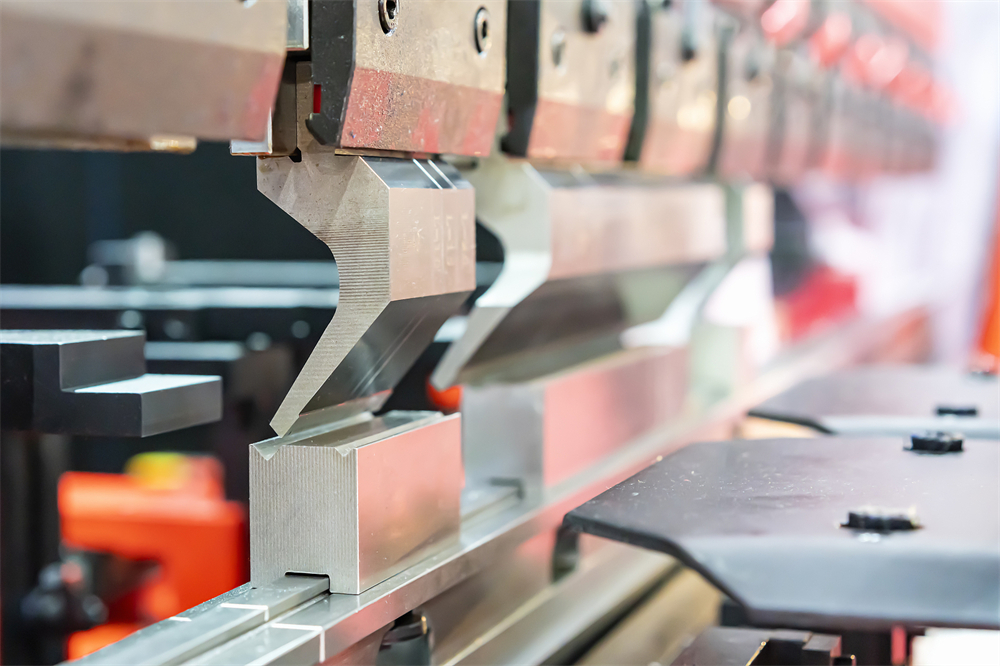
The backgauge is the “brain” of the machine’s physical positioning. It consists of several axes (X, R, Z1, Z2, and sometimes X prime) that must work in perfect harmony. The primary components to inspect are the ball screws and linear guides. These parts translate the rotation of the servo motors into precise linear movement. Over time, the ball screws can develop “backlash”—a small amount of play that occurs when the screw changes direction. Maintenance should involve checking for this play using a dial indicator. If the backlash exceeds the manufacturer’s tolerances, the ball nut may need adjustment or replacement.
The R-axis, which controls the height of the backgauge fingers, is often overlooked. If the R-axis is not level across the width of the machine, the workpiece will not sit flat against the fingers, leading to a tapered bend. During maintenance, use a precision level or a laser tracker to ensure the backgauge bar is parallel to the machine bed. Similarly, the Z-axis (the lateral movement of the fingers) must be checked to ensure the fingers move freely and lock securely into position. Loose fingers are a common cause of “creeping” dimensions during a production run.
Electrical cables and cable carriers (drag chains) for the backgauge also require inspection. Because the backgauge moves constantly, these cables are subject to repetitive bending stress. Look for fraying, cracking, or signs of heat in the wiring. A faulty encoder cable can send intermittent signals to the CNC, causing the backgauge to “jump” or lose its position. Ensuring that the cable carriers are free of debris prevents mechanical interference that could strain the servo motors and lead to premature failure.
Hydraulic, Electrical, and Mechanical Systems Check
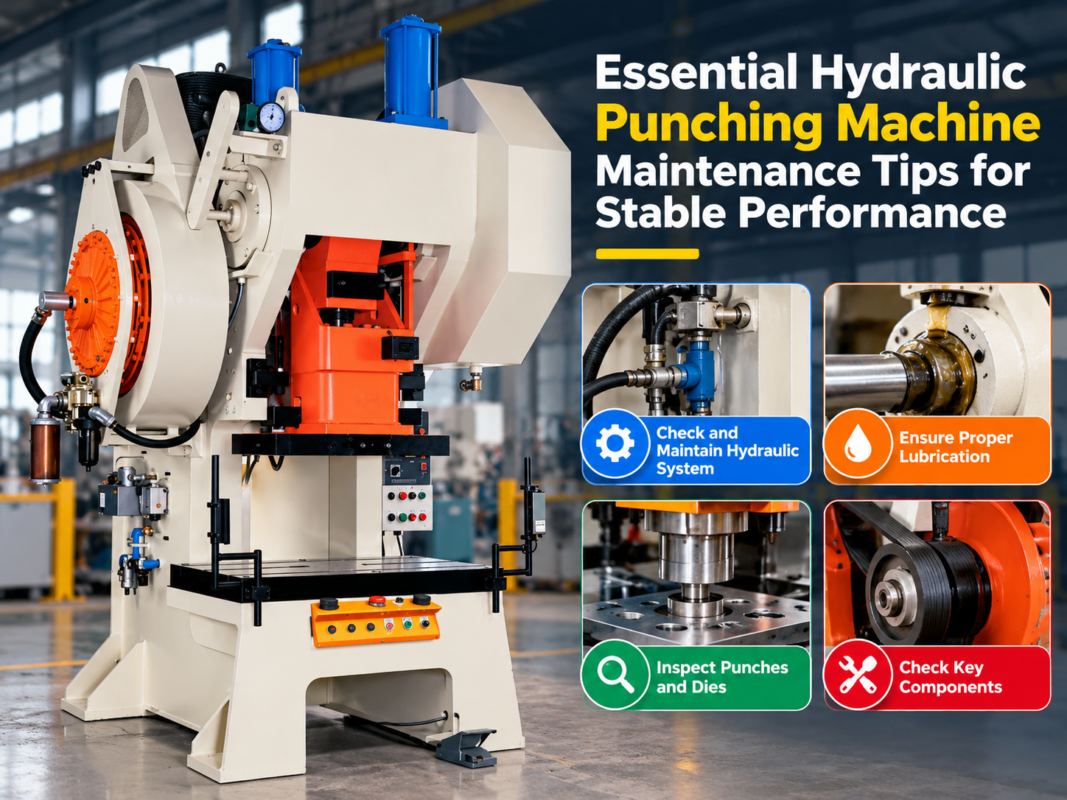
While tooling and backgauges are the focus, they rely on the machine’s core systems. The hydraulic system provides the force. During maintenance, the oil level and quality must be checked. Hydraulic oil should be clear; if it appears milky, water has contaminated the system. If it smells burnt, it has been overheated. Both conditions require a full oil flush and filter replacement. Additionally, the proportional valves—the components that control the flow of oil to the cylinders—should be inspected for leaks or sluggish response, as they dictate the ram’s speed and positioning accuracy.
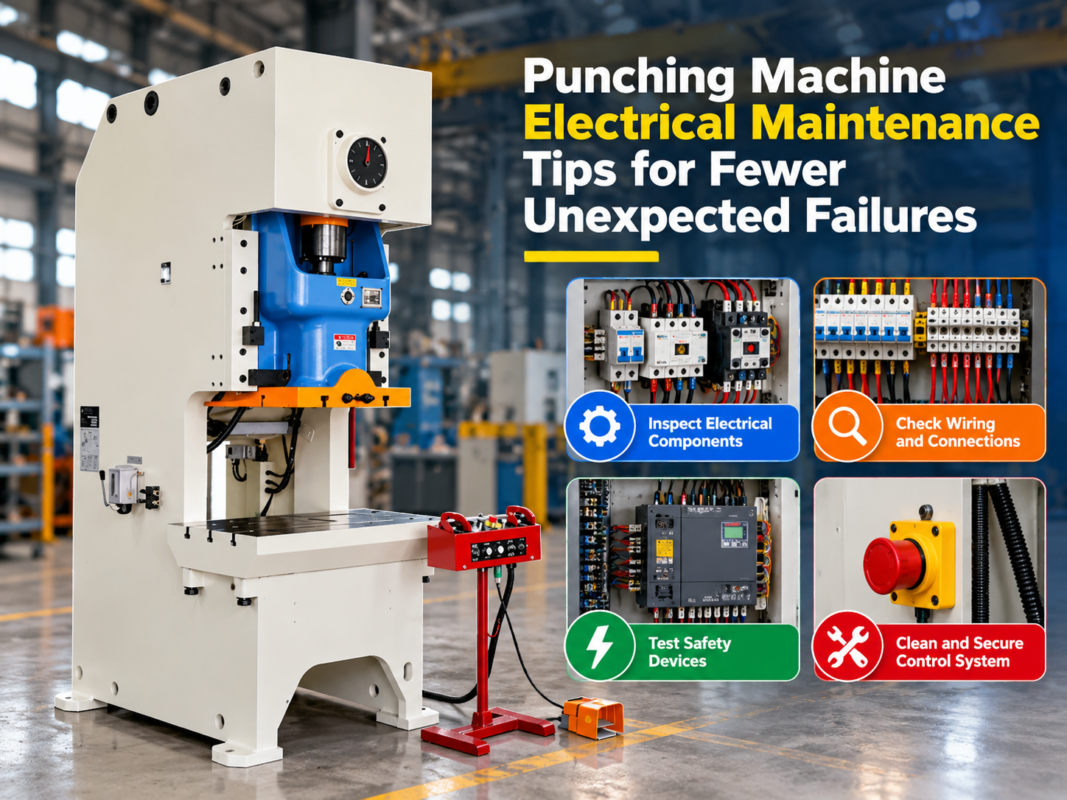
The electrical cabinet is the nerve center of the press brake. Dust is a major contributor to electrical failure, as it can cause short circuits or trap heat. Use compressed air (at low pressure) or a vacuum to clean the cabinet. Check all terminal connections to ensure they are tight; vibrations from the machine can loosen wires over time. Inspect the cooling fans to ensure they are operational, as overheating the CNC controller or the servo drives can lead to erratic behavior and expensive hardware damage.
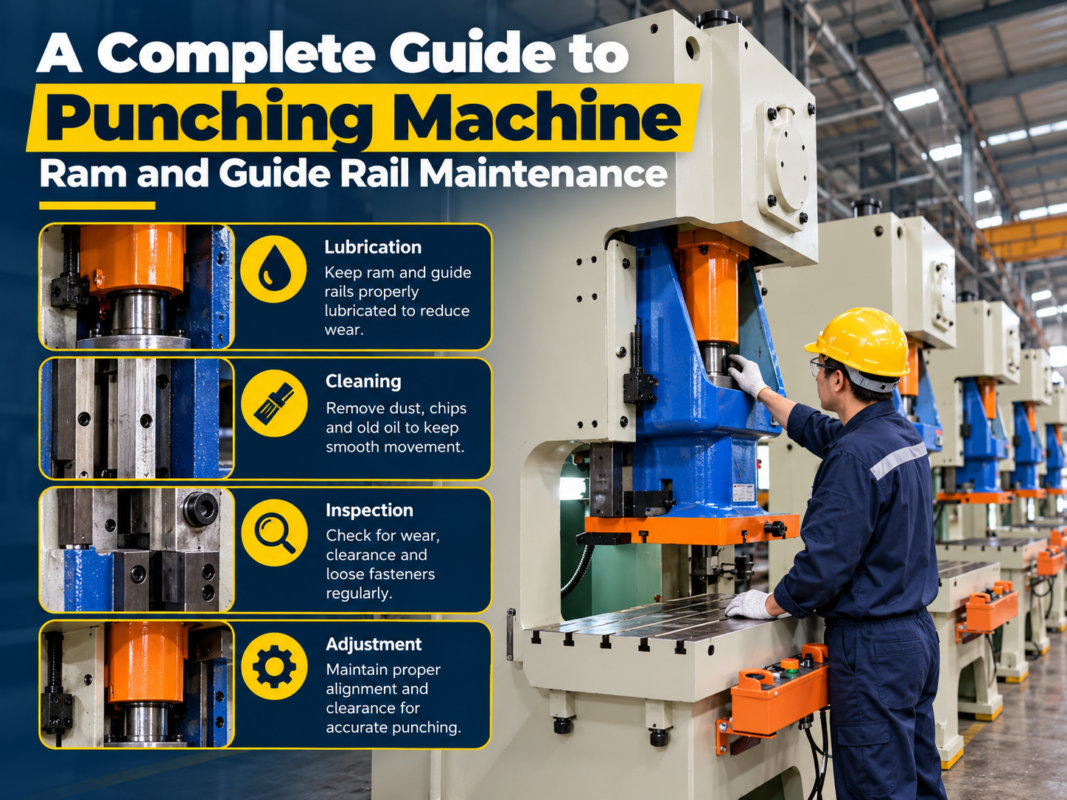
Mechanical checks involve the structural integrity of the machine frame and the ram guides. The ram moves within gibs or guides that must be adjusted to allow for smooth movement without lateral play. If the gibs are too tight, the motor will strain; if they are too loose, the ram will tilt under load, destroying the accuracy of the bend. Check the tension of any drive belts and the condition of the main motor couplings. A comprehensive mechanical audit ensures that the force generated by the hydraulics is efficiently and accurately transferred to the tooling.
The Lubrication Plan: Reducing Friction and Wear
Lubrication is the lifeblood of mechanical longevity. A proper lubrication plan for a HARSLE press brake involves identifying all friction points and applying the correct lubricant at the specified intervals. The backgauge linear guides and ball screws typically require a high-quality lithium-based grease. Automated lubrication systems should be checked to ensure the reservoirs are full and the delivery lines are not blocked. If a line is blocked, one component may be running dry while the rest of the machine appears well-oiled.
The ram guides (gibs) also require consistent lubrication. These surfaces endure high pressure and constant sliding motion. Using the wrong type of lubricant—such as a thin oil where a heavy grease is required—can lead to metal-on-metal contact and “scoring” of the guide surfaces. Maintenance personnel should look for a consistent film of lubricant on all moving parts. If a surface looks dry or has a “rainbow” discoloration, it is a sign of excessive friction and heat.
Don’t forget the minor pivot points, such as the hinges on safety gates or the adjustment knobs on the backgauge fingers. While these don’t affect the bend accuracy directly, their smooth operation contributes to the overall efficiency of the machine. A documented lubrication schedule, signed off by the maintenance team, ensures that no point is missed and that the machine remains in peak condition between major service intervals.
Troubleshooting Signals: What Your Machine is Telling You
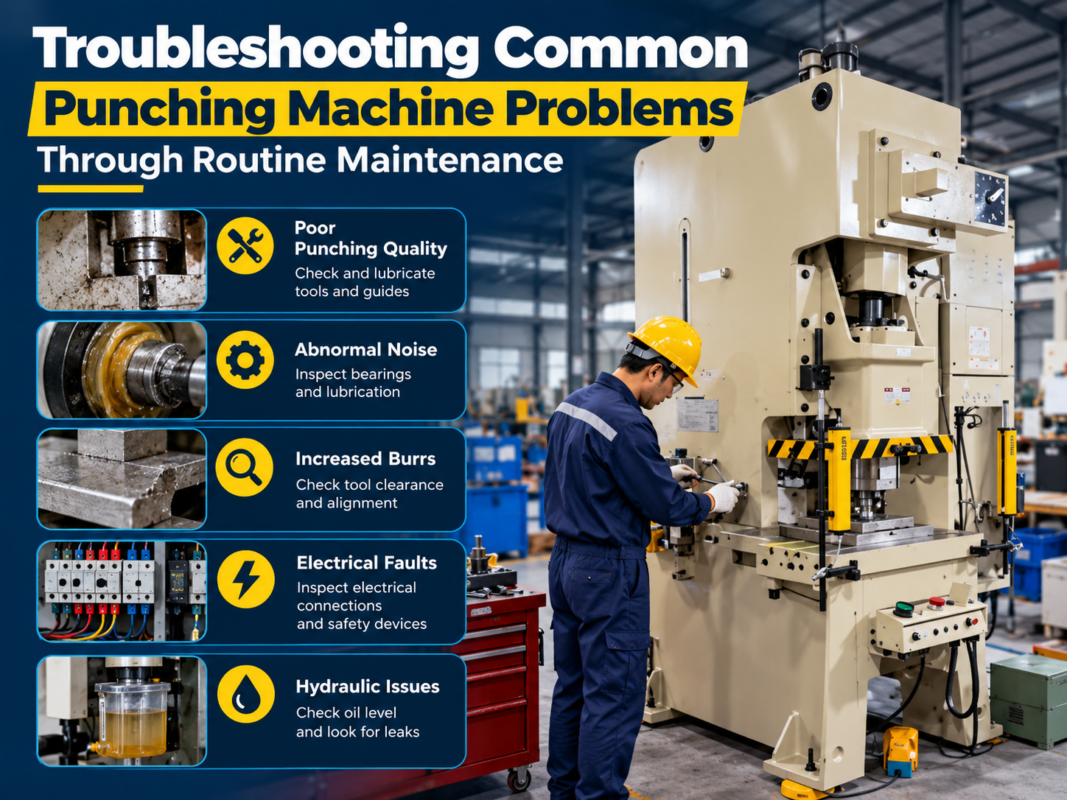
A press brake often provides subtle signals before a major failure occurs. Learning to interpret these signals is a key part of advanced maintenance. For example, if the machine requires increasing amounts of tonnage to achieve the same bend in the same material, this is a clear sign of tooling wear or a calibration issue in the hydraulic pressure sensors. Similarly, if the backgauge makes a high-pitched whining noise, it may indicate that a bearing in the servo motor is failing or that the ball screw is starved of oil.
Vibration is another critical signal. A press brake should operate smoothly. Excessive vibration during the bending cycle can indicate that the machine is not properly leveled or that there is an internal issue with the hydraulic pump. Using a vibration analysis tool can help pinpoint the source. Furthermore, “drift” in the CNC—where the programmed dimensions slowly change over the course of a shift—usually points to thermal expansion issues or a failing encoder on the backgauge axes.
Finally, pay attention to the error logs in the CNC controller (such as Delem or Cybelec systems used in HARSLE machines). These logs often record “soft” errors that don’t stop the machine but indicate underlying problems, such as minor voltage fluctuations or communication lag between the drive and the motor. Reviewing these logs during scheduled maintenance allows you to address electronic glitches before they become “hard” errors that shut down production.
Comprehensive Maintenance Schedule Table
| Frequency | Component | Action Required |
|---|---|---|
| Daily | Tooling & Bed | Clean debris, check for visible cracks or galling. |
| Daily | Safety Systems | Test light curtains, laser guards, and E-stops. |
| Weekly | Backgauge Rails | Wipe down linear guides and apply fresh lubricant. |
| Weekly | Hydraulic Fluid | Check oil level and look for signs of contamination. |
| Monthly | Ball Screws | Inspect for backlash and ensure mounting bolts are tight. |
| Monthly | Electrical Cabinet | Vacuum dust and check for loose wire connections. |
| Quarterly | Ram Gibs | Check clearance and adjust if necessary; lubricate. |
| Annually | Hydraulic System | Full oil change, filter replacement, and valve calibration. |
| Annually | Machine Leveling | Verify the machine frame is perfectly level and stable. |
Frequently Asked Questions (FAQ)
1. How often should I calibrate my backgauge?
Calibration should be checked monthly or whenever you notice a discrepancy in part dimensions. A full recalibration is recommended after any major maintenance or if the machine has been moved. HARSLE machines often have built-in calibration routines that simplify this process.
2. Can I use the same lubricant for all parts of the press brake?
No. Different components have different requirements. Hydraulic systems need specific hydraulic oil (usually ISO VG 46 or 68), while backgauge rails and ball screws require lithium-based grease. Always consult your HARSLE manual for specific grade recommendations.
3. What is the most common cause of tooling failure?
Overloading is the primary cause. Exceeding the tonnage limit of a punch or die can cause immediate deformation or cracking. Using the wrong V-opening for a specific material thickness also puts unnecessary stress on the tooling shoulders.
4. Why is my backgauge making a grinding noise?
Grinding usually indicates a lack of lubrication or the presence of metal shavings in the linear guides or ball screws. Stop the machine immediately, clean the components, and re-lubricate. If the noise persists, the bearings may be damaged.
5. How do I know if my hydraulic oil needs changing?
Check the color and clarity. If the oil is dark, cloudy, or has a burnt odor, it needs to be changed. You can also send an oil sample to a lab for analysis to check for microscopic metal particles, which indicate internal component wear.
6. Does the temperature of the shop affect press brake accuracy?
Yes. Extreme temperatures can affect hydraulic oil viscosity and cause thermal expansion in the metal frame and backgauge components. Most high-end CNCs have thermal compensation, but it is best to operate in a climate-controlled environment for maximum precision.