Comprehensive Guide to Punching Machine Applications in Farm Equipment and Machinery Parts


Introduction to Punching Machine Applications in Farm Equipment Machinery Parts
The global agricultural sector has undergone a massive transformation over the last century, moving from manual labor to highly sophisticated mechanization. At the heart of this industrial evolution lies the metal fabrication industry, which provides the essential components for tractors, harvesters, irrigation systems, and storage silos. Among the various tools used in this sector, the punching machine stands out as a critical asset. Understanding the Punching Machine Applications In Farm Equipment Machinery Parts is essential for manufacturers looking to optimize production speed, ensure structural integrity, and maintain cost-effectiveness in a competitive market.
Agricultural machinery is unique because it must withstand some of the harshest environments on Earth. From the corrosive effects of fertilizers and pesticides to the physical stress of tilling rocky soil, every component must be manufactured to exacting standards. Punching machines, particularly CNC (Computer Numerical Control) models, offer the precision and repeatability required to produce complex parts that fit perfectly every time. Whether it is creating ventilation holes in grain bins or mounting brackets for heavy-duty plows, the punching machine is the workhorse of the farm equipment factory.
HARSLE has been at the forefront of providing high-quality metal fabrication solutions, and our punching machines are specifically engineered to handle the rigorous demands of the agricultural industry. By integrating advanced hydraulics and intelligent control systems, these machines allow manufacturers to transition from raw sheet metal to finished components with minimal waste and maximum efficiency. In this guide, we will explore the technical nuances, selection criteria, and specific applications that make punching machines indispensable in the world of farm machinery.
Key Considerations for Agricultural Metal Punching
Material Durability and Selection
When discussing Punching Machine Applications In Farm Equipment Machinery Parts, the first consideration is always the material. Farm equipment often utilizes high-strength, low-alloy (HSLA) steels to provide the necessary durability without adding excessive weight. Punching through these materials requires a machine with high tonnage and robust tooling. The punching process must be clean, leaving no burrs or micro-cracks that could lead to structural failure under the vibration and stress of field operations.
In addition to steel, many modern farm implements use galvanized metal or stainless steel to resist rust. Punching these materials requires specific lubricants and die clearances to prevent galling and tool wear. A high-quality punching machine allows for quick adjustments to these parameters, ensuring that the integrity of the protective coatings is maintained as much as possible during the fabrication process.
Precision and Tolerance Requirements
While farm equipment might look rugged and simple from a distance, the internal mechanisms are incredibly precise. Seeders and planters, for instance, require perfectly aligned holes for metering units to ensure seeds are placed at exact intervals. If a punching machine lacks precision, the resulting misalignment can lead to mechanical jams or uneven crop yields. Therefore, the CNC capabilities of a punching machine are vital for maintaining tight tolerances across thousands of identical parts.
High-Volume Production and Scalability
Agriculture is a seasonal industry. Manufacturers often face periods of intense demand leading up to the planting or harvesting seasons. Punching machines are favored in this environment because of their high stroke rates. Unlike laser cutting, which can be slower for simple hole patterns, a mechanical or hydraulic punch can process hundreds of holes per minute. This speed is crucial for meeting tight production deadlines and keeping inventory levels optimized for the market’s needs.
Tooling Versatility
The variety of parts in a single piece of farm machinery is staggering. A tractor frame might require large diameter holes for axles, while the dashboard requires small, intricate cutouts for gauges and switches. A turret punch press is particularly useful here, as it can hold dozens of different tools simultaneously, switching between them in seconds. This versatility reduces setup time and allows for the production of complex geometries in a single handling of the workpiece.
Technical Details of Punching Machines in Agriculture
Hydraulic vs. Mechanical Drive Systems
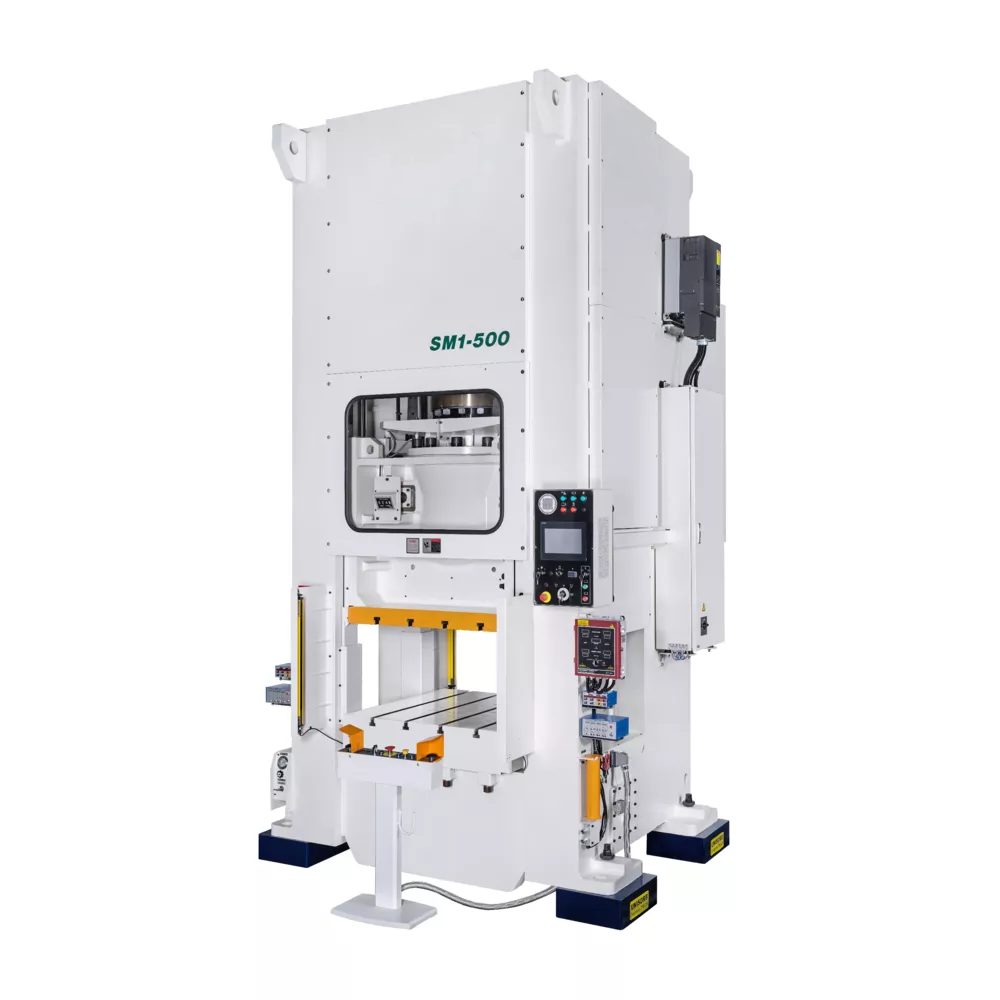
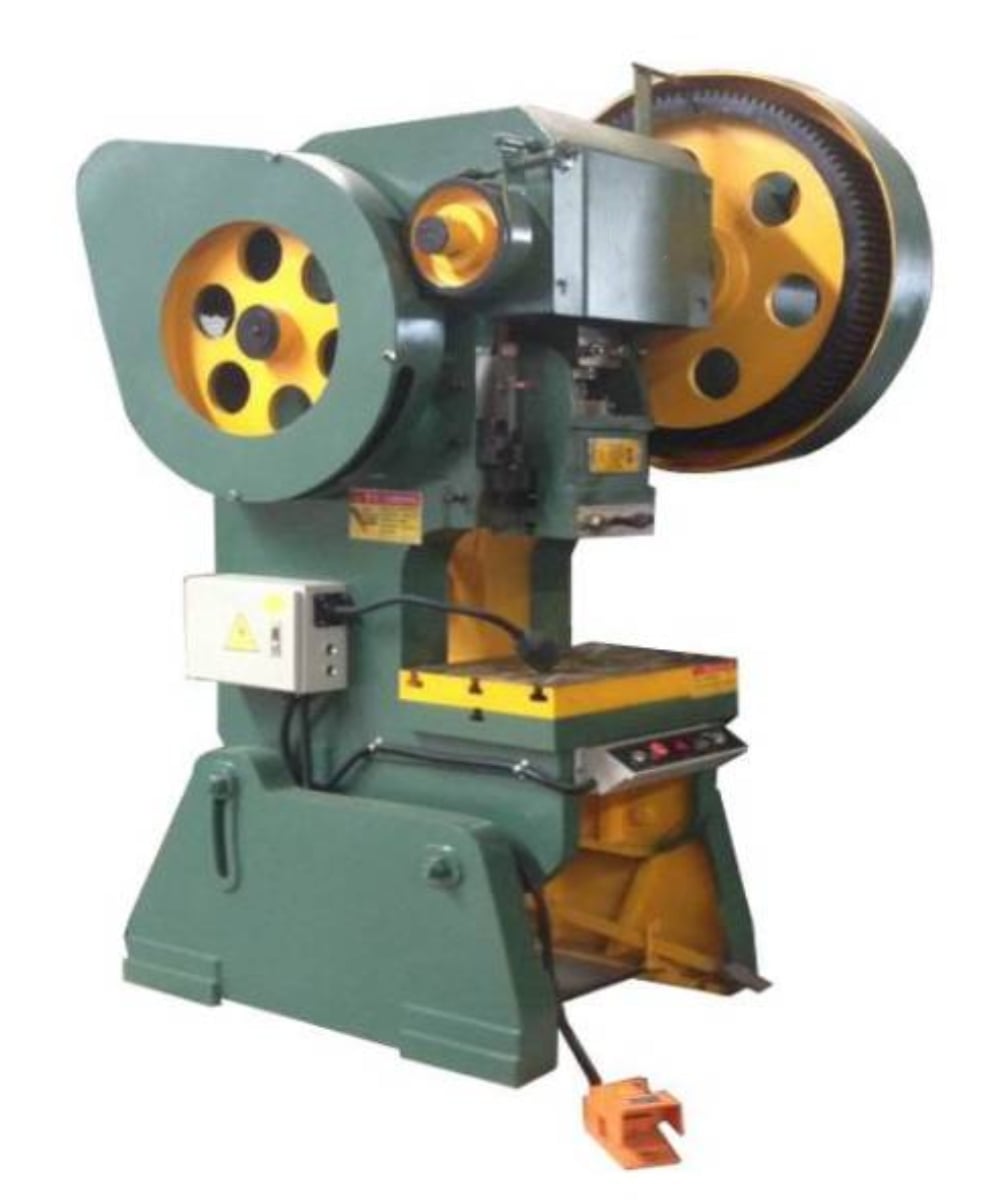
The choice between hydraulic and mechanical punching machines often depends on the specific application within the farm equipment sector. Mechanical presses are known for their speed and are excellent for high-volume, relatively thin-gauge parts like panels for grain carts. However, hydraulic punching machines offer full tonnage throughout the entire stroke, which is often necessary for the thicker plates used in structural frames and hitch assemblies. Modern CNC hydraulic punches also offer “soft punch” features, which reduce noise and vibration, extending the life of the machine and the tooling.
CNC Integration and Automation
The integration of CNC technology has revolutionized Punching Machine Applications In Farm Equipment Machinery Parts. With CNC, operators can program complex hole patterns, nibbling sequences, and even forming operations like louvers or countersinks. For agricultural manufacturers, this means that a single machine can perform multiple operations that previously required separate stations. Furthermore, CAD/CAM software allows for nesting, which optimizes the layout of parts on a sheet of metal to minimize scrap—a significant cost-saving factor when dealing with expensive alloys.
Stroke Control and Forming Capabilities
One of the technical advantages of modern punching machines is precise stroke control. In farm machinery, it is common to need features like extruded holes for threading or louvers for engine cooling. A CNC punching machine can control the depth of the punch to within fractions of a millimeter, allowing it to form these features without piercing the metal entirely. This capability is essential for creating functional components like ventilated side panels for tractors or reinforced mounting points for hydraulic lines.
| Feature | Benefit for Farm Equipment | Typical Specification |
|---|---|---|
| Tonnage | Ability to punch thick structural steel | 30 – 100 Tons |
| Turret Capacity | Reduced setup time for complex parts | 12 – 58 Stations |
| Positioning Accuracy | Ensures perfect fit for assembly | +/- 0.1 mm |
| Stroke Rate | High-speed production for seasonal demand | 600 – 1000 HPM |
Selection Advice for Farm Equipment Manufacturers
Assessing Tonnage and Bed Size
When selecting a punching machine for agricultural parts, the first step is to analyze the thickest and largest material you plan to process. For heavy-duty equipment like plows or chassis components, a high-tonnage machine (50 tons or more) is often required. Additionally, the bed size must accommodate large sheets of metal, as many farm machinery panels are oversized. Look for machines with repositioning features that allow for processing sheets longer than the physical bed of the machine.
Evaluating Tooling and Turret Configuration
Consider the complexity of your parts. If your designs require many different hole sizes or shapes, a larger turret capacity will save significant time by reducing manual tool changes. Furthermore, look for machines that support “Auto-Index” stations. These stations can rotate the tool to any angle, allowing you to punch diagonal lines or complex shapes with a single tool, which greatly increases the flexibility of the machine.
Software and Ease of Use
The efficiency of a CNC punching machine is only as good as the software that drives it. Ensure the machine comes with an intuitive interface and is compatible with industry-standard CAD/CAM software. For farm equipment manufacturers, the ability to quickly import a design and generate a nesting pattern is vital for maintaining a lean production flow. HARSLE machines are designed with user-friendly controllers that simplify the programming of even the most complex agricultural components.
Maintenance and Long-Term Reliability
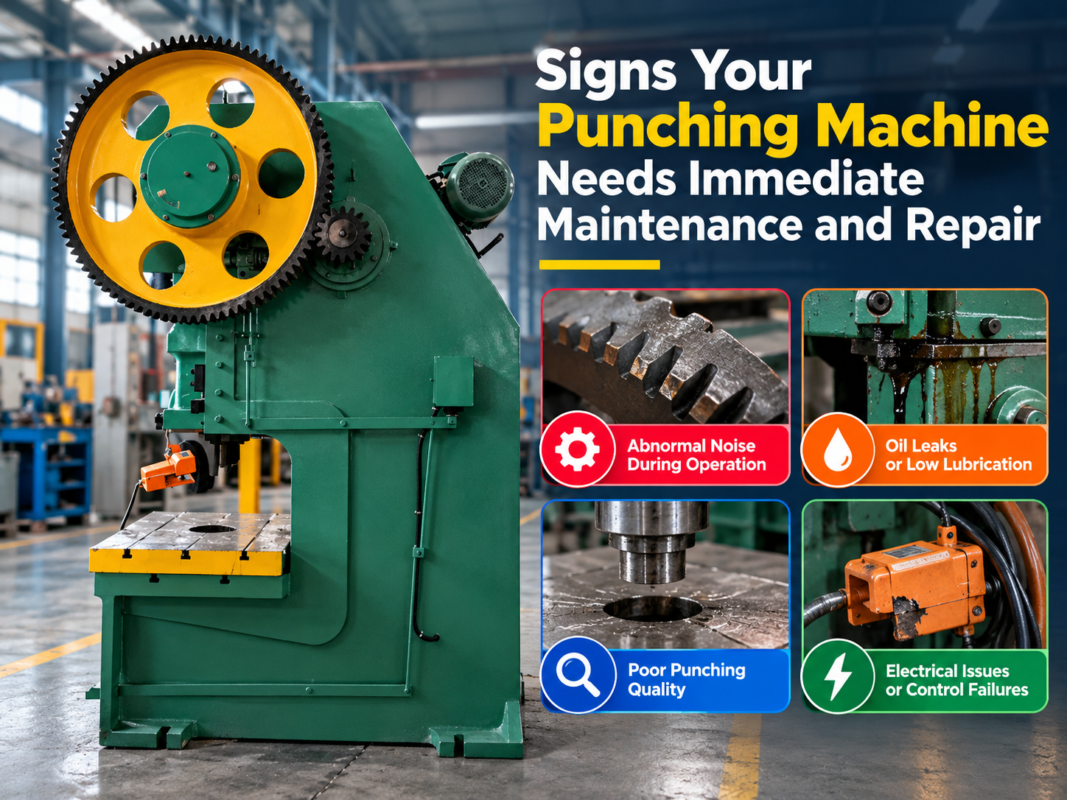
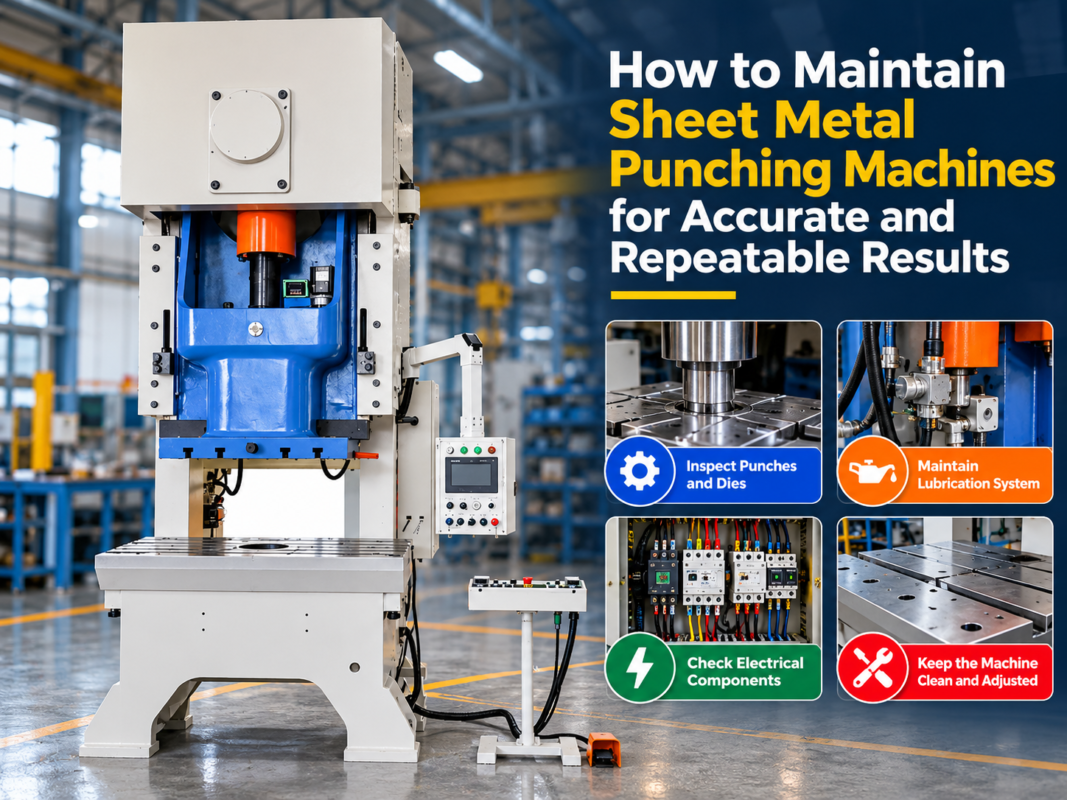
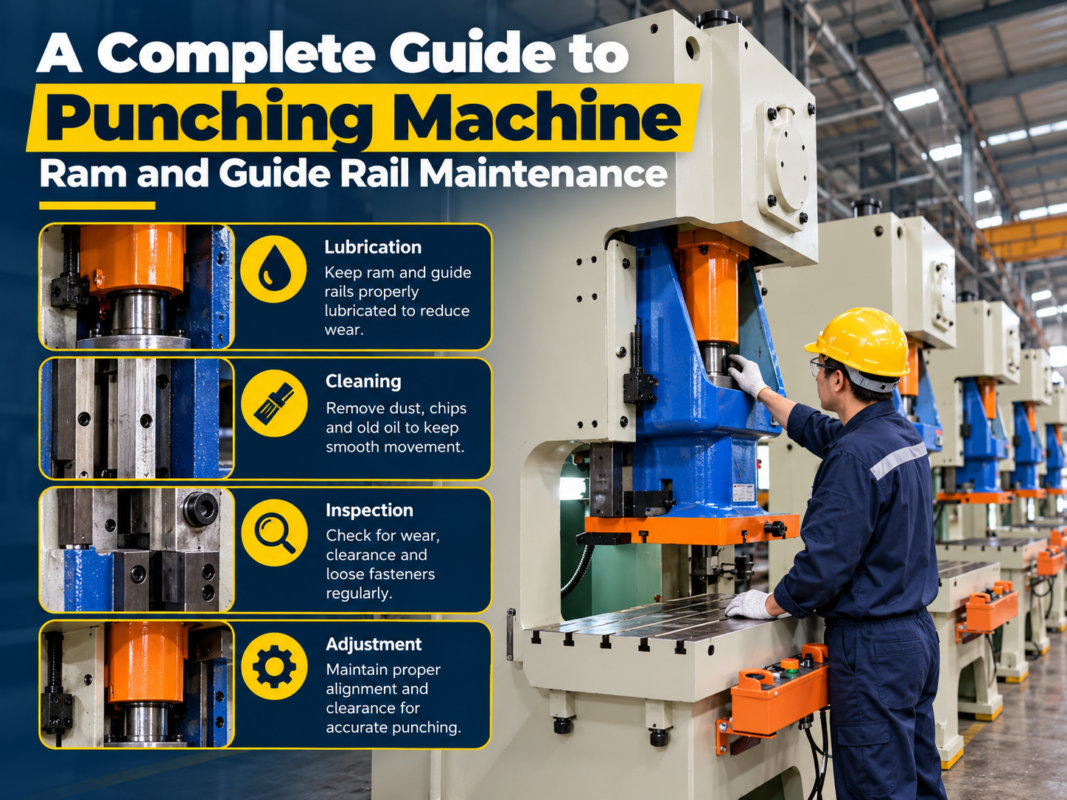
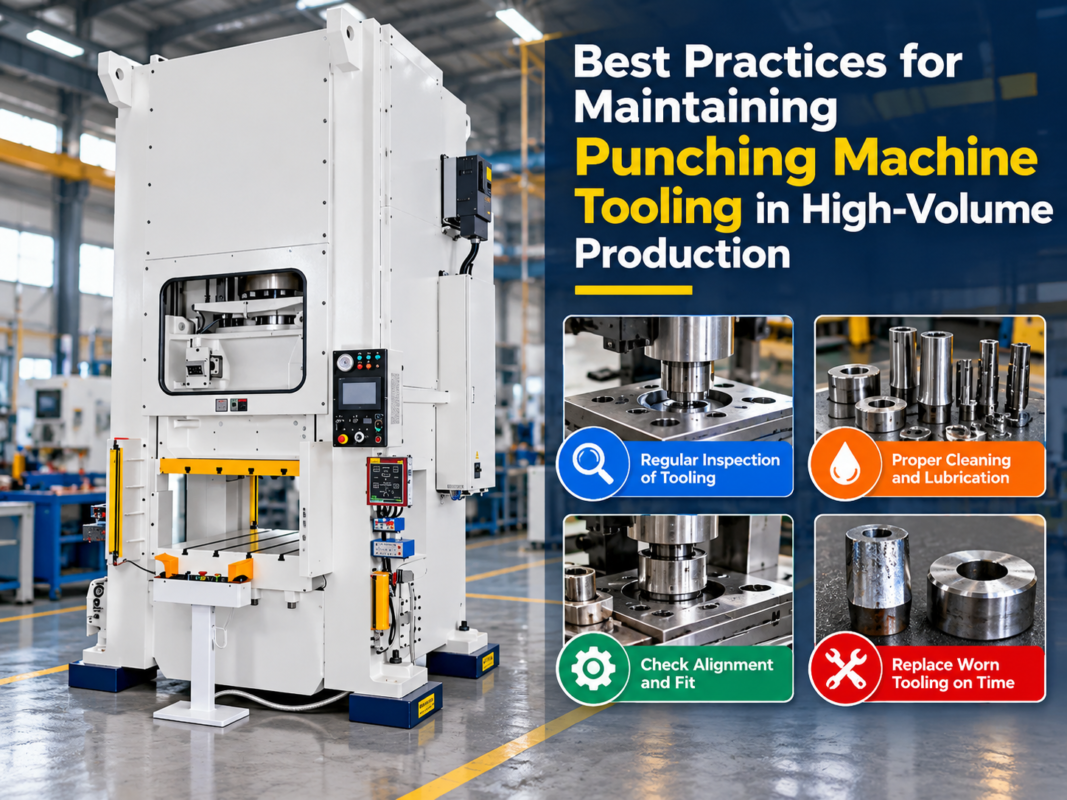
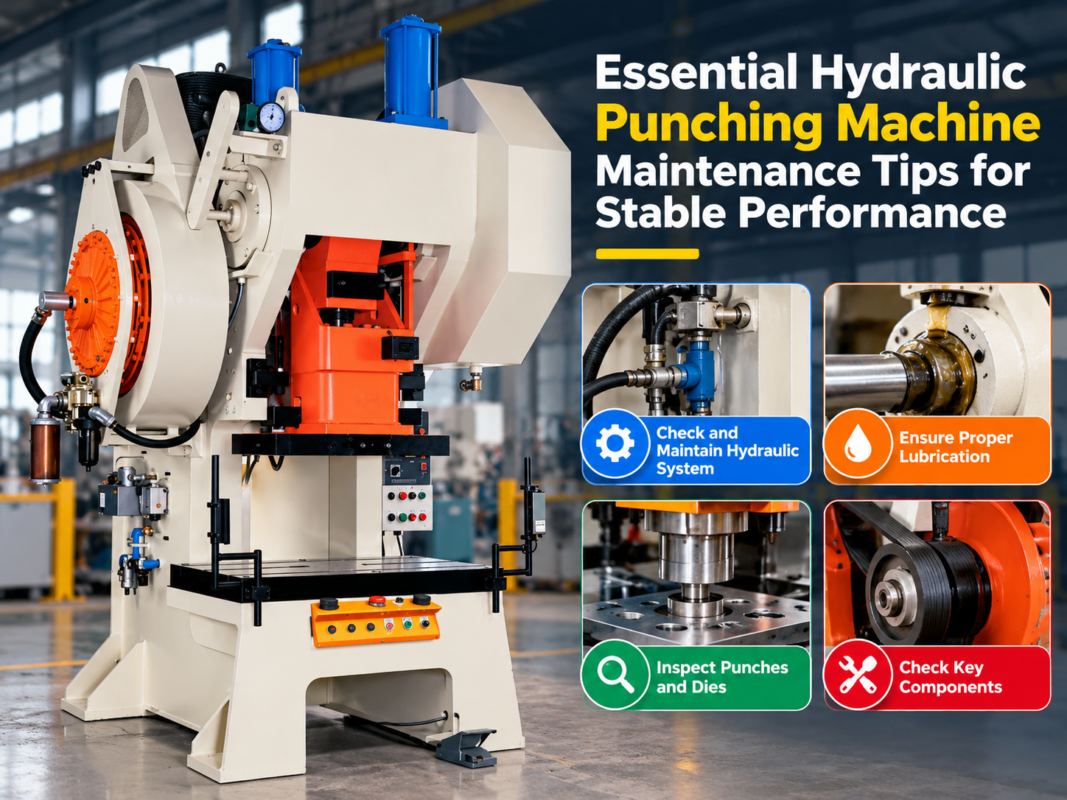
Farm equipment manufacturing is a demanding environment. Your punching machine should be built with high-quality components that can withstand dust, temperature fluctuations, and continuous operation. Check the availability of spare parts and the reputation of the manufacturer’s service department. Regular maintenance, such as lubrication of the ram and sharpening of the dies, is essential. Choosing a machine with an automatic lubrication system can significantly reduce downtime and extend the life of the equipment.
Safety Features
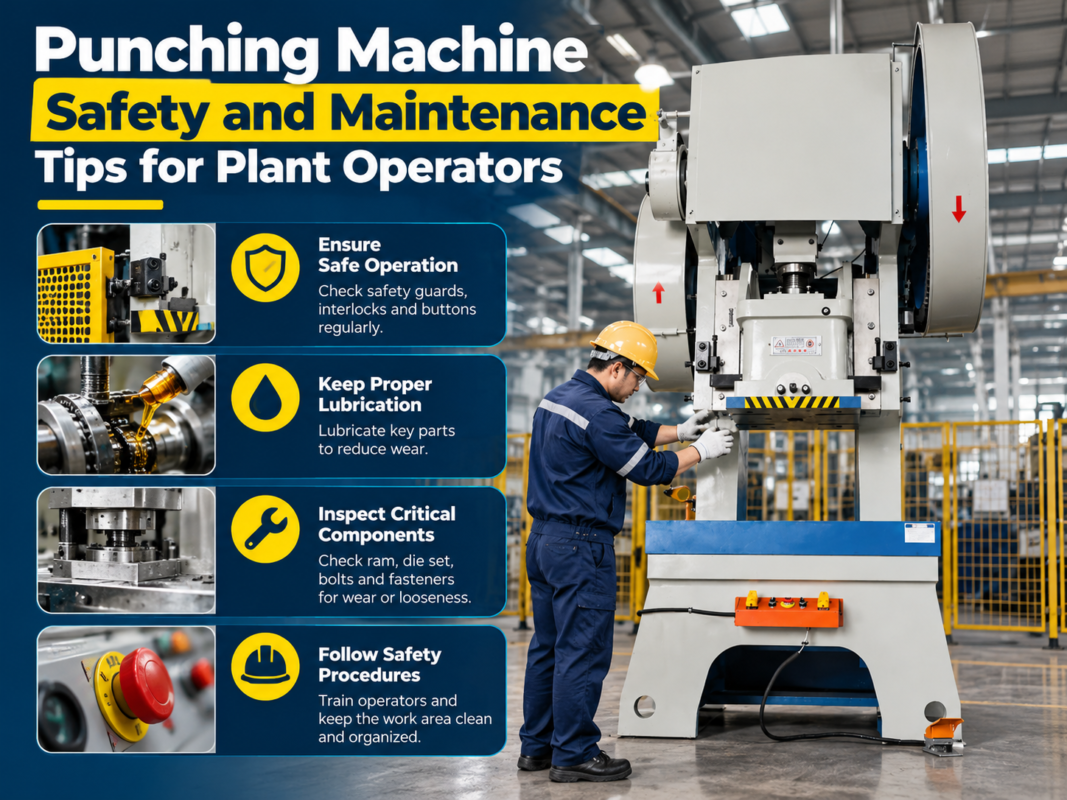
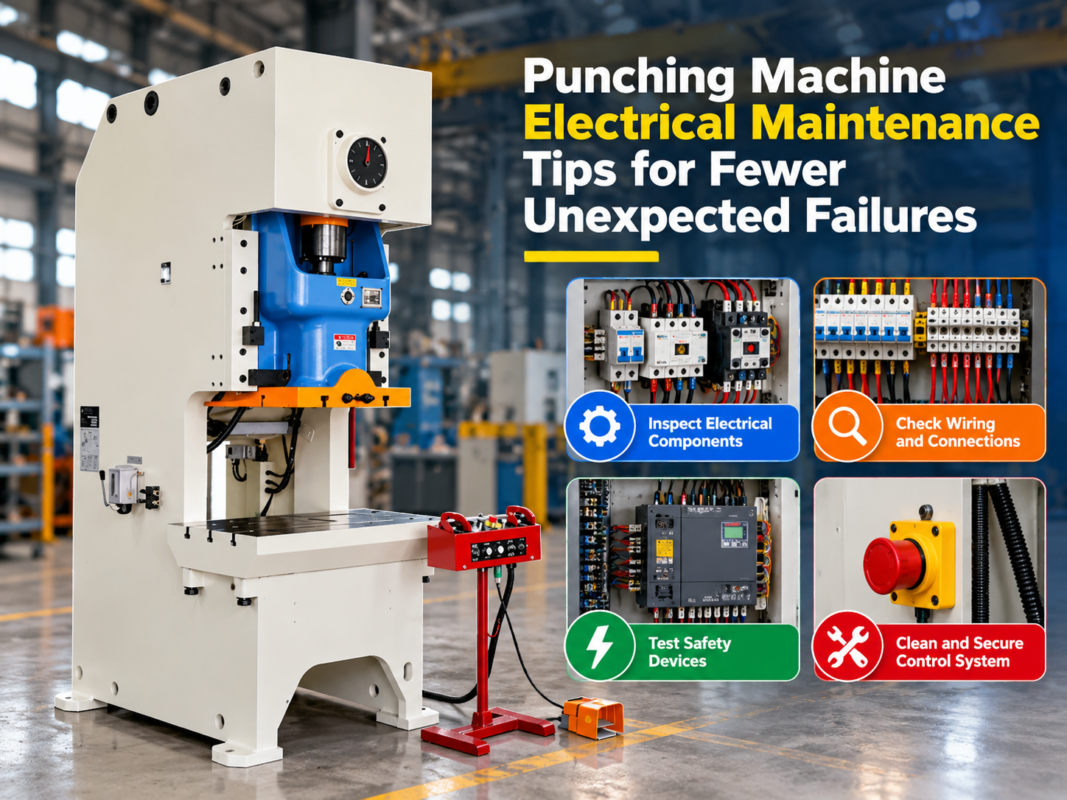
Safety should never be an afterthought. Modern punching machines must be equipped with light curtains, emergency stop buttons, and safety interlocks. In a busy factory producing agricultural parts, these features protect operators from the high-force movements of the machine. Ensure that the machine you select complies with international safety standards (such as CE or ISO) to provide a safe working environment for your team.
Frequently Asked Questions (FAQ)
What are the most common parts made with punching machines in agriculture?
Punching machines are used to create a wide variety of parts, including tractor body panels, engine grilles, mounting brackets for implements, components for grain handling systems, and structural plates for harvesters. They are also used for creating perforated screens used in cleaning and grading grain.
Can a punching machine handle the thick steel used in plow blades?
While very thick plow blades (over 12mm) are often cut using plasma or waterjet, the mounting holes and structural supports for the plow assembly are frequently processed on high-tonnage punching machines. For materials up to 6mm or 8mm, a 50-ton CNC punch is highly efficient.
How does a punching machine compare to a laser cutter for farm parts?
Punching machines are generally faster and more cost-effective for parts with many holes or repetitive patterns. They also have the unique ability to perform forming operations like louvers and ribs, which a laser cannot do. However, lasers are better for very complex, irregular outlines in thick material where no standard tool exists.
What kind of maintenance does a CNC punching machine require?
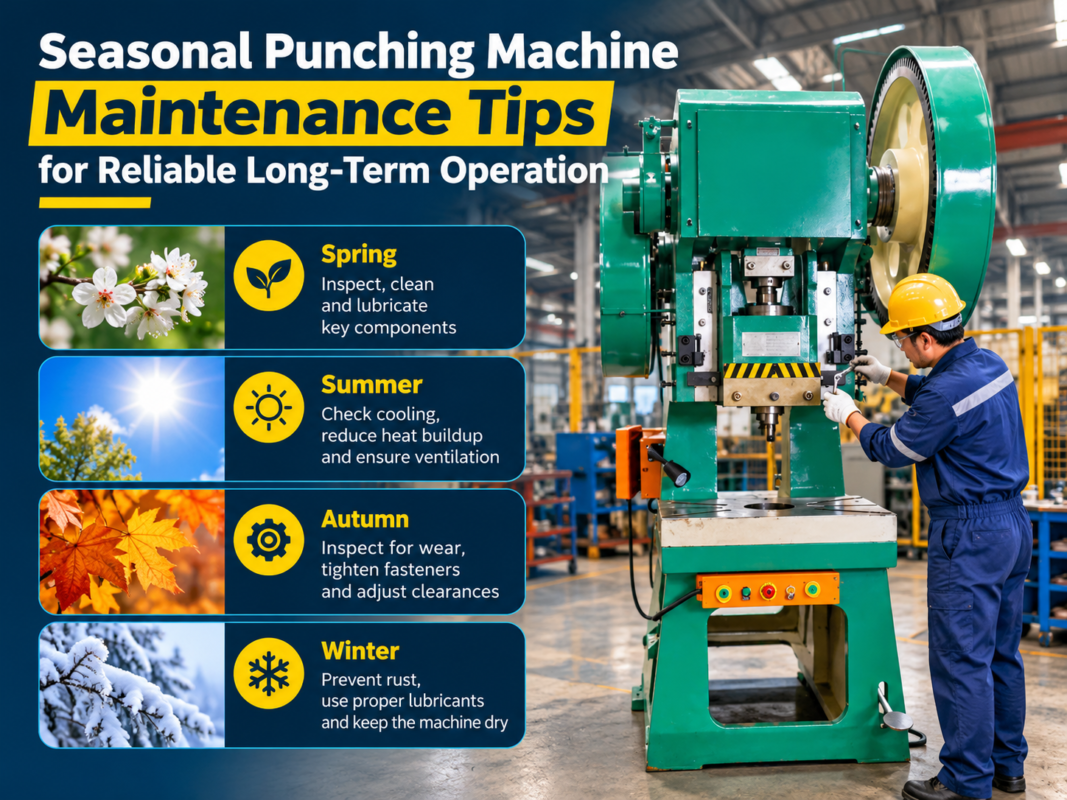
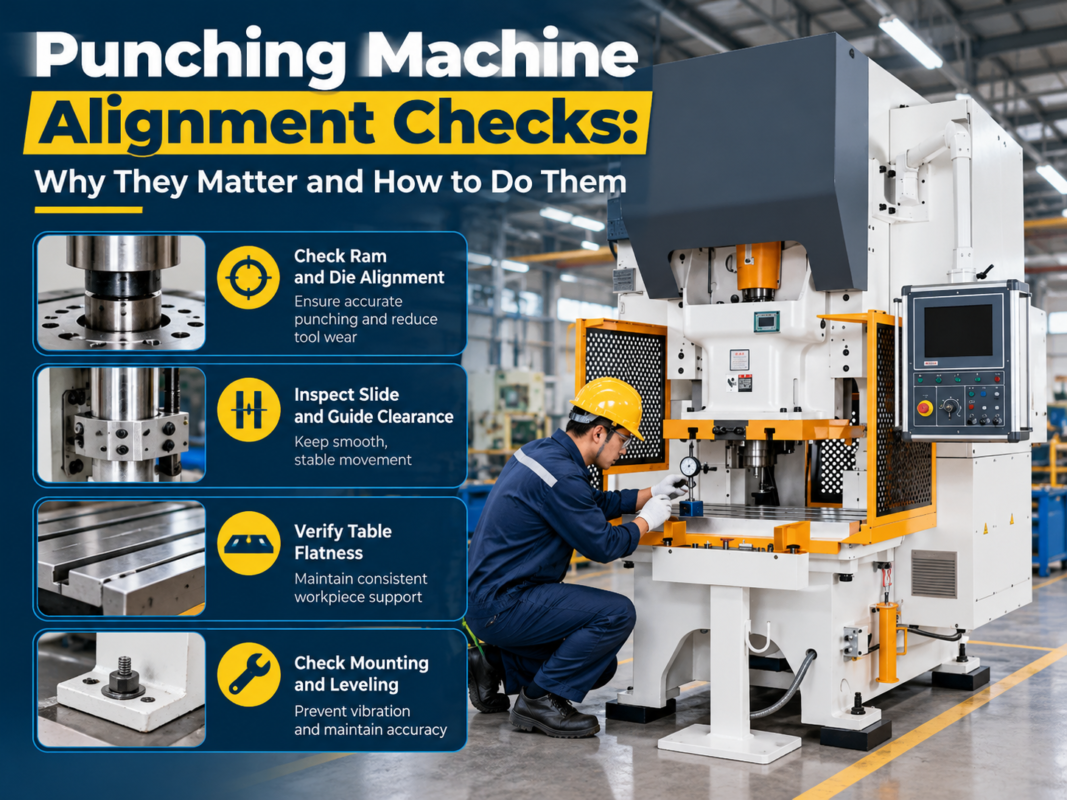
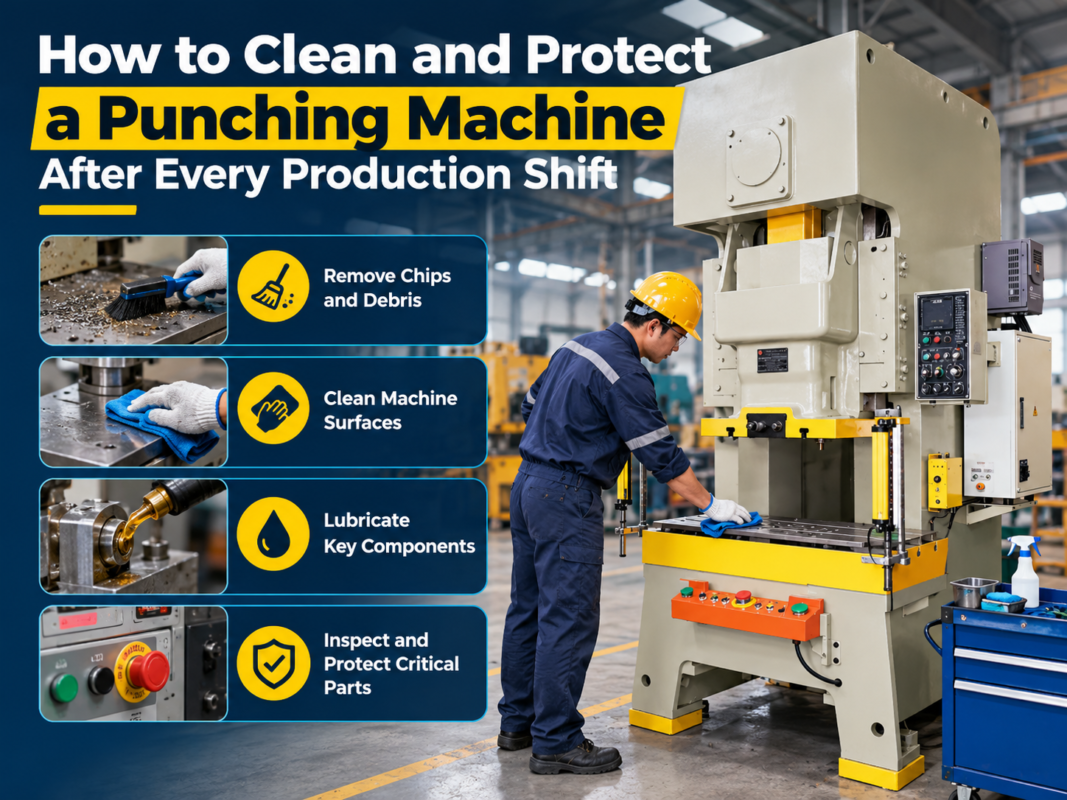
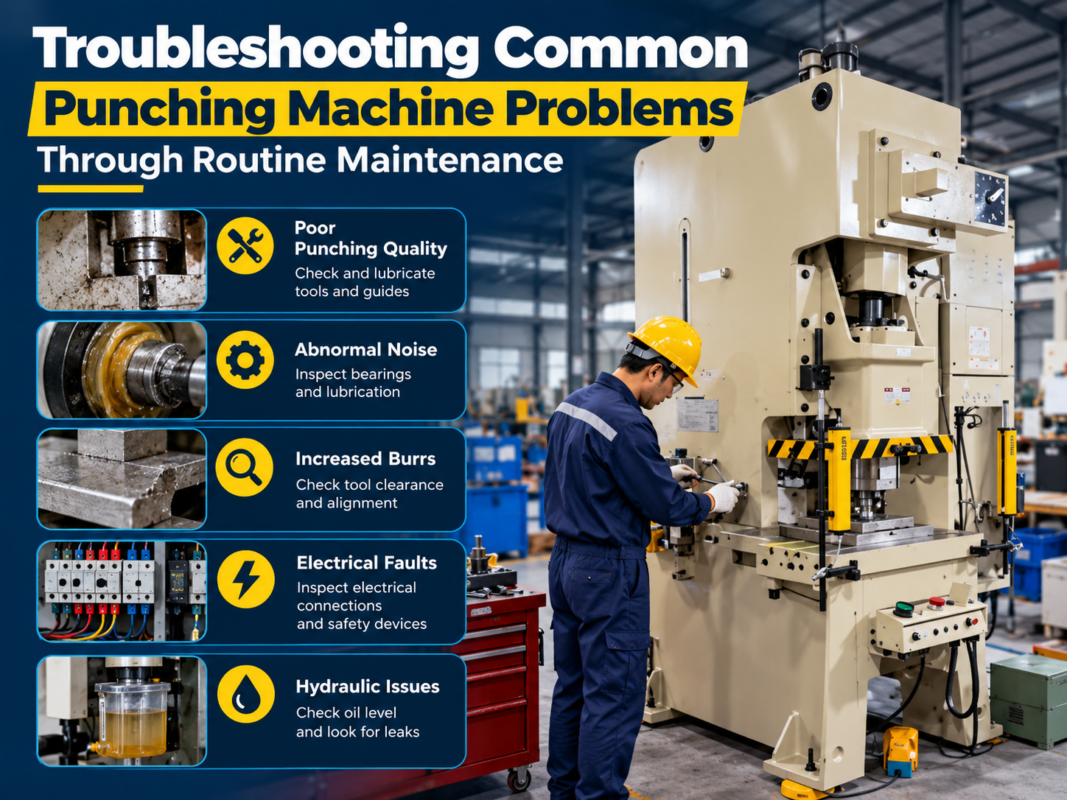
Daily maintenance includes checking oil levels and cleaning the work surface. Weekly, you should inspect the tooling for wear and sharpen punches and dies as needed. Monthly checks should focus on the alignment of the turret and the tension of drive belts or hydraulic seals. Proper maintenance ensures the longevity of the machine in a heavy-duty agricultural manufacturing setting.
Is it possible to punch stainless steel for fertilizer spreaders?
Yes, but it requires specific considerations. Stainless steel is harder and work-hardens quickly. You must use high-quality, coated tooling and ensure the machine has sufficient tonnage. Proper die clearance is also critical to prevent the material from sticking to the punch.
Conclusion: The Future of Punching in Agricultural Manufacturing
The role of Punching Machine Applications In Farm Equipment Machinery Parts continues to grow as the demand for more efficient and durable agricultural machinery increases. As we have explored, the combination of speed, precision, and versatility makes the punching machine an essential tool for any manufacturer in this sector. From the smallest bracket to the largest harvester panel, the ability to quickly and accurately process metal is what allows the agricultural industry to keep pace with the needs of a growing global population.
Investing in a high-quality punching machine from a trusted manufacturer like HARSLE ensures that your production line remains competitive. By focusing on robust construction, advanced CNC technology, and user-centric design, HARSLE provides the tools necessary to tackle the unique challenges of agricultural fabrication. As technology advances, we can expect to see even greater integration of automation and AI in punching processes, further driving efficiency and innovation in the field.
In summary, whether you are a small-scale producer of specialized farm implements or a large-scale manufacturer of tractors and combines, the punching machine is a cornerstone of your success. By understanding the technical requirements and selecting the right equipment, you can ensure that your products are built to last, performing reliably in the fields for years to come. The future of farming is built on solid metal, and that metal is shaped by the precision of the punching machine.