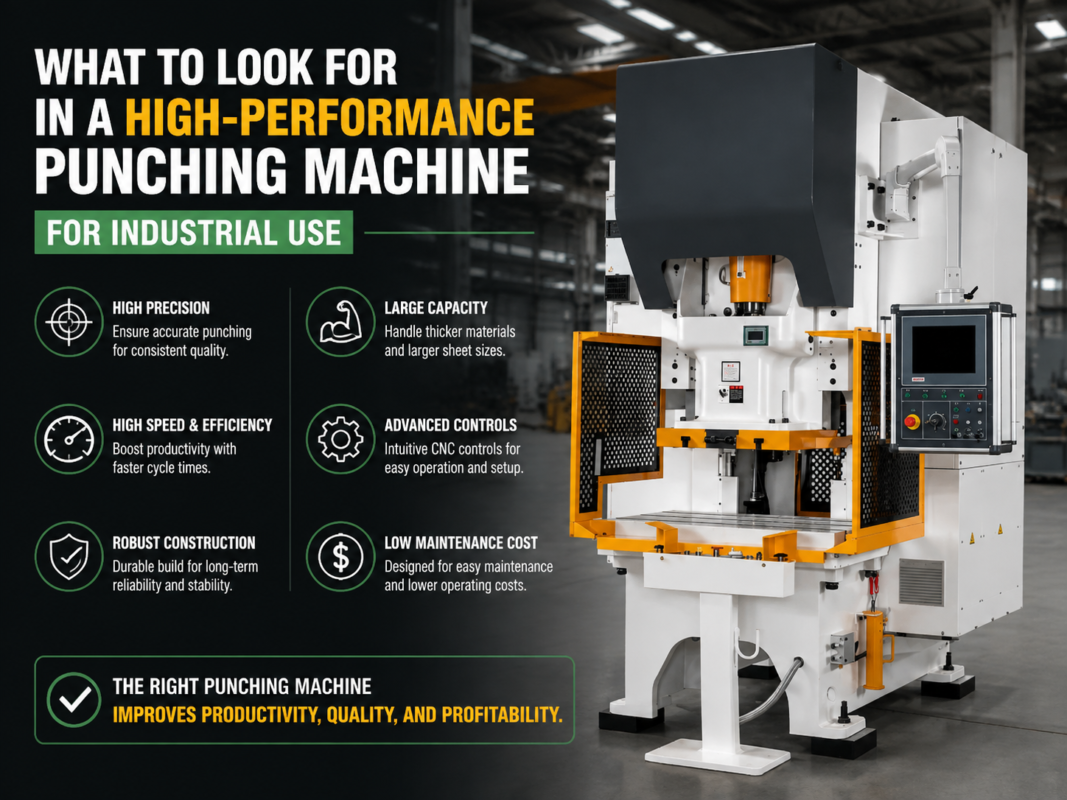
Best Punching Machine Uses for Hole Making in Metal Sheets: A Comprehensive Industrial Guide


Introduction to Metal Punching Technology
In the realm of modern metal fabrication, the ability to create precise, repeatable, and efficient holes in sheet metal is a cornerstone of manufacturing success. While various methods exist—such as laser cutting, waterjet cutting, and drilling—the use of specialized punching machines remains the gold standard for high-volume production and specific geometric requirements. Understanding the Best Punching Machine Uses Hole Making In Metal Sheets is essential for any facility looking to optimize its workflow, reduce costs, and improve part quality. HARSLE, a leader in industrial machinery, provides advanced solutions that cater to these diverse needs, ranging from mechanical power presses to sophisticated CNC turret punch presses.
Punching is a cold-forming process that uses a punch and a die to create a hole by shearing the material. This method is significantly faster than thermal cutting processes for standard shapes like circles, squares, and rectangles. Furthermore, modern punching machines are not limited to simple holes; they can perform forming operations such as louvers, ribs, and countersinks in a single setup. This versatility makes the punching machine an indispensable asset in industries ranging from aerospace and automotive to electronics and HVAC manufacturing.
As global manufacturing demands higher precision and shorter lead times, the technology behind punching machines has evolved. Today’s machines integrate advanced CNC controls, hydraulic servo systems, and automated tool changers. These innovations allow for complex hole patterns and high-speed operations that were previously impossible. In this guide, we will delve deep into the technical aspects, applications, and selection criteria to help you leverage the best punching machine uses for your specific fabrication requirements.
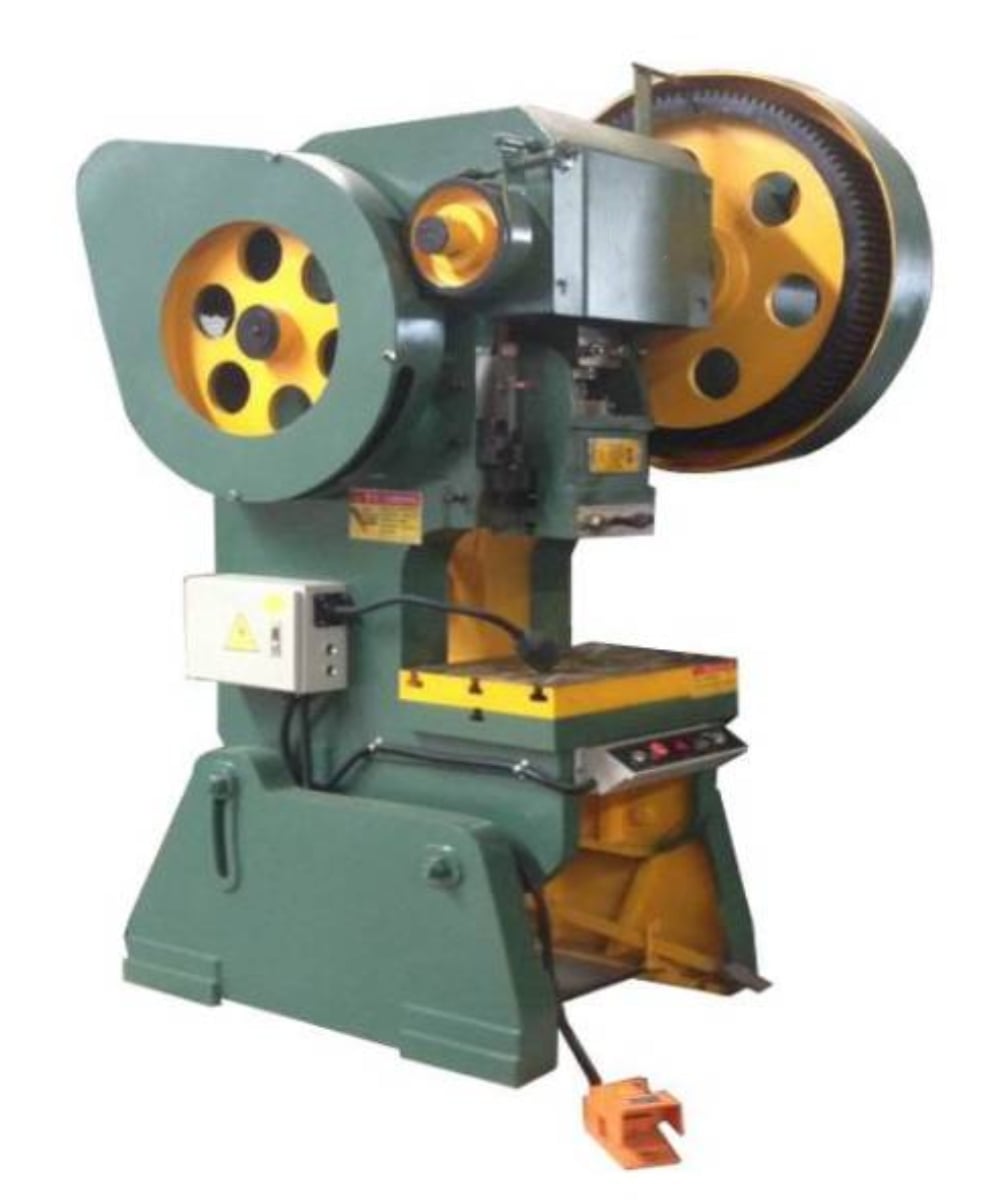
Key Considerations for Hole Making in Metal Sheets
Before selecting a machine or a process, several critical factors must be evaluated to ensure the best results. The interaction between the machine, the tooling, and the material determines the success of the punching operation. One of the primary considerations is the material type. Different metals, such as stainless steel, aluminum, and carbon steel, have varying levels of ductility and shear strength. For instance, punching stainless steel requires significantly more force and specialized tool coatings compared to aluminum, which is softer but more prone to galling.
Material thickness is another vital factor. The rule of thumb in the industry is that the hole diameter should generally not be smaller than the material thickness. Attempting to punch a 2mm hole in 5mm thick steel can lead to excessive tool wear or even punch breakage. Understanding the limits of your equipment regarding tonnage and material thickness is crucial for maintaining operational safety and tool longevity. HARSLE machines are designed with robust frames to handle these stresses, but operators must still adhere to technical limits.
Hole geometry and precision requirements also dictate the choice of machine. While a simple mechanical press might suffice for basic round holes in a low-precision application, a CNC turret punch press is necessary for complex patterns or parts requiring tight tolerances. The precision of the positioning system, the rigidity of the frame, and the quality of the tooling all contribute to the final accuracy of the hole. Furthermore, the edge quality—specifically the ratio of the burnished zone to the fracture zone—is a key consideration for parts that require subsequent welding or aesthetic finishing.
Finally, production volume plays a decisive role. For prototype work or very low volumes, a manual punching machine or a versatile laser might be appropriate. However, for medium to high-volume production, the speed of a dedicated punching machine is unmatched. The ability to punch hundreds of holes per minute makes it the most cost-effective solution for mass-produced components like perforated panels, shelving, and chassis parts. Balancing these considerations ensures that you are utilizing the Best Punching Machine Uses Hole Making In Metal Sheets for your specific business model.
Technical Details of the Punching Process
The Mechanics of the Punch and Die
The punching process is a mechanical shearing action. It begins when the punch descends and contacts the metal sheet, which is supported by the die. As the punch applies pressure, the material undergoes elastic deformation, followed by plastic deformation. Eventually, the stress exceeds the ultimate shear strength of the material, causing it to fracture. The slug (the waste piece of metal) is then pushed through the die opening. The quality of the resulting hole is characterized by a slight rollover at the top, a smooth burnished land, and a rougher fracture zone at the bottom.
To achieve a clean cut, the alignment between the punch and the die must be perfect. Any deviation can lead to uneven burrs, excessive tool wear, and potential damage to the machine. High-quality punching machines utilize precision-ground guides and robust turrets to maintain this alignment even under high-tonnage loads. The use of lubricants during this process is also essential to reduce friction and heat, which extends the life of the tools and improves the surface finish of the hole edges.
Calculating Tonnage and Force Requirements
Determining the required force is a fundamental step in any punching operation. The formula for calculating punching force (P) is generally: P = L × t × τ, where ‘L’ is the perimeter of the hole, ‘t’ is the material thickness, and ‘τ’ is the shear strength of the material. For example, punching a 50mm diameter hole in 3mm thick mild steel requires significantly more tonnage than a 10mm hole in the same material. It is vital to ensure that the machine’s rated capacity is at least 20% higher than the calculated force to account for tool dulling and material variations.
HARSLE provides detailed tonnage charts for their J23 and J21 series presses, allowing operators to quickly identify the right machine for their specific tasks. Overloading a machine not only risks mechanical failure but also results in poor hole quality due to frame deflection. Conversely, using a massive 200-ton press for a task that only requires 10 tons is inefficient and can lead to unnecessary wear on the larger machine’s components.
Die Clearance and Its Impact on Quality
Die clearance is the space between the punch and the die. It is typically expressed as a percentage of the material thickness. The correct clearance is critical: if it is too small, the fracture lines do not meet, leading to secondary shear and increased tool wear. If it is too large, the material is drawn into the die, resulting in a large rollover and heavy burrs. For most mild steel applications, a total clearance of 15% to 20% of the material thickness is standard, though this varies for stainless steel and aluminum.
Proper clearance management is one of the Best Punching Machine Uses Hole Making In Metal Sheets strategies for maintaining high quality. Modern CNC machines often feature automated tool management systems that track tool usage and suggest clearance adjustments based on the material being processed. Investing in high-quality, precision-ground tooling is just as important as the machine itself, as the tool is the direct interface with the workpiece.
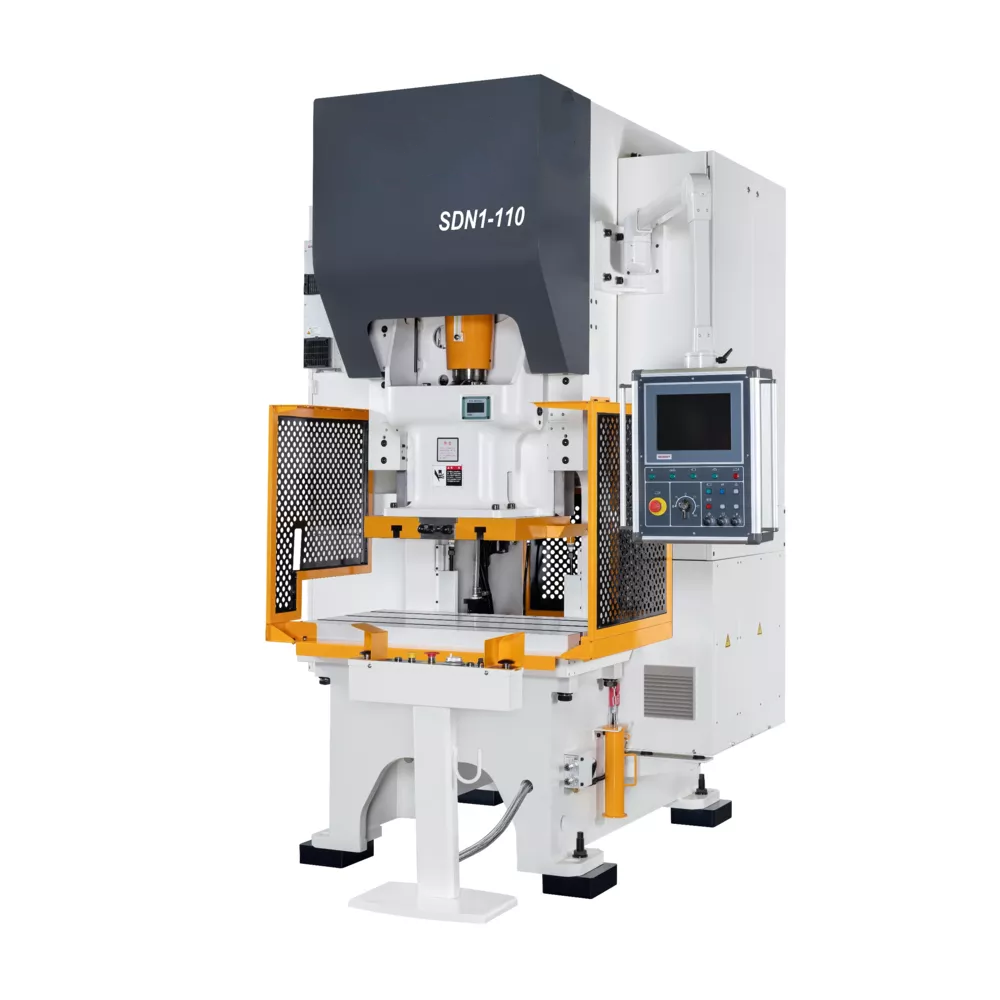
Best Punching Machine Uses for Hole Making in Metal Sheets
High-Volume Perforation and Grilles
One of the most common and effective uses for punching machines is the creation of perforated sheets. These are used in architectural facades, acoustic panels, and industrial filtration systems. A CNC turret punch press can be programmed to create thousands of holes in a specific pattern with incredible speed. Unlike laser cutting, which must travel the perimeter of every hole, a punch press creates the entire hole in a single stroke. This makes it the superior choice for high-density hole patterns where speed is the primary concern.
In addition to standard round holes, punching machines can create decorative patterns, hexagonal grilles for speaker covers, and slotted holes for ventilation. The ability to use “cluster tools”—where a single punch contains multiple small pins—further multiplies the productivity of the machine. This application highlights why punching remains a dominant force in the sheet metal industry despite the rise of alternative technologies.
Electrical Enclosures and Knockouts
The electrical industry relies heavily on punching machines for the production of junction boxes, switchgear cabinets, and control panels. These components require numerous “knockouts”—partially punched holes that can be easily removed by an electrician in the field. A punching machine is uniquely suited for this because it can control the depth of the stroke to shear the material only partially, leaving small “tabs” to hold the slug in place.
Furthermore, electrical enclosures often require specialized shapes for connectors, D-sub ports, and cooling fans. A CNC turret punch press can house a variety of tools to create these specific shapes in one continuous operation. The precision offered by HARSLE’s CNC systems ensures that all components fit perfectly during final assembly, reducing the need for manual filing or rework.
Automotive Component Manufacturing
In the automotive sector, punching machines are used to create structural components, brackets, and heat shields. These parts often involve high-strength steels that require significant tonnage. Mechanical power presses are frequently used here for their high speed and reliability in repetitive tasks. Hole making in these components must be extremely precise to ensure proper alignment during robotic welding and assembly processes.
Beyond simple holes, automotive applications often require forming features like extruded holes for threading or stiffening ribs to increase the part’s strength-to-weight ratio. The ability of a punching machine to perform these forming operations alongside hole making is a major advantage. This multi-functional capability reduces the number of machines needed in a production line and minimizes material handling, which is a key factor in lean manufacturing environments.
Selection Advice for Industrial Punching Machines
Choosing the right machine involves more than just looking at the price tag. You must consider the long-term operational costs, the flexibility of the machine, and the specific needs of your product line. For shops that handle a wide variety of small-batch jobs with complex geometries, a CNC Turret Punch Press is the best investment. These machines offer the flexibility to change tools rapidly and handle complex programs without manual intervention. HARSLE’s CNC models are known for their user-friendly interfaces and robust construction, making them ideal for both experienced operators and those new to CNC technology.
If your production is focused on high-volume, relatively simple parts, a mechanical power press (like the J23 series) might be more appropriate. These machines are simpler to maintain and offer extremely high cycle speeds. However, they require more time for setup and tool changes. When selecting a mechanical press, pay close attention to the frame design—C-frame presses offer excellent accessibility, while H-frame (or straight-side) presses provide superior rigidity for heavy-duty applications.
Another critical factor is the drive system. Hydraulic punching machines offer full tonnage throughout the entire stroke and provide better control over the punch speed, which is beneficial for forming operations. Mechanical presses, on the other hand, deliver their maximum force near the bottom of the stroke and are generally faster for pure punching tasks. Understanding these nuances is part of identifying the Best Punching Machine Uses Hole Making In Metal Sheets for your specific facility.
Finally, consider the availability of technical support and spare parts. A machine is only an asset if it is running. HARSLE provides comprehensive support and readily available components, ensuring that downtime is kept to a minimum. Before purchasing, evaluate the machine’s compatibility with standard tooling systems (like Thick Turret or Trumpf-style), as this will affect your long-term tooling costs and flexibility.
Maintenance and Tooling Longevity
To maintain the efficiency of your punching operations, a rigorous maintenance schedule is mandatory. This includes regular lubrication of the machine’s moving parts, checking the alignment of the ram and the bed, and inspecting the hydraulic system for leaks or contamination. For CNC machines, keeping the cooling system clean and ensuring the electronics are free from dust is vital for preventing unexpected failures.
Tooling maintenance is equally important. Dull tools increase the required punching force, lead to larger burrs, and can eventually damage the machine’s drive system. Implementing a tool sharpening program is one of the most effective ways to ensure consistent hole quality. Tools should be inspected for signs of galling (material pick-up), especially when punching aluminum or galvanized steel. Using specialized coatings like Titanium Nitride (TiN) can significantly extend tool life in demanding applications.
Proper tool storage is also often overlooked. Tools should be kept in a clean, dry environment and organized so that they are not damaged by contact with other metal objects. Using a dedicated tool management system can help track the number of hits each tool has performed, allowing for proactive sharpening before quality begins to degrade. By treating your tools as precision instruments, you maximize the return on your machinery investment.
Frequently Asked Questions
What is the difference between a punch press and a CNC turret punch?
A standard punch press is typically a single-station machine used for repetitive tasks with one set of tools. A CNC turret punch press features a rotating turret that holds multiple tools (often 20 to 60 or more), allowing the machine to switch between different hole sizes and shapes automatically under computer control. This makes the CNC version much more versatile for complex parts.
Can a punching machine replace a laser cutter?
In many cases, yes. For parts with many standard holes or forming features (like louvers), a punching machine is faster and cheaper to operate than a laser. However, for highly intricate, non-standard shapes or very thick materials, a laser cutter offers more flexibility. Many modern shops use both machines to complement each other.
How do I calculate the correct die clearance?
Die clearance is usually calculated as a percentage of the material thickness. For mild steel, 15-20% total clearance (7.5-10% per side) is common. For harder materials like stainless steel, you might increase this to 20-25%, while for softer materials like aluminum, 10-15% might be sufficient. Always consult your tooling manufacturer’s recommendations.
What causes excessive burrs on the bottom of the hole?
Excessive burrs are usually caused by either a dull punch, a dull die, or excessive die clearance. If the tools are sharp and the clearance is correct, check the machine’s alignment. Even a slight misalignment can cause uneven burr formation around the perimeter of the hole.
Is it possible to punch holes in hardened steel?
While possible, punching hardened steel is very demanding on the tooling and the machine. It requires specialized heavy-duty punches, often with specific coatings, and a machine with high rigidity and tonnage. In many cases, drilling or EDM (Electrical Discharge Machining) might be more practical for very hard materials.
Conclusion
Mastering the Best Punching Machine Uses Hole Making In Metal Sheets is a journey of understanding the synergy between mechanical force, material science, and precision engineering. Whether you are producing simple brackets or complex electronic enclosures, the right punching strategy can dramatically enhance your production efficiency and product quality. By selecting high-quality machinery from trusted manufacturers like HARSLE and adhering to best practices in tooling and maintenance, fabricators can stay competitive in an increasingly demanding global market.
As technology continues to advance, we can expect even greater integration of automation and smart sensors in punching equipment, further reducing waste and increasing precision. However, the fundamental principles of the punch and die remain the same. Investing in the right equipment today, backed by technical knowledge and a commitment to quality, ensures that your fabrication shop is well-equipped for the challenges of tomorrow. Explore HARSLE’s range of punching solutions to find the perfect match for your industrial needs and take your metalworking capabilities to the next level.