Comprehensive Guide to Punching Machine Applications for Signage, Racks, and Metal Frames


Introduction to Modern Punching Machine Applications
In the rapidly evolving landscape of metal fabrication, the punching machine remains a cornerstone of industrial efficiency. While laser cutting often grabs headlines for its versatility, the punching machine—particularly CNC-controlled variants—offers unparalleled speed, cost-effectiveness, and structural integrity for specific high-volume applications. HARSLE, a leader in metalworking machinery, has refined these machines to meet the rigorous demands of modern manufacturing. This guide explores the critical role of punching machine applications for signage, racks, and metal frames, detailing why this technology is indispensable for these sectors.
The fundamental process of punching involves a press using a tool (the punch) to force its way through a workpiece (the die) to create a hole or a specific shape. However, modern applications go far beyond simple holes. Today’s machines can perform forming, louvering, ribbing, and even threading. For industries producing signage, storage racks, and structural metal frames, these capabilities translate into reduced lead times and lower production costs. By integrating advanced software and high-speed hydraulics, HARSLE punching machines allow fabricators to transition from design to finished product with minimal manual intervention.
As we delve deeper into the specific applications, it is important to recognize that the choice of machinery dictates the quality of the final product. Whether it is the crisp edges required for high-end retail signage or the structural reliability needed for heavy-duty industrial racks, the punching machine’s precision is the deciding factor. This article will provide a technical and strategic overview of how these machines are utilized across these three vital sectors, offering insights into selection, operation, and optimization.
Key Considerations for Punching Machine Applications
When integrating a punching machine into a production line for signage, racks, or frames, several key considerations must be addressed to ensure maximum ROI. The first is material compatibility. Signage often utilizes aluminum or thin-gauge stainless steel, which requires clean cuts to avoid burrs that could ruin the aesthetic finish. Conversely, industrial racks and frames often use thicker galvanized steel or hot-rolled steel, demanding higher tonnage and more robust tooling. Understanding the shear strength and thickness of the material is the first step in determining the required machine specifications.
Another critical factor is production volume versus flexibility. For signage, where designs may change frequently, a CNC punching machine with a large turret capacity is essential. This allows for a wide variety of tools to be housed simultaneously, reducing setup times for custom jobs. For rack manufacturing, which often involves repetitive patterns of holes for shelving adjustments, speed and repeatability are the primary concerns. In these cases, high-hit rates and automated sheet loading systems can significantly boost throughput.
Precision and tolerance levels also play a major role. In metal frame construction, especially for doors or windows, the alignment of punched holes for hinges and locks must be exact. A deviation of even a millimeter can lead to assembly failures. Therefore, the machine’s positioning accuracy and the quality of the CNC controller are paramount. HARSLE machines are designed with high-precision ball screws and linear guides to maintain tight tolerances even during high-speed operations. Finally, one must consider the secondary operations. Modern punching machines can often eliminate the need for separate deburring or forming steps by using specialized tooling, which streamlines the entire fabrication workflow.
Technical Details of Punching Machine Technology
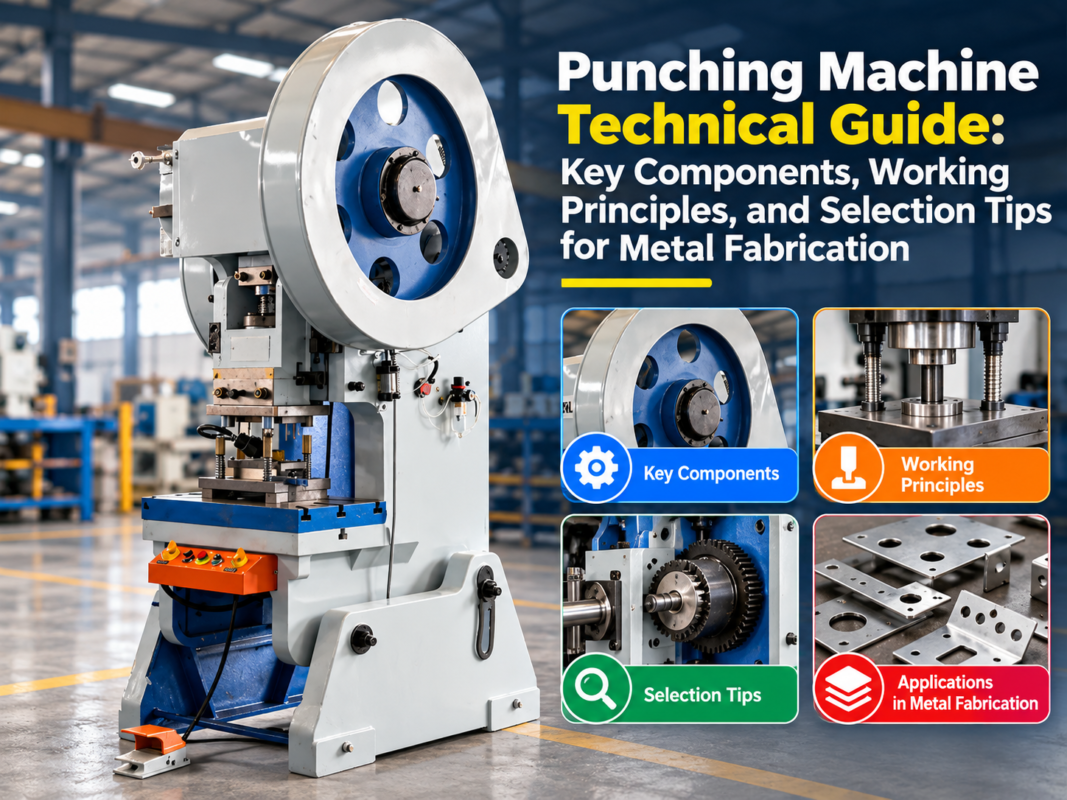
The technical prowess of a punching machine is defined by its drive system, turret configuration, and control software. Traditionally, mechanical flywheels were the standard, but modern fabrication has shifted toward hydraulic and servo-electric systems. Hydraulic punching machines, like those offered by HARSLE, provide consistent force throughout the entire stroke, which is ideal for thicker materials used in frames and racks. Servo-electric systems, on the other hand, offer extreme precision and energy efficiency, making them popular for intricate signage work.
The turret is the heart of the machine. A high-capacity turret allows for a mix of standard shapes (rounds, squares, rectangles) and specialized forming tools. For signage, this might include tools for creating raised letters or decorative perforations. For racks, it includes cluster tools that can punch multiple holes in a single hit, drastically reducing cycle times. The ability to rotate tools (Auto-Index) further enhances flexibility, allowing a single tool to be used at any angle, which is crucial for complex frame geometries.
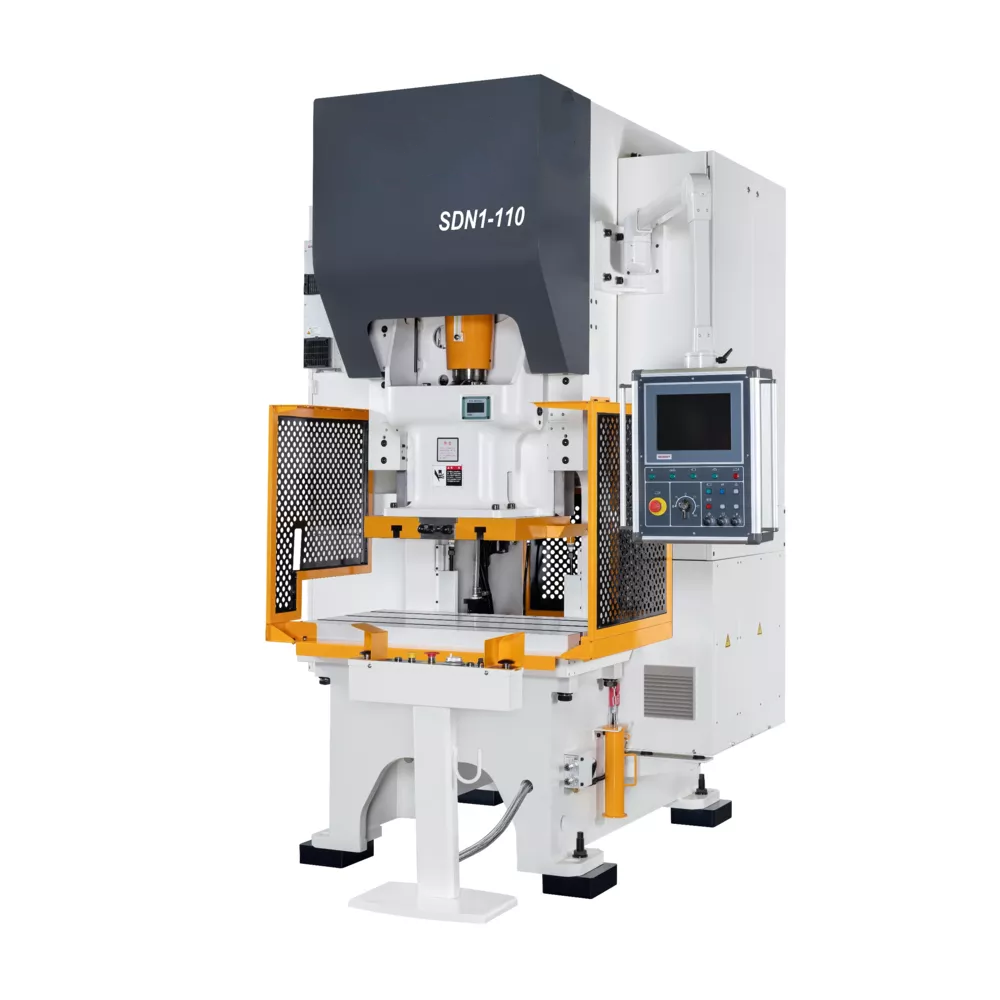
Software integration is the final piece of the technical puzzle. Modern CNC punching machines utilize CAD/CAM software that optimizes the nesting of parts on a sheet of metal. This minimizes waste, which is a significant cost factor when working with expensive materials like stainless steel. The software also simulates the punching sequence to prevent tool collisions and ensure the most efficient path for the machine head. This level of technical sophistication ensures that even the most complex signage or frame designs can be executed with minimal error.
Tonnage and Stroke Control
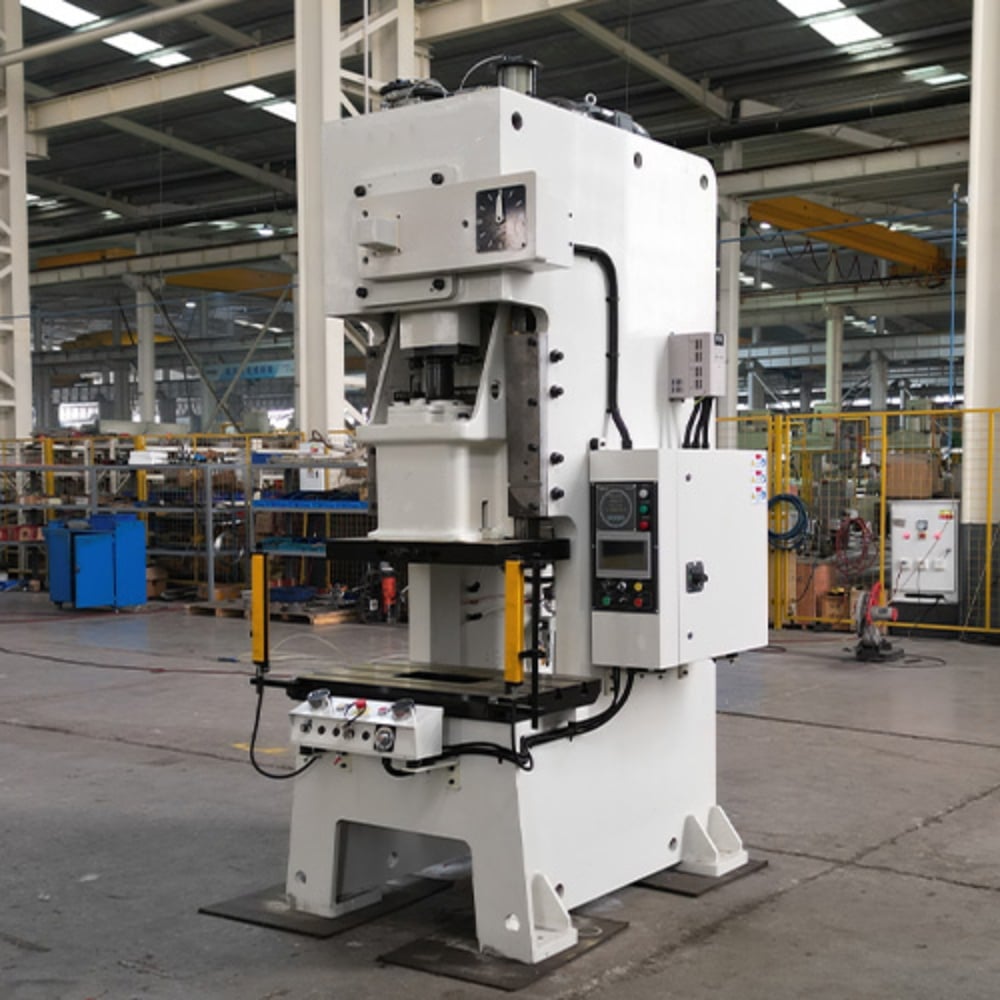
The tonnage of a punching machine determines the maximum thickness and hole diameter it can handle. For most signage and light framing, a 20 to 30-ton machine is sufficient. However, for heavy-duty industrial racks, 50 tons or more may be required. Stroke control is equally important; the ability to adjust the depth of the punch allows for forming operations like louvers or countersinks without piercing the metal entirely. This versatility is a key reason why punching machines are preferred over lasers for certain structural components.
Punching Machine Applications in Signage
The signage industry relies heavily on the aesthetic quality and durability of metal components. Punching machines are used to create everything from simple directional signs to complex architectural facades. One of the most common applications is the creation of perforated panels. These panels are used in modern building exteriors and interior design to provide a balance of light, ventilation, and visual appeal. A CNC punching machine can create intricate patterns that would be cost-prohibitive with other methods.
Channel letters, which are the large 3D letters seen on storefronts, also benefit from punching technology. The back plates of these letters are often punched to include mounting holes and wiring access points. Because these parts are produced in high volumes, the speed of a punching machine is a major advantage. Furthermore, the ability to create “knockouts” for electrical components directly on the machine saves time during the assembly phase. The precision of the punch ensures that every letter in a sign is identical, maintaining brand consistency for the end client.
Decorative signage often requires unique shapes and textures. Using specialized forming tools, a punching machine can create embossed logos or textured surfaces that catch the light. This adds a premium feel to the signage that flat laser cutting cannot replicate. Additionally, for outdoor signage, the punching process is ideal for creating drainage holes that prevent water accumulation and rust, extending the lifespan of the product. HARSLE’s machines are particularly adept at handling the thin-gauge aluminum often used in these applications, ensuring a clean finish without warping the material.
Punching Machine Applications in Racks and Shelving
Storage racks, whether for retail displays, warehouses, or data centers, require a high degree of structural integrity and modularity. The most recognizable feature of a storage rack is the series of teardrop or rectangular holes along the uprights, which allow for adjustable shelving heights. These patterns are perfectly suited for punching machines. A CNC punch can execute these repetitive patterns with extreme speed and precision, ensuring that the shelves will always sit level and secure.
In the manufacturing of server racks for data centers, punching machines are used to create the ventilation patterns necessary for cooling sensitive electronic equipment. These patterns often consist of thousands of small hexagonal or round holes. A punching machine equipped with a cluster tool can punch dozens of these holes in a single stroke, making it significantly faster than a laser cutter for this specific task. The process also leaves a clean edge that doesn’t require additional finishing, which is critical for maintaining the airflow dynamics within the rack.
Retail display racks often combine structural needs with aesthetic requirements. Punching machines allow for the creation of “slatwall” style metal panels where hooks and brackets can be easily inserted. The ability to punch and form these slots in one operation reduces the number of machines needed on the factory floor. Furthermore, for heavy-duty warehouse racking, the punching machine can handle the thick-gauge steel required to support tons of inventory. The cold-working nature of the punching process can even slightly increase the hardness of the material around the hole, providing a minor boost to structural strength.
Punching Machine Applications in Metal Frames
Metal frames are the skeleton of modern construction and machinery. From window and door frames to automotive chassis and industrial equipment enclosures, the punching machine is vital for creating the connection points and functional apertures. In the production of steel door frames, for example, the machine is used to punch out the areas for hinges, strike plates, and locksets. The accuracy of these punches is critical for the smooth operation of the door and the security of the installation.
In the automotive and transportation sectors, metal frames for trailers, truck bodies, and bus skeletons are often produced using high-tonnage punching machines. These frames require numerous holes for bolts, rivets, and wiring harnesses. Because these frames are often made from high-strength alloys, the punching machine must be robust enough to handle the material without excessive tool wear. HARSLE’s heavy-duty series is designed specifically for these high-stress environments, providing the durability needed for 24/7 production cycles.
Industrial enclosures, such as electrical cabinets or HVAC housings, also rely on punching technology. These frames require a mix of large cutouts for fans and displays, and small holes for assembly screws. The ability of a CNC punching machine to switch between these different tasks seamlessly makes it the ideal choice for enclosure fabrication. Additionally, the machine can create “tabs” and “slots” that allow the frame pieces to snap together before welding, improving assembly speed and accuracy. This “self-jigging” design approach is a hallmark of efficient modern metal fabrication.
Selection Advice: Choosing the Right HARSLE Punching Machine
Selecting the right punching machine involves balancing your current production needs with future growth. The first step is to analyze your most common material types and thicknesses. If you primarily work with thin-gauge aluminum for signage, a high-speed, lower-tonnage machine with a focus on turret capacity and nibbling speed is ideal. If your focus is on heavy-duty racks or structural frames, you should prioritize tonnage and the machine’s ability to handle large, heavy sheets of steel.
Consider the complexity of your designs. If your products require a lot of forming (louvers, ribs, offsets), look for a machine with a high-clearance turret and advanced stroke control. The number of stations in the turret is also a major factor; more stations mean fewer tool changes and higher productivity. HARSLE offers various configurations, from compact machines for small shops to large-format turrets for industrial giants. Don’t forget to evaluate the software—ensure it is user-friendly and compatible with your existing CAD systems.
Finally, consider the level of automation you require. For high-volume rack production, an automatic loading and unloading system can pay for itself in a matter of months by reducing labor costs and increasing machine uptime. For custom signage and frame work, a manual loading system might be sufficient, but the machine should still offer quick-change tooling features. Always look for a manufacturer that provides robust technical support and readily available spare parts, as downtime is the enemy of profitability in the fabrication industry.
Buyer’s Checklist for Punching Machines
- Tonnage: Does the machine have the power to punch your thickest material?
- Turret Capacity: How many tools can it hold to minimize setup time?
- Accuracy: What are the positioning and repeatability tolerances?
- Software: Is the nesting software efficient and easy to use?
- Forming Capabilities: Can it handle louvers, embossing, and other non-piercing tasks?
- Support: Does the manufacturer offer training and reliable after-sales service?
Maintenance and Longevity of Punching Machines
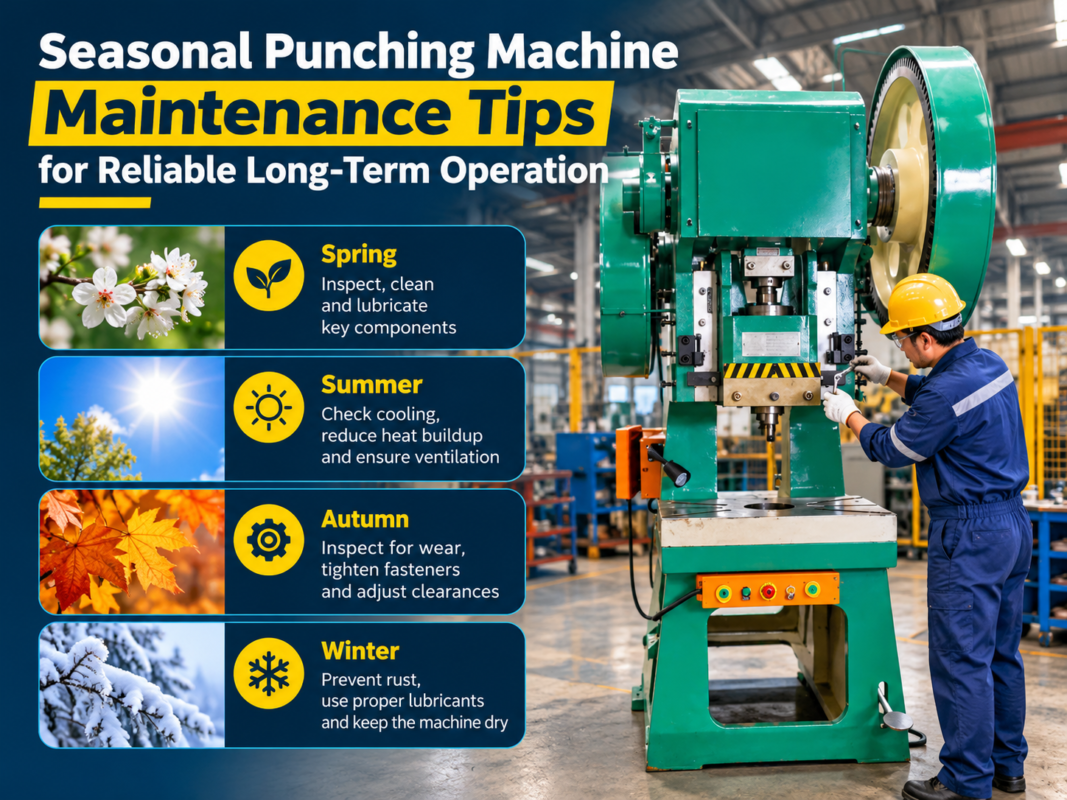
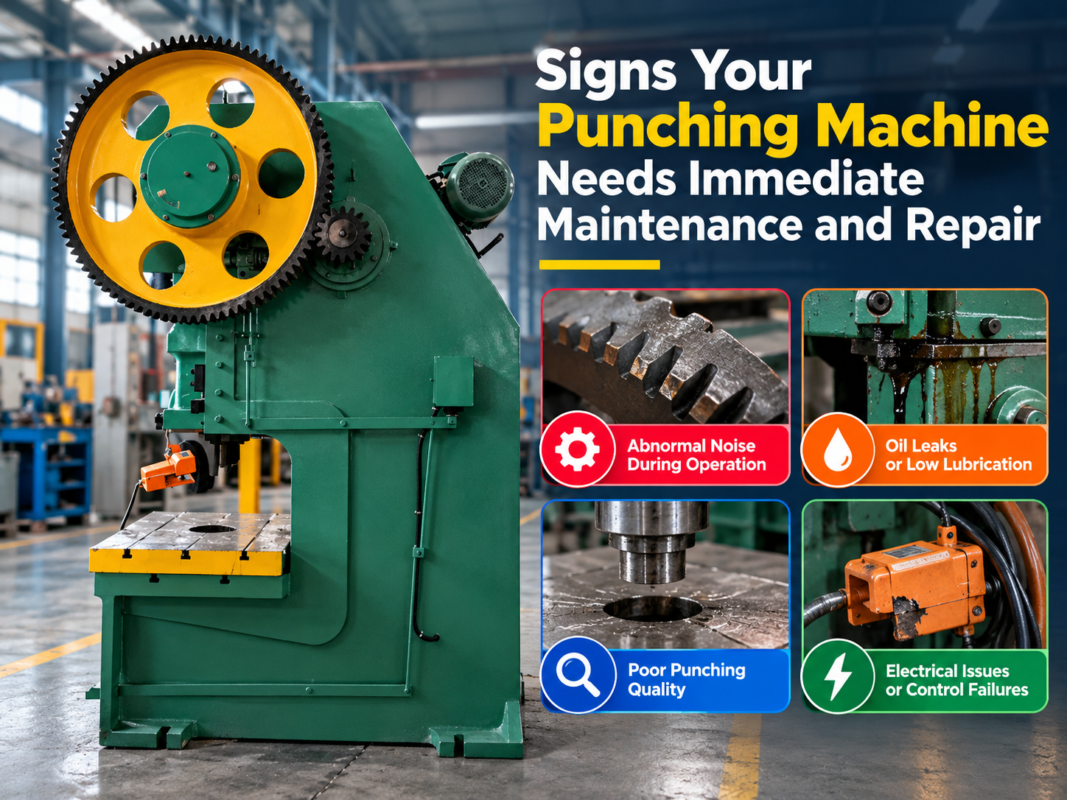
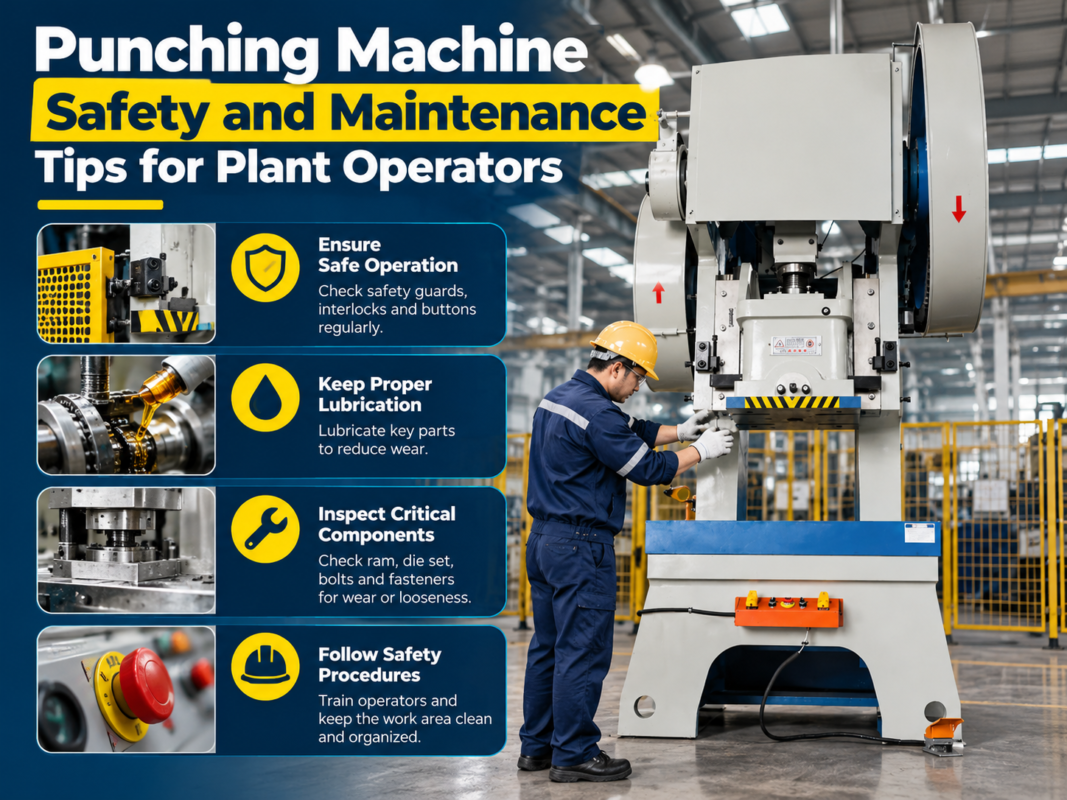
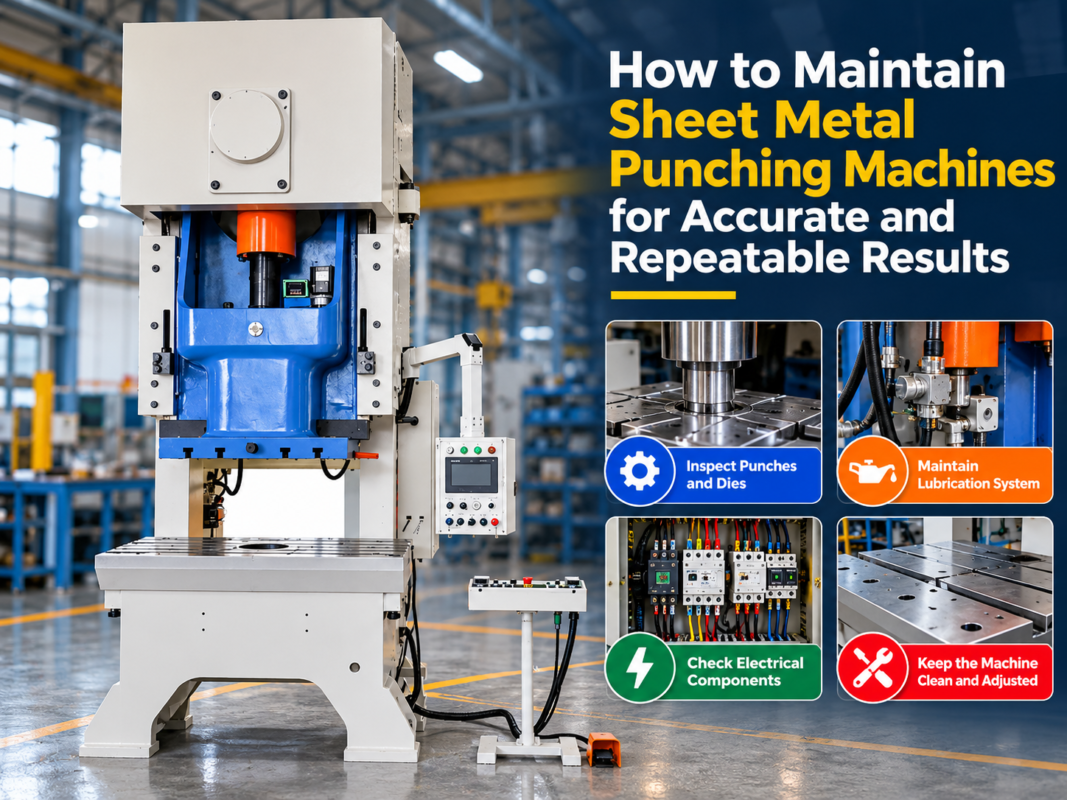
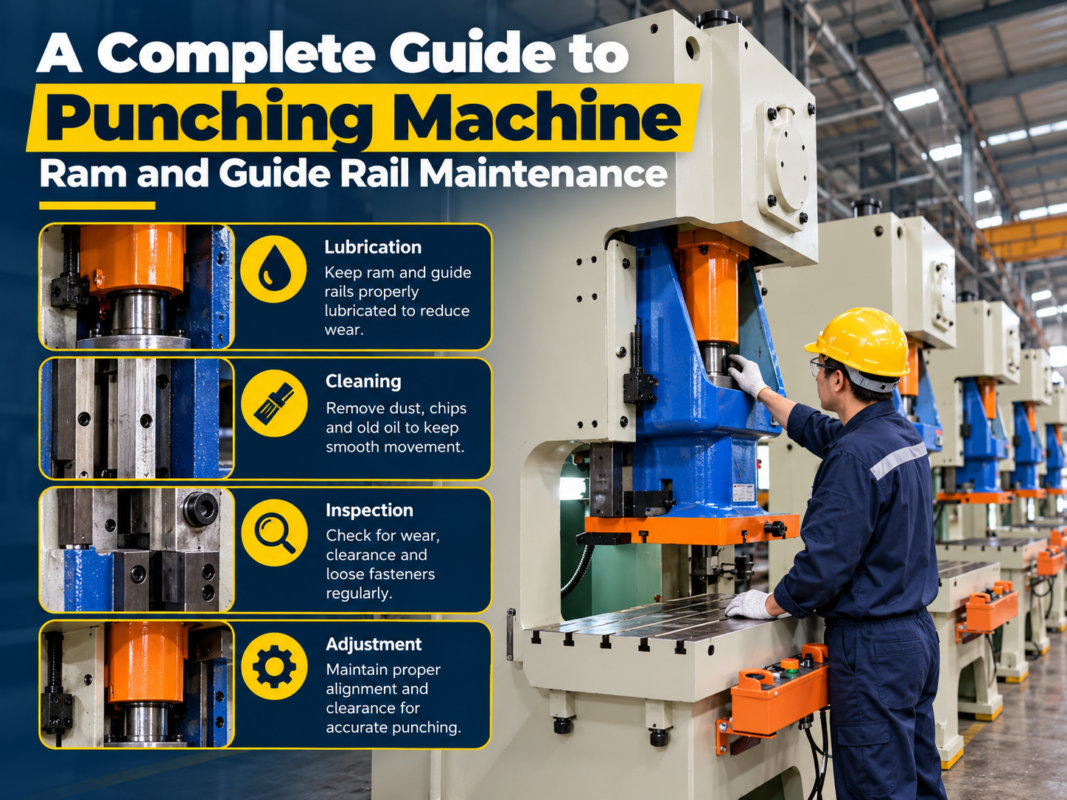
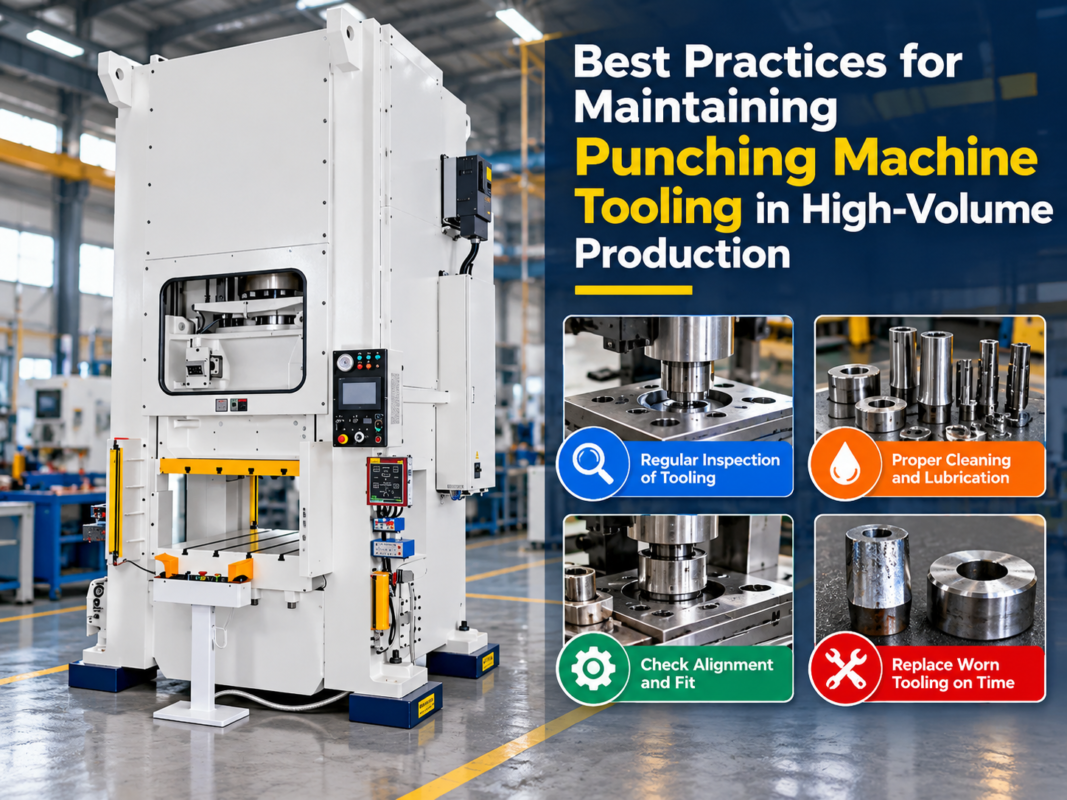
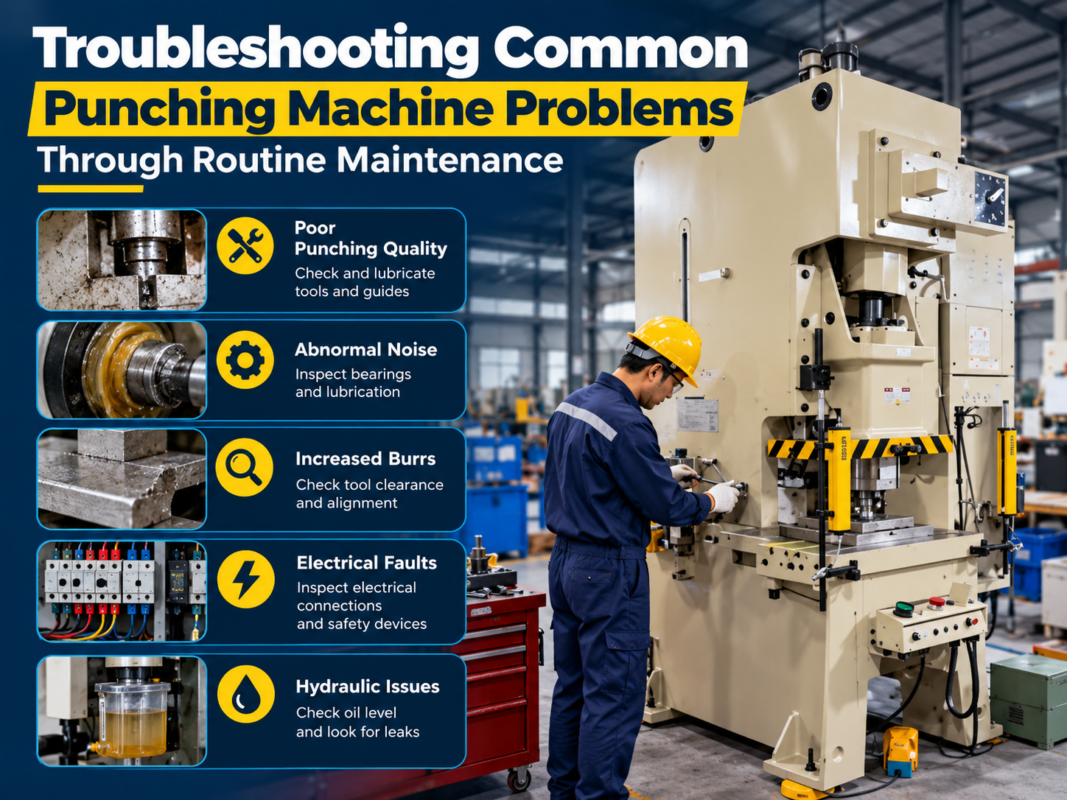
To ensure that your punching machine continues to perform at peak efficiency for signage, racks, and frames, a strict maintenance schedule is essential. The most critical aspect of maintenance is tool care. Dull tools require more force to punch, which puts unnecessary strain on the machine’s hydraulic system and leads to poor-quality parts with excessive burrs. Regularly sharpening punches and dies, and ensuring they are properly lubricated, will extend the life of both the tools and the machine.
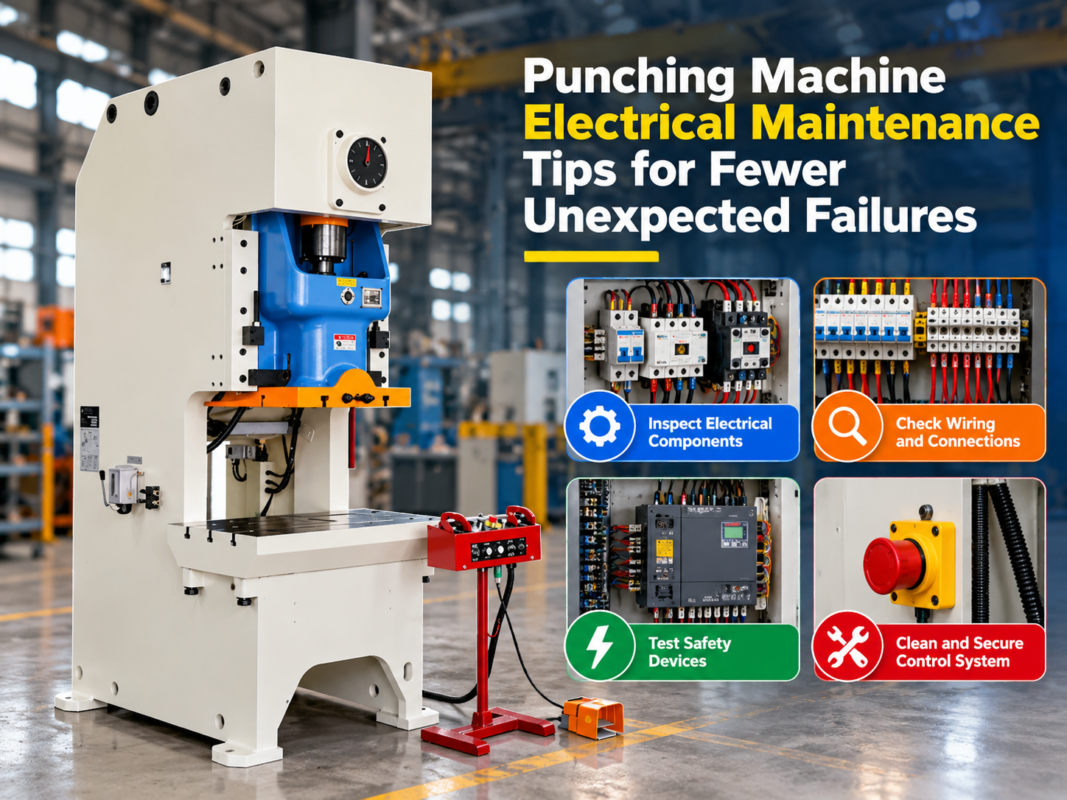
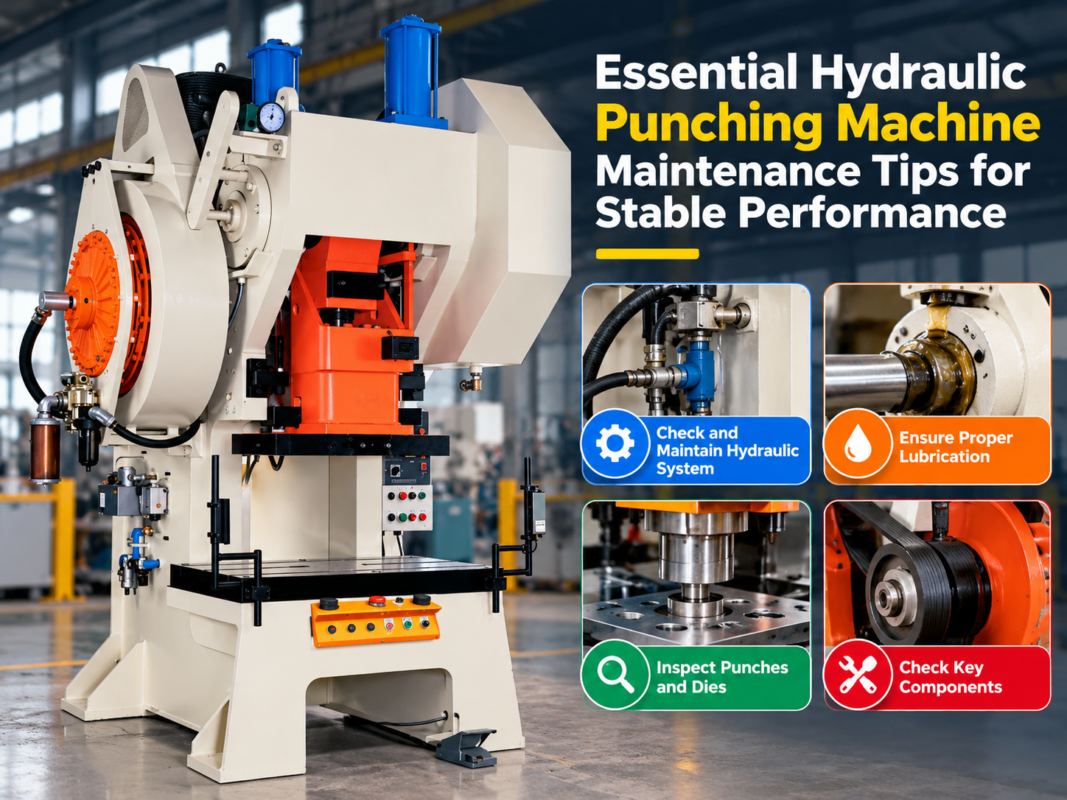
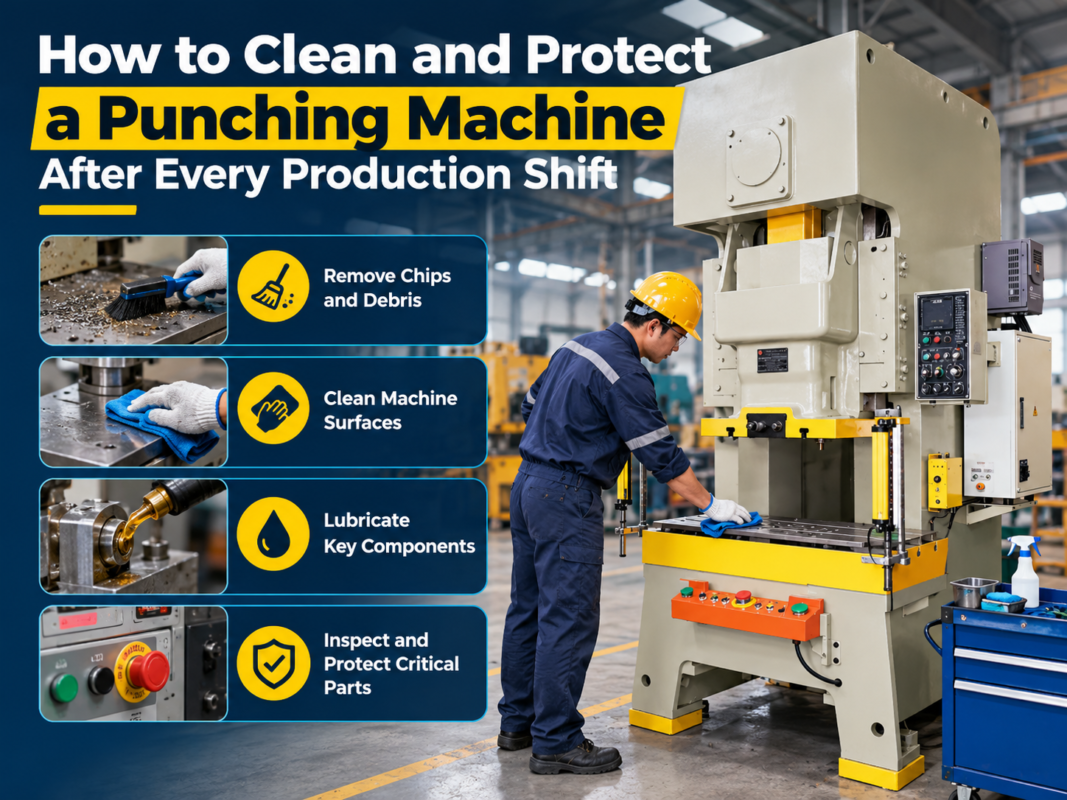
The hydraulic system also requires regular attention. This includes checking oil levels, replacing filters, and monitoring for leaks. Contaminated oil can damage sensitive valves and cylinders, leading to inconsistent punching force or positioning errors. In servo-electric machines, maintenance focuses more on the electrical components and the cooling systems for the motors. Regardless of the drive type, keeping the machine clean—especially the turret and the worktable—prevents metal chips from interfering with the sensors or scratching the workpieces.
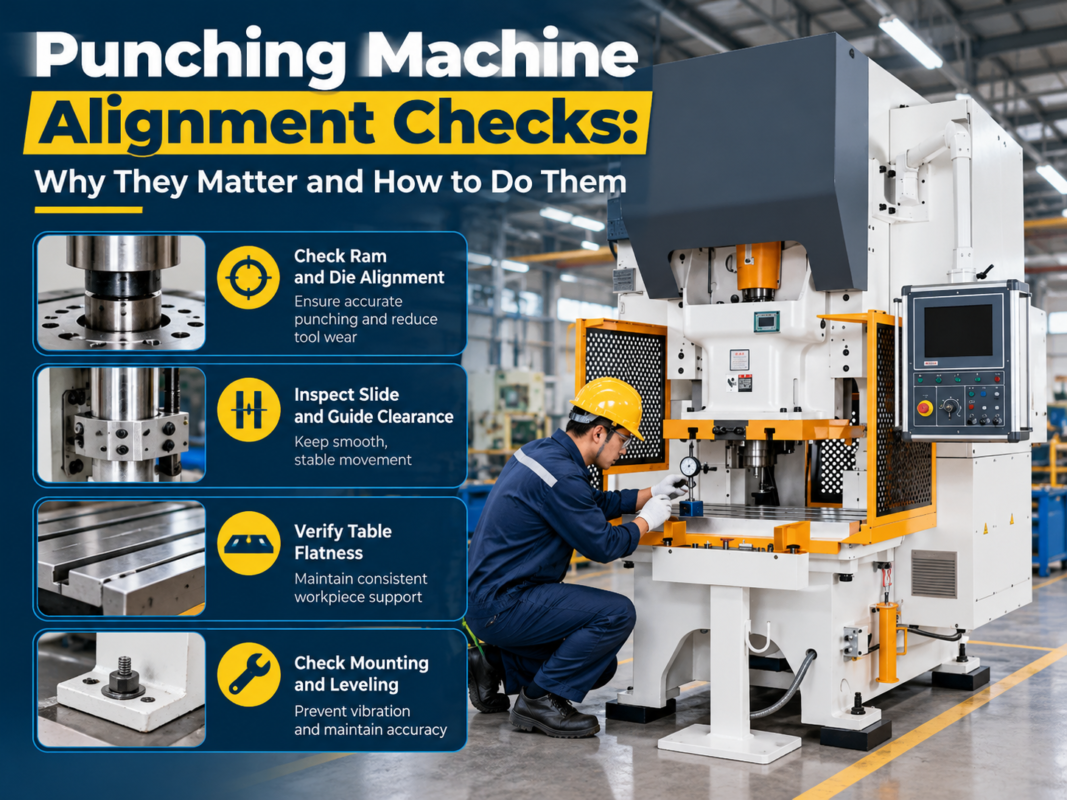
Calibration should be performed periodically to ensure the CNC system remains accurate. Over time, vibration and wear can cause slight misalignments in the X and Y axes. By performing regular checks and adjustments, you can maintain the tight tolerances required for high-quality frame and signage production. HARSLE provides detailed maintenance guides and schedules with every machine, helping operators keep their equipment in top condition for decades of service.
Frequently Asked Questions (FAQ)
1. Is a punching machine better than a laser cutter for signage?
It depends on the application. For high-volume signage with repetitive holes or forming requirements (like embossed letters), a punching machine is faster and more cost-effective. However, for extremely intricate, one-off artistic designs, a laser may offer more flexibility.
2. Can a punching machine handle stainless steel for industrial racks?
Yes, provided the machine has sufficient tonnage. Stainless steel is harder than mild steel, so it requires more force and high-quality, coated tooling to prevent premature wear. HARSLE machines are frequently used for stainless steel fabrication in the food and medical rack industries.
3. How long does it take to change tools in a CNC turret?
In a modern CNC turret, the machine switches between tools in a matter of seconds during the punching cycle. Manual tool changes (replacing a tool in the turret) typically take a few minutes, depending on the machine’s design and the operator’s experience.
4. What is the maximum thickness a punching machine can handle?
This varies by model. Light-duty machines handle up to 3mm or 4mm, while heavy-duty industrial models can punch through 6mm to 8mm steel. For thicker materials, other methods like plasma or waterjet cutting might be used, though some specialized presses can go even thicker.
5. Can punching machines create threads?
Yes, many modern punching machines can be equipped with tapping tools that create internal threads in a punched hole, which is incredibly useful for assembling metal frames and electronic racks without needing separate nuts.
Conclusion: The Future of Punching in Metal Fabrication
The applications for punching machines in signage, racks, and metal frames are vast and continue to grow as technology advances. By offering a unique combination of speed, precision, and the ability to perform complex forming operations, the punching machine remains an essential tool for any serious metal fabricator. HARSLE continues to innovate in this space, providing machines that are not only powerful and accurate but also increasingly energy-efficient and easy to operate.
As industries demand more customized and high-quality metal products, the role of the CNC punching machine will only become more prominent. Whether you are building the structural skeleton of a new building, the storage infrastructure for a global logistics hub, or the vibrant signage of a retail district, the punching machine provides the foundation for success. By understanding the technical details and selection criteria outlined in this guide, fabricators can make informed decisions that will drive their productivity and quality to new heights for years to come.