
Servo Electric Press Brake Guide: Advantages, Limitations, and Best Uses


Technical Overview of Servo Electric Press Brake Technology
The metal fabrication industry has undergone a significant transformation with the introduction of the Servo Electric Press Brake. Unlike traditional hydraulic systems that rely on oil pressure, pumps, and valves to move the ram, a servo electric press brake utilizes high-torque servo motors coupled with heavy-duty ball screws or belt-drive systems. This fundamental shift in drive technology allows for unprecedented control over the bending process. HARSLE has been at the forefront of this evolution, integrating advanced CNC systems with eco-friendly drive mechanisms to meet the demands of modern manufacturing.
At its core, the servo electric press brake operates on a “power-on-demand” principle. In a hydraulic system, the motor often runs continuously to maintain oil pressure, even when the machine is idling. In contrast, the servo motor in an electric press brake only consumes energy during the actual bending stroke or when the backgauge is moving. This results in a significant reduction in energy consumption, often reaching up to 50% or more compared to conventional hydraulic machines. Furthermore, the absence of hydraulic oil eliminates the risks of leaks, thermal expansion issues, and the environmental burden of oil disposal.
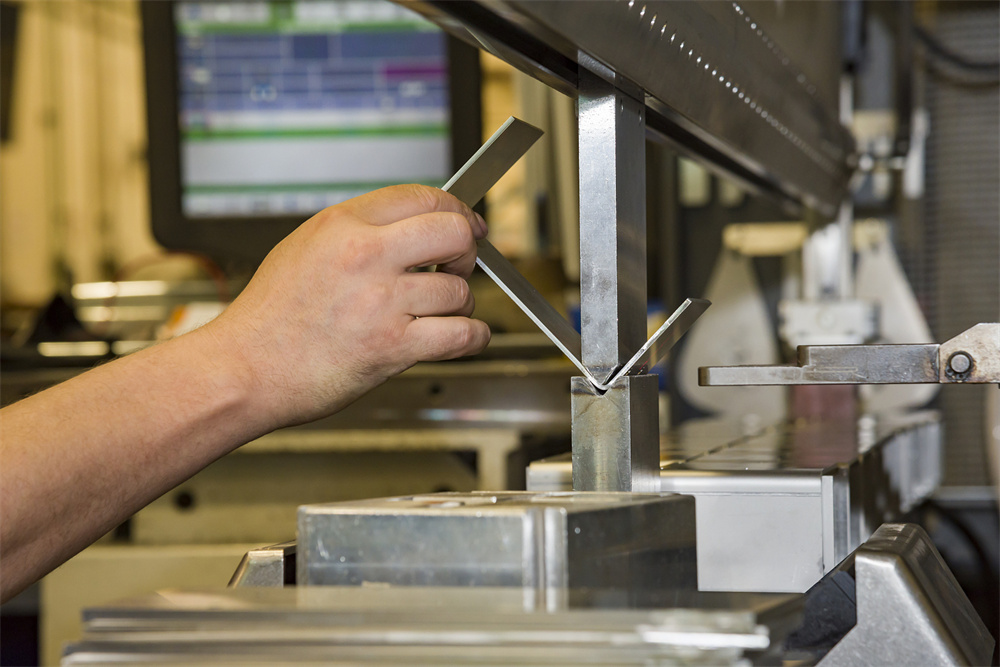
The mechanical transmission in these machines is designed for high rigidity and minimal deflection. Most high-end models use a dual-drive system where two independent servo motors control the left and right sides of the ram. This allows for real-time synchronization and the ability to handle off-center loading with extreme precision. Because there is no fluid to compress or heat up, the repeatability of an electric press brake is often measured in microns, making it the preferred choice for industries where accuracy is non-negotiable, such as aerospace and medical device manufacturing.
Another technical highlight is the speed of the ram. Servo motors can accelerate and decelerate much faster than hydraulic cylinders. This leads to shorter cycle times, especially for small, complex parts that require multiple bends. The integration of sophisticated CNC controllers, such as those from Delem or ESA, allows operators to program complex sequences with ease, further enhancing the technical superiority of the servo electric platform.
Core Parameters of Servo Electric Press Brakes
When evaluating a Servo Electric Press Brake, understanding the core parameters is essential for matching the machine to your production needs. The most critical parameter is Tonnage, which represents the maximum bending force the machine can exert. While hydraulic machines can easily reach 1000 tons or more, servo electric models typically range from 20 to 200 tons. This is due to the physical limitations of ball screws and motors, although multi-motor configurations are pushing these boundaries higher every year.
Bending Length is the next vital parameter. This defines the maximum width of the sheet metal that can be processed. Common lengths for electric models include 1250mm, 1600mm, 2000mm, and 3100mm. It is important to note that the distance between the side frames is usually slightly less than the total bending length, which can affect how you maneuver large parts. HARSLE provides various configurations to ensure that the throat depth—the distance from the bending centerline to the back of the frame—is sufficient for deep box bending and complex geometries.
Stroke and Open Height are parameters that dictate the versatility of the machine. The stroke is the total distance the ram can move, while the open height is the space between the upper beam and the lower table when the ram is fully retracted. A larger open height allows for the use of taller tools, which is necessary for creating deep channels or boxes. In servo electric machines, these parameters are controlled with extreme precision, allowing for “air bending” where the final angle is determined by the depth of the punch into the die rather than bottoming out.
Finally, the Backgauge Speed and Accuracy are where servo electric machines truly shine. Because the backgauge is also driven by servo motors, it can move at speeds exceeding 500mm/s with positioning accuracies of +/- 0.01mm. This ensures that every bend is placed exactly where it needs to be, reducing scrap and increasing throughput. The number of axes (X, R, Z1, Z2, etc.) determines the complexity of the parts the machine can handle without manual intervention.
Calculation Method for Bending Force
Calculating the required bending force is a fundamental step in ensuring the longevity of your Servo Electric Press Brake and the quality of your parts. Overloading a machine can lead to premature wear of the ball screws or even structural failure of the frame. The standard formula used in the industry for air bending mild steel is based on the material thickness, the V-opening of the die, and the length of the bend.
The basic formula is: P = (650 * S² * L) / V (for mild steel with a tensile strength of approximately 450 MPa). In this formula, P is the force in kilonewtons (kN), S is the material thickness in millimeters, L is the length of the bend in meters, and V is the width of the die opening in millimeters. To convert kN to tons, you divide by approximately 9.8.
When working with different materials, you must apply a multiplier. For example, stainless steel typically requires 50% more force than mild steel, so you would multiply the result by 1.5. Aluminum, being softer, might only require 50% of the force of mild steel, requiring a multiplier of 0.5. It is also crucial to consider the V-opening selection; a common rule of thumb is to use a V-opening that is 8 times the material thickness (V=8S). Using a smaller V-opening will significantly increase the required force and the risk of marking the material.
Modern CNC controllers on HARSLE machines often include built-in calculators. The operator inputs the material type, thickness, and desired angle, and the software automatically calculates the required tonnage and checks it against the machine’s limits. However, manual verification is always recommended for custom setups or when using specialized tooling. Understanding this calculation helps in selecting the right machine tonnage during the procurement phase, ensuring you don’t buy a machine that is underpowered for your future projects.
Servo Electric Press Brake Parameter Table
| Model Series | Nominal Force (kN) | Bending Length (mm) | Pole Distance (mm) | Throat Depth (mm) | Max Open Height (mm) | Ram Stroke (mm) |
|---|---|---|---|---|---|---|
| HARSLE-E20/1250 | 200 | 1250 | 1000 | 250 | 350 | 150 |
| HARSLE-E40/1600 | 400 | 1600 | 1300 | 300 | 400 | 180 |
| HARSLE-E60/2000 | 600 | 2000 | 1650 | 350 | 450 | 200 |
| HARSLE-E100/3100 | 1000 | 3100 | 2600 | 400 | 500 | 250 |
| HARSLE-E150/3100 | 1500 | 3100 | 2600 | 410 | 550 | 300 |
Advantages of Servo Electric Press Brakes
The primary advantage of a Servo Electric Press Brake is its exceptional precision. Because the ram movement is controlled by electronic pulses sent to a servo motor, the positioning accuracy is far superior to hydraulic valves, which can be affected by oil temperature, viscosity, and seal wear. This precision translates directly into consistent bend angles, even across long production runs. For shops that handle high-value materials or require tight tolerances, the electric press brake is an investment that pays for itself through reduced waste.
Energy efficiency is another major selling point. As mentioned earlier, these machines only consume power when active. In a typical 8-hour shift, a hydraulic machine might be actively bending for only 20-30% of the time, yet the motor runs constantly. The servo electric machine eliminates this idle power consumption, leading to lower utility bills and a smaller carbon footprint. This makes it an attractive option for companies aiming for green manufacturing certifications.
Maintenance requirements are significantly lower for electric models. There are no hydraulic filters to change, no oil to leak or dispose of, and no complex valve blocks to troubleshoot. The mechanical components, such as ball screws and belts, require periodic lubrication, but the overall maintenance schedule is much simpler and cleaner. This leads to higher machine uptime and lower long-term operational costs. Additionally, the absence of a hydraulic pump makes the machine much quieter, improving the working environment for operators.
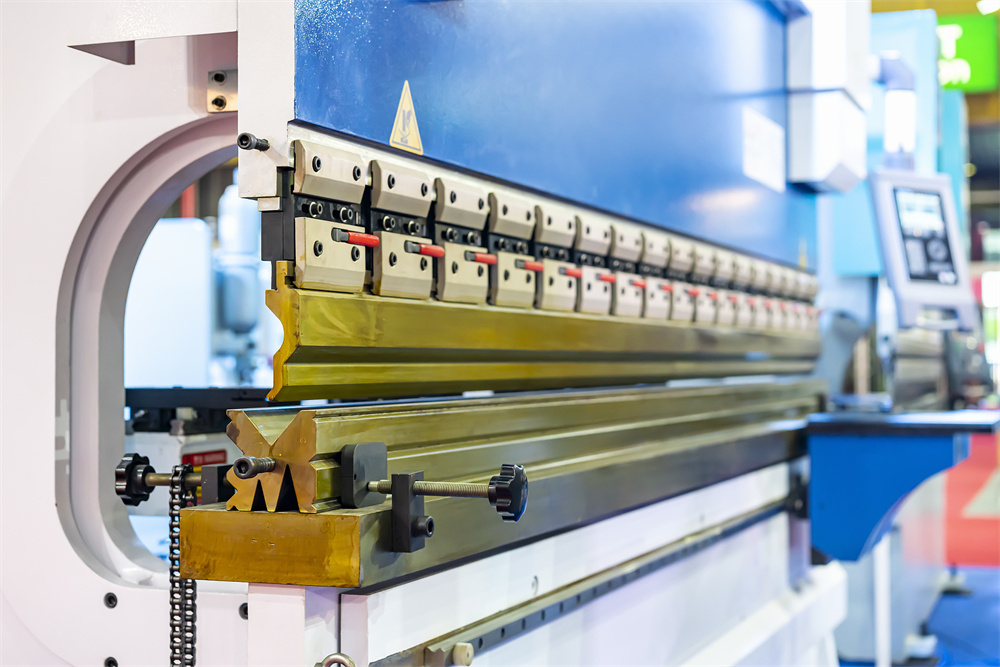
Finally, the speed and responsiveness of servo electric systems allow for faster cycle times. The ram can approach the work piece at high speed, transition smoothly to the bending speed, and retract instantly. This responsiveness is particularly beneficial for complex bending sequences where the backgauge needs to move frequently between steps. The result is a significant boost in productivity for small to medium-sized parts.
Limitations of Servo Electric Press Brakes
Despite their many advantages, Servo Electric Press Brakes are not a universal solution for every shop. The most significant limitation is the Tonnage Capacity. While technology is advancing, it is still difficult and expensive to produce electric machines that can exert the massive forces (500+ tons) required for bending very thick plates or long, heavy structural components. For these applications, hydraulic press brakes remain the industry standard due to their cost-effective power delivery.
The Initial Investment Cost is another factor to consider. Servo electric machines generally have a higher purchase price than hydraulic machines of the same tonnage. This is due to the high cost of large servo motors, precision ball screws, and the sophisticated electronics required to synchronize them. While the lower operating and maintenance costs often provide a favorable Return on Investment (ROI) over time, the upfront capital requirement can be a barrier for smaller shops.
Sensitivity to Environment can also be a concern. While they don’t have oil temperature issues, the electronic components and high-precision mechanical drives can be sensitive to extreme dust, metallic shavings, or unstable power grids. Proper electrical filtering and a clean working environment are more critical for an electric machine than for a rugged hydraulic one. Furthermore, the mechanical drive components like ball screws have a finite fatigue life; if the machine is constantly pushed to its maximum limit, these components may require expensive replacement sooner than a hydraulic cylinder would require a seal change.
Common Engineering Mistakes in Press Brake Operation
One of the most common mistakes in operating a Servo Electric Press Brake is ignoring the “Tonnage Per Meter” limit of the tooling. Operators often focus on the machine’s total capacity but forget that the punch and die also have limits. Concentrating 50 tons of force on a 100mm wide tool can shatter the tool or damage the ram, even if the machine is rated for 100 tons. Always ensure the force is distributed safely across the tooling.
Another frequent error is neglecting the importance of material grain direction. Sheet metal has a grain resulting from the rolling process at the mill. Bending with the grain (parallel to it) is more likely to cause cracking and results in a different springback than bending against the grain (perpendicular). Engineers should specify the grain orientation on drawings, and operators must be trained to orient the parts correctly on the machine to ensure consistency.
Improper Crowning Adjustment is also a significant issue. Even though servo electric machines are very precise, the frame will still deflect under load. If the crowning system (which compensates for this deflection) is not set correctly, the bend angle will be different in the middle of the part compared to the ends. Relying solely on the machine’s default settings without verifying the first piece can lead to a whole batch of rejected parts. Operators should always perform a test bend and adjust the crowning as needed.
Lastly, many shops fail to implement a proper lubrication schedule for the ball screws and linear guides. In a servo electric machine, these components are the heart of the drive system. Lack of lubrication leads to increased friction, heat, and eventual mechanical failure. Using the wrong type of grease can also be detrimental, as some lubricants can attract dust and create an abrasive paste that wears down the precision surfaces.
Selection Checklist for Buying a Servo Electric Press Brake
- Define Your Tonnage Requirements: Calculate the maximum force needed for your thickest and hardest materials. Add a 20% safety margin to avoid running the machine at its absolute limit.
- Evaluate Bending Length: Ensure the machine can handle your longest parts, and check the distance between side frames if you need to pass parts through the machine.
- Assess the CNC Control System: Look for user-friendly interfaces like Delem, ESA, or Cybelec. Ensure the software supports 3D visualization and offline programming to minimize setup time.
- Check the Backgauge Configuration: Determine how many axes you need (X, R, Z1, Z2, X’, etc.). A 4-axis or 6-axis backgauge is essential for complex, non-parallel bends.
- Verify Tooling Compatibility: Ensure the machine uses a standard clamping system (like Amada/Promecam or Wila) so you can use your existing tools or easily source new ones.
- Inspect the Safety Features: High-speed machines require robust safety systems. Look for integrated laser guards (like DSP or LazerSafe) that protect the operator without slowing down production.
- Consider the Manufacturer’s Reputation: Research the brand’s track record for reliability and after-sales support. HARSLE, for instance, provides extensive documentation and technical assistance.
- Analyze the Total Cost of Ownership: Don’t just look at the sticker price. Factor in energy savings, reduced maintenance, and increased productivity to determine the true ROI.
Frequently Asked Questions (FAQ)
1. Is a servo electric press brake faster than a hydraulic one?
Yes, in most cases. While the maximum bending speed is often regulated by safety standards, the approach and retraction speeds of a servo electric ram are significantly higher. Additionally, the backgauge moves faster and the system responds more quickly to commands, leading to shorter overall cycle times.
2. Can I bend thick plate on an electric press brake?
It depends on the machine’s tonnage. Most electric press brakes are designed for precision work on thinner gauges (up to 6mm or 8mm). While higher tonnage models exist, they are less common. For very thick plates (12mm and above), a hydraulic press brake is usually more practical and cost-effective.
3. How much energy can I really save?
Energy savings typically range from 30% to 60%. The exact amount depends on your production cycle. If your machine spends a lot of time idling while the operator handles parts or changes tools, the savings will be on the higher end because the electric motor stops completely during those times.
4. Do servo electric press brakes require special tooling?
No, they use the same types of punches and dies as hydraulic machines. However, because these machines are often used for high-precision work, it is recommended to use high-quality, precision-ground tooling to fully realize the machine’s accuracy potential.
5. What is the lifespan of the ball screws?
With proper lubrication and by staying within the machine’s rated capacity, ball screws can last for many years (often 10-15 years in a multi-shift environment). However, they are wear items and will eventually need replacement, unlike hydraulic cylinders which can usually be rebuilt with new seals.












