
Press Brake Maintenance Checklist: Daily, Weekly, and Monthly Tasks


The Critical Importance of a Press Brake Maintenance Checklist
In the high-stakes world of metal fabrication, the press brake is often the heartbeat of the production floor. Whether you are operating a high-end HARSLE CNC model or a traditional hydraulic unit, the precision of your bends and the safety of your operators depend entirely on the mechanical integrity of the machine. Implementing a rigorous Press Brake Maintenance Checklist: Daily, Weekly, Monthly Tasks is not merely a suggestion; it is a fundamental requirement for any facility aiming to minimize downtime and maximize Return on Investment (ROI).
Neglecting routine maintenance leads to a cascade of failures. Small issues, such as a minor hydraulic leak or a slightly misaligned backgauge, can quickly escalate into catastrophic component failures or expensive scrap metal. Furthermore, a poorly maintained machine poses significant safety risks. Inconsistent ram movement or failing light curtains can lead to workplace accidents that are both tragic and legally costly. By following a structured maintenance schedule, you ensure that every component—from the smallest O-ring to the complex CNC controller—functions within its designed parameters.
Beyond safety and reliability, maintenance directly impacts the quality of the finished product. Modern fabrication demands tolerances within fractions of a millimeter. Wear and tear on the guides, contamination in the hydraulic fluid, or thermal expansion due to poor cooling can all cause deviations in bend angles. A well-maintained press brake provides the repeatability necessary for high-volume production, ensuring that the first piece is as accurate as the thousandth. This guide provides a comprehensive breakdown of the tasks required to keep your equipment in peak condition.
Daily Inspection: The Foundation of Machine Longevity
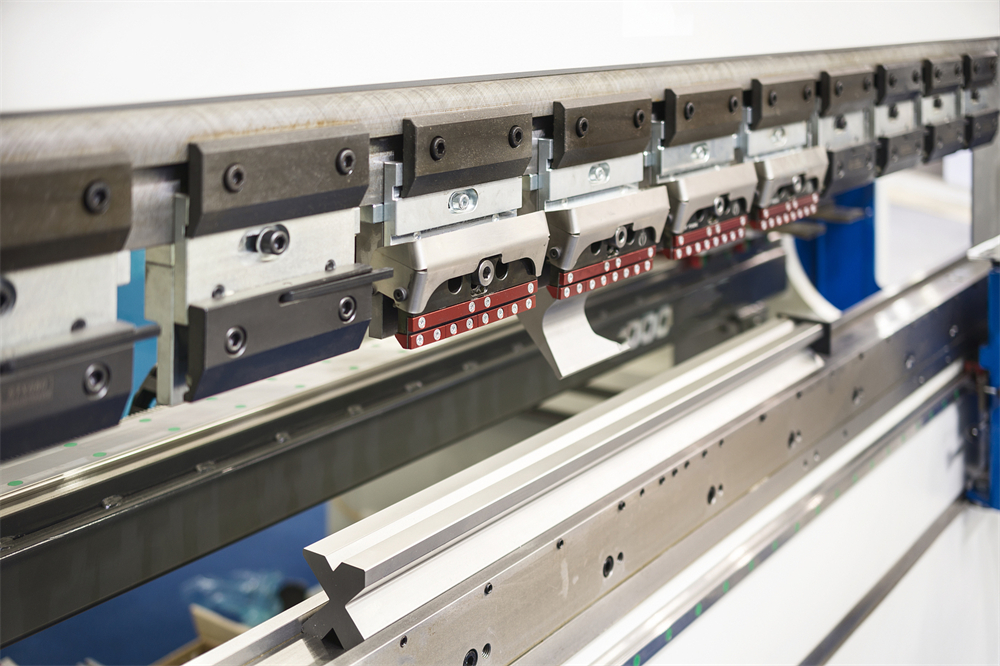
The daily inspection is the first line of defense against machine failure. This routine should be performed at the start of every shift by the operator. It begins with a visual sweep of the entire machine. Look for any obvious signs of trouble, such as oil puddles on the floor, loose bolts, or debris in the working area. Cleaning the machine is a vital part of this process; dust and metal shavings can act as abrasives if they find their way into moving parts or hydraulic seals.
One of the most critical daily tasks is checking the hydraulic oil level. Most press brakes feature a sight glass on the oil reservoir. The oil should be at the recommended level when the ram is in the up position. If the level is low, it may indicate a leak that needs immediate attention. Additionally, operators must inspect the tooling. Dies and punches should be wiped down to remove scale and oil. Any nicks or cracks in the tooling can not only ruin the workpiece but also damage the machine’s bed or ram under high pressure.
Safety systems must be tested daily without exception. This includes checking the emergency stop buttons, the foot pedal’s responsiveness, and the alignment of the light curtains or laser guards. If a safety device fails to stop the machine instantly during a test, the press brake must be locked out and tagged out until repairs are made. Finally, listen to the machine as it starts up. Unusual humming, grinding, or clicking sounds often precede mechanical failure and should be reported to the maintenance department immediately.
Weekly Maintenance: Deep Cleaning and Mechanical Checks
Weekly maintenance moves beyond the surface and focuses on the mechanical components that facilitate movement. The backgauge system, which is responsible for the accuracy of the bend placement, requires specific attention. Dust and grime can accumulate on the lead screws and linear guides of the R, X, and Z axes. These should be cleaned with a lint-free cloth and lightly lubricated according to the manufacturer’s specifications. Excessive buildup here can cause the motors to overwork, leading to premature drive failure.
During the weekly check, inspect the cooling system. Most modern CNC press brakes have cooling fans for the electrical cabinet and sometimes for the hydraulic oil. Ensure that the filters on these fans are clean. If the electrical cabinet overheats, the sensitive CNC components can glitch or fail entirely. A simple vacuuming of the air intake filters can prevent thousands of dollars in electronic repairs. Similarly, check the heat exchanger (if equipped) to ensure it is not clogged with shop dust.
Another weekly task involves inspecting the mechanical fasteners. The vibration inherent in metal bending can loosen bolts over time. Pay close attention to the bolts securing the tooling, the backgauge fingers, and the ram-to-cylinder connections. While you don’t need to torque every bolt every week, a quick visual check and a manual feel for looseness can prevent parts from shifting during operation. If your machine uses a mechanical crowning system, ensure the linkage is clear of debris and moving smoothly.
Monthly Tasks: Hydraulic and Electrical System Integrity
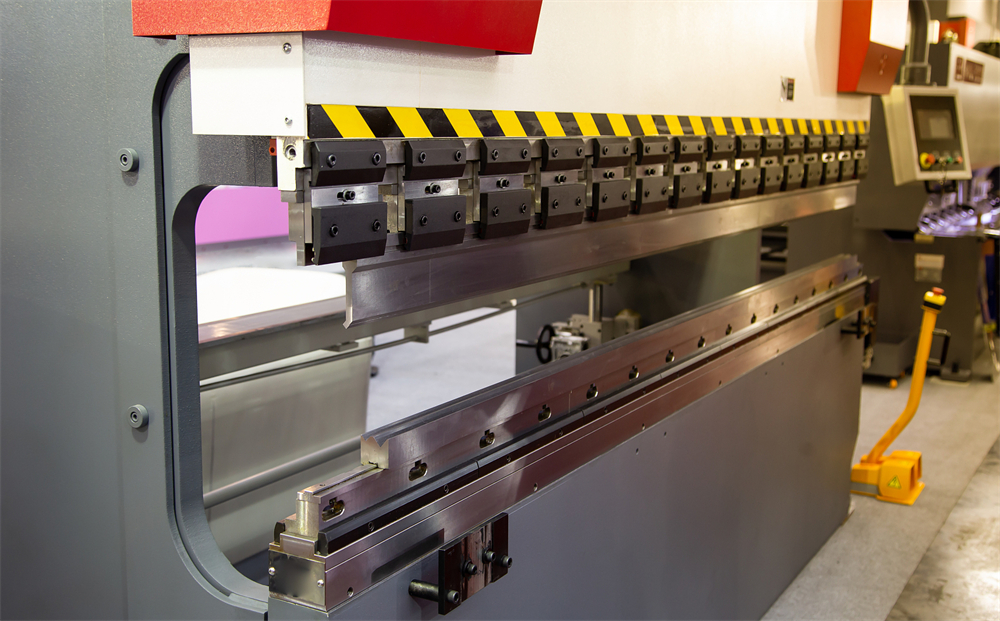
Monthly maintenance is more technical and often requires the involvement of a dedicated maintenance technician. This is the time to perform a thorough inspection of the hydraulic hoses and fittings. Look for “sweating” (minor oil seepage), cracks in the outer rubber casing, or any signs of bulging. A hydraulic hose failure under full pressure is extremely dangerous and can cause significant environmental contamination. Tighten any fittings that show signs of weeping, but be careful not to over-tighten and strip the threads.
The electrical system also requires a monthly deep dive. After ensuring the power is completely disconnected and locked out, open the electrical cabinet. Check for any signs of burnt wires or loose terminals. Vibration is the enemy of electrical connections; a loose wire can cause intermittent signals that are notoriously difficult to troubleshoot. Use a can of compressed air or a specialized vacuum to remove fine dust from the circuit boards and power supplies. Ensure that all relays and contactors are seated firmly in their sockets.
Parallelism and calibration should also be verified monthly. Over time, the ram may develop a slight tilt, or the backgauge may lose its absolute zero position. Using precision measuring tools, verify that the ram is perfectly parallel to the bed. If the machine features an auto-calibration routine in the CNC software, run it and compare the results to manual measurements. This ensures that the angles you program into the controller are the angles you get on the shop floor.
The Lubrication Plan: Reducing Friction and Wear
Lubrication is the lifeblood of mechanical longevity. A Press Brake Maintenance Checklist: Daily, Weekly, Monthly Tasks must include a detailed lubrication schedule. Most modern HARSLE machines utilize an automatic lubrication system, but this does not mean it can be ignored. The reservoir for the auto-lube system must be kept full of the correct grade of grease or oil. If the reservoir runs dry, air can enter the lines, preventing lubricant from reaching critical friction points like the ram guides (gibs).
For machines with manual lubrication points, a grease gun should be used to service the grease nipples on the backgauge, the pivot points of the foot pedal, and any manual adjustment wheels. It is vital to use the specific lubricant recommended by the manufacturer. Using a high-pressure grease where a light oil is required can lead to gumming, while using a light oil where heavy grease is needed will result in metal-on-metal contact and rapid wear.
The ram guides, or gibs, are perhaps the most important area for lubrication. These surfaces bear the immense side-loading forces generated during the bending process. If they are not properly lubricated, they will score and gall, leading to jerky ram movement and loss of precision. Clean the old, contaminated grease off the guides before applying a fresh layer. This prevents the abrasive particles trapped in the old grease from continuing to wear down the surfaces.
Troubleshooting Signals: What Your Machine is Telling You
A proactive maintenance plan includes training operators to recognize the early warning signs of trouble. One of the most common signals is a change in the sound of the hydraulic pump. A high-pitched whining or growling often indicates cavitation, which occurs when air enters the hydraulic line or the oil is too thick due to cold temperatures. If left unaddressed, cavitation will destroy the pump’s internal components in a matter of hours.
Excessive heat is another major red flag. If the hydraulic tank feels hot to the touch (generally above 60°C or 140°F), the oil is losing its viscosity and its ability to lubricate. This could be caused by a failing cooling fan, a clogged heat exchanger, or a valve that is stuck partially open, forcing the pump to work harder than necessary. Monitoring the temperature gauge on the tank should be a standard part of the daily routine.
Finally, pay attention to the consistency of the bends. If the machine starts producing inconsistent angles despite using the same material and program, it is a sign of mechanical or hydraulic drift. This could be caused by air in the cylinders, worn seals, or a loose encoder on the Y-axis. When these signals appear, it is time to pause production and refer to your maintenance checklist to isolate the problem before it results in a total breakdown.
Comprehensive Maintenance Schedule Table
| Frequency | Task Category | Action Item | Responsibility |
|---|---|---|---|
| Daily | Safety | Test E-stops, light curtains, and foot pedal. | Operator |
| Daily | Hydraulic | Check oil level and look for visible leaks. | Operator |
| Daily | Cleaning | Wipe down tooling and work surfaces. | Operator |
| Weekly | Mechanical | Clean and lubricate backgauge rails and screws. | Operator/Maintenance |
| Weekly | Electrical | Clean air filters on the CNC cabinet and fans. | Maintenance |
| Monthly | Hydraulic | Inspect hoses for wear and check oil temperature. | Technician |
| Monthly | Electrical | Tighten terminal screws and vacuum cabinet. | Technician |
| Quarterly | Calibration | Verify ram parallelism and backgauge accuracy. | Technician |
| Annually | Hydraulic | Complete oil change and filter replacement. | Technician |
Frequently Asked Questions (FAQ)
How often should I change the hydraulic oil in my press brake?
Generally, hydraulic oil should be changed every 2,000 to 4,000 hours of operation, or at least once a year. However, this depends on the environment. In dusty or high-heat shops, the oil may degrade faster. Always check the oil’s color and clarity; if it appears milky (water contamination) or dark and smells burnt (thermal degradation), change it immediately regardless of the hour count.
What type of lubricant should I use for the backgauge?
Most backgauge systems use linear guides and ball screws that require a high-quality lithium-based grease (NLGI Grade 2). However, some high-speed CNC systems might require a specific synthetic oil. Always refer to your HARSLE manual, as using the wrong lubricant can increase friction and cause the servo motors to trip on overload.
Why is my press brake losing its bend accuracy over the course of a shift?
This is often related to thermal expansion. As the hydraulic oil heats up, its viscosity changes, which can affect the response time of the valves. Additionally, the frame of the machine itself can expand slightly. Ensure your cooling system is working correctly. If the problem persists, it may be a sign of internal leakage in the cylinders or a failing proportional valve.
Can I use compressed air to clean the CNC controller?
You should be very cautious. Standard shop air often contains moisture and small amounts of oil, which can damage electronic circuits. If you use compressed air, ensure it is filtered and dry, and keep the nozzle at a safe distance to avoid dislodging small components. A specialized electronics vacuum is often a safer choice for removing dust from sensitive boards.
What should I do if I find a crack in the punch or die?
Stop using the tool immediately. A cracked tool can shatter under the tons of pressure exerted by the press brake, sending metal shards flying like shrapnel. This is a major safety hazard and can also cause permanent damage to the machine’s ram or bed. Replace the tool with a new one and inspect the machine for any underlying issues that might have caused the tool to fail, such as overloading or misalignment.












